Best Drivers of 2026: Our Top 10 Picks
By Lauryl · Feb 26, 2026
We tested 33 drivers head-to-head on the course and on the launch monitor. These are the 10 worth your money, and the ones to skip.
The State of Drivers in 2026
The driver market has shifted. After two years of the 10K MOI arms race, where every brand chased maximum moment of inertia at the expense of everything else, the pendulum is swinging back toward speed. Callaway's Quantum family introduced a Tri-Force Face that layers titanium, polymer mesh, and carbon fiber in a combination nobody had attempted before. TaylorMade's Qi4D refined its carbon face technology for a third generation. Cobra threw out MOI convention entirely with its OPTM line and introduced Product of Inertia shaping. And Ping, characteristically, made surgical improvements to a platform that was already elite.
The result is the most competitive driver market in recent memory. There isn't a single bad driver from a major OEM on shelves right now. The gaps between brands are smaller than they've ever been. Which makes choosing the right one harder, and makes getting fitted more important than ever.
This guide is designed to cut through the noise. We tested every driver on this list over multiple rounds and range sessions, in real playing conditions, with a variety of swing speeds. We're not ranking them by a single metric. We're telling you which drivers are the best for specific types of golfers, what each one does well, and where each one falls short.
One more thing: you should get fitted. We'll say it throughout this guide because it's the single best thing you can do when buying a driver. The best driver for your swing might not be the highest-ranked one on this list. A fitting ensures you're getting the right head, loft, shaft, and setup for your game.
The Quick List
- Callaway Quantum Triple Diamond Max. Best Overall · 9.2 / 10
- TaylorMade Qi4D. Best All-Around Performance · 9.0 / 10
- Ping G440 Max. Best for Forgiveness · 8.7 / 10
- Callaway Quantum Max. Best Core Model · 8.9 / 10
- Cobra OPTM LS. Best for Ball Speed · 8.6 / 10
- Titleist GT3. Best for Feel & Workability · 8.5 / 10
- TaylorMade Qi4D LS. Best Low-Spin Option · 8.5 / 10
- Ping G440 K. Best for Maximum Stability · 8.8 / 10
- Srixon ZXi. Best Value · 8.3 / 10
- Cobra OPTM Max-K. Best for High Handicappers · 8.1 / 10
A Note on Ratings vs. Rankings
You'll notice that the order of this list doesn't perfectly mirror our ratings, and that's intentional.
Our ratings (the X.X / 10 scores you see here and in each full review) measure pure performance: how well a driver does what it's designed to do, evaluated on ball speed, consistency, forgiveness, adjustability, feel, and sound. A niche driver that's exceptional at its job can rate higher than a more broadly useful one.
Our rankings in this buying guide factor in everything else: value, price, how wide an audience the driver serves, ease of fitting, and overall recommendation priority. A driver can rate higher on performance but rank lower here because it's more expensive, serves a narrower player profile, or simply isn't the first one we'd point most golfers toward.
The ratings tell you how good a driver is. The rankings tell you which one to buy.
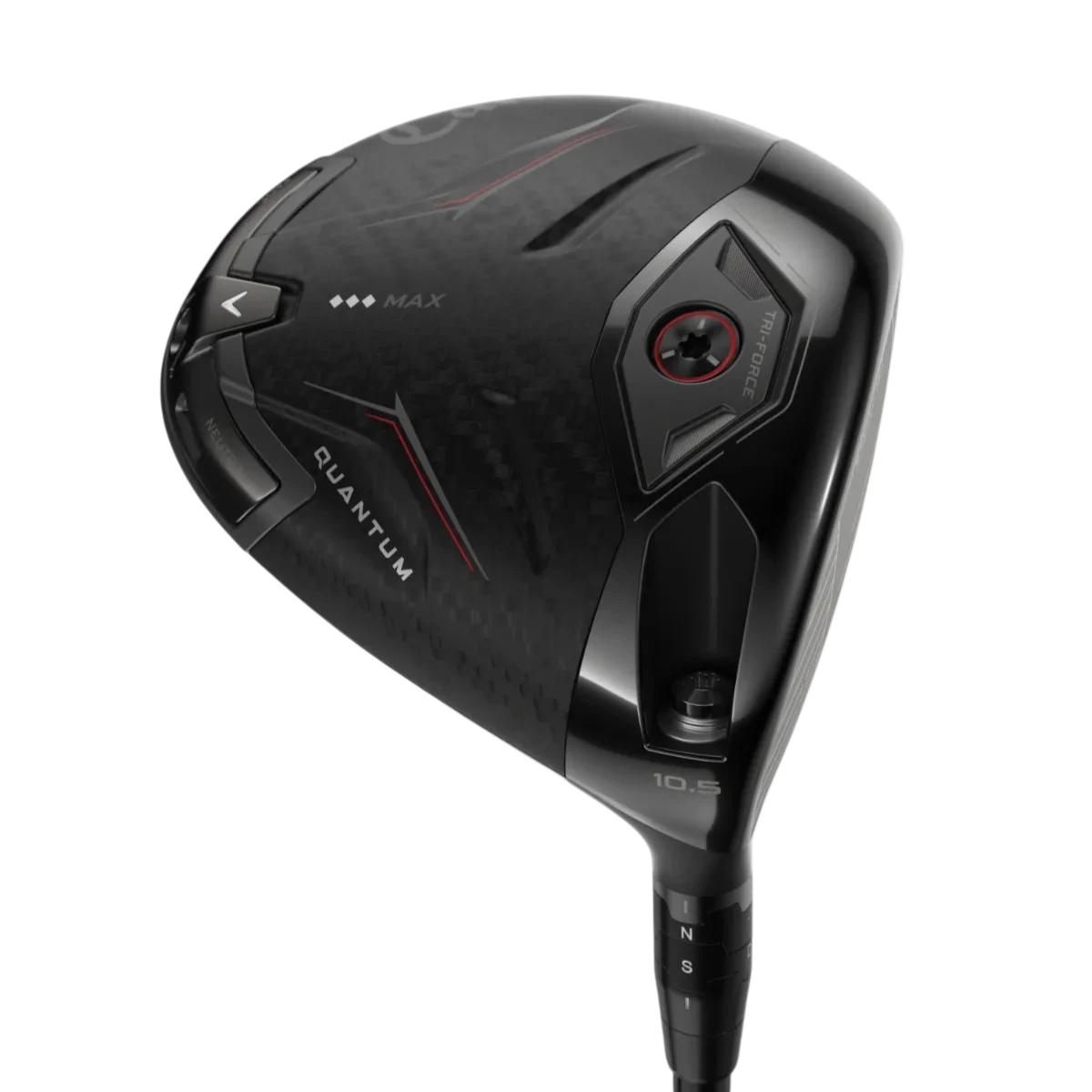
1. Callaway Quantum Triple Diamond Max
Best Overall
MSRP: $699 | Lofts: 9°, 10.5° | Stock Shaft: Fujikura Ventus Black 60 | Adjustability: OptiFit hosel (8 configurations) + APW 10g weight (neutral/fade)
The Quantum Triple Diamond Max is the best driver we tested in 2026, and it wasn't particularly close.
What Callaway has done here is genuinely new. The Tri-Force Face, three materials layered into a single integrated face structure, produces ball speed and spin consistency that we haven't seen from any other design approach. The titanium front provides the structural integrity, the carbon fiber backing adds flex where you need it, and the Poly Mesh bonding layer lets the whole thing work as a system rather than just stacked materials. This isn't three pieces glued together. The 14% thinner titanium, combined with 17% more resilience than titanium-only construction, lets Callaway push the face performance further than a single material allows.
On the course, what you notice isn't one standout metric, it's the consistency. Drive after drive, the speed holds. The spin stays in a tight window. Mishits that would cost you 8–10 yards with other drivers cost you 4–5 here. The dispersion is elite-level tight. Callaway tested over 59,000 face designs and ran 2.2 million impact simulations to optimize the Tri-Force construction, and you can feel the result.
The APW (Adjustable Perimeter Weight) gives you real adjustability between neutral and fade positions, and the OptiFit hosel covers eight total configurations for loft and lie. The 460cc head is more compact than the Quantum Max, with a visual footprint that better players will appreciate, it inspires confidence without looking oversized.
At $699, the Triple Diamond Max is the most expensive driver on this list. That's the only reason it isn't a slam-dunk recommendation for everyone. The performance justifies the price for golfers who can take advantage of it. But if you're a 20+ handicapper, the extra $50–100 over the Quantum Max buys you a more compact profile and fade-bias weighting that you probably don't need.
Who it's for: Mid-to-low handicappers who want the best combination of speed, forgiveness, and adjustability available right now. This is a driver you can keep in your bag for years.
Who should skip it: If you're a 20+ handicapper who needs maximum draw bias and ultra-high launch, the Quantum Max or Ping G440 K will serve you better.
Our Rating: 9.2 / 10 · Read the full review →
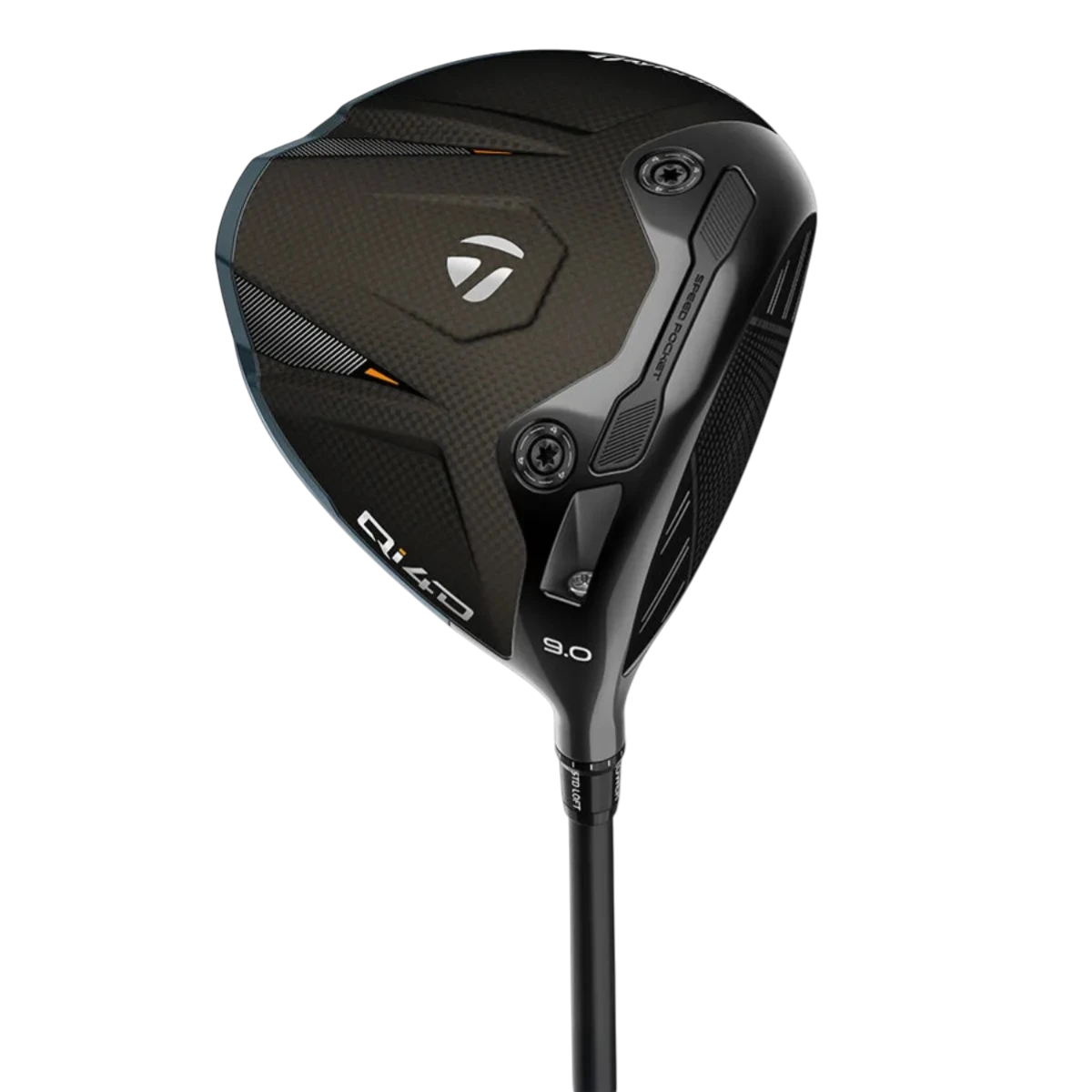
2. TaylorMade Qi4D
Best All-Around Performance
MSRP: $599 | Lofts: 8°, 9°, 10.5°, 12° | Stock Shaft: Mitsubishi REAX MR Blue 50/60, HR Red 50/60, LR White 60 | Adjustability: 4° loft sleeve + quad TAS weights (2x9g, 2x4g)
The Qi4D is the third generation of TaylorMade's carbon face platform, and it's the one where the technology finally feels mature. The 60x Carbon Twist Face generates measurably more ball speed through the hitting zone than a comparable titanium design, 1.2 mph more than the Qi35, according to TaylorMade's data, and the redesigned roll radius reduces spin variance by 30% or more across vertical impact locations.
But what truly sets the Qi4D apart is its adjustability. The quad TAS (TaylorMade Adjustability System) uses four weights, two 9-gram and two 4-gram, across four ports, giving you 4-axis adjustment that no other driver matches. Both 9-gram weights forward for maximum speed. Both back for maximum forgiveness. Both heel for draw bias. Both toe for fade. Or split them for blended setups. It's the most adjustable driver on the market.
TaylorMade also rethought the shaft menu with REAX, a system built around rotation rate rather than traditional flex. High Rotation (HR), Mid Rotation (MR), and Low Rotation (LR) options help golfers find the right shaft based on how their hands actually move through the swing, not just swing speed. It's a more intuitive approach, and the included options, available in multiple weights at no upcharge, rival aftermarket quality.
The Qi4D reverts to a Qi10-style pear shape after the Qi35's stretched profile, and the aesthetics are among the best in the TaylorMade lineup. The return to form, combined with improved acoustics over the Qi35, makes the address view clean and confidence-inspiring. Scheffler, McIlroy, and Fleetwood were all playing the Qi4D before it reached retail. At $599, it matches the Ping G440 Max and undercuts the Callaway Quantum lineup.
Who it's for: Golfers across a wide handicap range who want a modern, fast driver with more adjustability than anything else available. The four-weight system means this driver can be genuinely configured for almost any player.
Who should skip it: If you need aggressive draw bias or ultra-high launch, the Qi4D Max (with its aluminum collar saving 9g and a more forgiving package) is the better choice.
Our Rating: 9.0 / 10 · Read the full review →
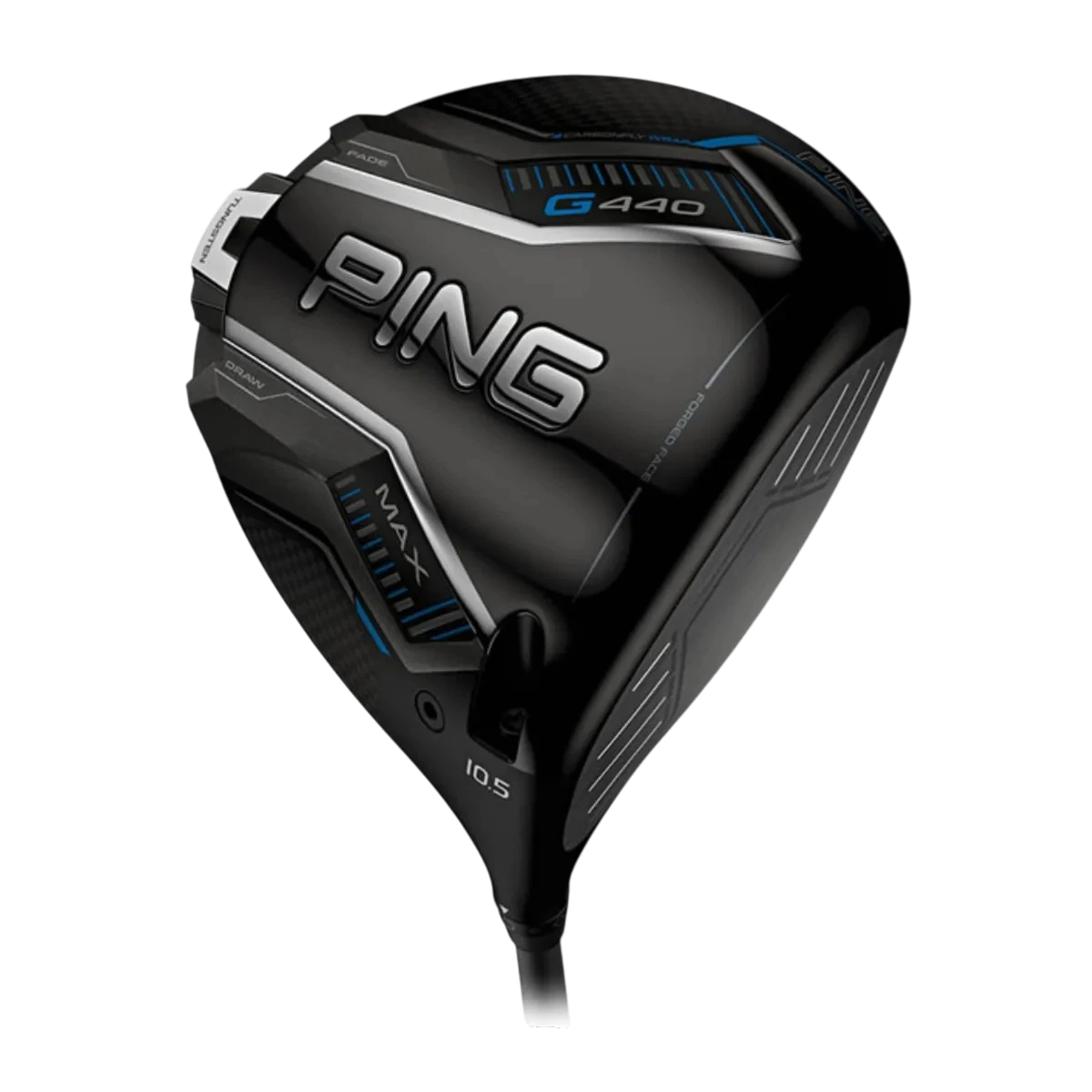
3. Ping G440 Max
Best for Forgiveness
MSRP: $600 | Lofts: 9°, 10.5°, 12° | Stock Shaft: Ping Alta CB Blue 55 | Adjustability: 8-position Trajectory Tuning 2.0 hosel + 29g back weight (draw/neutral/fade)
Ping doesn't chase trends. While every other brand was launching entirely new driver families for 2026, Ping refined the G440 platform with surgical precision. The G440 Max carries over the multi-material construction and tungsten weighting that made the G430 line dominant, but the internal CG work is new and the results are measurable.
This is the most dependable core driver on the market. Ask a club fitter what they're putting golfers in right now and an uncomfortable number of them will say the same thing: the G440 Max. It works for everyone, low handicappers, high handicappers, fast swings, moderate swings, drawers, faders.
The Carbonfly Wrap crown, previously exclusive to the G430 LST, is now standard across the entire G440 family, saving mass that's been reinvested into a 29-gram tungsten back weight, 7 grams heavier than the G430 Max. That additional mass, positioned as deep in the head as possible, creates Ping's lowest CG in a driver to date. The lower CG produces higher launch from any given loft, which means golfers can drop down a loft increment and gain ball speed without losing trajectory. Free-Hosel Technology saves another 5 grams from the heel section while allowing the face to flex more freely in that area, a meaningful improvement for golfers who tend to miss toward the heel.
The three-position back weight (draw/neutral/fade) is among the most impactful weight systems in the industry. This is a heavy weight, and the CG shift between positions creates a noticeable, visible difference in shot shape. The 8-position Trajectory Tuning 2.0 hosel adds ±1.5° of loft adjustment.
And the sound, finally, genuinely, is good. The Carbonfly Wrap crown and internal ribbing produce a muted, solid impact that buries the metallic, ringy sound that cost Ping customers for years. This is the best-sounding Ping driver in memory.
This is where ratings vs. rankings matters: the Quantum Max rates higher (8.9 vs. 8.7) because Callaway's Tri-Force Face produces marginally more ball speed, particularly on centered strikes. But the G440 Max ranks higher because it's $49 cheaper, more forgiving on mishits, and accommodates a wider range of golfers. For most people walking into a fitting, this is the one.
Who it's for: Any golfer who values consistency over maximum distance. The broadest recommendation on this list, it works from scratch players to 25-handicaps.
Who should skip it: Low handicappers who already find the center consistently and want more workability or lower spin.
Our Rating: 8.7 / 10 · Read the full review →
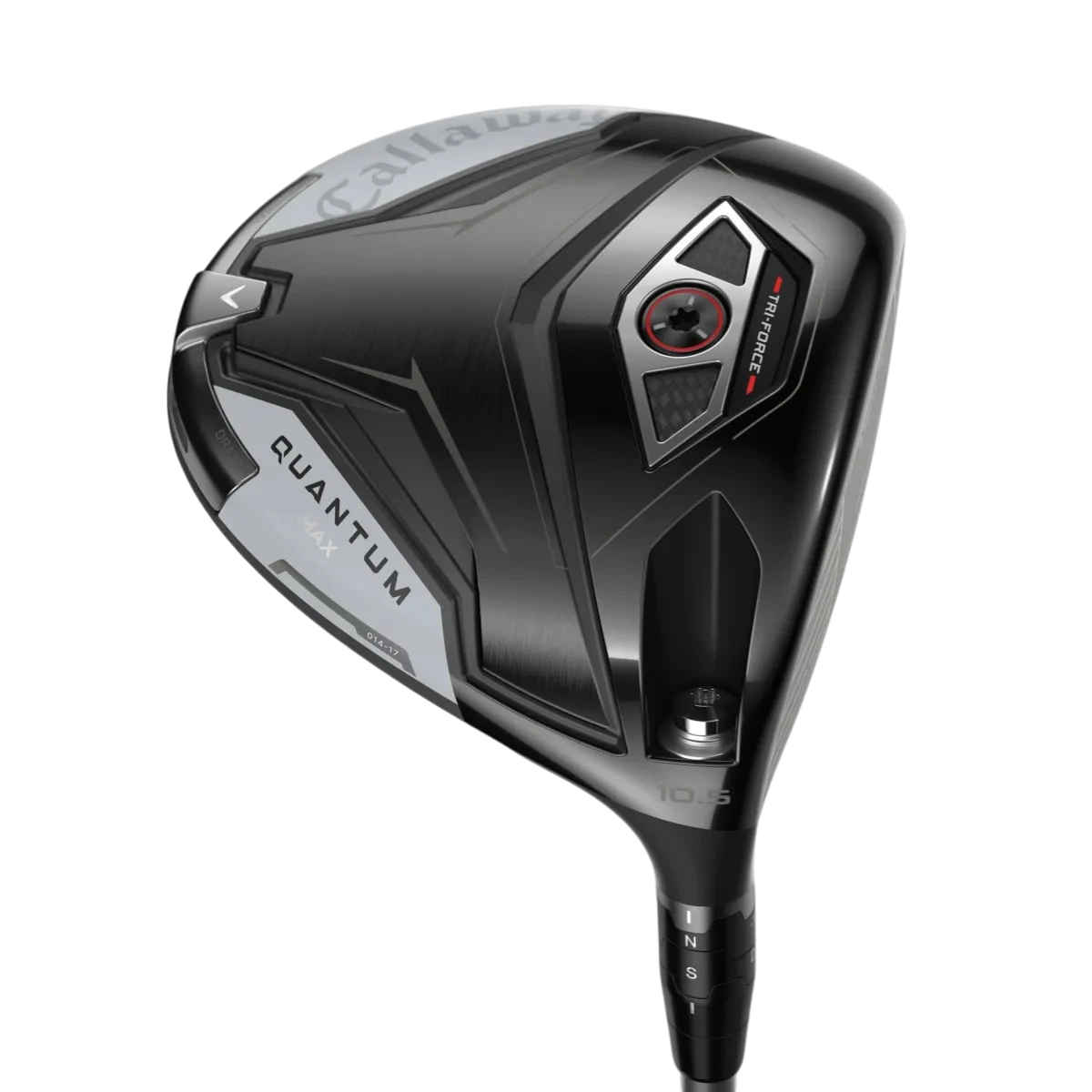
4. Callaway Quantum Max
Best Core Model
MSRP: $649 | Lofts: 9°, 10.5°, 12° | Stock Shaft: True Temper Denali Silver 50 | Adjustability: OptiFit hosel (8 configurations) + APW 10g weight (neutral/draw)
If the Triple Diamond Max is Callaway's scalpel, the Quantum Max is its Swiss Army knife. Same Tri-Force Face technology, titanium, Poly Mesh, and carbon fiber working as a unit, but in a full-size 460cc head with a draw-biased APW weight and the broadest appeal of any driver in Callaway's five-model Quantum lineup.
The Quantum Max does everything well and almost nothing poorly. It launches easily, generates competitive ball speed, and the OptiFit hosel provides eight configurations for loft and lie tuning. The 360° Carbon Chassis keeps the head light despite the full-size profile, and the APW weight toggles between neutral and draw positions, the opposite bias of the Triple Diamond Max's neutral/fade, which tells you exactly who each model is designed for.
We found the Quantum Max to be particularly impressive for golfers in the 90–100 mph swing speed range. It's that sweet spot where you benefit from the Tri-Force Face's speed but also need the extra forgiveness that the larger head provides. Ball speed across the face was among the most consistent we measured in any full-size driver, a direct result of the multi-material face construction maintaining flex even on off-center contacts.
The Quantum lineup deserves a brief overview. The Quantum Max (this pick) is the core model with draw-biased APW. The Quantum Max D adds more draw bias with fixed internal weighting. The Quantum Max Fast is an ultralight build (15% lighter) for slower swing speeds. The Quantum Triple Diamond is a compact 450cc head with neutral/fade APW. And the Quantum Triple Diamond Max (our #1 overall) bridges the TD's compactness with a full-size 460cc frame and neutral/fade APW at a $699 premium.
Who it's for: The broadest range of golfers on this list. If you're a 10-to-25 handicapper, this should be on your shortlist.
Who should skip it: Better players who want a more compact profile and lower spin. That's the Triple Diamond's territory.
Our Rating: 8.9 / 10 · Read the full review →
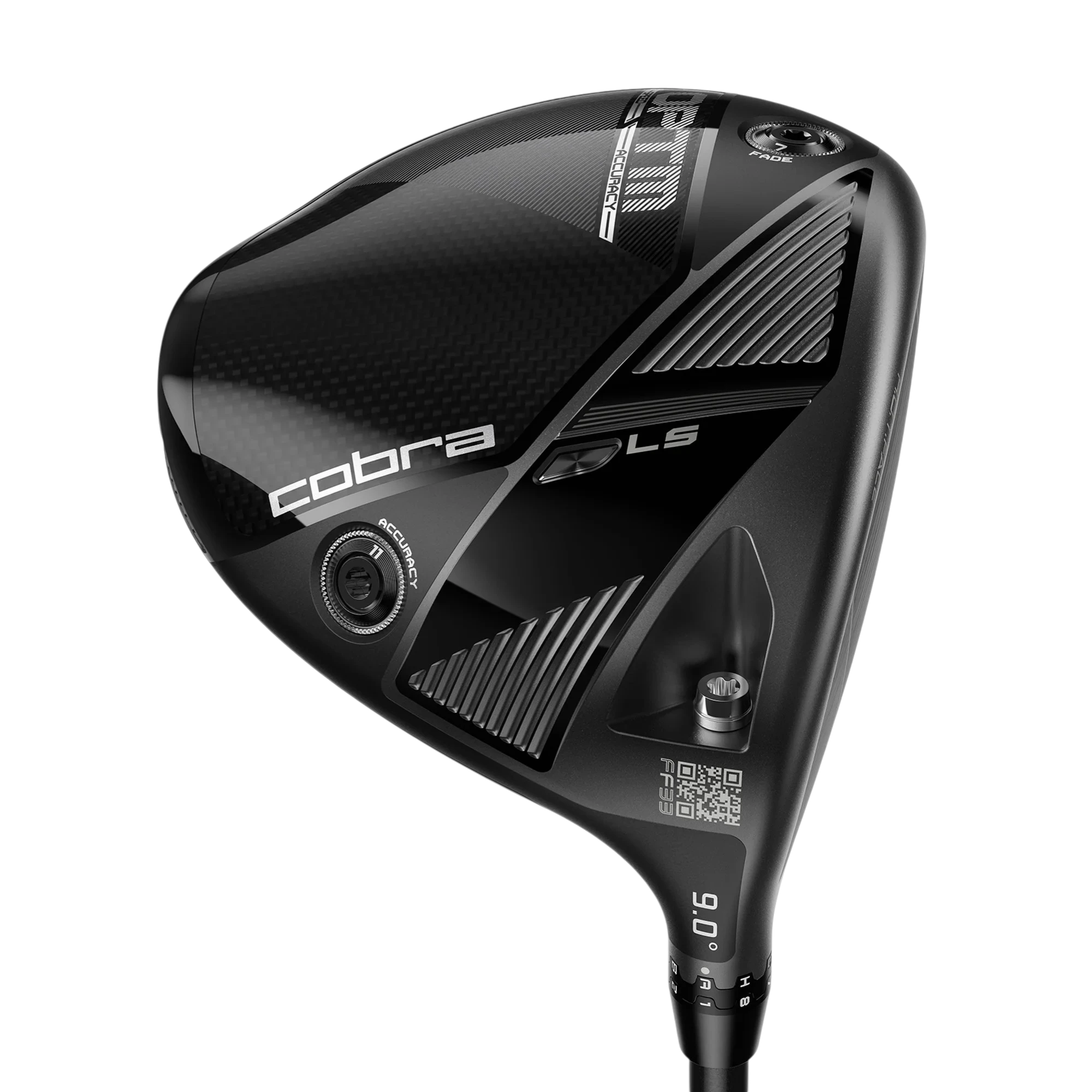
5. Cobra OPTM LS
Best for Ball Speed
MSRP: $600 | Lofts: 9°, 10.5° | Stock Shaft: Mitsubishi Kai'li Dark Waves | Adjustability: FutureFit33 hosel (33 settings) + 3-weight system (11g/7g/3g in high-toe, mid-heel, back positions)
Cobra did something genuinely interesting with the OPTM line. Instead of chasing MOI (which measures resistance to twisting in a single axis), they built around Product of Inertia, a metric that captures how the head rotates diagonally across all three axes simultaneously at impact. The result is a head that, according to Cobra's data, reduces shot dispersion by up to 23% compared to the previous DS-ADAPT generation.
The LS model is the compact, low-spin variant, and it produced the highest ball speeds of any driver in our testing, across all swing speed groups. The aerodynamic tour profile cuts through the air faster, and the forward CG position creates a hotter center contact. The H.O.T. (Highly Optimized Topology) Face insert features 15 AI-designed thickness zones to maintain speed across the hitting area.
The three-weight system (11g, 7g, and 3g) across three ports, high toe, mid heel, and back, gives you meaningful adjustability for spin and shot shape. The weight ports are labeled Fade, Accuracy, and Forgiveness, which tells you how Cobra intends each configuration to perform. Combined with the FutureFit33 hosel (33 independent loft and lie combinations with ±2° adjustment), the OPTM LS offers extensive tunability that rivals the TaylorMade Qi4D's four-weight system.
The trade-off is less forgiveness on mishits. If you're finding the center 60% or more of the time, the speed gains are real and significant. If you're not, the OPTM X is the better Cobra for you.
Who it's for: Better players who prioritize ball speed and distance. Mid-to-low handicappers with consistent contact patterns. Golfers who like a compact, workable head shape.
Who should skip it: High handicappers or golfers with moderate-to-slow swing speeds. The forgiveness drop-off on mishits is real.
Our Rating: 8.6 / 10 · Read the full review →
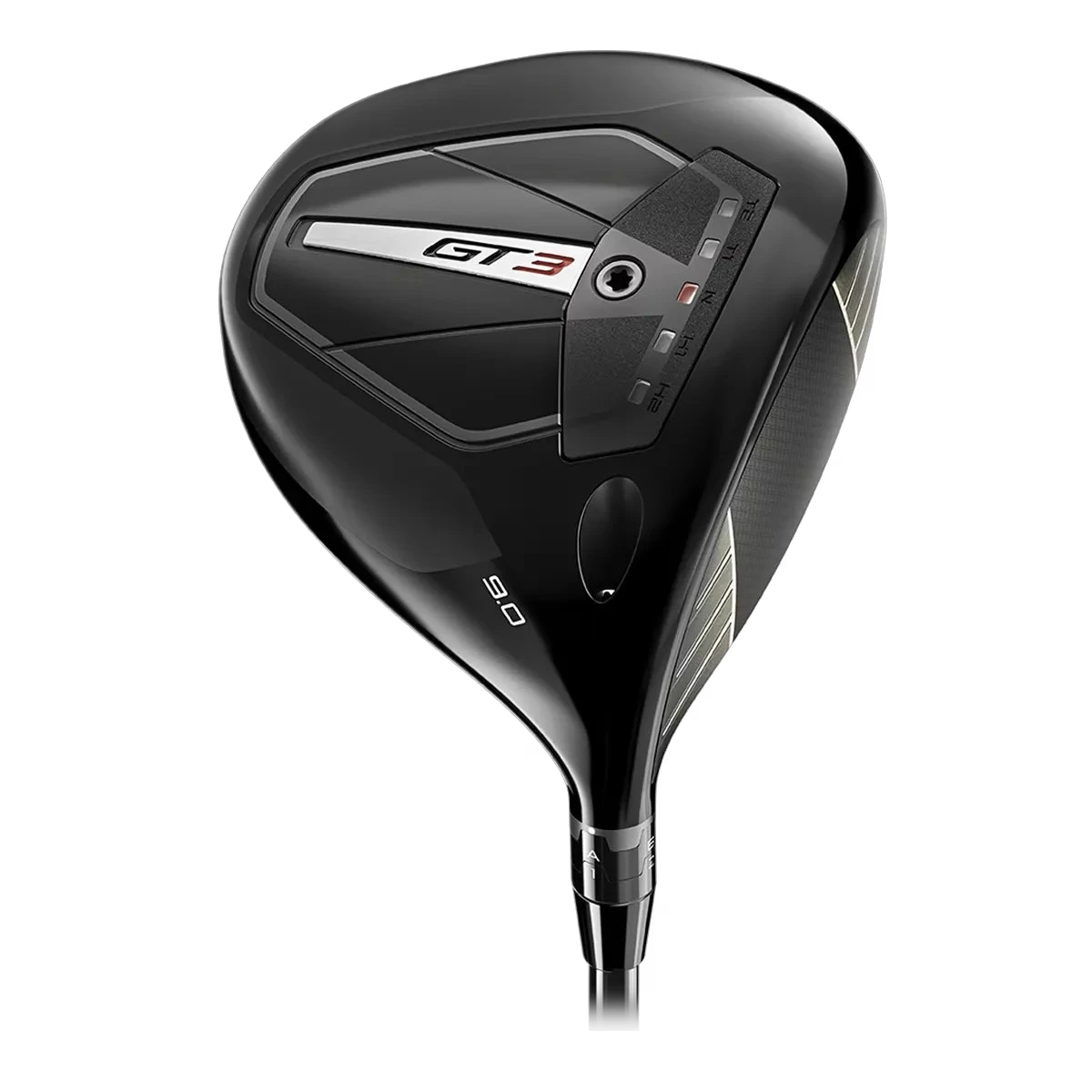
6. Titleist GT3
Best for Feel & Workability
MSRP: $629 | Lofts: 8°, 9°, 10°, 11° | Stock Shaft: Mitsubishi TENSEI 1K Black 65 | Adjustability: SureFit hosel (16 loft/lie combos) + SureFit CG track (5 positions: H2, H1, N, T1, T2)
Titleist hasn't released new drivers for 2026, the GT line launched in mid-2025 and remains current. And honestly, it doesn't need an update. The GT3 is still one of the best-feeling, best-looking, most adjustable drivers you can buy, and the performance hasn't been surpassed by anything in this year's crop.
The GT3 sits in the middle of Titleist's range, more forgiving than the GT4 bomber, more workable than the GT2. The five-position CG Track runs along the sole from heel to toe, repositioned closer to the face compared to the TSR3, magnifying the effect of each weight position. Combined with the 16-setting SureFit hosel, you're looking at 80 possible setup permutations before you even get into shaft selection. Fitters love this driver because it gives them so many levers to pull.
The Seamless Thermoform Crown, built from a Proprietary Matrix Polymer approximately three times lighter than titanium, freed up massive discretionary weight for the Split Mass Construction that makes the GT3 significantly more forgiving than the TSR3. And the sound is where the GT3 separates itself from everything else on the market: a crisp, authoritative impact that gives you instant, honest feedback on strike quality.
Titleist's stock shaft menu is among the best in the industry, four featured options (Project X Denali Red, Mitsubishi TENSEI 1K Blue, Project X HZRDUS Black 5th Gen, Mitsubishi TENSEI 1K Black) are all genuine aftermarket-quality offerings at no upcharge.
The bonus: with the 2026 models now on shelves, GT3 street prices have dropped significantly. You can find them well under MSRP. That makes an already strong driver an even better value.
Who it's for: Better players who value feel and shot-shaping ability. Golfers who appreciate classic aesthetics and a traditional head shape. Anyone who's been waiting for the GT3 to go on sale.
Who should skip it: If maximum forgiveness is your priority, this isn't it. The GT2 or Ping G440 Max are better options.
Our Rating: 8.5 / 10 · Read the full review →
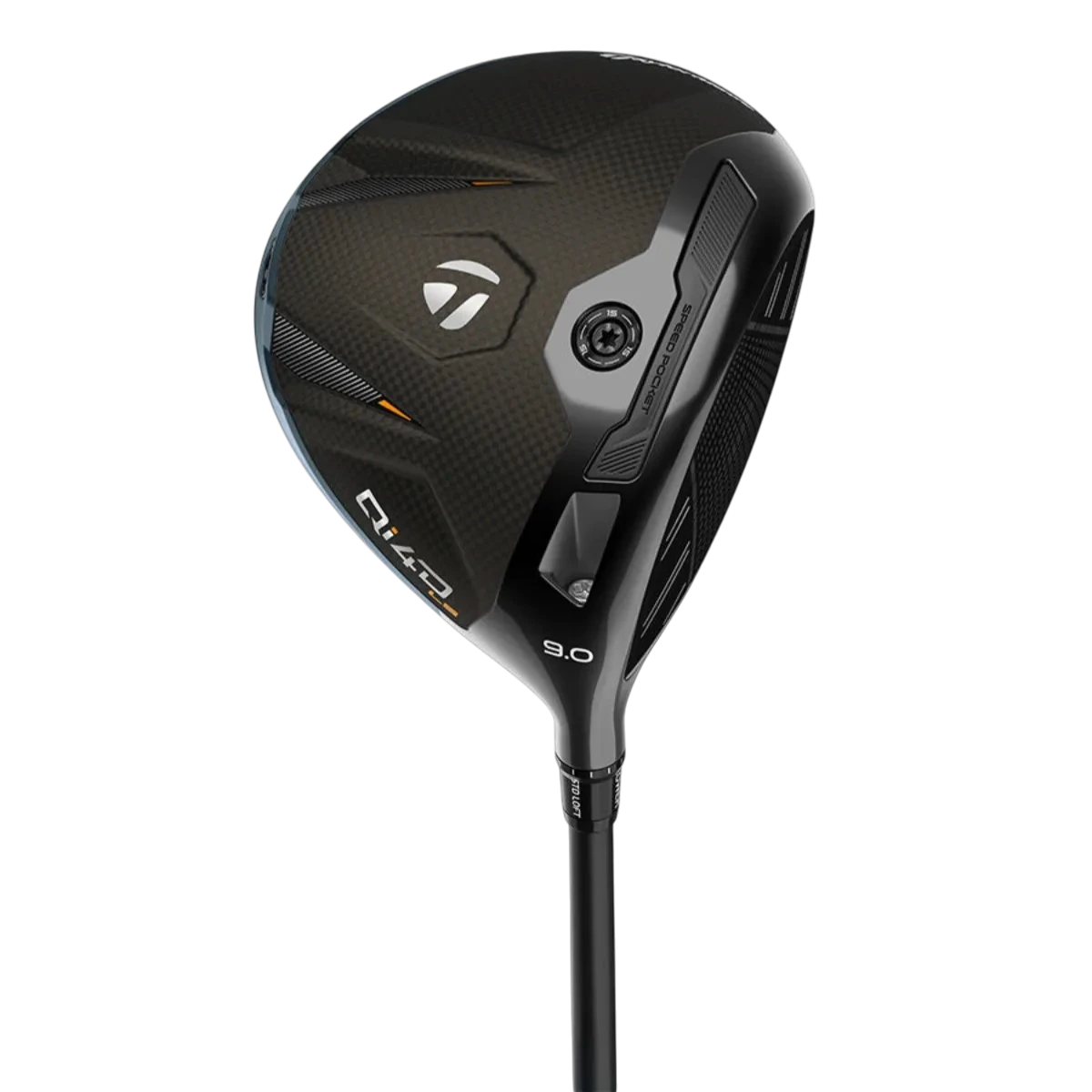
7. TaylorMade Qi4D LS
Best Low-Spin Option
MSRP: $599 | Lofts: 8°, 9°, 10.5° | Stock Shaft: Mitsubishi REAX MR Blue 60, HR Red 50/60, LR White 60 | Adjustability: 4° loft sleeve + TAS weights (15g and 4g, forward/back)
If you're a faster swing speed player who fights high spin and ballooning drives, the Qi4D LS should be near the top of your fitting list. TaylorMade pushed the CG forward and low in this head, producing a flatter, more penetrating trajectory with spin numbers that sit consistently below what the core Qi4D delivers.
The Qi4D LS is the fastest, lowest-spinning head in the Qi4D family. The aerodynamic profile, refined with CFD optimization, delivers 1.2 mph more ball speed versus the Qi35, and the two-weight TAS system (15g and 4g) provides front/back adjustment for dialing in your spin profile. The 15-gram weight is the heaviest single weight in the Qi4D range, and its forward/back impact on spin is meaningful, forward for maximum speed and lowest spin, back for a touch more stability and launch.
The carbon face technology pays dividends here because the lighter face allows TaylorMade to redistribute mass more aggressively into the low-forward CG position. The redesigned roll radius, same 30%+ spin variance reduction as the core Qi4D, maintains consistency even on vertical mishits. In our testing, the LS produced 200–400 rpm less spin than the standard Qi4D at swing speeds above 105 mph, with comparable ball speed.
The compact 460cc head has a traditional pear shape that's visually tighter than the core Qi4D, and the sound is fast and clean, the carbon face produces a unique, muted impact that's become a TaylorMade signature.
Who it's for: Golfers with swing speeds above 95 mph who fight high spin and ballooning trajectory. Single-digit handicappers who want a penetrating ball flight.
Who should skip it: If your swing speed is below 95 mph, this driver will produce too little spin and the ball will fall out of the sky. You need the core Qi4D or the Max.
Our Rating: 8.5 / 10 · Read the full review →
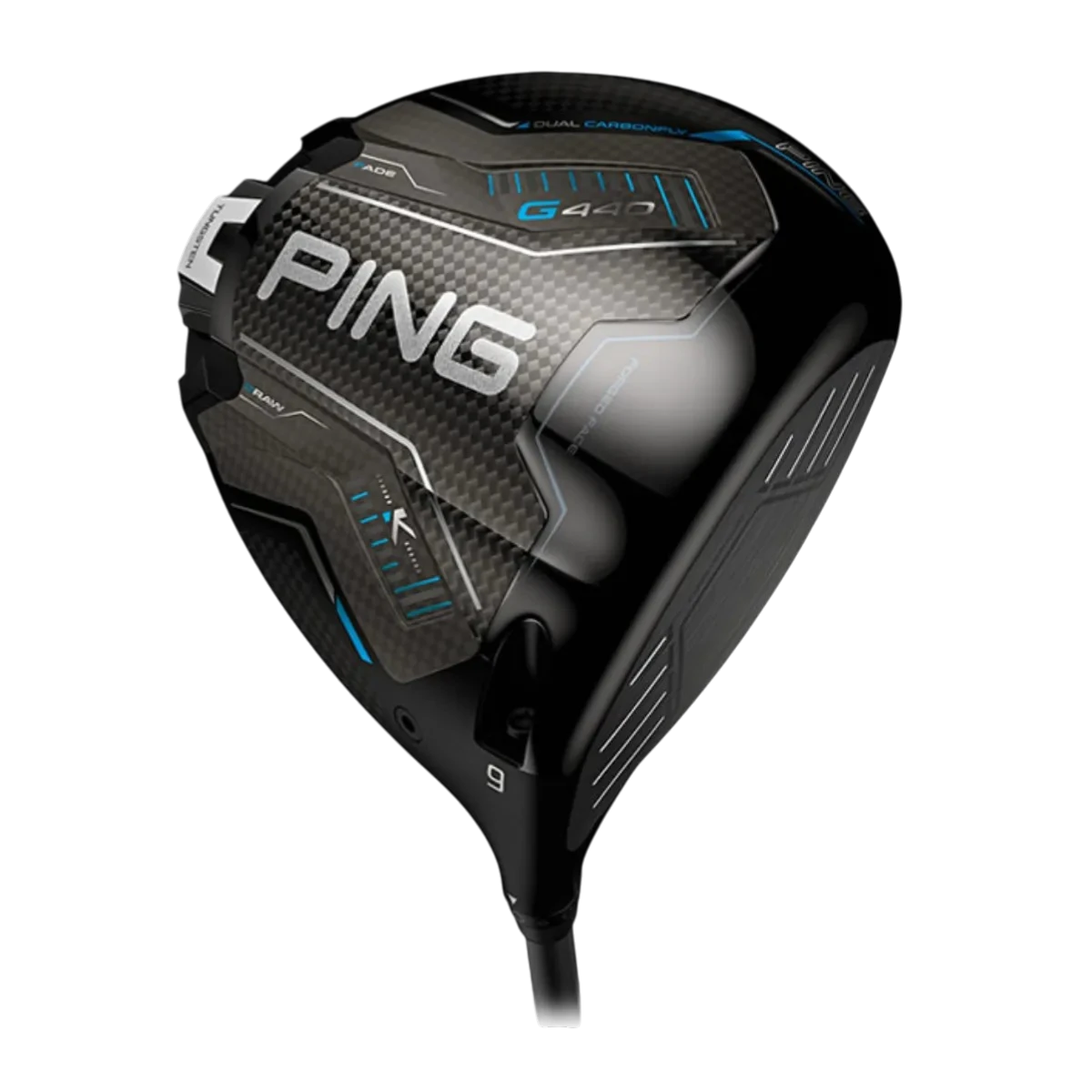
8. Ping G440 K
Best for Maximum Stability
MSRP: $705 | Lofts: 9°, 10.5°, 12° | Stock Shaft: Ping Alta CB Blue 50 | Adjustability: 8-position Trajectory Tuning 2.0 hosel + 32g back weight (draw/neutral/fade)
The G440 K is the successor to the wildly popular G430 Max 10K, and it pushes the forgiveness envelope even further. A 32-gram adjustable back weight, 4 grams heavier than its predecessor and the heaviest movable weight in any production driver, drives the MOI to over 10,400 g-cm² in the fade position. This head simply does not want to twist on off-center strikes.
This is a case where our ratings vs. rankings philosophy is most visible. The G440 K rates 8.8 / 10, higher than the G440 Max (8.7), the OPTM LS (8.6), the GT3 (8.5), and the Qi4D LS (8.5). It's genuinely outstanding at what it does. But it ranks #8 because $705 is the highest price on this list, the audience is narrower than any other driver here, and most golfers who think they need the K would actually be better served by the G440 Max at $600. This ranking isn't a knock on the driver. It's an acknowledgment that the best-performing driver for a specific niche isn't always the best recommendation for most golfers.
Dual Carbonfly Wrap, carbon on both the crown and sole, saving 5 grams total, is exclusive to the K within the G440 family. Free-Hosel Technology saves another 3 grams from the heel section while increasing face flex in that area. The T9S+ forged face with Spinsistency variable face curvature maintains spin consistency across the hitting area. And the sound is the best any high-MOI driver has ever produced, muted, solid, and refined in a way that previous 10K-class drivers haven't achieved.
An HL (High Launch) build is available with a 28-gram weight, ultralight shaft, and lighter grip for golfers with swing speeds in the 75–90 mph range.
Who it's for: High handicappers, beginners, and any golfer whose primary issue is consistency rather than distance. Seniors who've lost some swing speed and need the ball to stay in play. Golfers willing to pay the premium for the absolute most forgiving adjustable driver available.
Who should skip it: Low handicappers who find the center consistently. You're giving up some workability and a touch of speed for forgiveness you may not need, and paying $105 more than the G440 Max.
Our Rating: 8.8 / 10 · Read the full review →
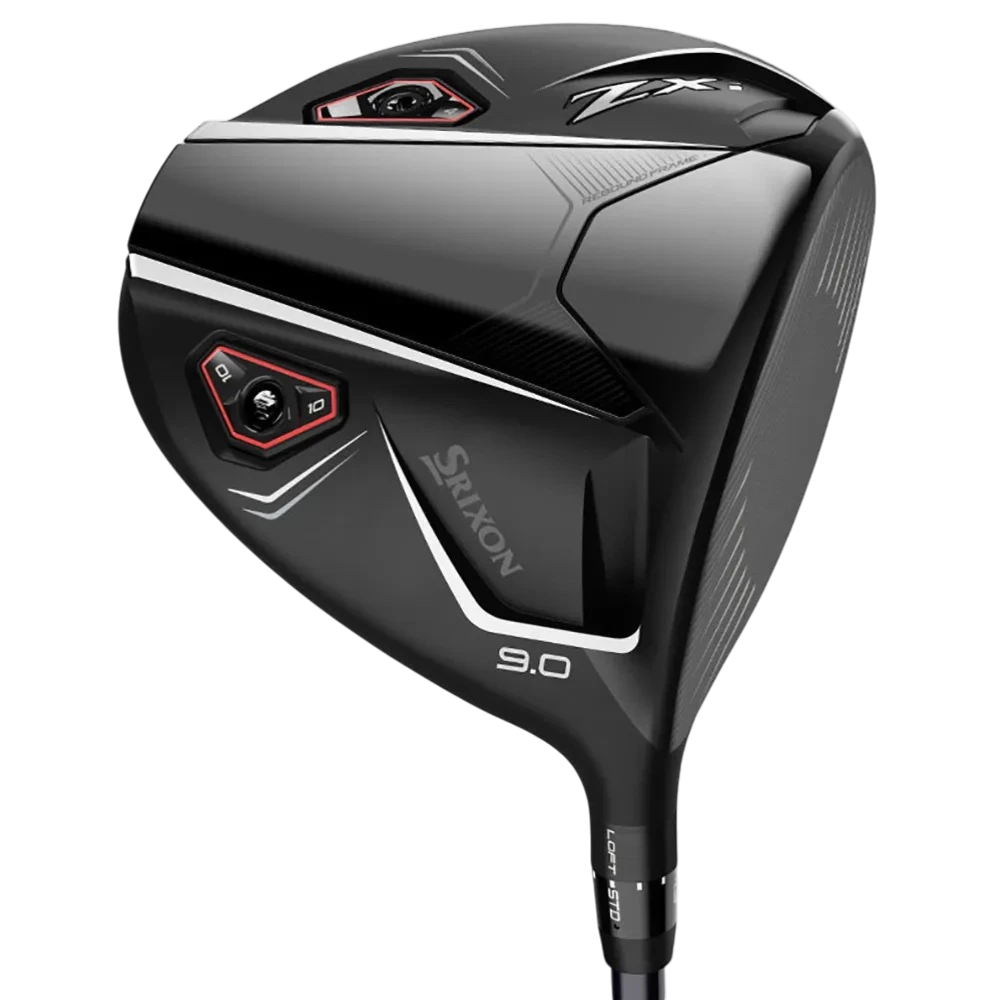
9. Srixon ZXi
Best Value
MSRP: $549 | Lofts: 9°, 10.5° | Stock Shaft: Fujikura Ventus TR Blue 6 | Adjustability: 1.5° loft sleeve (12 settings) + dual sole weights (10g and 4g, heel/toe)
At $549, $50 to $150 less than every other driver on this list, the Srixon ZXi is the best value proposition in the driver market. And the performance backs it up.
The ZXi features i-FLEX face technology with Ti72S titanium, lighter, stronger, and more flexible than the Ti51AF in the previous generation, allowing the center of the face to be thinner than ever before for higher ball speed. A Rebound Frame dual-layer trampoline system optimizes energy transfer, and a Star Frame lattice under the titanium crown provides structural integrity while saving weight. In multiple independent tests, the ZXi has been measured as one of the straightest and fastest drivers available. Not "for a Srixon." Not "for the price." Competitive with everything.
The all-new 1.5° loft sleeve provides 12 settings, a massive improvement over Srixon's previous hosel, which had too many positions to be usable. Dual heel/toe sole weights (10g and 4g, with additional weights from 2g to 16g available) allow draw/fade tuning. Laser Face Milling stabilizes spin in wet conditions. The aesthetics and sound have both taken a significant step forward, the ZXi looks and feels like a $600+ driver.
Brooks Koepka, Shane Lowry, and Hideki Matsuyama play Srixon drivers for a reason. The ZXi's biggest limitation is its loft selection, just 9° and 10.5°, which forces golfers who need 12° to look at the ZXi MAX or another brand. The fitting footprint is also smaller than the Big Three; fewer shops have the ZXi in their demo matrix. But for the golfer willing to seek it out, the value is extraordinary.
Who it's for: Golfers who want premium performance without the premium price tag. Mid-handicappers who value accuracy. Anyone tired of paying $600+ for a driver.
Who should skip it: Golfers who need loft options outside 9° and 10.5°. Brand-loyal players who won't consider Srixon.
Our Rating: 8.3 / 10 · Read the full review →
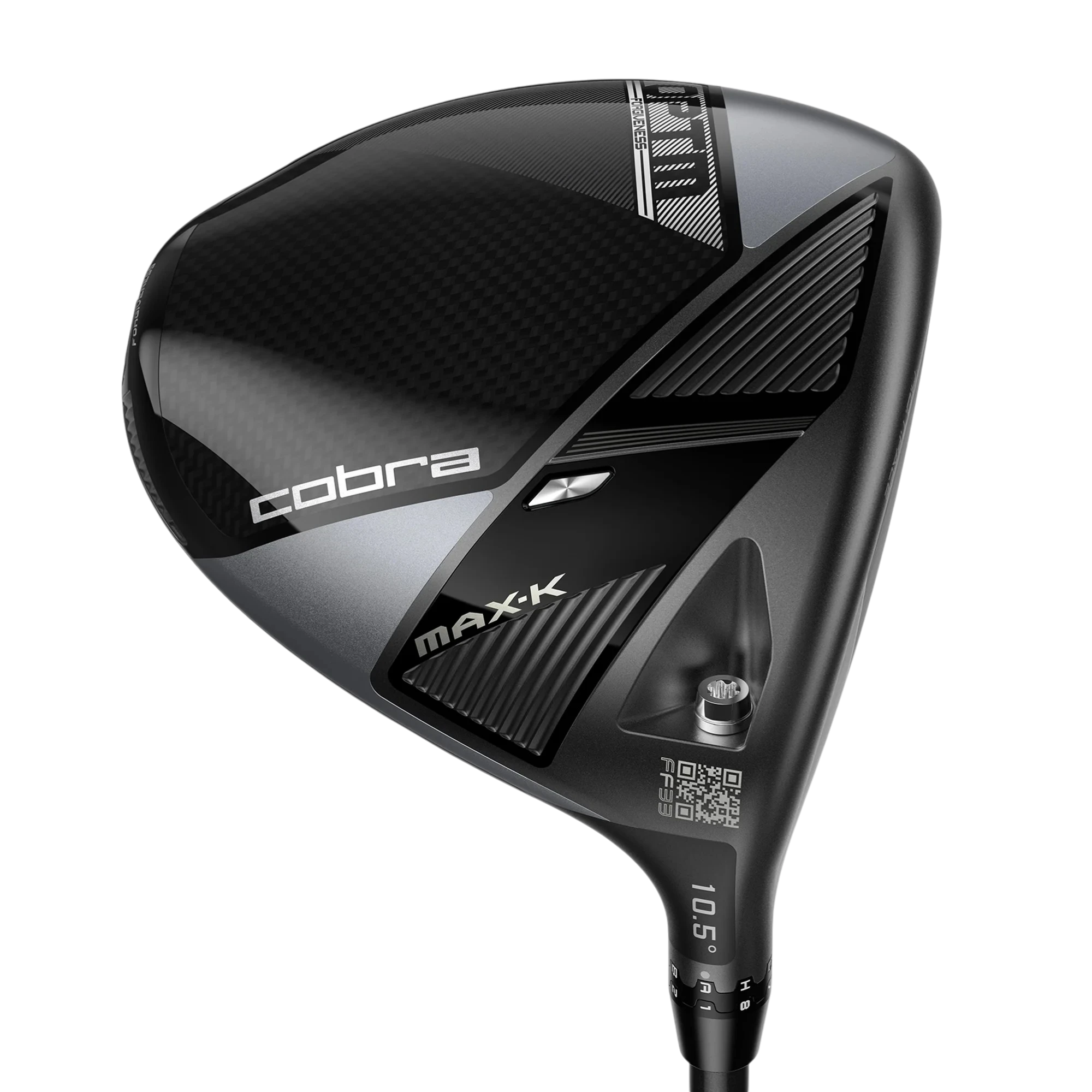
10. Cobra OPTM Max-K
Best for High Handicappers
MSRP: $600 | Lofts: 9°, 10.5°, 12° | Stock Shaft: Mitsubishi Kai'li Dark Waves Blue 60 | Adjustability: FutureFit33 hosel (33 settings) + fixed 11g rear weight
The OPTM Max-K is Cobra's answer to the Ping G440 K, a maximum-stability head that achieves Cobra's highest MOI ever. But where Cobra distinguishes itself is in how the head achieves that stability without forcing a specific ball flight, and through a metric the rest of the industry isn't talking about yet: Product of Inertia.
While the G440 K optimizes for traditional MOI (resistance to twisting along individual axes), the Max-K adds POI optimization, reducing diagonal, multi-axis twisting at impact through AI-refined head shaping and strategic weight placement. Cobra claims this produces up to 23% tighter dispersion versus the previous DS-ADAPT generation. Whether you buy the physics or not, the practical result is undeniable: the Max-K is remarkably difficult to miss with.
Most ultra-high-MOI drivers push everything into a high draw. The Max-K doesn't. It's stability-first but flight-neutral, which means you can set it up for a draw through the FutureFit33 hosel if you want, but it won't force one on you if your natural shot is a fade. The 11-gram rear weight is fixed, no sole weight adjustability, but the FutureFit33 hosel's 33 independent loft and lie combinations provide meaningful tunability. The H.O.T. Face with 15 AI-designed thickness zones maintains ball speed across the hitting area.
The OPTM lineup includes three siblings: the OPTM X (core model, two movable weights), the OPTM LS (low spin, three movable weights, reviewed separately at 8.6/10), and the OPTM Max-D (draw-biased, fixed heel weight for slice correction).
At $600, the Max-K undercuts the Ping G440 K by $105 while offering competitive forgiveness. The G440 K has higher absolute MOI, an adjustable weight, and more refined acoustics. But for high handicappers and beginners who prioritize keeping the ball in play and don't want to pay a $105 premium, the Max-K is the smart alternative.
Who it's for: High handicappers and beginners who want maximum forgiveness in a flight-neutral package. Golfers who want stability without a forced draw bias.
Who should skip it: If you specifically want draw bias to fight a slice, the OPTM Max-D or TaylorMade Qi4D Max are better fits. If budget allows and you want the absolute highest MOI with adjustable weighting, the G440 K is the step up.
Our Rating: 8.1 / 10 · Read the full review →
Drivers We Tested but Didn't Make the Cut
Not every driver we tested earned a spot on this list. Here are a few notable omissions and why:
Titleist GT2. Excellent forgiveness for a Titleist, and the aesthetics are gorgeous. But the GT3 offers better value as prices drop, and the performance gap between the GT2 and the Ping G440 Max (at a lower price) made it hard to justify a top-10 spot.
Titleist GT4. A legitimate bomber for the fastest swing speeds. But it's a specialty tool, not a recommendation for most golfers. If you're consistently above 110 mph, absolutely try it. Everyone else should look elsewhere.
TaylorMade Qi4D Max. The first adjustable Max in TaylorMade's history, with an aluminum collar that saves 9 grams and a two-weight TAS system (13g/4g). Very forgiving, very easy to launch. But it didn't separate itself enough from the Ping G440 Max or the Callaway Quantum Max to earn a standalone spot. It's a fine driver, just not a standout in a crowded field.
Cobra OPTM X. Cobra's core model blends distance and forgiveness impressively, and the two movable weights (11g and 3g) give it solid adjustability. It's arguably the most versatile Cobra driver. But in a market where the Qi4D and G440 Max exist at the same price, the OPTM X doesn't quite earn a spot.
Cobra OPTM Max-D. Solid draw-bias option with a fixed 11g heel weight. But if you need draw bias, the Ping G440 SFT corrects more aggressively, and the Quantum Max with its APW in draw position offers more total performance.
XXIO 14 and 12X Black. Impressive engineering for their target audience (slower swing speeds, seniors), but too niche for a general top-10 list. If you swing under 85 mph, XXIO deserves a serious look.
How to Use This Guide
The single most important piece of advice we can give: get fitted. This list gives you a starting point, a shortlist of the 10 best drivers on the market right now. But the best driver for your swing, your delivery, your speed, and your miss pattern might not be the highest-ranked one here.
A good fitter will narrow this list down to 2–3 heads, dial in the right shaft, optimize your loft and settings, and send you home with a driver that's genuinely optimized for your game. Most major retailers offer fitting services, and many are free or credit the cost toward your purchase.
If you can't get fitted, here's a simple framework:
Swing speed under 85 mph: Ping G440 K, Cobra OPTM Max-K, or look at the XXIO lineup. The G440 K and Max-K HL builds are specifically designed for this speed range.
Swing speed 85–100 mph: Callaway Quantum Max, TaylorMade Qi4D, Ping G440 Max, or Srixon ZXi. These four cover the widest range of golfers and represent the strongest values on the list.
Swing speed 100+ mph: Callaway Quantum Triple Diamond Max, Cobra OPTM LS, TaylorMade Qi4D LS, or Titleist GT3. These reward center contact with maximum speed and distance.
On a budget: Srixon ZXi ($549) is the best new driver value. For even more savings, last year's models at discount, the Titleist GT line, Callaway Paradym Ai Smoke, and TaylorMade Qi35, are all available well below their original MSRPs and still perform at a very high level.
At a Glance: All 10 Drivers
| Rank | Driver | Rating | MSRP | Best For |
|---|---|---|---|---|
| 1 | Callaway Quantum Triple Diamond Max | 9.2 / 10 | $699 | Best Overall |
| 2 | TaylorMade Qi4D | 9.0 / 10 | $599 | Best All-Around Performance |
| 3 | Ping G440 Max | 8.7 / 10 | $600 | Best for Forgiveness |
| 4 | Callaway Quantum Max | 8.9 / 10 | $649 | Best Core Model |
| 5 | Cobra OPTM LS | 8.6 / 10 | $600 | Best for Ball Speed |
| 6 | Titleist GT3 | 8.5 / 10 | $629 | Best for Feel & Workability |
| 7 | TaylorMade Qi4D LS | 8.5 / 10 | $599 | Best Low-Spin Option |
| 8 | Ping G440 K | 8.8 / 10 | $705 | Best for Maximum Stability |
| 9 | Srixon ZXi | 8.3 / 10 | $549 | Best Value |
| 10 | Cobra OPTM Max-K | 8.1 / 10 | $600 | Best for High Handicappers |
Our Testing Methodology
Every driver in this guide was tested on the course and on a launch monitor over multiple sessions. We tested with a range of swing speeds and evaluated each model for ball speed, carry distance, spin rate, launch angle, dispersion, forgiveness on mishits, feel, sound, aesthetics, adjustability, and value. For a detailed breakdown of how we test and score products, visit our How We Test page.
Affiliate links in this guide may earn Under Par Reviews a small commission at no cost to you. Our affiliate relationships never influence our scores or recommendations. For more, see our Editorial Policy.
Have a question about any of the drivers in this guide? Disagree with a ranking? Drop us a line at contact@underparreviews.com, we read every email.