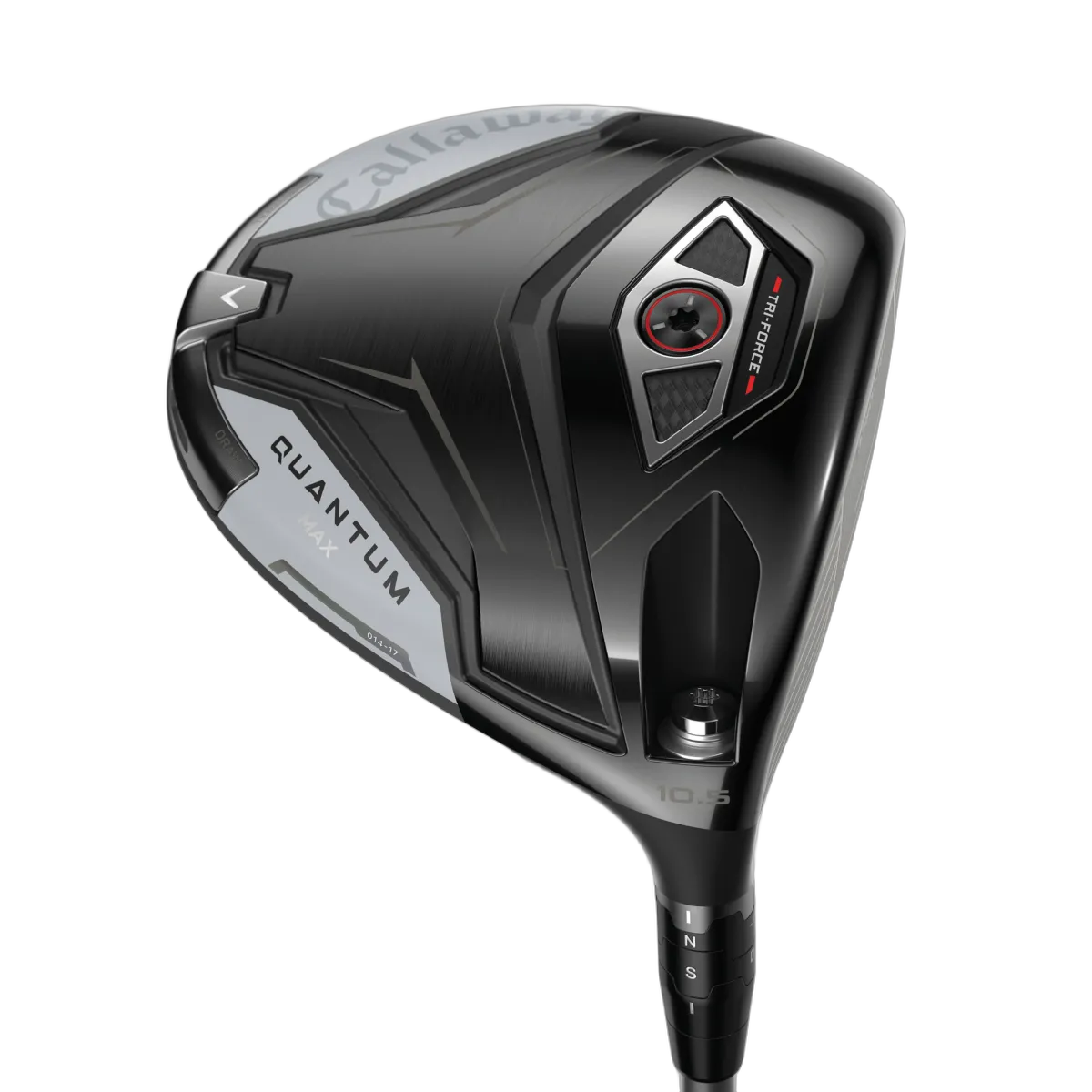
Callaway Quantum Triple Diamond Max Driver
Callaway — Callaway Quantum Triple Diamond Max Driver · By Lauryl · Feb 2, 2026
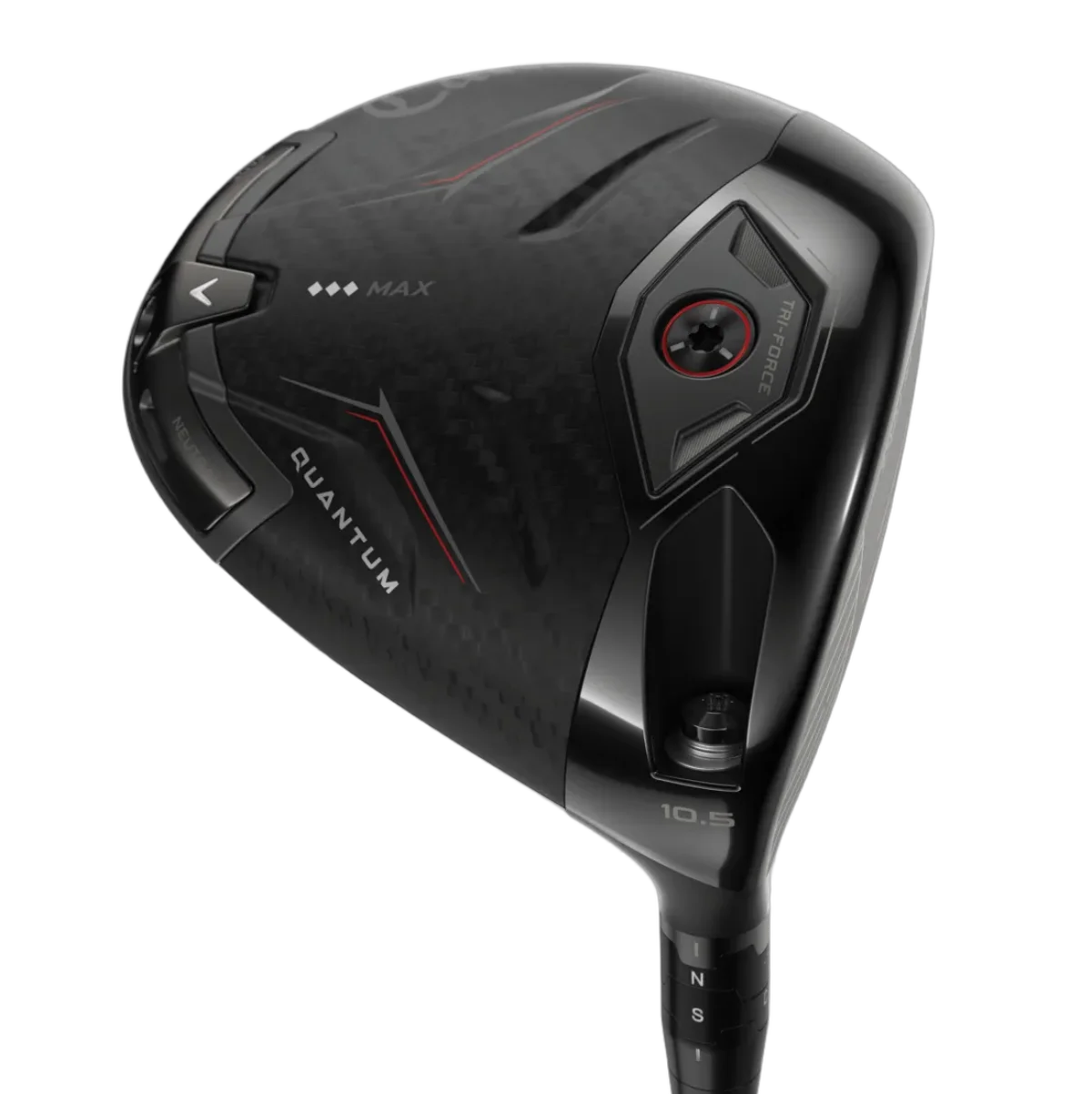
Three materials. One face. The best driver Callaway has made in a decade, and maybe the best driver anyone has made this year.
The Big Picture
Callaway has been making good drivers for years. But "good" is a specific kind of problem when you're trying to sell a new one every January. The Paradym was solid. The Ai Smoke was an improvement. The Elyte was reliable and well-liked. None of them made you stop and think, "This is different." They were incremental, safe, and easy to recommend in the same way that a Honda Accord is easy to recommend, competent in every measurable way and exciting in almost none.
The Quantum Triple Diamond Max is different. This is the first Callaway driver in years that feels like a genuine leap rather than a half-step, and the reason starts with the face.
The Technology
Tri-Force Face
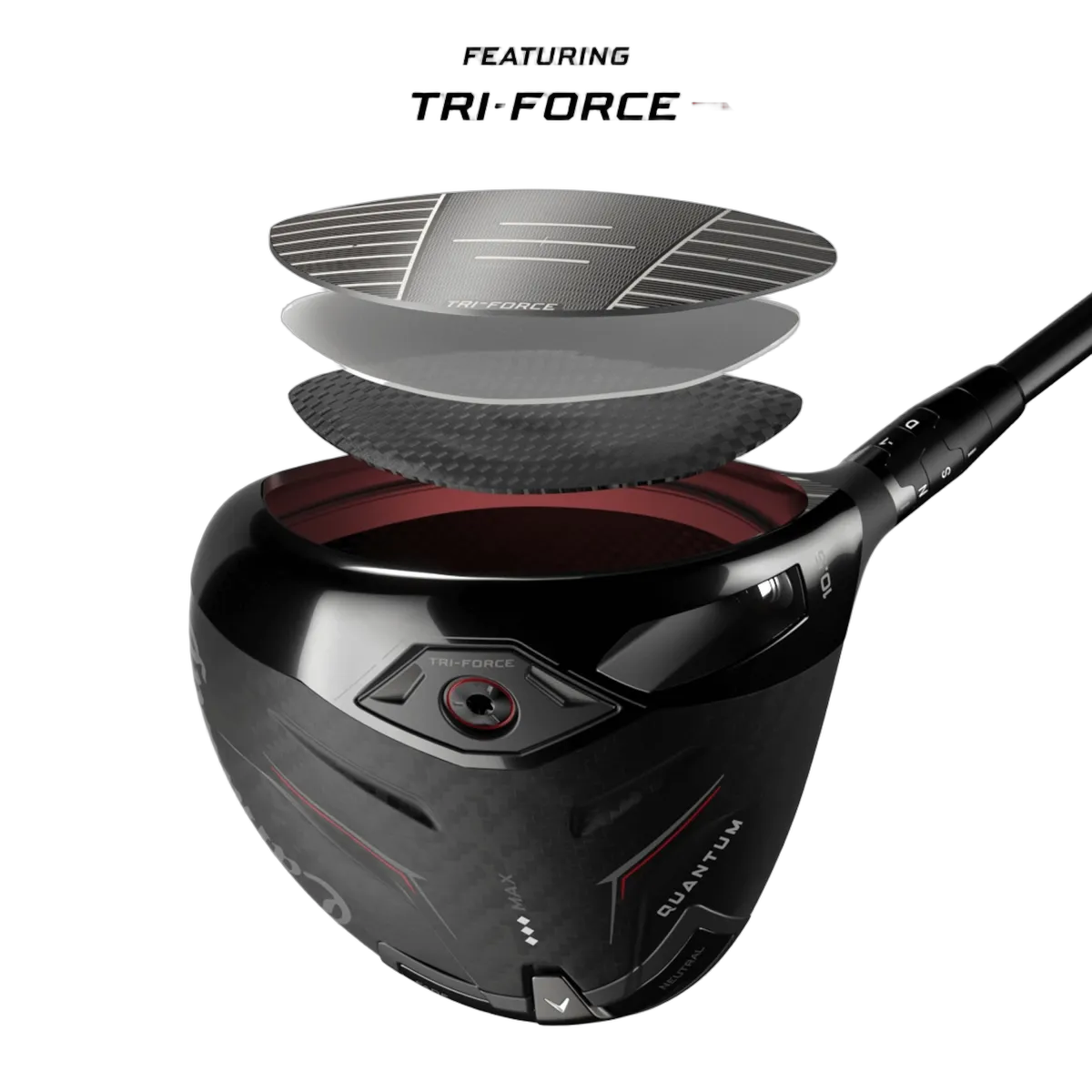
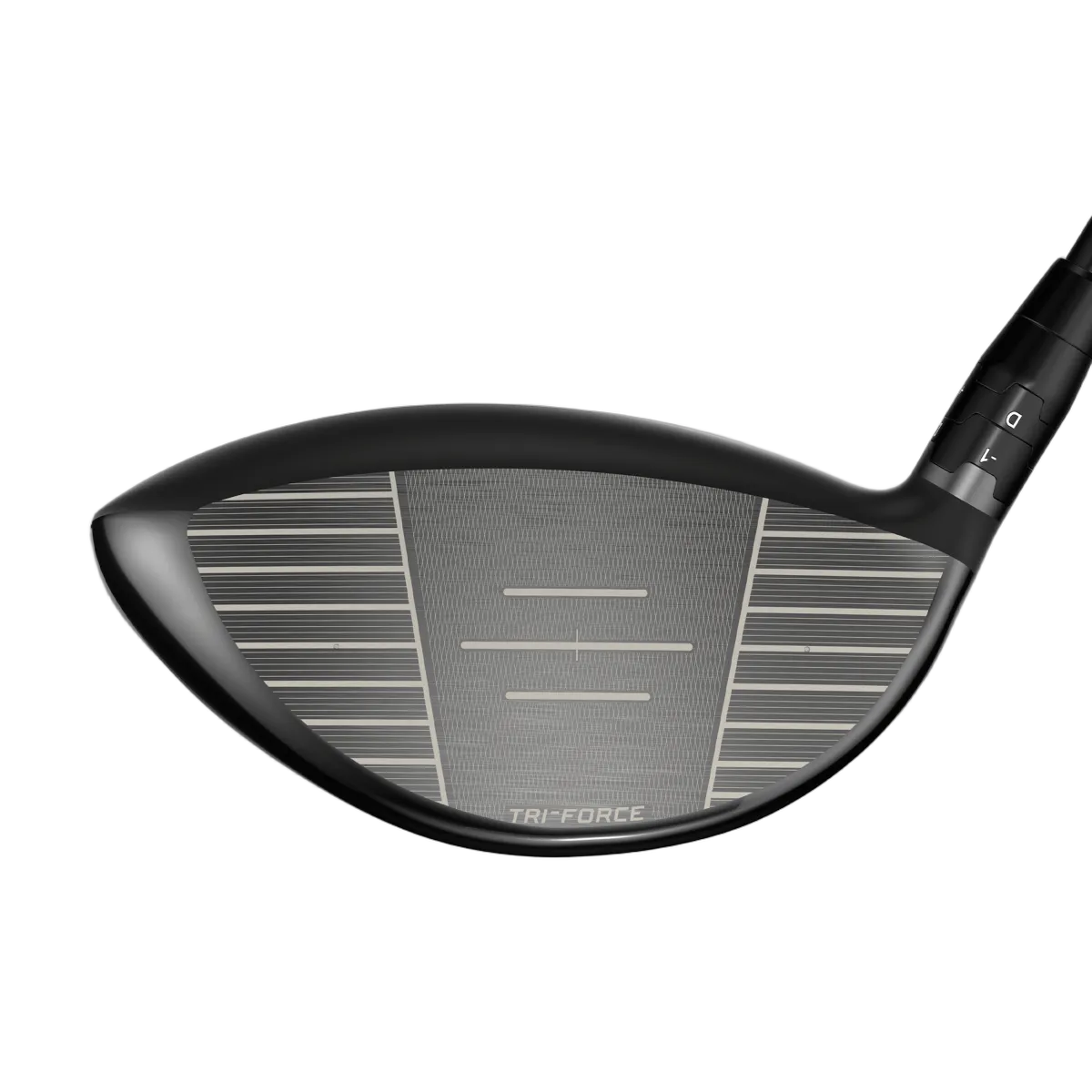
Callaway's Tri-Force Face is the headline technology across the entire 2026 Quantum lineup, and it deserves the attention it's getting. For the first time in a production driver, three distinct materials, ultra-thin, high-strength titanium, a military-grade polymer called Poly Mesh, and carbon fiber, have been layered into a single integrated face structure. The titanium provides the spring-like speed you expect from a driver face. The carbon fiber supports the rear, allowing Callaway to push the titanium thinner without risking structural failure. And the Poly Mesh bonds the two together while adding its own energy transfer properties.
Why does this matter? Because every driver face in the history of the game has been a balancing act between thinness and durability. Go thinner and you get more flex, more ball speed, more distance. Go too thin and it cracks. Traditional titanium faces hit a wall, there's only so thin you can go before the material can't handle the repeated stress of impact. The Tri-Force approach breaks through that wall. By distributing the structural load across three materials, Callaway can make the active face area thinner and more responsive across a larger zone than a single-material face allows.
That consistency is what separates the Quantum Triple Diamond Max from everything else we tested this year. Most drivers are fast in the middle. The best ones are fast in the middle and forgiving on the edges. The Triple Diamond Max is fast everywhere. The drop-off from a pure center strike to a half-inch miss is smaller than anything we've measured from a low-spin driver in this performance tier. That's the Tri-Force Face doing exactly what it was designed to do.
AI-Optimized Face Mapping
Callaway has layered their AI-optimized face mapping on top of the Tri-Force construction. The AI now accounts for how three different materials interact, not just varying thicknesses of a single material. The optimization space is exponentially more complex, which is why Callaway needed millions of simulations to get it right. The practical result is more consistent launch, spin, and accuracy across the face, particularly in the areas where average golfers actually make contact.
360° Carbon Chassis
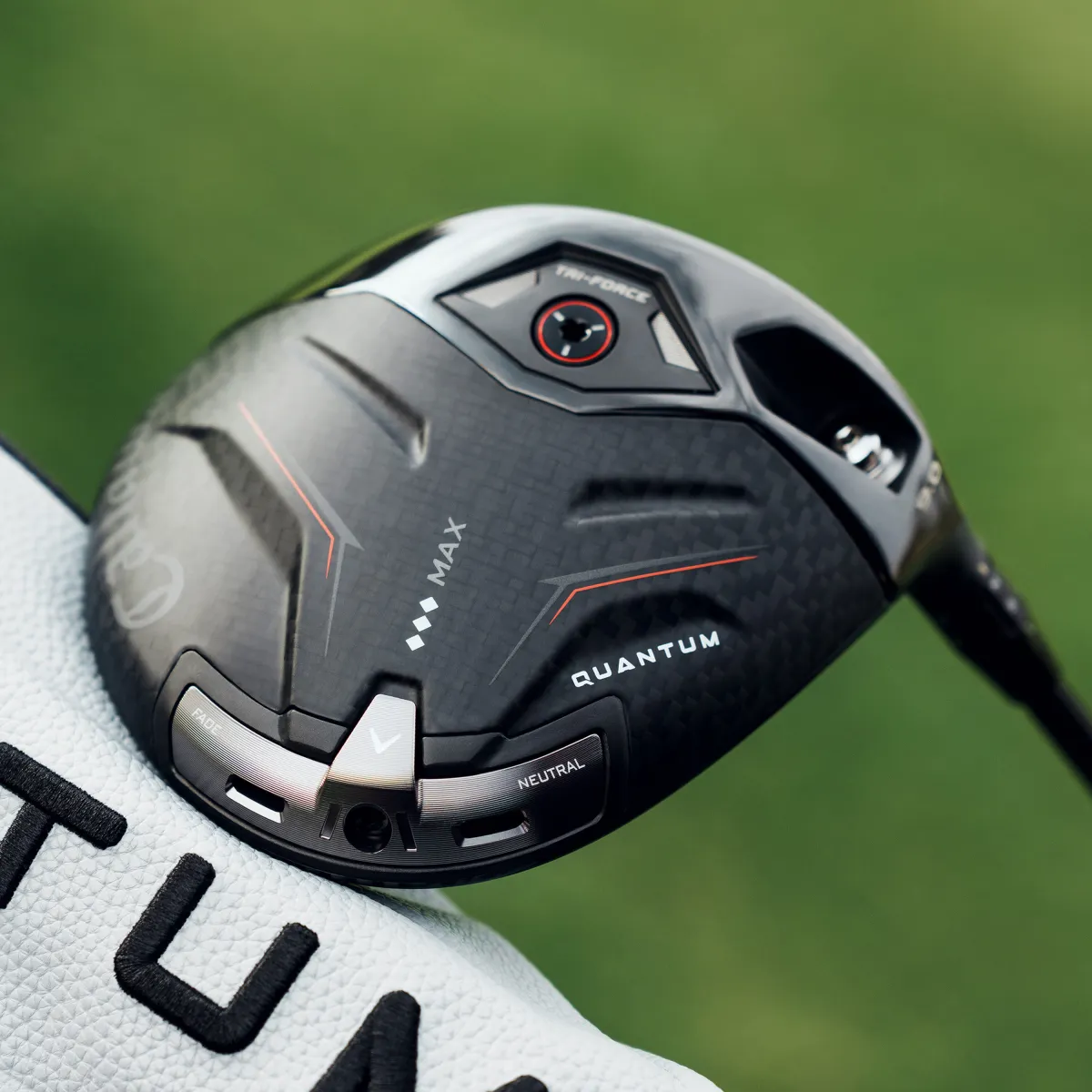
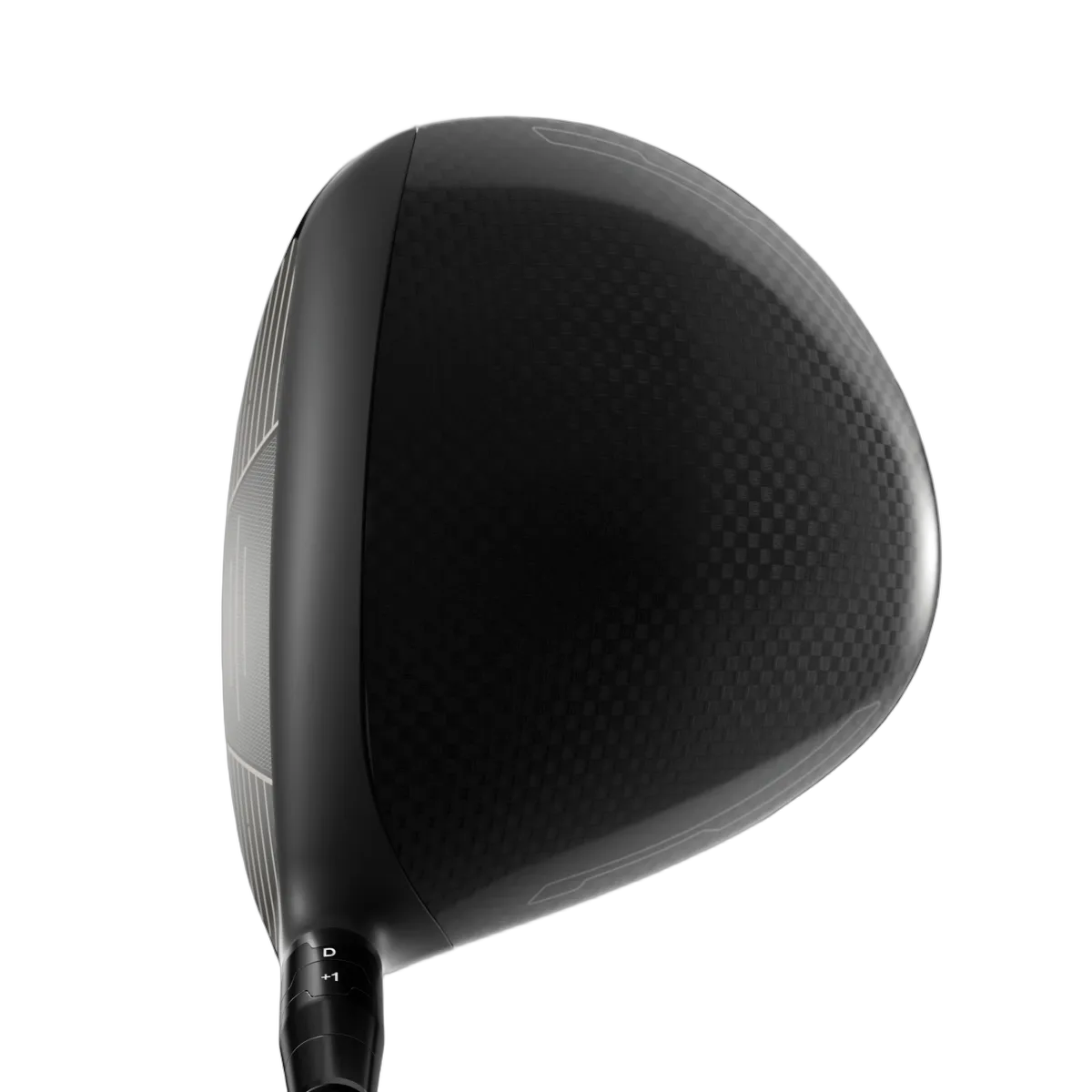
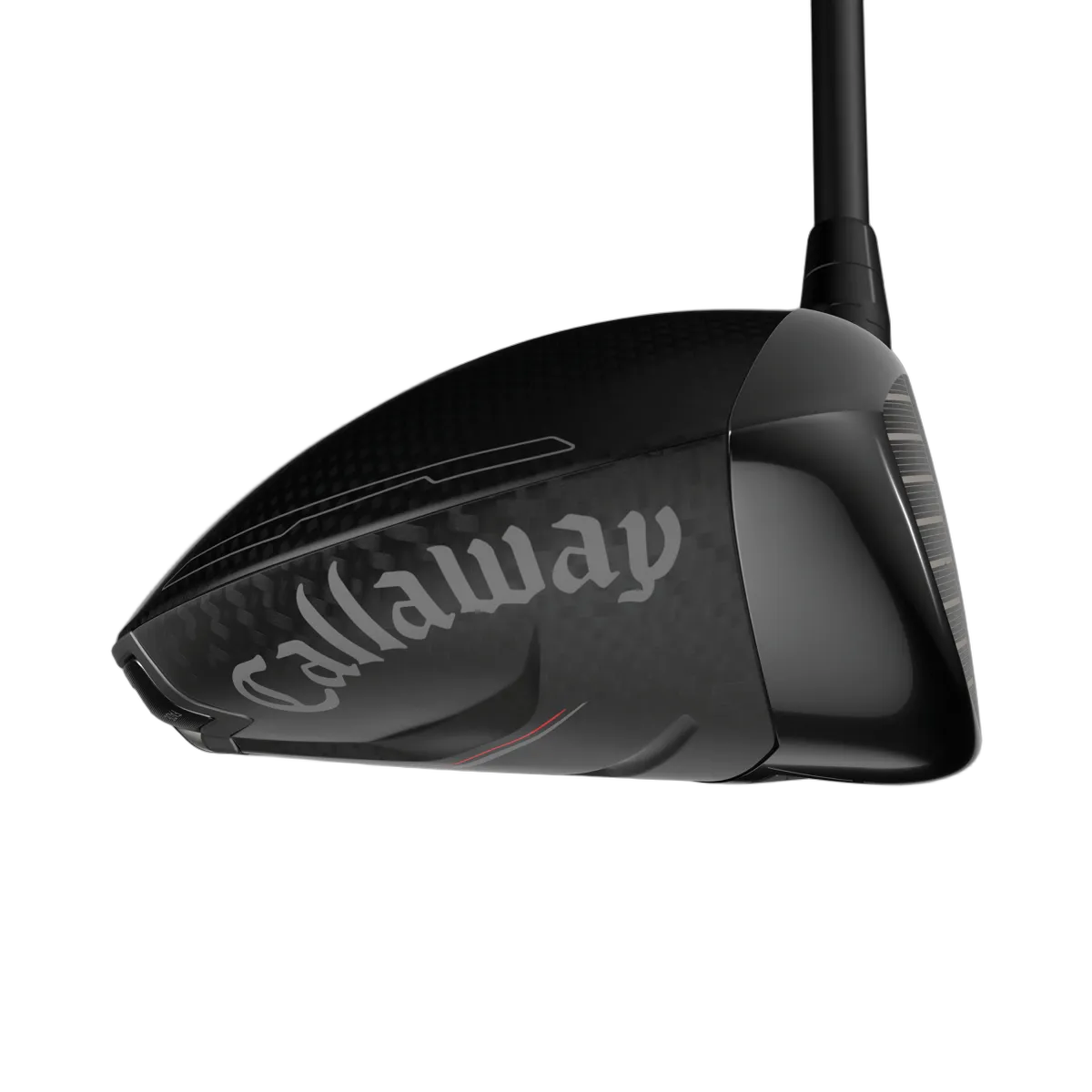
The 360° Carbon Chassis is the structural backbone that makes all of this work. It's Callaway's lightest and strongest chassis to date, a fully wrapped carbon fiber structure that frees up discretionary weight for the Tri-Force Face and CG optimization. The woven carbon sole design is also, frankly, gorgeous. Where the Elyte's sole branding felt busy, the Quantum Triple Diamond Max is clean, dark, and aggressive. Thin red accents and understated grey branding give it a stealth aesthetic that looks fast standing still.
The Quantum Family
The Quantum Triple Diamond Max sits within Callaway's most complete driver lineup, five models covering the full spectrum of golfer needs. Understanding the family is the fastest way to understand what makes this driver special.
The Quantum Max ($649) is the core model. Full 460cc head, neutral CG, eight-position adjustable hosel, and a sliding sole weight for draw/neutral bias. It's the broadest-appeal driver in the range, forgiving, versatile, and designed for the biggest chunk of the fitting bell curve. If you don't know which Quantum to buy, start here.
The Quantum Max D ($649) is the draw-biased model. Same 460cc footprint as the Max, but with the CG positioned closer to the hosel to promote face closure and a right-to-left ball flight. It's built for golfers who fight a slice and need the head to help them turn the ball over.
The Quantum Max Fast ($649) is the lightweight speed option. A higher-MOI design with a shallower face profile, optimized for golfers who need more clubhead speed through a lighter total system weight. Aimed at seniors and moderate swing speeds who want effortless launch.
The Quantum Triple Diamond ($699) is the compact, tour-inspired model. A 450cc head with forward CG, lowest spin in the lineup, and the most workability. Built for the best ball strikers who want to shape shots and control trajectory with precision. The APW system uses a 9g and 1g rear weight to toggle between neutral and fade setups.
The Quantum Triple Diamond Max ($699, this review) is where Callaway did something smart. They took the Triple Diamond's low-spin, speed-first DNA and put it in a full 460cc head. Same Tri-Force Face. Same APW rear weight system (10g adjustable between neutral and fade). Same 360° Carbon Chassis. But the larger footprint allows the mass to be distributed further from the CG, increasing MOI and stability without moving the CG rearward. You get Triple Diamond speed and spin characteristics with meaningfully more forgiveness on mishits.
Think of it this way: the Triple Diamond is a scalpel. The Max is a Swiss Army knife. The Triple Diamond Max is a scalpel with a wider blade, it still cuts precisely, but you have more margin for error on the angle. In independent testing, multiple reviewers have noted that the Triple Diamond Max and the Quantum Max deliver comparable forgiveness levels, despite the Triple Diamond Max producing lower spin and a more penetrating trajectory. That's a remarkable achievement.
At Address
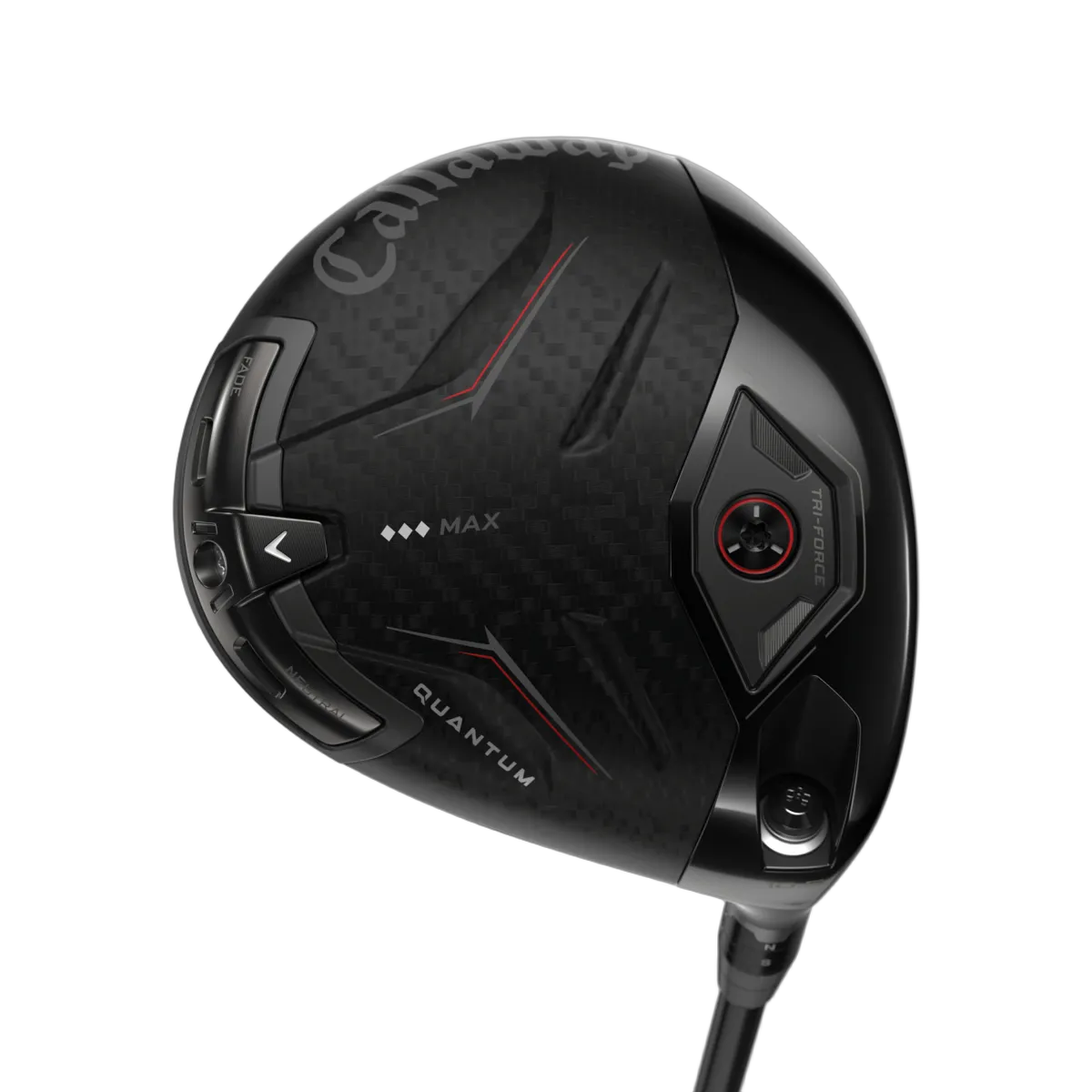
At address, the Triple Diamond Max has what Callaway calls a "Tour-validated shape." It's a full 460cc but it doesn't sprawl. The footprint leans slightly toward the heel with a subtly triangular profile that's rounder and more confidence-inspiring than the standard Triple Diamond's more angular shape. The crown is glossy carbon fiber with nearly invisible graphics in the playing position. There's no alignment aid, which is typical for a Tour-tier head and won't bother the target audience. The overall look from the playing position is premium and clean.
Sound & Feel
Impact produces a powerful but controlled "pop", not the explosive boom of a TaylorMade carbon face, not the muted thud of a Ping, but something in between that manages to feel both fast and solid simultaneously. There's a bouncy, lively quality to the Tri-Force Face that you can feel in your hands, the ball doesn't just leave the face, it launches off it. Feedback on strike quality is clear without being punishing. You know when you've missed the center, but the performance doesn't fall off a cliff when you do.
Open face view showing Tri-Force grooved face pattern
Performance
Ball Speed & Distance
The Tri-Force Face produces ball speed consistency across the face that nothing else we tested could match. The result is a driver that doesn't just produce elite ball speed on center, it produces remarkably consistent ball speed everywhere. The drop-off from a pure center strike to a half-inch miss is smaller than anything we've measured from a low-spin driver in this performance tier. In Today's Golfer's head-to-head 2026 drivers test, the Triple Diamond Max carried 282.9 yards, 5th overall, while maintaining tighter dispersion than the four drivers that carried further.
Forgiveness & Dispersion
The 460cc head gives you Triple Diamond speed and spin characteristics with meaningfully more forgiveness than the compact 450cc Triple Diamond, and in testing, comparable stability to the standard Quantum Max despite producing lower spin. That combination shouldn't work on paper, but it does on the course. The larger footprint distributes mass further from the CG, increasing MOI and stability without moving the CG rearward. Multiple fitters and reviewers have noted that the Triple Diamond Max bridges the gap between tour-level low-spin performance and the forgiveness that mid-handicappers need.
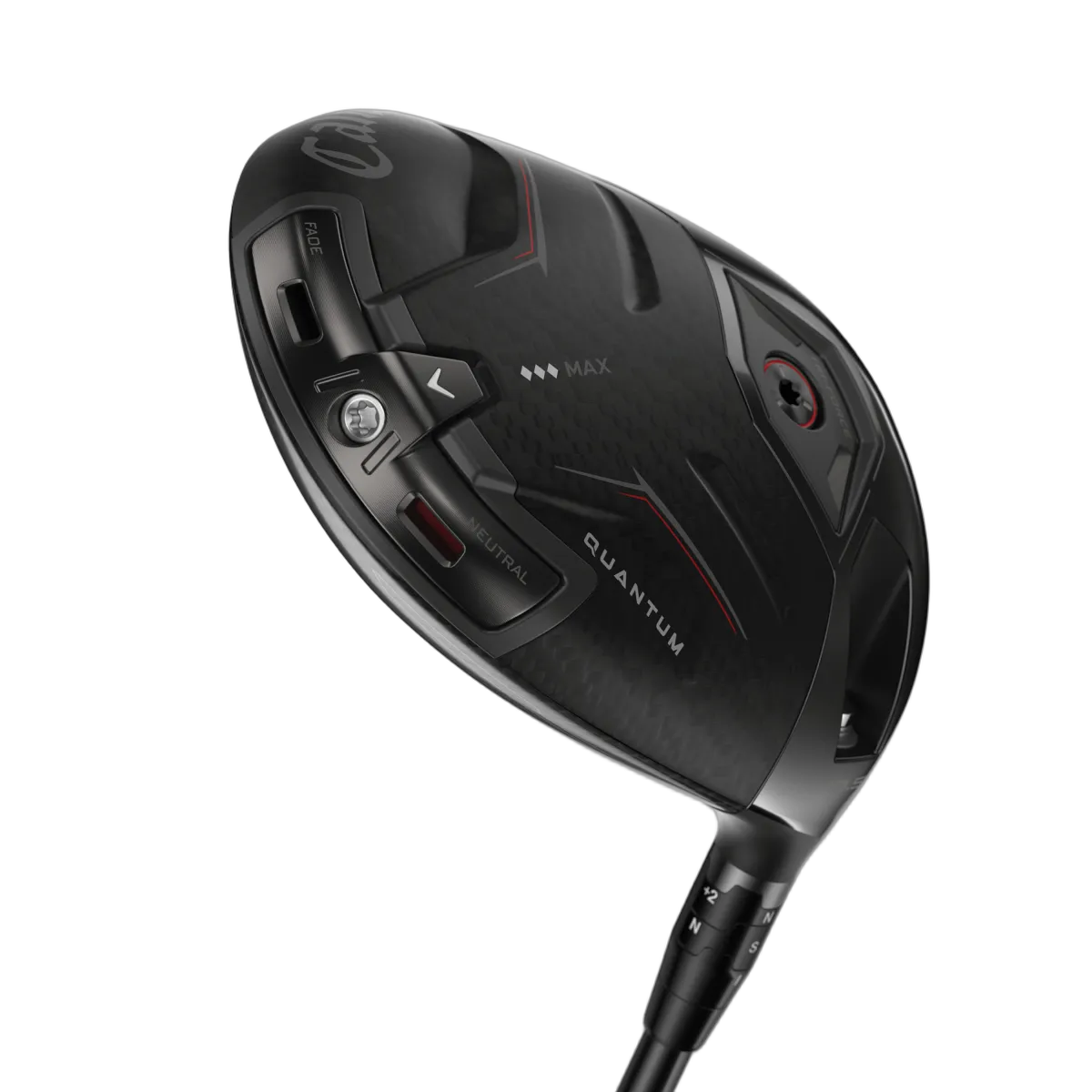
Sole view showing Quantum Max weight track and Tri-Force badge
Adjustability
The APW system is straightforward and effective. A 10-gram weight sits in a rear track and can slide between neutral and fade positions. Moving it toward the toe produces a tangible fade bias, enough to mitigate a hook tendency without turning the driver into a fade machine. In the neutral position, the ball flight is genuinely neutral. This isn't a driver that secretly wants to draw; it goes where you aim it. For golfers who shape shots off the tee, that neutrality is a feature, not a limitation.
The Opti-Fit adjustable hosel adds loft adjustment (-1°, +1°, +2°) and a more upright lie option, giving you a reasonable range of setup changes without needing a wrench for anything other than the hosel.
The stock shaft is the Fujikura Ventus Black/Charcoal 60g, a proven, stable, mid-launch shaft that complements the low-spin head well. Available in Stiff and X-Stiff, with the True Temper Denali Frost Silver 50g offered as an alternative for golfers who want a lighter, slightly higher-launching profile. Callaway also offers Vanquish 40g and Mitsubishi Eldio shafts for lighter swing speed configurations, a nod to the fact that the "Max" in Triple Diamond Max really does extend the driver's fitting range beyond the typical Tour-model audience.
The Competition
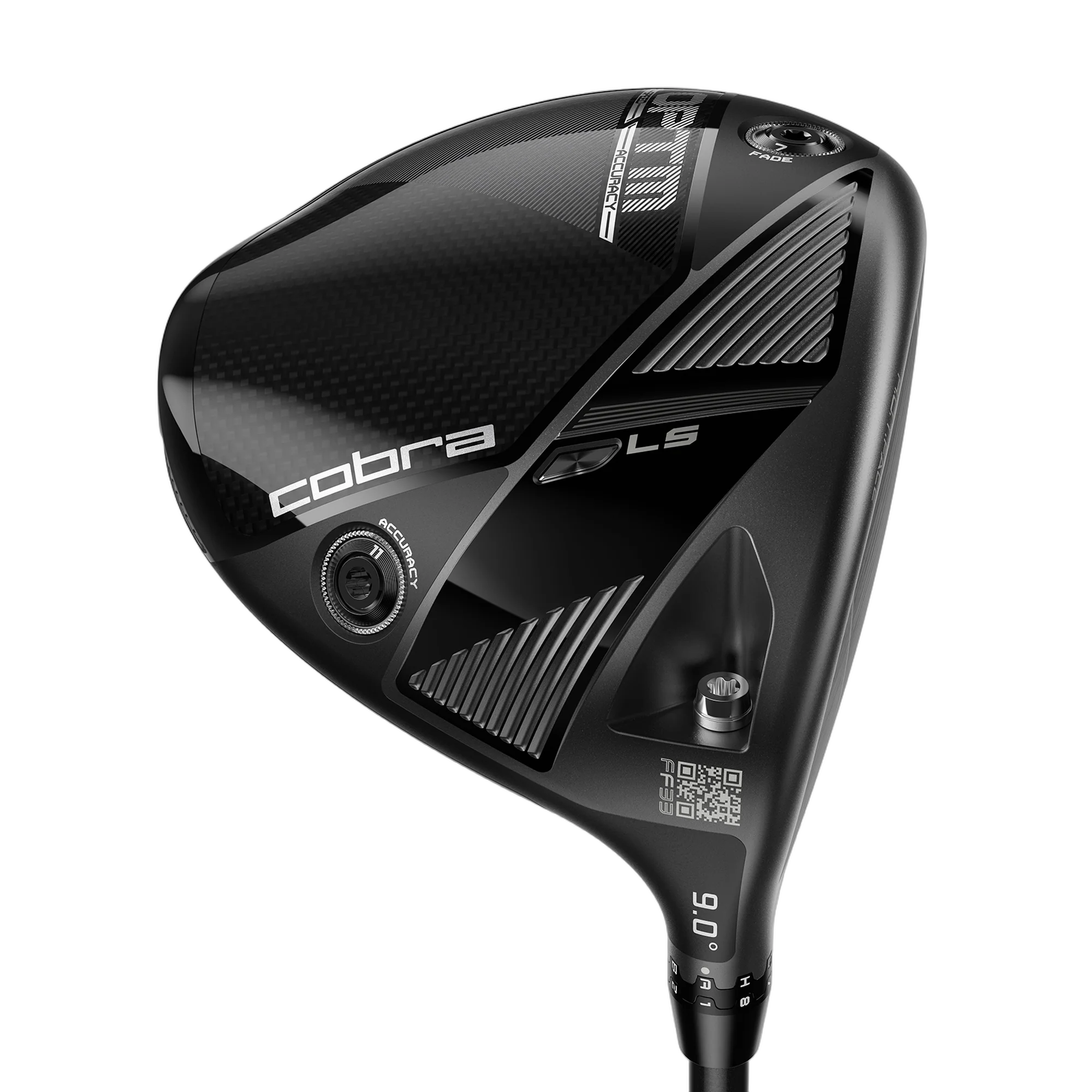
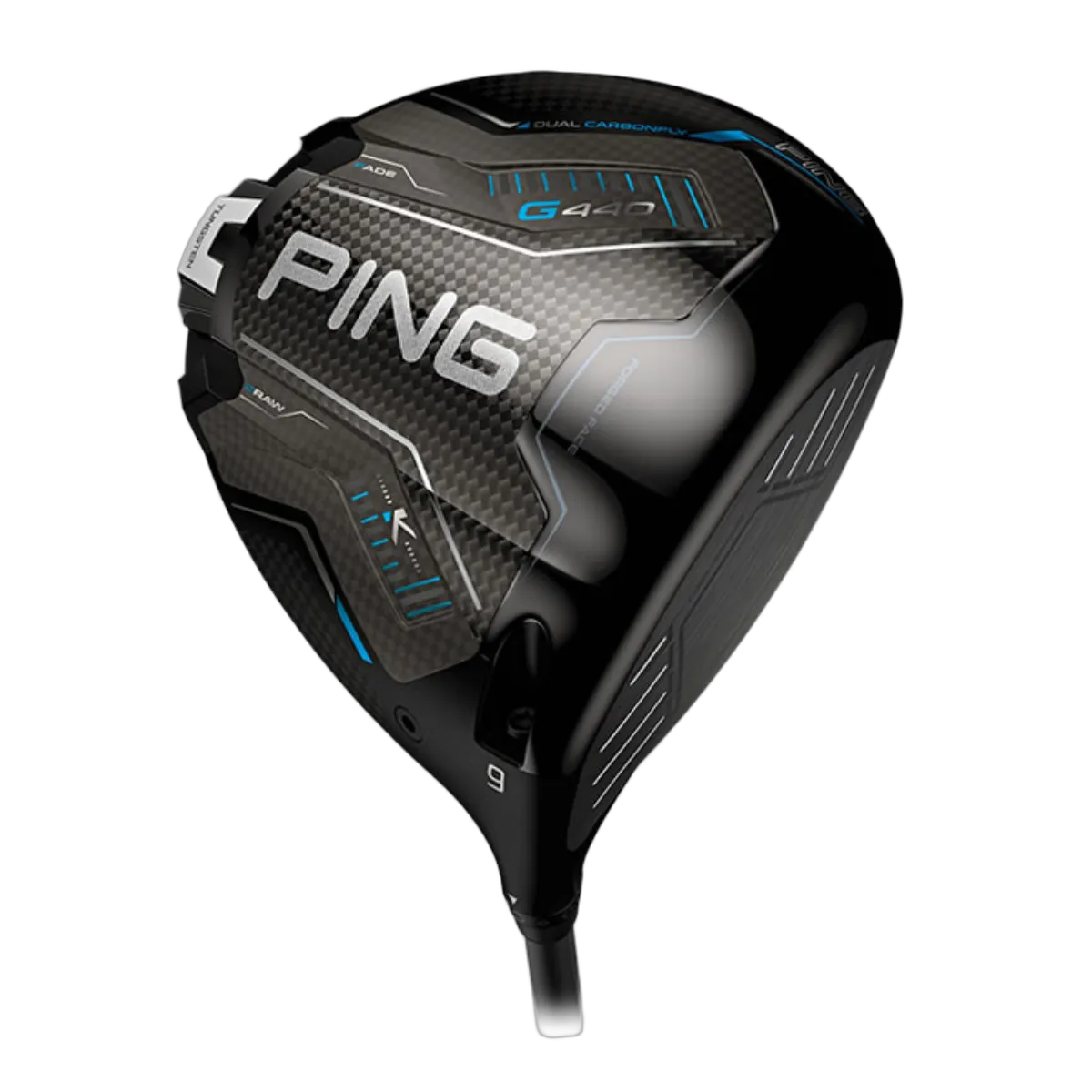
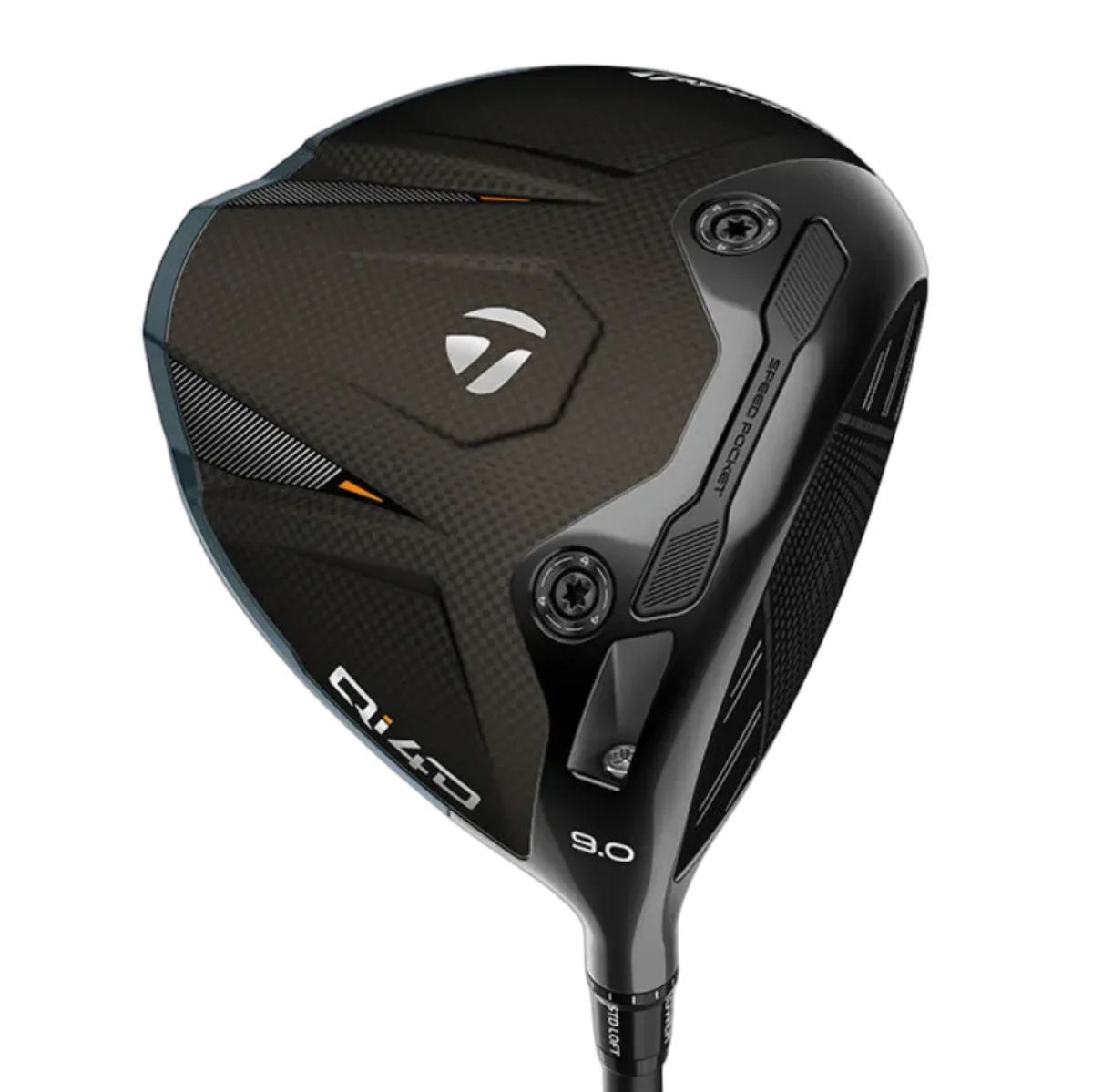
At $699, the Triple Diamond Max is $50 more than the Quantum Max and Quantum Max D. The Cobra OPTM LS is $100 less at $599, and the Ping G440 Max is $100 less at $600. Whether the Tri-Force Face technology and the Triple Diamond Max's specific blend of speed and forgiveness justifies the premium is a personal call, but in our testing the performance backed it up.
Crown profile view showing carbon fiber weave texture pattern
Against the Ping G440 Max ($600), the Triple Diamond Max produces faster ball speeds across the face and lower spin, but the Ping offers higher MOI, three-position weight adjustability (draw/neutral/fade versus the TD Max's neutral/fade), and a $99 savings. The Ping is the safer, more forgiving choice; the TD Max is the faster, more penetrating one.
Against the TaylorMade Qi4D ($599), the TD Max wins on ball speed consistency but the TaylorMade counters with a four-weight adjustability system and a deeper stock shaft menu through REAX. The Qi4D is $100 cheaper.
Against the standard Quantum Max ($649) from its own lineup, the TD Max produces lower spin and a more penetrating trajectory while delivering comparable forgiveness. But the Max offers draw bias adjustability and a $50 savings. If you don't fight a hook and want maximum speed, the TD Max is the better head. If you need draw help or want the broadest-appeal option, the Max is the smarter pick.
Specifications
| SPEC | DETAIL |
|---|---|
| Lofts | 9°, 10.5° (adjustable -1°, +1°, +2°) |
| Volume | 460cc |
| Standard Length | 45.5" |
| Adjustability | Opti-Fit adjustable hosel + APW rear weight system (10g, neutral/fade) |
| Stock Shaft | Fujikura Ventus Black/Charcoal 60 (S, X) |
| Alternate Shaft Options | True Temper Denali Frost Silver 50 (S), Mitsubishi Vanquish 40 (R), Mitsubishi Eldio (W) |
| Stock Grip | Golf Pride Tour Velvet 360 |
| Availability | RH / LH |
| MSRP | $699 |
Verdict
The Callaway Quantum Triple Diamond Max is the best driver we tested in 2026. It's also the first Callaway driver in recent memory that doesn't just compete with the best in the market — it leads.
The Tri-Force Face is a genuine innovation, not a marketing rebrand. Three materials working as a system produce ball speed consistency across the face that nothing else we tested could match. The 460cc head gives you Triple Diamond speed and spin characteristics with meaningfully more forgiveness than the compact 450cc Triple Diamond — and in our testing, comparable stability to the standard Quantum Max despite producing lower spin. That combination shouldn't work on paper, but it does on the course.
The weaknesses are few. The $699 price point is at the top of the market. The glossy crown will show reflections in certain light — golfers who prefer matte finishes may need to adjust. And the loft options are limited to 9° and 10.5° (though the adjustable hosel can push the 10.5° to 12.5° if needed). If you need maximum draw bias, the Quantum Max D is the better tool. If you need a smaller, more workable head for shot shaping, the standard Triple Diamond is the sharper instrument.
But for the golfer who wants the best possible combination of speed, consistency, low spin, and forgiveness in a single driver head — the golfer who sits somewhere between "I need maximum help" and "I'm a Tour pro" — the Triple Diamond Max is the answer. It's the driver that every Callaway model over the last five years was building toward. Get it fit. Dial in your loft. Slide the weight where it belongs. And enjoy hitting the best driver Callaway has ever made.