Callaway Quantum Max Driver
Callaway — Callaway Quantum Max Driver · By Andy · Feb 18, 2026
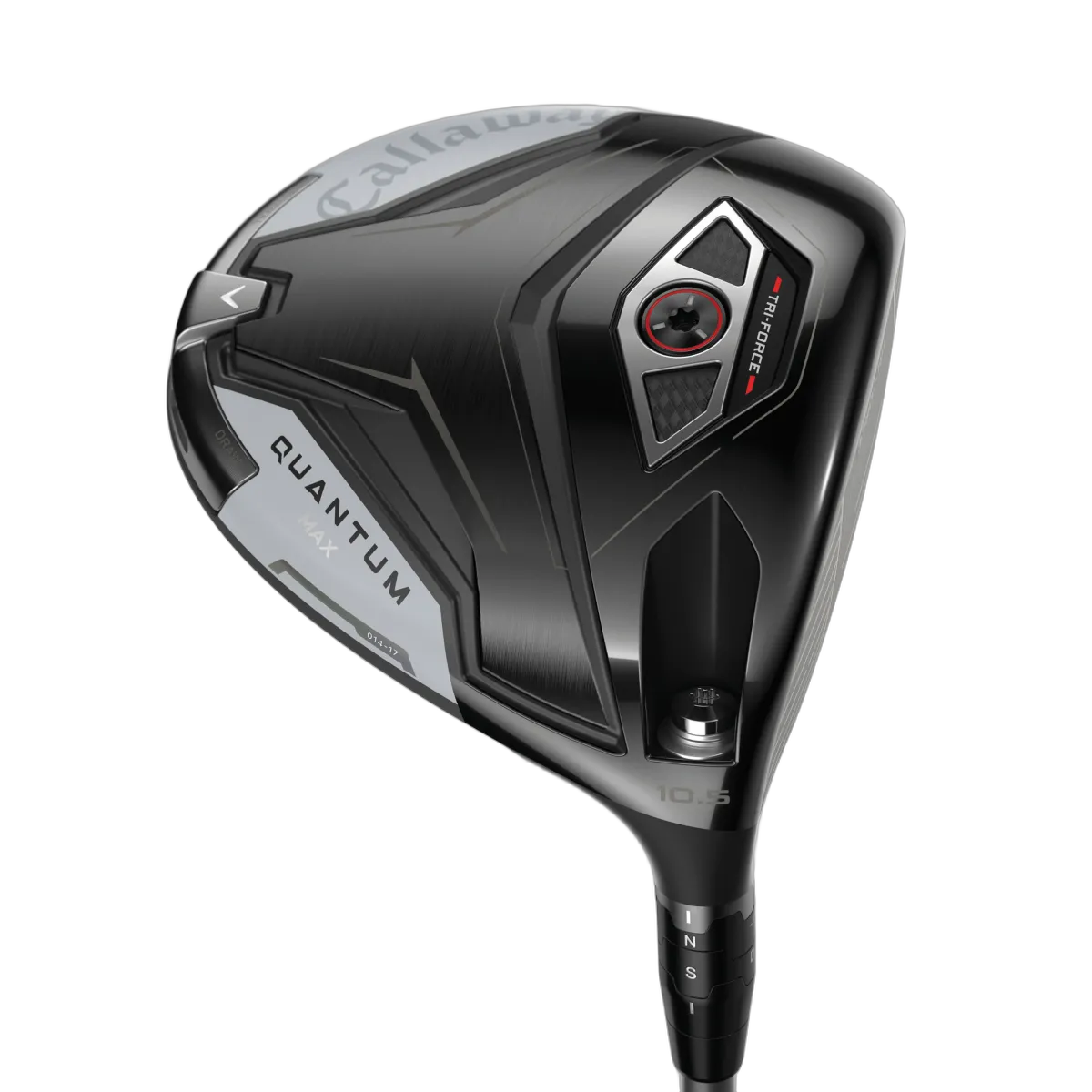
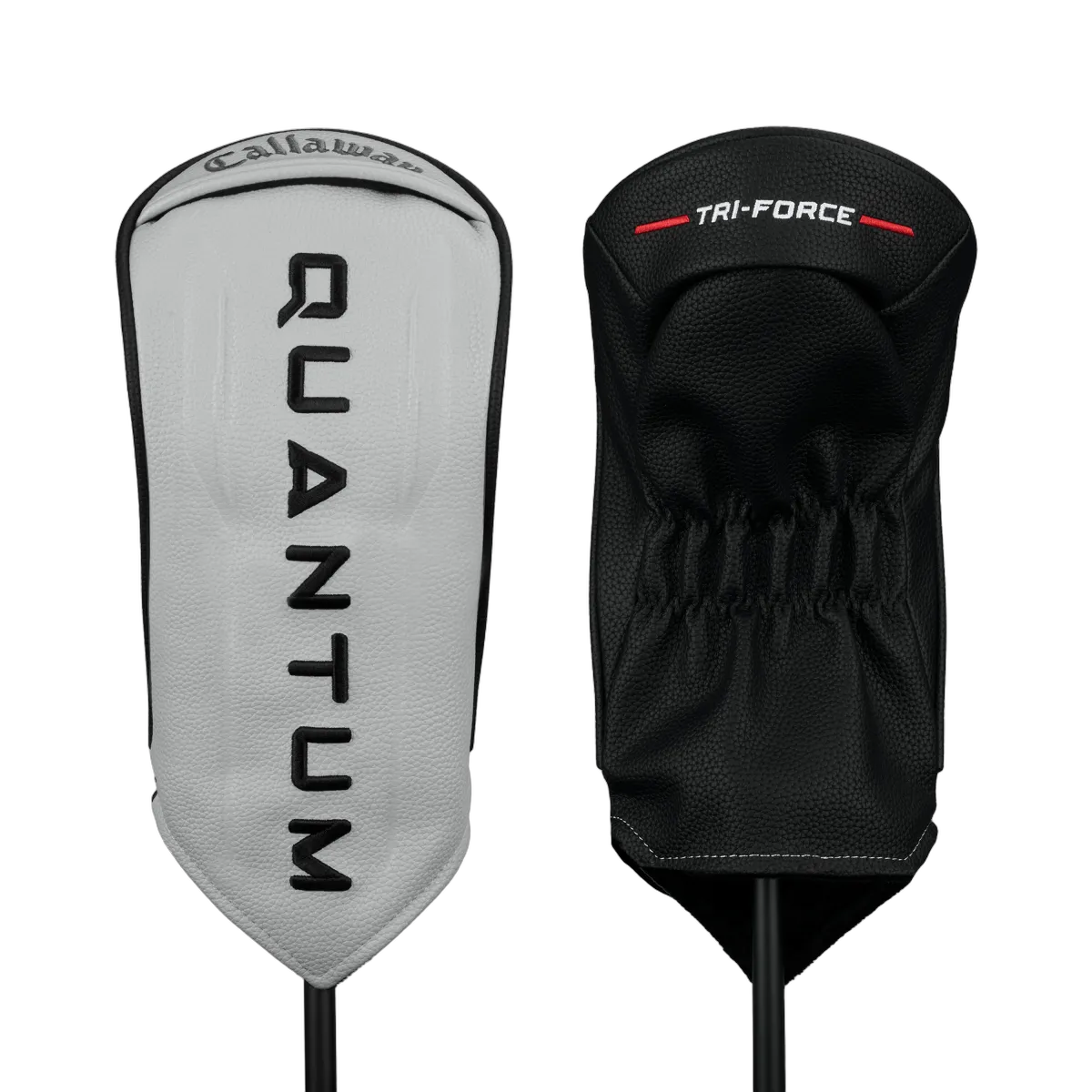
The core of Callaway's most ambitious driver lineup in years, the Quantum Max pairs a genuinely new face construction with a confidence-inspiring shape and just enough adjustability to make it the best all-around driver for the widest range of golfers in 2026.
The Big Picture
Callaway has spent the last several years building toward this moment. The Paradym Ai Smoke was good. The Elyte was better. But neither generated the kind of industry-wide excitement that Callaway drivers used to command, the feeling that a new release was an event, not just an iteration. The Elyte tested well, sold steadily, and garnered positive feedback from Tour players like Xander Schauffele, Jon Rahm, and Sam Burns. But it was quiet. Incremental. A driver that earned respect rather than enthusiasm.
The Quantum Max changes the energy. Not through marketing hype, but through a genuinely novel face technology that represents the most significant structural innovation in Callaway driver design in several generations.
The Technology
Tri-Force Face
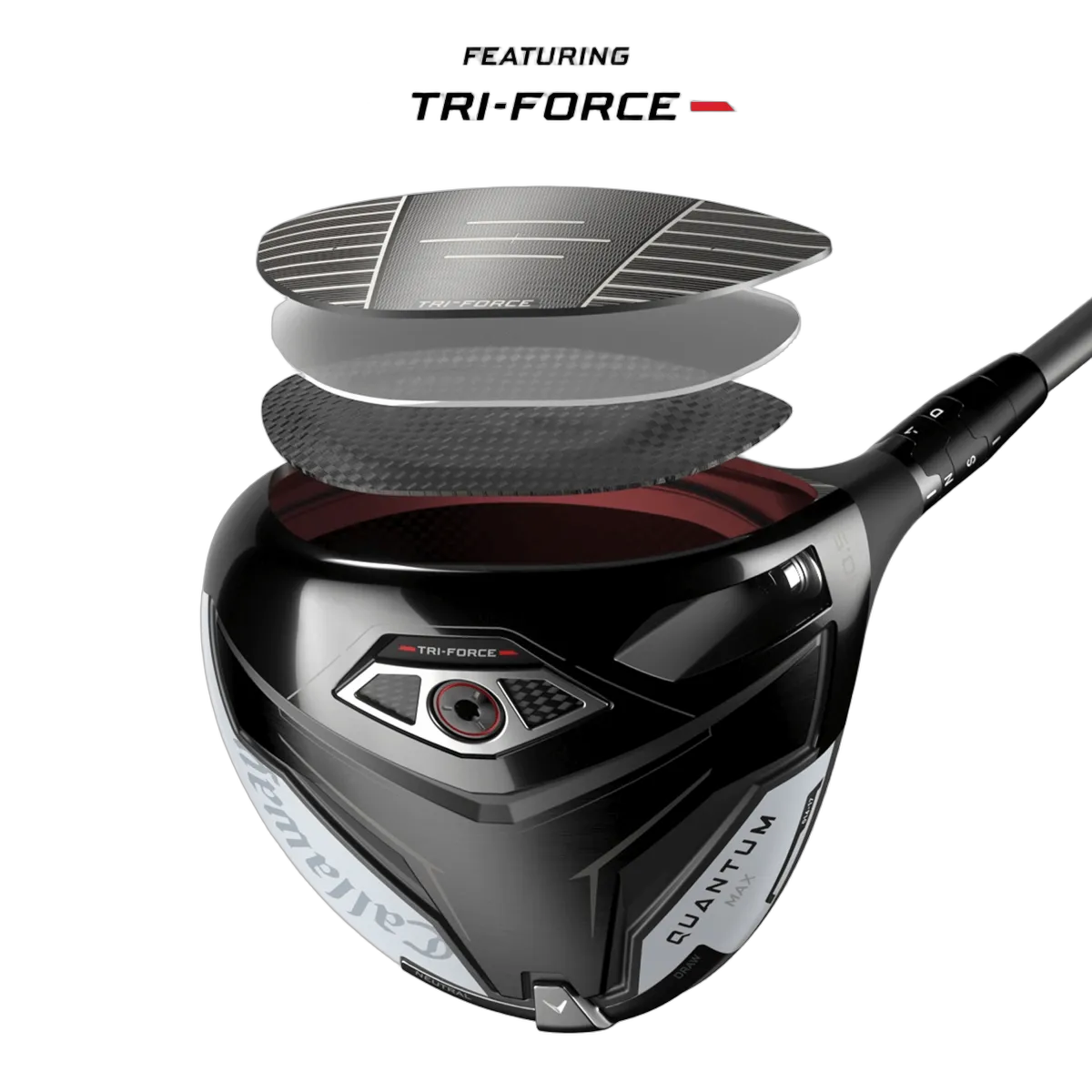
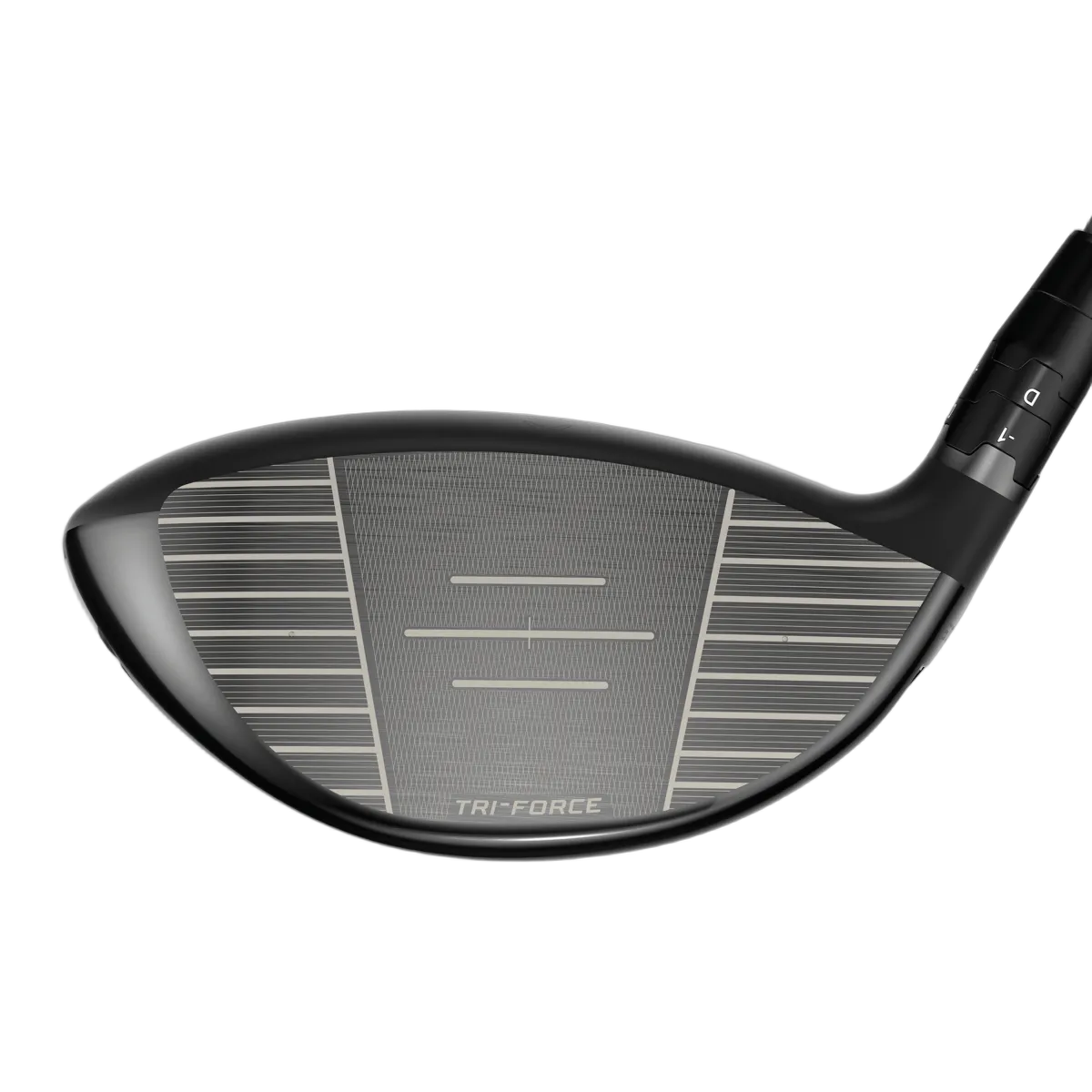
The Tri-Force Face is the headline, and it deserves a proper explanation because it's not just a materials upgrade, it's a fundamentally different approach to how a driver face is constructed. Callaway has layered three distinct materials into a single integrated face structure: ultra-thin, high-strength titanium for ball speed, Poly Mesh (a military-grade polymer related to the materials used in ballistic armor) for structural integrity and resilience, and carbon fiber for weight savings and flex optimization. This three-layer sandwich, internally called "Project KONA" during development, allows the titanium portion of the face to be 14% thinner than would be structurally possible with titanium alone, while actually being 17% more resilient. Thinner titanium means more face flex. More face flex means more ball speed. And the Poly Mesh layer ensures the face can handle the repeated high-speed impacts without degrading over time.
This isn't theoretical. Callaway tested over 59,000 face designs and ran more than 2.2 million impact simulations to optimize how these three materials interact. The result is a face that produces measurably faster ball speeds across a wider area of the hitting zone than the Elyte's face, and the Elyte's face was already among the best in the industry. Where you really notice the difference is on mishits. The Tri-Force Face retains ball speed on off-center strikes at a level that's genuinely surprising, particularly on high-heel misses where most drivers hemorrhage speed.
AI-Optimized Face Mapping
Callaway has then layered their AI-optimized face mapping on top of the Tri-Force construction. This is the continuation of the AI approach they introduced with the Paradym Ai Smoke, using machine learning to tune face thickness across different impact zones based on real-world strike data. The difference for 2026 is that the AI now accounts for how three different materials interact, not just varying thicknesses of a single material. The optimization space is exponentially more complex, which is why Callaway needed millions of simulations to get it right. The practical result is more consistent launch, spin, and accuracy across the face, particularly in the areas where average golfers actually make contact, which is almost never dead center.
360° Carbon Chassis
The 360° Carbon Chassis is the structural platform that makes the Tri-Force Face possible. By wrapping the entire body, crown and sole, in carbon fiber, Callaway creates enormous weight savings that are redistributed into the face, perimeter weighting, and CG positioning. The chassis is lighter and stronger than anything Callaway has used before, and it gives the engineering team the mass budget to push the APW (Advanced Perimeter Weighting) system low and deep for high MOI while keeping enough forward mass to prevent spin from ballooning.
The Quantum Family
The Quantum family features five models, the most Callaway has offered simultaneously, and the Max sits at the center of the range.
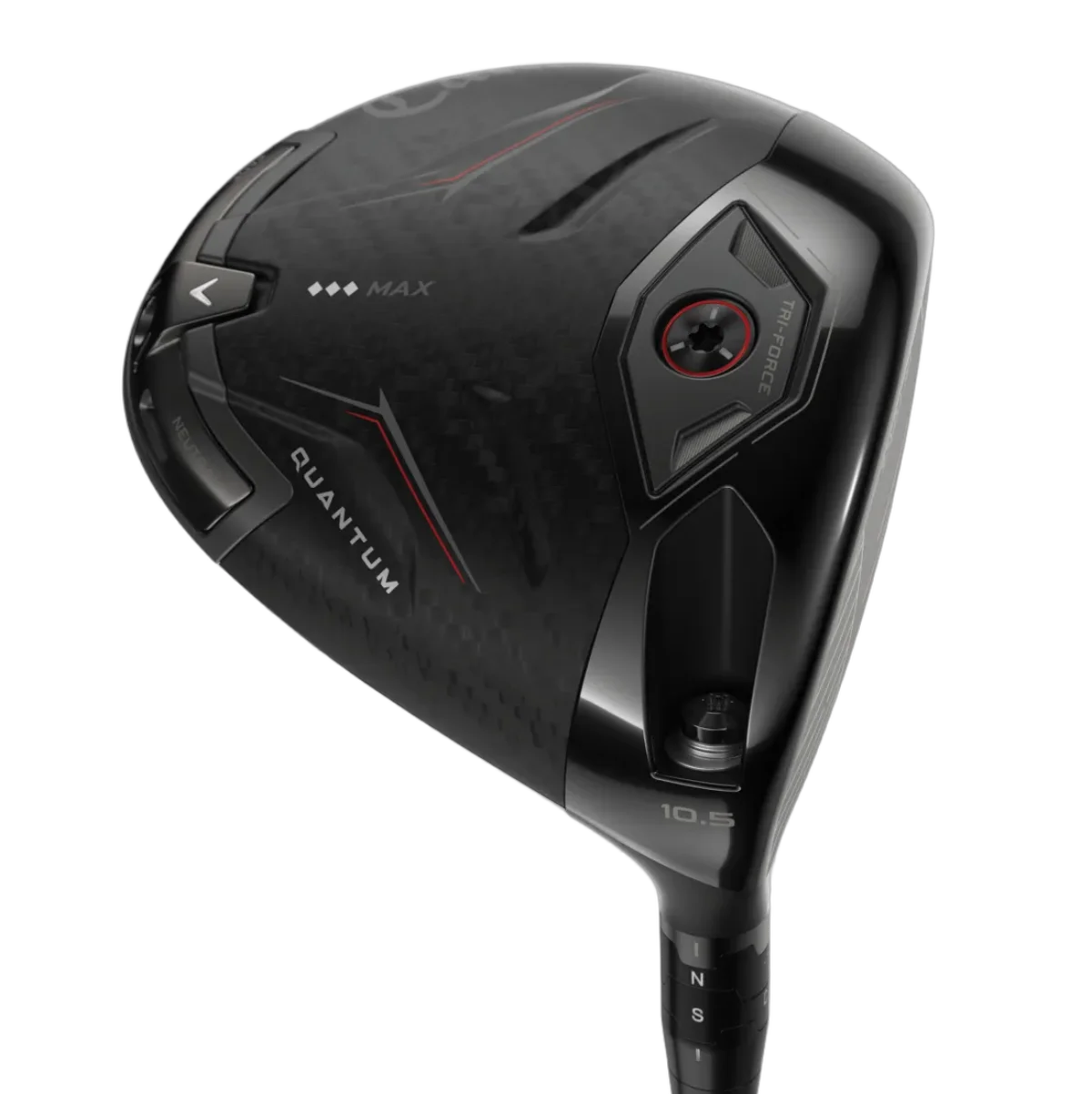
The Quantum Max (this review) is the core model, designed for the largest portion of the fitting bell curve. A 460cc head with a neutral CG, mid-to-low spin, and high forgiveness. The APW system uses a single 10-gram weight that can be positioned in either a neutral or draw setting. This is simpler than the Triple Diamond Max's system and intentionally so, the Max is built for golfers who want reliable, repeatable performance without fussing over CG configurations. The OptiFit hosel adds eight configurations of independent loft and lie adjustability. Available in 9°, 10.5°, and 12°. MSRP $649.
The Quantum Max D shares the same 460cc head shape as the Max but is the dedicated draw-bias model. Internal heel weighting promotes a right-to-left ball flight, and the face sits slightly more closed at address than the Max. There's no adjustable perimeter weight, the weighting is fixed and optimized for slice correction. It produces slightly higher spin than the Max due to the heel-biased CG. Available in 9°, 10.5°, and 12°. MSRP $649.
The Quantum Max Fast is the ultralight option, roughly 15% lighter than the Max across head, shaft, and grip. The APW weight system is removed entirely to save grams, replaced by fixed internal weighting optimized for launch and forgiveness. A shallower face and slightly elongated rear section promote easy launch with mid-to-high spin, the exact profile that slower swing speed players need to maximize carry. Available in 10.5° and 12°. MSRP $699 (US only).
The Quantum Triple Diamond is the compact tour head at 450cc with a deeper face and more forward CG for lower spin and greater workability. This is where Xander Schauffele and Jon Rahm live. The APW system on the TD uses neutral and fade settings, the opposite of the Max, because better players typically fight the left miss. Available in 8°, 9°, and 10.5°. MSRP $649.
The Quantum Triple Diamond Max is the new addition for 2026, bridging the gap between the Max and Triple Diamond. A full 460cc head with tour-style shaping, lower spin than the Max, and the same neutral/fade APW weight configuration as the Triple Diamond. Sam Burns and Tom McKibbin have already put it in play. We reviewed it separately and gave it a 9.2/10, the highest-rated driver we've tested this year. Available in 9° and 10.5°. MSRP $699.
Understanding these distinctions matters because the Max's identity only becomes clear in context. It's not the lowest spinning (that's the TD). It's not the most forgiving (the Max D is more draw-biased, and the Ping G440 K has higher MOI). It's not the tour player's choice (that's the TD Max or TD). What the Max is, specifically, is the most balanced driver in the lineup, the one that does everything well and nothing badly, the one that fits the broadest range of golfers without requiring them to compromise in any single area.
At Address
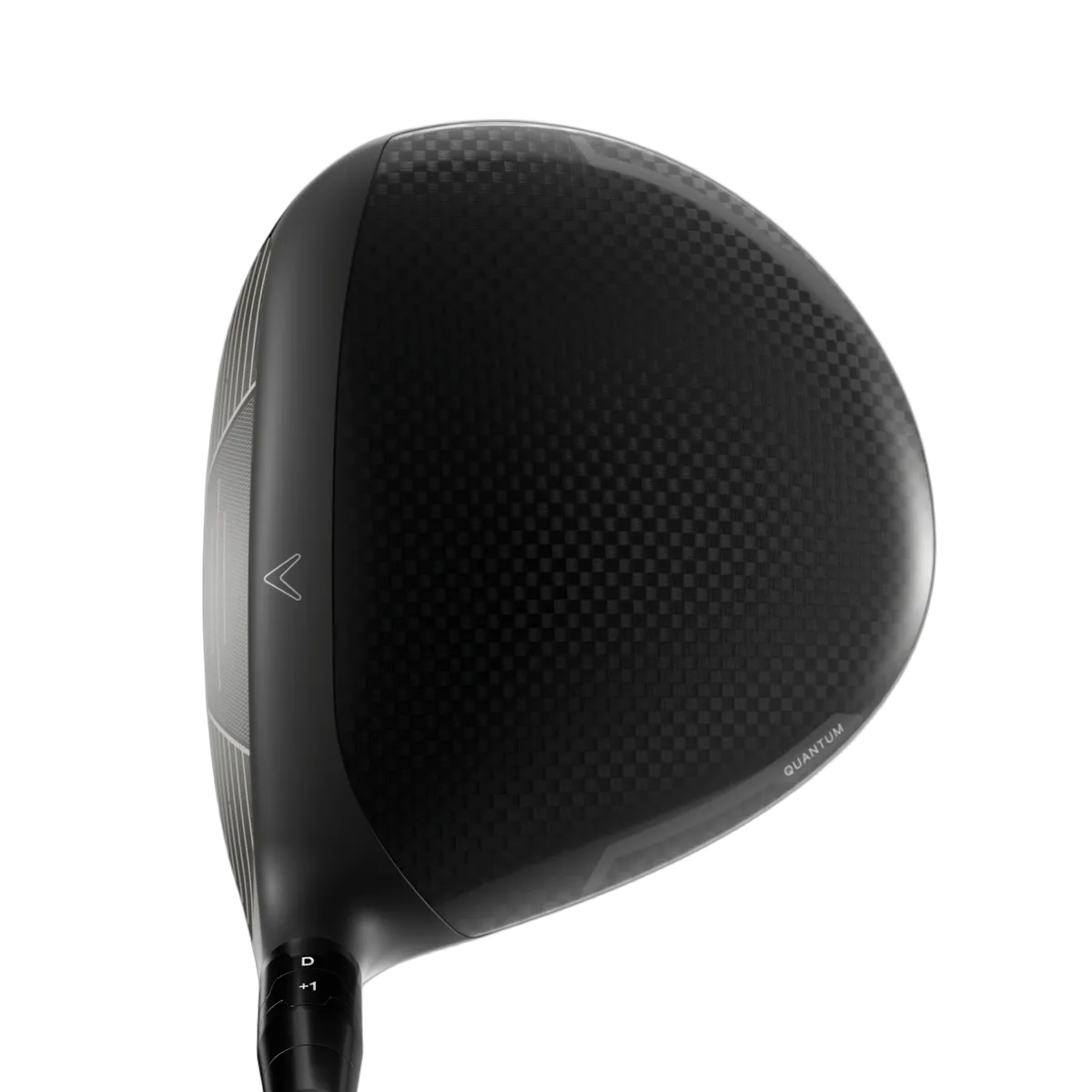
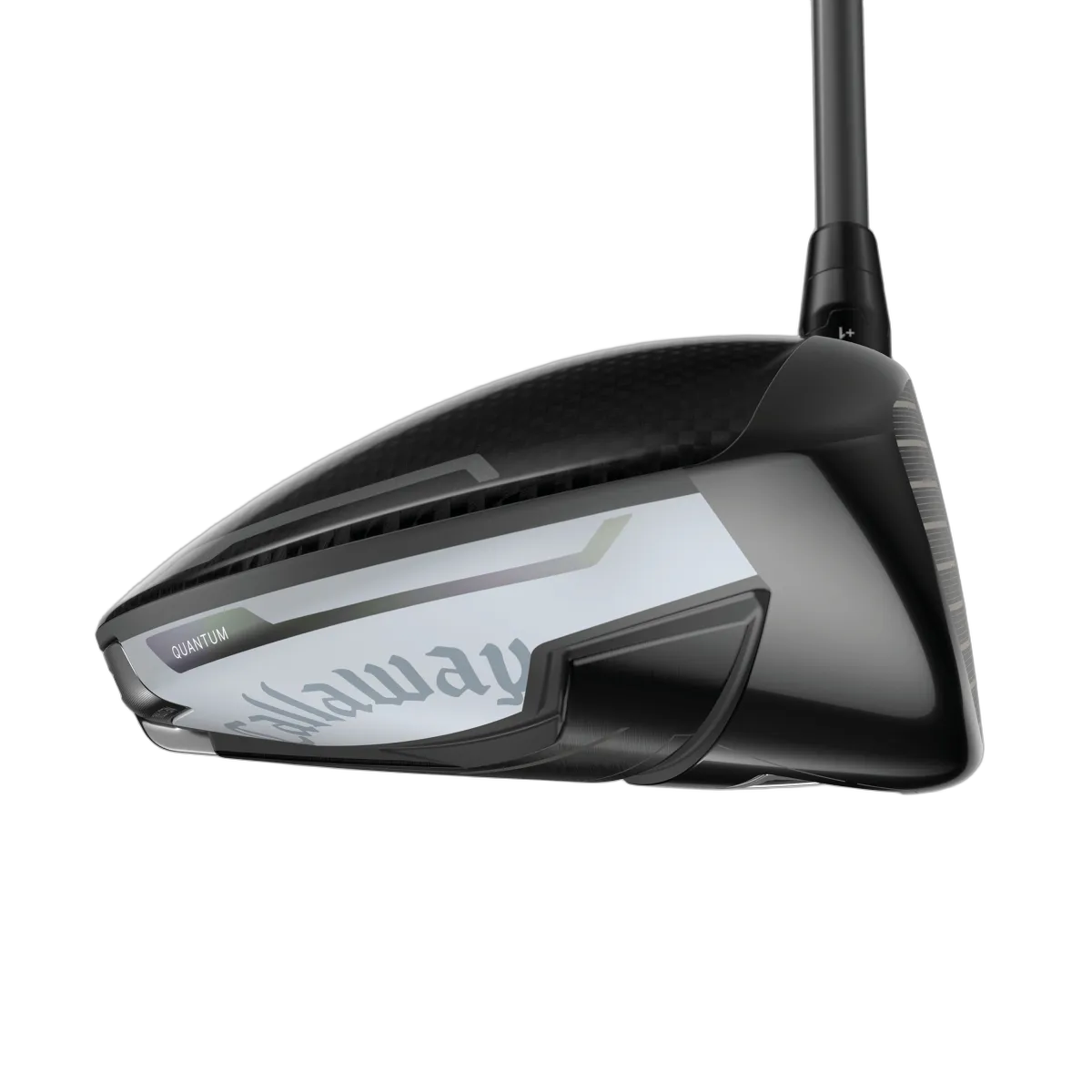
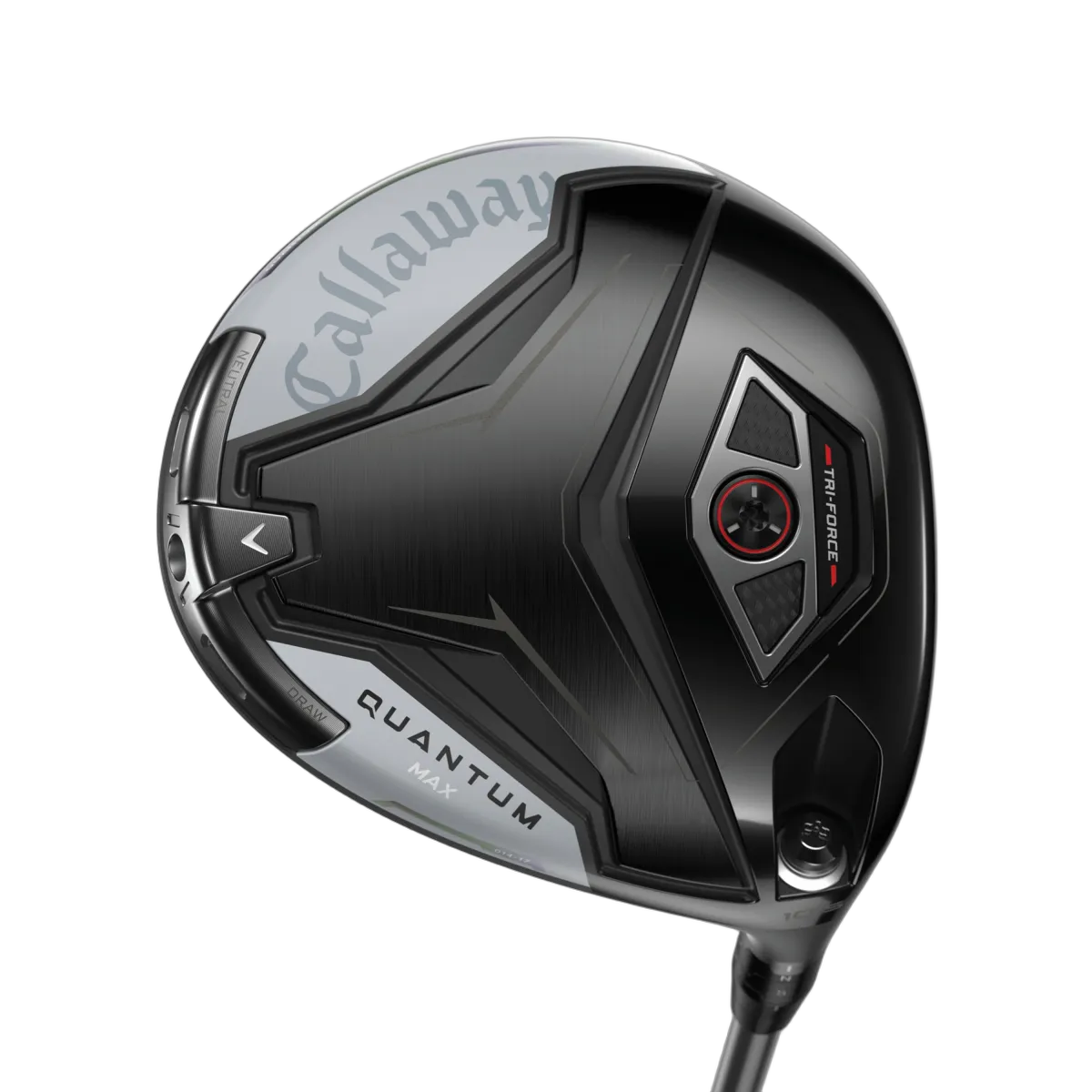
At address, the Quantum Max is handsome in a way that Callaway drivers haven't been in a few years. The shiny dark grey carbon fiber crown is clean and understated, a significant step down from the flashier aesthetics of the Paradym Ai Smoke era. There's a thin ribbon of matte grey at the leading edge and minimal crown graphics in the playing position. The sole is where the visual personality lives: a lighter grey color scheme with silver accents that's distinctly different from the darker, stealthier Triple Diamond models. This visual split across the range is smart, it gives each model a clear identity on the rack without requiring you to read spec sheets.
Sound & Feel
The sound at impact is more muted than the Elyte, with a solid, quiet tone that conveys speed without being loud. Every drive feels fast off the face, there's an immediacy to the feedback that tells you the ball is moving. The feel is powerful but controlled, without the hollow sensation that some carbon-heavy designs produce. It's not as quiet and understated as the Ping G440 family, and it's nowhere near as loud as TaylorMade's carbon face. It sits comfortably in the middle, expressive enough to give you feedback, restrained enough that you won't annoy your playing partners.
Close-up of Tri-Force clubface with milled scoring lines
Performance
Ball Speed & Distance
The Tri-Force Face is the real deal. This isn't incremental face optimization or a marketing rebrand of existing technology. It's a structurally novel construction that produces faster ball speeds and better speed retention on mishits than anything Callaway has made before. The combination of ultra-thin titanium, Poly Mesh, and carbon fiber allows the face to be thinner, more resilient, and more precisely tuned through AI than a single-material design could achieve. You feel it immediately on off-center strikes: drives that would have lost 3–4 mph of ball speed in the Elyte hold their speed and stay in play.
Forgiveness & Dispersion
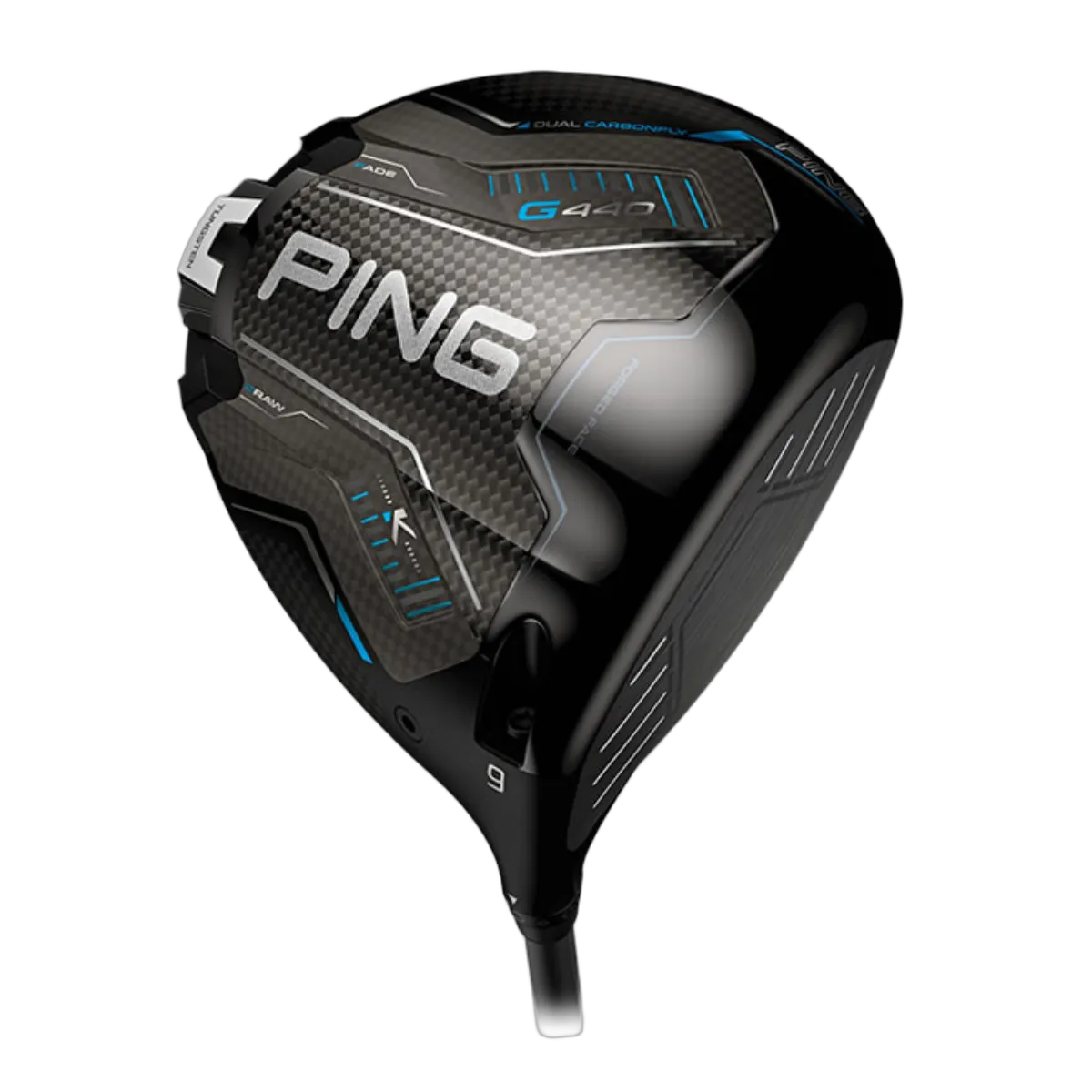
The 360° Carbon Chassis gives Callaway the mass budget to push MOI high while keeping CG neutral enough for mid-to-low spin, a balance that most competitors struggle to achieve. The Quantum Max isn't the highest-MOI driver in the market (the Ping G440 K claims that title), but it offers enough stability that mishits stay in play while maintaining a spin profile that keeps carries long and penetrating.
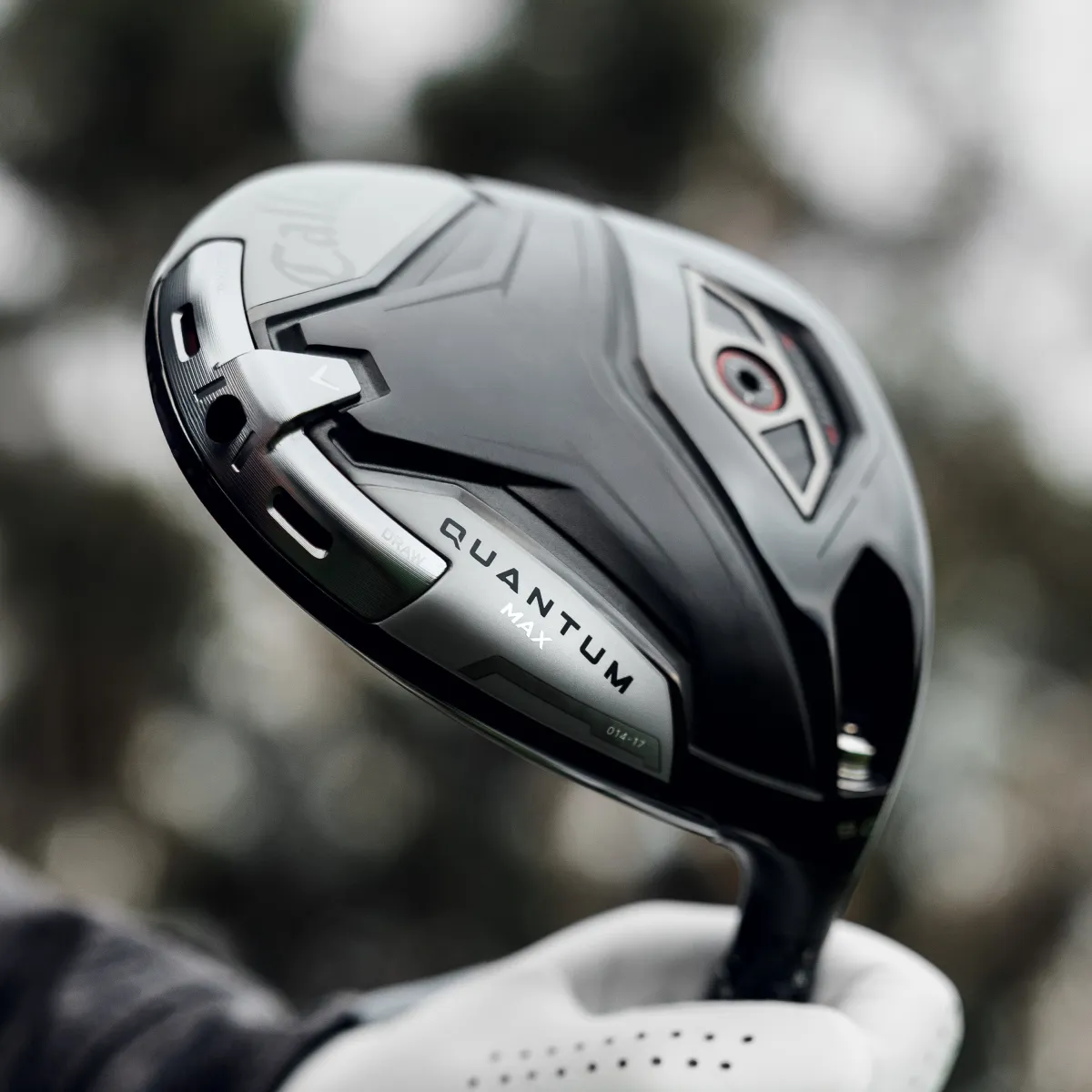
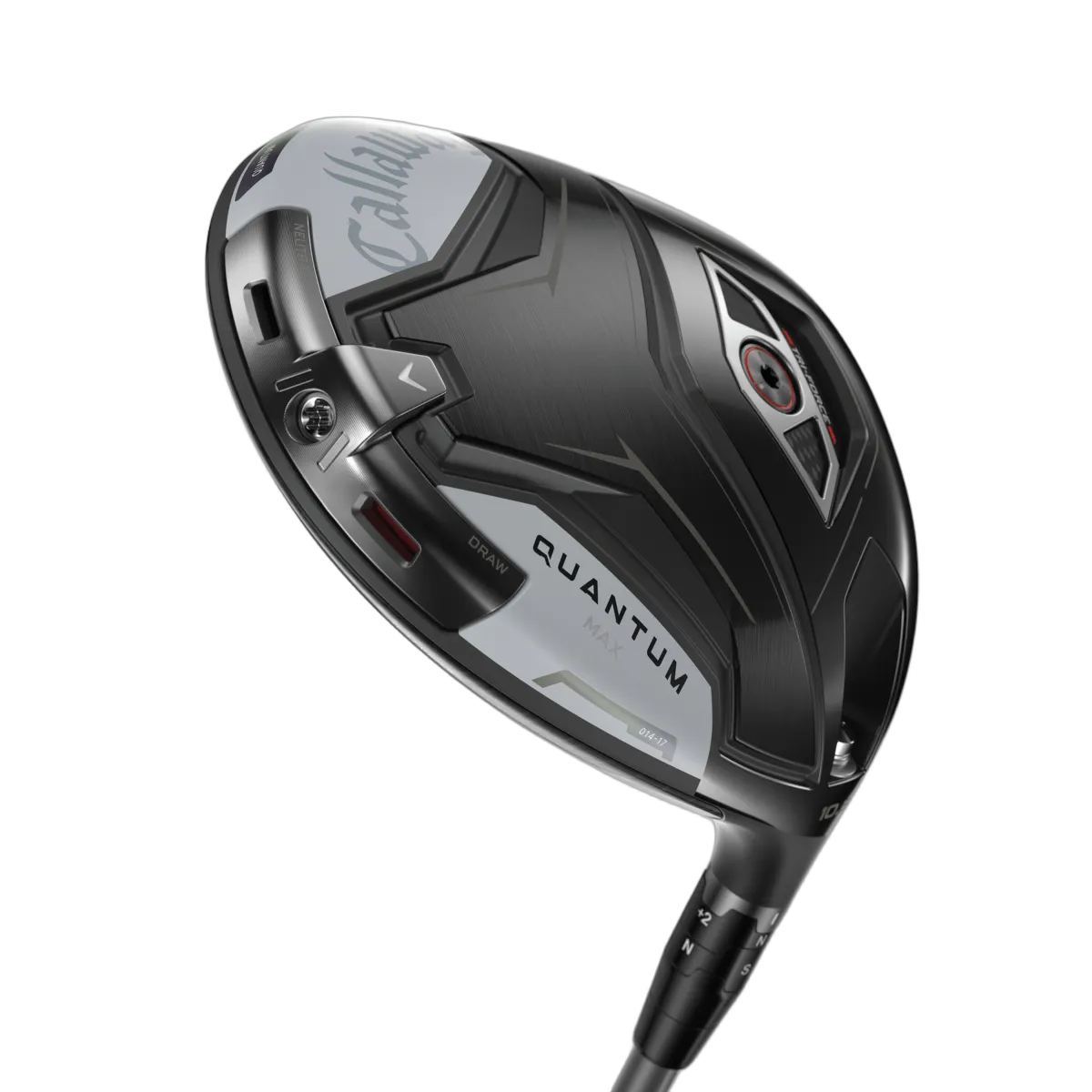
Sole view showing Quantum Max branding and adjustable weight port
Adjustability
The APW weight on the Max offers neutral and draw configurations. Neutral places the CG in a balanced position that promotes a straight ball flight with minimal lateral bias. Draw shifts the 10-gram weight toward the heel to encourage a gentle right-to-left shape. The difference between settings is noticeable but not extreme, this isn't a slice corrector in the way the Max D is. It's a subtle bias that gives you the option to nudge your natural flight left without fundamentally changing the driver's character.
Pair the draw weight with the right OptiFit hosel adjustments and you can take the right side of the course out of play, but you're still driving a neutral driver with a draw preference, not a draw-biased driver. The APW system is simple (two positions, neutral and draw) but effective, and the OptiFit hosel adds meaningful fitting versatility.
The weakness is relative: the APW system is less versatile than the Ping G440 Max's three-position weight or the TaylorMade Qi4D's four-weight system, you can bias toward draw or stay neutral, but there's no fade option. If you fight a hook, the Triple Diamond Max with its neutral/fade APW is the better choice from within the Callaway lineup. The stock shaft menu is thinner than TaylorMade's REAX offerings, which means more golfers may need to go custom.
The Competition
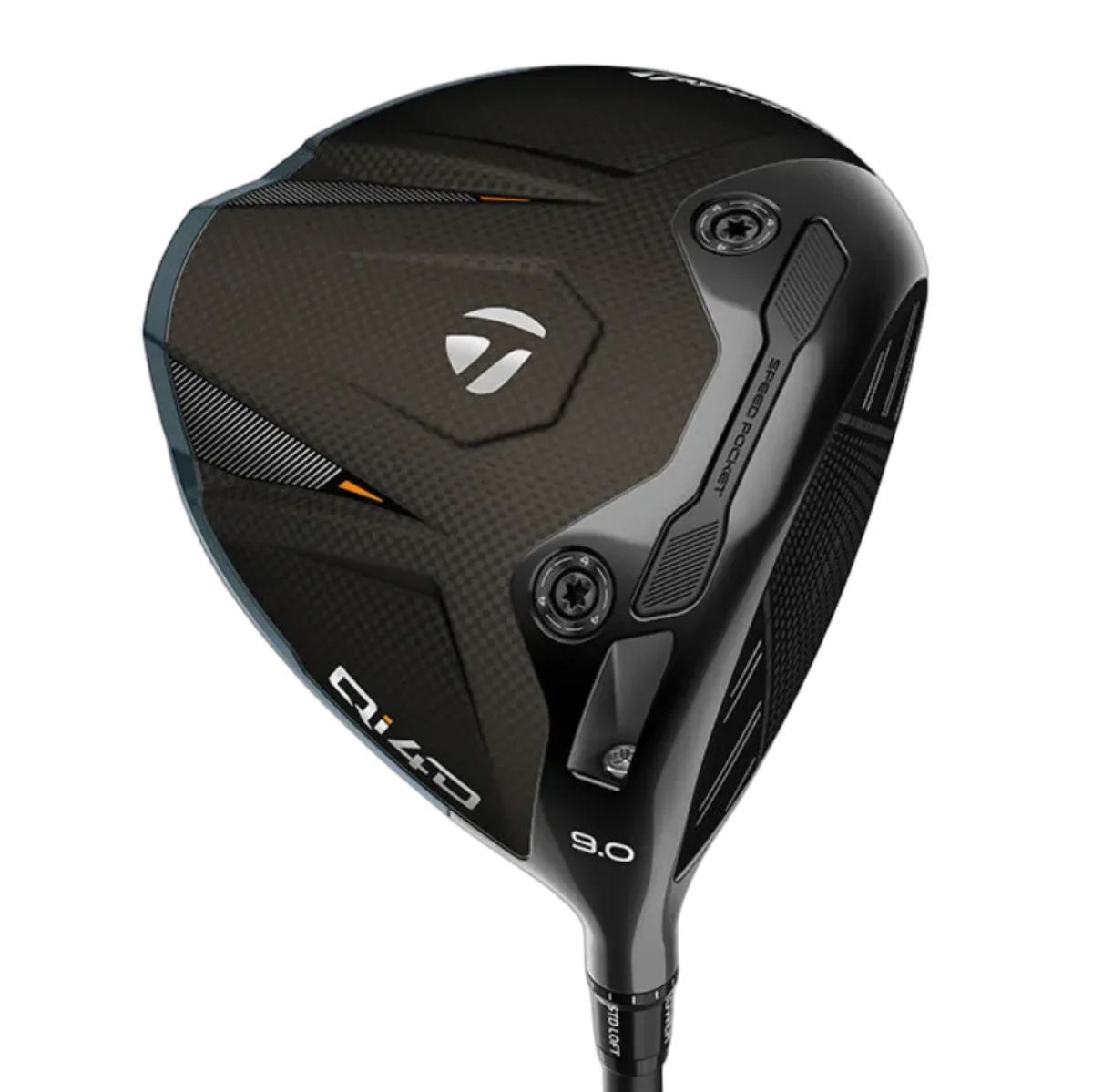
Against the TaylorMade Qi4D ($599), the Quantum Max produces slightly higher ball speed on centered strikes and retains that speed better on mishits, the Tri-Force Face has a genuine edge in ball speed retention. The Qi4D counters with better aerodynamics, a deeper stock shaft menu through the REAX system, and more weight adjustability through its four-weight TAS system. The Qi4D is $50 cheaper.
Top-down crown view highlighting carbon fiber weave pattern
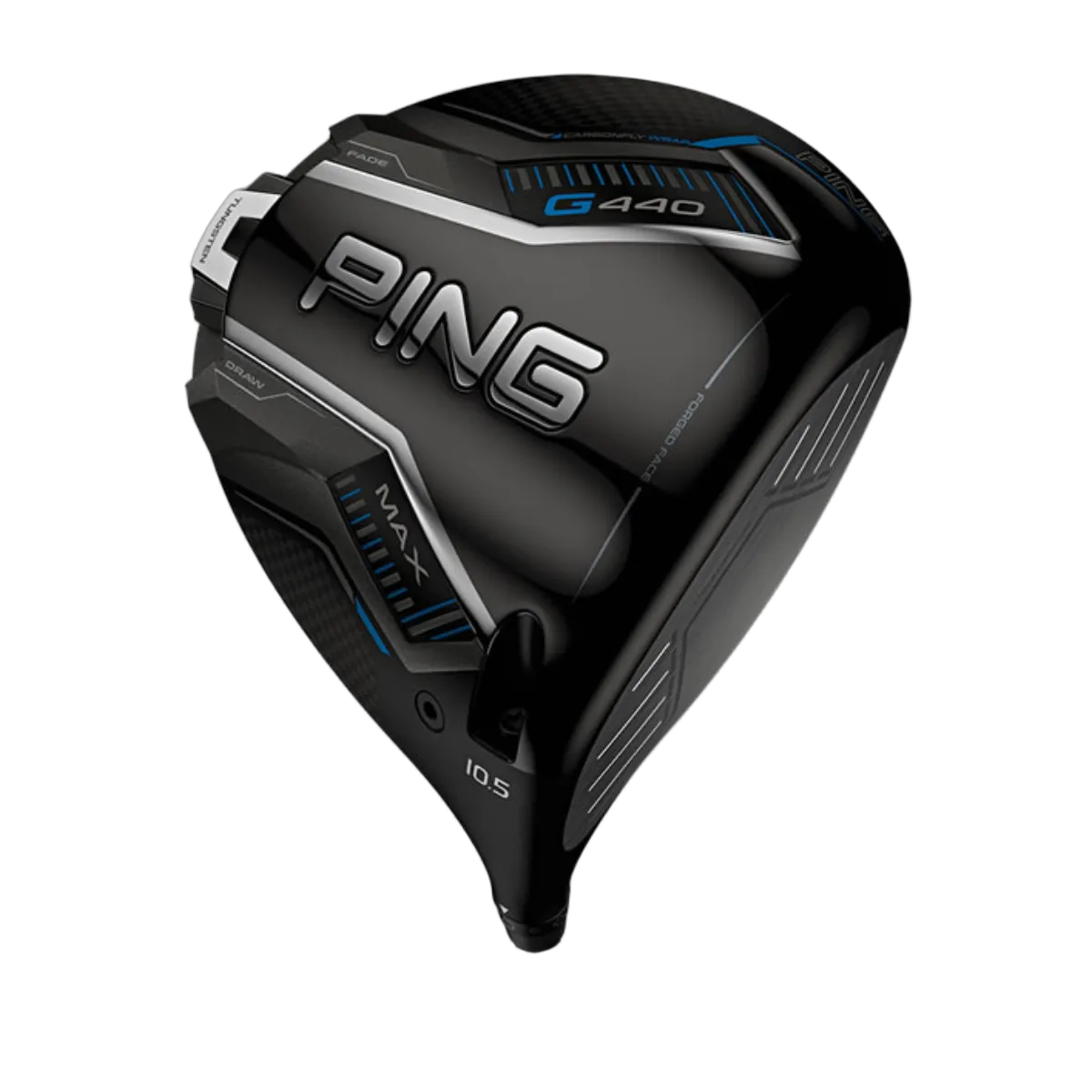
Against the Ping G440 Max ($600), the Callaway is faster across the face but the Ping is more forgiving on pure mishits due to higher MOI. The Ping also offers a three-position weight (draw/neutral/fade) versus Callaway's two-position (neutral/draw), giving it a slight edge in tunability. The Ping is $49 cheaper.
The Quantum Max isn't the most exciting driver in Callaway's own lineup, that honor belongs to the Triple Diamond Max, which combines tour performance with Max-level forgiveness in a way that feels genuinely new. But the Max is the safer, more universally applicable choice. It's the driver you recommend to the golfer who doesn't know exactly what they need, because it does everything well enough that it'll work regardless of what their swing throws at it.
Specifications
| SPEC | DETAIL |
|---|---|
| Lofts | 9°, 10.5°, 12° |
| Volume | 460cc |
| Adjustability | OptiFit hosel (8 configurations, independent loft and lie) + APW 10g weight (neutral / draw) |
| Face | Tri-Force Face (titanium + Poly Mesh + carbon fiber) with Ai-optimized face mapping |
| Construction | 360° Carbon Chassis |
| Stock Shaft | True Temper Denali Frost Silver 50 (R, S) |
| Additional Stock Options | True Temper Denali Frost Silver 60 (S, X), Mitsubishi Vanquish 60 (S, X) |
| Stock Grip | Golf Pride Tour Velvet 360 Black Cap (50g) |
| Availability | RH / LH |
| MSRP | $649 |
Verdict
The Callaway Quantum Max is the most complete core driver on the market in 2026 — not the best at any single thing, but the most consistently excellent across every dimension that matters.
The Tri-Force Face is the real deal. Three materials working as a system produce ball speed consistency across the face that sets a new standard. The 360° Carbon Chassis gives Callaway the mass budget to push MOI high while keeping CG neutral enough for mid-to-low spin. The APW weight system is simple but effective, and the OptiFit hosel adds meaningful fitting versatility. The sound is refined, the look is clean, and the overall package conveys quality.
The $649 price, while competitive, puts it in the same range as the Ping G440 Max at $600 — a driver that offers comparable forgiveness with more adjustability for $49 less. And if you fight a hook rather than a slice, you'll want to look at the Triple Diamond Max with its neutral/fade weight configuration.
But for the golfer who wants the fastest face technology in the game wrapped in a forgiving, adjustable, visually appealing package — the golfer who doesn't need a tour head or a slice corrector but simply wants the best all-around driver they can buy — the Quantum Max is the answer. Callaway built this driver to be the one that works for everyone, and they succeeded.