Titleist GT3 Driver
Titleist — Titleist GT3 Driver · By Lauryl · Feb 23, 2026
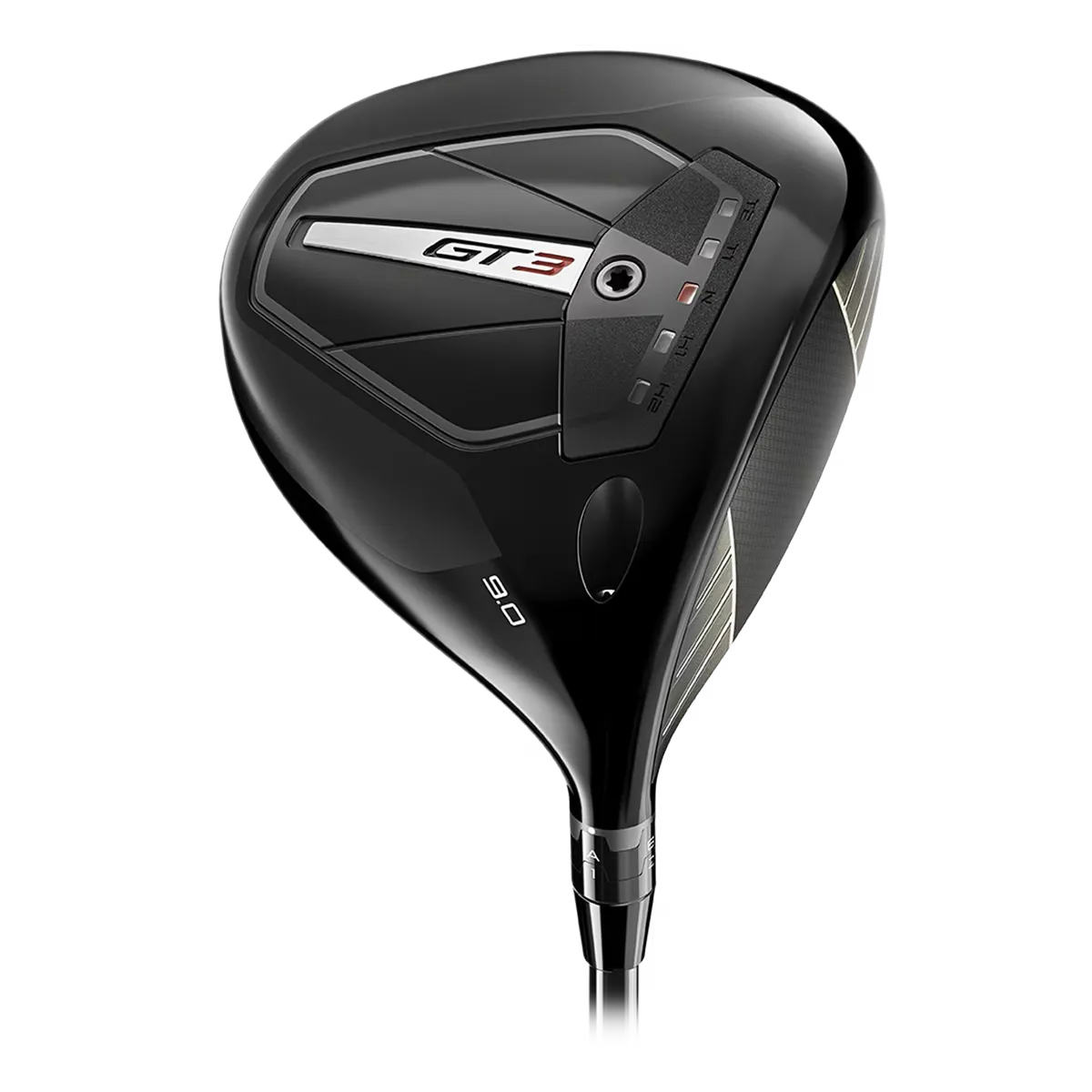
The most adjustable driver on the market also happens to be the best-sounding one. And with 2026 models pushing prices down, it might be the smartest buy of the year.
The Big Picture
While every other major brand was unveiling entirely new driver families for 2026, Callaway's Quantum, TaylorMade's Qi4D, and Cobra's OPTM, Titleist sat still. The GT line launched in mid-2025 and remains the current generation heading into the new season. No refresh. No facelift. No hurried response to the competition.
That kind of confidence is either arrogance or earned. In the case of the GT3, it's earned.
The GT series represented a genuine inflection point for Titleist. After years of all-titanium construction, the GT family introduced a Seamless Thermoform Crown built from a Proprietary Matrix Polymer, a material never previously used in golf clubhead design. The crown wraps down to the sole in a single, seamless piece. The polymer crown is approximately three times lighter than the titanium it replaced, freeing a massive amount of discretionary weight for redistribution into performance-critical areas.
The Technology
Seamless Thermoform Crown
The Proprietary Matrix Polymer crown is approximately three times lighter than the titanium it replaced. That weight savings is redistributed forward toward the face for speed and rearward for stability. The crown wraps down to the sole in a single, seamless piece with no visible transitions between materials, a structural and aesthetic achievement.
The crown also has tunable acoustic properties that Titleist's engineers used to preserve the classic Titleist metalwood sound. This isn't a passive benefit of the material. It's an engineered outcome that contributes directly to the GT3's signature sound profile.
Split Mass Construction
Discretionary weight freed by the thermoform crown is pushed to both the front (for speed) and the rear (for stability). This dual-mass approach increases MOI without pulling the CG back, making the GT3 measurably more forgiving than the TSR3 while maintaining the same forward-CG speed profile. Ball speed on heel and toe misses holds up better than any previous Titleist driver in this tier.
Speed Ring VFT Face
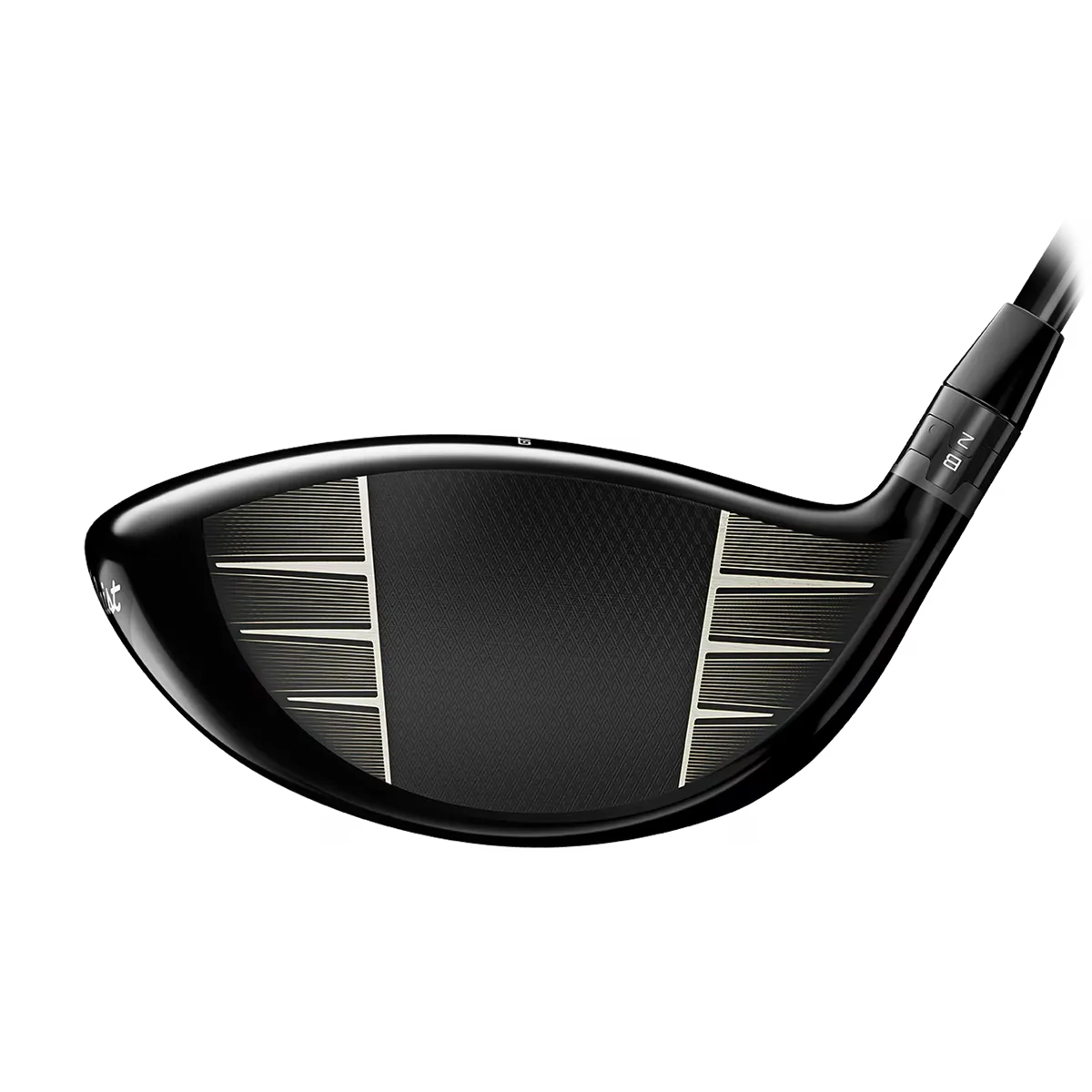
The face uses Titleist's Speed Ring VFT (Variable Face Thickness) technology. An upgraded titanium Speed Ring stabilizes the perimeter of the face, allowing the center to flex aggressively for maximum ball speed. The variable thickness pattern then preserves speed across the rest of the hitting area. It's not a multi-material face like Callaway's Tri-Force or TaylorMade's carbon construction. It's still fundamentally titanium, but the engineering is refined enough that ball speed performance remains competitive with the 2026 releases.
CG Track
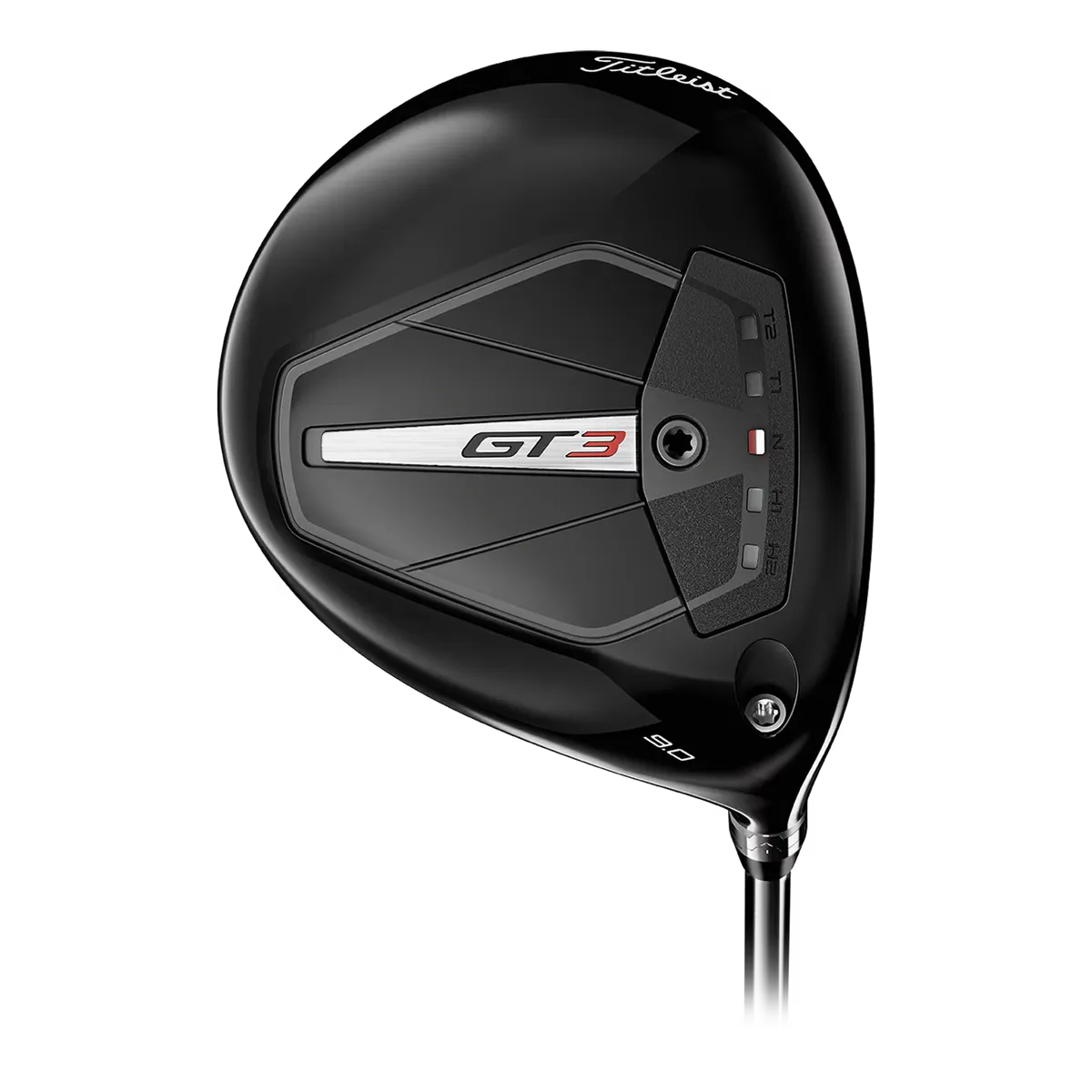
The CG Track is the defining adjustability feature. Five positions, H2, H1, N, T1, T2, run along the sole from heel to toe, and the track has been repositioned closer to the face compared to the TSR3. That forward shift magnifies the effect of each weight position. Moving the weight from N to T2 produces a visibly different trajectory toward a fade. Moving it to H2 promotes a meaningful draw. The range of adjustability is wider and more responsive than any other CG system on the market.
On top of the CG Track, Titleist's SureFit hosel provides 16 independent loft and lie combinations. Combined with the five CG positions, you're looking at 80 possible setup permutations, before you even get into shaft selection.
The GT Family
The GT family includes three models, and the GT3 sits in the middle, not as a compromise, but as a synthesis.
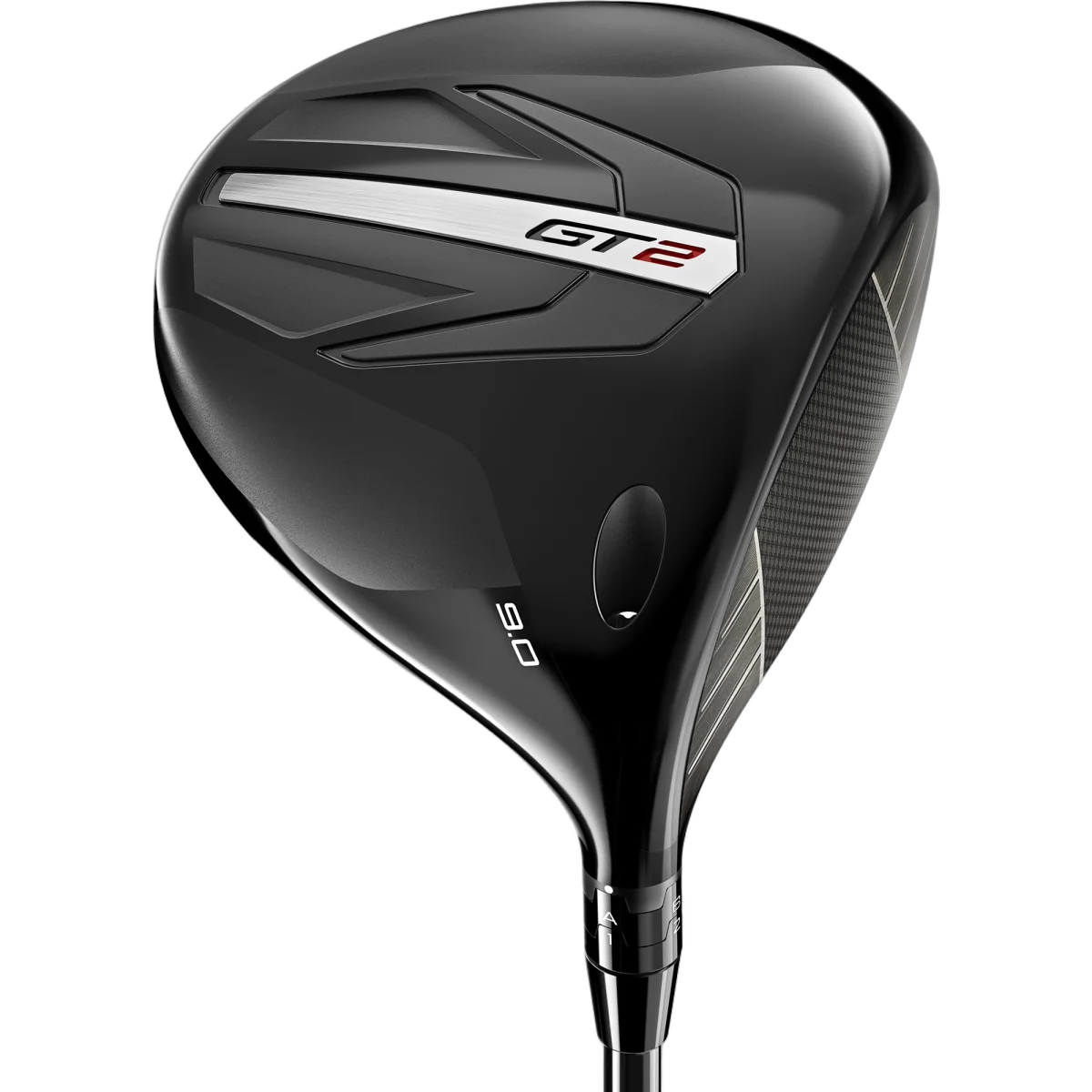
The GT2 is the most forgiving driver in the range. Highest MOI, most rear-biased CG, largest effective hitting area. Designed for golfers who want to aim and swing without worrying about where they make contact. It optimizes for consistency at the expense of adjustability and workability.
The GT3 (this review) is the adjustable all-rounder. The five-position CG Track and SureFit hosel give it more setup permutations than any competitor. Meaningfully more forgiving than the TSR3 it replaced, while maintaining a forward-CG speed profile. One fitter we spoke with said he starts every fitting with the GT3 because "it's so forgiving now that not too many people need the GT2." Available in 8°, 9°, 10°, and 11°. MSRP $629.
The GT4 sits at the opposite end. Compact, low-spin, tour-level head with a smaller profile, forward CG, and the most aggressive performance characteristics. Two adjustable weights toggle between ultra-low-spin and a slightly more user-friendly setup. A specialty tool for the fastest, most consistent ball strikers.
At Address
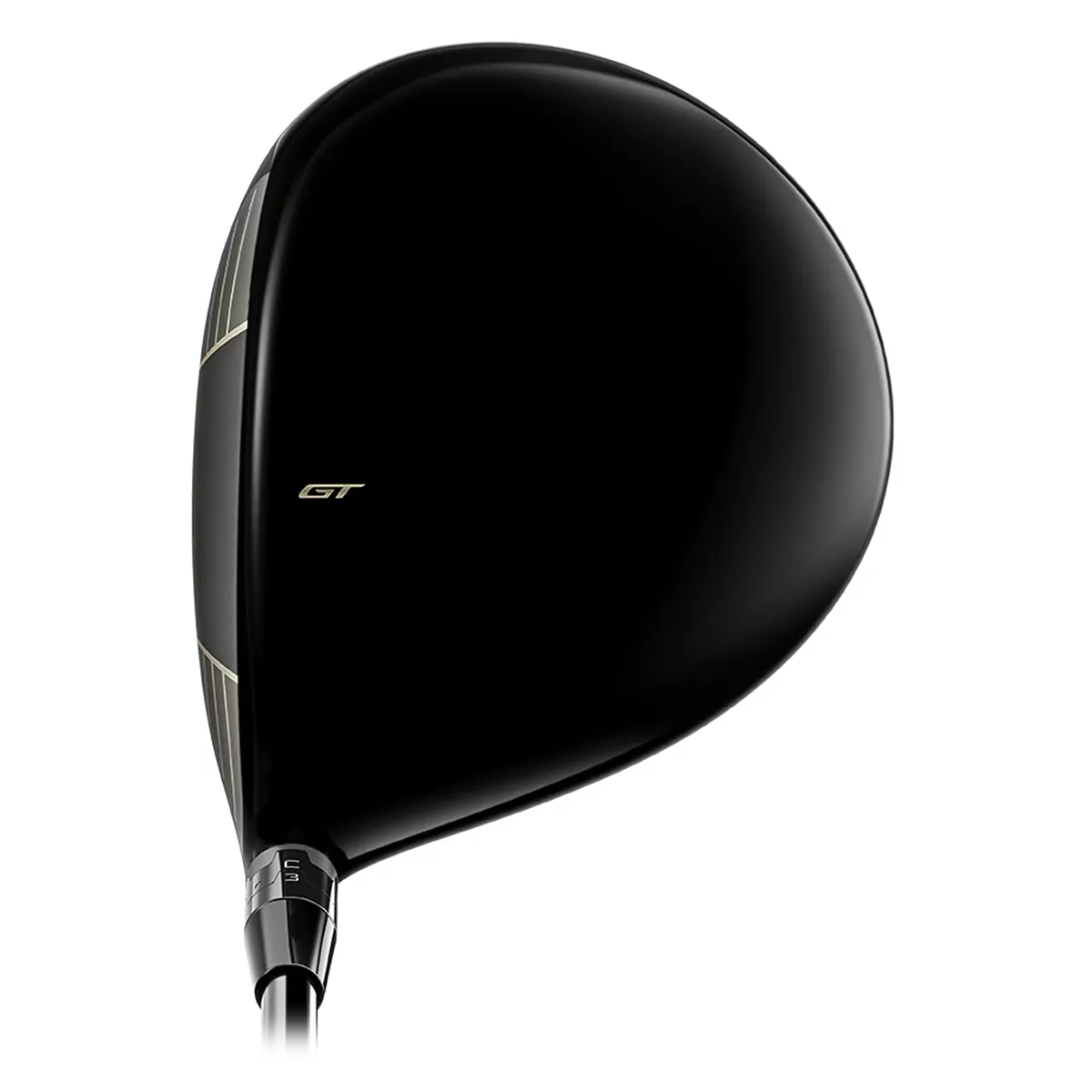
The 460cc head has a compact, pear-shaped profile that sits beautifully at address. More aerodynamic than the TSR3 thanks to a raised tail contour that reduces drag during the downswing. The seamless crown-to-sole transition is visually clean, and the glossy carbon fiber finish is understated without being boring. There's no alignment aid on the crown, which is a Titleist tradition at this tier and appropriate for the target player. The aesthetics are as refined as anything on the market.
Top-down address view showing glossy black crown with GT branding
Sound & Feel
This is where the GT3 separates itself from everything else on the market, full stop. The Proprietary Matrix Polymer crown has tunable acoustic properties that Titleist's engineers used to preserve the classic Titleist metalwood sound, a crisp, authoritative impact with a satisfying ring that gives you instant, honest feedback on strike quality. It's not loud. It's not muted. It's precise. Every contact sounds different depending on where you hit the face, and the differences are musically distinct rather than harshly punishing. If you've ever hit a well-struck Titleist metalwood and thought, "That's what a driver should sound like," the GT3 delivers that experience more consistently than any Titleist driver before it.
Performance
Ball Speed & Distance
Ball speed is competitive with the 2026 flagships from Callaway and TaylorMade. The Speed Ring VFT face allows the center to flex aggressively while preserving speed across the rest of the hitting area. The raised tail contour and refined aerodynamics improve clubhead speed compared to the TSR3. For a 2025 release competing against 2026 technology, the GT3 holds its own on the launch monitor, a testament to how well Titleist executed this design.
Forgiveness & Dispersion
The Split Mass Construction and lighter thermoform crown have allowed Titleist to increase MOI without pulling the CG back. The GT3 is measurably more forgiving than the TSR3 while maintaining the same forward-CG speed profile. Ball speed on heel and toe misses holds up better than any previous Titleist driver in this tier.
Sole view showing GT3 branding and adjustable weight track system
The biggest limitation is that the GT3 still rewards consistent contact patterns. Despite the improved forgiveness, this is still a driver designed for golfers who find the general vicinity of the center more often than not. If your misses are wild and unpredictable, the GT2 or a Ping G440 Max will serve you better. The GT3's CG Track works best when your miss pattern is relatively consistent, because that's what allows you to position the weight to optimize for your tendencies.
Adjustability
The five-position CG Track combined with the 16-setting SureFit hosel gives fitters and tinkerers more setup permutations than any other driver. 80 possible configurations before shaft selection. And unlike adjustability systems that make small, barely noticeable changes, the GT3's forward-positioned track produces meaningful, visible differences in ball flight between settings. Interchangeable weights from 4g to 14g extend the tuning range further.
Shaft selection is among the best in the industry. Four featured shafts, Project X Denali Red (mid-high launch), Mitsubishi TENSEI 1K Blue (mid launch), Project X HZRDUS Black 5th Gen (low-mid launch), and Mitsubishi and Mitsubishi TENSEI 1K Black (low launch), are all genuine aftermarket-quality offerings at no upcharge. Premium options from Graphite Design are available for an additional cost.
The Competition
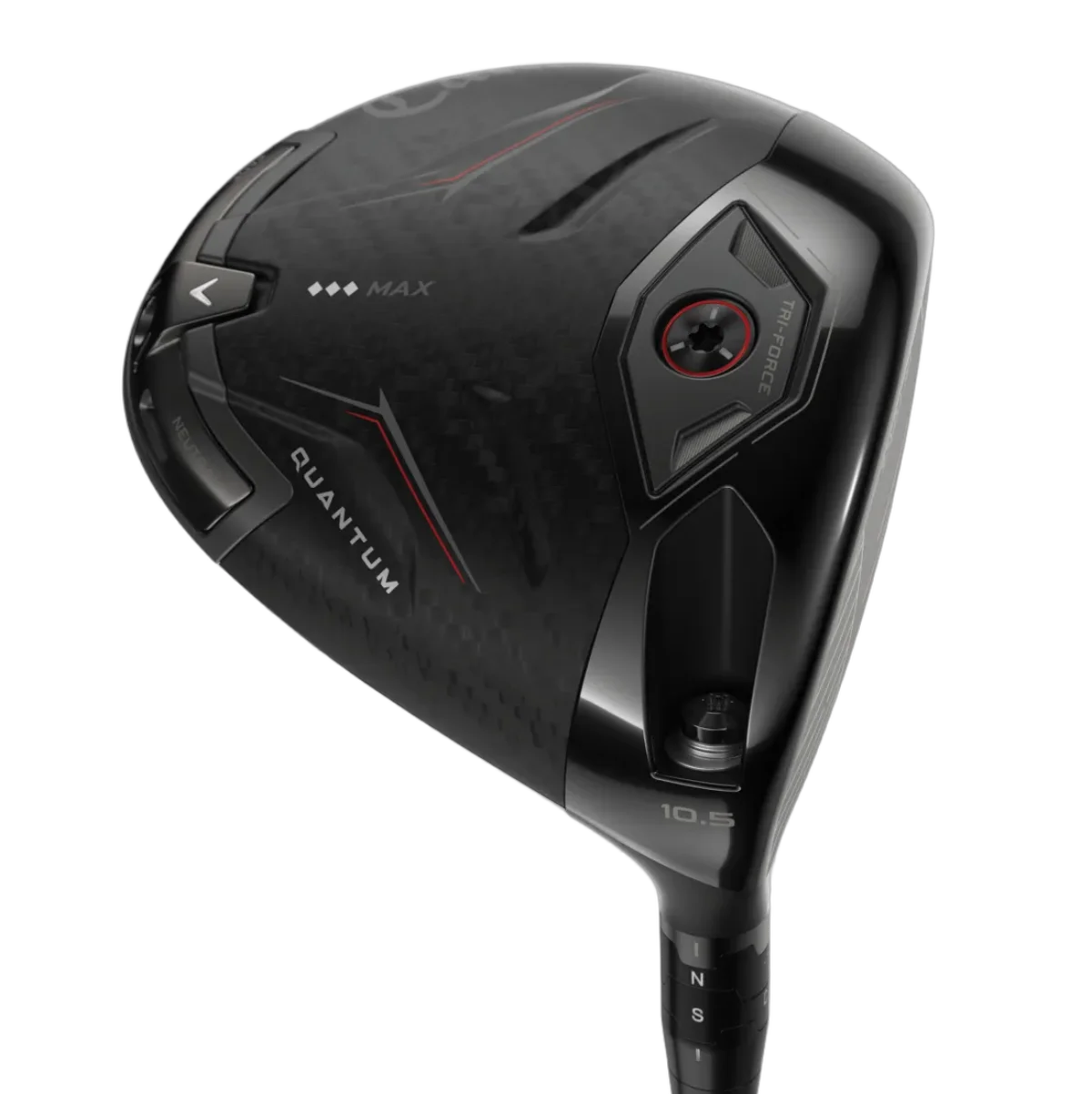
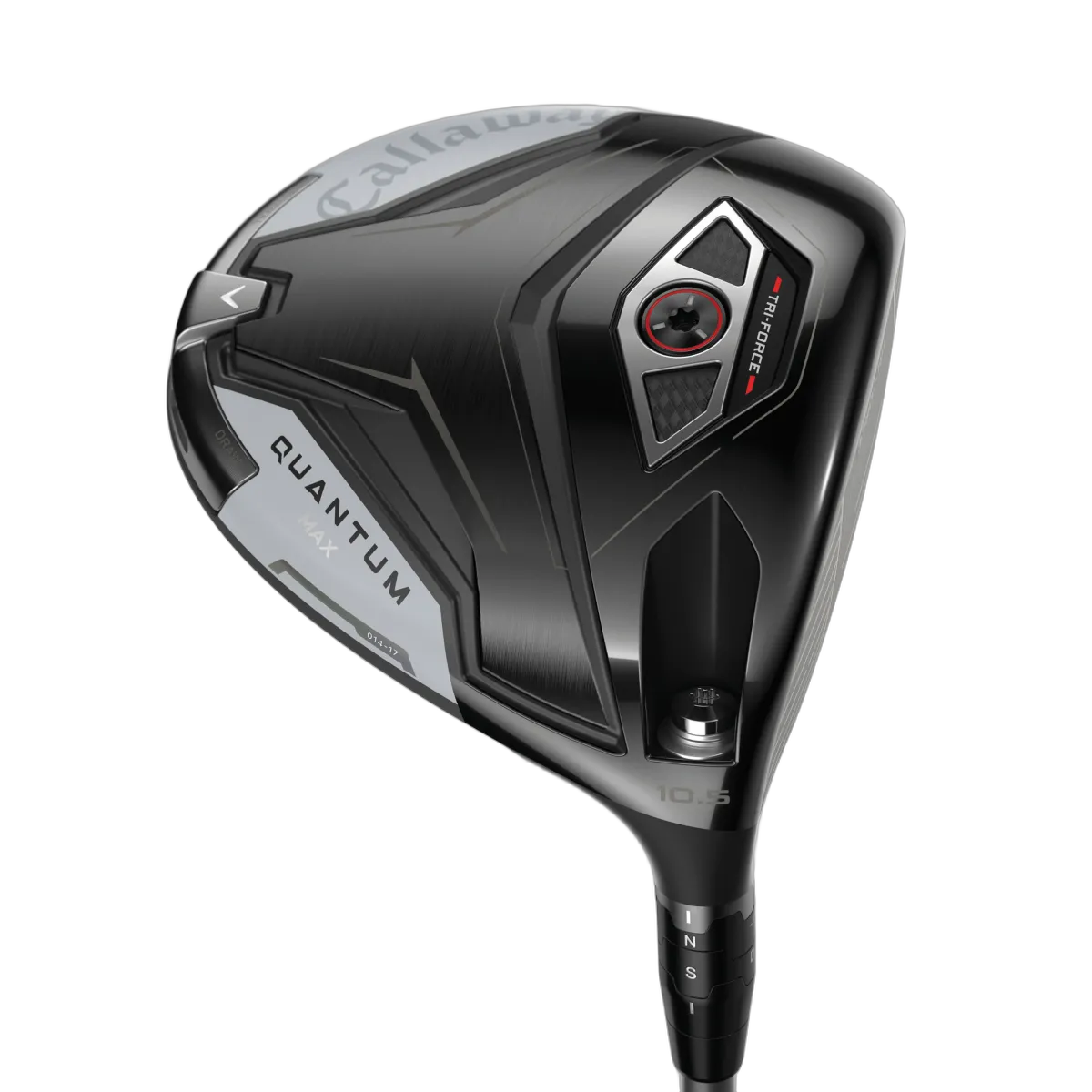
Against the Callaway Quantum Max ($649), the GT3 matches adjustability and offers superior sound and feel, but the Callaway's Tri-Force Face produces better ball speed consistency across the hitting area. The GT3's street price now sits well below the Quantum Max's MSRP.
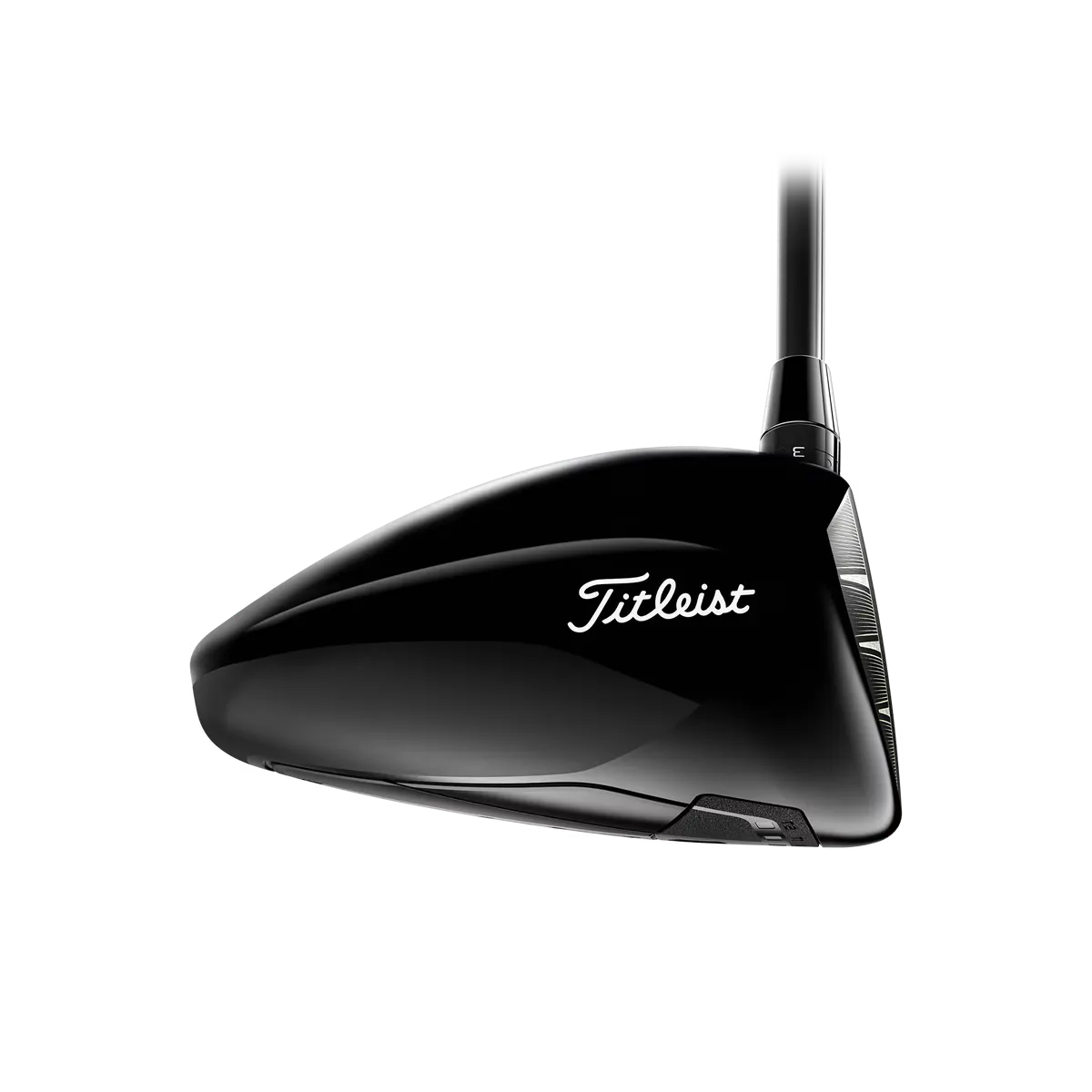
Toe-side profile showing Titleist script logo and aerodynamic shaping
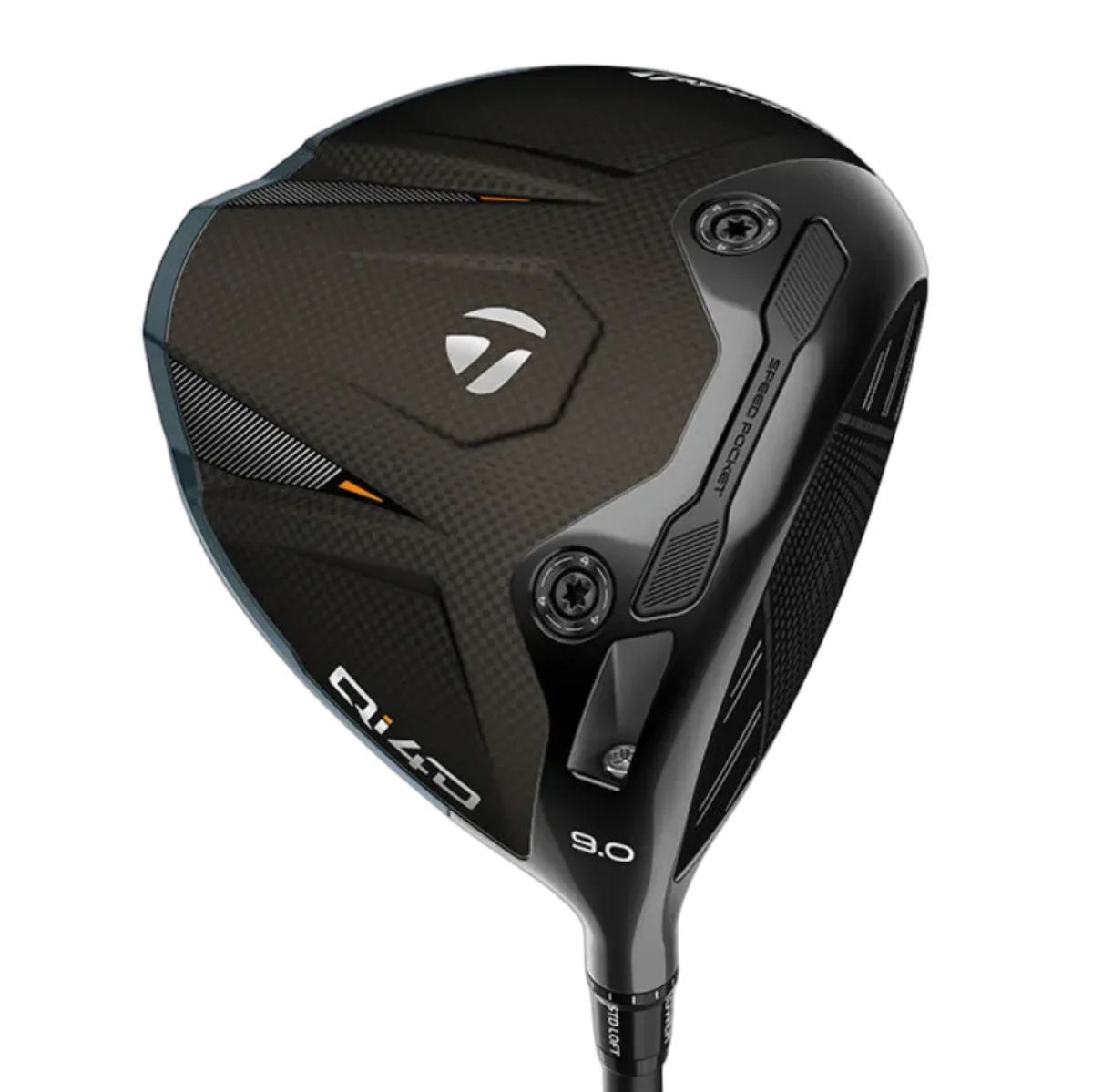
Against the TaylorMade Qi4D ($599), the GT3 has more CG positions (five vs. four weight ports) and a better sound profile, but the TaylorMade offers four-axis adjustability through movable weights and a deeper stock shaft menu through REAX. At current street prices, the GT3 is competitive.
Against the Ping G440 Max ($600), the GT3 is more adjustable and better sounding, while the Ping has higher MOI and better pure mishit protection. The Ping is the safer choice for inconsistent strikers; the GT3 rewards golfers who can tune to their tendencies.
The value conversation is compelling. With 2026 models filling shelves, GT3 street prices have dropped significantly. You're getting a $629 driver for considerably less, and the performance hasn't been surpassed by anything released since.
Specifications
| SPEC | DETAIL |
|---|---|
| Lofts | 8°, 9°, 10°, 11° |
| Volume | 460cc |
| Standard Length | 45.5" |
| Adjustability | SureFit hosel (16 loft/lie settings) + Adjustable CG Track (5 positions: H2, H1, N, T1, T2) with interchangeable weights (4g to 14g available) |
| Stock Shaft | Mitsubishi TENSEI 1K Black 65, Project X HZRDUS Black 5G 60, Mitsubishi TENSEI 1K Blue 60, Project X Denali Red 50 |
| Premium Shaft Options | Graphite Design Tour AD VF, Tour AD UB, Tour AD DI (upcharge) |
| Stock Grip | Titleist Universal 360 |
| Availability | RH / LH |
| MSRP | $629 (street price significantly lower with 2026 models on market) |
Verdict
The Titleist GT3 is a year old and it doesn't matter. In a 2026 market flooded with new releases, the GT3 remains one of the best drivers you can buy — and with falling street prices, it might be the smartest purchase on the board.
The adjustability is unmatched. The five-position CG Track combined with the 16-setting SureFit hosel gives fitters and tinkerers more setup permutations than any other driver on the market. And unlike adjustability systems that make small, barely noticeable changes, the GT3's forward-positioned track produces meaningful, visible differences in ball flight between settings. This is a driver you can genuinely tune to your game.
The sound and feel are the best in the business. The Seamless Thermoform Crown preserved Titleist's signature acoustics while freeing up weight for the Split Mass Construction that makes the GT3 significantly more forgiving than the TSR3. Ball speed is competitive with the 2026 flagships from Callaway and TaylorMade. And the aesthetics — the seamless crown, the pear-shaped profile, the clean address view — are as refined as anything on the market.
The limitations are honest ones. This is still a players' driver at its core. Golfers with inconsistent contact patterns are better served by the GT2 or something from the Ping G440 family. The all-titanium face, while excellent, doesn't produce the same level of ball speed consistency across the entire hitting area as Callaway's Tri-Force construction. And the GT3 isn't new — which matters to some golfers more than it should.
But for the mid-to-low handicapper who values feel, workability, adjustability, and the satisfaction of hitting a driver that sounds like a driver should — the GT3 is the standard. Get fit. Dial in the CG Track to your contact pattern. Choose from Titleist's excellent shaft menu. And enjoy playing one of the most complete drivers anyone has made in years, at a price that keeps getting better.