Cobra OPTM LS Driver
Cobra — Cobra OPTM LS Driver · By Andy · Jan 9, 2026
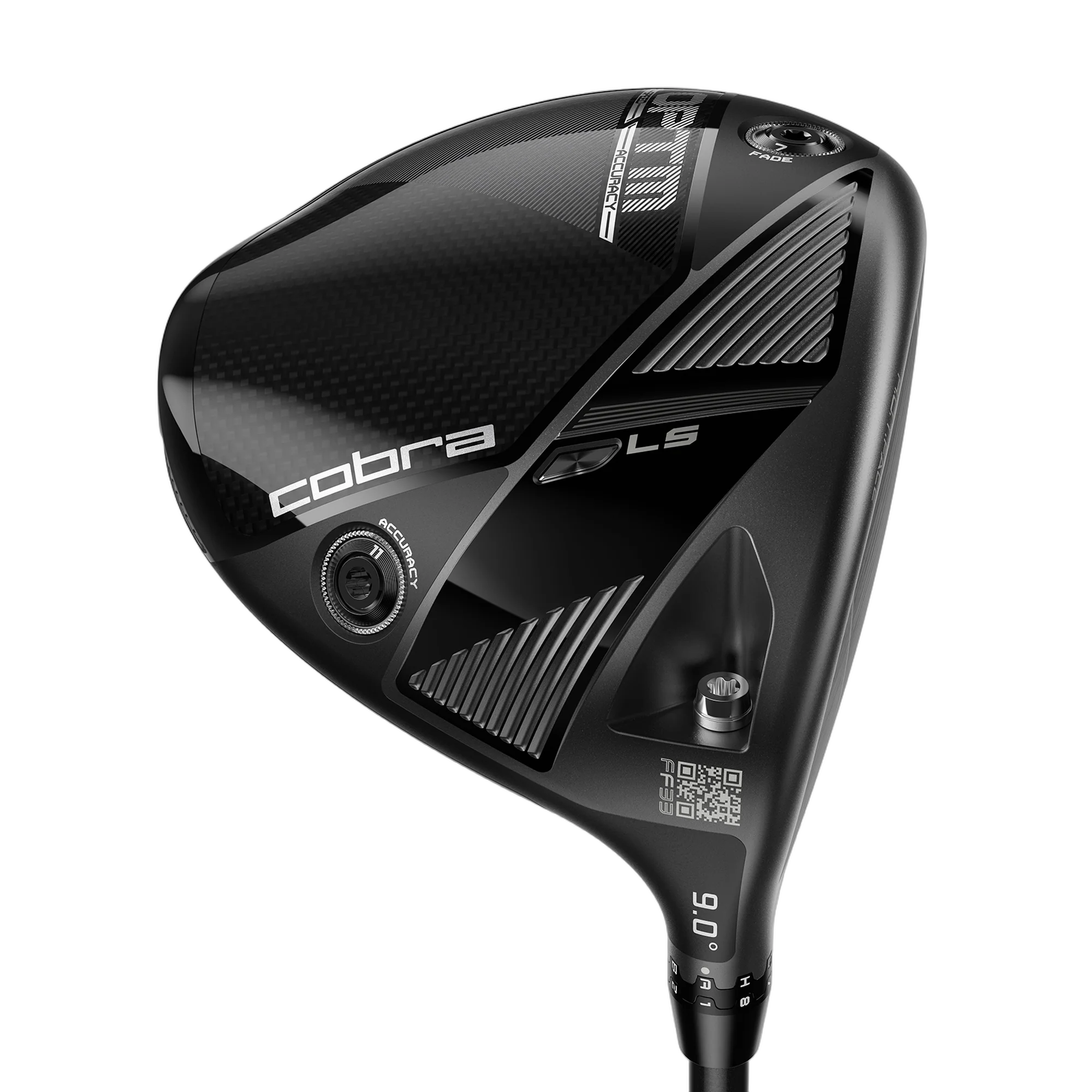
Cobra stopped chasing the same number as everyone else, and built a faster, smarter driver because of it.
The Big Picture
For the last two years, driver design was an MOI arms race. Every brand chased the 10,000 g·cm² ceiling, stacking tungsten into the perimeter of increasingly oversized heads to maximize twist resistance on a single axis. Some of those drivers were excellent. But the singular pursuit of MOI came with trade-offs the marketing materials conveniently left out, larger heads that moved slower through the air, forward CG sacrificed for perimeter weighting, and a generation of low-spin players left wondering why their "most forgiving driver ever" wasn't actually going any farther.
Cobra looked at the same physics and asked a different question. Instead of optimizing for MOI alone, they designed the 2026 OPTM line around Product of Inertia, POI. Where MOI measures resistance to twisting around one axis, POI captures how a clubhead resists rotation across multiple axes simultaneously. It's a more complete picture of how a driver head behaves during the violent, multi-directional forces of a real swing. Lower POI means the head moves through impact with less parasitic twisting, less wasted energy, and more efficient speed transfer to the ball.
The LS is the fastest driver Cobra has ever made, and one of the fastest we tested from any brand this year. If you have the swing speed and the strike consistency to take advantage of it, the distance gains over last year's DS-Adapt LS are real and measurable.
The Technology
POI-Optimized Design
Where MOI measures resistance to twisting around one axis, POI captures how a clubhead resists rotation across multiple axes simultaneously. Cobra's AI-optimized POI shaping and refined weight distribution have widened the effective hitting area without pulling the CG rearward. You still get the low spin and penetrating trajectory of a forward-CG design, but the dispersion penalty on slight mishits is noticeably smaller. Cobra claims up to 23% tighter dispersion across the OPTM line compared to the DS-Adapt family, and while we can't verify that exact number, our on-course results tracked directionally. This is a meaningfully more forgiving LS driver than what came before it.
H.O.T. Face Technology
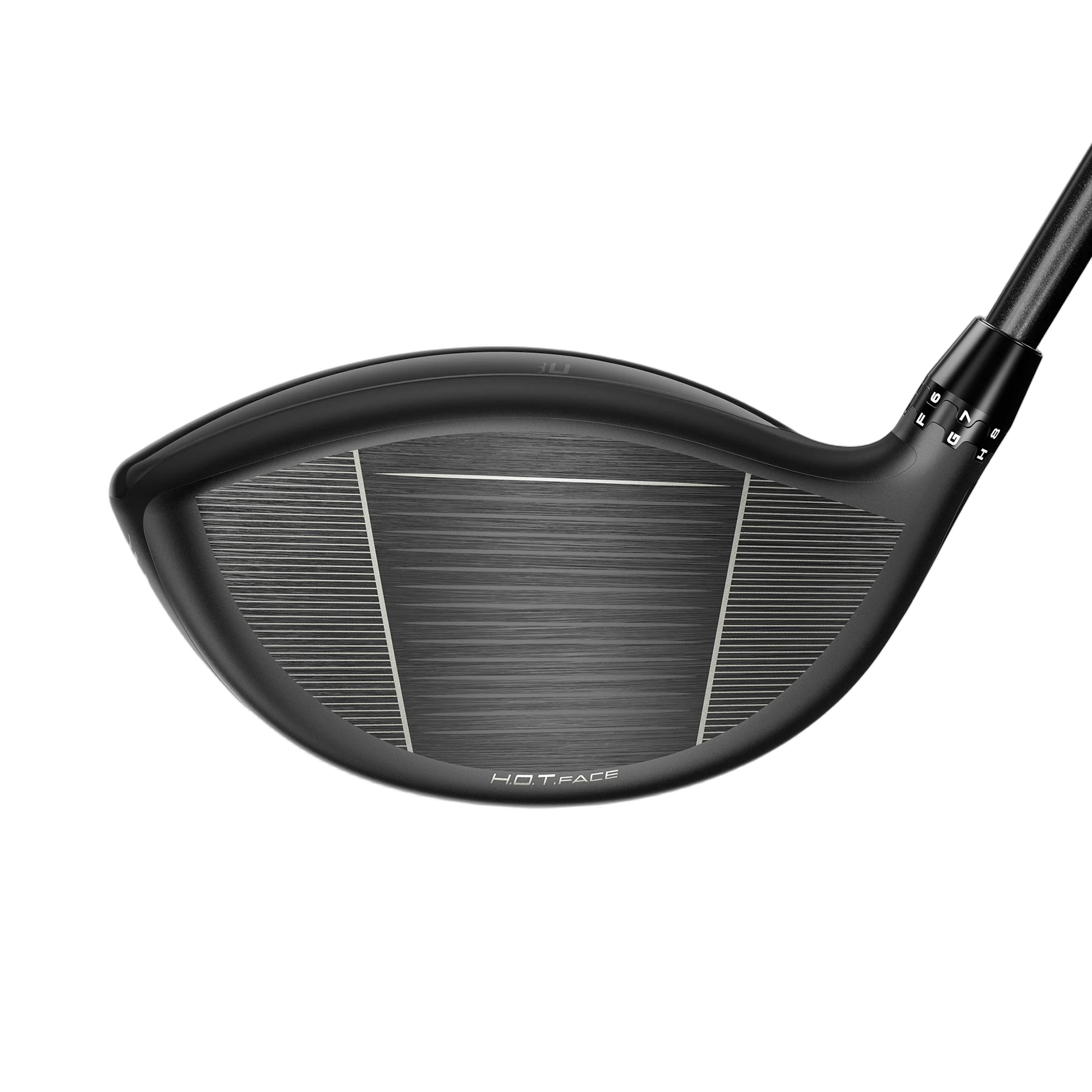
The face is a forged insert using Cobra's H.O.T. Face technology, 15 individually tuned zones across the hitting area, each optimized for higher CT and more consistent ball speed. The result is a face that delivers stable, lively performance even on strikes slightly away from center.
Open face view showing HOT Face milled groove pattern
Three-Port Weight System
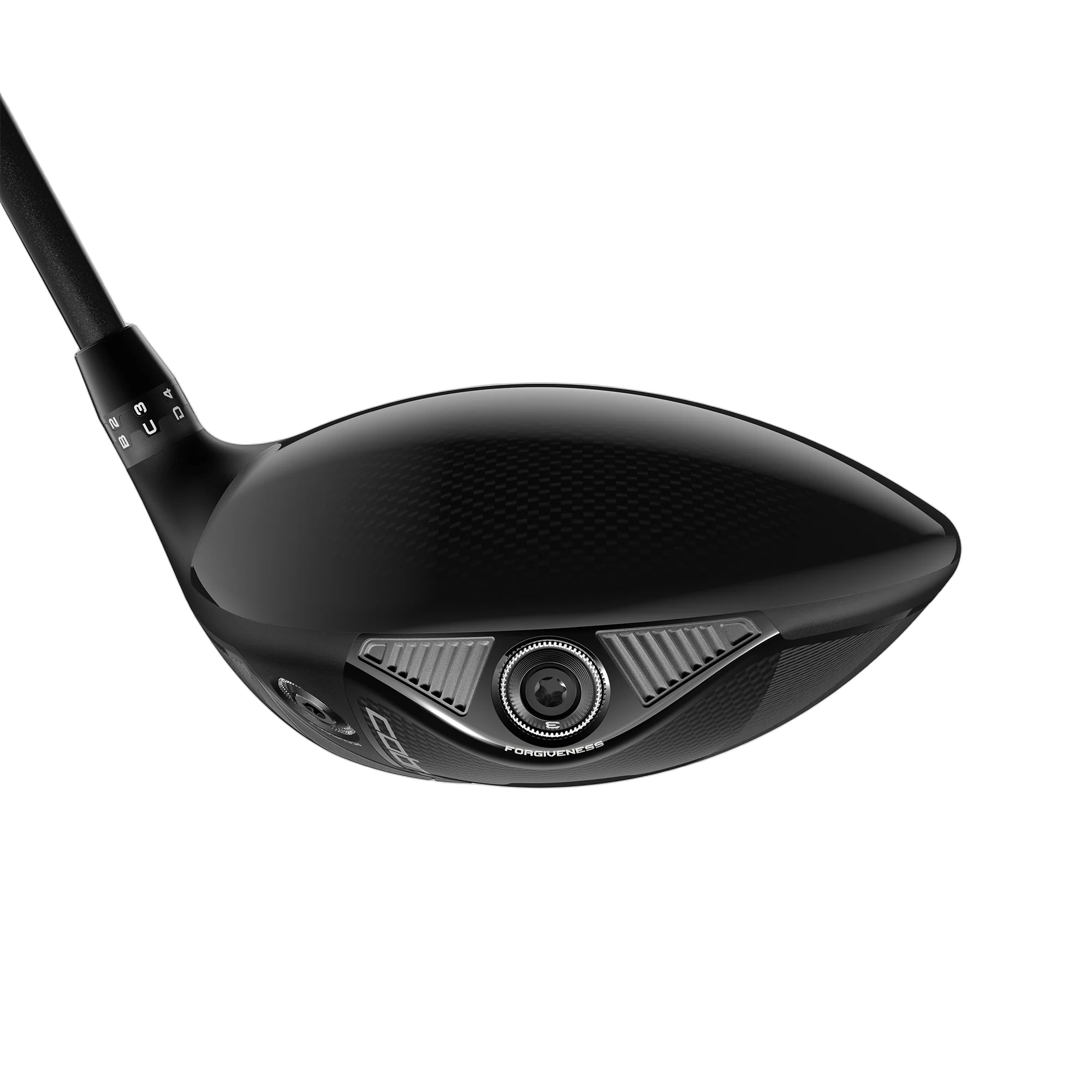
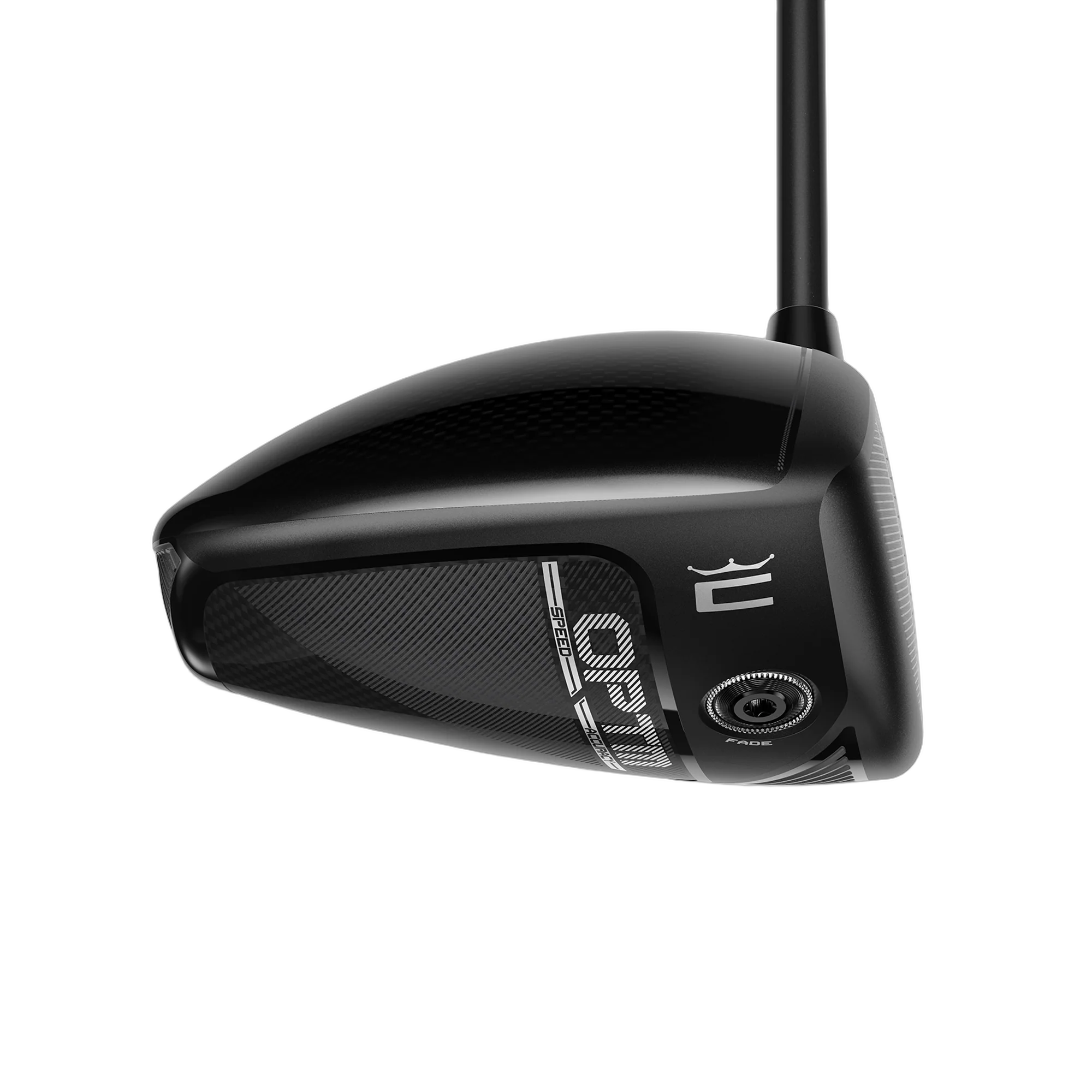
Three weight ports on the sole, heel, toe, and back, accept a descending weight system with 11g, 7g, and 3g weights. The heaviest weight goes wherever you want the CG bias. Heel for a draw-biased, higher-launching setup. Toe for a fade. Back for neutral stability. These aren't cosmetic changes, moving the 11g weight from back to heel dropped spin by roughly 150 rpm and produced a visible draw bias. Moving it to the toe opened up a reliable fade window. This is the most adjustable head in the OPTM lineup, and it's not close.
FutureFit33 Hosel
Cobra's FutureFit33 hosel provides 33 independent loft and lie settings, ±2 degrees of adjustment in either direction, with SMARTPAD technology keeping the face square at every setting. The lie angle range on the LS runs from 55° to 59° for the 9° head, which skews flatter than the other OPTM models, appropriate for the better-player audience this driver is designed for.
The OPTM Family
The OPTM family comes in four models, and understanding what each one does is the fastest way to understand what the LS is, and isn't.
The OPTM Max-K is the maximum forgiveness play: highest MOI, biggest footprint, designed for golfers who need the head to do the heavy lifting on off-center strikes.
The OPTM Max-D puts the CG closer to the hosel to promote face closure and a draw-biased flight. It's the slice fighter.
The OPTM X is the tweener: a slightly larger profile than the LS with lower spin and added forgiveness, positioned as the do-everything option for mid-to-low handicappers who want some margin for error without giving up much speed.
The OPTM LS (this review) is the sharpest tool in the bag, compact 450cc head, forward CG, low spin, maximum speed. Built for golfers who find the center more often than not and want every mile per hour the physics can deliver.
If you're torn between the LS and the X, the decision comes down to how much you value forgiveness versus speed. The X gives you a slightly larger footprint, slightly higher launch, and more mishit protection in exchange for a small amount of ball speed and a touch more spin. For most single-digit handicappers, the X is probably the smarter play. The LS is for the golfer who knows they'll find the center often enough to justify the trade-off, and who wants maximum reward when they do.
At Address
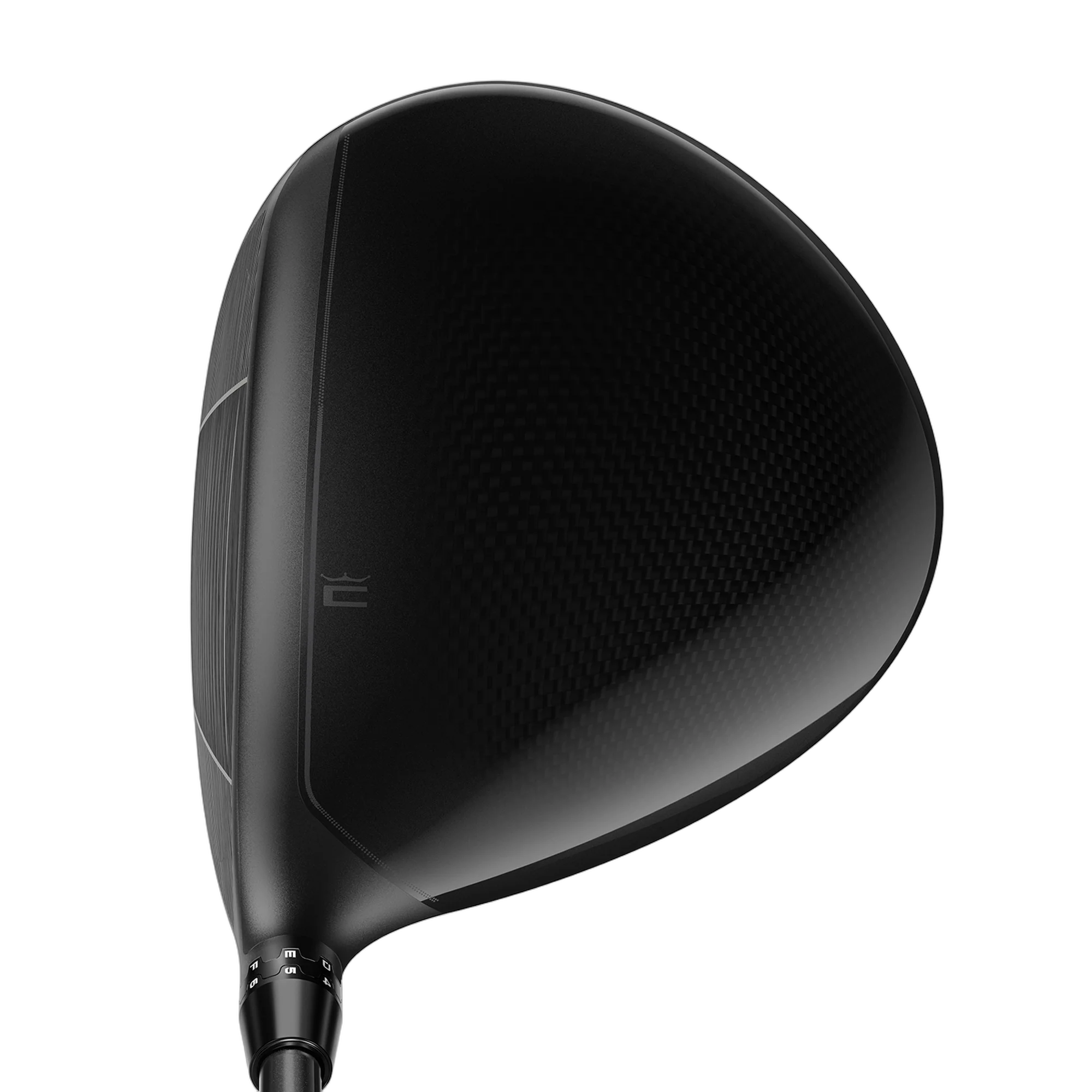
The OPTM LS is the best-looking head in the 2026 Cobra lineup. The compact, rounded profile looks clean and traditional from the playing position. The matte crown transitions to a subtle glossy carbon texture that catches light without being distracting. The alignment cues are minimal but effective. The face blends into the crown nicely, framing the ball and highlighting the hitting area in a way that's reminiscent of the visual cues Titleist uses on their drivers.
Address position view of Cobra OPTM LS driver showing dark crown
Where it loses some points is the sole, the oversized OPTM branding is louder than it needs to be, and the three-port weight layout gives it a busy, mechanical look. There's also a durability concern: the glossy carbon crown marks up more easily than matte finishes, and over time it's going to show wear. But from address, which is the only angle that matters when you're standing on the tee, this is a confidence-inspiring, sharp-looking driver.
Sound & Feel
What you feel at impact is a firm, sharp crack, quick feedback that tells you exactly where you hit it. It doesn't have the muted thud of a Ping or the explosive boom of a TaylorMade carbon face. It's distinctly Cobra, honest and satisfying, with a slightly metallic edge that better players tend to prefer. The H.O.T. Face delivers consistent feedback across the hitting area, and you always know what kind of strike you've made, even though the result may be better than the strike itself.
Performance
Ball Speed & Distance
Ball speeds were consistently at the top of our testing group, and on center strikes the numbers were genuinely eye-opening. The compact head cuts through the air with less drag than the larger OPTM models, and the forward CG creates a hotter impact zone in the center of the face. The distance gains over last year's DS-Adapt LS are real and measurable.
But here's what separates the OPTM LS from its predecessor: forgiveness. The DS-Adapt LS was fast but brutally honest, miss the center by half an inch and you paid for it in both distance and direction. The OPTM LS doesn't punish you like that. The POI-optimized shaping has widened the effective hitting area without pulling the CG rearward.
Forgiveness & Dispersion
You still get the low spin and penetrating trajectory of a forward-CG design, but the dispersion penalty on slight mishits is noticeably smaller. Cobra claims up to 23% tighter dispersion across the OPTM line compared to the DS-Adapt family, and our on-course results tracked directionally. The OPTM LS finally solves the forgiveness problem that held back every previous LS model in the lineup. It's meaningfully more forgiving than what came before it, without sacrificing the speed-first identity.
Back sole view showing adjustable weight port and carbon fiber texture
Adjustability
The three-weight system and FutureFit33 hosel give you more adjustability than any other compact driver on the market. In testing, moving the 11g weight from back to heel dropped spin by roughly 150 rpm and produced a visible draw bias. Moving it to the toe opened up a reliable fade window. For a driver marketed on speed, the shot-shaping range is surprisingly wide.
The stock shaft is the Mitsubishi Kai'li Dark Waves Blue 60, a mid-launch, mid-spin profile that pairs naturally with the low-spin head. It's a solid stock option with enough stability for swing speeds in the 100–110 mph range. For stronger swings or players who want a firmer feel, the Kai'li Dark Waves White 60 and Project X Denali Black Frost 60 are available as premium no-upcharge alternatives. All three are legitimate aftermarket-quality shafts, not stripped-down stock versions. Cobra deserves credit here, the shaft offering across the OPTM line is among the best in the industry at this price point.
The Competition
At $599, the OPTM LS undercuts the Callaway Quantum Triple Diamond ($699) and TaylorMade Qi4D LS ($649) by $50–$100 while offering comparable, and in some areas superior, performance. The three-weight system provides more adjustability than either competitor's compact head, and the FutureFit33 hosel's 33 settings dwarf the competition.
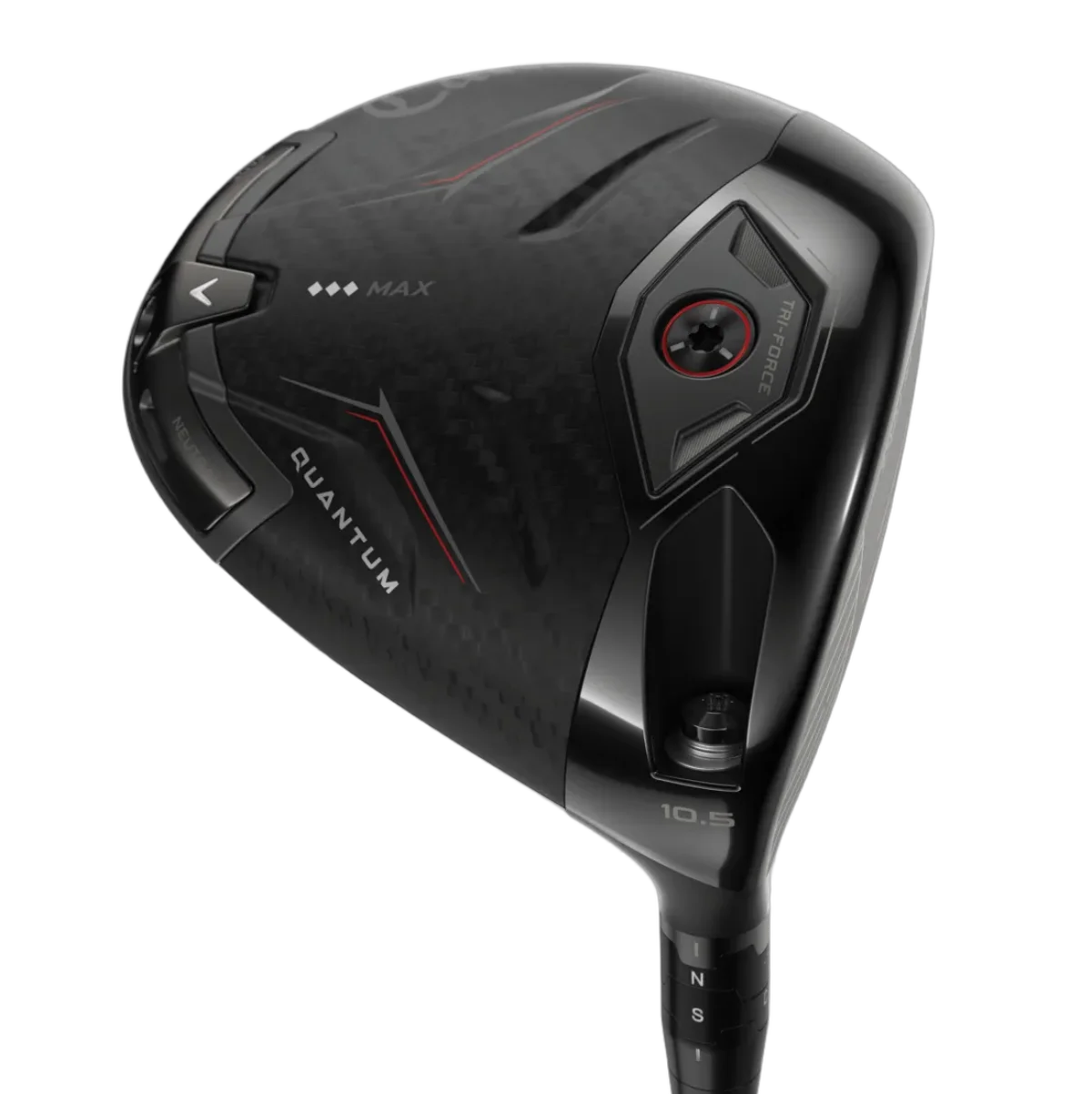
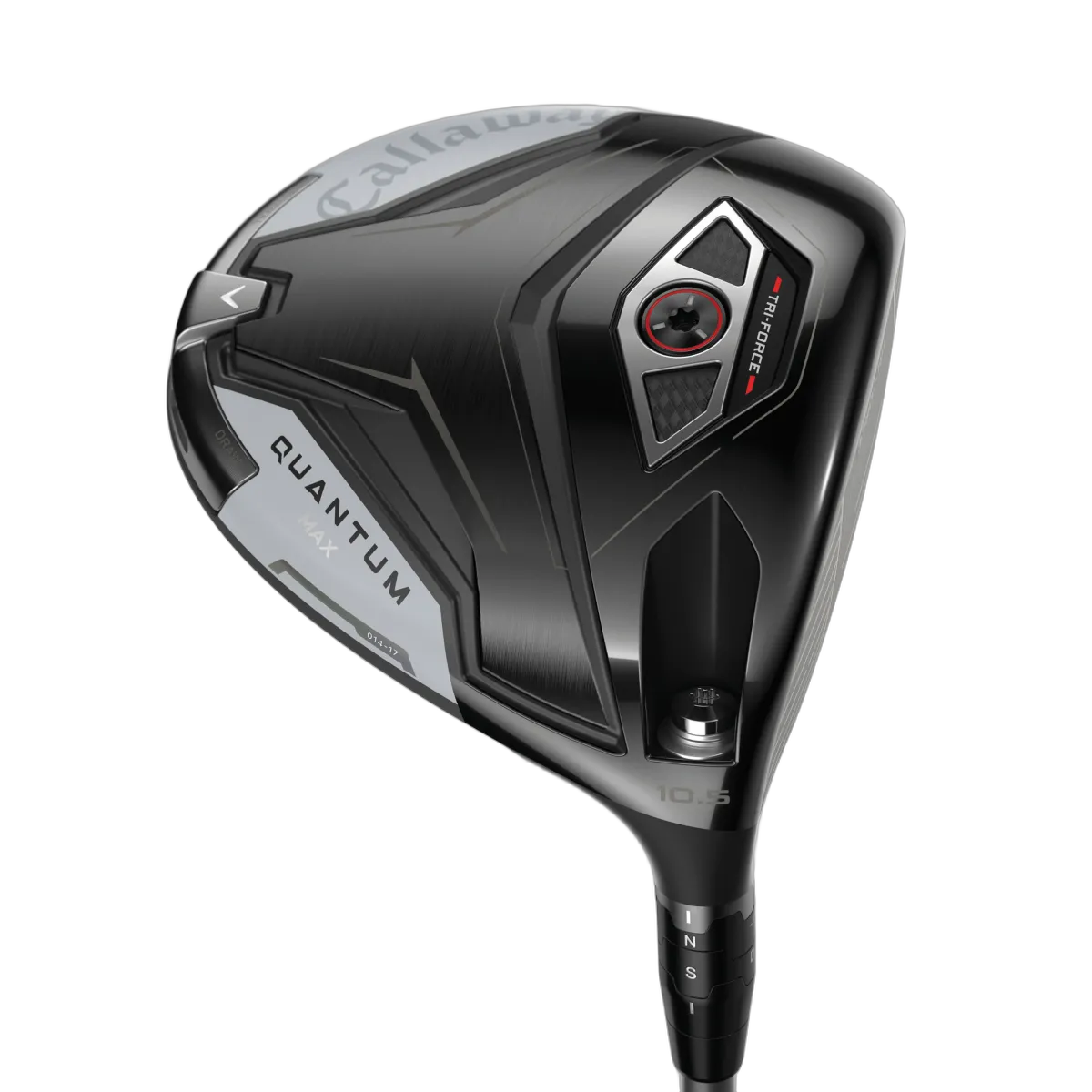
Against the Callaway Quantum Triple Diamond ($699), the LS matches or exceeds ball speed on center strikes, offers far more weight adjustability, and costs $100 less. The Callaway counters with the Tri-Force Face's superior off-center speed retention and a more refined aesthetic.
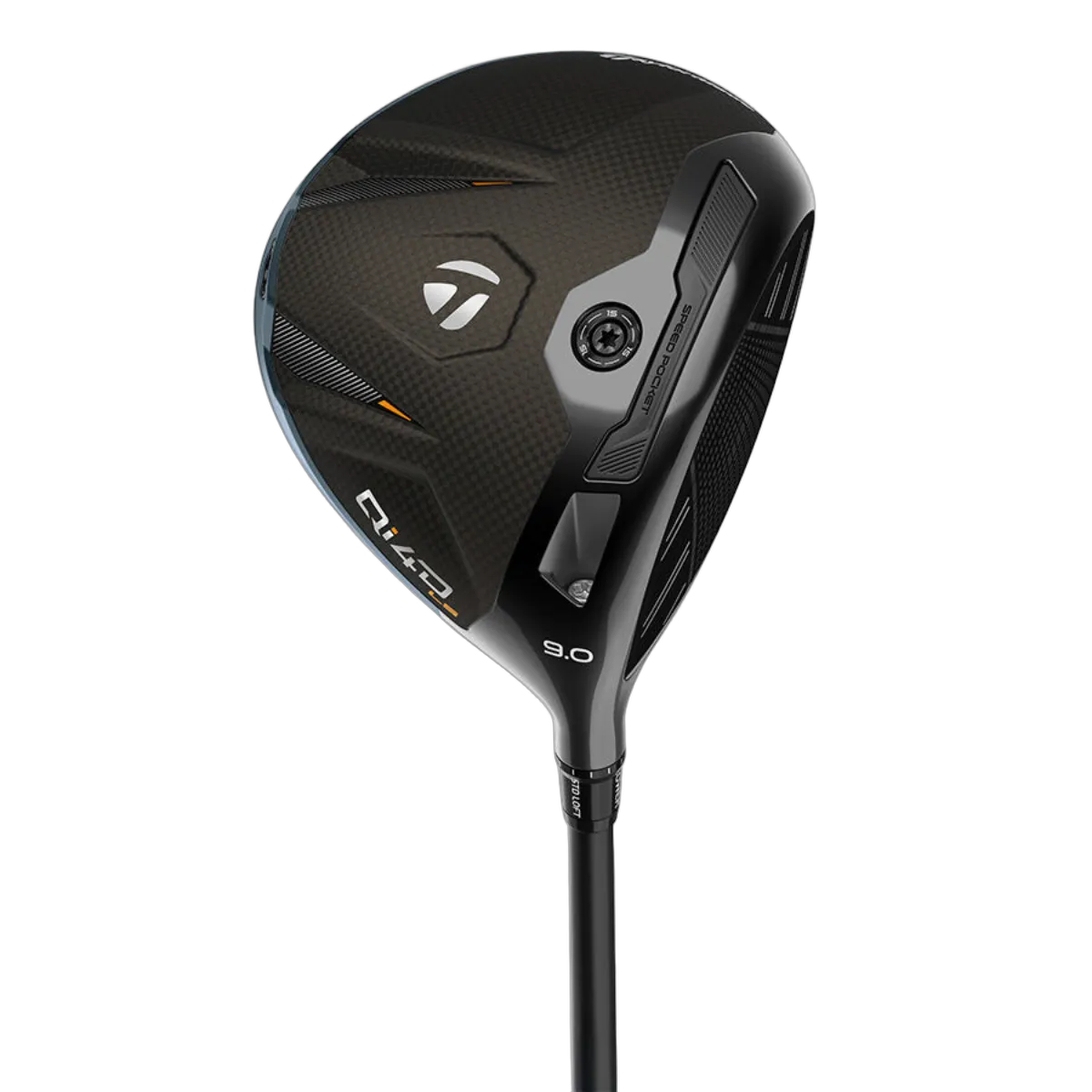
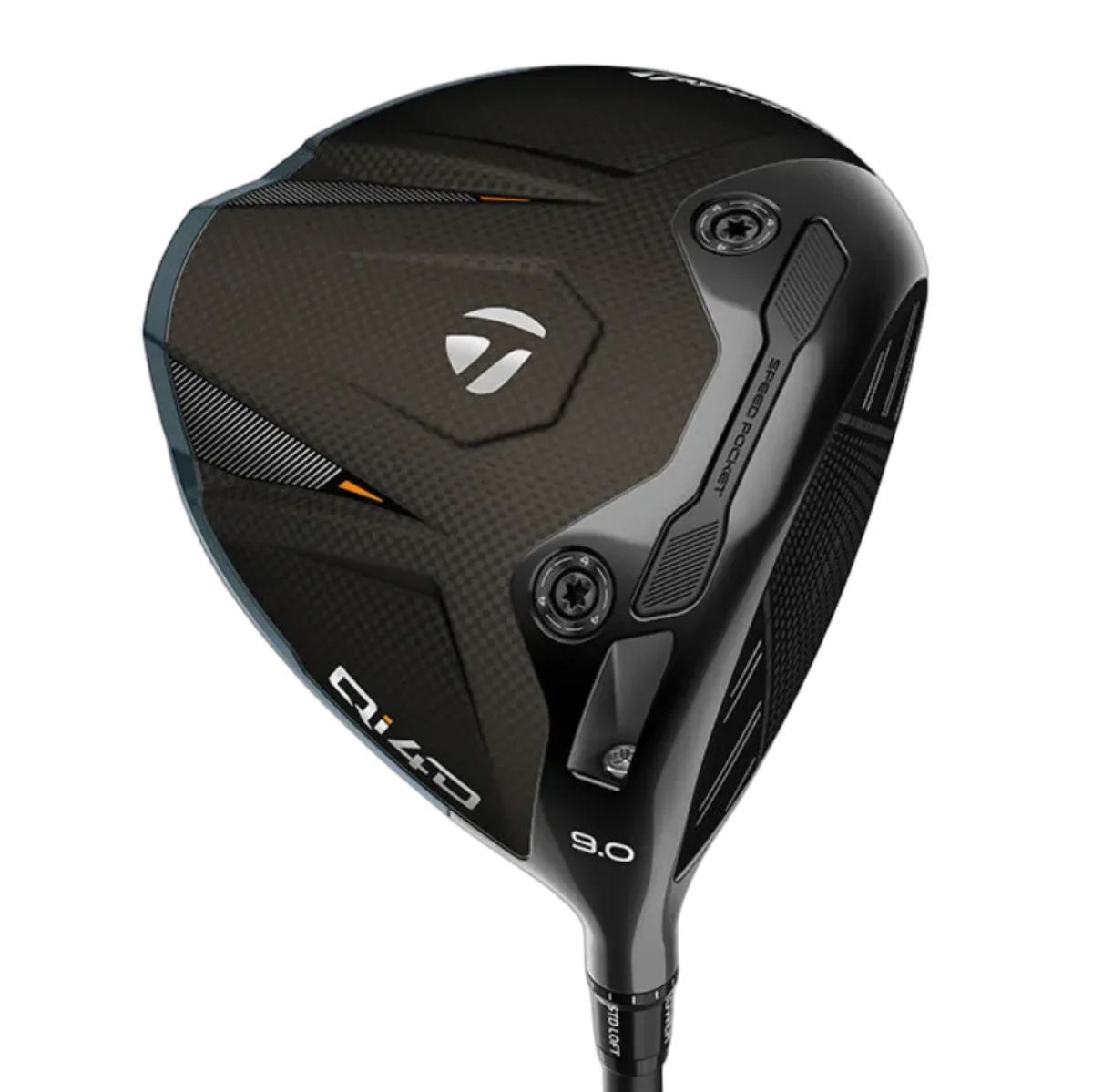
Against the TaylorMade Qi4D LS ($649), the Cobra is $50 cheaper with more adjustable weighting. The TaylorMade offers a deeper stock shaft menu through the REAX system and arguably better aerodynamics.
Against the Ping G440 LST ($600), both are priced nearly identically. The Ping offers higher MOI and Spinsistency face technology for better low-face performance, while the Cobra is faster on center and significantly more adjustable.
Specifications
| SPEC | DETAIL |
|---|---|
| Lofts | 9°, 10.5° (adjustable ±2°) |
| Volume | 450cc |
| Standard Length | 45.5" (Tour Length 44.5" available) |
| Adjustability | FutureFit33 hosel (33 loft/lie settings) + 3-port descending weight system (11g, 7g, 3g) |
| Stock Shaft | Mitsubishi Kai'li Dark Waves Blue 60 |
| Premium Shaft Options | Mitsubishi Kai'li Dark Waves White 60, Project X Denali Black Frost 60 (no upcharge) |
| Stock Grip | Cobra Lamkin Crossline Connect |
| Availability | RH / LH |
| MSRP | $599 |
Verdict
The Cobra OPTM LS is the most complete low-spin driver Cobra has ever built, and it stands as one of the best players' drivers available in 2026. The POI-optimized design isn't just marketing vocabulary — it produces measurably faster ball speeds and tighter dispersion than the DS-Adapt LS it replaces, without the punishing mishit penalty that made previous Cobra LS models tough to recommend to anyone outside the single digits.
The three-weight system and FutureFit33 hosel give you more adjustability than any other compact driver on the market. The stock shaft options are excellent. The head shape is clean and traditional. And at $599, it undercuts the Callaway Quantum Triple Diamond and TaylorMade Qi4D LS by $50–$100 while offering comparable — and in some areas superior — performance.
The weaknesses are minor but worth noting. The crown finish will show wear over time. The sole aesthetics are busy. And if your swing speed sits below 95 mph or your contact patterns are inconsistent, you're better served by the OPTM X or even the Max-K — this is a driver that rewards centered strikes and punishes (less than before, but still) the big misses.
But for the golfer it's built for — the 5-handicap who wants raw speed, a penetrating flight, and the ability to work the ball both directions off the tee — the OPTM LS delivers. It's fast, it's adjustable, it's better-looking than any Cobra driver in recent memory, and it finally solves the forgiveness problem that held back every previous LS model in the lineup. Get it fit. Dial in your preferred weight configuration. Hit more fairways.