TaylorMade Qi4D LS Driver
TaylorMade — TaylorMade Qi4D LS Driver · By Troy · Jan 27, 2026
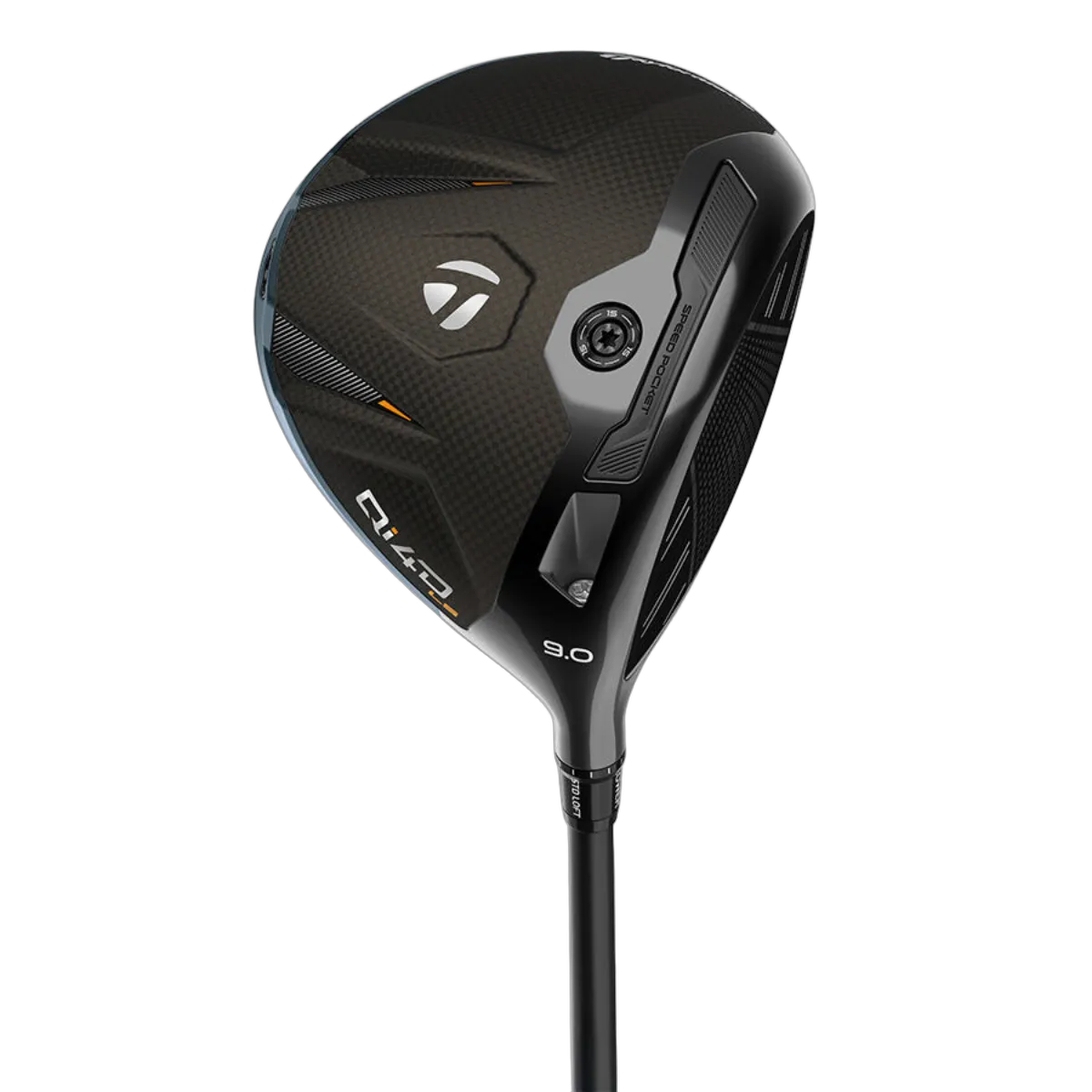
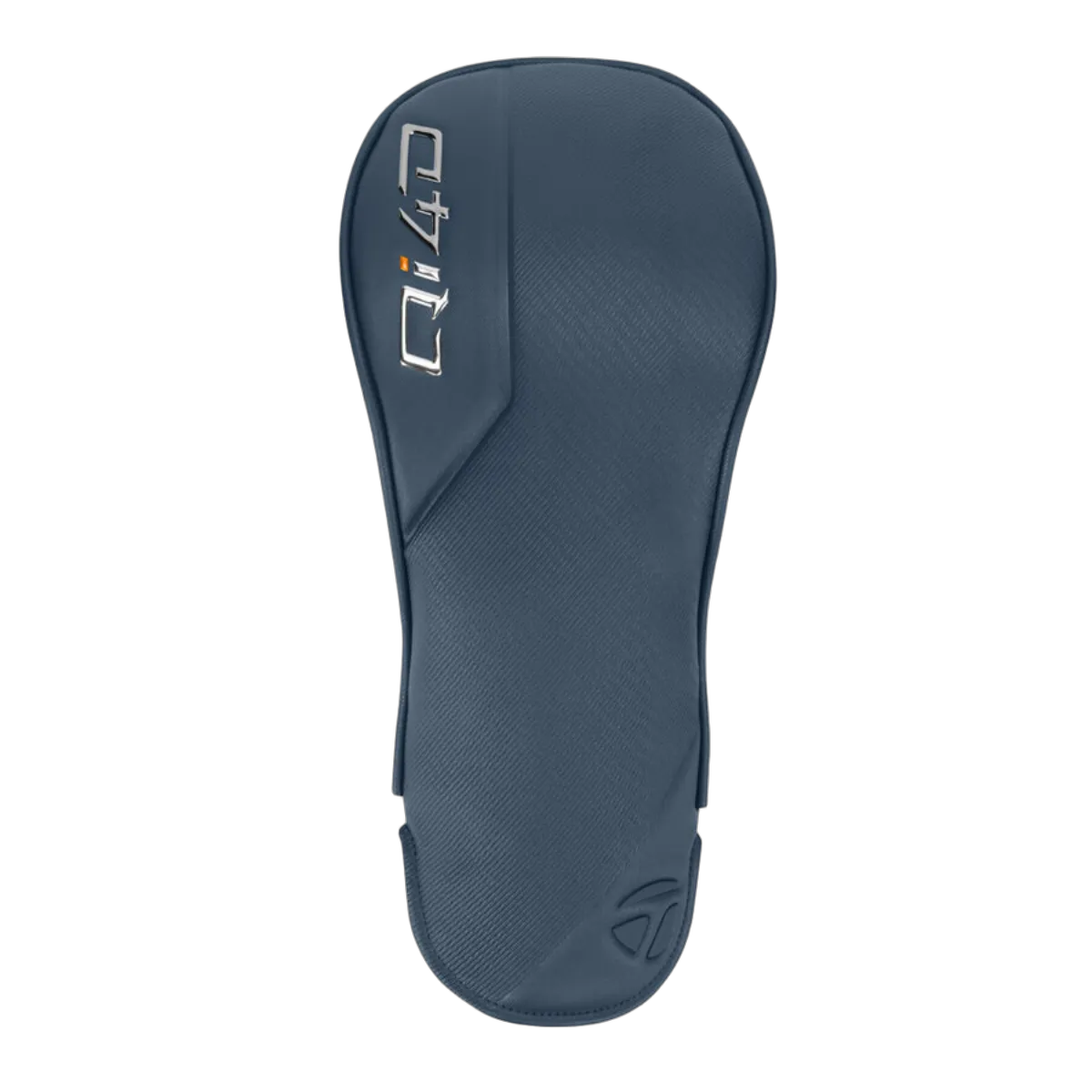
Three generations into the Carbonwood era, TaylorMade finally built the low-spin driver that justifies a carbon face, one that's faster through the air and more consistent across the face than anything that came before it.
The Big Picture
TaylorMade has been telling the carbon face story since the Stealth in 2022. The pitch has always been the same: carbon is lighter than titanium, lighter faces let engineers redistribute mass, and redistributed mass means more speed and better performance. The problem was that for the first two generations, the real-world gains were subtle enough that reasonable golfers could argue about whether the carbon face was a breakthrough or just a different way to arrive at the same place.
The Qi4D LS ends that argument. This is the third generation of TaylorMade's carbon face platform, and it's the one where the technology finally delivers on the original promise, not incrementally, but convincingly.
The Technology
60x Carbon Twist Face
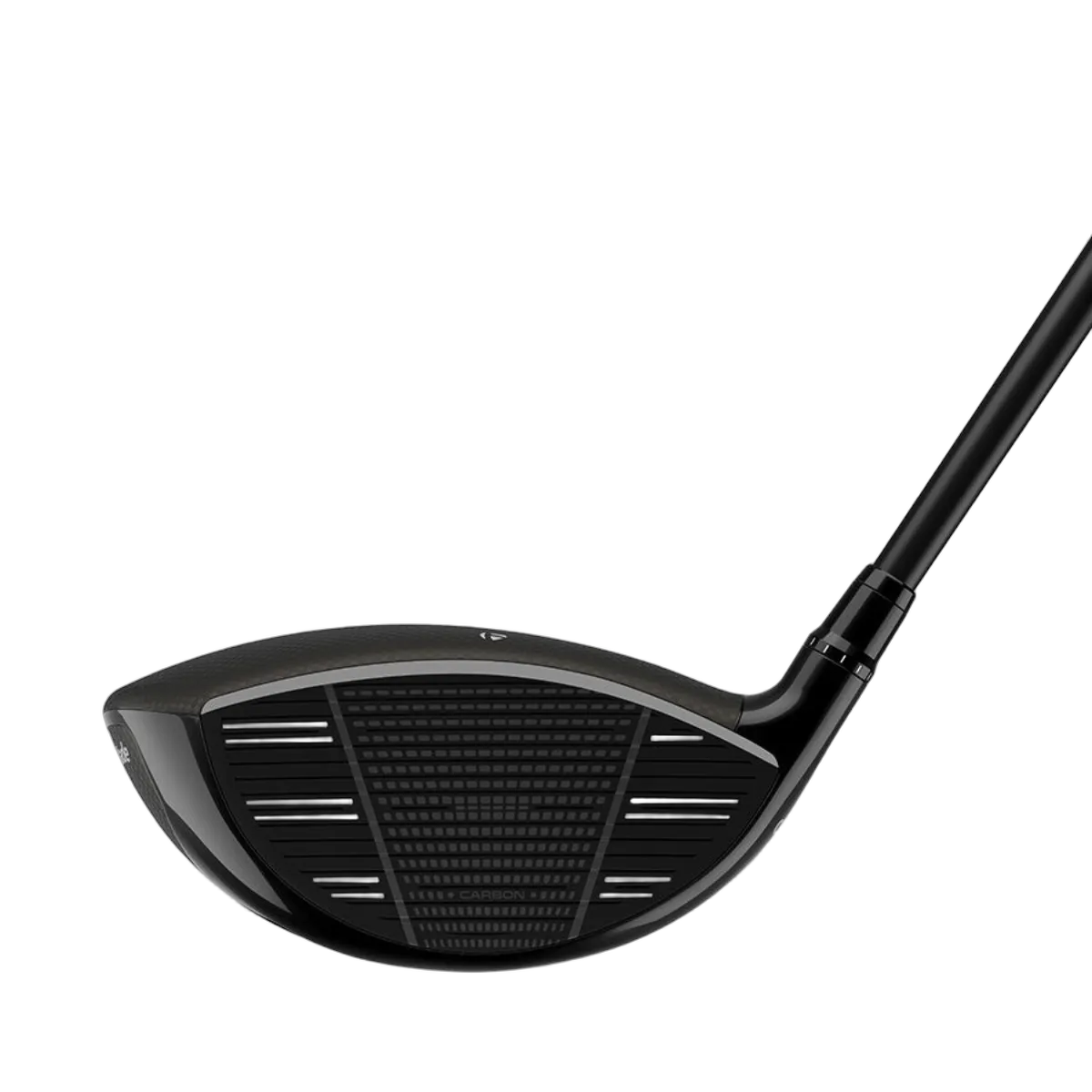
The 60x Carbon Twist Face is lighter than a titanium face of equivalent size, letting TaylorMade push mass into the areas of the head that control spin, launch, stability, and aerodynamics. But the face isn't just lighter, it's been redesigned with a new roll radius that tightens spin rates at different vertical impact locations. Hit it high on the face and you get less spin variation than before. The Twist Face curvature, less loft in the heel, more in the toe, remains from previous generations and continues to tighten lateral dispersion on heel and toe mishits.
What that all adds up to is a face that's more consistent everywhere. Not just faster in the center, more predictable from top to bottom and heel to toe. For a low-spin driver where the margins between "great drive" and "drive that falls out of the sky" are measured in hundreds of rpm, that consistency matters enormously.
Speed Pocket
The redesigned cut-through Speed Pocket, developed using finite element analysis, improves face flexibility low on the face. Thin strikes, the amateur's most common miss, retain more ball speed than in the Qi35.
Aerodynamic Optimization
TaylorMade used computational fluid dynamics analysis at a level they hadn't previously applied to driver design. The resulting head shape is measurably slipperier through the air than the Qi35 LS. The profile is lower, the transitions between crown and sole are smoother, and the tail section has been refined. TaylorMade claims 1.2 mph more ball speed in the LS's fastest configuration compared to its predecessor. Clubhead speed gains were consistent in our testing, typically 0.5–1.0 mph over the Qi35 LS at comparable swing efforts.
Two-Weight TAS System
The LS uses a simplified two-weight TAS system, one 15g weight and one 4g weight. Put the heavy weight forward for maximum speed and minimum spin. Move it back for slightly more stability, slightly higher launch, and a touch more spin. Unlike the core Qi4D's four-weight system, the LS doesn't offer lateral weight adjustability, you can't shift CG toward the heel or toe to influence draw/fade bias through the weights alone. That's a deliberate choice. The LS is designed for golfers who control their curvature through their swing, not through weight positioning.
The 4° loft sleeve adds ±2° of loft, lie, and face angle changes. Combined with the two TAS weight positions, you've got enough tunability to meaningfully change the flight window without the complexity of the core model's four-weight system.
The Qi4D Family
The Qi4D LS sits at the performance end of a four-model lineup.
The Qi4D is the core model and the one that Scottie Scheffler, Rory McIlroy, and Tommy Fleetwood all put in play. Four movable TAS weights (2x9g, 2x4g) provide forward/back and heel/toe CG manipulation, the most versatile head in the range. We rated it 9.0/10. Available in 8°, 9°, 10.5°, and 12°. MSRP $599.
The Qi4D Max is the forgiveness play. A forged 7075 aluminum collar saves 9 grams reinvested into two TAS weights (13g and 4g), the first TaylorMade Max with adjustable weights. Available in 9°, 10.5°, and 12°. MSRP $599.
The Qi4D Max Lite is the ultralight option, same design as the Max with the lightest head, shaft, and grip in the lineup. Built for slower swing speeds. Available in 10.5° and 12°. MSRP $599.
The Qi4D LS (this review) is the fastest, lowest-spinning head. A re-engineered aerodynamic profile, simplified two-weight TAS system (15g and 4g), and traditional compact-ish shape built for faster swingers who want maximum speed and controlled spin. Available in 8°, 9°, and 10.5°. MSRP $599.
If you need the head to help shape the ball, the standard Qi4D is the better tool. If you need maximum forgiveness, look at the Max. The LS is for the golfer who knows what they want and wants to optimize within a narrow performance band.
At Address
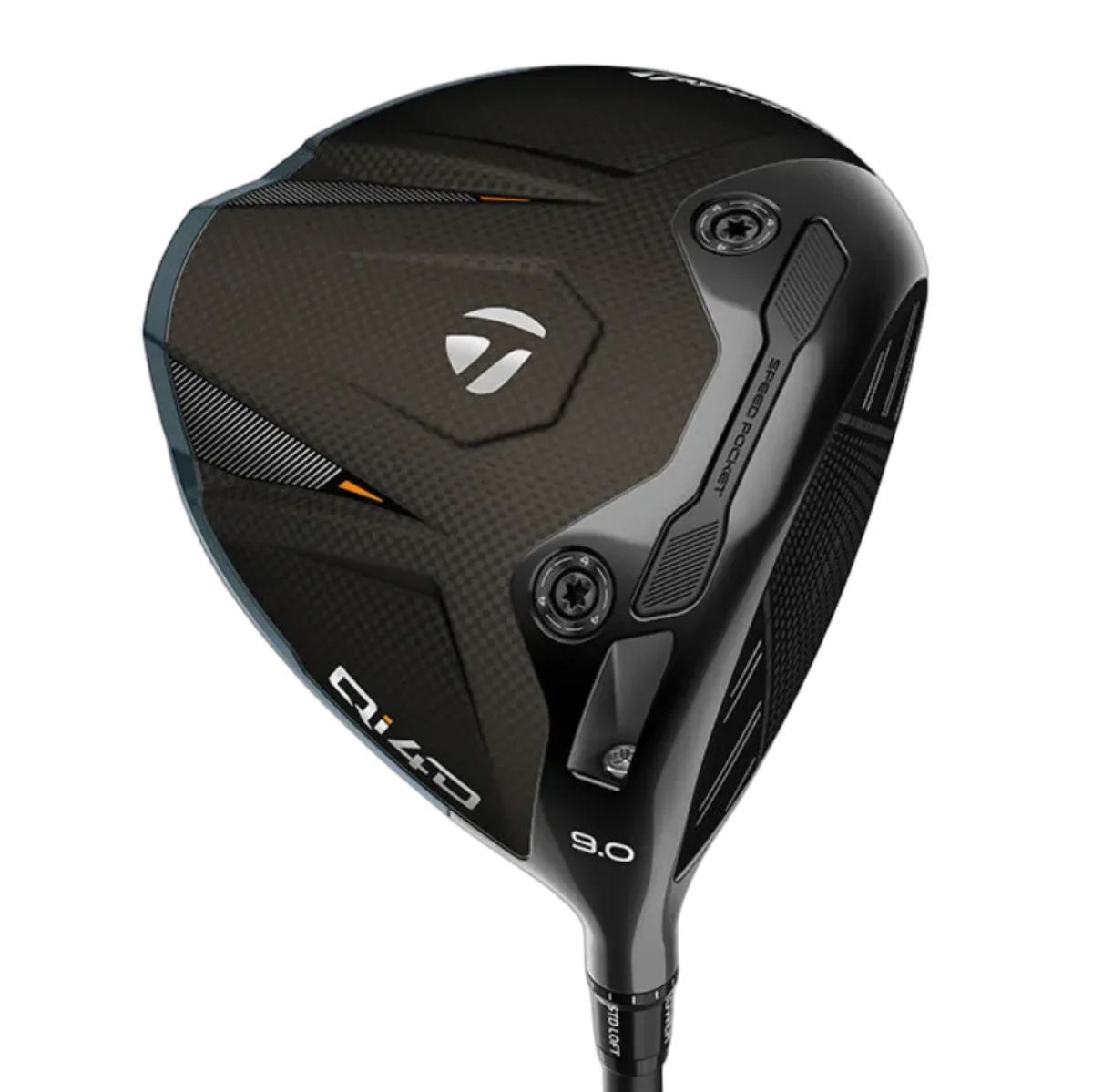
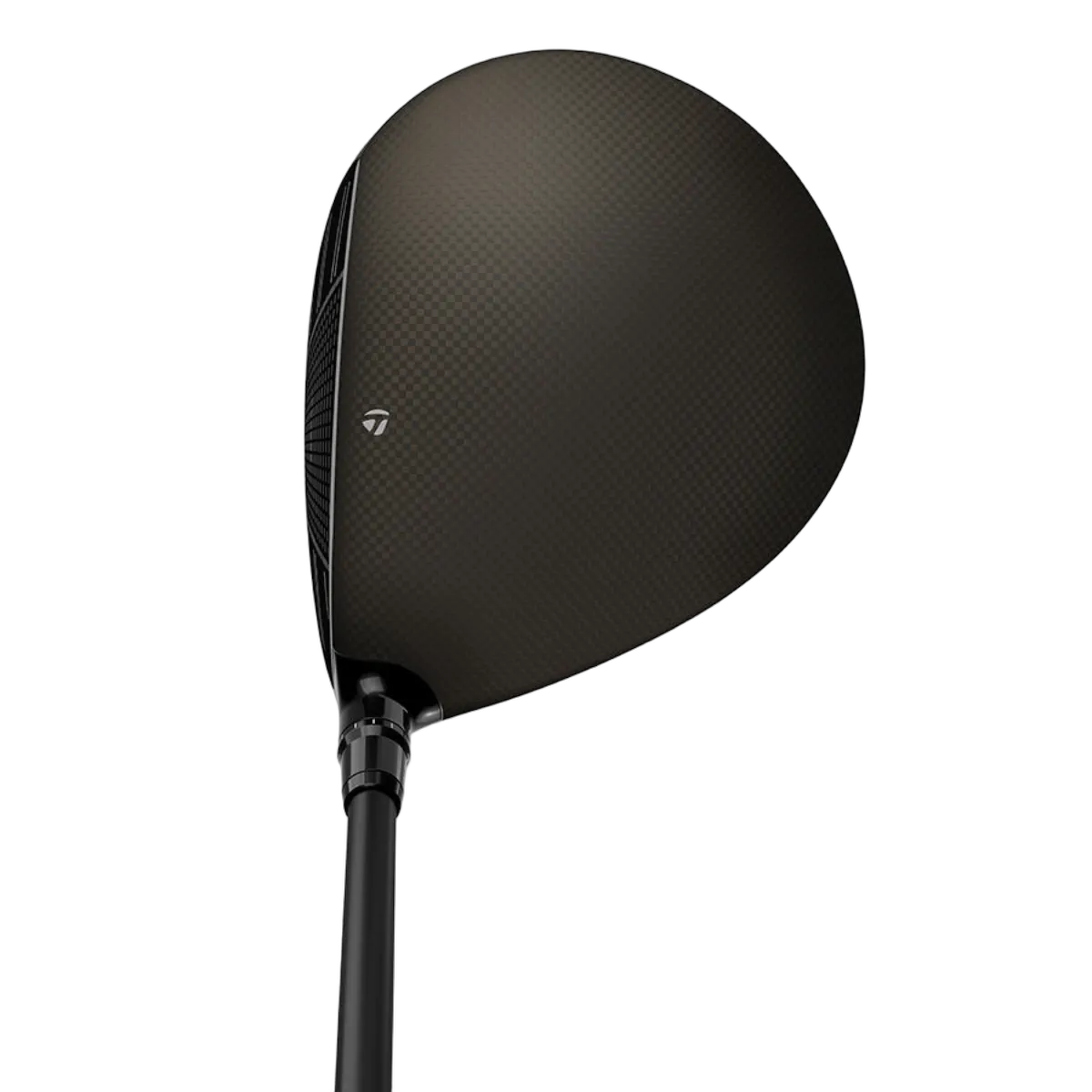
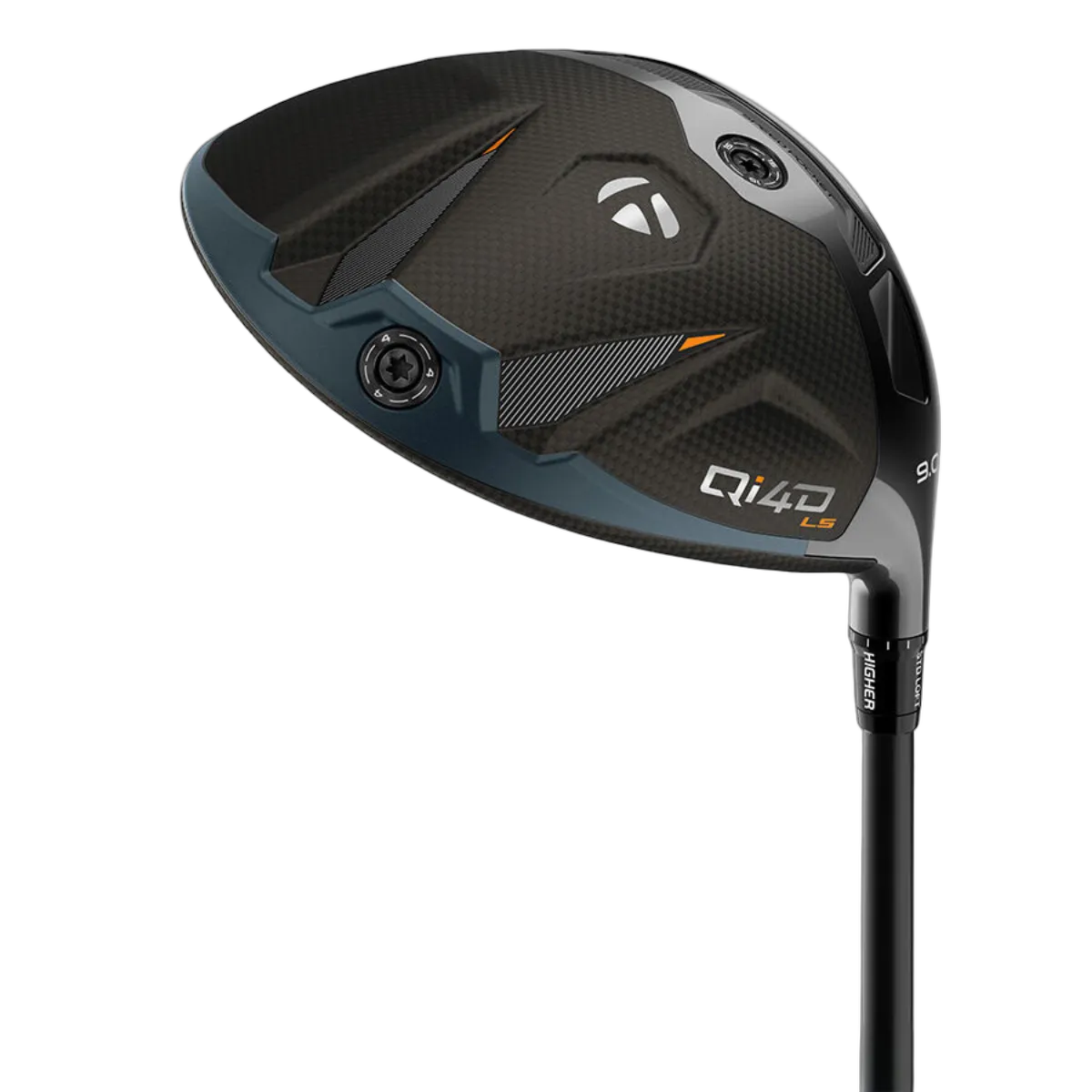
The Qi4D LS is the best-looking TaylorMade driver in several years. The Qi35's profile was a touch bulky; the Qi4D LS has been slimmed down based on Tour feedback. At address it presents a clean, slightly pear-shaped outline with a carbon crown that sits lower and less conspicuously than previous generations. The sole graphics are busy by Titleist or Cobra standards, TaylorMade can't resist putting weight port labels, technology callouts, and branding on every available surface, but from the playing position, none of that is visible. The overall impression is one of a clean, traditional driver.
Top-down crown view showing carbon fiber weave and TaylorMade logo
Sound & Feel
The sound at impact is distinctly TaylorMade, a powerful, almost explosive crack that's louder and more aggressive than anything from Callaway, Titleist, or Ping. The carbon face has always produced a unique acoustic signature, and the Qi4D LS continues that trend. Some golfers love it. Some find it hollow or synthetic compared to the solid feel of a titanium face. This is genuinely personal preference, and if you didn't like the sound of the Qi35 or Qi10, the Qi4D isn't going to change your mind. The feel through the hands, though, is excellent, fast and energetic with clear feedback on strike location.
Performance
Ball Speed & Distance
The aerodynamic gains are real and measurable. Clubhead speed improvements of 0.5–1.0 mph over the Qi35 LS at comparable swing efforts, combined with face improvements, compound into real distance. In the forward-weighted configuration (15g weight forward), the LS produces the lowest spin and highest ball speed of any head in the Qi4D family. TaylorMade claims 1.2 mph more ball speed in the fastest configuration compared to its predecessor.
Forgiveness & Dispersion
The redesigned roll radius tightens spin rates at different vertical contact points, with TaylorMade claiming over 30% reduction in spin variance and nearly 50% improvement on high-face strikes. Twist Face curvature continues to tighten lateral dispersion on off-center strikes. For a low-spin driver, the consistency across the face is genuinely impressive, the gap between a center strike and a slight miss has narrowed meaningfully compared to previous generations.
Sole view showing Qi4D LS branding, weight ports, and adjustable hosel
Adjustability
The two-weight TAS system (15g and 4g, forward/back only) provides exactly the right amount of tunability for the LS target audience. Forward weighting minimizes spin for maximum speed; rearward weighting adds stability and launch. The lack of lateral weight adjustability means you're relying on your swing for curvature control.
REAX Shaft System
TaylorMade's REAX shaft system matches shafts to rotation rate rather than traditional flex. Three profiles, High Rotation (Red), Mid Rotation (Blue), Low Rotation (White), in multiple weights. Additional stock options include Mitsubishi TENSEI AV Blue, Kai'li Dark Waves Blue CB, and Project X Denali Frost Black. The deepest stock shaft menu in the industry.
The Competition
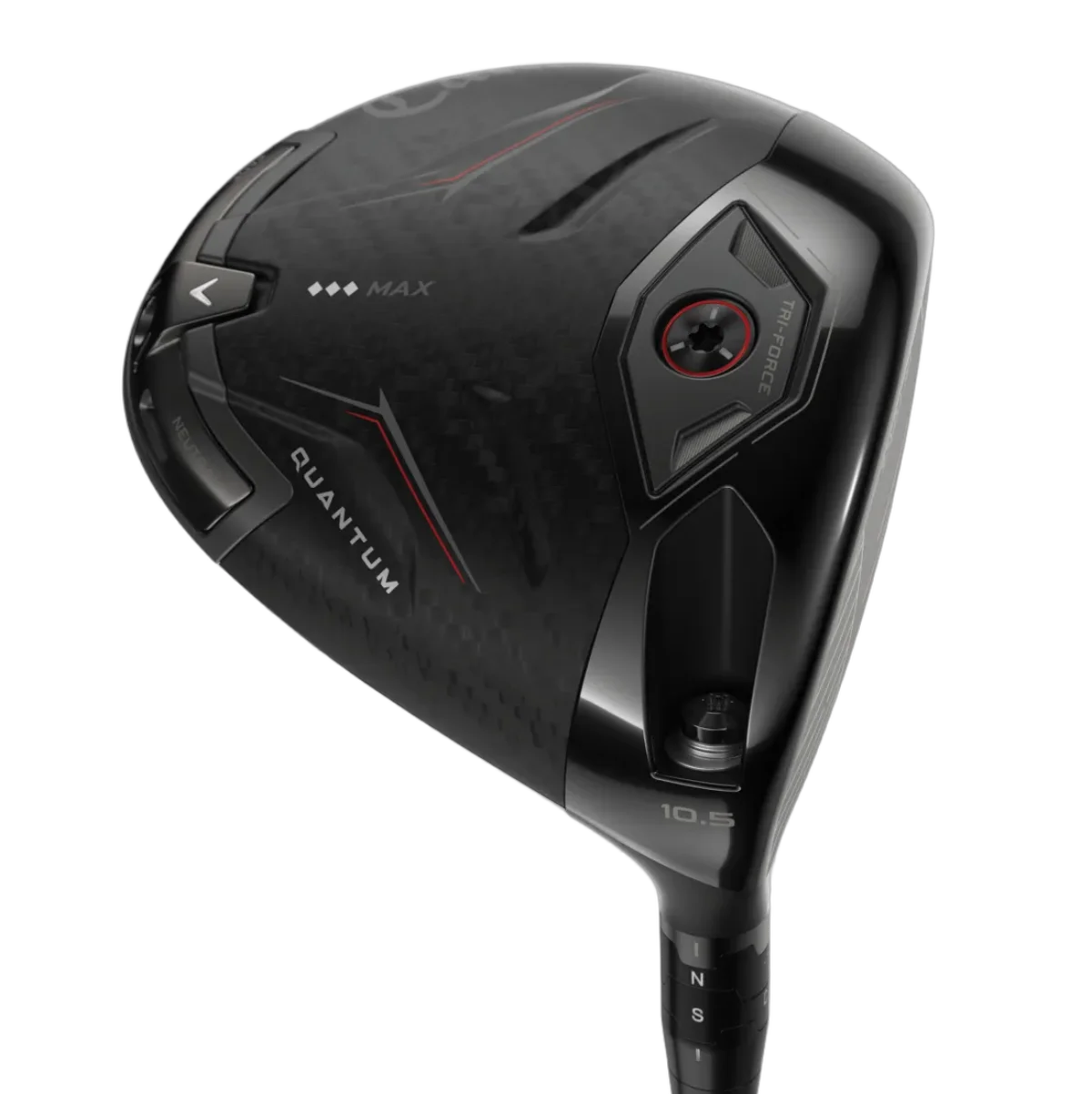
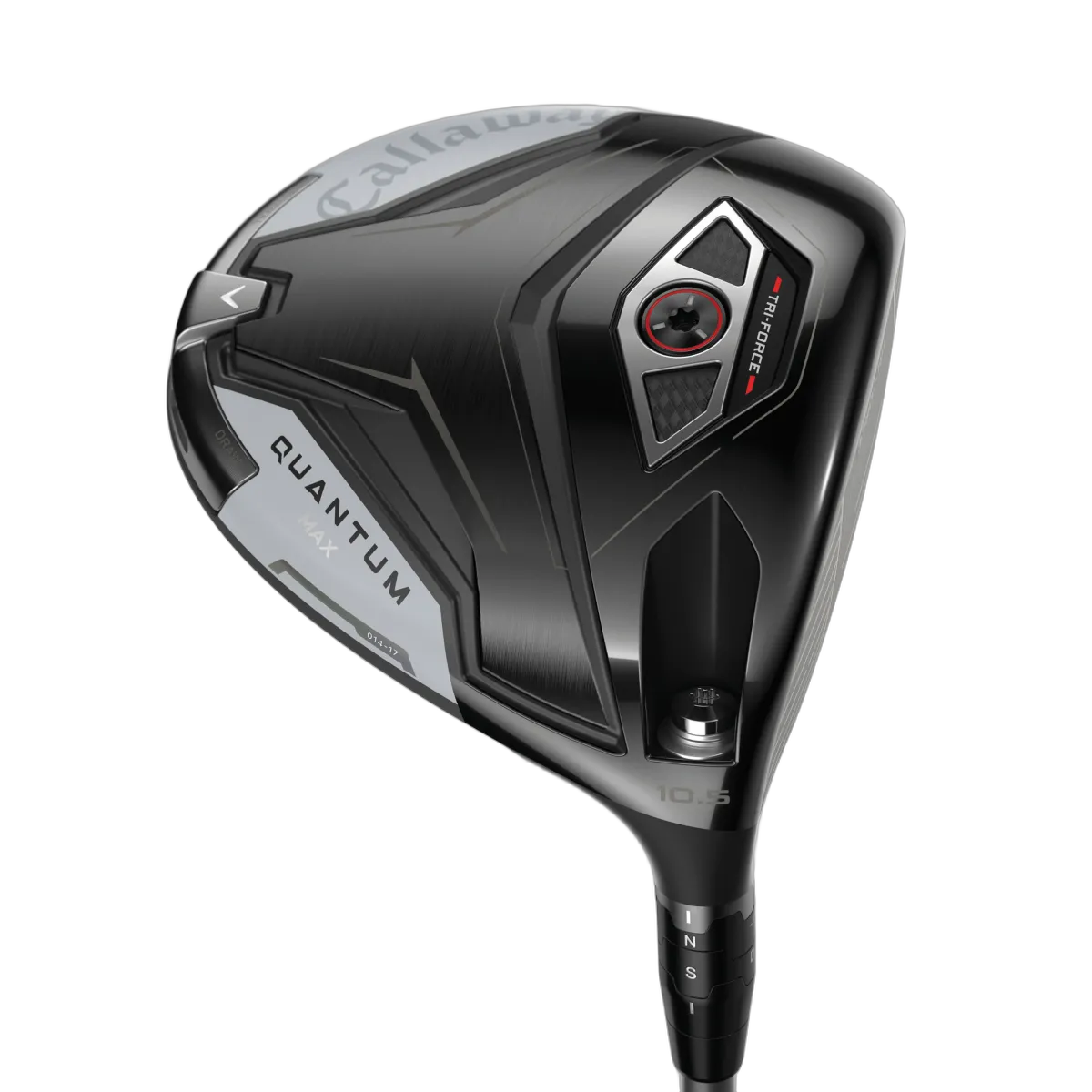
Against the Callaway Quantum Triple Diamond Max ($699), the Qi4D LS is less forgiving on mishits and produces slightly less consistent ball speed across the face, the Tri-Force Face has an edge there. But the LS is more aerodynamic, generates comparable or slightly higher clubhead speed, and the two-weight TAS system is simpler than Callaway's APW system. It's also $100 cheaper.
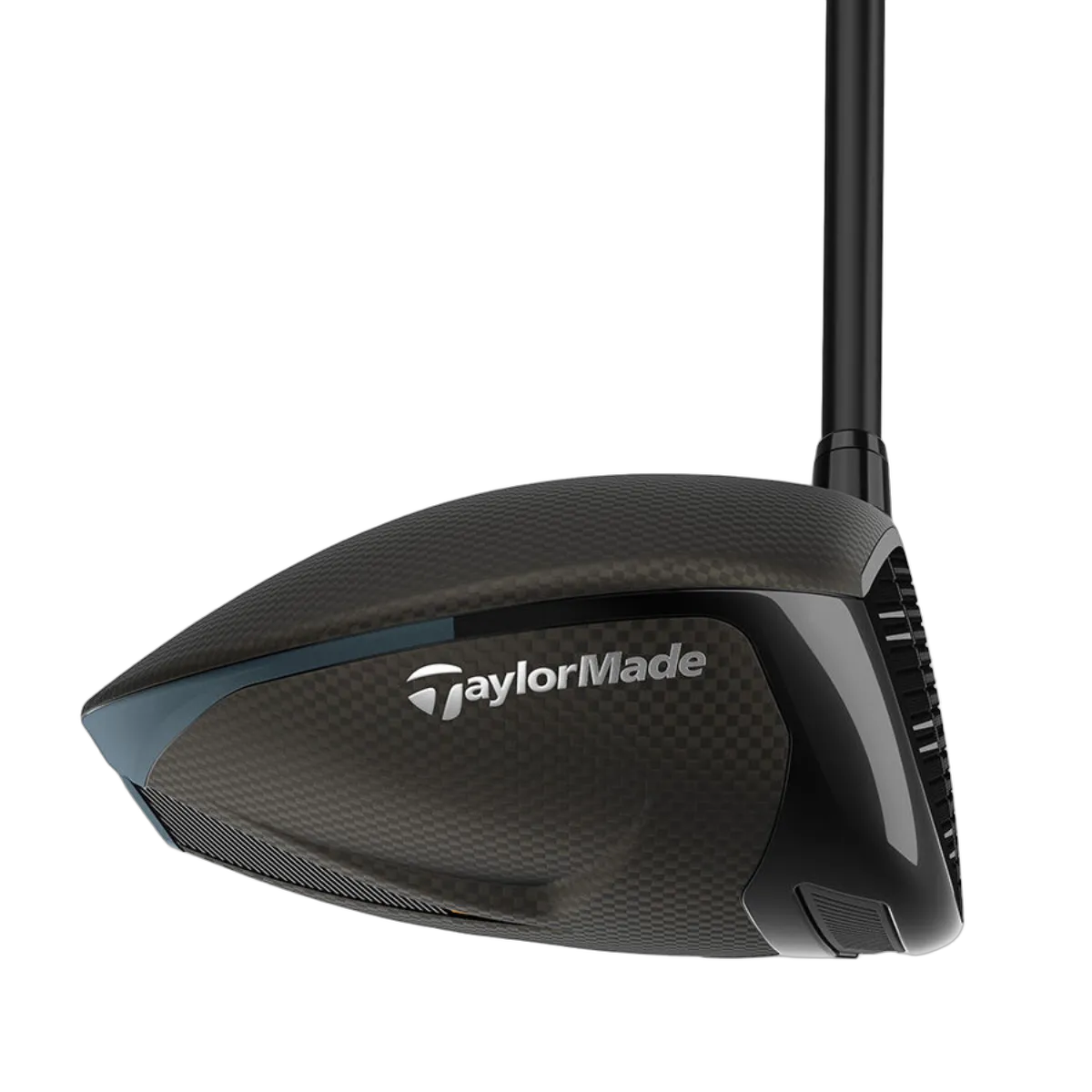
Heel-side profile showing TaylorMade script and carbon construction
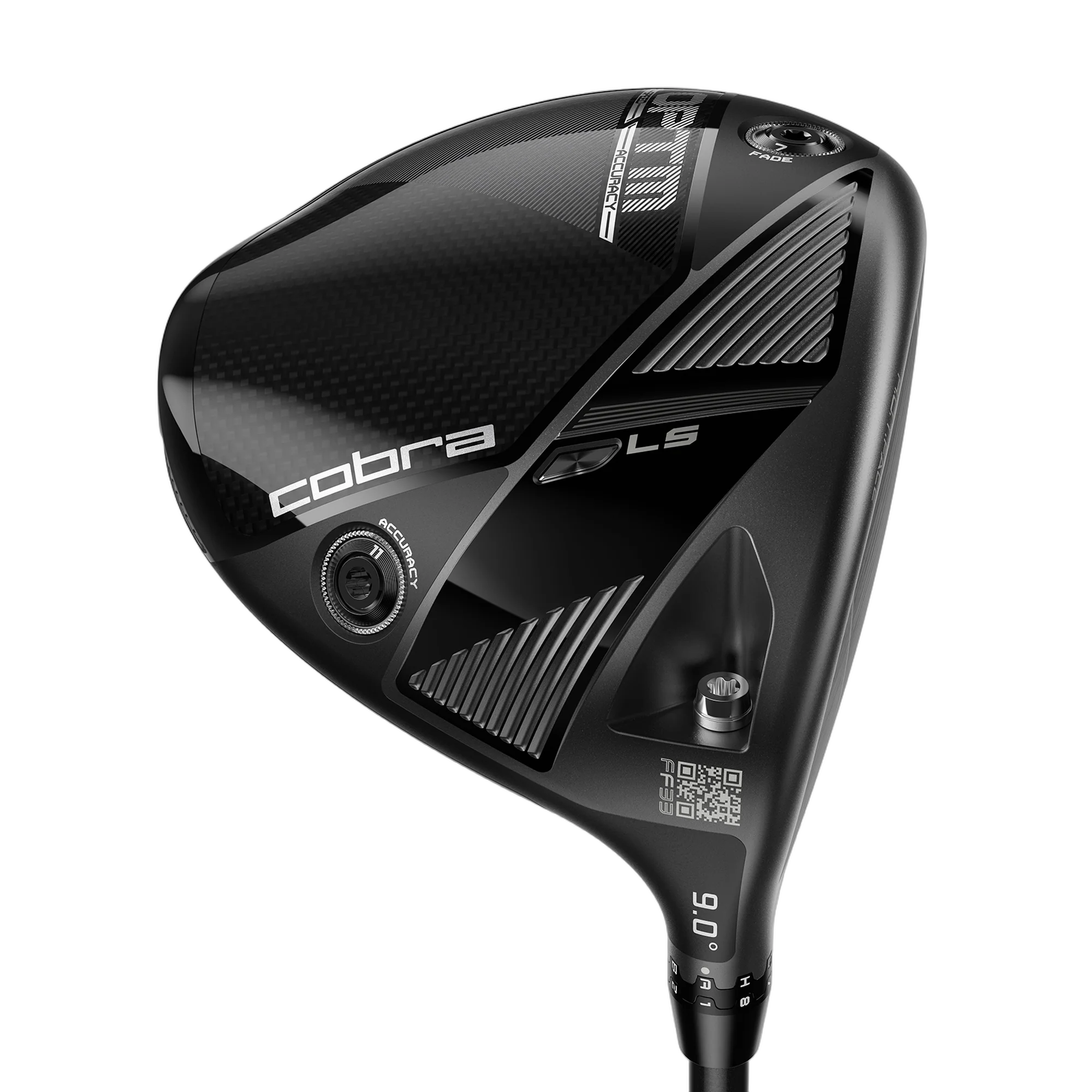
Against the Cobra OPTM LS ($599), the Qi4D LS produces similar speed numbers with a different feel, the Cobra is sharper and more metallic, the TaylorMade is louder and more explosive. The Cobra offers more adjustability through its three-weight system; the TaylorMade has a deeper stock shaft menu. They're identically priced.
Against its own stablemate, the core Qi4D, the LS sacrifices four-axis weight adjustability for a simpler, more speed-focused setup. If you control curvature through your swing and want maximum speed, the LS is the better tool.
Specifications
| SPEC | DETAIL |
|---|---|
| Lofts | 8°, 9°, 10.5° (adjustable ±2° via loft sleeve) |
| Volume | 460cc |
| Standard Length | 45.75" |
| Adjustability | 4° loft sleeve (loft, lie, face angle) + TAS weights (15g and 4g, forward/back) |
| Stock Shaft | Mitsubishi REAX MR Blue 60, REAX HR Red 50/60, REAX LR White 60 |
| Additional Stock Options | Mitsubishi TENSEI AV Blue, Kai'li Dark Waves Blue CB, Project X Denali Frost Black |
| Stock Grip | Golf Pride Z-Grip Black/Silver (52g) |
| Availability | RH / LH |
| MSRP | $599 |
Verdict
The TaylorMade Qi4D LS is the best low-spin driver TaylorMade has made, and the strongest argument yet for the carbon face approach that has defined their product line since 2022.
Three generations of refinement have produced a face that's meaningfully more consistent across its vertical hitting area than any previous version — tighter spin variance between high and low strikes, better ball speed retention at the bottom of the face through the redesigned Speed Pocket, and continued lateral correction via Twist Face. The aerodynamic gains are real and measurable. And the simplified two-weight TAS system gives you precisely the adjustability you need for a low-spin driver without the complexity you don't.
The weaknesses are specific to the audience. If your swing speed sits below 95 mph, the LS will produce too little spin for a playable trajectory — you need the core Qi4D or the Max. The sound is polarizing: if you want a quiet, solid impact, look at Titleist or Ping. And the lack of lateral weight adjustability means you're relying on your swing for curvature control — the TAS weights only influence forward/back CG, not heel/toe bias.
But for the faster swing speed player who fights high spin and wants a penetrating, controlled ball flight — the golfer the LS is explicitly designed for — this driver delivers. It's faster through the air than the Qi35 LS. It's more consistent across the face. It's $100 cheaper than the Callaway Quantum Triple Diamond Max. And TaylorMade's REAX shaft system gives you a genuinely deep stock shaft menu that increases your chances of finding a good match without going custom.
The carbon face era finally has its definitive low-spin statement. Get fit. Put the 15g weight where your numbers say it belongs. Swing hard.