PXG Sugar Daddy III Wedge
PXG — PXG Sugar Daddy III Wedge · By Troy · Jan 8, 2026
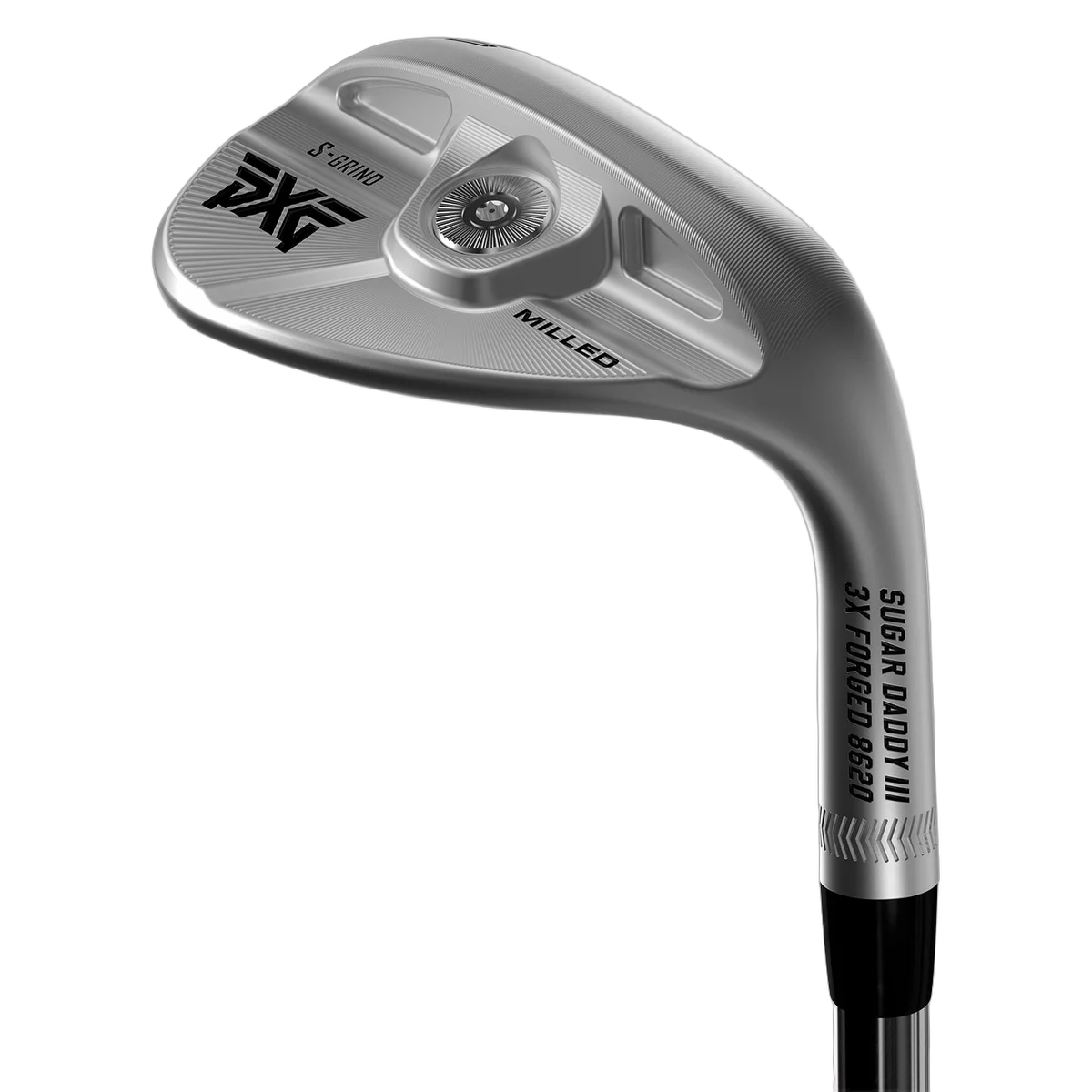
PXG's obsession with milling everything to the micron continues, and the Sugar Daddy III might be the most over-engineered wedge on the market. Whether that's a compliment depends entirely on your priorities.
The Big Picture
PXG has been doing things differently in the wedge space since 2017, when they became the first manufacturer to 100% CNC mill a wedge head. While Titleist and Callaway were refining casting techniques and TaylorMade was experimenting with raw faces, PXG essentially said: what if we forged a billet three times and then milled every single surface with computer-controlled precision? The Sugar Daddy III is the third generation of that philosophy, and it arrives as part of the GEN7 lineup with refinements to groove geometry, CG positioning, and grind selection.
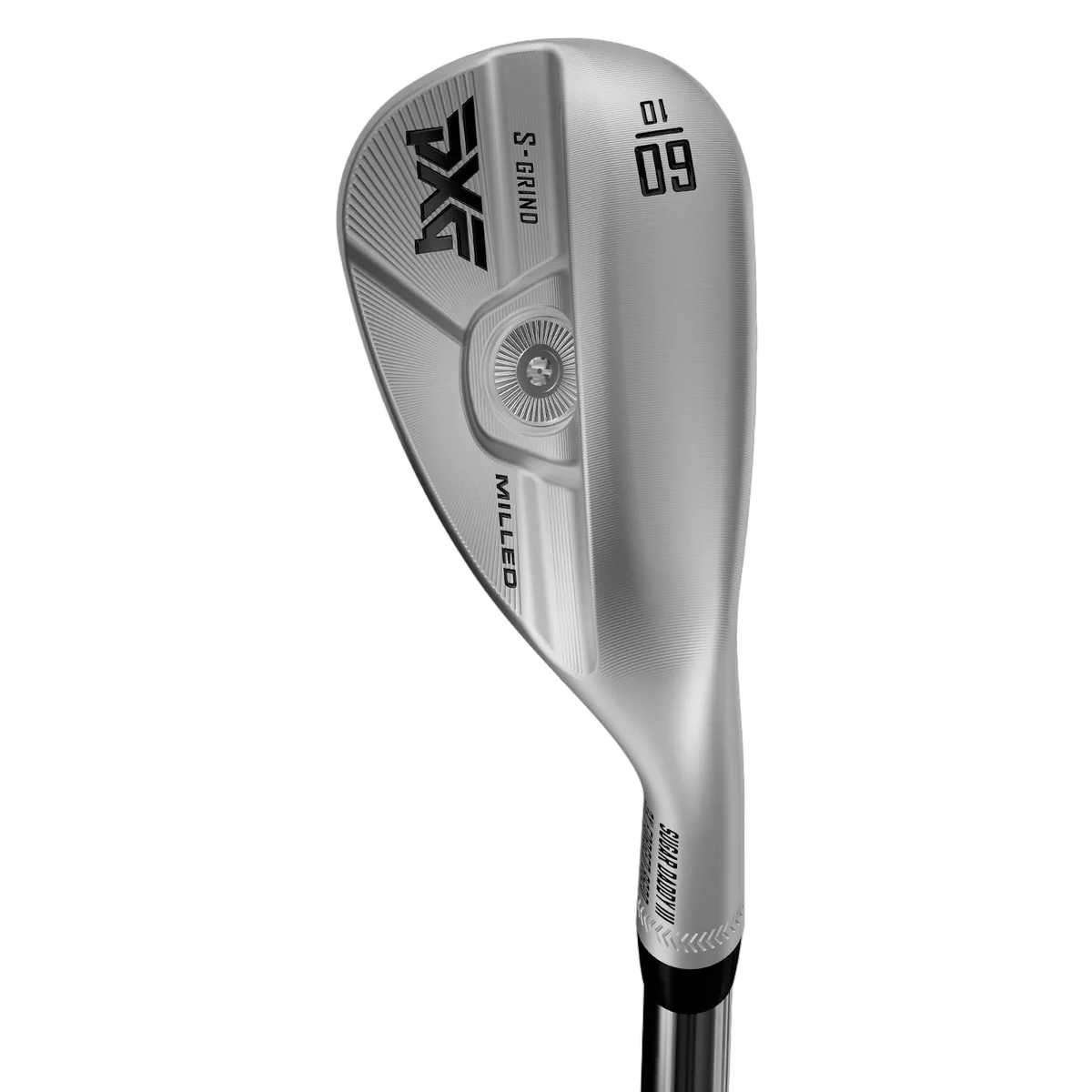
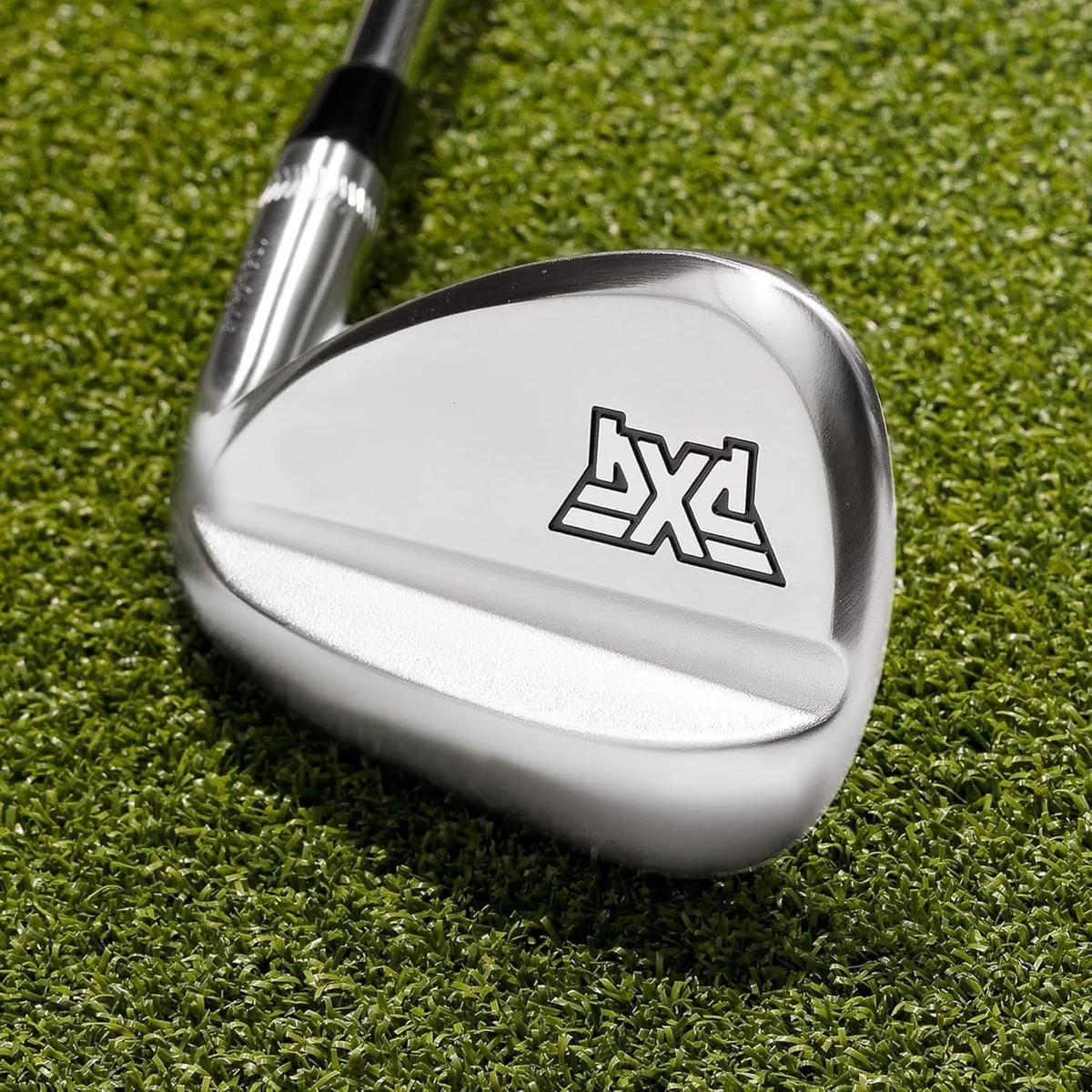
Milled sole showing S-Grind with 60-degree loft marking
The construction process is the headline: 8620 soft carbon steel is triple-forged to create a tight grain structure, then 100% CNC milled to exacting tolerances. Every geometry, grooves, sole, face, hosel, is machined rather than hand-finished, which PXG argues eliminates the head-to-head variation that can creep into forged-and-ground wedges. It's a compelling argument. When your fitter dials in a specific bounce and grind, the wedge that arrives in the box is spec-identical to the one you tested. That's not always the case with traditionally finished wedges.
The Sugar Daddy III is available in 48° through 60° in two-degree increments, with three sole grinds (BP, S, and C) and two finishes (Chrome and Black). PXG's Precision Weighting Technology places an adjustable weight in the sole, allowing fitters to manipulate swing weight and CG height. Stock shaft is the KBS Hi-Rev 2.0 at 115g in steel. At $200 per wedge, it's priced above most major OEM competitors but below where PXG wedges used to sit, the Sugar Daddy II reportedly cost north of $300, so improved milling efficiency has brought the price down meaningfully.
At Address
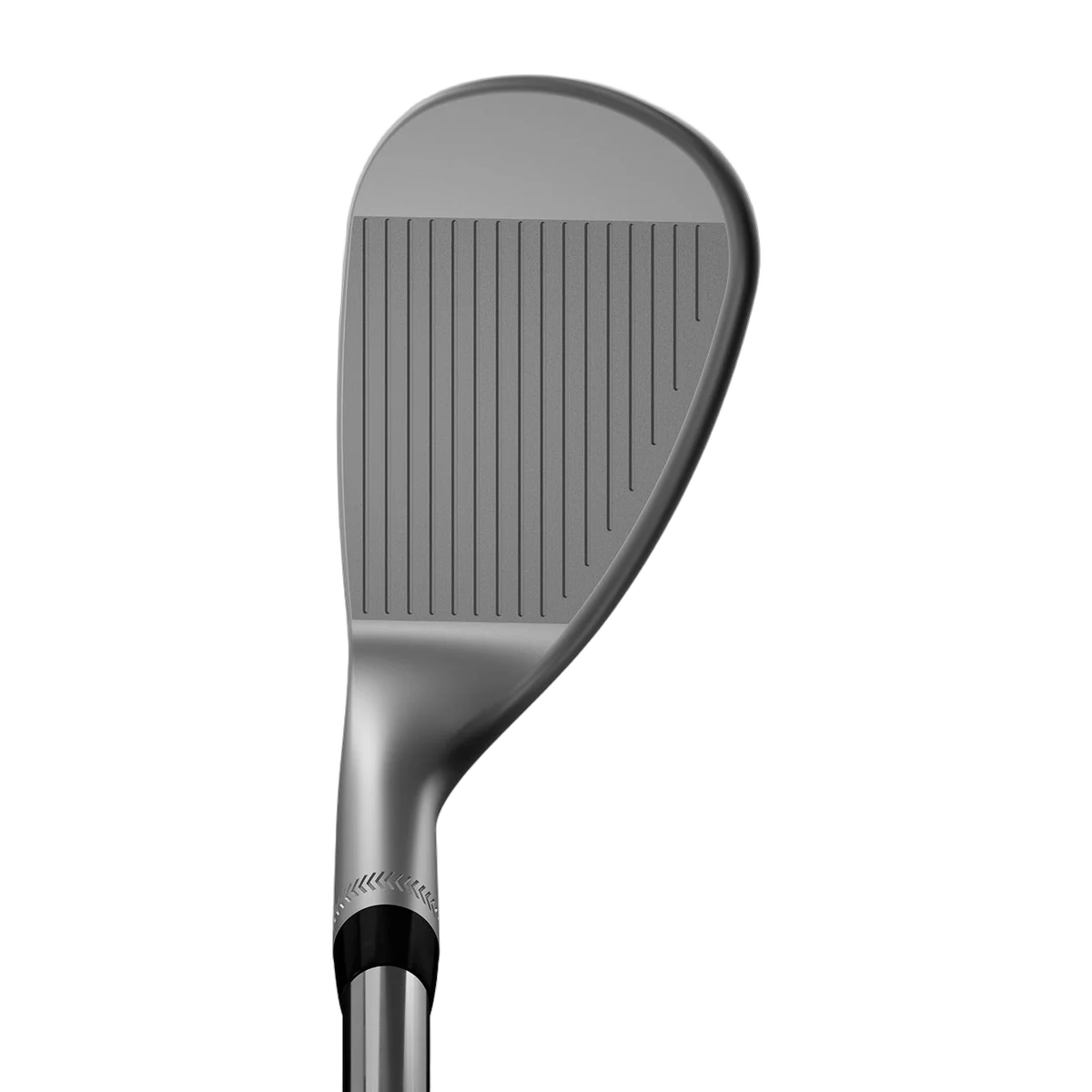
The Sugar Daddy III presents a clean, refined profile behind the ball. PXG brought back a more traditional center-groove layout and slightly more rounded head shape compared to its predecessor, and the result is a wedge that doesn't scream "tech company" the way some PXG products have in the past. The leading edge is straight and confidence-inspiring, with just enough offset to frame the ball without pushing it away from you.
The milling marks visible on the sole and back cavity are a polarizing detail. Some golfers find them premium and purposeful, visual evidence of the manufacturing precision you're paying for. Others find the back of the head a touch busy, particularly with the Precision Weighting port visible. Behind the ball, though, which is the view that actually matters, there's nothing to complain about. The address position is clean, classic, and devoid of visual clutter.
The Chrome finish eliminates glare effectively with a matte silver tone, and the BP Grind in particular looks confidence-inspiring with its full-face grooves extending across the entire hitting area. If you've ever wished your lob wedge had grooves where you actually make contact on open-face bunker shots, the BP Grind delivers.
Sound & Feel
Triple-forged 8620 carbon steel is inherently soft, and the Sugar Daddy III takes full advantage. Center strikes produce a muted, solid thud with essentially zero harsh vibration, the kind of impact feel that makes you want to hit another chip shot immediately. GolfWRX's testing confirmed that even with firmer tour balls, the impact sensation remains plush and controlled.
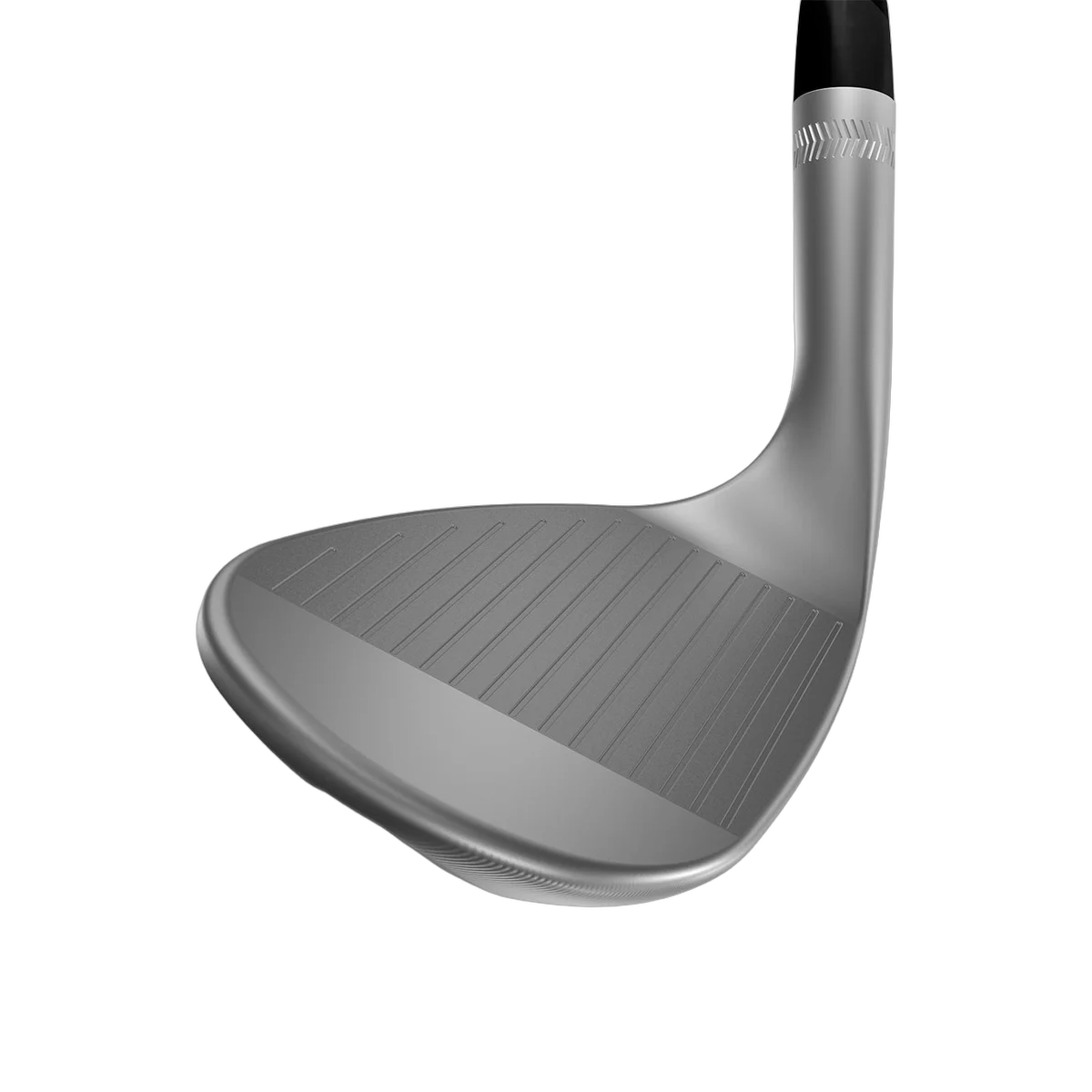
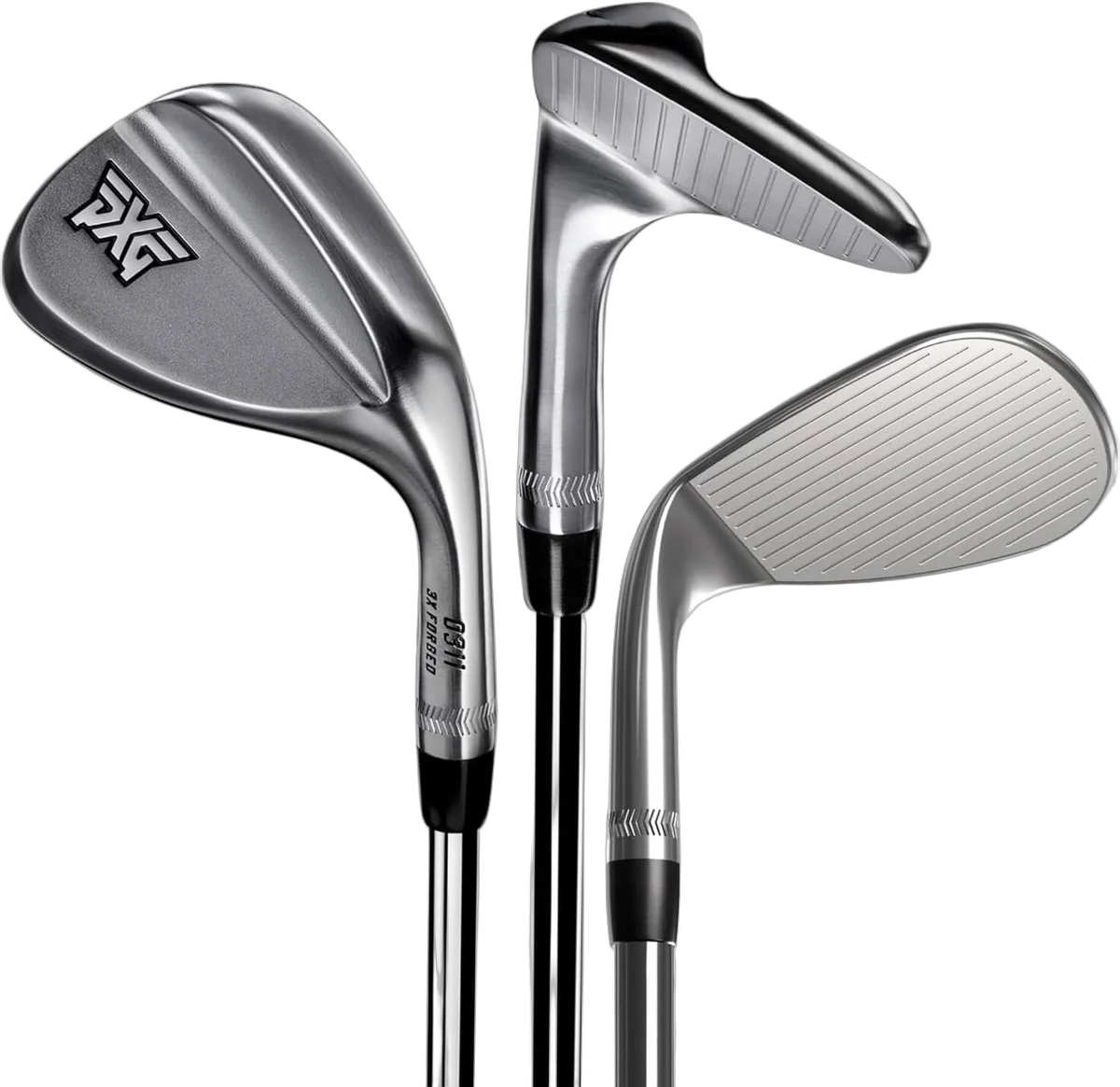
Head-on view of the full face with tightly spaced grooves
The forging process creates a tighter grain structure than single-forged alternatives, which PXG claims extends groove life while maintaining that soft feedback. Whether the grooves genuinely last longer than competitors requires months of real-world validation, but the feel benefit is immediate and unmistakable.
Mishits firm up noticeably, toe strikes produce a slightly clickier response with more vibration reaching the hands, and low-face contact sends a clear signal that you've caught it thin. This is useful feedback rather than punishing feedback. You know where you missed without your hands going numb. The overall feel profile sits comfortably in the premium forged category, comparable to Mizuno's Grain Flow Forged offerings and notably softer than cast alternatives from Cleveland or standard TaylorMade models.
Performance
Spin & Launch
PXG redesigned the groove geometry for the Sugar Daddy III with wider, more closely spaced grooves than the previous generation. The wider groove profile allows the ball cover to penetrate roughly .002" deeper into the groove channel, which PXG says creates approximately 25% more cross-sectional volume than narrower competitor grooves. The tighter spacing means one additional groove potentially contacts the ball at impact, improving spin consistency in wet or high-grass conditions.
The practical result: this wedge spins. Hard. From fairway lies, three-quarter to full shots check up aggressively, and multiple reviewers reported experiencing backspin on approach shots, something that doesn't happen with every wedge, particularly for players who don't generate elite clubhead speed. GolfWRX noted they were leaving chip shots short for several rounds because they couldn't adjust to how much the ball was grabbing and stopping compared to their previous wedges.
Out of the rough, spin reduces as expected, but the ball release is controlled and predictable rather than hot and unpredictable. The wider grooves appear to do a better job channeling moisture and debris away from the impact zone, maintaining friction in conditions where narrower grooves lose grip.
CG & Trajectory
The Precision Weighting Technology does more than adjust swing weight, it fundamentally alters launch characteristics. By removing mass from the lower portion of the clubhead via variable-depth sole ports and redistributing it higher, PXG elevates the center of gravity. Higher CG means lower launch with more spin, while lower CG produces higher launch with less spin. This is the gearing effect at work, and it gives fitters a genuine tuning lever that most competitors don't offer.
David Dusek's testing highlighted how the elevated CG produced a more piercing trajectory on full swings, exactly what accomplished golfers want from wedges in the 50°-60° range, where getting the ball airborne is never the problem and controlling flight is everything. For mid-to-fast swing speed players, this translates to wedge shots that hold their line in wind rather than ballooning.
Grinds
Three grinds cover a reasonable but not exhaustive range of playing styles:
BP Grind (12° bounce) is the most forgiving option in the lineup, featuring a Hi-Toe profile with full-face grooves, a blunt leading edge, and a wider sole with minimal heel-toe taper. Best suited for steeper swings, softer conditions, and golfers who aren't comfortable opening the face to create additional bounce. The full-face grooves make it particularly effective for open-face bunker shots and lob shots where contact occurs high on the toe, you're getting grooved hitting area where most wedges have smooth metal. Available only in sand and lob wedge lofts (54°-60°).
S Grind (10° bounce) is the versatile, do-everything option. Classic head profile, moderate sole width, beveled leading edge, and moderate heel-toe taper. This accommodates a broad spectrum of swing styles and works effectively with the face open or shut. If you're buying one Sugar Daddy III and want maximum flexibility, the S Grind is the safe bet.
C Grind (7° bounce) is the shot-maker's choice. Narrow sole width, beveled leading edge, and aggressive heel-toe taper for firm conditions, tight lies, and shallow attack angles. This is where the Sugar Daddy III gets creative, the relief allows you to manipulate the face extensively without the leading edge lifting off the ground.
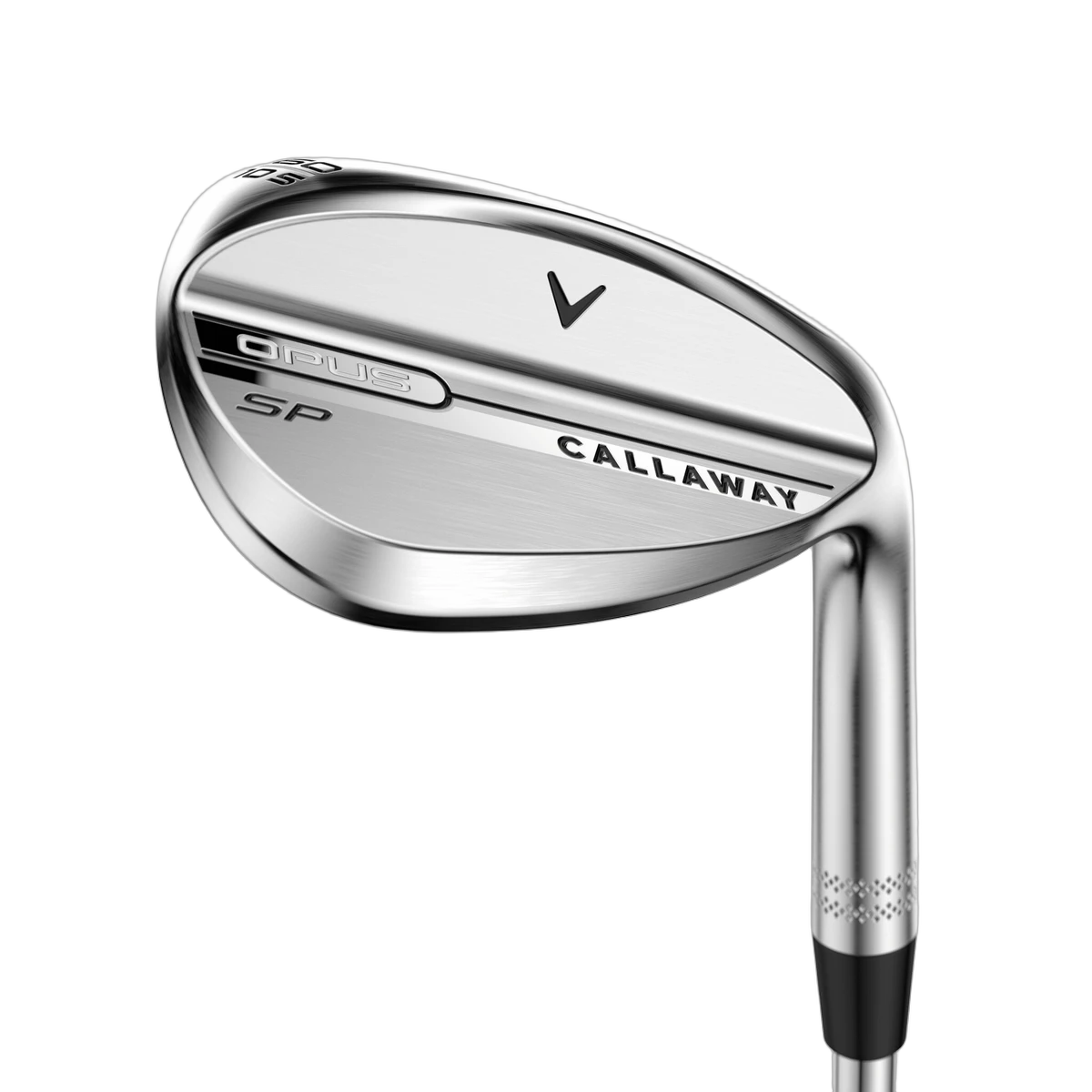
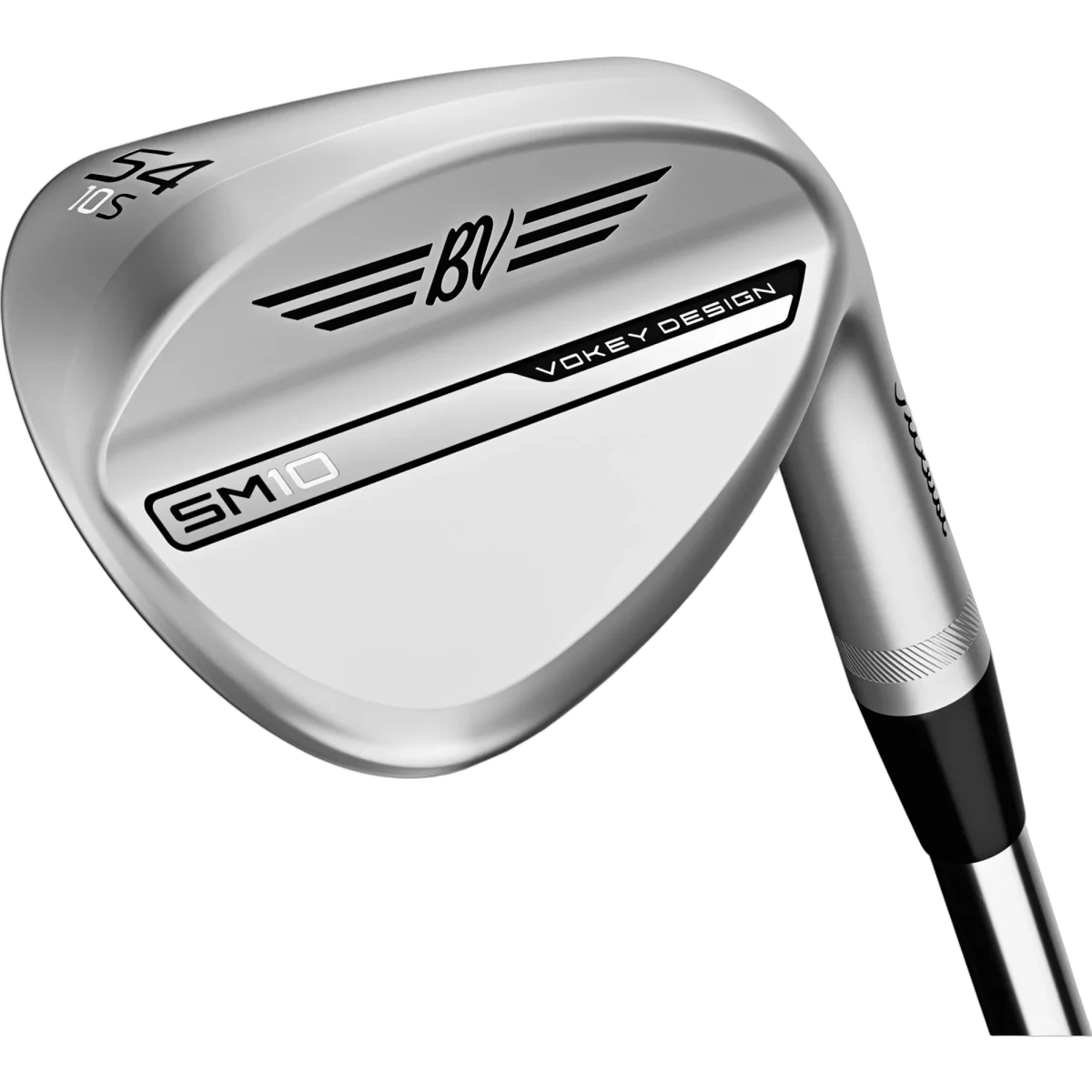
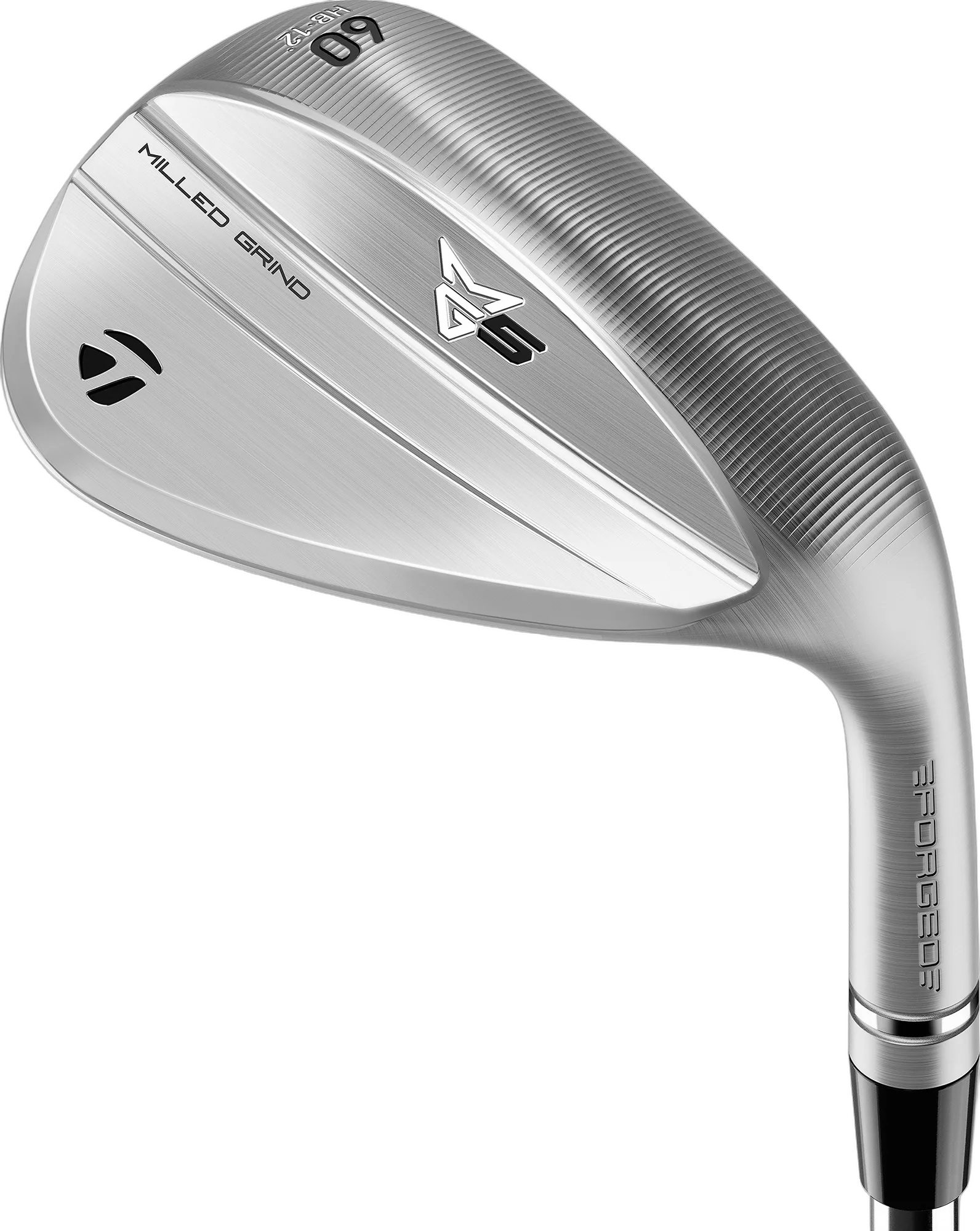
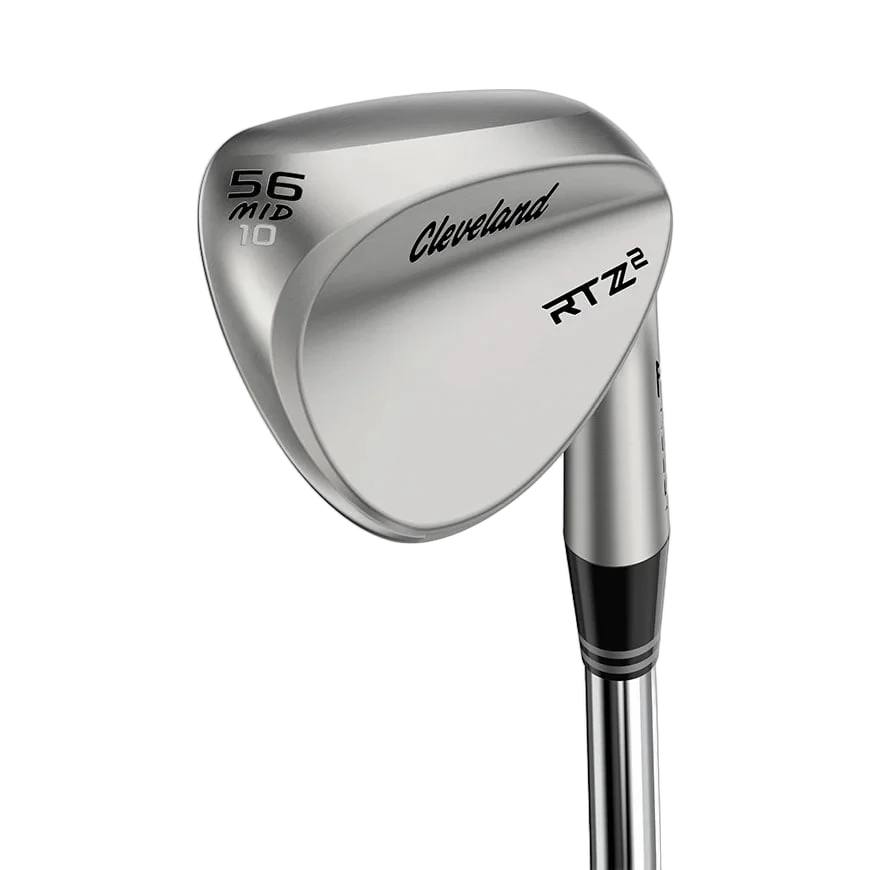
The three-grind lineup is adequate but trails the variety offered by Titleist (seven+ grinds), TaylorMade (six grinds in the MG5), and even Callaway (five grinds in the Opus SP). National Club Golfer's reviewer specifically noted wishing for more bounce and grind variations to match the depth of Titleist and Ping's offerings. For golfers with specific sole preferences that fall between PXG's three options, this could be a dealbreaker.
Turf Interaction
The milled soles deliver exactly what PXG promises, consistent, repeatable turf interaction. GolfWRX's testing in softer Michigan conditions found the S Grind producing shallow divots with the wedge getting through turf quickly, even on steeper deliveries. The C Grind performed well for shallower swings and firmer conditions, allowing the face to open without the leading edge riding too high.
The precision of CNC milling means the sole geometry doesn't vary from head to head. If you test an S Grind in a fitting bay and it interacts with the turf a certain way, you can trust that the production wedge will behave identically. That's a subtle but meaningful advantage over hand-ground competitors where sole geometry can vary slightly between production runs.
PXG Sugar Daddy III wedges are available directly through PXG.com and at PXG retail locations. Custom fitting is available at PXG fitting studios nationwide.
MSRP: $199.99
Verdict
The PXG Sugar Daddy III is a wedge built on a simple but expensive premise: if you mill every surface to computer-controlled precision, forge the steel three times for optimal grain structure, and give fitters adjustable weighting to dial in CG height, you'll produce a wedge that performs more consistently than anything finished by human hands. And on the performance metrics that matter — spin, feel, trajectory control, and head-to-head consistency — the Sugar Daddy III delivers convincingly.
The triple-forged 8620 carbon steel produces feel that belongs in the same conversation as the best Japanese forgings. The wider, tighter groove geometry generates tour-level spin from every lie, with particular effectiveness in wet conditions where the wider channels displace moisture more efficiently. The Precision Weighting Technology offers genuine adjustability that goes beyond marketing — the ability to tune CG height is a meaningful fitting tool that most competitors simply don't have. And the full-face grooves in the BP Grind make it one of the most versatile high-loft options for bunker play and open-face creativity.
Where the Sugar Daddy III falls short is in grind selection. Three options is adequate but not competitive with the five-to-seven grind menus offered by Titleist, TaylorMade, and Callaway. Golfers with specific sole preferences — particularly those who fall between the 7° C Grind and the 10° S Grind — may find themselves compromising in ways they wouldn't have to with a Vokey or MG5. PXG's fitting process can optimize what you get within those three options, but it can't create a fourth option that doesn't exist.
At $200, the Sugar Daddy III has come down significantly from previous PXG wedge pricing and sits only marginally above the $179-$199 range where Vokey, MG5, and Opus SP compete. For golfers who prioritize manufacturing precision, adjustable CG technology, and premium forged feel over maximum grind variety, the Sugar Daddy III makes a strong case. It's the most underappreciated wedge in the premium segment — overshadowed by PXG's polarizing brand identity but backed by engineering that genuinely justifies the investment.