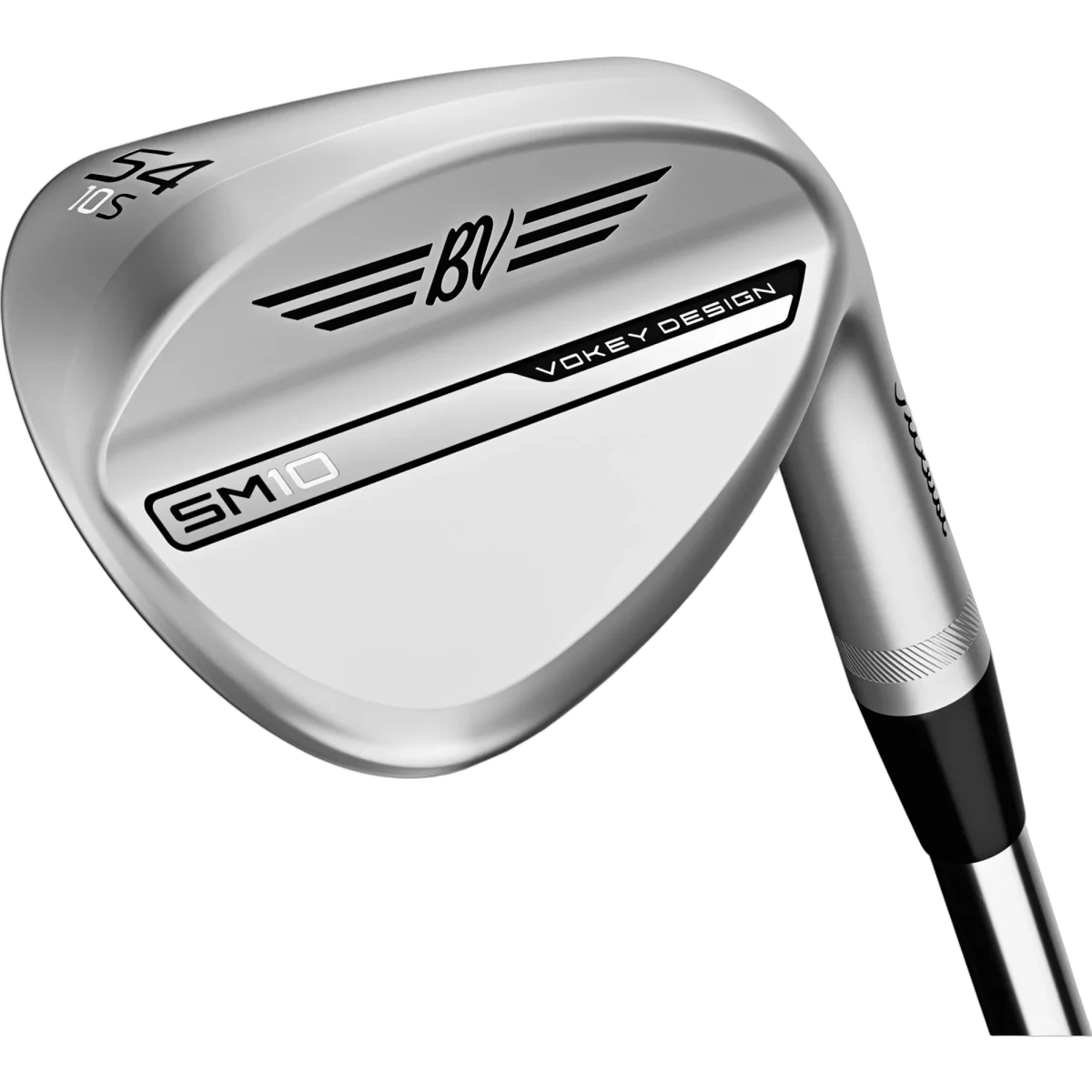
Titleist Vokey SM11 Wedge
Titleist — Titleist Vokey SM11 Wedge · By Andy · Jan 21, 2026
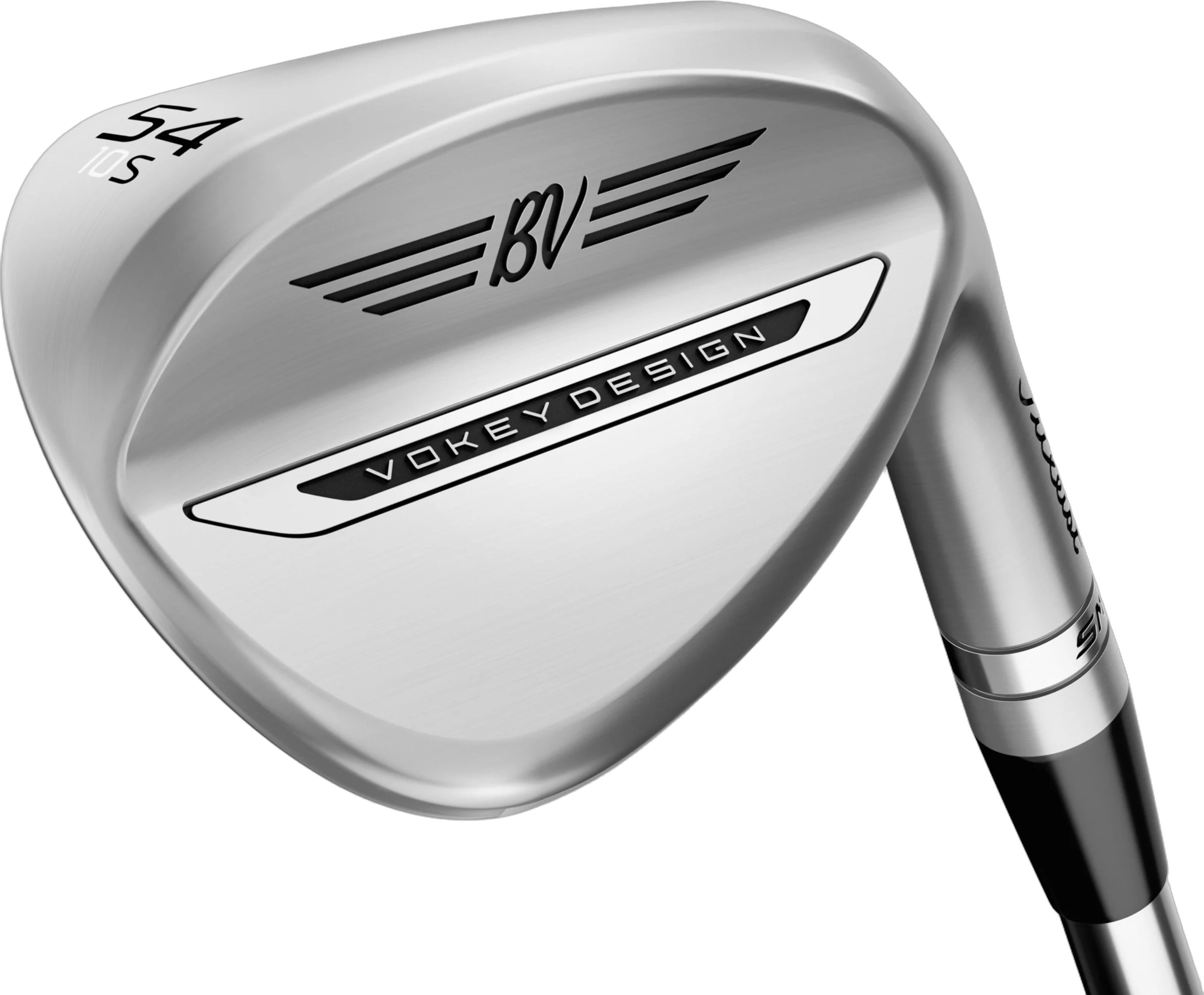
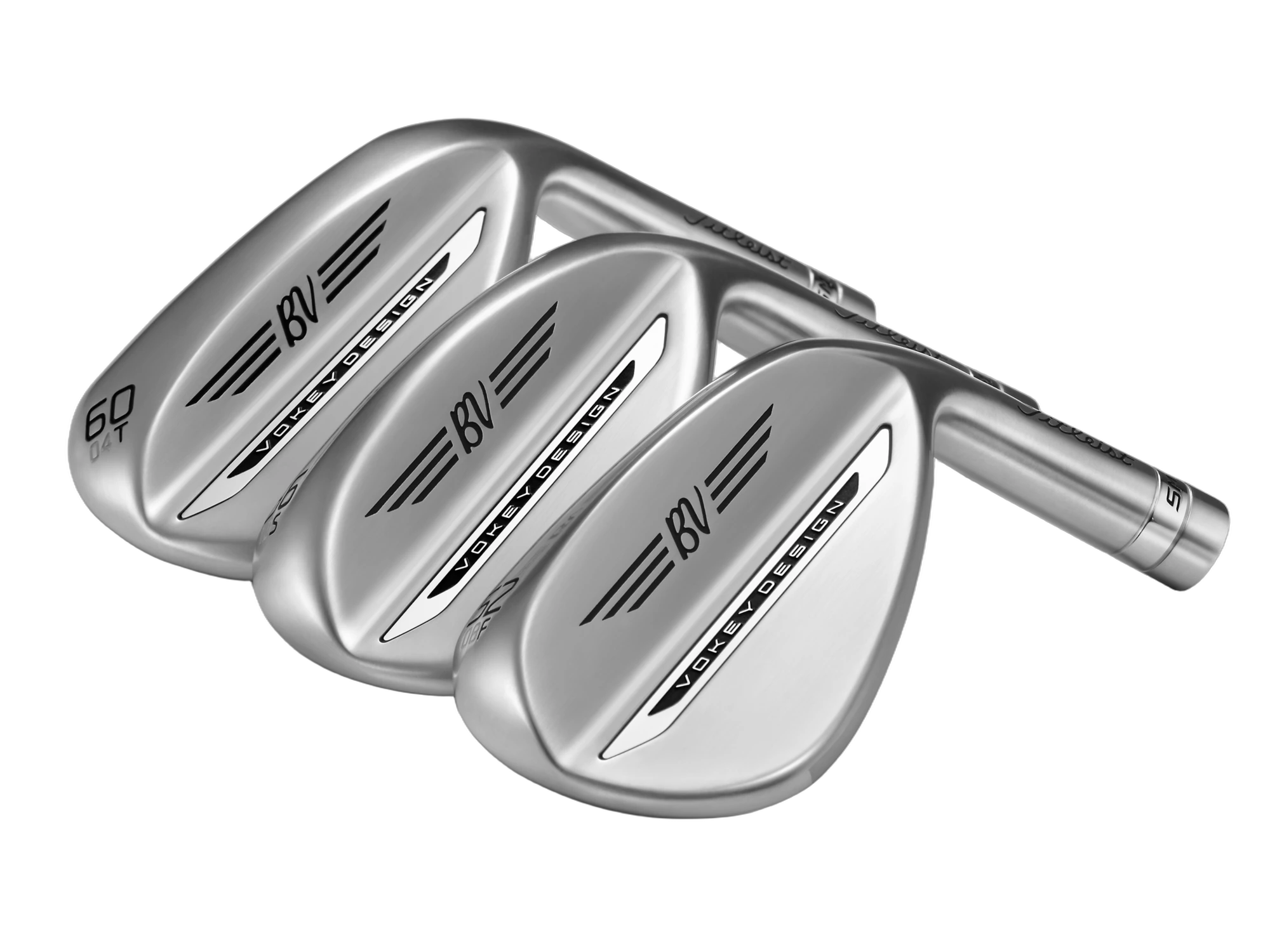
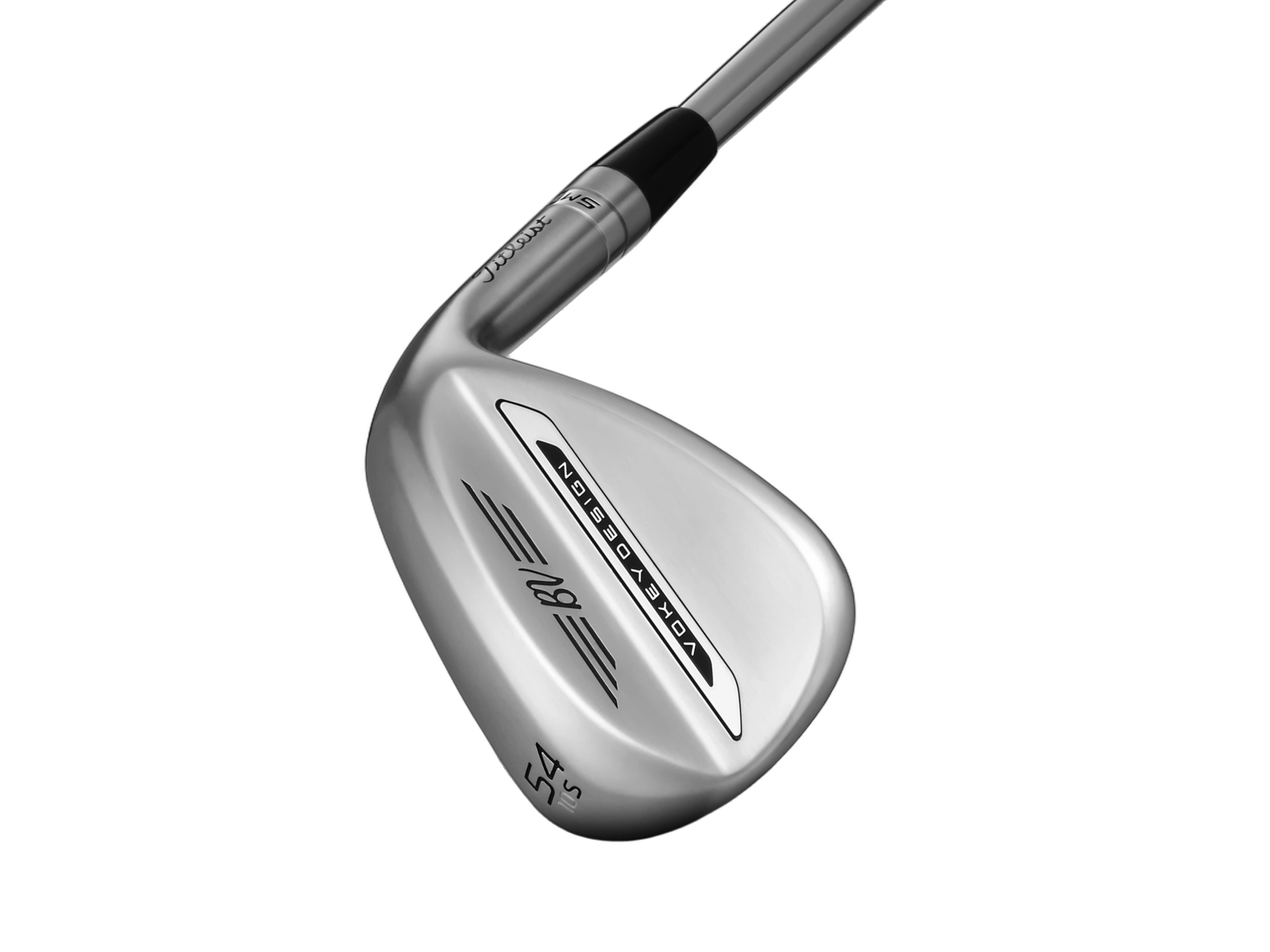
The world's most popular wedge gets smarter grooves, progressive CG, and the kind of spin that makes you rethink what's possible on imperfect strikes.
The Big Picture
Every couple of years, Titleist releases a new Vokey wedge and the golf world pays attention. There is good reason for that: the SM line has been the most played wedge on the PGA Tour for over a decade, and it dominates amateur bags at every level. The SM11 is not a reinvention. It is a refinement -- an evolution of the SM10 that focuses on three areas: progressive center of gravity placement across lofts, upgraded groove geometry, and extended durability through heat treatment.
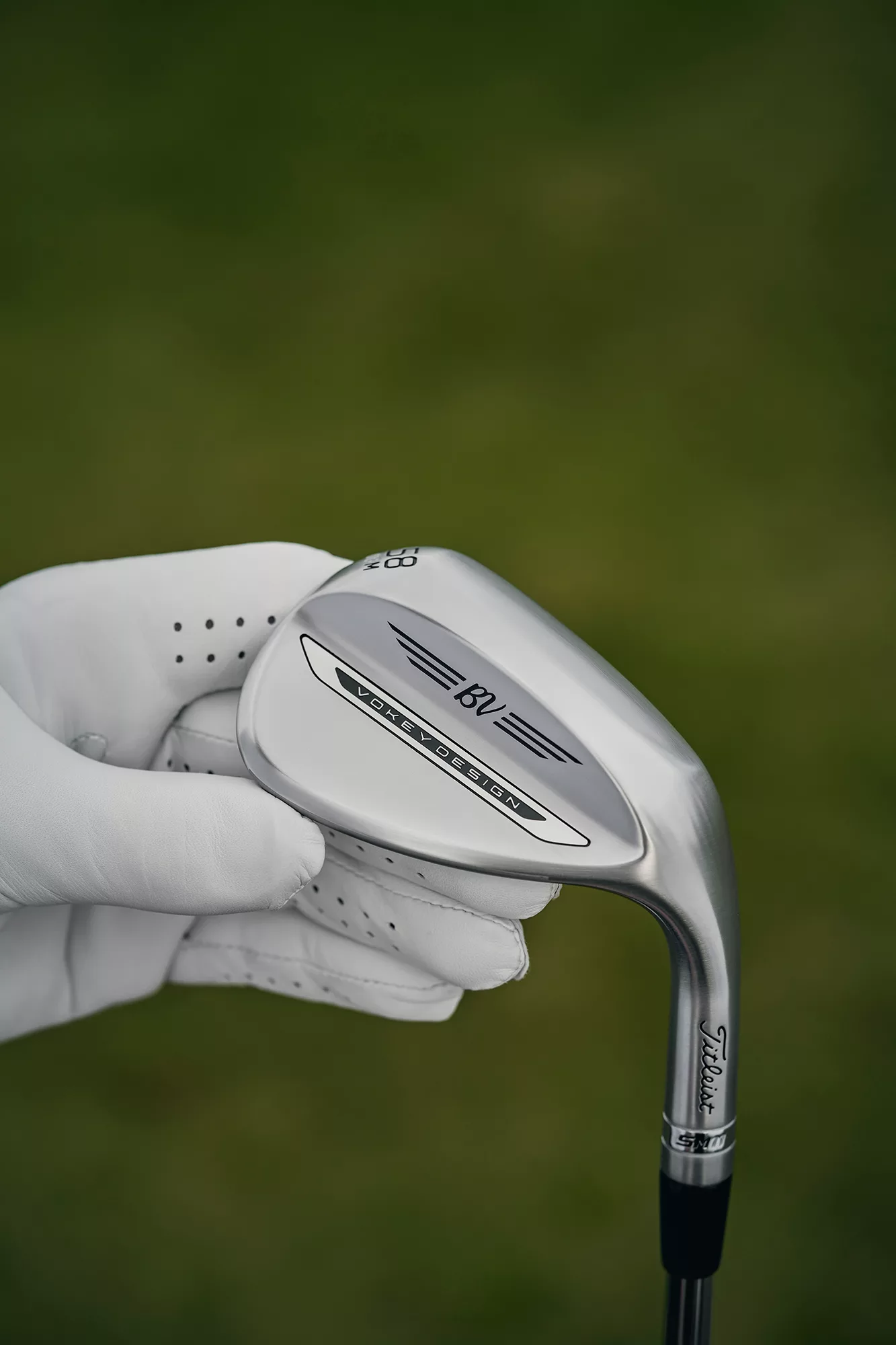
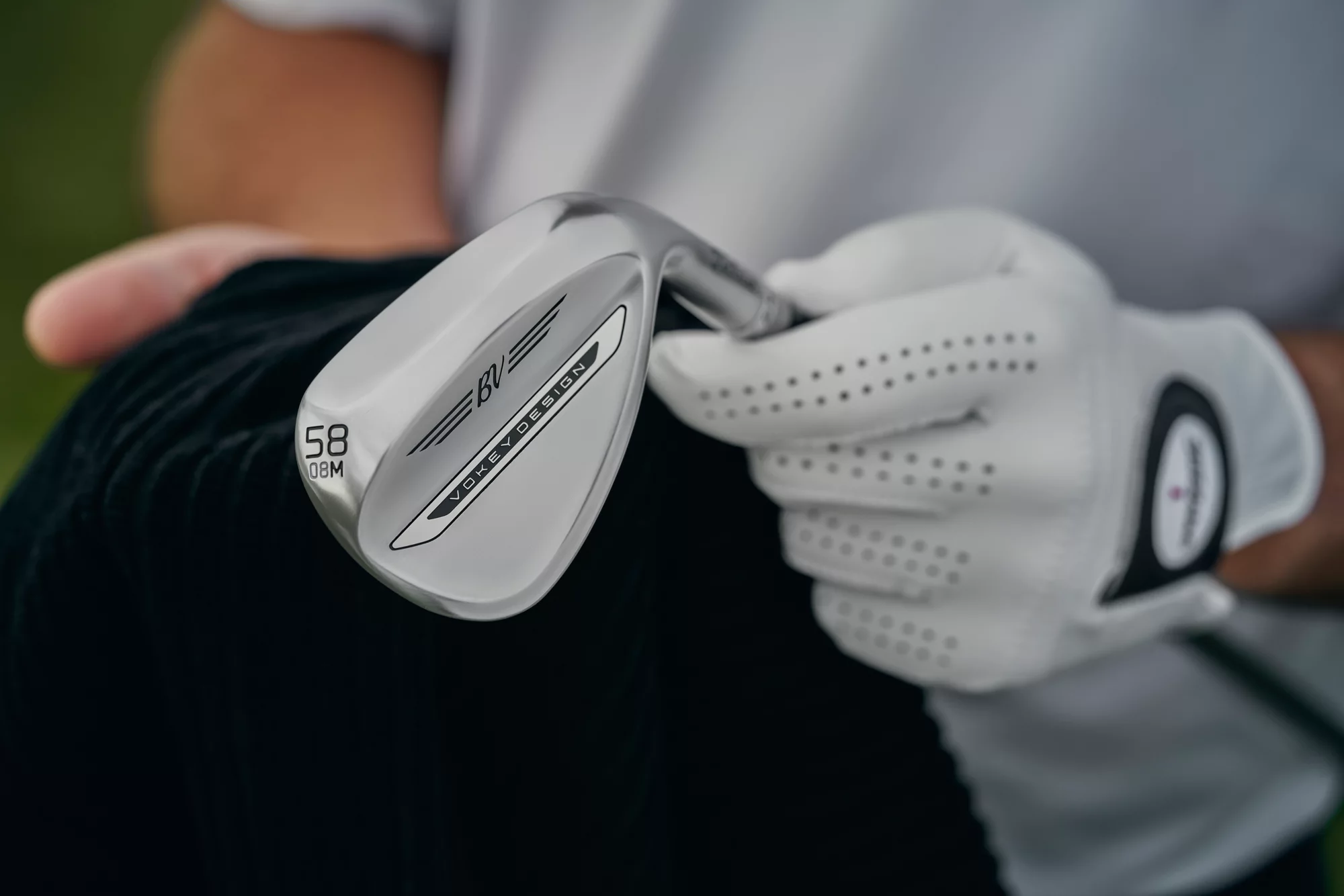
Golfer holding 58-degree SM11 wedge in gloved hand on course
The result is a wedge that flies more predictably, spins harder (especially on partial shots and mishits), and keeps its edge longer than its predecessor. At $199 per club, a full set of three or four SM11 wedges is a serious investment. But for any golfer reasonably confident in their ball-striking who is serious about scoring, this is the standard against which every other wedge should be measured.
First Impressions
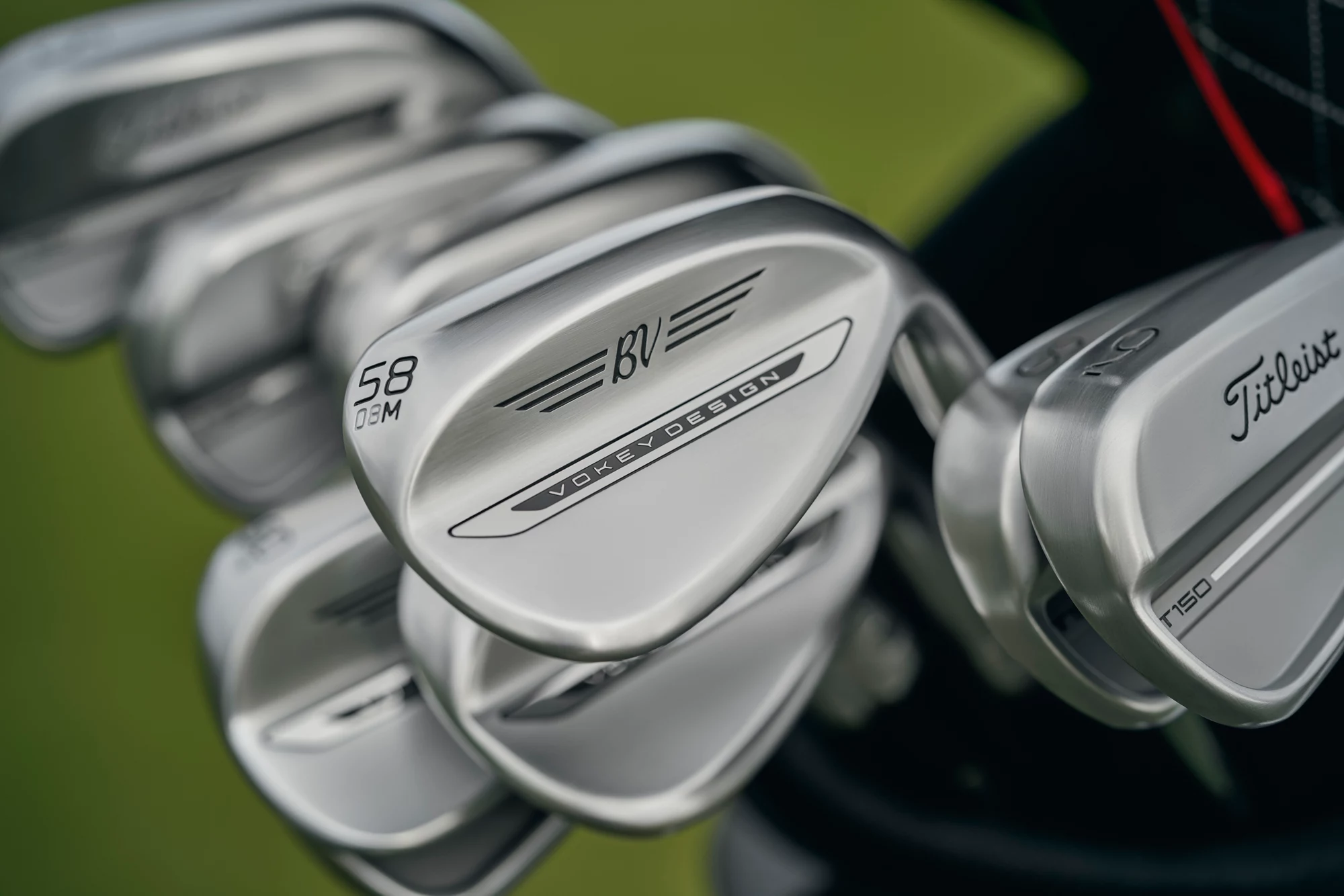
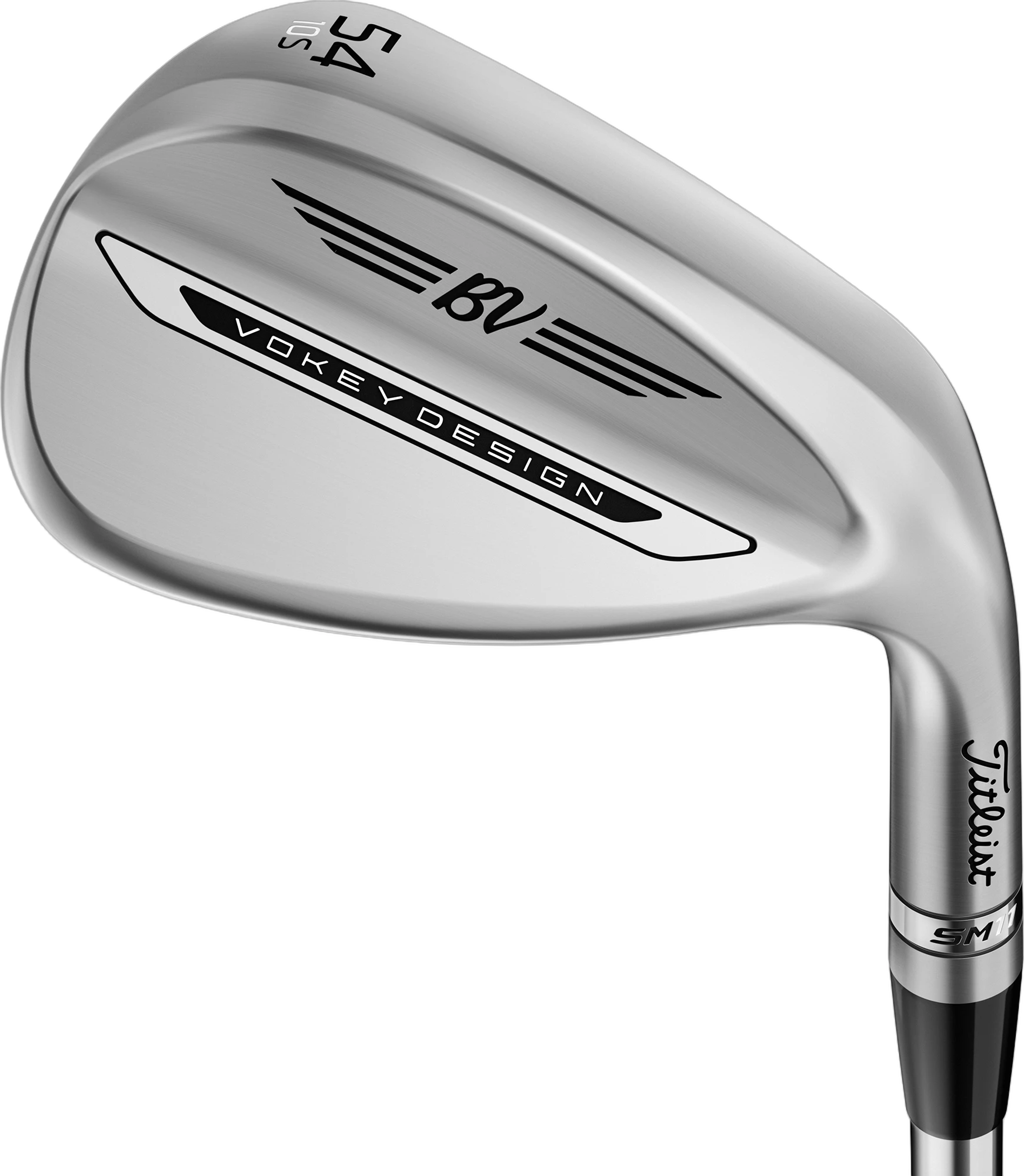
If you have played Vokey wedges before, the SM11 will feel like coming home. The head is compact, the top line is clean, and the transition from hosel to leading edge is classic Titleist. It blends seamlessly into a bag of player's irons without looking out of place or intimidating.
The SM11 comes in four finishes: Tour Chrome, Jet Black, Nickel, and Raw (custom only). I went with the Nickel finish to split the difference between chrome's glare and black's tendency to wear quickly. The Nickel looks premium and frames the ball well, though I have already noticed some cosmetic wear on the sole and face after bunker play. It is purely aesthetic and has not affected performance, but if you like your clubs looking pristine, Tour Chrome is the more durable option.
Sound & Feel
These are cast wedges, not forged, and that distinction matters. You do not get the buttery, pillowy sensation of a Mizuno T24 or a forged TaylorMade wedge. What you get instead is a solid, crisp impact feel with excellent feedback. A perfectly struck chip feels dense and satisfying. A slight mishit -- toe, heel, heavy, thin -- immediately announces itself through both sound and sensation. I find that honesty valuable. It helps me diagnose what is happening at impact rather than masking it.
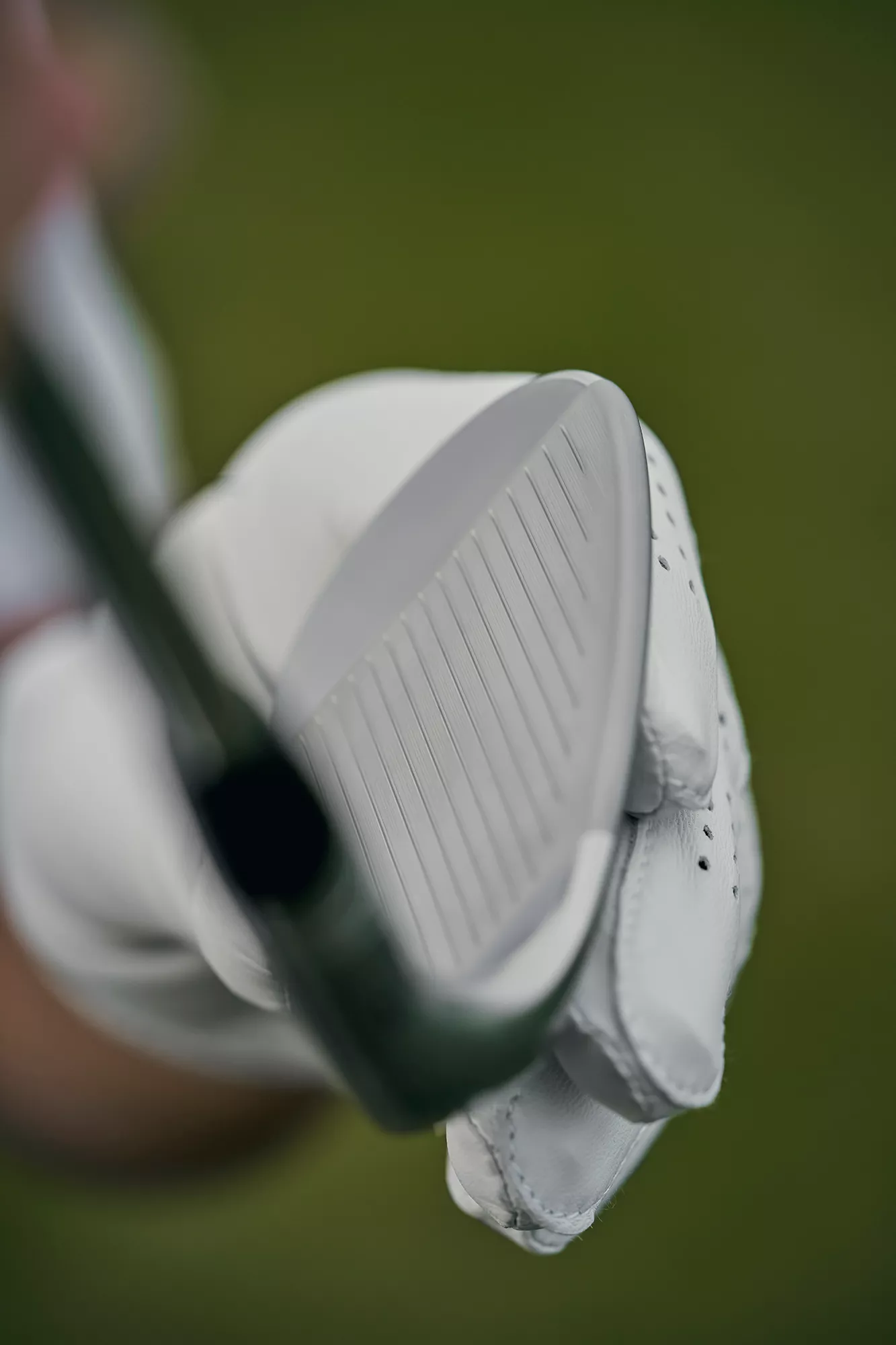
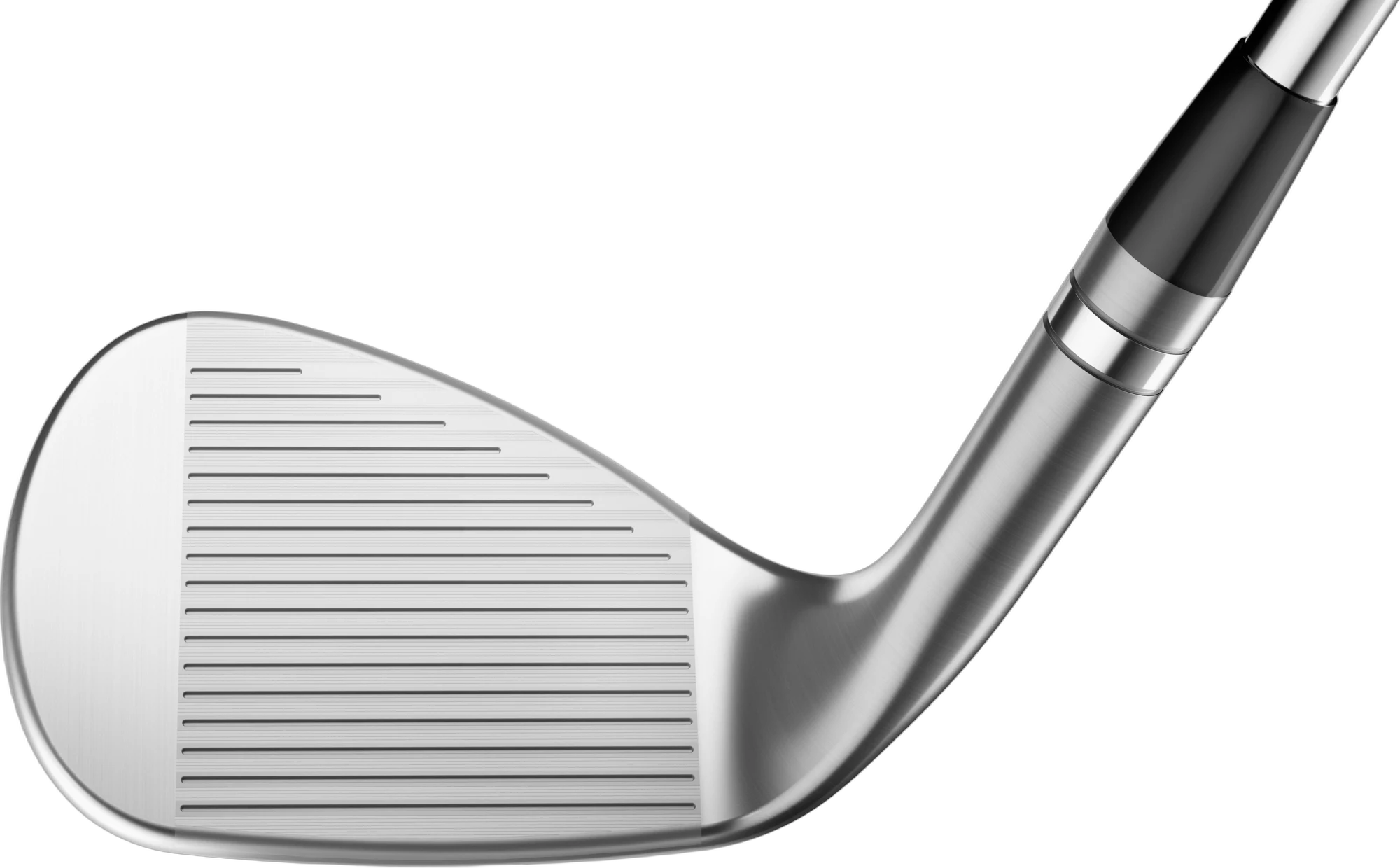
Close-up of wedge face showing horizontal groove pattern
The sound is a soft, low-pitched thump on well-struck shots. It is not loud or clicky, and it does not have that hollow ring you sometimes hear from cheaper cast wedges. Weight and balance through the swing feel spot on -- not too head-heavy on full shots, and very controllable on delicate greenside touches.
Performance
Launch & Spin
This is where the SM11 earns its reputation, and the numbers back it up.
The biggest change from the SM10 is the progressive center of gravity through the set. Lower-lofted wedges (44-52 degrees) have a lower CG, so they fly more like your 9-iron or pitching wedge and transition smoothly from your iron set. The sand wedge lofts (54-56 degrees) sit in the middle. And the lob wedge lofts (58-62 degrees) feature a higher CG that produces a lower, more controlled flight with maximum spin. In practice, this means your gap wedge, sand wedge, and lob wedge all fly in a way that feels predictable rather than each behaving slightly differently.
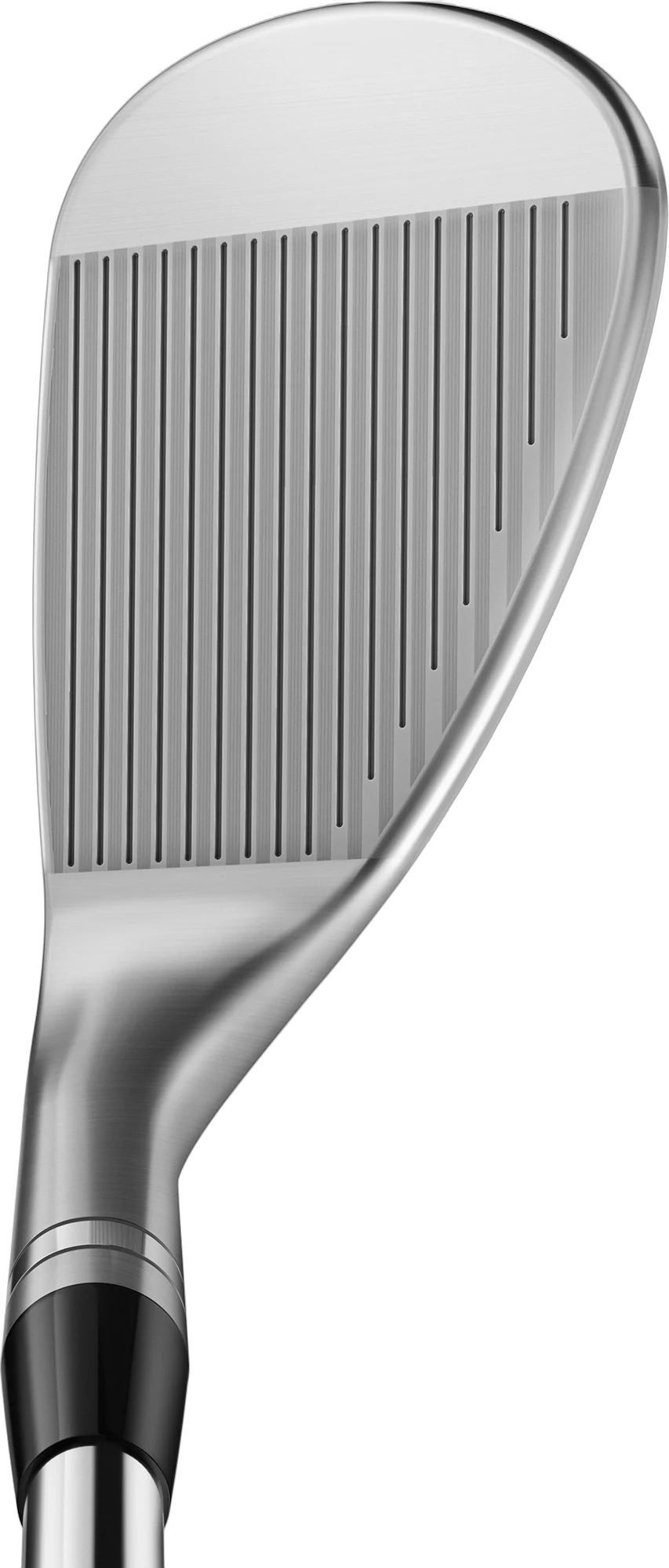
Spin has been genuinely impressive. The new TX9 grooves have 5 percent more volume than the SM10, cut with tighter tolerances that push closer to the legal limit. On top of that, the grooves are angled slightly downward to maintain meaningful contact with the ball even when the face is opened up. The result on the course is shots that grab and check harder than I expected, particularly on partial swings and slightly thin strikes. I have lost count of how many times I expected the ball to release past the pin only for it to hit, take one hop, and stop.
One of my favorite shots with these wedges is a lower-flight pitch with heavy spin -- keeping the ball down, watching it land, take a single hop, and bite hard. Those are shots I never felt confident trying with my previous wedges. With the SM11, I actively look for opportunities to play them.
Dispersion & Shot Shape
The SM11 is not a forgiving wedge in the cavity-back sense. It demands a reasonably precise strike and rewards you handsomely when you deliver one. Slight mishits still produce respectable results -- the spin consistency on imperfect contact is noticeably better than the SM10 -- but if you catch it heavy or blade it, you will know about it.
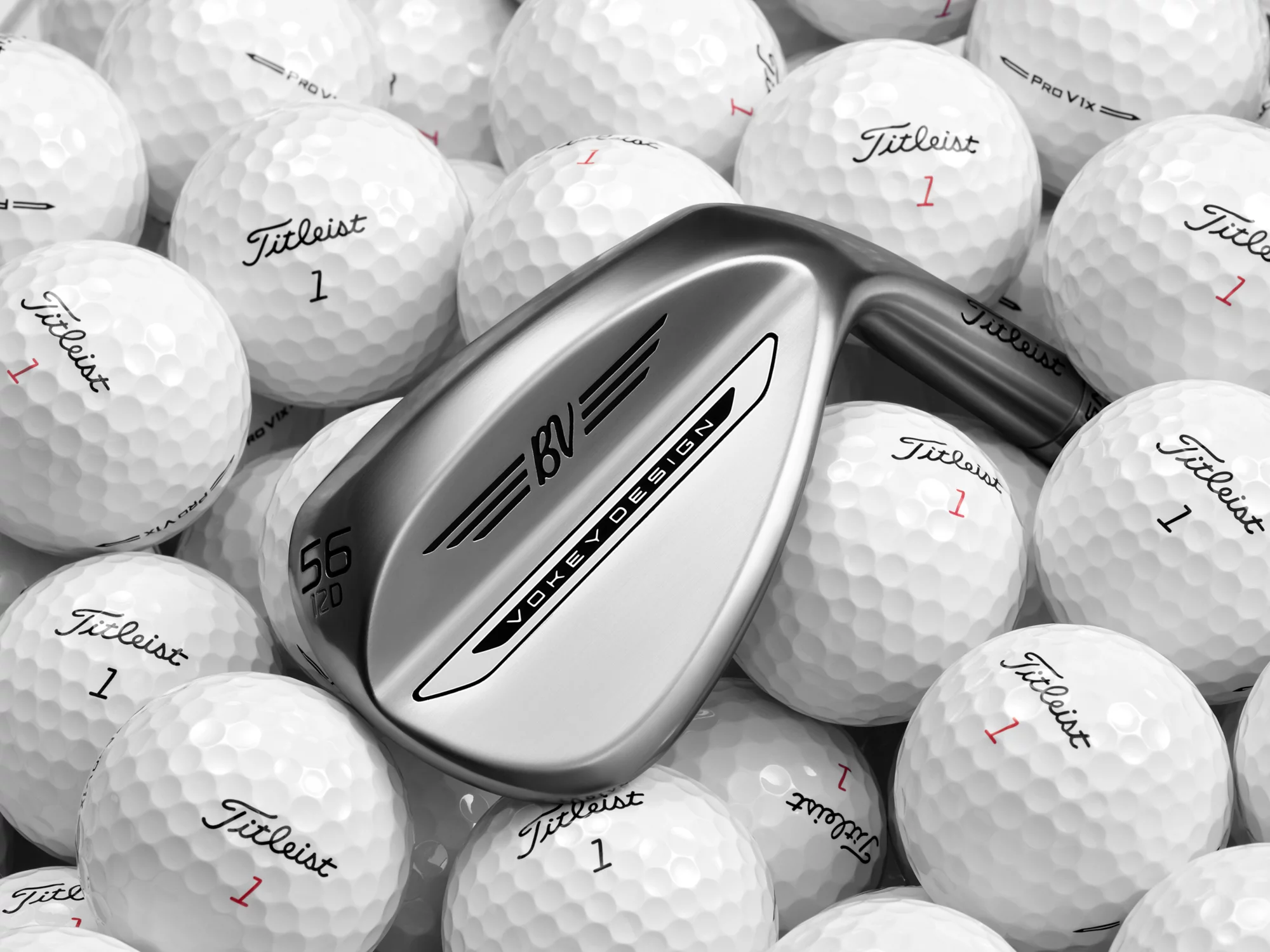
Vokey SM11 56-degree wedge back view nestled among Titleist Pro V1x balls
The range of grind options (F, S, M, D, K, and T) means you can build a wedge setup that covers virtually any shot type and turf condition. I play a 52.12F, 56.12D, and 60.08M, which gives me plenty of versatility. The higher-bounce 56 handles soft turf and fluffy bunker sand beautifully, while the lower-bounce 60 works well from tight lies and firm conditions. Having the right grind for each situation has made a bigger difference than I expected, and it is worth emphasizing that a proper fitting is essential to get the most from these wedges.
From bunkers, the SM11 is outstanding with the right grind. The sole glides through sand without digging, popping the ball out with height and spin. Turf interaction on pitch shots and chips is clean and predictable, which builds trust over time.
Verdict
The Titleist Vokey SM11 is an outstanding wedge. The spin is exceptional -- particularly the consistency on partial shots and slight mishits -- and the progressive CG delivers noticeable improvements in flight predictability across the set. The heat-treated grooves should double the durability window, helping to justify the premium price over the long term.
These are not wedges for everyone. Higher-handicap golfers who struggle with consistent ball-striking will find more success with a forgiving cavity-back option. The cast feel, while very good, will not satisfy players who specifically want that soft, forged sensation. And the price -- potentially $600-plus for a three-wedge set -- is a real commitment.
But for mid-to-low handicap golfers who strike the ball with reasonable consistency and want the best scoring tools available, the SM11 is the clear market leader. Get fitted, choose the right grinds for your game and your course conditions, and these wedges will make your short game sharper.