TaylorMade MG5 Wedge
TaylorMade — TaylorMade MG5 Wedge · By Troy · Dec 7, 2025
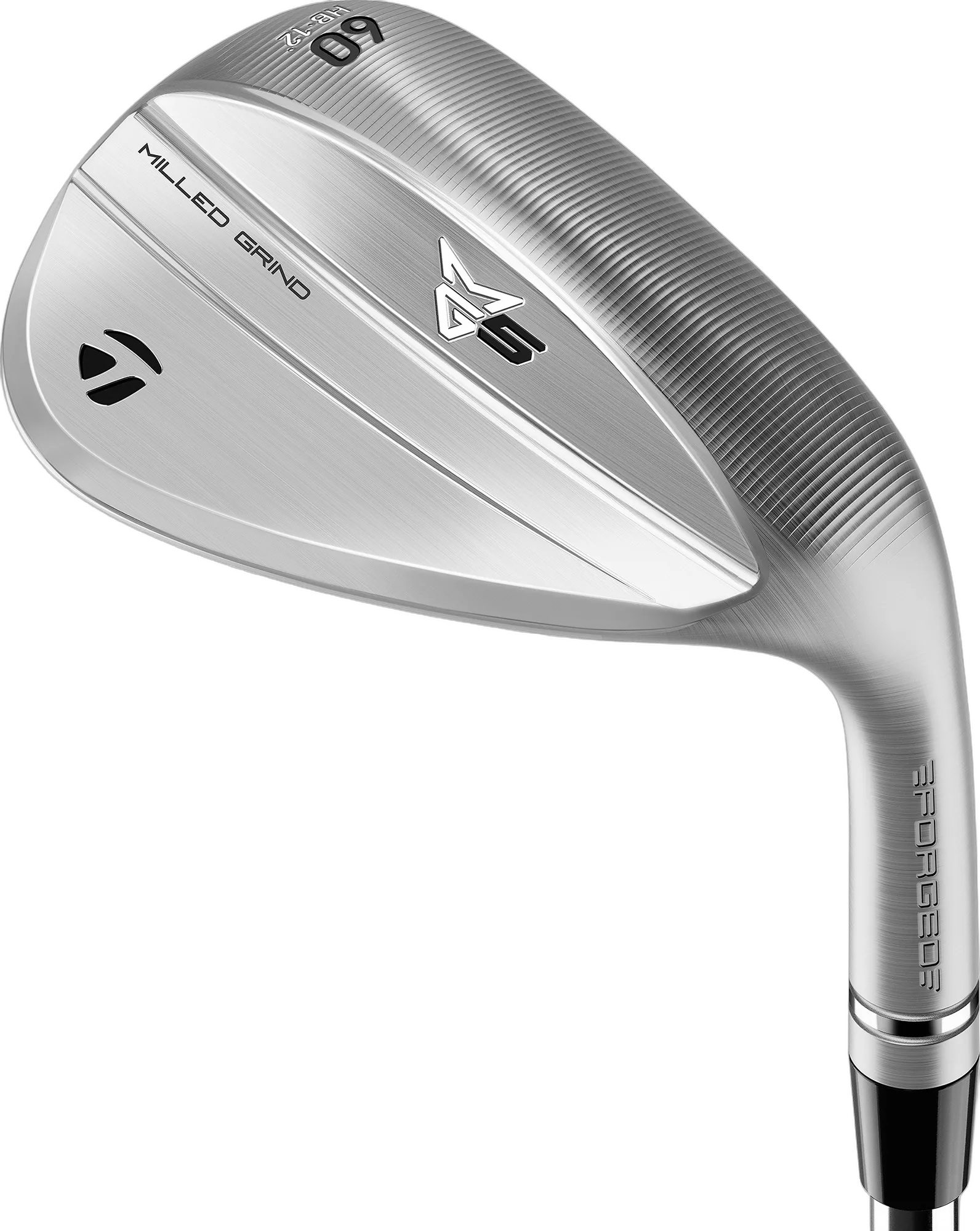

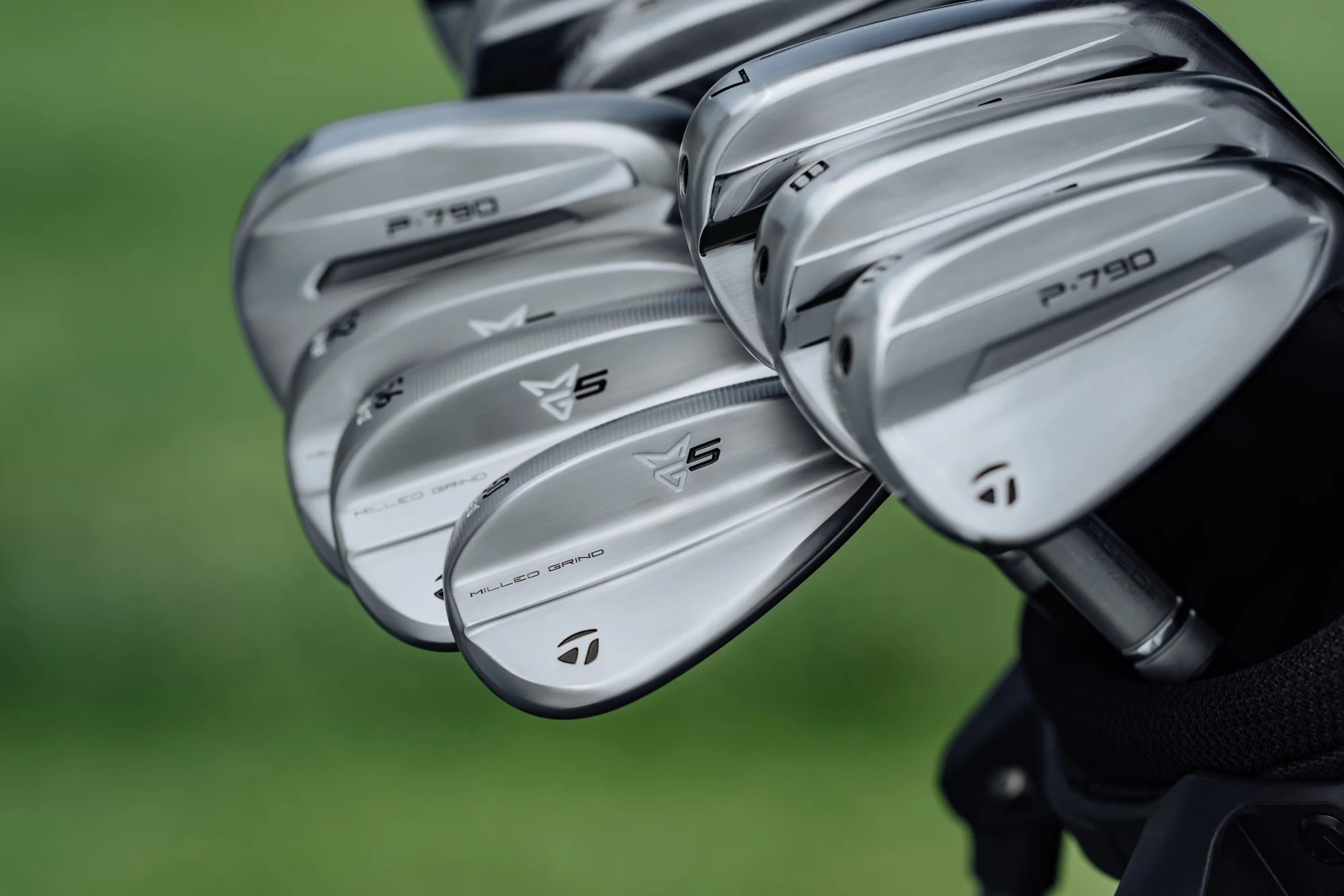
TaylorMade's first fully forged Milled Grind wedge delivers softer feel, aggressive spin, and six grind options that finally put the brand in the premium wedge conversation.
The Big Picture
For years, TaylorMade wedges lived in the shadow of their drivers and irons. The Milled Grind series gradually changed that perception, but there was always a gap between what TaylorMade offered and what brands like Vokey and Callaway delivered in terms of construction quality and feel. The MG5 closes that gap. This is TaylorMade's first fully forged wedge, built from 1025 carbon steel, and the difference is immediate and undeniable.
The story behind the forge is straightforward. Collin Morikawa told the design team that you cannot make a wedge feel soft enough. That became the mission statement. The result is a wedge that pairs the raw face and aggressive groove geometry that made previous MG models spin so well with the soft, connected feedback that better players demand from their scoring clubs. At $199 per wedge ($219 for the Tiger Woods TW grind), the MG5 sits at the premium end of the market, but the quality of construction justifies the price point.
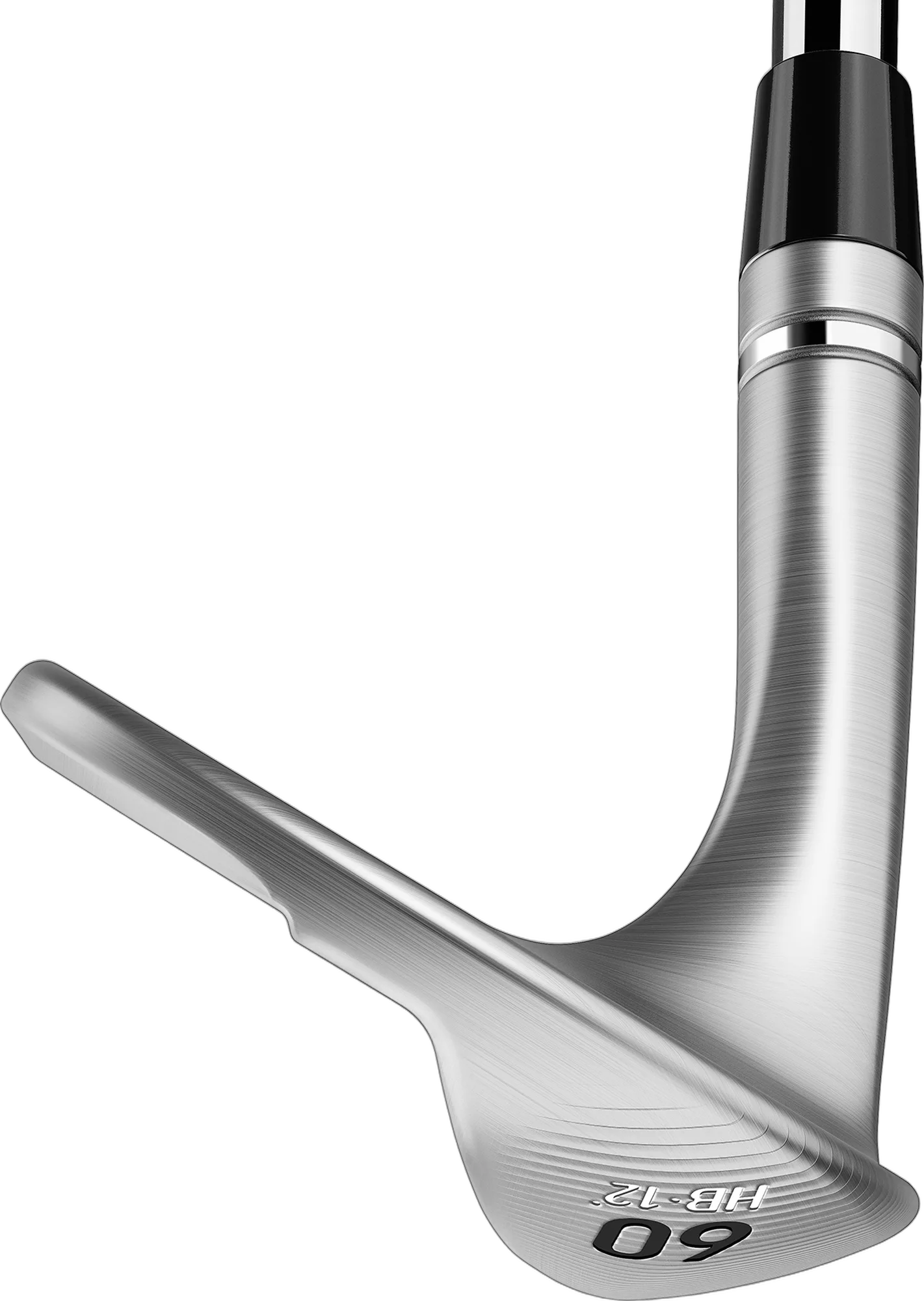
Six grind options round out the package: the versatile SB, the creative SC, the brand-new wide-soled SX, the low-bounce LB, the high-bounce HB, and the tour-inspired TW grind updated to reflect Tiger's current preferences. That kind of grind selection means almost any swing type and turf condition is accounted for.
At Address
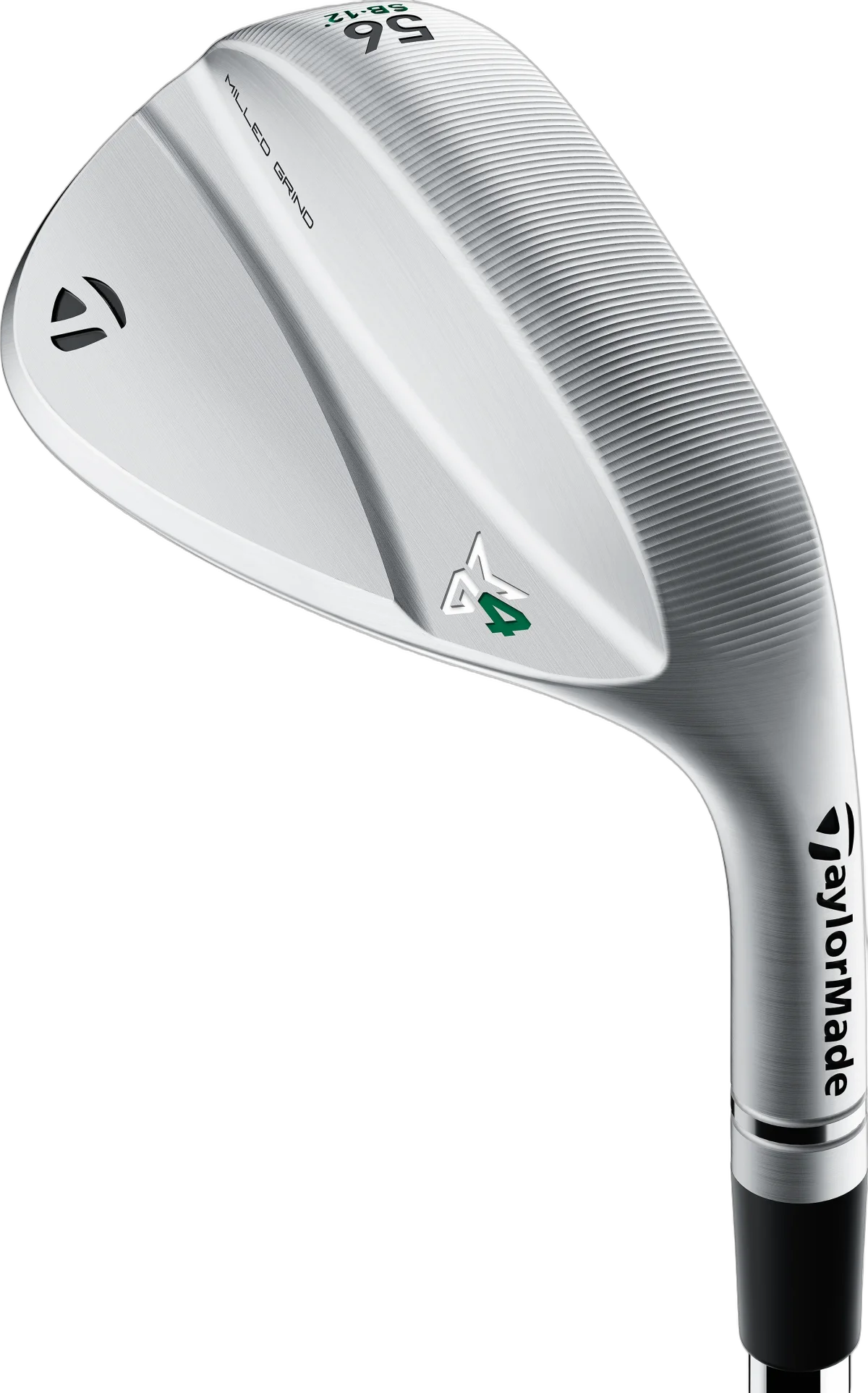
Setting the MG5 behind the ball, the first thing that stands out is how clean the head looks. TaylorMade has pulled back on the branding compared to previous generations, and the result is a minimalist, confident profile. The blade length is slightly generous without being oversized, which inspires confidence across skill levels. The top line is thinner than the MG4, moving it closer to what you would expect from a set of forged players irons.
Two finishes are available: a traditional satin chrome and a new charcoal option that reduces glare effectively in bright conditions. The charcoal looks sharp in the bag and pairs well with darker iron sets, though the softer forged head means wear marks will show up faster on that finish. If you prefer your wedges looking fresh, chrome is the safer bet.
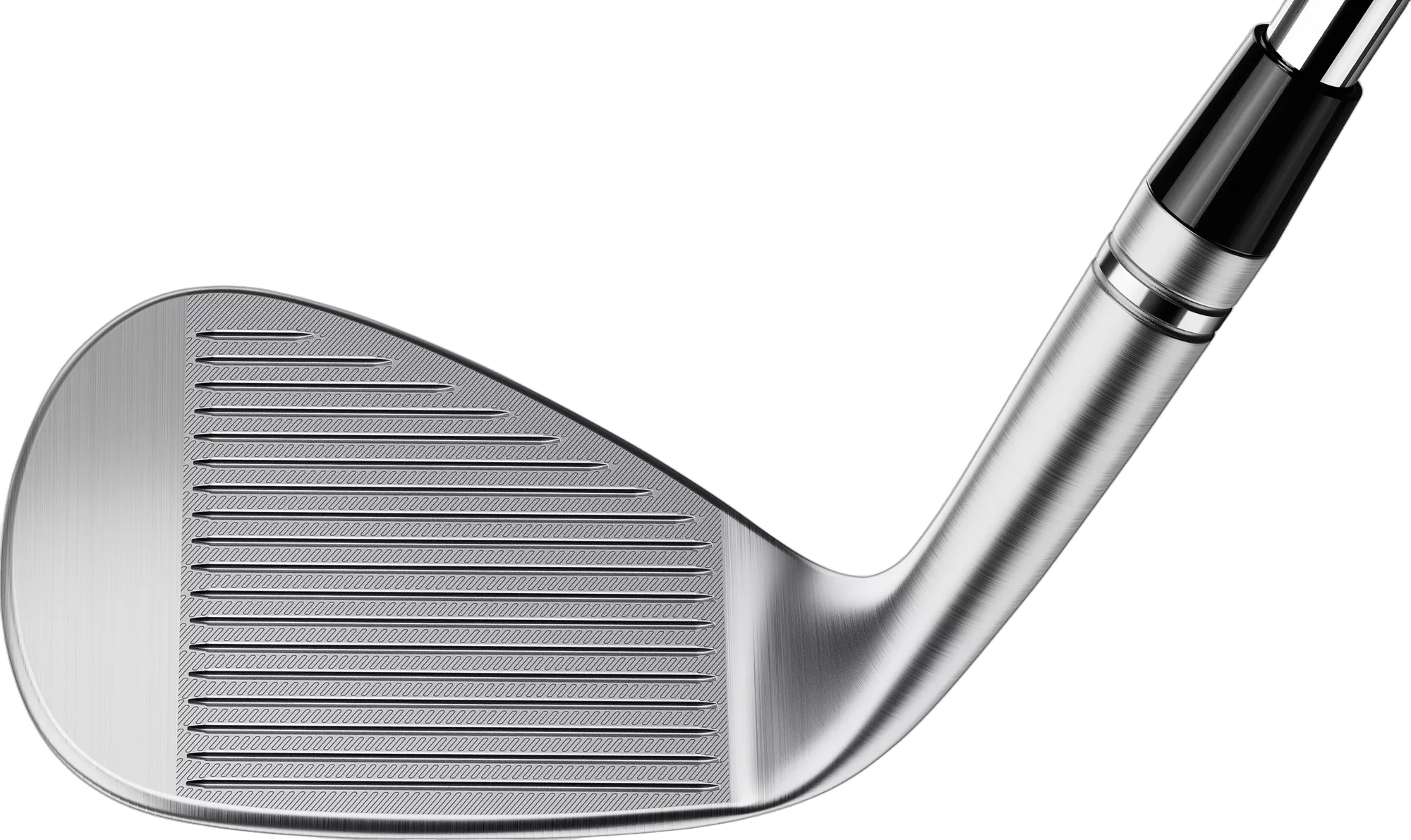
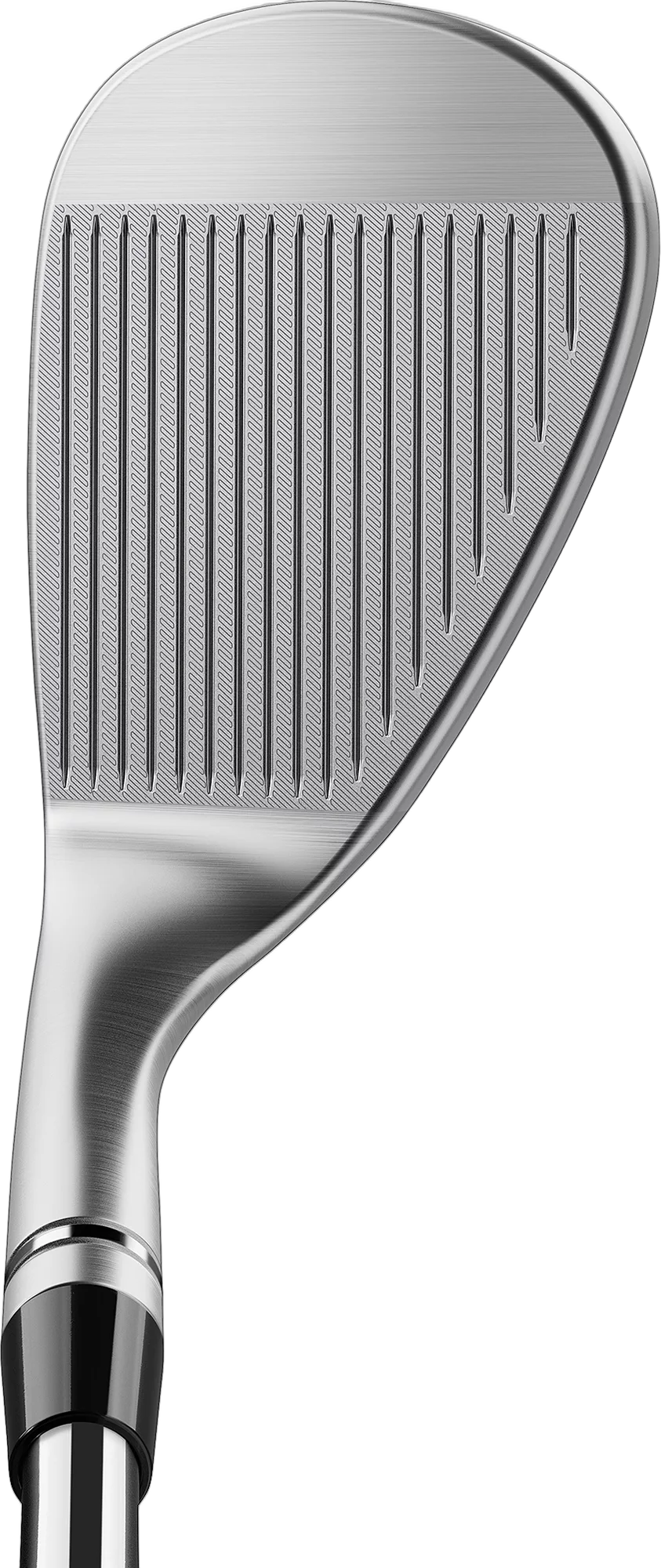
Peeling the protective sticker off the raw face is a small but satisfying ritual. The roughness of the face texture is immediately apparent, and after a couple of rounds, the face begins to develop the rust patina that TaylorMade says adds friction and further reduces glare. It is a wedge that genuinely looks better with use.
Sound & Feel
This is where the MG5 earns its keep. The forged construction produces a noticeably softer, more muted impact than the cast MG4. Full swings generate a satisfying thud rather than a click, and the feedback through the hands is detailed enough to distinguish between center strikes and slight misses. On partial shots and greenside chips, the improvement is even more pronounced. The club feels like an extension of your hands in a way the previous generation simply did not.
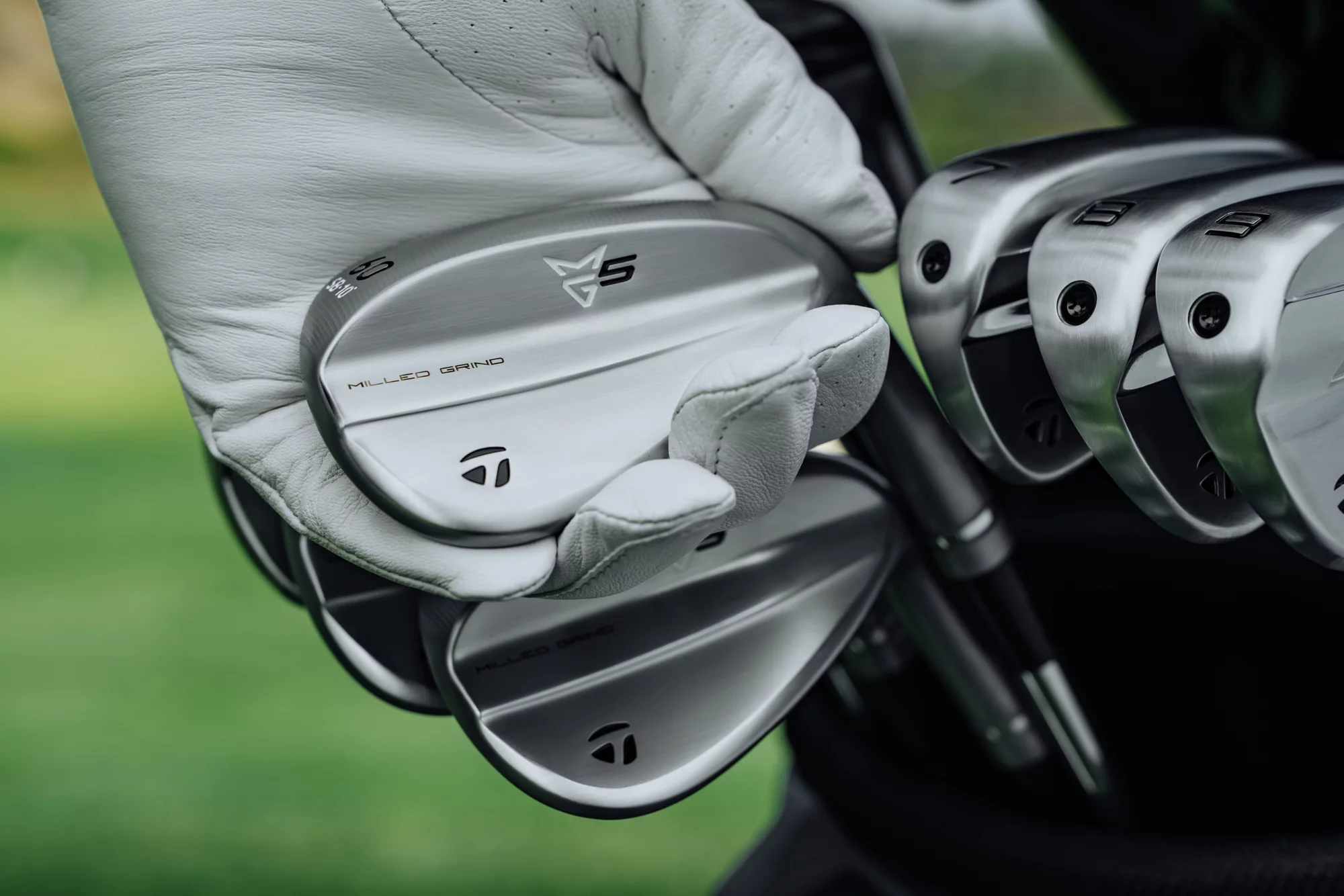
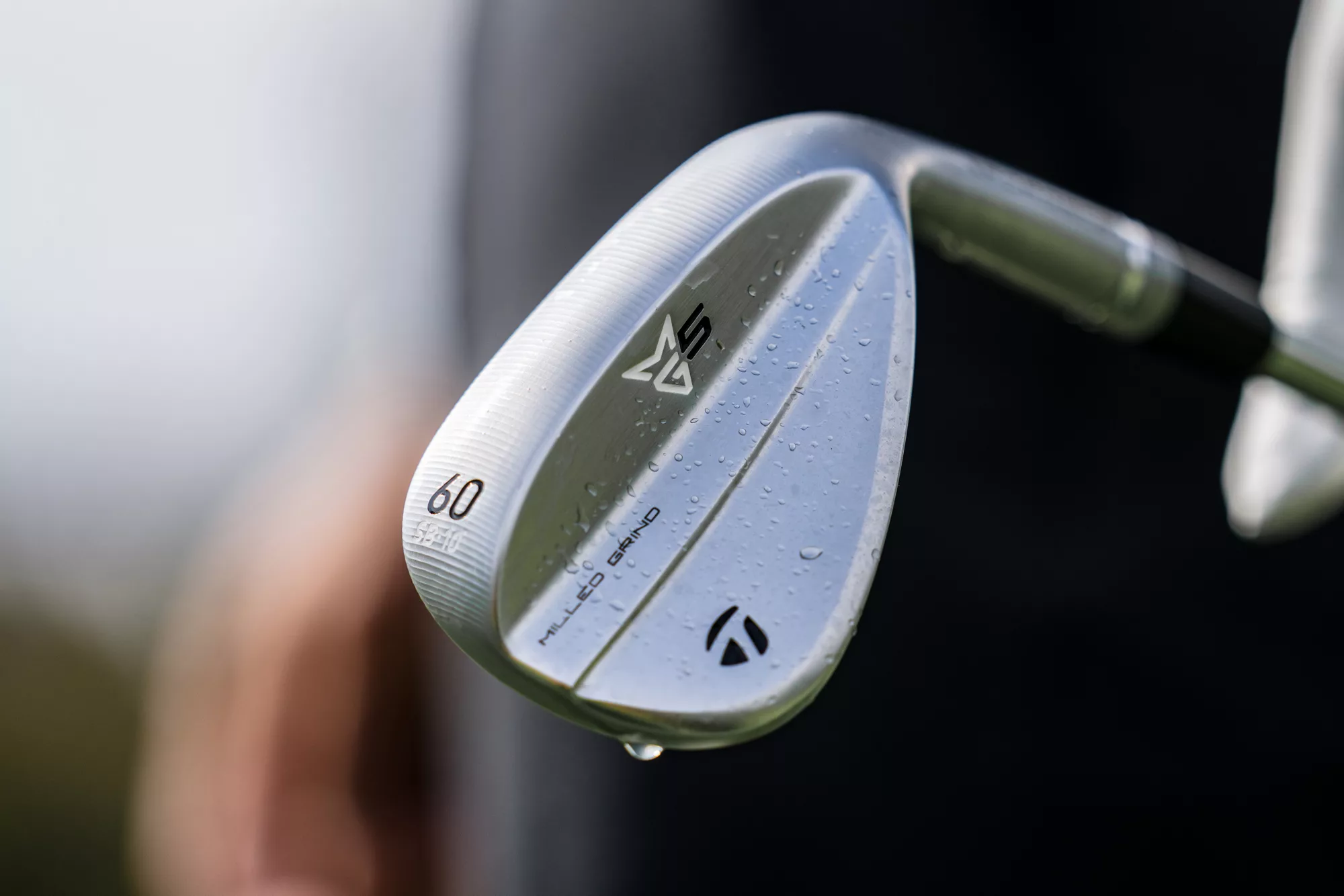
Gloved hand holding MG5 wedges showing back cavity and branding
That said, I would stop short of calling it buttery. It is softer than the MG4, certainly, and the improvement is real, but compared to something like a hand-ground tour wedge, there is still a slight firmness to the strike. For the vast majority of golfers, the feel will be outstanding. For the small percentage who need the absolute softest feedback possible, it is worth hitting one back-to-back with a Vokey or a Mizuno T24 to calibrate expectations.
Performance
Launch & Spin
The spin numbers from the MG5 are genuinely impressive. The saw-milled grooves use a thin, rapidly spinning blade to cut each groove, allowing tighter tolerances and steeper, sharper groove geometry that pushes closer to the legal limits. Combined with the updated Spin Tread laser pattern on the raw face, the result is wedge shots that grab and check with real authority.
On full swings with a 56-degree SB, I was consistently seeing spin rates north of 11,000 rpm, which is high by any standard. Three-quarter shots dropped into the 9,000-9,200 rpm range with remarkable consistency. The standard deviation between shots was tight, which matters more than peak numbers when you are trying to predict how a ball will behave on the green.
The bigger story is wet weather performance. TaylorMade claims the MG5 retains 13% more spin in wet conditions compared to the MG4, narrowing the gap between dry and wet performance to roughly 4.5 degrees of launch variation and 2,800 rpm of spin variation, compared to 6.4 degrees and 4,200 rpm in the previous generation. In practice, morning rounds with dew on the grass no longer felt like I was gambling on whether a pitch shot would check or run through. The grooves and face texture channel moisture away from the contact zone effectively.
Dispersion & Shot Shape
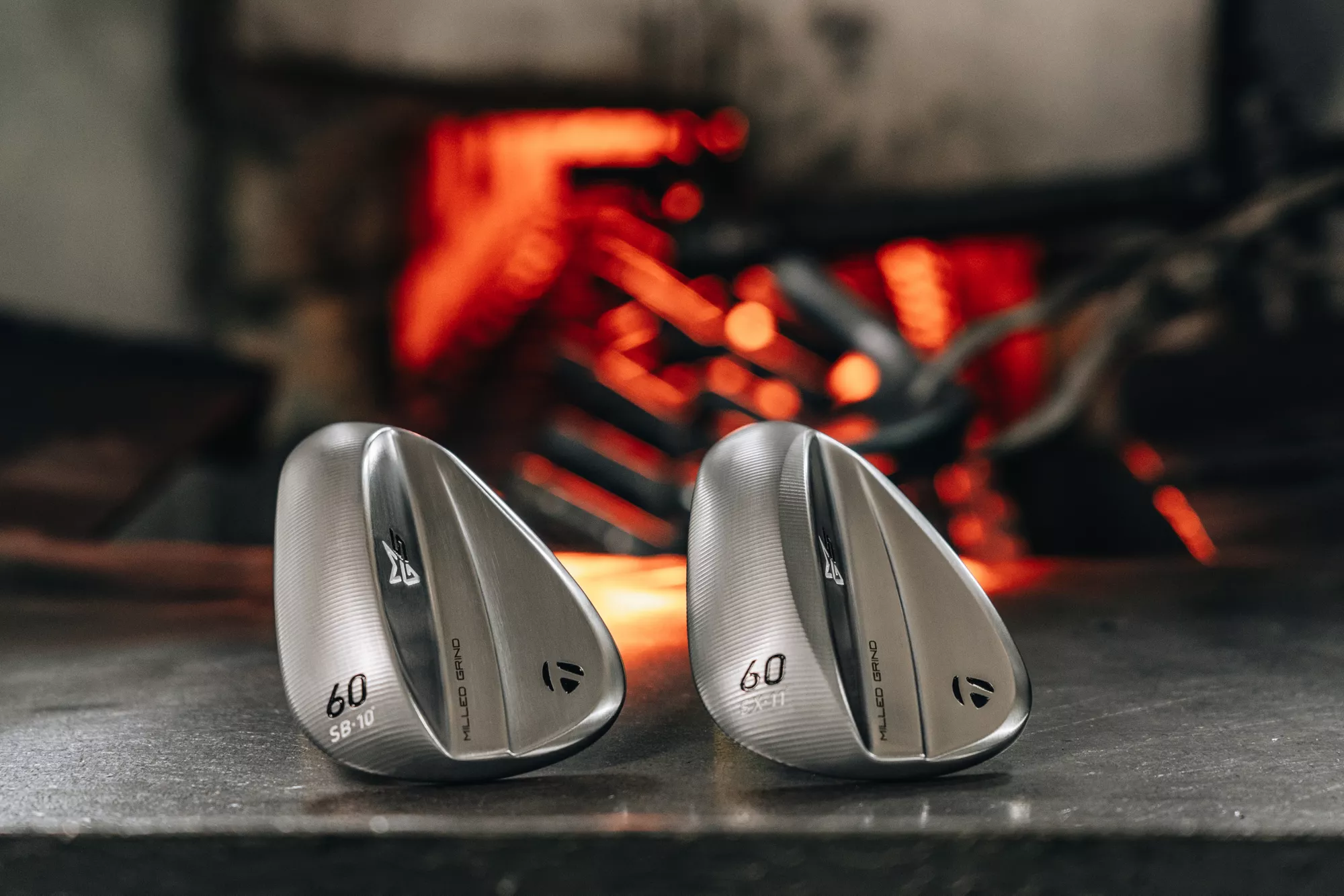
Each of the six grinds plays a distinct role, and the differences are not subtle. The SB is the workhorse: a four-way camber sole with added width that provides stability on full shots and enough versatility to open the face for greenside work. Tommy Fleetwood games this grind, and I understand why. It does everything adequately and most things well.
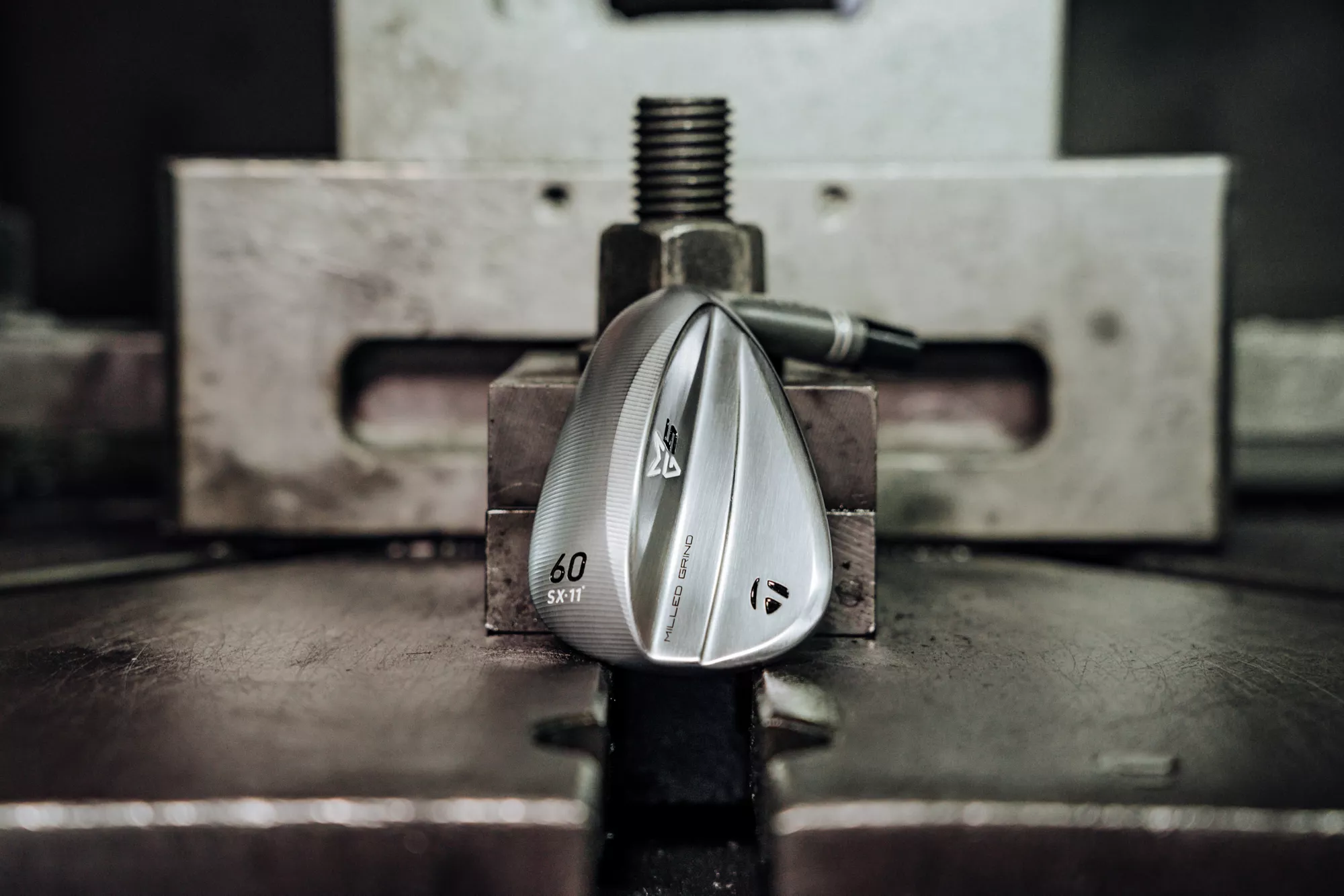
Two 60-degree MG5 wedge soles displayed in front of a forge
The SC offers more heel and toe relief for golfers who like to manipulate the face aggressively. The leading edge stays lower when you lay the club open, which is critical for flop shots and delicate pitches off tight lies. If you play a lot of creative shots around the green, this is the grind to test first.
The brand-new SX is an interesting addition. It has the widest sole in the lineup but sits in the mid-bounce range, which gives it a unique combination of stability and versatility. The reverse-C trailing edge keeps bounce consistent as you open and close the face. Out of bunkers, it was the easiest grind to use, and it has real anti-dig protection on the leading edge for players who tend to get steep.
Long shots with the MG5 launch with a penetrating ball flight that held up well in wind. Distances felt predictable and controllable. On pitches and chips, the ball came off low with plenty of bite, which made distance control straightforward. The forgiveness on slight mishits was reasonable for a blade-style wedge, though golfers who struggle around the greens might want to look at the Hi-Toe line for more help.
Verdict
The MG5 represents the most complete wedge TaylorMade has ever produced. The forged construction delivers meaningfully better feel than the MG4, the saw-milled grooves generate elite spin levels in both dry and wet conditions, and six thoughtfully designed grinds cover virtually every swing type and turf condition. The raw face continues to be one of the grippiest in the game.
The weaknesses are minor. The charcoal finish will show wear quickly on a soft forged head. The price at $199 is at the top of the market. And while the feel has improved considerably, it is not quite the buttery softness that the marketing might suggest to some players. These are nitpicks on an otherwise excellent wedge.
If you currently play the MG4 and are happy with the performance, this is not a must-upgrade. The spin technology is better, but not by a margin that justifies the cost if your grooves are still fresh. For everyone else, whether you are buying your first set of premium wedges or looking to move away from Vokey or Cleveland, the MG5 deserves a serious look. Get fitted for your grind. The differences between them are significant and personal.