Cleveland RTZ 2 Tour Satin Wedge Review
Cleveland — Cleveland RTZ 2 Tour Satin Wedge · By Troy · Aug 26, 2026
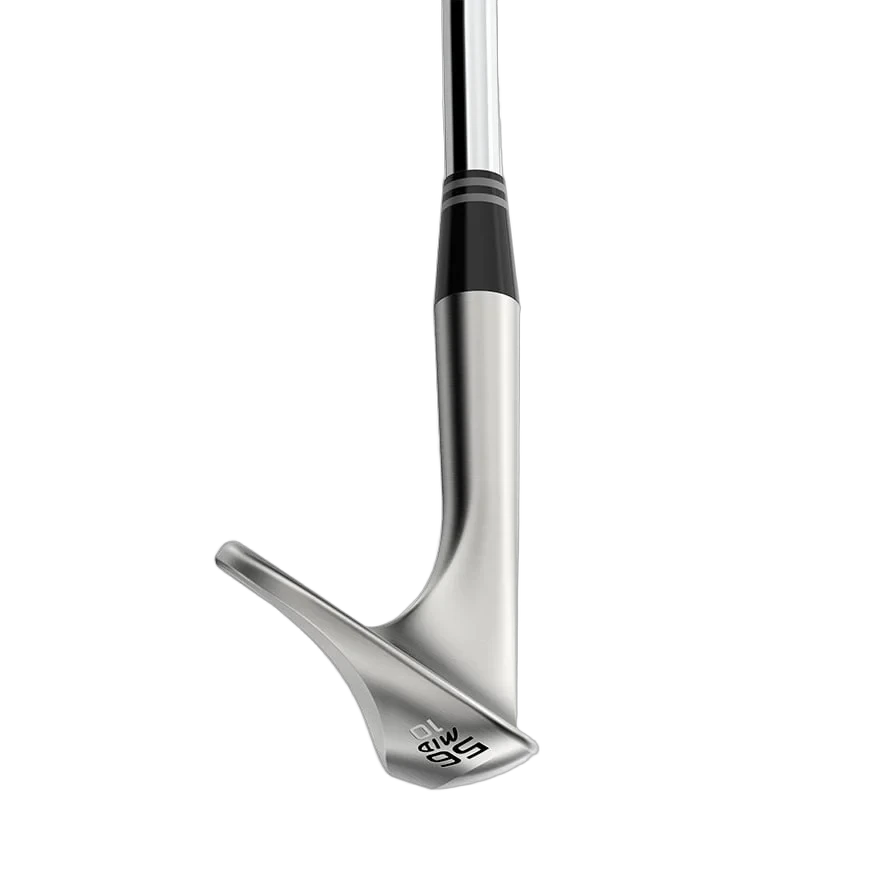
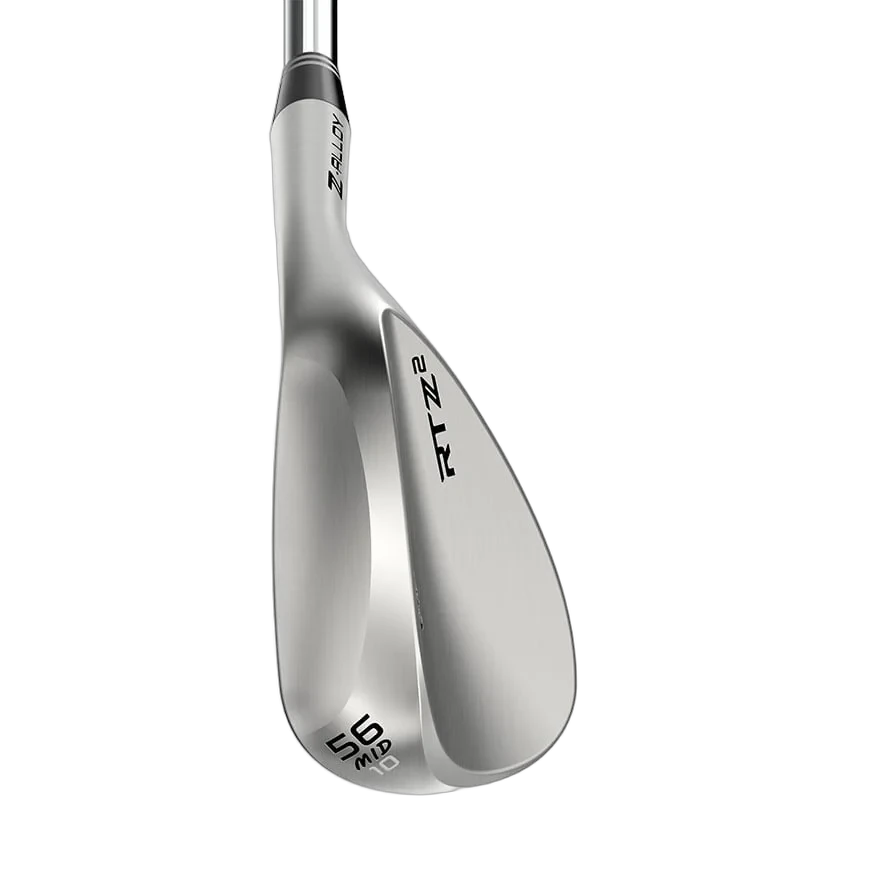
Roger Cleveland is back at the grinding wheel, and the RTZ 2 might be the most complete wedge his company has made.
The Big Picture
The original RTZ was already one of the best wedges Cleveland had made in years, so the bar for a second generation was high. The RTZ 2 clears it. Not with a dramatic redesign, but with the kind of quiet refinement you get when the man whose name is on the club is involved again. Roger Cleveland, still designing in his ninth decade, has his fingerprints on every sole here, including the return of his 588 grind, the shape that won majors for Tiger Woods, Vijay Singh, and Ernie Els.
The headline tech is ZipCore iQ, an update to the internal core idea Cleveland introduced in 2020. A lightweight aluminum-silicate filling, about a quarter the density of the steel it replaces, sits in the hosel-heel area and frees up mass so the center of gravity lines up with where you actually hit the ball. The "iQ" part is that the shape and amount of that filling now change with each loft and grind instead of being one fixed block. A 46-degree gap wedge gets tuned differently than a 60-degree lob wedge, which makes sense, because you use them for completely different shots.
At $199.99, or $219.99 for the raw Tour Rack finish, the RTZ 2 comes in well under its main rivals, with 24 loft, bounce, and grind combinations from 46 to 64 degrees.
At Address
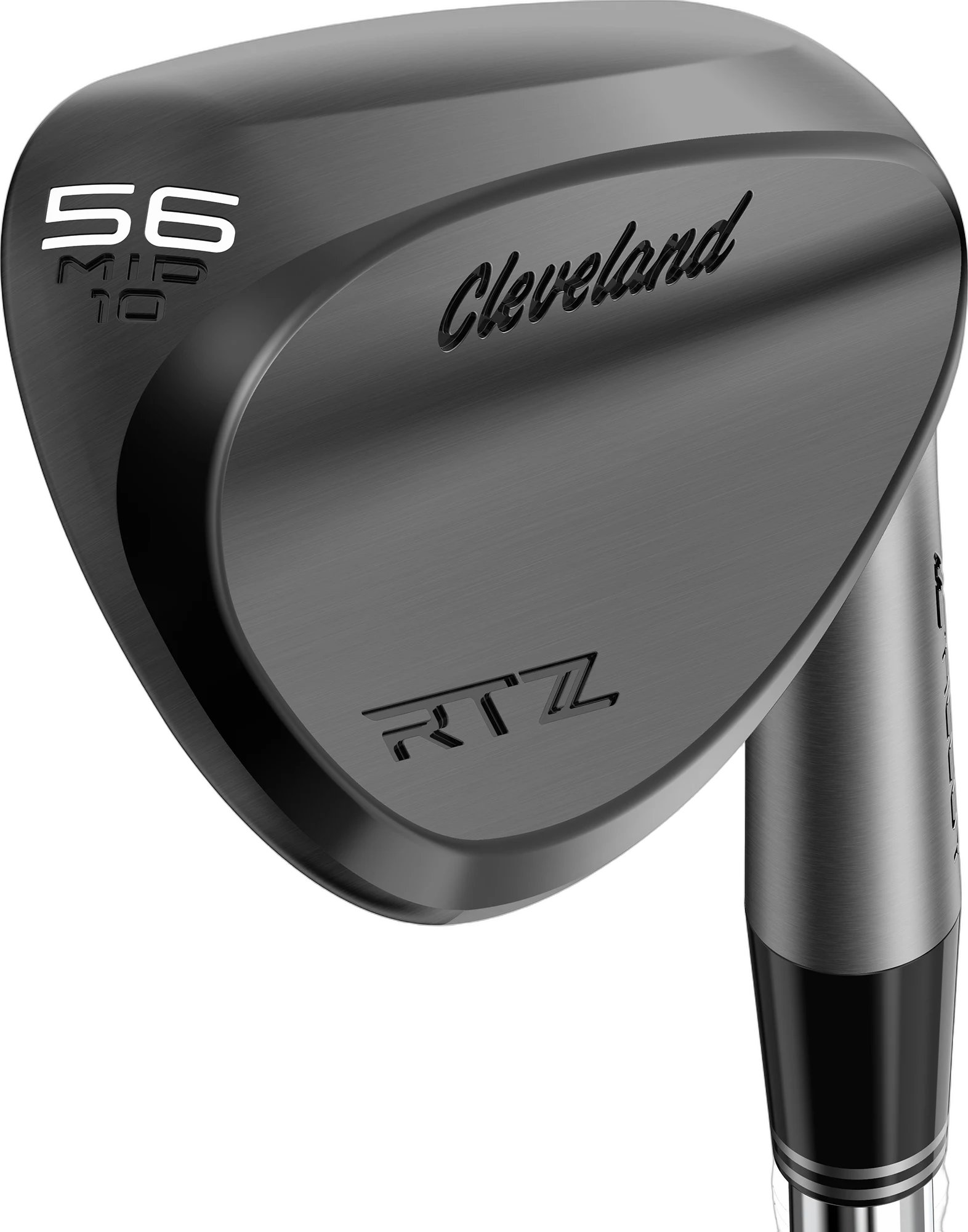
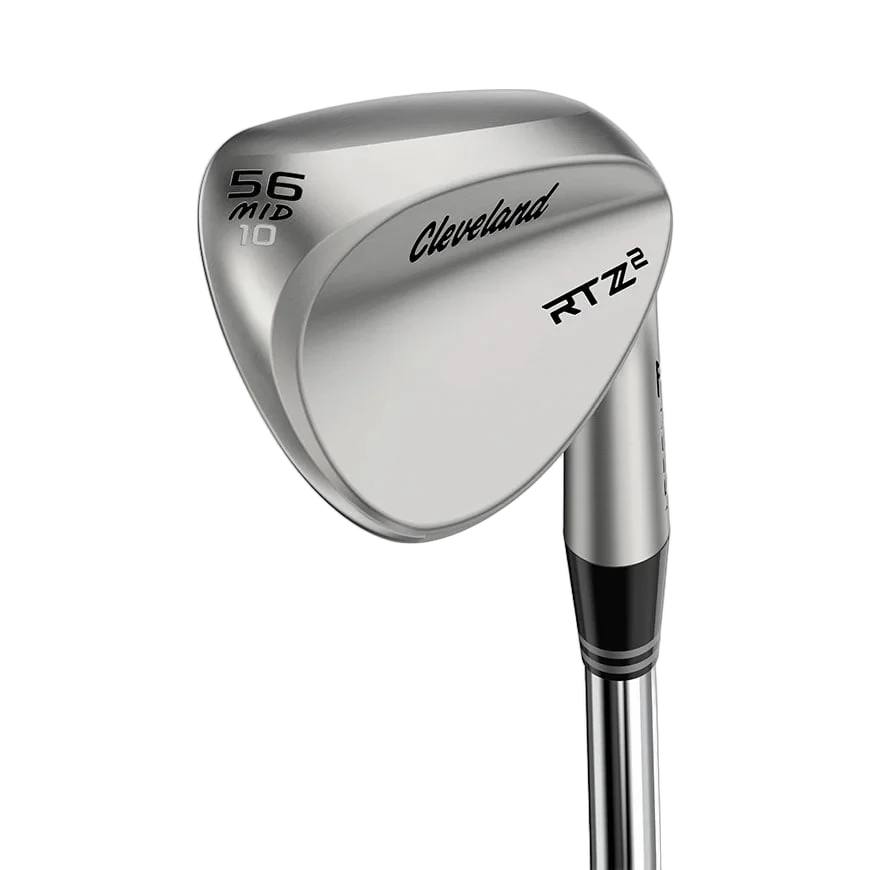
Nothing about the RTZ 2 asks for attention, which is the point. It's a traditional tour-style wedge with a thin top line, a compact blade, and the rounded Cleveland teardrop shape. The toe and heel sit a little tall, so you get more face than the compact size suggests, and that quietly helps on open-face shots.
Clean topline and compact teardrop shape looking down at address.
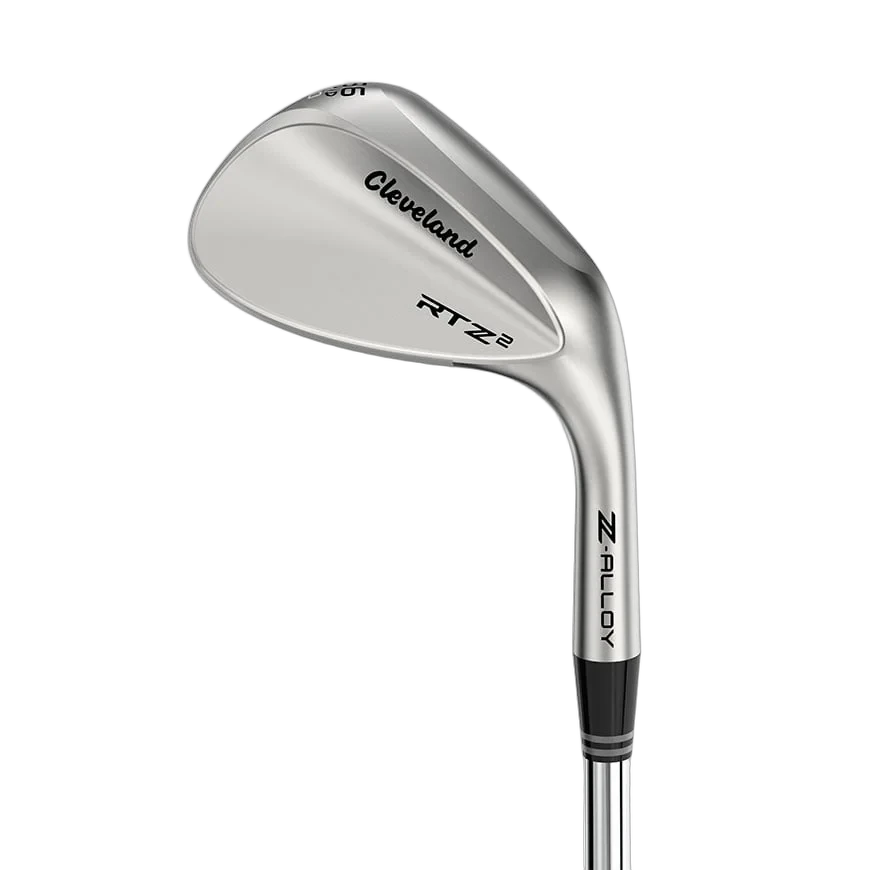
The back is clean. Cleveland branding up top, "RTZ 2" tucked into the heel, and a big blank area that either takes custom stamping well or looks fine left alone. The rough milling on the toe carries over from the first RTZ and is still my favorite detail on the club. The Tour Satin finish I tested is understated and doesn't glare. Black Satin and the raw Tour Rack are the other two.
Sound & Feel
Z-Alloy is the quiet part that matters most. Cleveland's own steel runs about 10 percent softer and less dense than standard carbon steel, and you notice it right away. Off a urethane ball it's a medium-soft thud, not high or clicky, a midrange note that firms up a bit on bad misses so you still get honest feedback.
Feel is where this wedge pulls ahead. The ball seems to stay on the face a hair longer, more of a melt than a ping, whether it's a full gap wedge or a soft chip off the fringe. You can tell where you caught it every time, but mishits don't sting unless you really thin one. Next to a Vokey it's just softer. That's subjective, sure, but it's the sort of feel that gets people to switch after one range session. Z-Alloy also resists rust and wear better than carbon steel, so the grooves, and the feel, should hold up longer.
Performance
Spin & Stopping Power
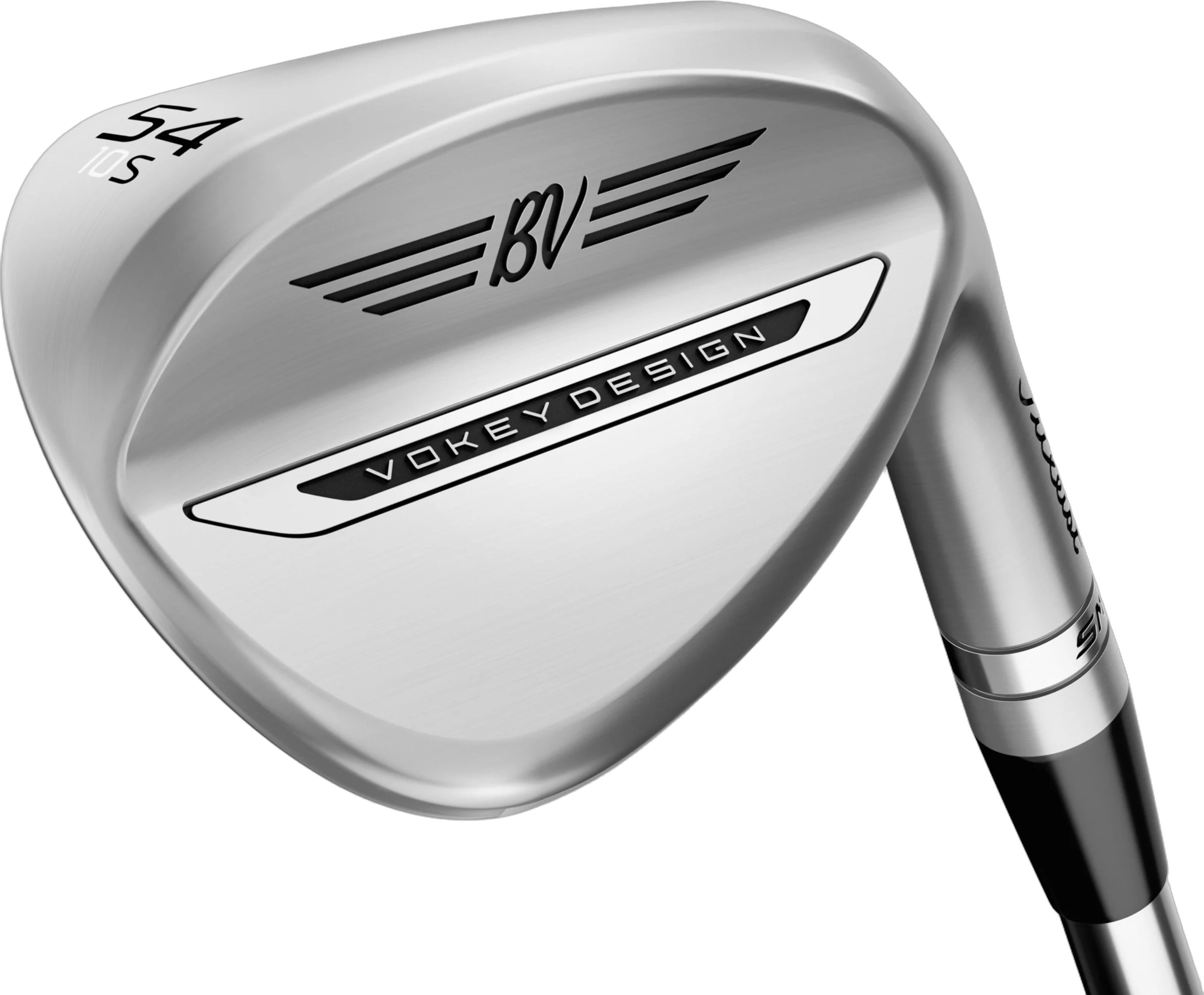
The spin is the headline. From the first swing on the launch monitor, everything from pitches to half shots to full swings sat at the top of the range. On an 85-yard shot with the 54-degree I saw spin climbing past 10,000 rpm with launch in the low 30s. On a 50-yard pitch against a Titleist Vokey SM11, the RTZ 2 put up 465 rpm more spin on the same half-swing, launched a touch higher, and peaked about two feet higher, so it lands steeper and stops sooner. Rollout on full shots was as little as a foot.
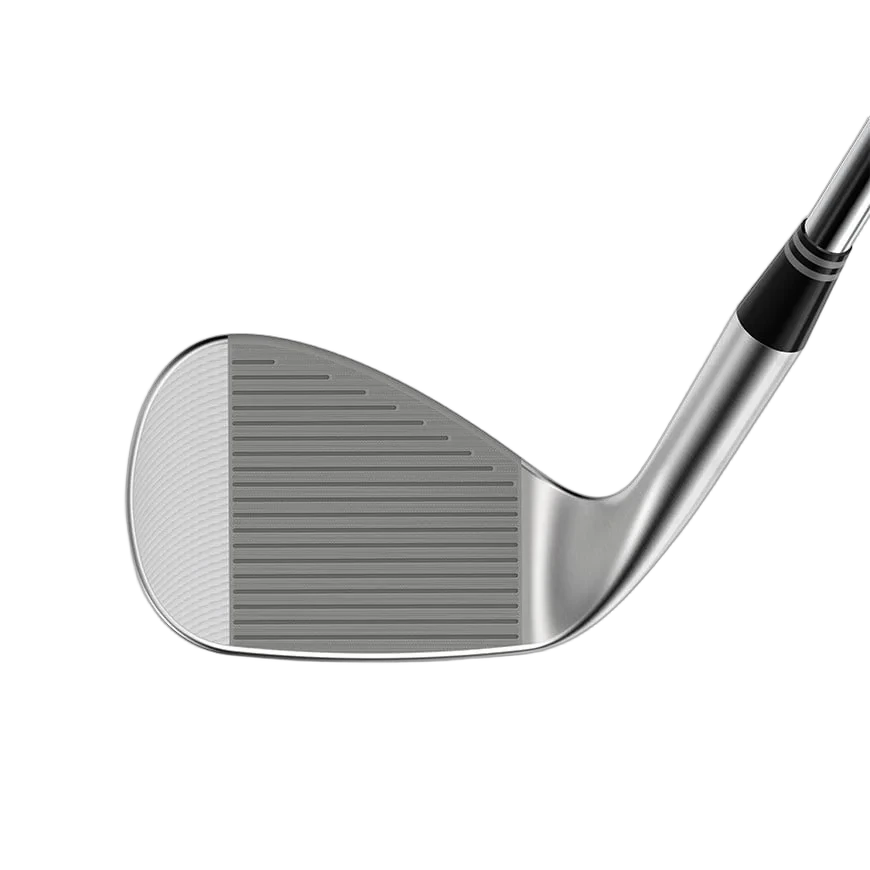
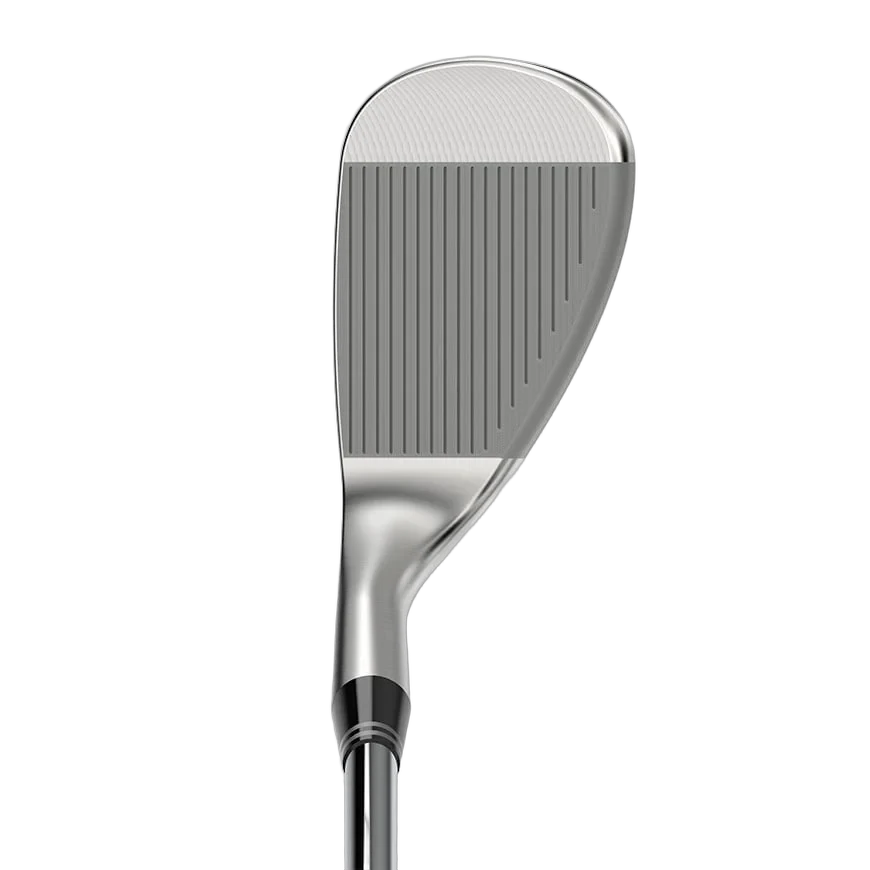
Credit the UltiZip grooves, deeper and sharper and tighter than before, plus the HydraZip laser-milled face blast. The texture is loft-specific, roughest on the sand and lob wedges where partial-shot spin matters most. In morning dew and on watered greens, where spin usually falls off a cliff, the grooves cleared the moisture and kept the ball biting. Even out of the rough with a dirty face, shots checked harder than they had any right to.
Consistency & Forgiveness
This is where ZipCore iQ earns its name. Ball speed on off-center hits is steadier than a tour wedge has any business being. Toe strikes on soft bunker shots still carried a reasonable distance instead of dropping short, and as the sample grew the spread in carry, spin, and flight stayed tight. It's not a cavity-back, so sloppy contact still costs you, but the small misses that used to leak into bunkers were finishing on the green.
The muscle back and Z-Alloy construction behind that soft feel.
Grinds & Versatility
Five grinds cover just about any swing and turf: the do-everything Mid at 10 degrees of bounce, the high-bounce Full for steep swings and soft sand, the low-bounce Low for firm turf, the Adapt with its high toe and full-face grooves for open-face shots, and the returning 588. The 588 is the one to talk about. Slightly wider sole, eight degrees of bounce, and a lot of trailing-edge relief, so it slides through tight lies and even wet bunker sand without digging, and it opens up easily without the leading edge riding off the turf. If you tend to dig, this grind alone might fix your short game.
Verdict
The RTZ 2 is hard to poke holes in. It spins more than the wedge most people treat as the benchmark, feels softer, forgives a little more, and costs 10 to 15 percent less. The plain looks hide some genuinely clever engineering, and with five grinds, the 588 included, there's a fit for pretty much any swing and any course. Better players get the workability and feedback they want, and mid-handicappers get the most forgiving tour-style wedge Cleveland has built without really noticing why. If you're buying wedges this year, put it near the top of the list.