Titleist GT2 Driver
Titleist — Titleist GT2 Driver · By Lauryl · Feb 9, 2026
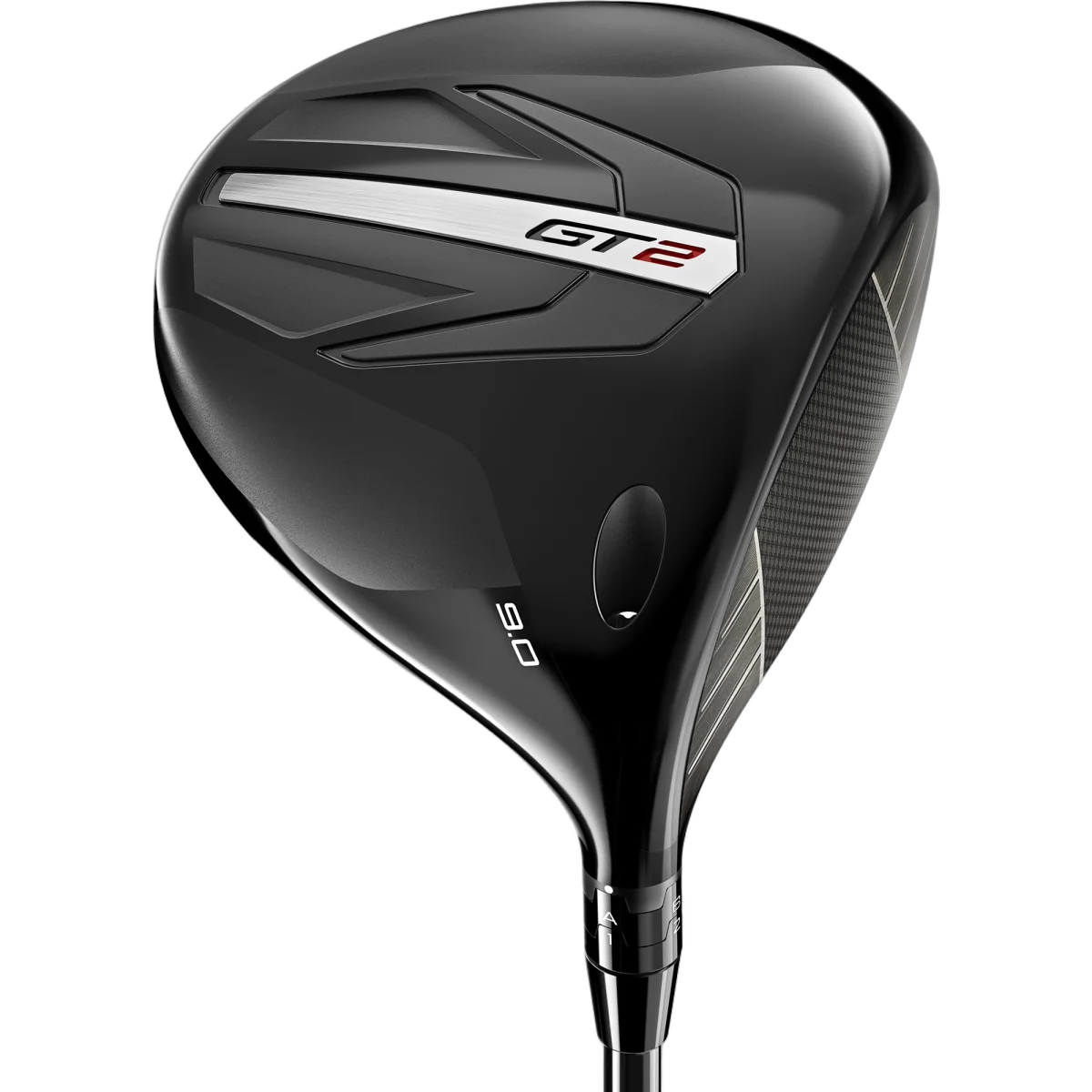
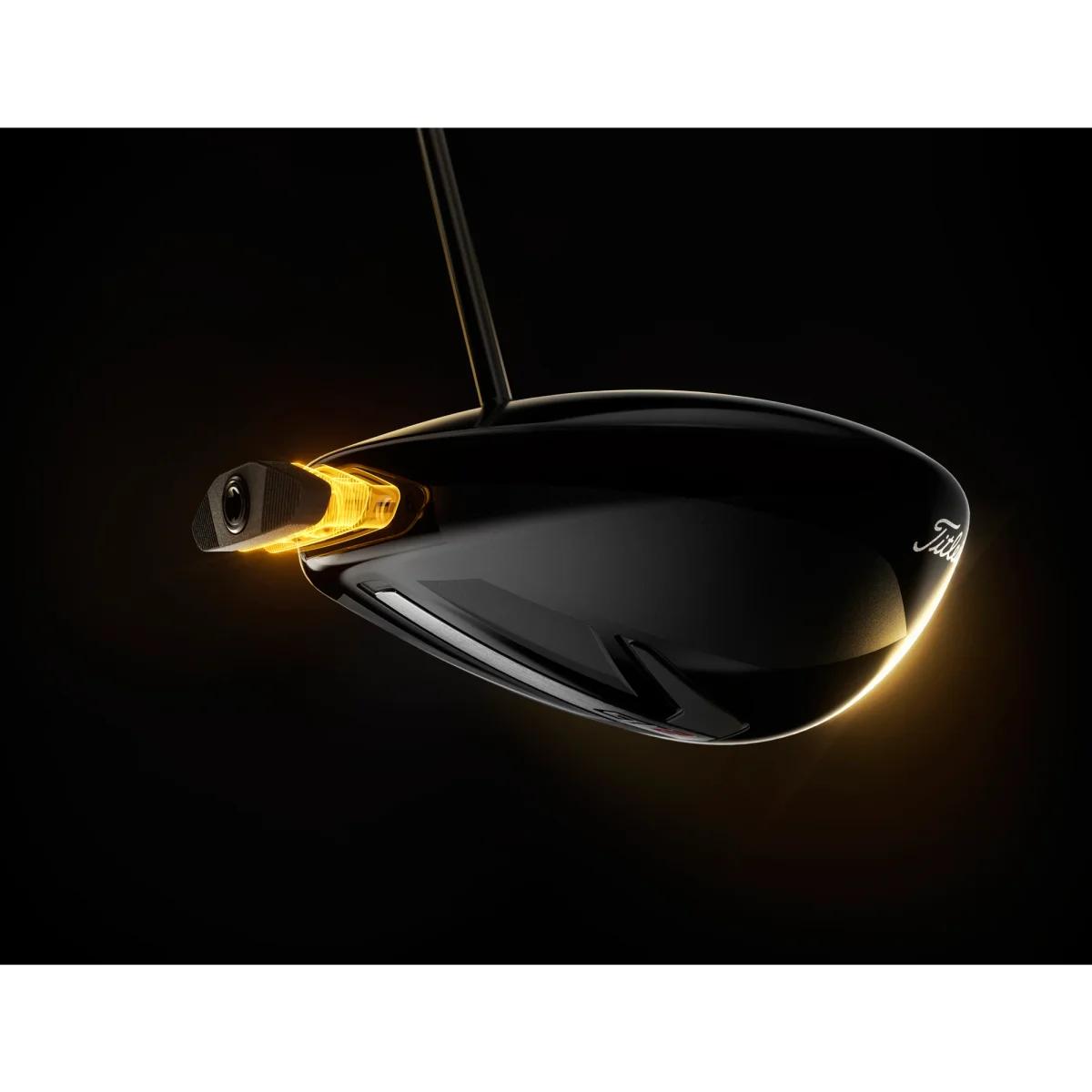
Titleist's longest and most forgiving driver yet delivers serious ball speed -- but forgiveness may not be quite as bulletproof as the marketing suggests.
The Big Picture
The GT2 is the high-MOI, maximum-forgiveness entry in Titleist's GT driver family, launched in late 2024 as the successor to the TSR2. At 460cc, it is designed for golfers who need stability across the face without giving up speed off the tee. The headline technology is the Seamless Thermoform Crown, crafted from a proprietary matrix polymer that is dramatically lighter than the carbon composite crowns used in previous generations. That weight savings allowed Titleist's engineers to redistribute mass both low and forward for speed and deep and back for MOI -- a balancing act that previous designs had to compromise on.
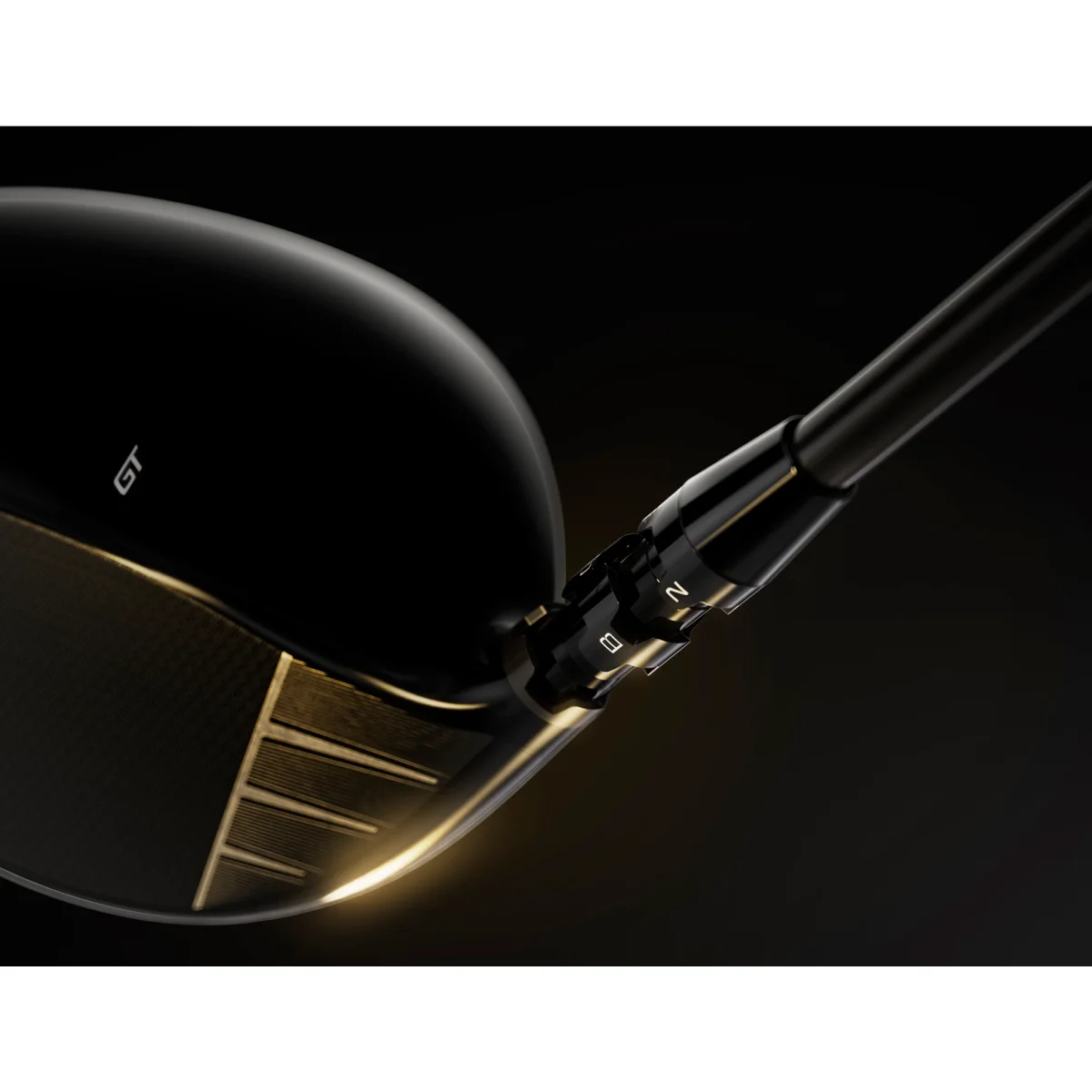
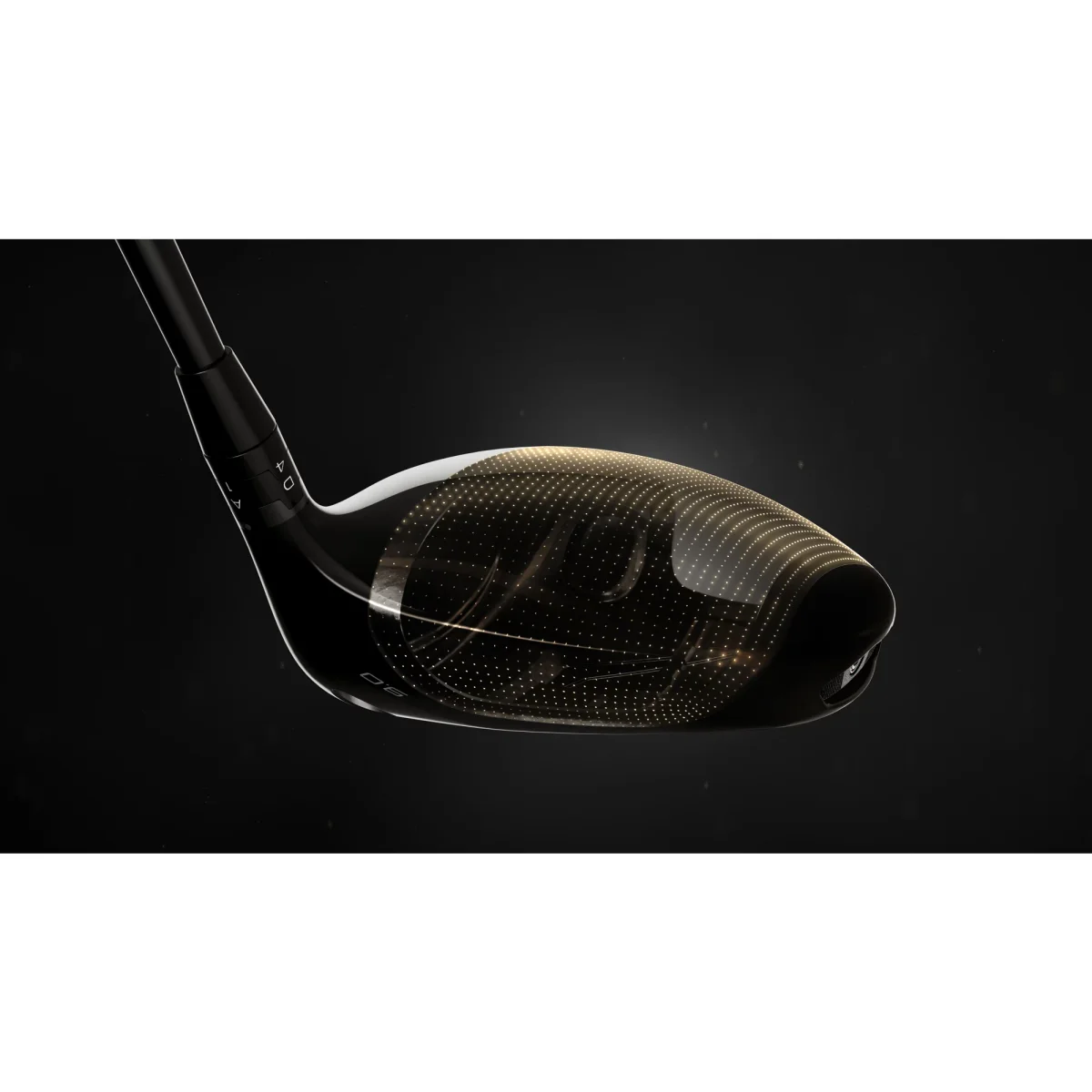
The face features an upgraded titanium Speed Ring that reinforces and stabilizes the perimeter, producing maximum allowable ball speed on center strikes. Behind that, a Variable Face Thickness design preserves speed on off-center hits, reducing the distance penalty when you miss the sweet spot. An interchangeable back weight lets a fitter dial in headweight and swingweight, and the SureFit adjustable hosel offers 16 loft and lie combinations across a range of +1.5 to -0.75 degrees.
Available in 8, 9, 10, and 11 degree loft options, the GT2 originally retailed at $649. With Titleist's next generation now on the horizon, street prices have dropped significantly -- you can find the GT2 in the $450 to $500 range at most retailers, making it a considerably better value proposition than it was at launch.
At Address
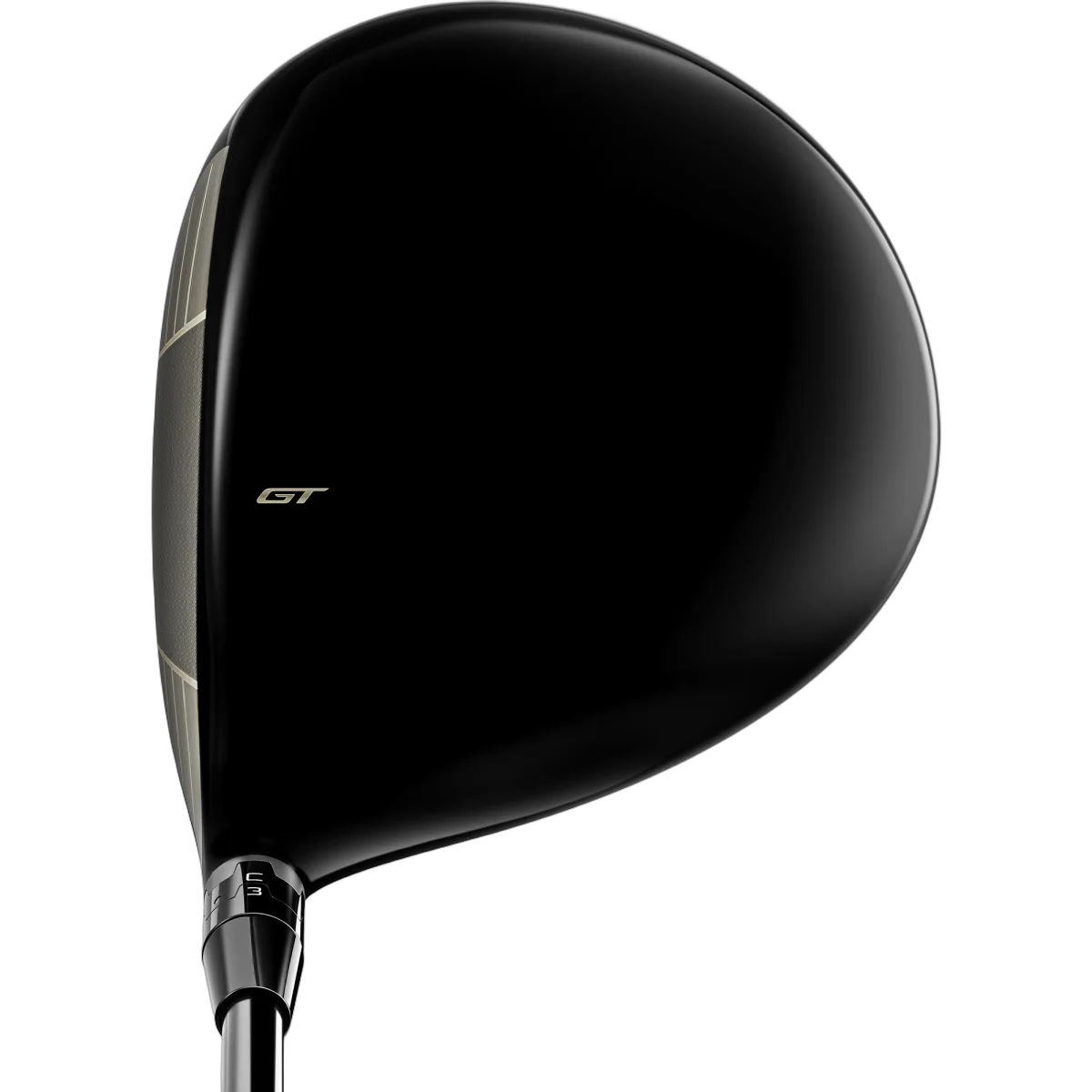
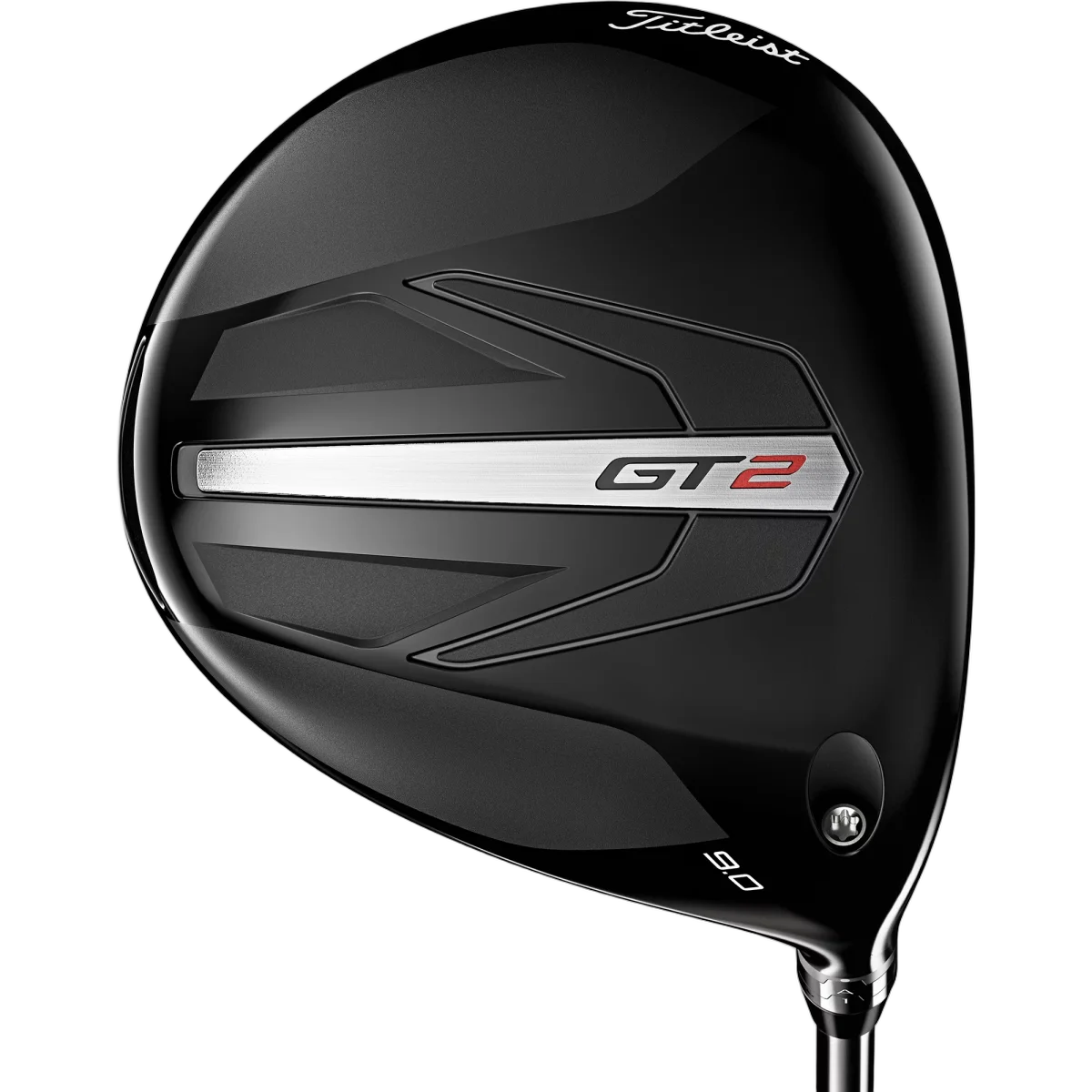
Titleist got the aesthetics right on the GT2. The gloss black crown is totally clean, with no visible seams -- a feature that Titleist's Tour staff specifically requested. The crown is hand-finished before paint is applied, giving it a seamless, one-piece appearance that recalls the look of classic all-metal driver heads. The only marking visible from the playing position is the subtle "GT" alignment aid, which is understated but effective.
Crown view at address with glossy black finish and GT logo
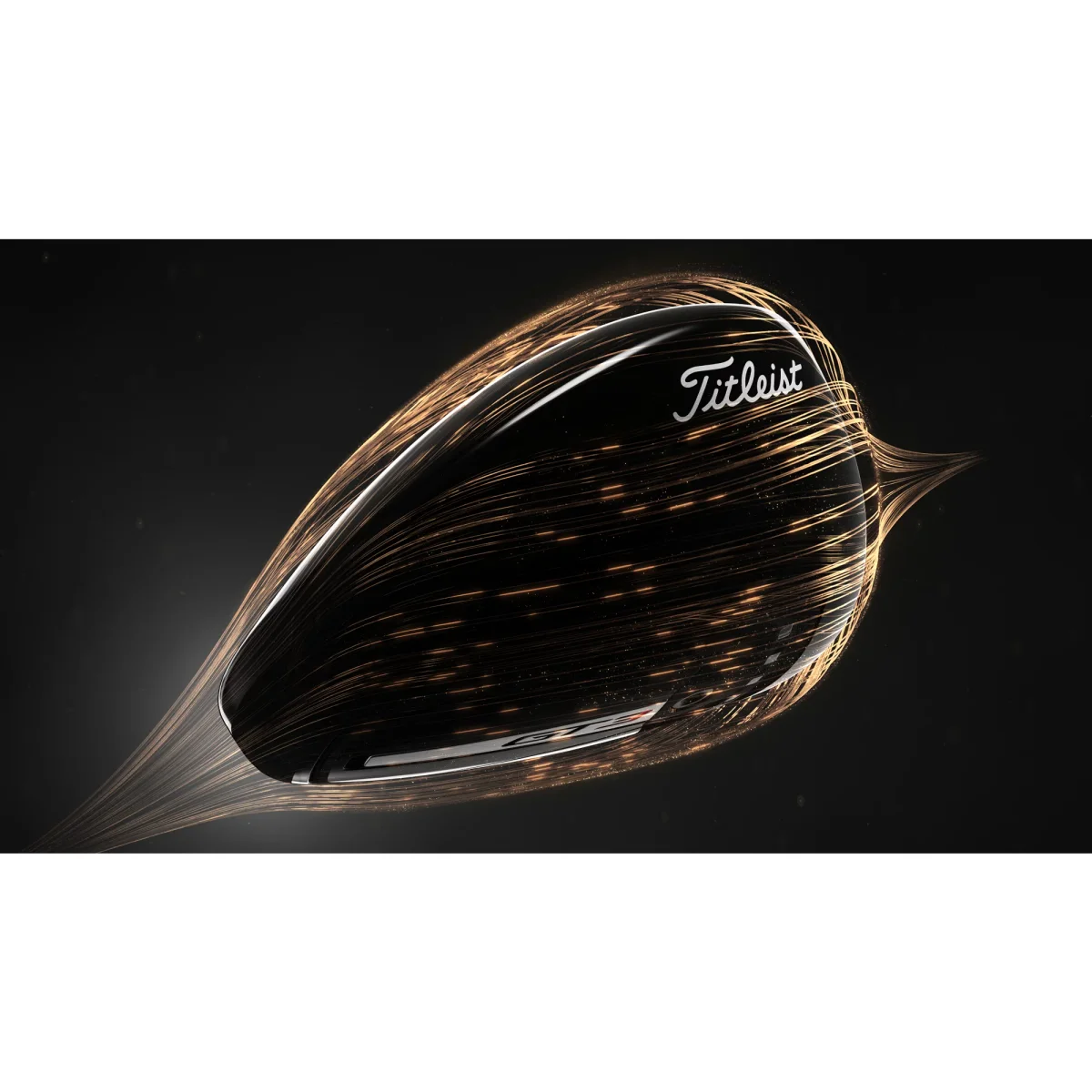
The head shape is refined compared to the TSR2, with sharper contours and a slightly more aerodynamic profile. It sits behind the ball with a purposeful, compact appearance that belies its full 460cc volume. The glossy finish will catch sunlight on bright days -- a few golfers I know would prefer a matte option -- but overall, this is one of the better-looking drivers in the game-improvement category. It inspires confidence at address without looking oversized or clunky.
Sound & Feel
The GT2 produces a percussive, high-energy crack at impact that is louder and more lively than the TSR2. It is not a quiet driver. The sound has a slightly high-pitched smack quality that cuts through the air and leaves no doubt about contact. On well-struck shots, there is a hot, explosive feel through the hands that matches the acoustics perfectly -- you know immediately when you have found the center.
What impressed me is how the feedback works on mishits. The GT2 communicates strike location honestly through the hands without ever feeling weak, thin, or harsh. Off-center contact tells you something went wrong, but the sensation is informational rather than punishing. The face retains a solid, lively quality even when you miss the middle, which keeps your confidence intact over 18 holes. Compared to the somewhat muted character of some competing high-MOI drivers, the GT2 has genuine personality in the sound and feel department.
Performance
Ball Speed & Distance
This is where the GT2 makes its strongest case. In my testing, the combination of the Speed Ring face technology and optimized CG placement produced consistently fast ball speeds, even on strikes that drifted an inch or more from center. Carry distances averaged in the 263 to 268 yard range at moderate swing speeds, with total distances pushing toward 284 yards when conditions allowed for rollout. With a faster swing, those numbers climbed meaningfully.
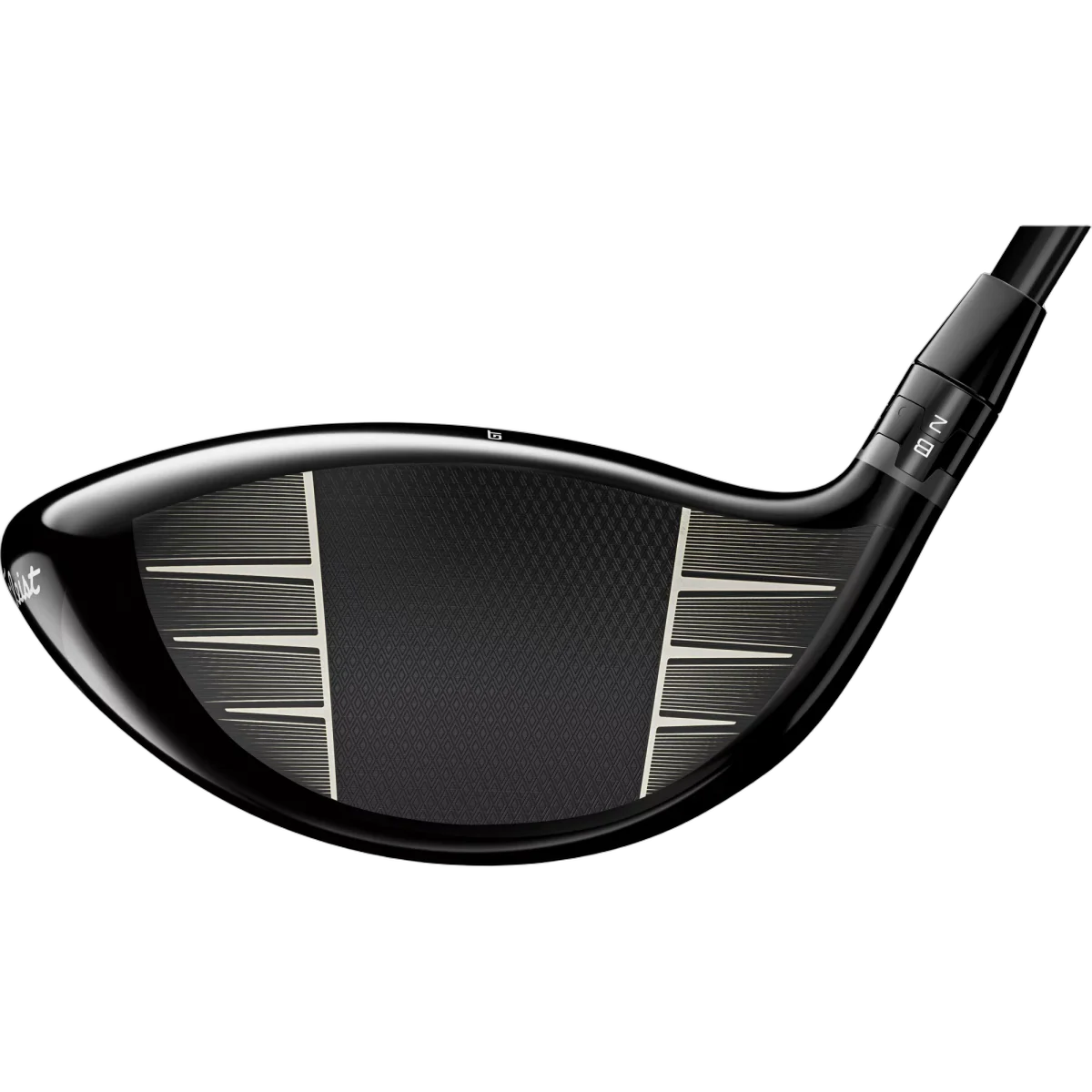
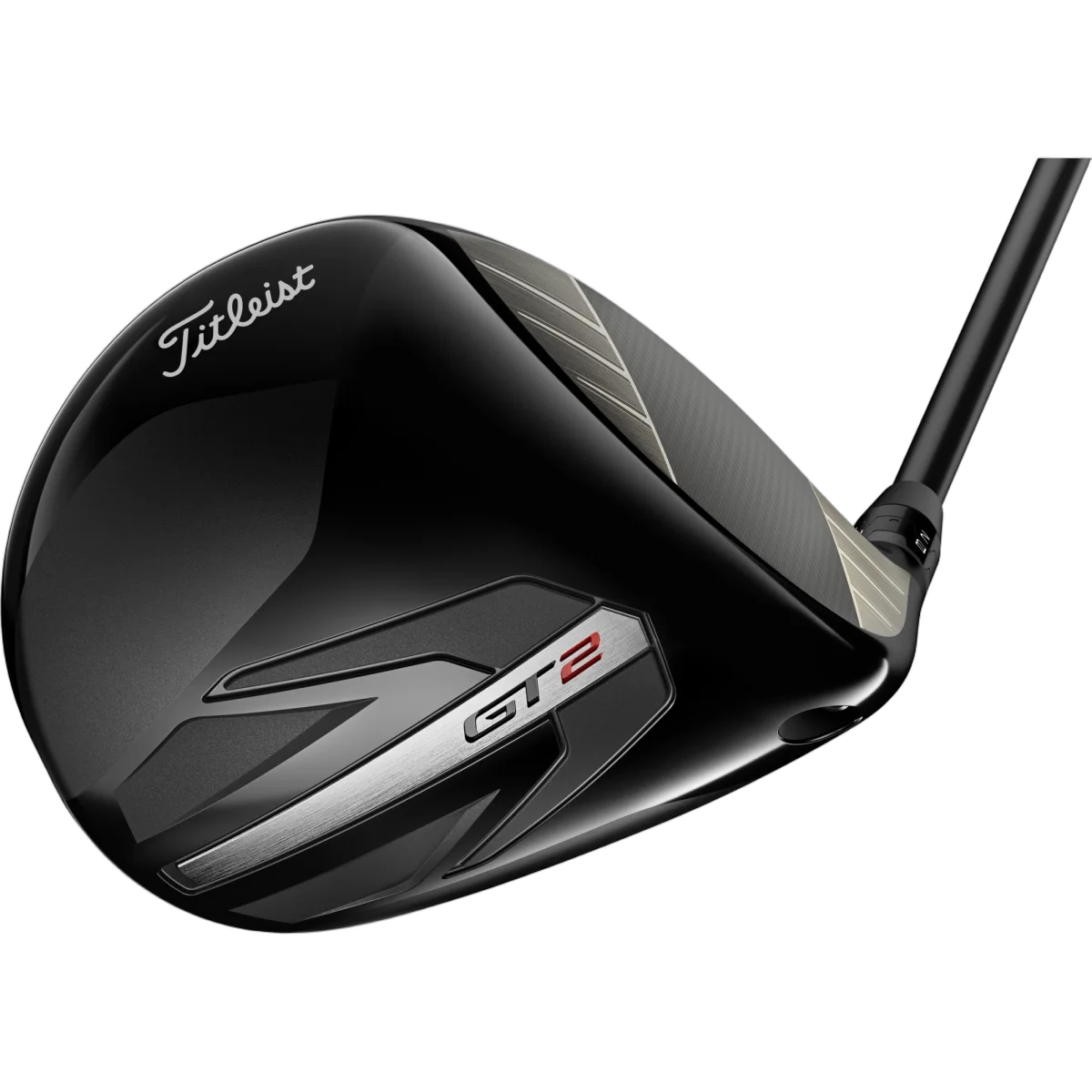
Open face showing multi-zone variable thickness design
The GT2 was notably longer than the TSR2 it replaces. Robot testing has confirmed the two are close on carry, but the GT2's improved aerodynamics -- a product of the sharper, more streamlined head shape -- contribute to higher clubhead speed that adds up over a round. The real-world distance gains I saw over the TSR2 were in the 5 to 8 yard range on average, with the biggest improvements coming on off-center strikes where the VFT face design kept ball speed from falling off a cliff.
One community member reported picking up roughly 20 yards compared to a PING G430 10K after switching to the GT2, which aligns with what I would expect for a golfer moving from a maximum-stability design into something with a more speed-oriented CG placement. That said, individual results will vary enormously depending on fitting -- shaft selection in particular made a significant difference in my testing.
Launch & Spin
The GT2 produces a high launch, low spin flight profile. Launch angles in my testing sat in the 11 to 13 degree range depending on loft configuration, and spin rates settled between 2,300 and 2,700 rpm on most strikes. That combination creates a flight that gets up quickly, carries well through the air, and lands with enough angle to hold a fairway without sacrificing rollout.
Low-face strikes, which typically generate excessive spin and kill carry distance, were better controlled than I expected. The Spinsistency-style behavior of the VFT face brought spin back into the 2,200 to 2,300 rpm range on those low hits, preventing the ballooning flight that plagues many drivers on thin contact. The stock Tensei 1K Black shaft does a competent job across swing speeds, but golfers with faster swings should explore stiffer and heavier shaft options to keep the flight from getting too high.
Dispersion & Shot Shape
Here is where the GT2's story gets more nuanced. While the high MOI and deep CG placement do provide meaningful stability, the GT2's forgiveness is not quite at the level of the best in class. Compared to competitors like the PING G430 MAX or Callaway Paradym Ai Smoke MAX, the GT2's dispersion on mishits is a touch wider. Carry distance deltas between center strikes and off-center strikes, while better than the TSR2, are not as tight as what the most forgiving designs in the category achieve.
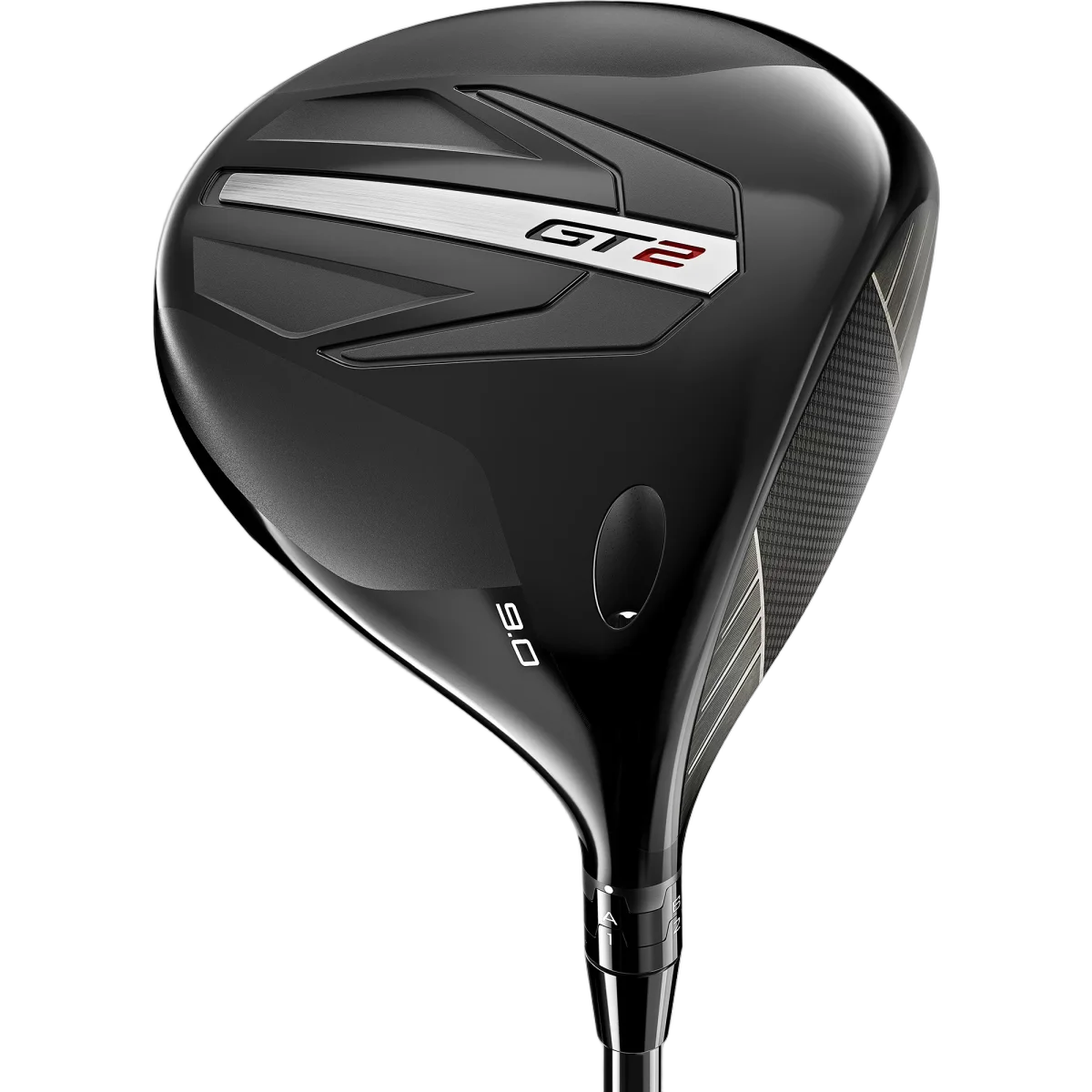
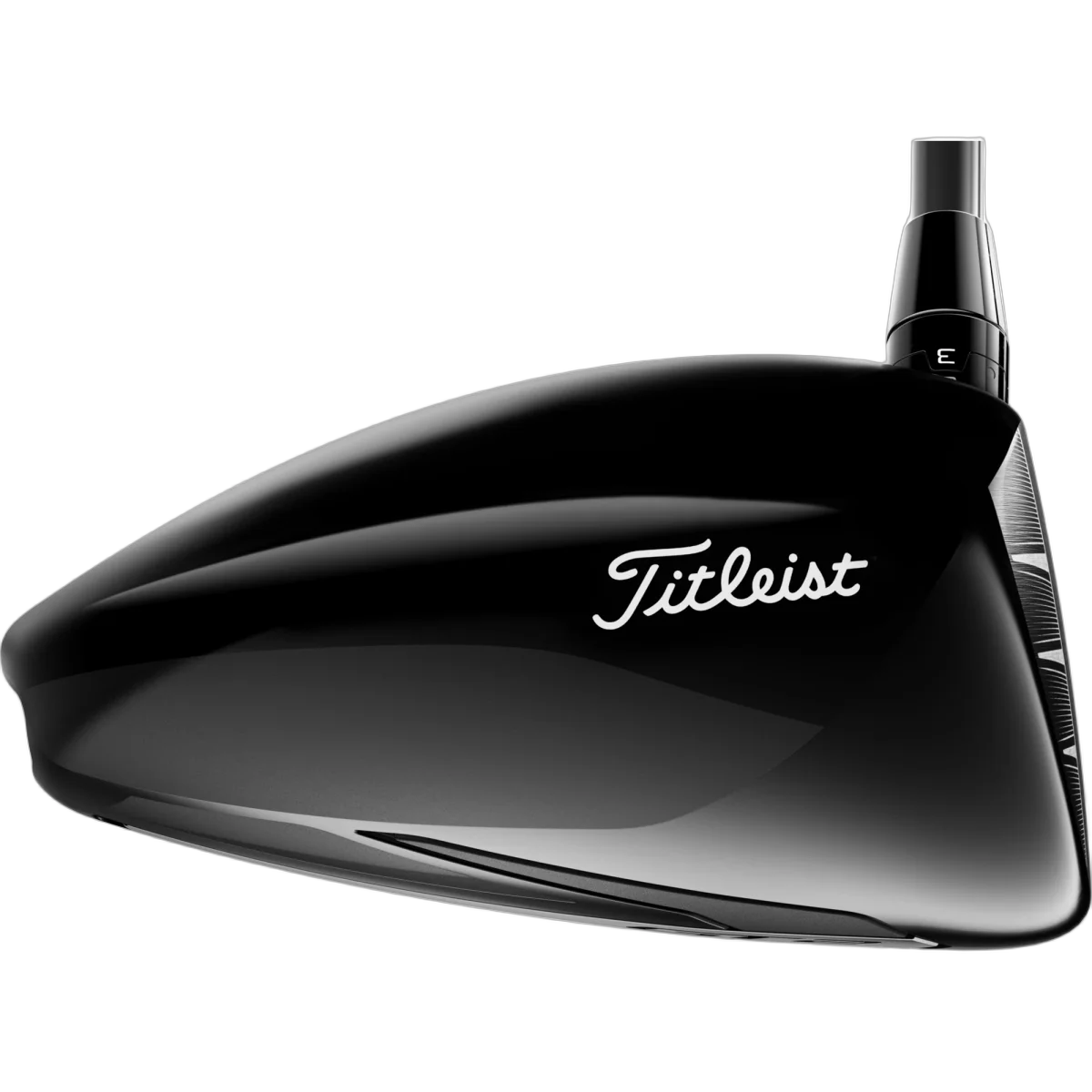
Sole view showing GT2 badge and adjustable weight port
What this means in practice is that the GT2 rewards good swings with exceptional distance and a penetrating flight, but it does not bail you out on bad swings quite as effectively as the highest-MOI alternatives. It is accurate enough for most golfers, and the SureFit hosel provides plenty of adjustability to dial in a preferred shot shape, but players who consistently miss the center by large margins may find tighter dispersion elsewhere.
The tradeoff is workability. Despite being a game-improvement driver, the GT2 allows skilled players to shape shots off the tee more effectively than many high-MOI competitors. If you want a driver that can produce a gentle draw on one hole and a hold-up fade on the next, the GT2 accommodates that better than most in this class.
Verdict
The Titleist GT2 is a driver that leads with speed and backs it up with genuinely good -- though not elite -- forgiveness. The Seamless Thermoform Crown and Speed Ring face technology deliver on the promise of faster ball speeds, and the distance gains over the TSR2 are real and measurable. It looks fantastic at address, sounds explosive at impact, and provides honest feedback that helps you improve rather than just masking your misses.
Strengths: impressive ball speed and distance, meaningful improvement over the TSR2, clean and confidence-inspiring appearance, lively and satisfying sound and feel, good workability for a high-MOI design, extensive adjustability through the SureFit hosel and interchangeable back weight.
Weaknesses: forgiveness on mishits trails the best in class, the glossy crown finish will not appeal to everyone, and the $649 MSRP is steep -- though current street prices in the $450 to $500 range soften that considerably.
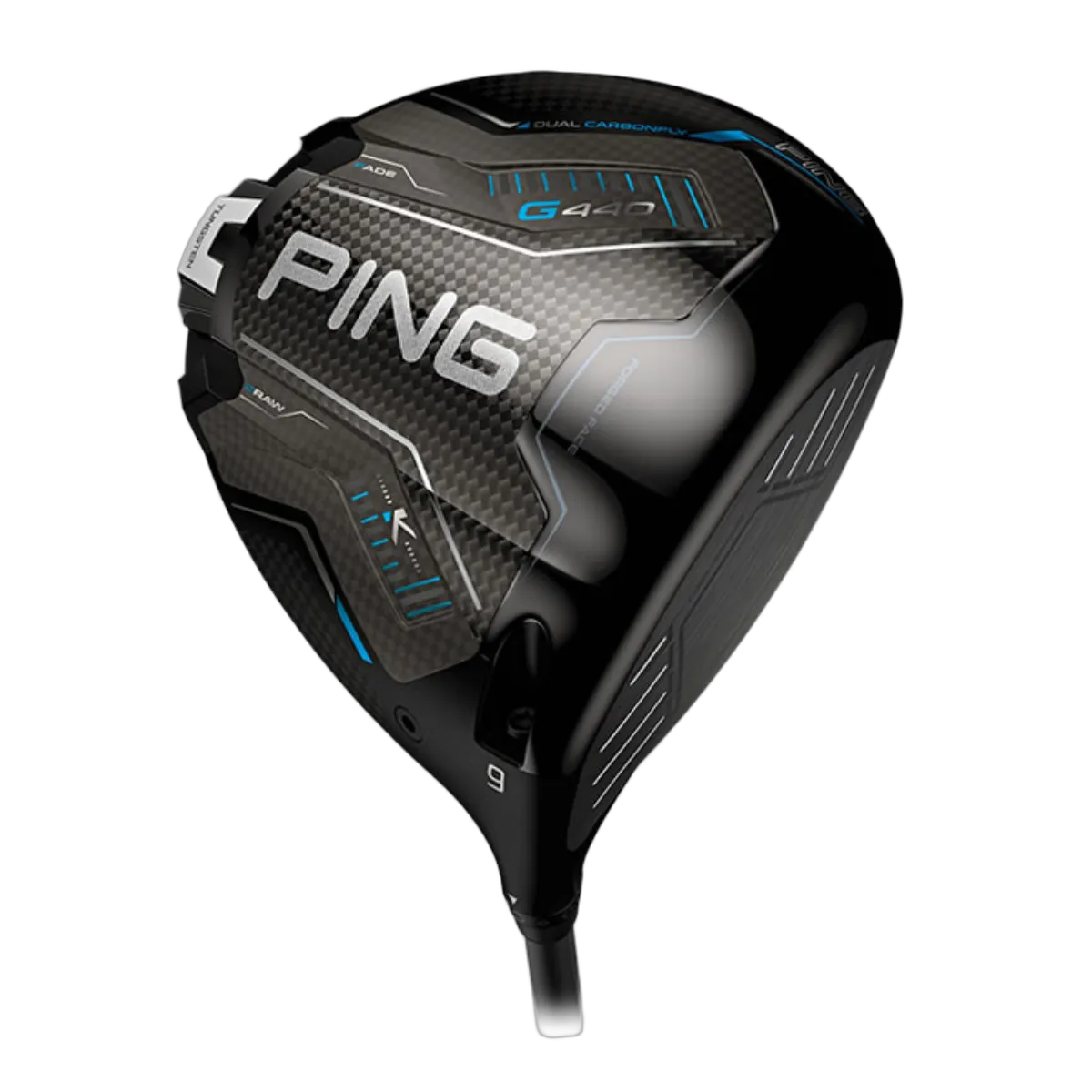
The GT2 is best suited for mid-handicap golfers who want Titleist performance and aesthetics in a forgiving package, and for better players who want a high-MOI safety net without sacrificing the ability to work the ball. Golfers who prioritize maximum forgiveness above all else should also look at the PING G430 MAX or G440 MAX. But for the player who values speed, feel, and a bit of shot-shaping ability alongside solid stability, the GT2 is a compelling choice -- especially at its current discounted price point.