PING G740 Irons Review
PING — PING G740 Irons · By Troy · Apr 24, 2026
Unapologetically oversized, undeniably effective -- PING's biggest iron delivers maximum forgiveness with surprising refinement.
The Big Picture
PING has never been shy about what their G-series irons are built to do: make golf easier for players who need the most help. The G740 takes that mission further than any PING iron before it. Replacing the G730, these super game-improvement irons abandon the recent industry trend of disguising forgiving irons in compact, blade-like shells. Instead, they embrace size -- a 22% wider sole and 3% longer blade length than the G440 -- to deliver what PING calls the most forgiving iron in their current lineup.
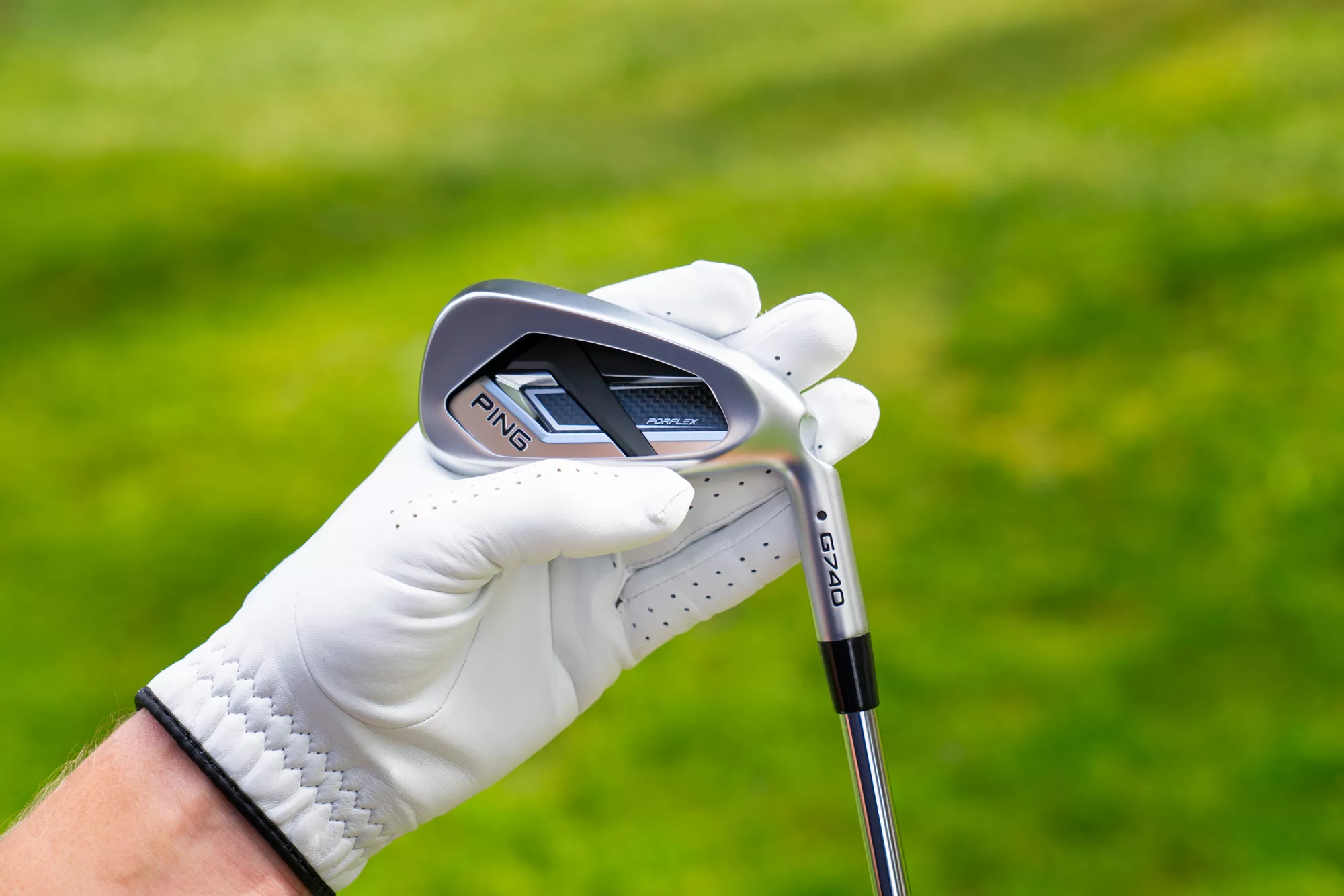
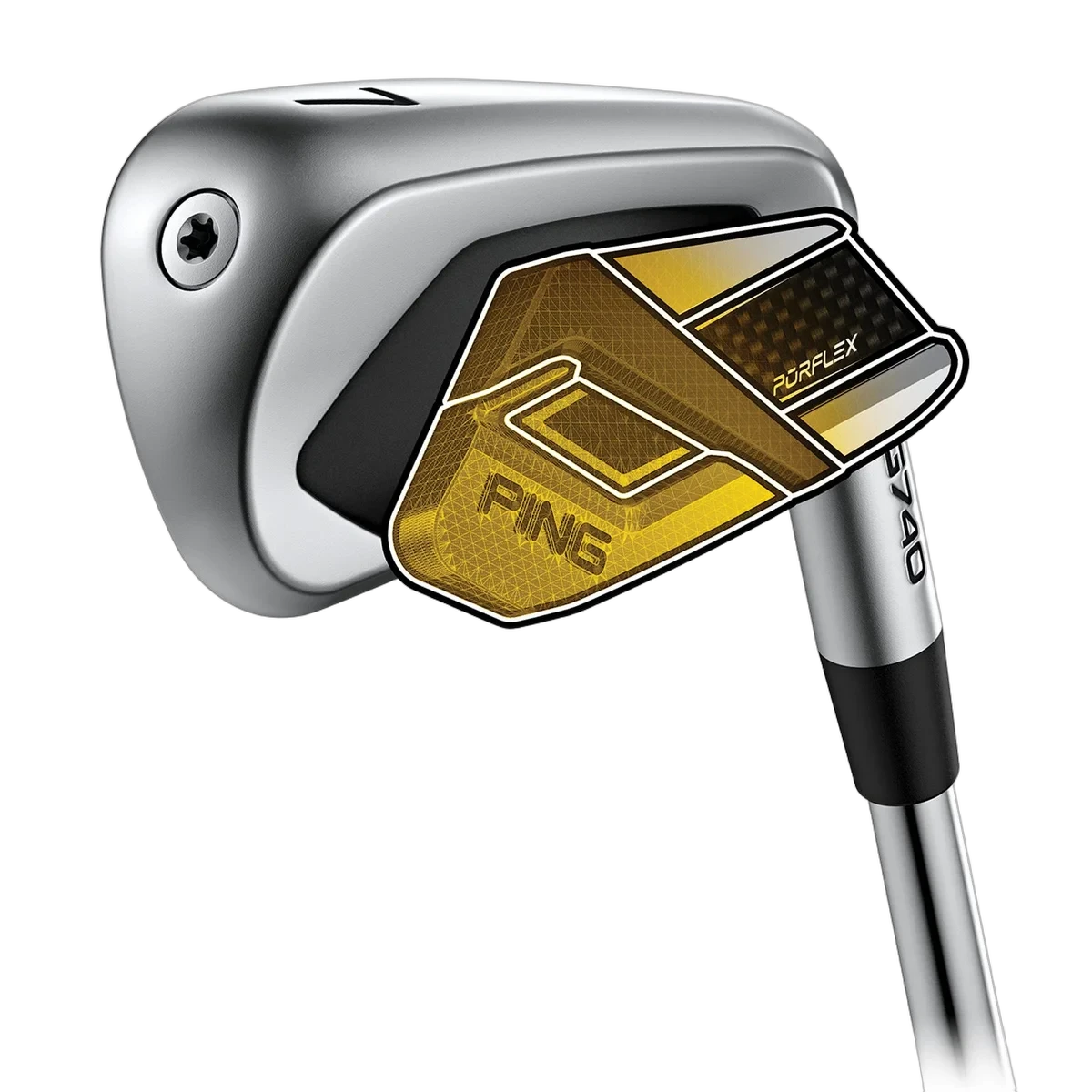
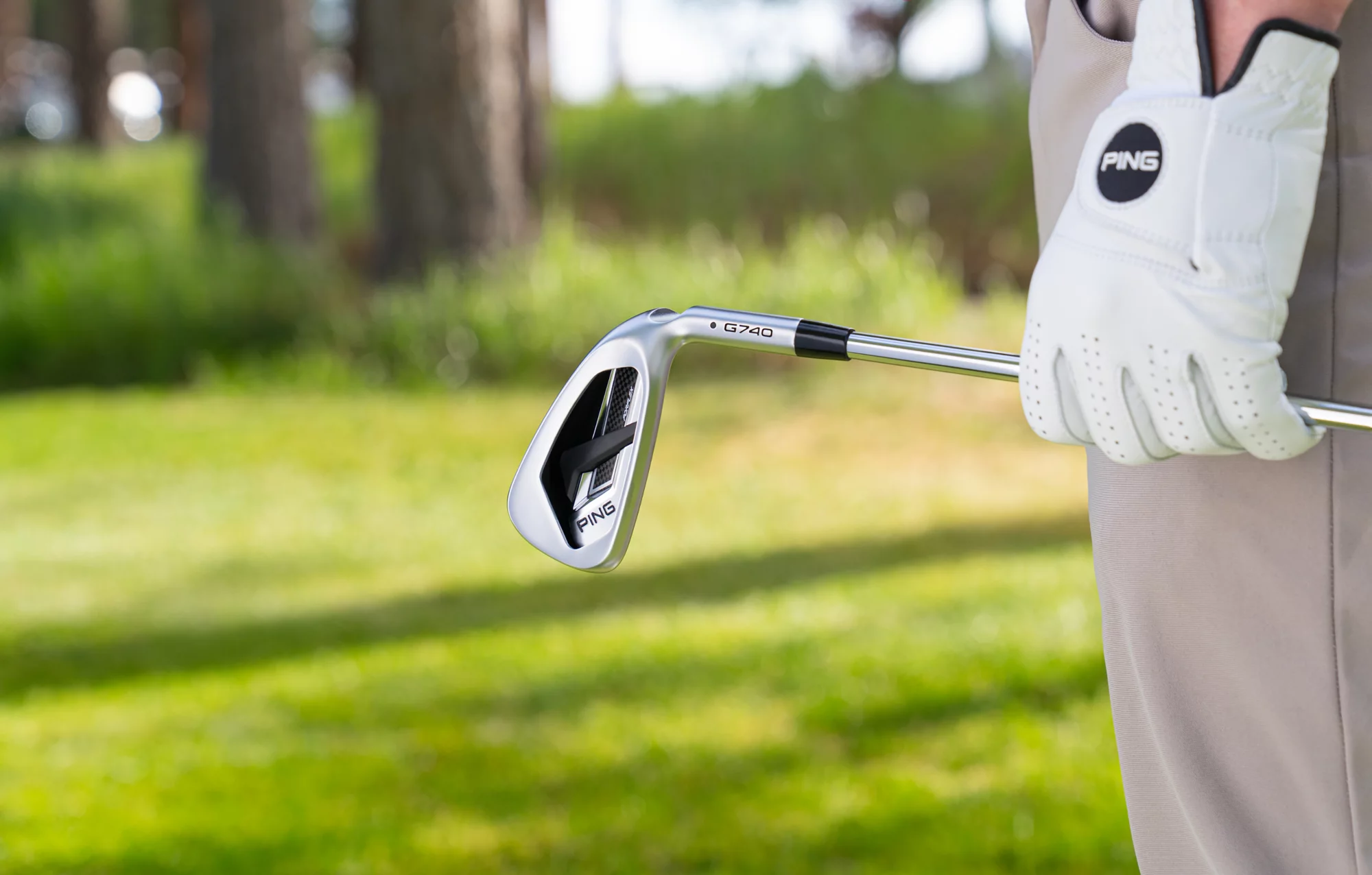
Gloved hand holding G740 iron showing back cavity and PurFlex badge
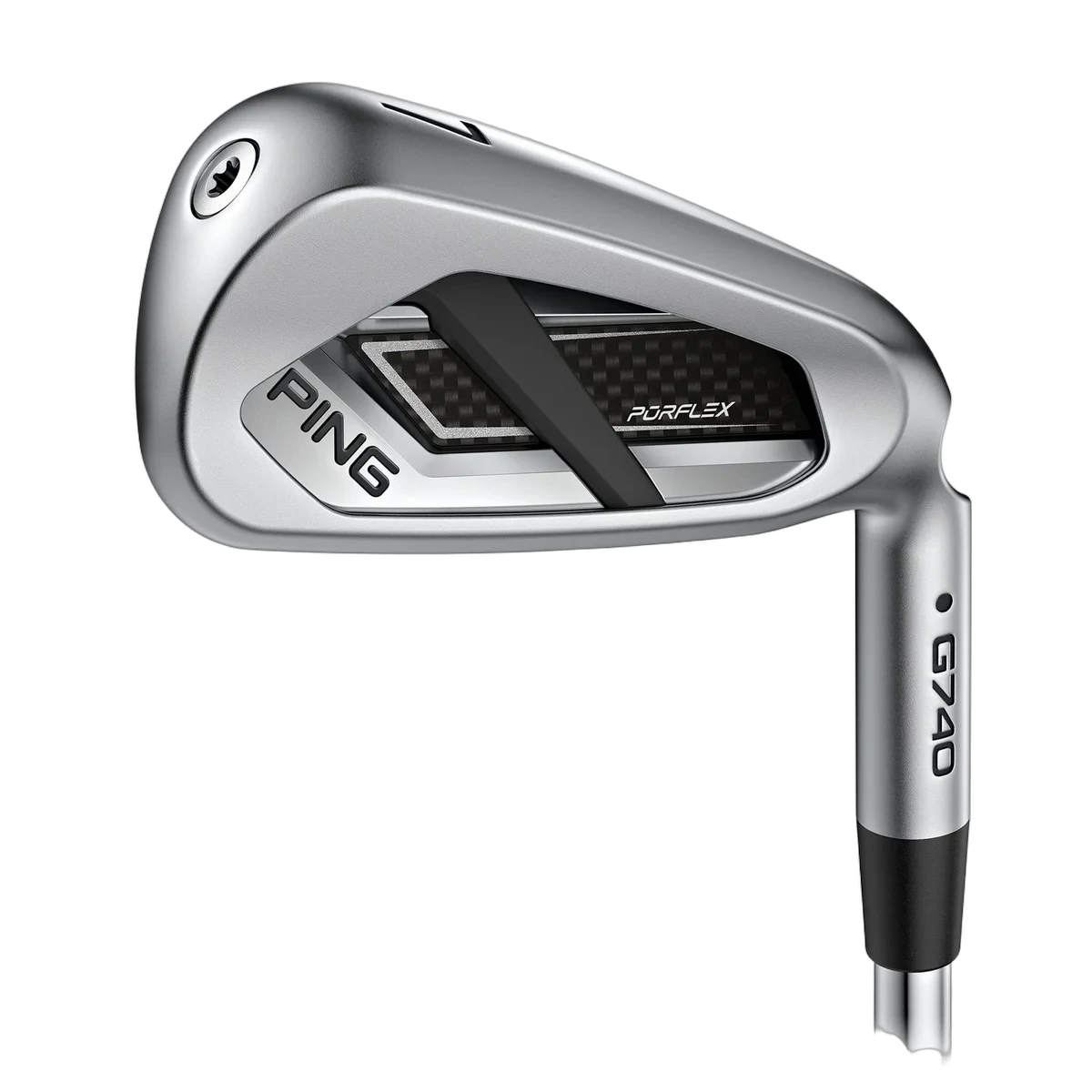
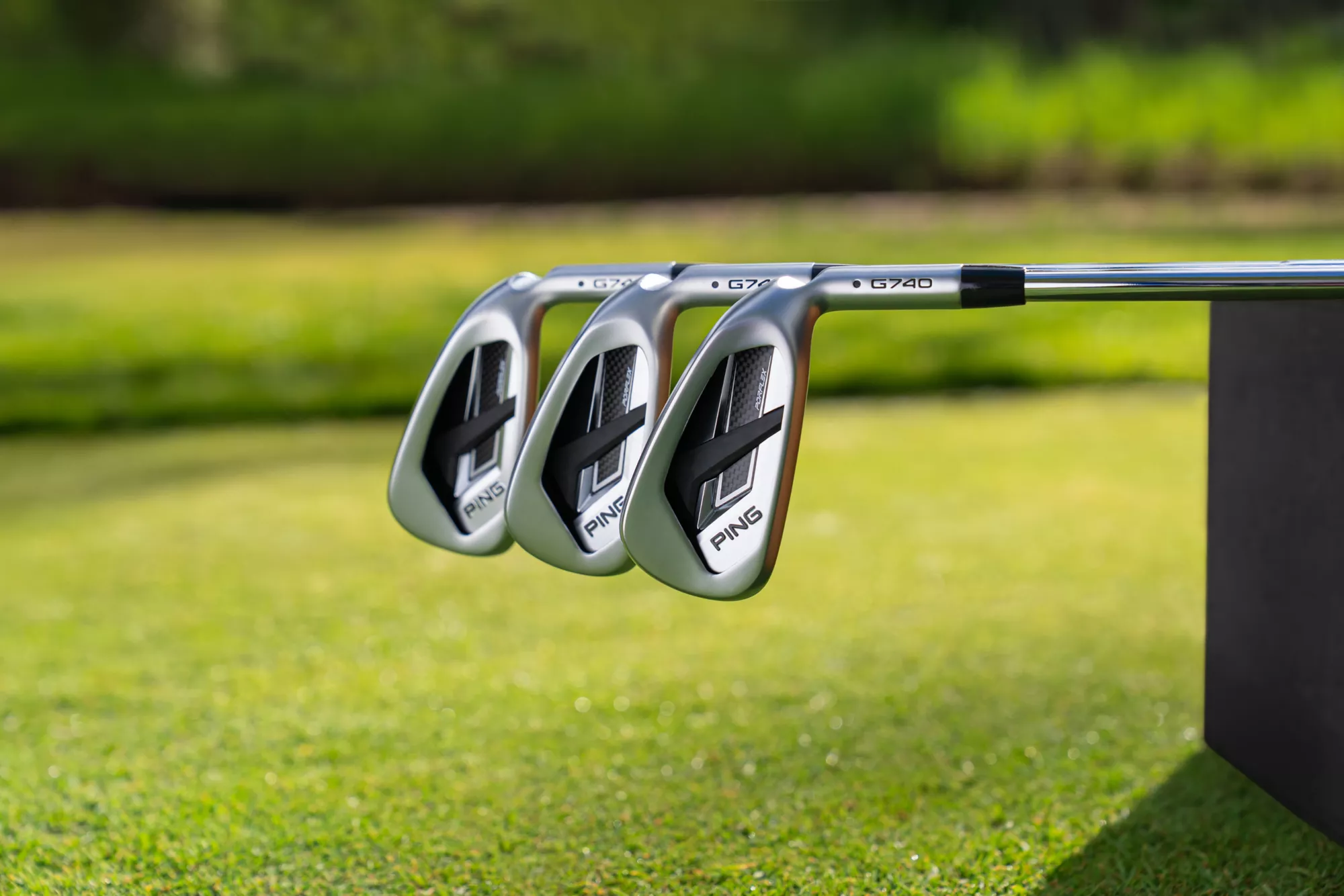
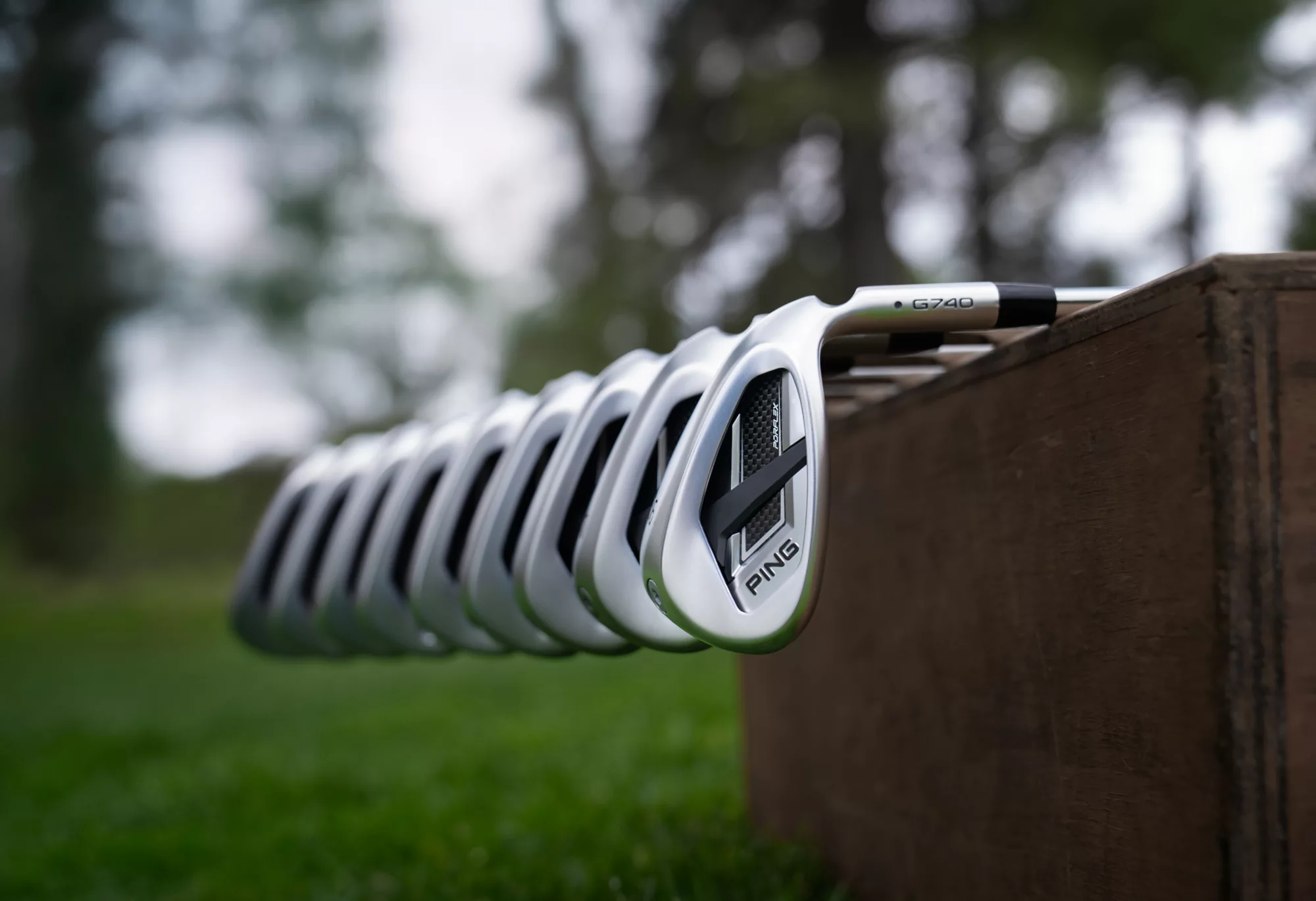
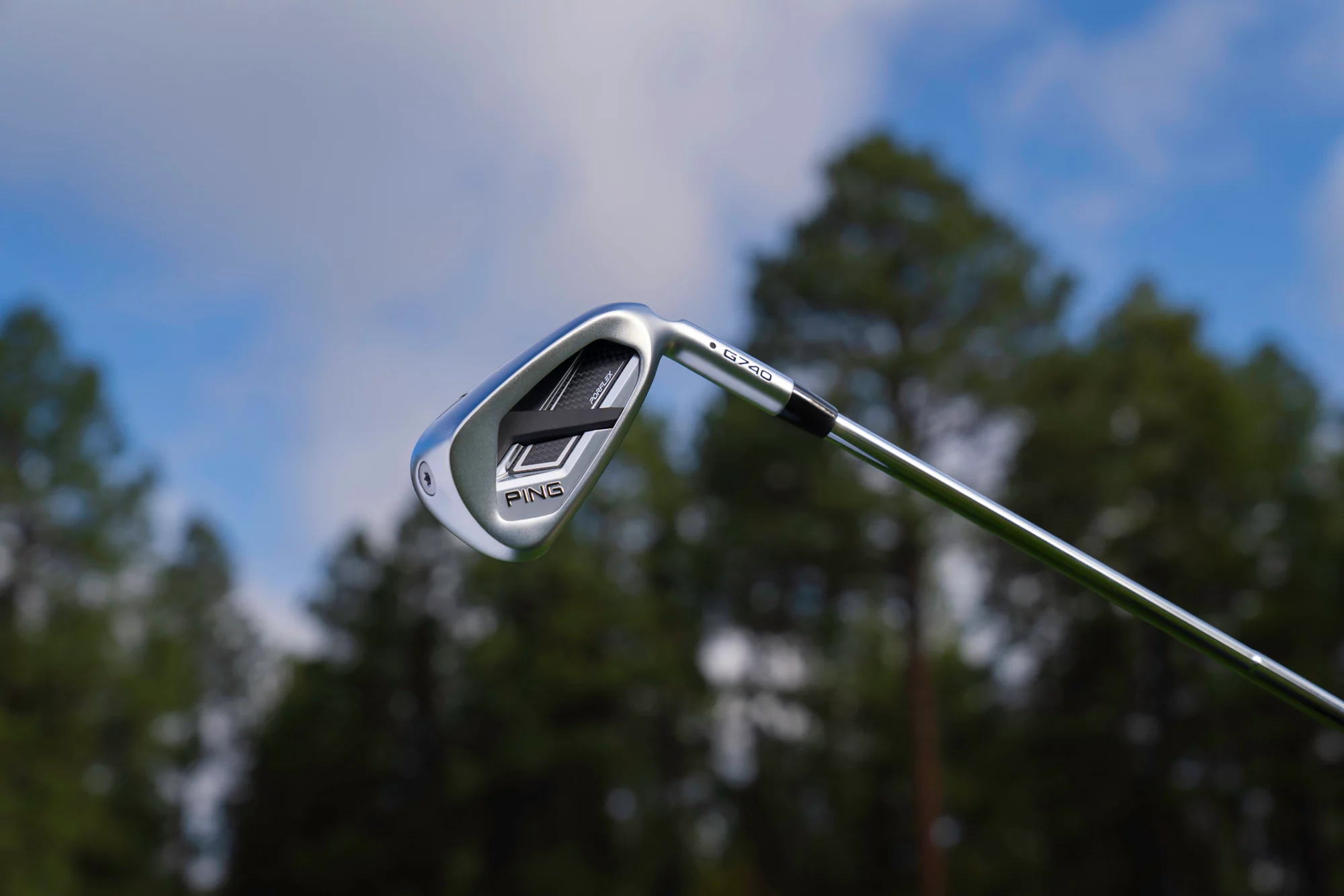
The engineering philosophy is straightforward. A cast 17-4 stainless steel body features a 360-degree undercut cavity that pushes mass to the perimeter, increasing moment of inertia and face flex simultaneously. High-density heel and toe weights further resist twisting on off-center strikes. The wider, dual-camber sole shifts the center of gravity lower and deeper, promoting higher launch without requiring a steep swing. And a three-piece PurFlex cavity badge -- divided into multiple zones rather than a single dampening insert -- manages sound and vibration without stiffening the hitting area. The result is an iron that corrects ball flight on mishits while still providing enough feedback to know where you struck it.
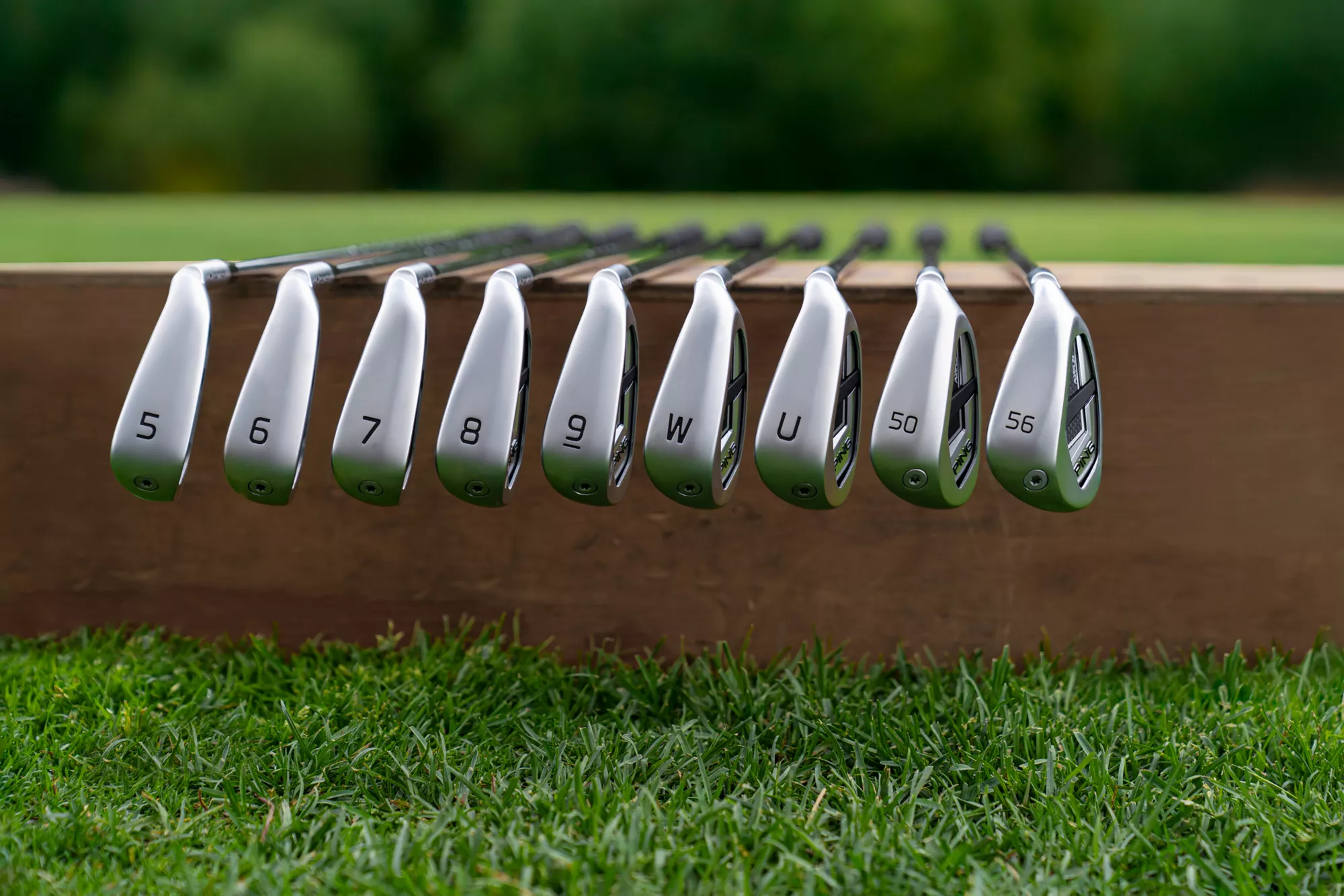
These are built for high-handicap golfers, beginners, and anyone who needs help getting the ball airborne consistently. PING offers the set from 5-iron through 56-degree wedge with three loft configurations -- Standard, Power Spec, and Retro Spec -- so you can dial in gapping without mixing and matching from other lines.
At Address
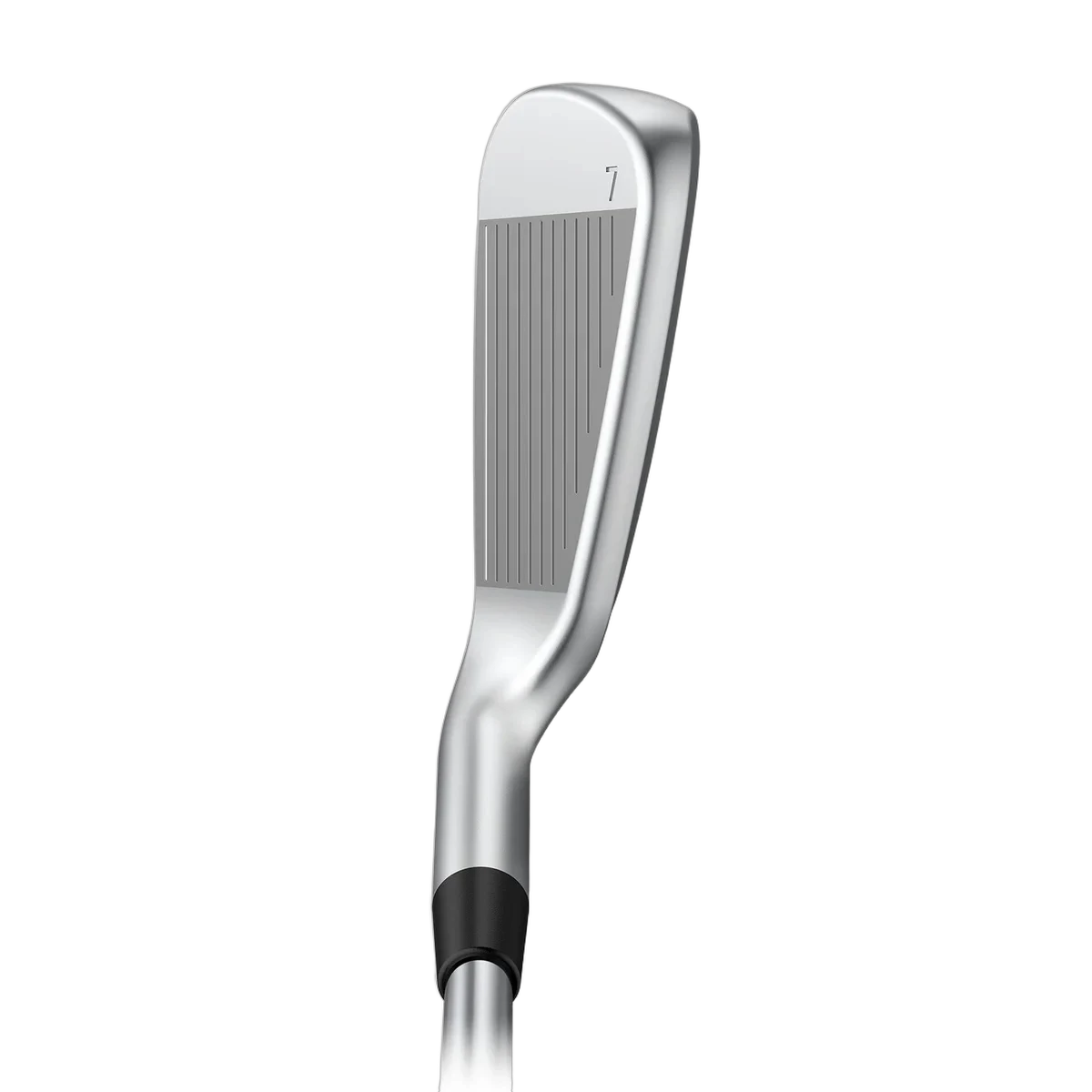
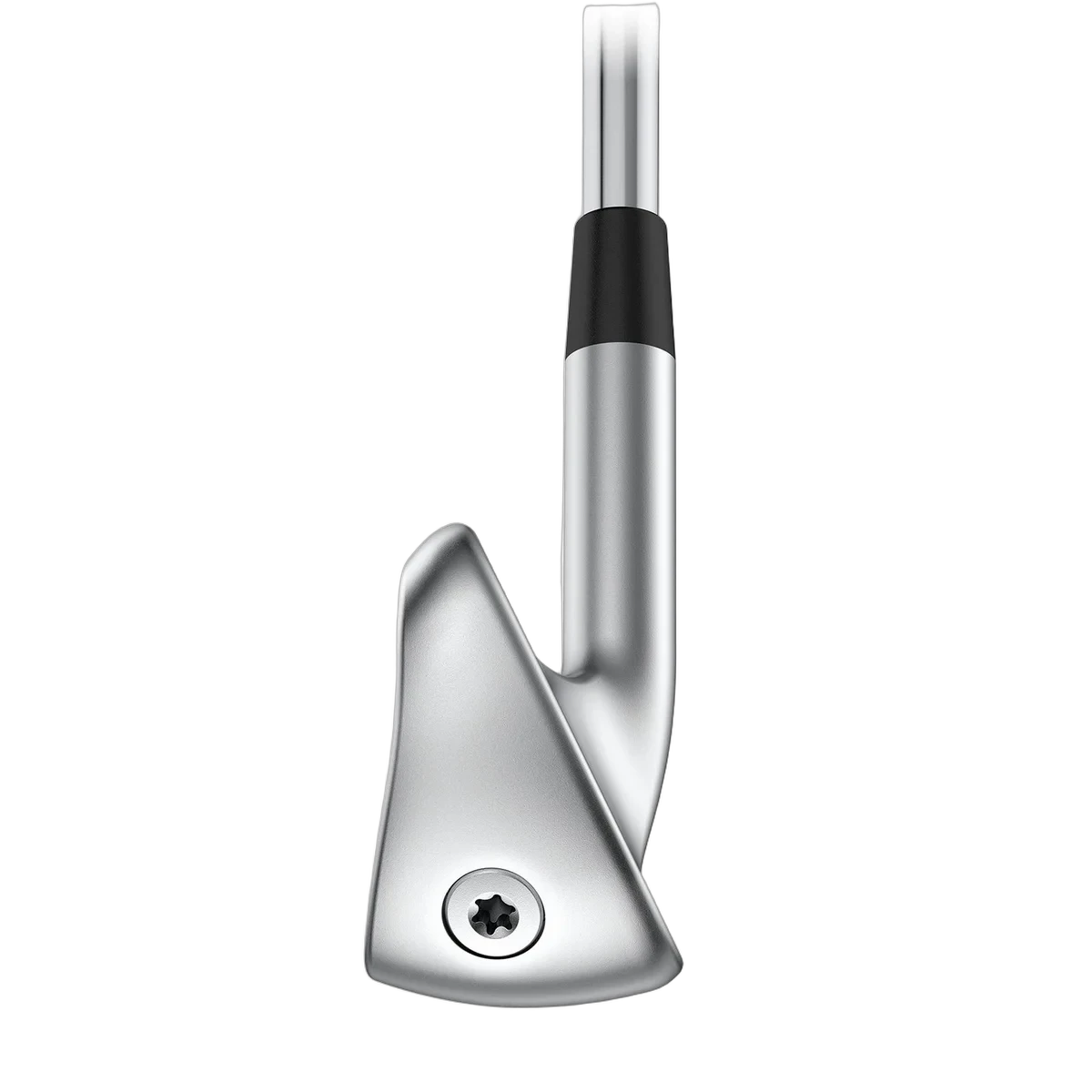
There is no mistaking what you are looking at when you set a G740 behind the ball. The topline is thick, the blade length is long, and there is significant offset -- especially in the longer irons, where the head takes on an almost hybrid-like footprint. In the 5-iron, you can see the back of the sole peeking out behind the ball, that distinctive triangular shape that signals help and forgiveness.
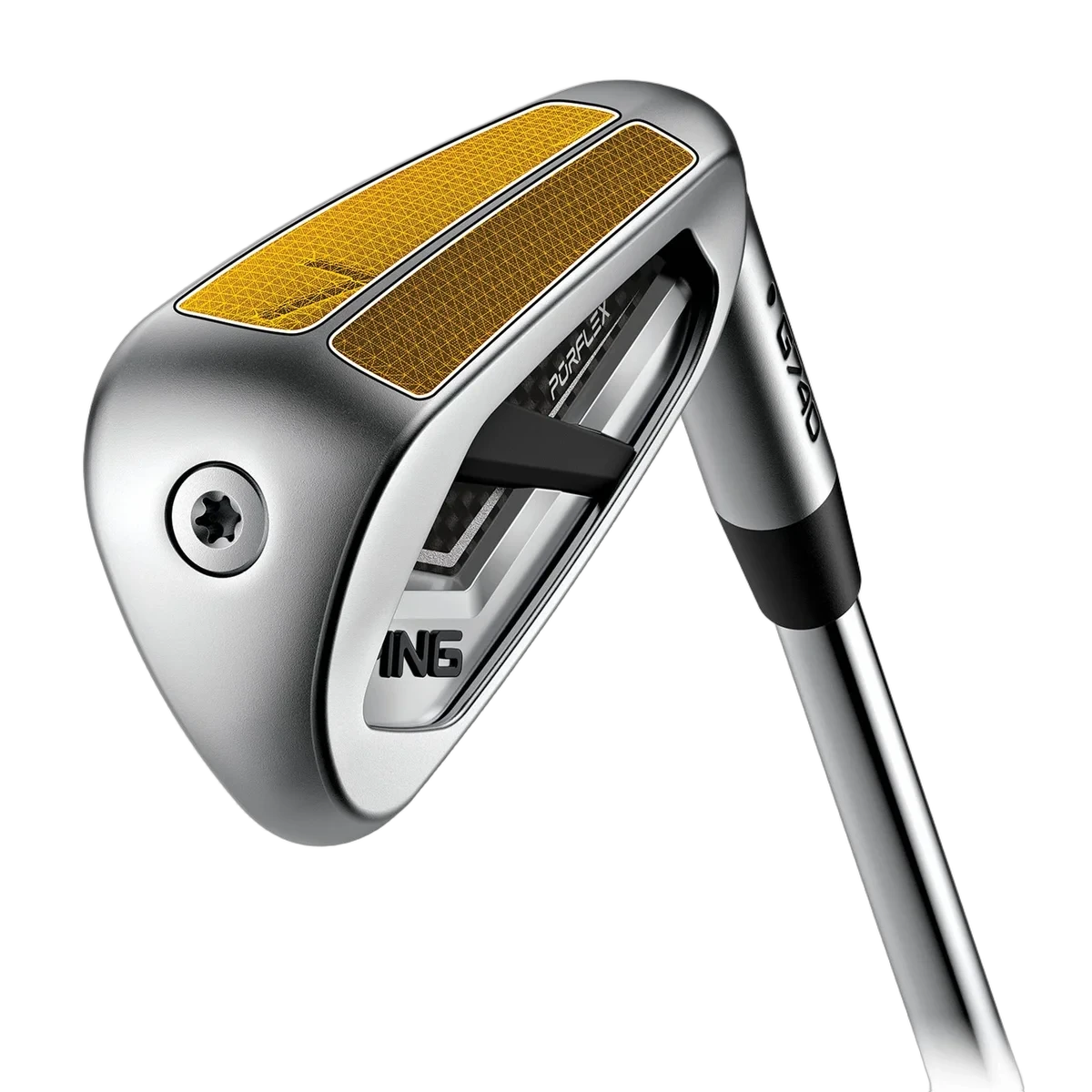
PING actually lowered the topline height compared to the G730 and repositioned that mass into the wider flange, so the club does not look as tall as its predecessor despite being a larger overall package. The Hydropearl 2.0 finish moves away from shiny chrome into a more muted, premium look -- almost reminiscent of the G425 era -- which I think suits a club of this size. The cavity badge with its carbon-look insert adds a modern touch, and the white-infilled bottom groove helps with alignment at address.
For better players, it can feel like looking down at a hybrid with a hosel. But for the target golfer -- someone who wants to see a lot of club behind the ball -- the size is genuinely confidence-inspiring.
Sound & Feel
This is where PING made a meaningful step forward from the G730. The previous model had a reputation for being loud and hollow, and the G740 addresses that directly. The new PurFlex badge works with the flexible face to deliver a noticeably more refined impact sensation. Center strikes produce a satisfying, solid pop -- not the thin, clicky sound you often associate with super game-improvement irons. There is still audible feedback, and these are not quiet clubs by any stretch, but the hollowness has been tamed.
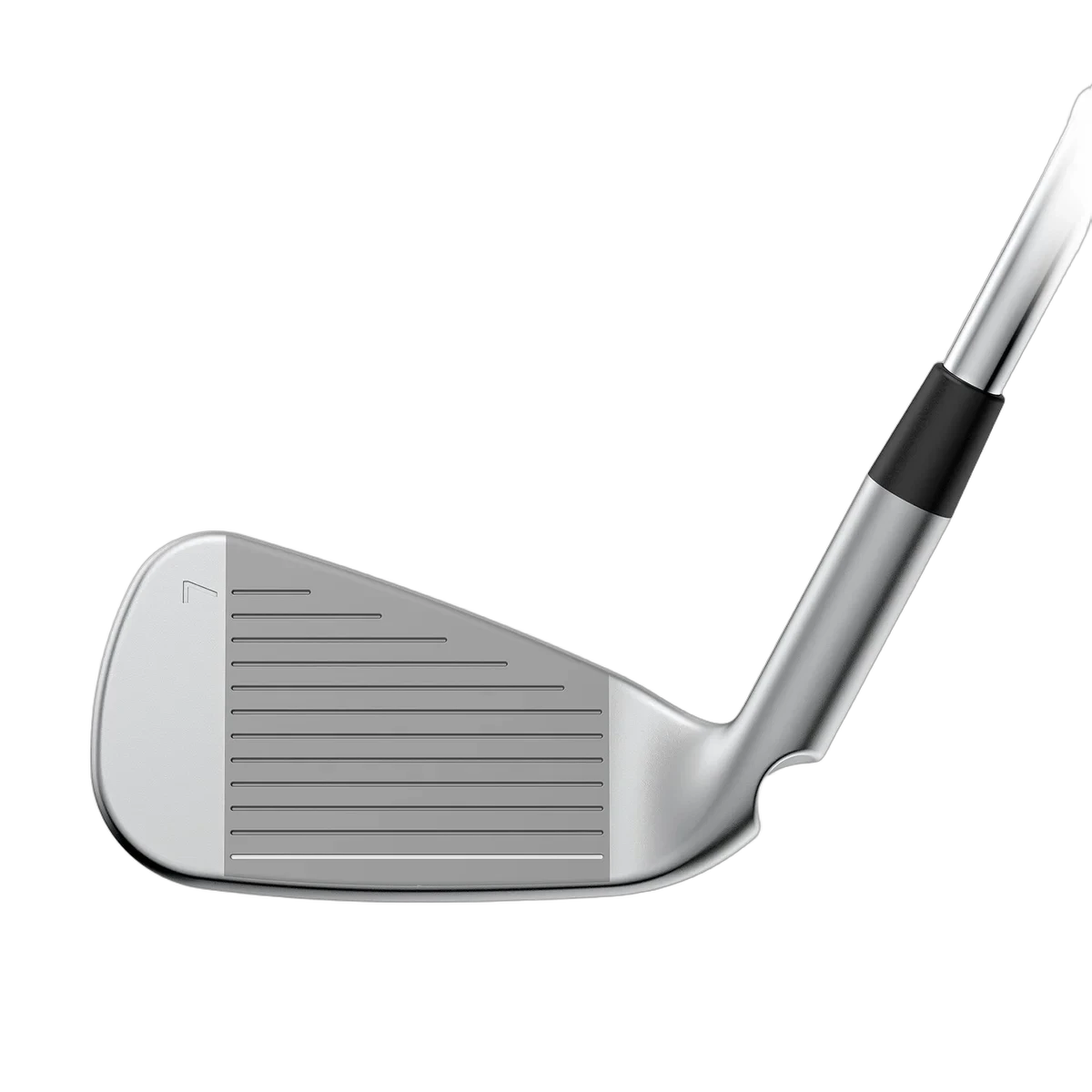
Close-up of the 7-iron face showing precision-milled grooves
Flush strikes feel almost marshmallow-soft, while off-center hits arrive with a slightly clunkier sensation -- and that distinction matters. One common criticism of SGI irons is that everything feels the same regardless of strike quality, which actually hinders improvement. The G740 walks a narrow line here: mishits still produce acceptable ball flights, but you get enough tactile feedback to know when you have found the center and when you have not. The wider sole can mask strike location more than a compact iron would, especially in the longer clubs, but it is a notable improvement over what this category typically delivers.
In the scoring clubs from 8-iron through pitching wedge, the feel becomes genuinely impressive -- especially on controlled, knock-down approach shots where the face interaction is more compressed and satisfying.
Performance
Ball Speed & Distance
The G740 is fast. With a 7-iron lofted at 28 degrees, ball speeds consistently reached the 111-113 mph range at moderate swing speeds around 79-80 mph, producing smash factors in the 1.40-1.44 range. At faster swing speeds around 88-93 mph, ball speeds climbed to 127-135 mph. Those are numbers you would expect from a strong-lofted iron with a thin, flexible face, and the G740 delivers them reliably.
Carry distances reflected that speed. I saw 7-iron carries averaging 164-168 yards at moderate speeds and pushing toward 190-195 yards at higher swing speeds. With the 6-iron, carry reached 196 yards with 203 total -- numbers that are genuinely exceptional and demonstrate PING's distance claims are not just marketing.
The strong lofts are obviously doing work here, and it is important to keep that in context. A 28-degree 7-iron is closer to a traditional 6-iron, so direct distance comparisons with weaker-lofted irons are not apples to apples. But within its own set, the gapping is well managed, and the 5-iron and 6-iron use a three-quarter-inch length progression to prevent the distance bunching that plagues many amateur bags at the top end.
Launch & Spin
High launch and low spin define the G740's ball flight profile. Launch angles consistently sat in the 18-23 degree range with the 7-iron, and peak heights regularly exceeded 85-100 feet -- towering flights that would be difficult to achieve without the low, deep CG that the wider sole enables.
Spin rates ran on the lower side, typically 3,600-4,500 rpm with the 7-iron and around 4,800-5,400 rpm at higher speeds. That is roughly 500-700 rpm lower than many competitors in this category. On paper, low spin can raise concerns about stopping power on greens, but the extreme launch and peak height compensate effectively. Landing angles consistently reached 44-51 degrees -- well above the 40-degree threshold needed to hold a green -- and rollout averaged around 5-9 yards, which is typical for this iron category.
PING's Retro Spec loft option adds a couple of degrees to each club, which would bump spin rates and provide even more stopping power for players who want extra control without sacrificing much distance.
Dispersion & Shot Shape
Forgiveness is the G740's headline act, and it delivers. The face retains ball speed exceptionally well across the hitting area, with toe-side mishits losing only about 2% of ball speed even at 18mm off-center. Heel misses cost roughly 4% at the same distance, so the club does favor toe strikes, but both numbers are strong for the category. Low-face strikes -- the most common amateur miss -- lose approximately 2% at half an inch low, which is excellent given that this is exactly where the wider sole and lower CG are designed to help.
Back cavity view revealing PurFlex badge and carbon fiber insert
In practical terms, a mishit that would have cost 10-15 yards with a compact iron drops only 4-6 yards with the G740. Dispersion patterns were tight left-to-right, though the significant offset does promote a draw bias. Players who fight a slice will find this helpful; those who already tend to hook may find the face wants to close through impact. The overall dispersion circle was impressively small for a super game-improvement iron, with front-to-back variance being the wider axis -- largely a function of the spin variability rather than directional inconsistency.
Verdict
The PING G740 does exactly what it promises: maximum forgiveness, easy launch, and serious distance in a package that prioritizes function over vanity. The improvements over the G730 are tangible -- better sound and feel from the redesigned PurFlex badge, a more premium finish, and a sole design that moves through turf more efficiently despite its width. Ball speed retention on mishits is outstanding, and the towering ball flight compensates for lower spin rates to deliver genuine stopping power.
The trade-offs are honest ones. These are big irons that look big, and players who care about compact aesthetics at address will not be won over. The offset is substantial and will promote a draw. And at $202.50 per club with steel shafts, they sit at the premium end of the SGI market -- a meaningful investment for clubs that some golfers may eventually outgrow.
But for high-handicap players, beginners, seniors losing swing speed, or anyone who struggles to get the ball in the air with their current irons, the G740 is one of the best options available. It makes the game easier without apology, and it does so with more refinement than this category usually offers.