Titleist GT1 Driver
Titleist — Titleist GT1 Driver · By Andy · Feb 12, 2026
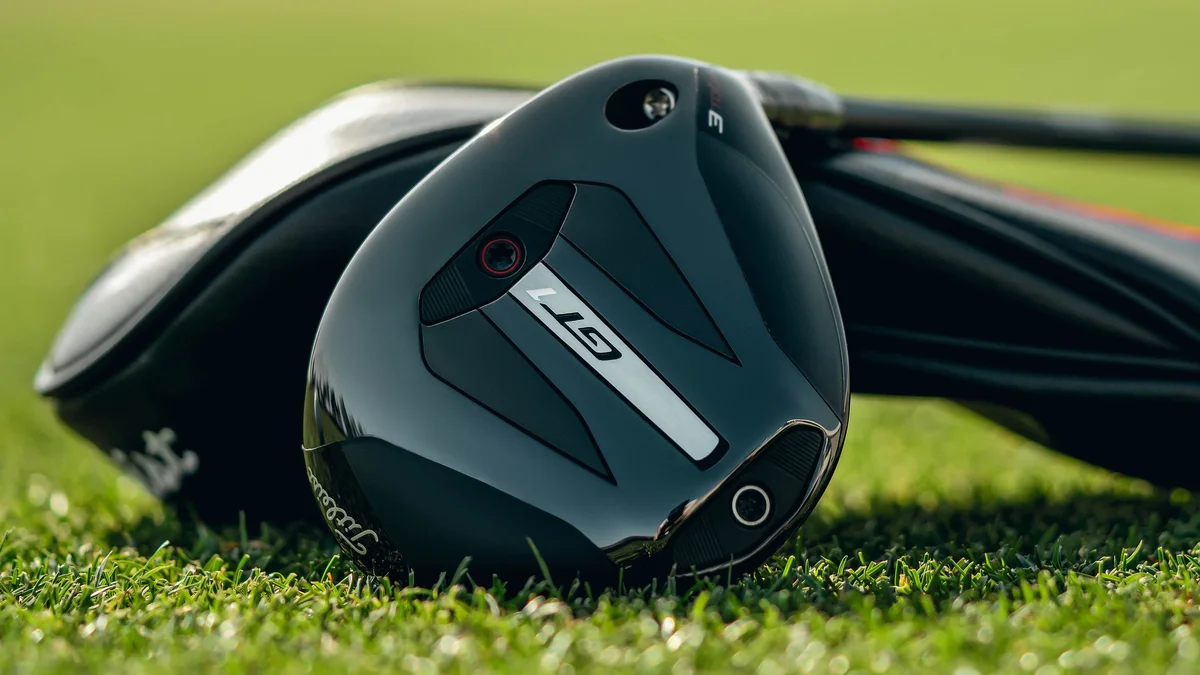
Titleist's ultra-lightweight driver makes a compelling case that slowing down and swinging lighter is the fastest path to more distance for moderate swing speed players.
The Big Picture
The GT1 is the fourth and most specialized model in Titleist's GT driver family, joining the GT2, GT3, and GT4. While those three models target mid-to-fast swing speed players with varying levels of forgiveness and workability, the GT1 occupies its own lane entirely: it is an ultra-lightweight, high-launching, maximum-forgiveness driver built specifically for golfers with moderate swing speeds -- roughly 95 mph and below.
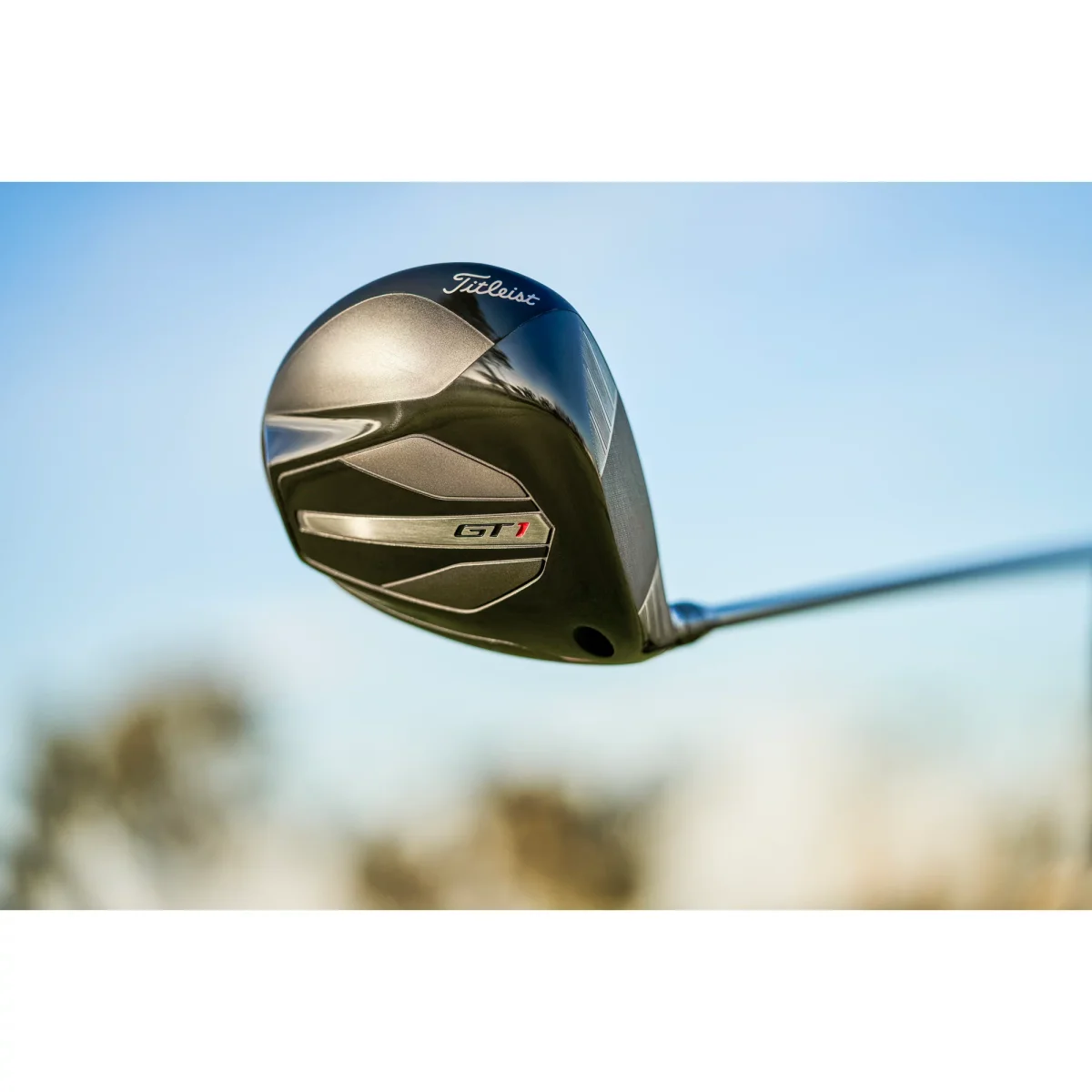
The engineering concept is straightforward. By stripping weight from the crown, shaft, and grip, Titleist allows the golfer to generate more clubhead speed without swinging harder. The GT1 features a Seamless Thermoform Crown made from Titleist's Proprietary Matrix Polymer (PMP), which is significantly lighter than a traditional titanium crown. That saved weight gets redistributed low and deep into the body, pushing the center of gravity further back for higher launch and greater stability. A Titanium Speed Ring reinforces the perimeter of the clubface to maintain ball speed across a wider hitting area, and Variable Face Thickness technology ensures that off-center strikes don't bleed as much distance as they would on a thinner-faced design.
At 460cc, the GT1 is the full-size option in the GT lineup and carries the largest footprint of the four models. It is available in 9, 10, and 12 degree loft configurations. The original MSRP was $649, but with Titleist recently reducing prices across the entire GT line, the GT1 can now be found for around $449 -- a $200 discount that makes it considerably more competitive in the game-improvement driver market.
At Address
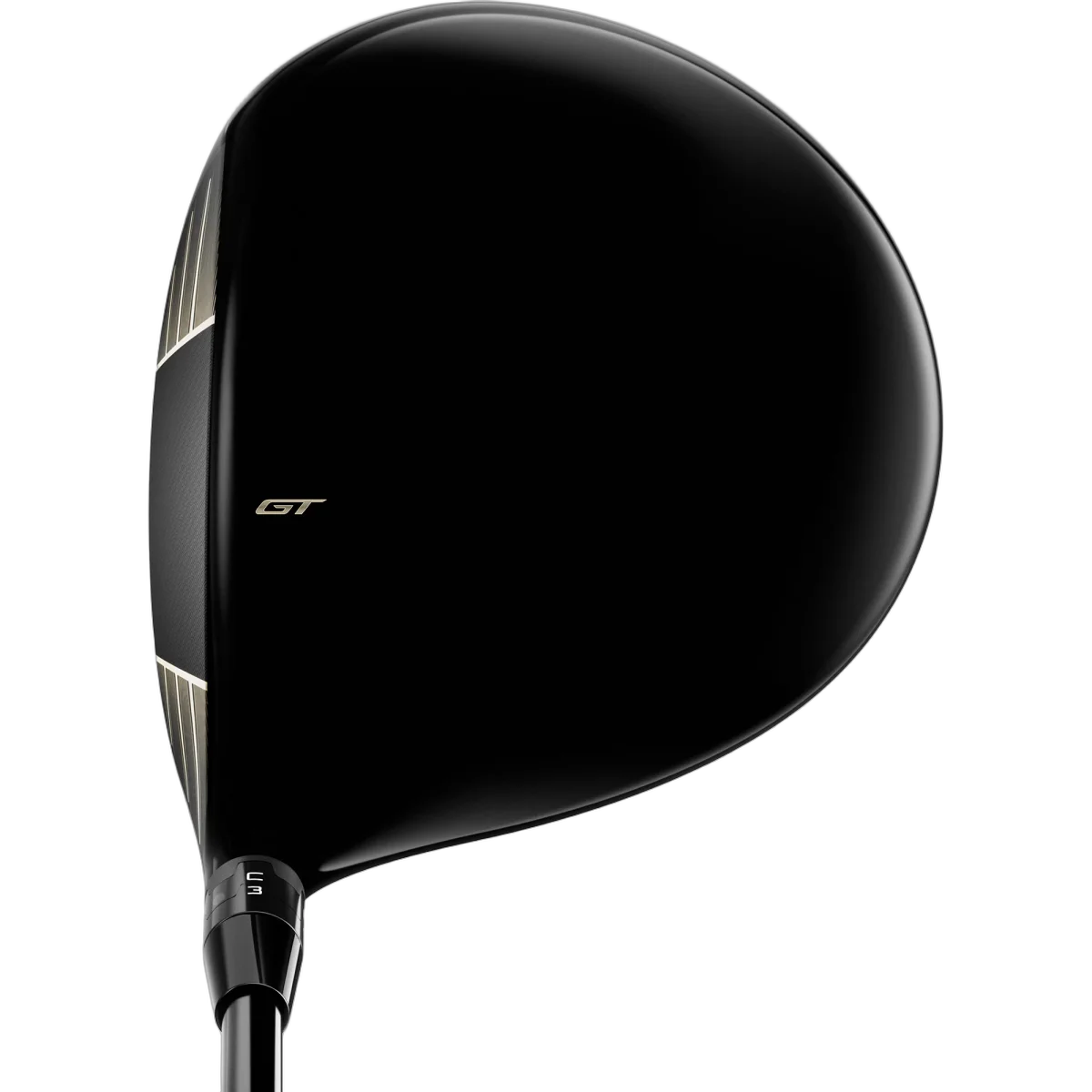
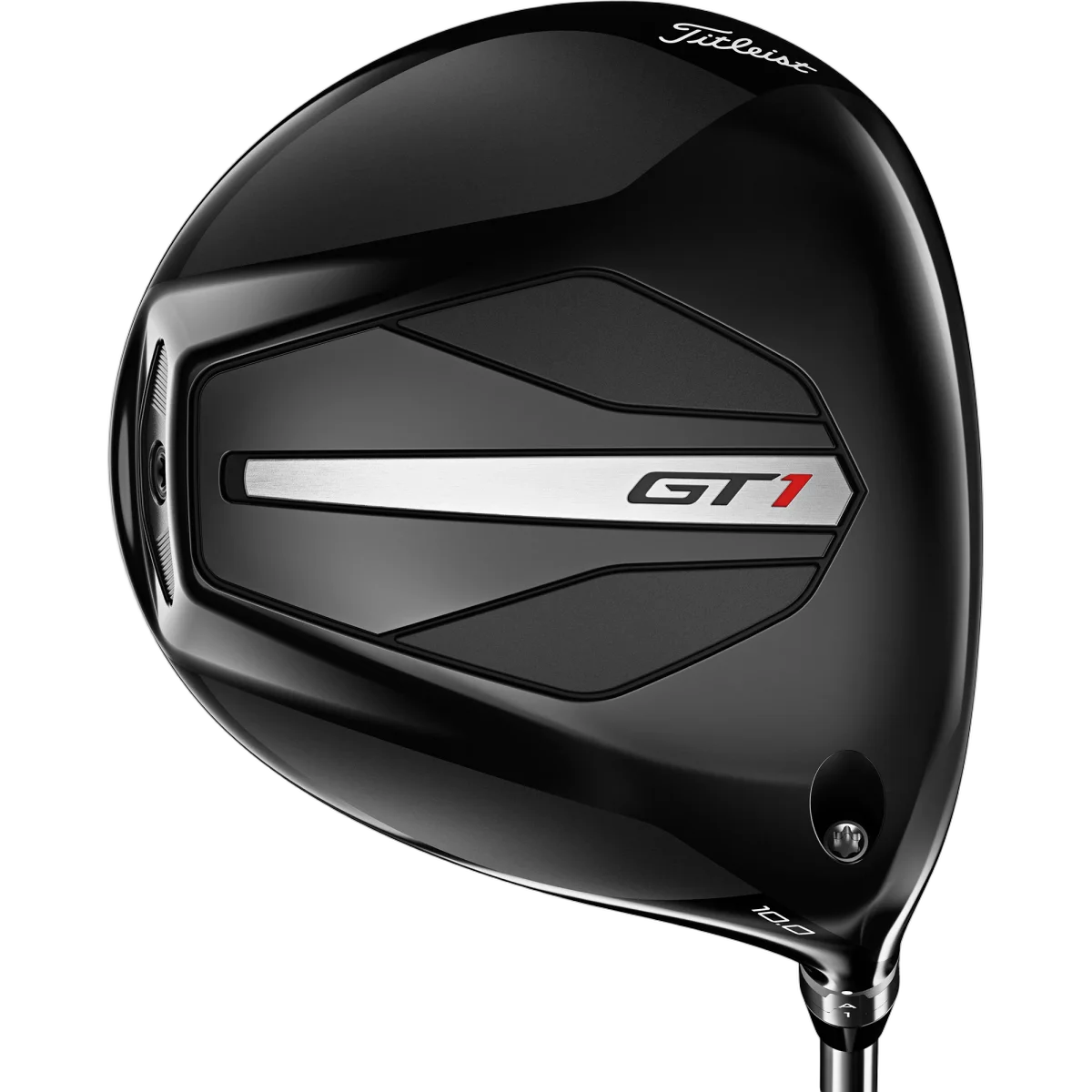
The GT1 has the fullest, most generous footprint of any driver in the GT family. It is noticeably longer from front to back and wider toward the heel compared to the GT3, which gives it a substantial, confidence-inspiring presence behind the ball. The head sits beautifully square on the ground, and the alignment aid on the crown does its job without being intrusive.
GT1 driver top-down crown view with GT logo on white
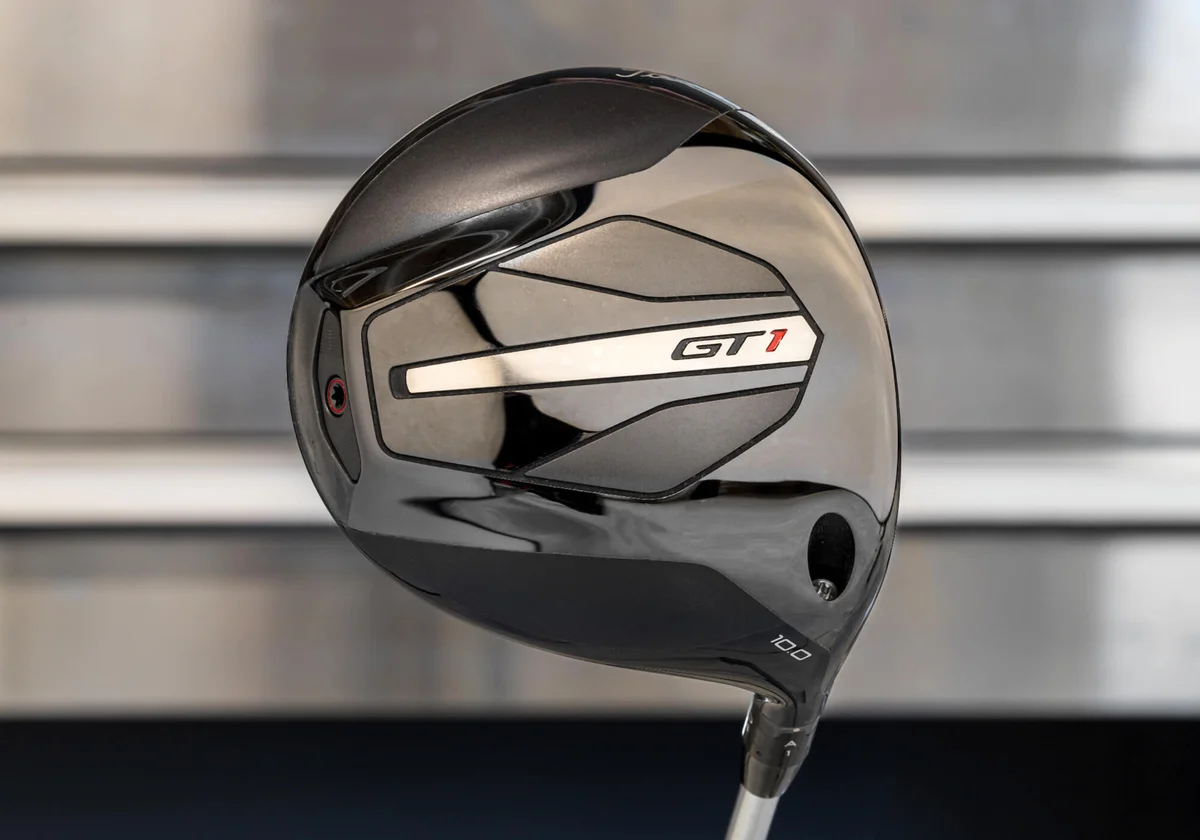
The overall aesthetic is clean and premium. Titleist kept the branding minimal and let the shape do the talking. The glossy crown finish gives the GT1 a polished, high-end look, though I will note that it can catch sunlight and show reflections more readily than a matte finish would. In direct overhead light, the glare was occasionally distracting during my testing, and I suspect the glossy surface will show wear and micro-scratches faster than the matte crowns found on competing drivers from PING and Callaway. That said, the clean lines and simple face design make this one of the better-looking game-improvement drivers I have put behind a ball.
Sound & Feel
The PMP crown contributes to a distinctive acoustic profile. Impact produces a crisp, firm sensation with a strong "thwack" quality -- the kind of sound that tells you energy is being efficiently transferred into the ball. It is not the muted, dampened feel of some high-MOI drivers, and it is not the metallic ring of an older titanium design. It sits in a satisfying middle ground: solid and explosive without being harsh.
Center strikes produce a lively, springy sensation through the hands. The feedback on well-struck drives is rewarding and immediate. Equally important, the feel on mishits is honest and informative. I could tell from both the sound and the vibration when I caught one low on the face or out toward the toe, which is valuable feedback for a driver that targets players still working on consistency. The forgiveness is there in the numbers -- the ball still goes reasonably far on mishits -- but the sensory feedback does not disguise poor contact. I appreciate that balance.
Performance
Ball Speed & Distance
The GT1's lightweight design delivers on its central promise: more clubhead speed for moderate swing speed players. In my testing, I picked up noticeable yardage compared to standard-weight drivers. The combination of the lighter overall package and the deep CG position produced a higher, more penetrating ball flight that carried further and landed with enough descent angle to hold fairways.
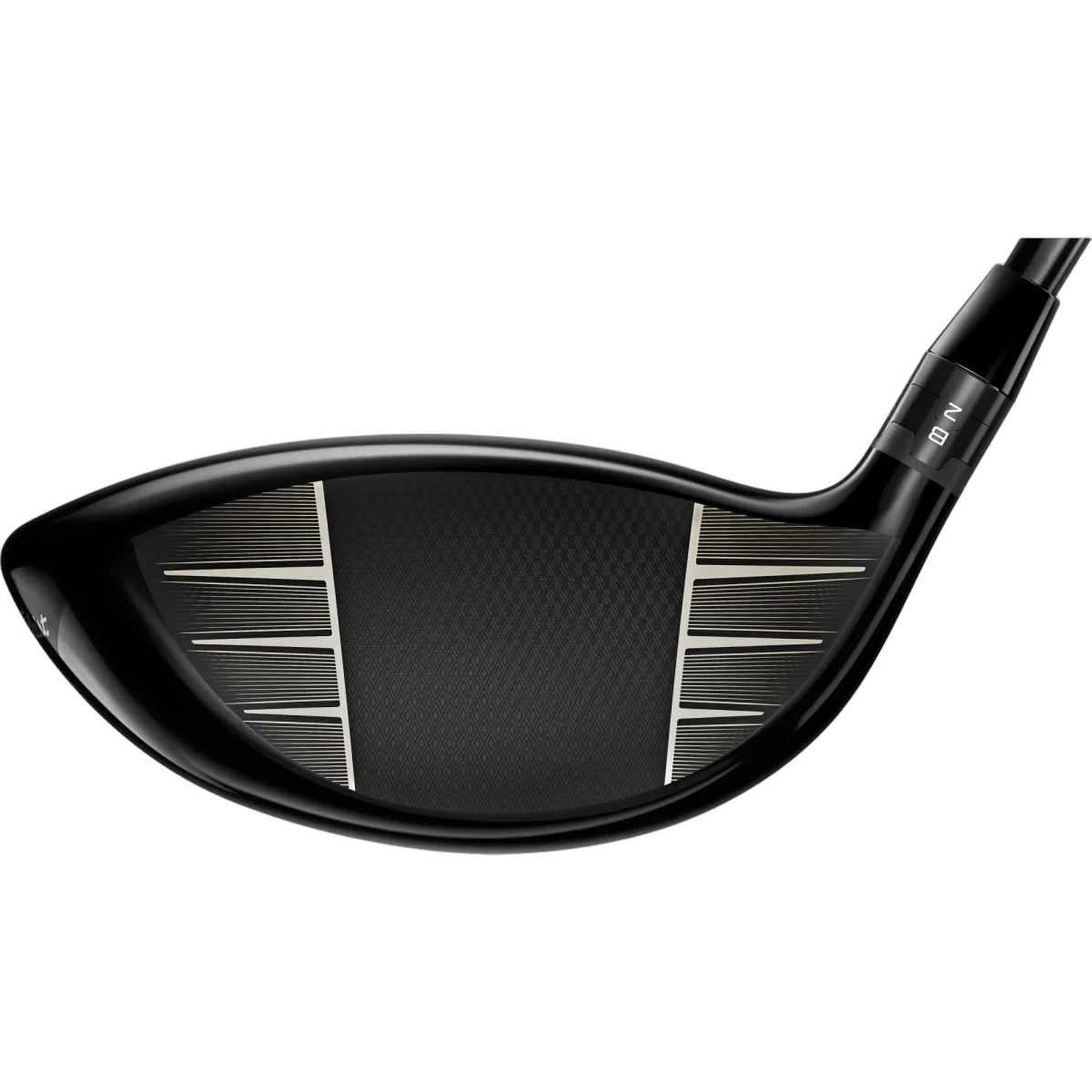
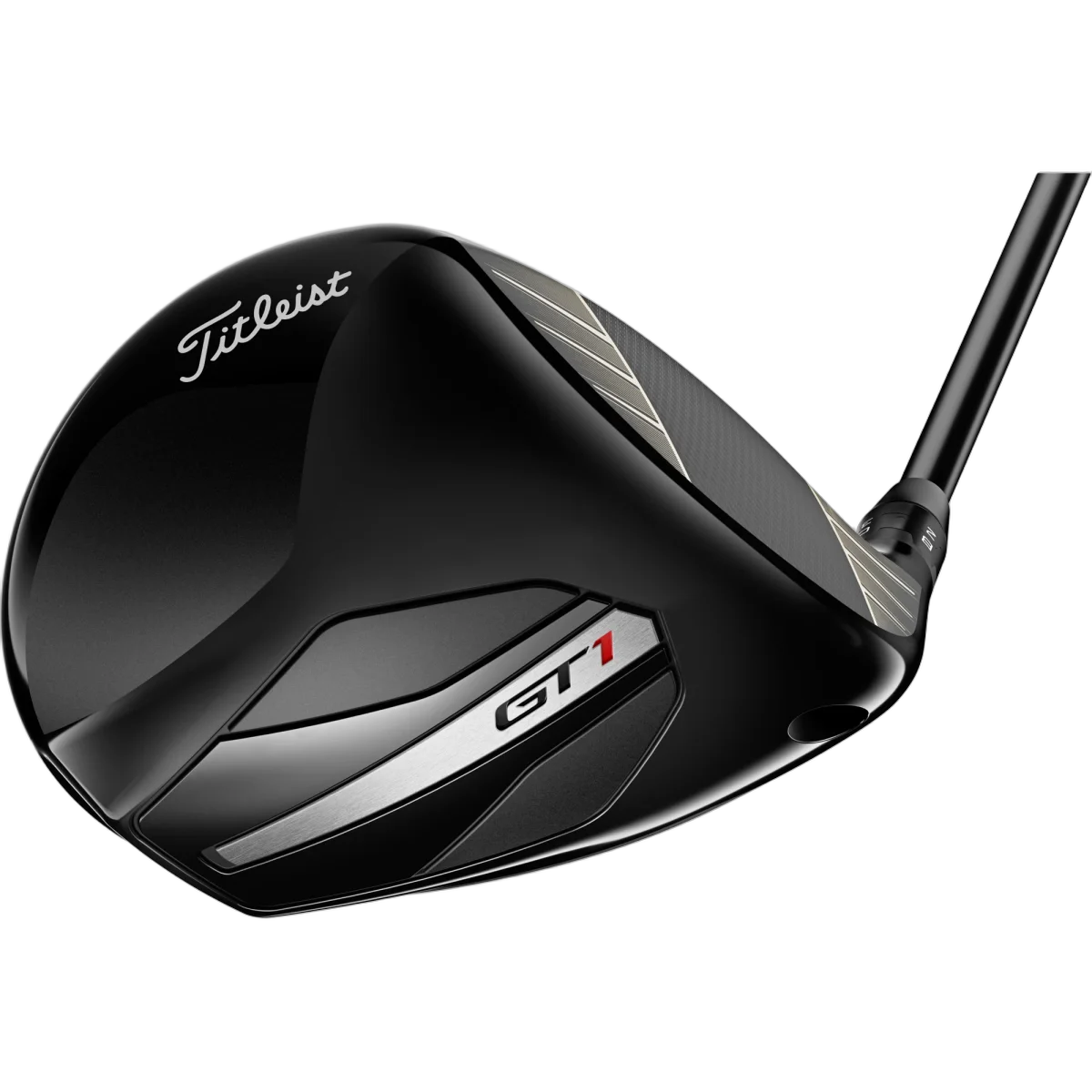
GT1 driver face showing grooves and multi-material construction
The Variable Face Thickness design maintains respectable ball speed across the face. Low-face strikes, which typically punish moderate swing speed players the hardest, held up better than I expected. I saw distance gaps of around 7 to 12 yards between pure center strikes and moderate mishits, which is competitive with the best forgiveness drivers in this category. For players coming from older or heavier equipment, the GT1 can deliver meaningful distance gains -- I have seen reports of golfers picking up 15 yards or more on their average drive after switching, and my own experience was consistent with that range.
That said, the GT1 is not designed to compete for raw distance against faster-swinging options like the GT2 or GT3. If your swing speed comfortably exceeds 100 mph, you will likely find more distance in the standard-weight GT models. The GT1's strength is extracting maximum performance from a swing speed that other drivers are not optimized for.
Launch & Spin
The GT1 is engineered for high launch with mid spin, and it delivers that profile consistently. The deep, low CG position makes it remarkably easy to get the ball airborne, even with the 9-degree loft option. Golfers who have historically struggled with launch height will find the GT1 does a significant amount of that work for them.
The spin profile sits in the mid range -- higher than the low-spin GT3 but not excessively spinny. This is intentional. Moderate swing speed players need spin to keep the ball in the air and maximize carry; stripping spin from these players, as some "distance" drivers attempt to do, often results in a ball that falls out of the sky too quickly. The GT1's mid-spin character produces a flight that climbs, carries, and lands at a manageable angle.
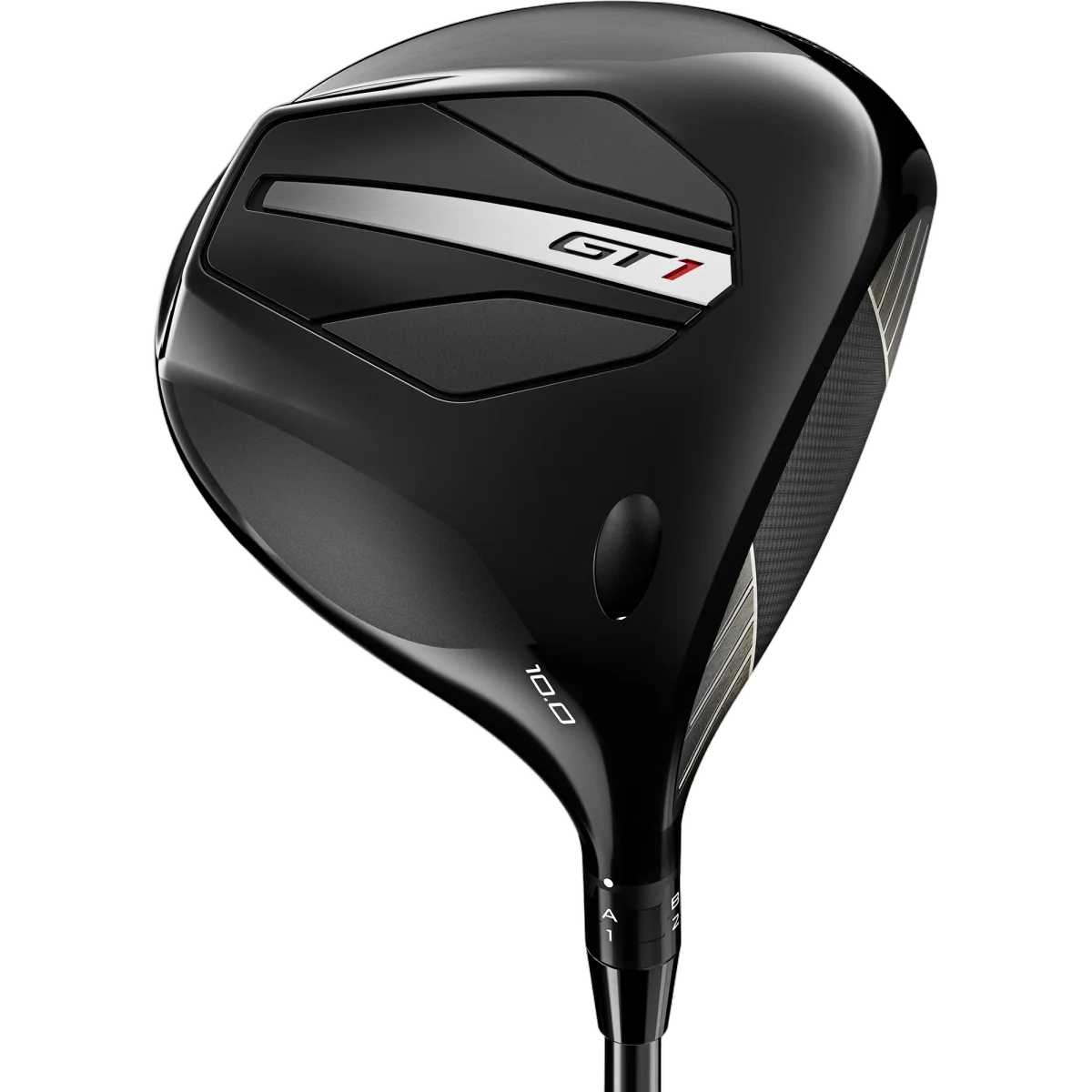
The SureFit hosel provides 2.25 degrees of loft and lie adjustability, and those loft changes also modify the face angle. Combined with the interchangeable back weight -- available in a standard 9-gram option or a heavier 15-gram version for golfers who want more headweight and swingweight -- there is meaningful room to fine-tune launch and spin to match your swing.
Dispersion & Shot Shape
Forgiveness is the GT1's defining trait. The high MOI from the 460cc head, deep CG, and perimeter-weighted design resists twisting on off-center contact, keeping mishits in the fairway more often than a smaller, lower-MOI design would. My dispersion patterns with the GT1 were tight by game-improvement standards, and the misses tended to stay in play rather than finding the trees.
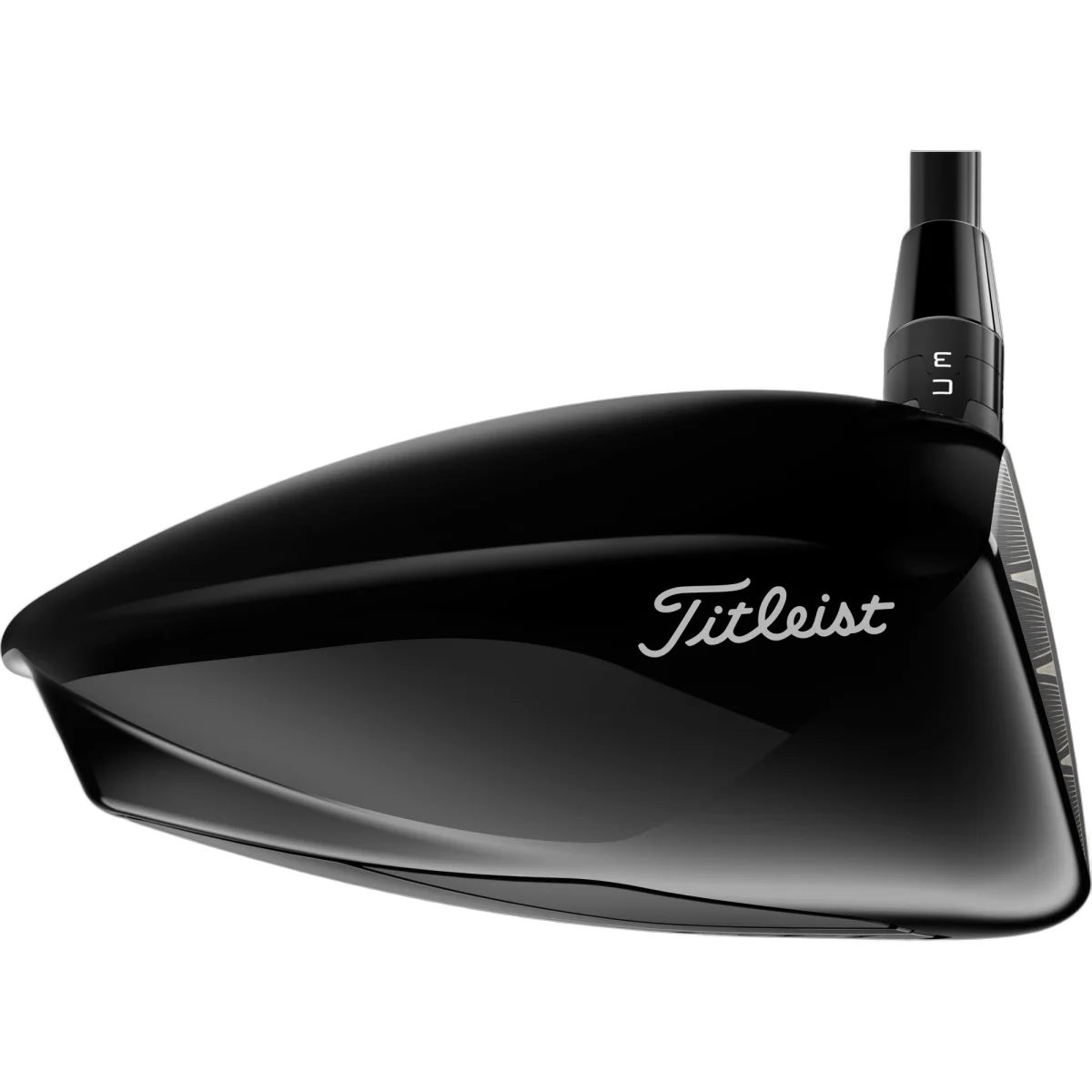
GT1 driver sole showing GT1 badge and adjustable hosel
The flip side of that stability is limited workability. This is a straight-ball driver. If you need to work the ball both directions on command, the GT1 will resist you. The SureFit hosel can set you up with a slight draw or fade bias, and you can lean on that for a consistent shot shape, but real-time shot shaping is not this driver's purpose. For the target player -- someone who wants to aim at the fairway and hit it there -- that trade-off is entirely worthwhile.
Verdict
The Titleist GT1 is a well-executed, purpose-built driver for a segment of the market that often gets overlooked. Moderate swing speed players -- seniors, many women golfers, and plenty of recreational male golfers -- deserve equipment designed specifically for their game, not just lighter versions of equipment designed for someone else. The GT1 takes that responsibility seriously. The ultra-lightweight construction, deep CG, and high-launching design work together to produce meaningful distance gains without requiring the golfer to change their swing.
Strengths: genuine distance improvement for moderate swing speed players, excellent forgiveness and tight dispersion, high launch that maximizes carry, satisfying sound and feel with honest feedback, premium appearance, useful adjustability through the SureFit hosel and interchangeable back weight, and a significantly more attractive price point after the recent reduction to $449.
Weaknesses: the glossy crown can catch glare in direct sunlight and will show wear over time, workability is minimal for players who want to shape shots, and the ultra-lightweight design means faster swingers will be better served by the GT2 or GT3. The original $649 price tag was a tough sell given the competition, though the current $449 pricing addresses that concern.
The GT1 is not for every golfer, and it does not pretend to be. But for the player it is designed for -- someone who swings at 85 to 95 mph and wants to maximize every bit of distance and accuracy available to them -- it is one of the best options in the category.