Titleist GT 280 Mini Driver
Titleist — Titleist GT 280 Mini Driver · By Lauryl · Jan 31, 2026
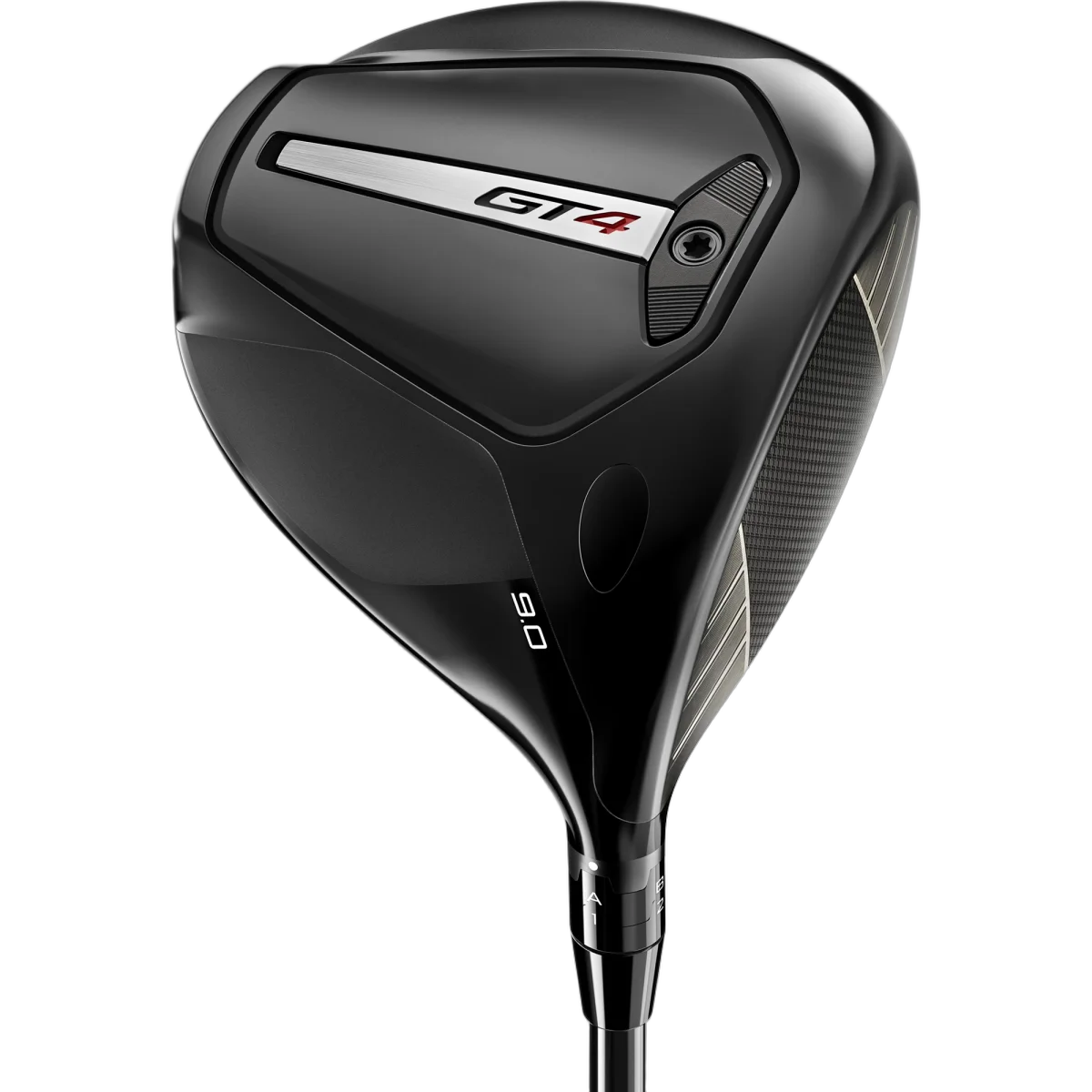
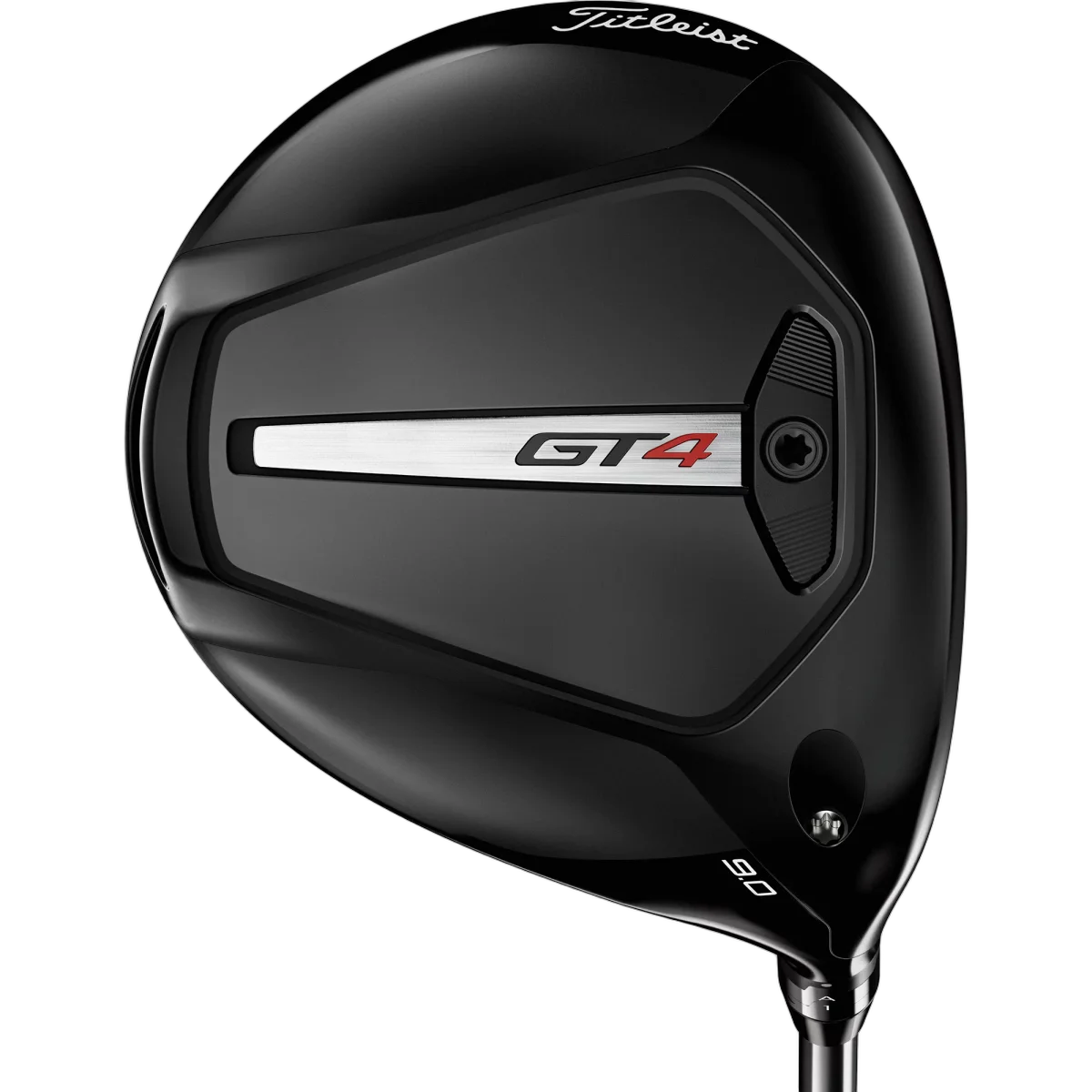
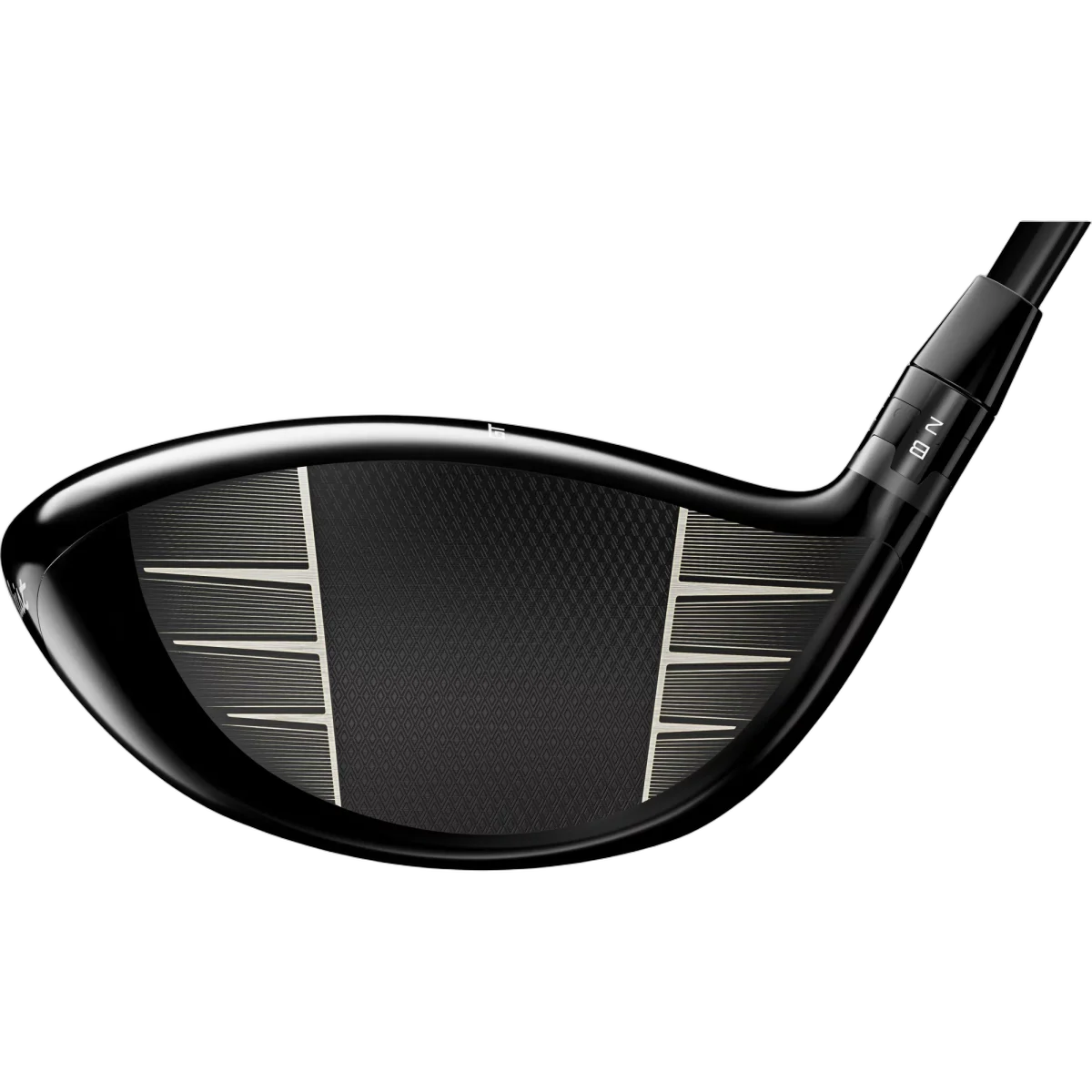
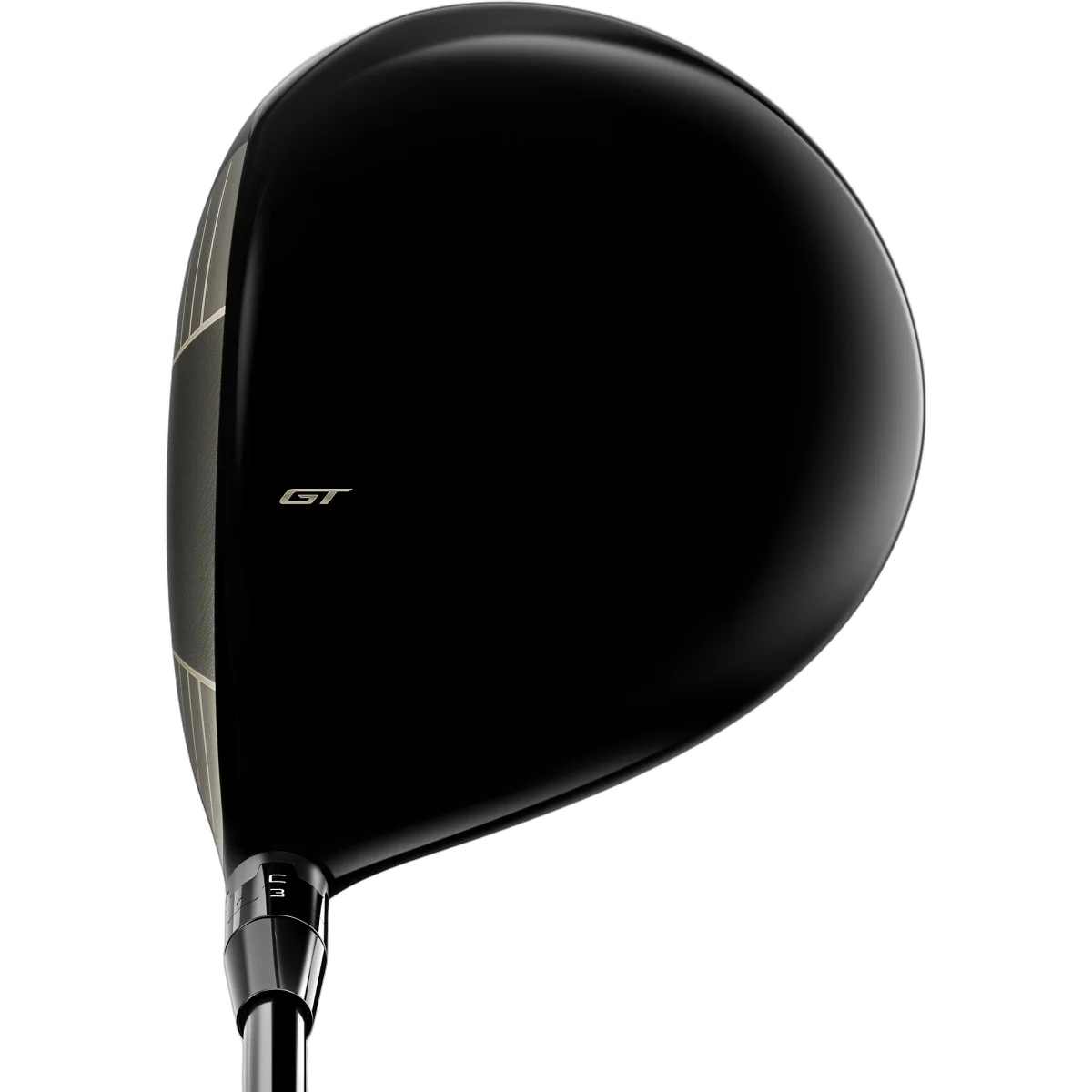
Titleist's compact powerhouse bridges the gap between driver and fairway wood, offering tighter dispersion and a draw-biased flight for golfers who value control off the tee.
The Big Picture
The mini driver category has quietly become one of the most interesting spaces in golf equipment, and Titleist entered the conversation with the GT280. Sitting at 280cc -- hence the name -- this club occupies the territory between a traditional 460cc driver and a standard 3-wood. The concept is straightforward: give up some raw distance in exchange for significantly tighter dispersion and more control off the tee. For golfers who struggle with driver consistency or play courses where finding the fairway matters more than maximizing carry, a mini driver can fundamentally change how you approach par 4s and par 5s.
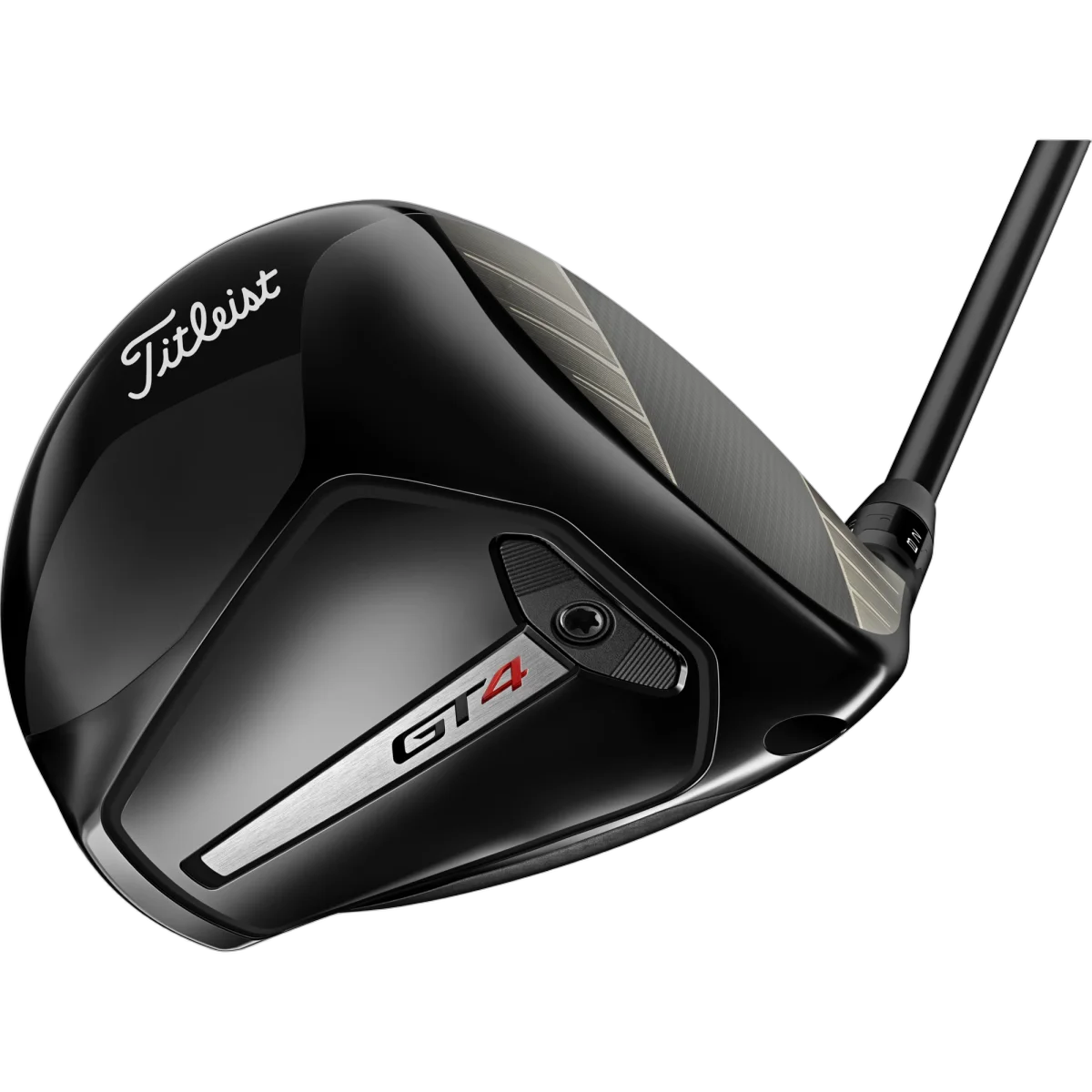
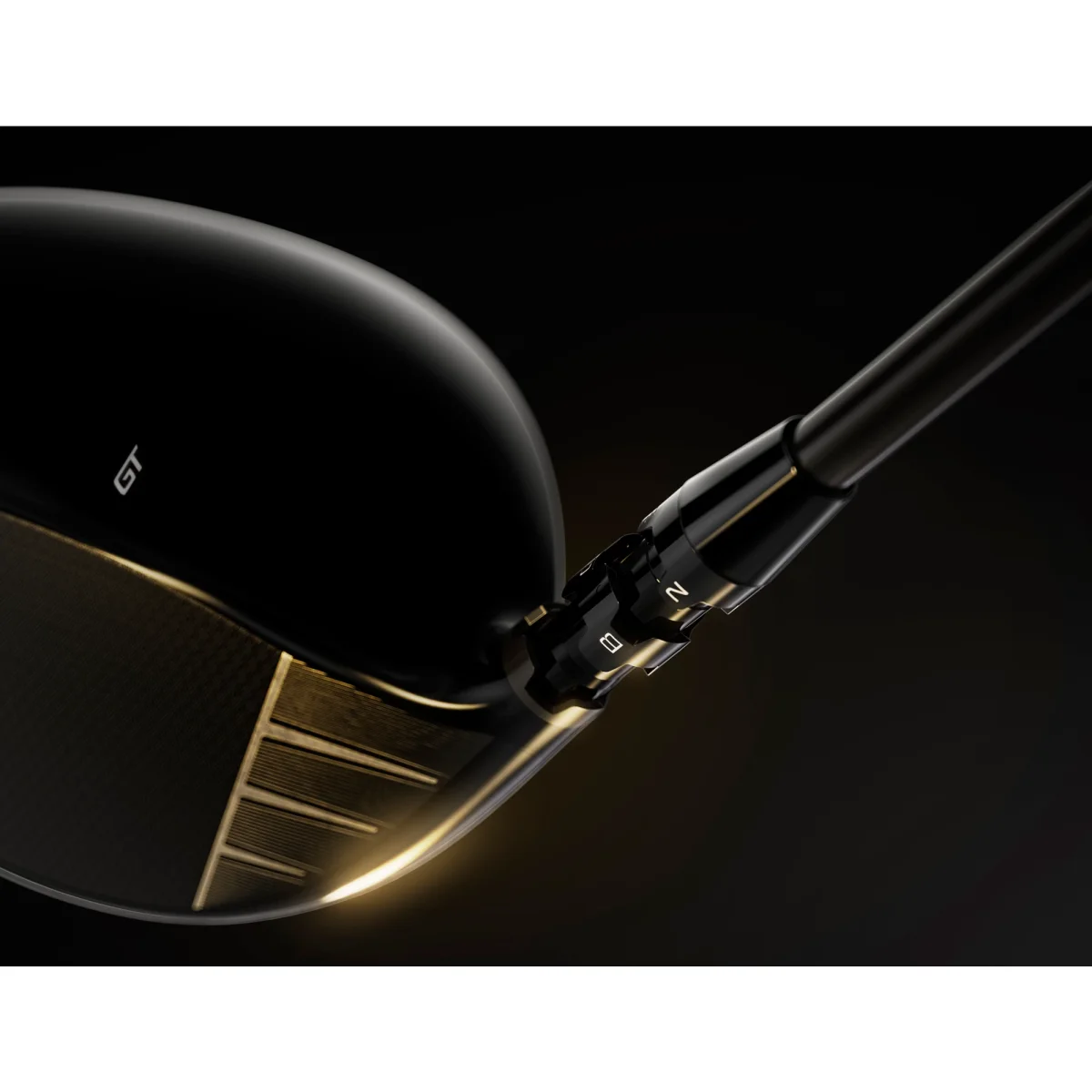
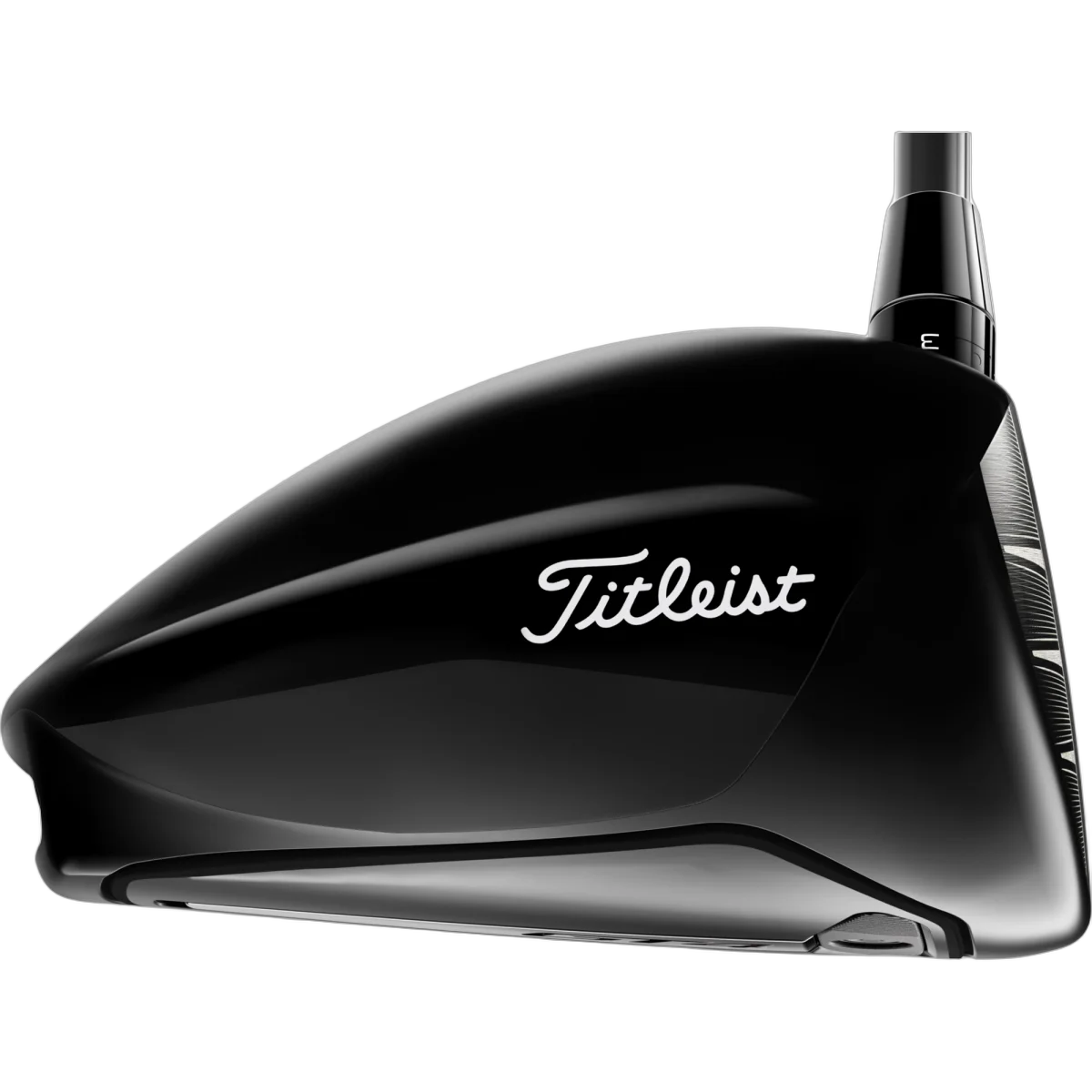
Rear quarter angle showing crown and GT4 sole badge
The GT280 is built on the same GT platform that Titleist debuted in 2024, sharing the core technology with the GT2 and GT3 full-size drivers. At 13 degrees of loft and with a compact 280cc head, it produces a distinctly different flight profile than its bigger siblings. The stock shaft is a low-mid launch option at 52 grams, designed to keep the ball flight penetrating while still generating enough height to carry hazards. At $499 MSRP, it is priced as a premium offering, which is consistent with where Titleist positions its equipment across the board.
Performance
Launch & Spin
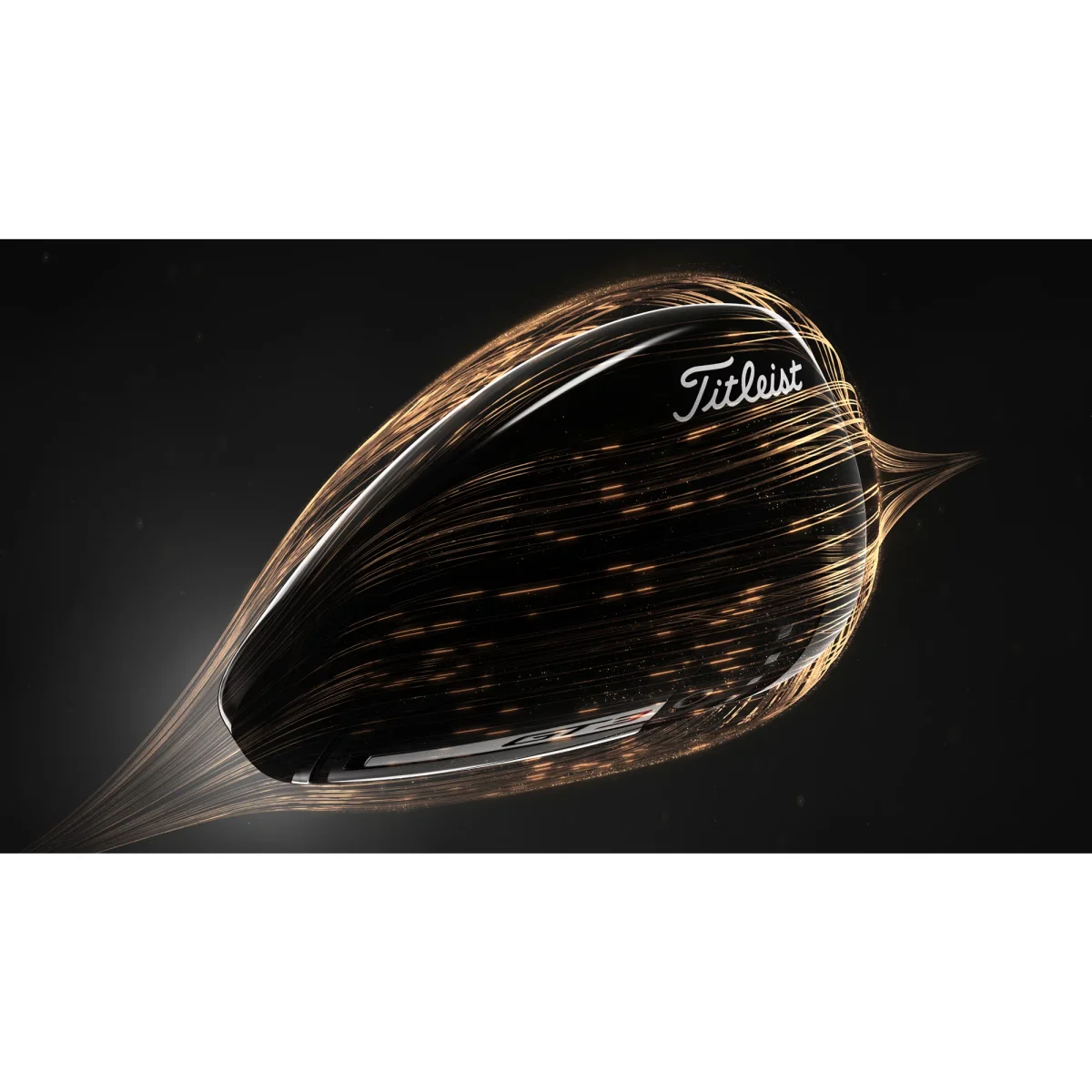
The GT280 generates a flight that sits in the low-mid launch window, which might sound counterintuitive for a club with 13 degrees of loft. But the combination of the compact head, lower CG positioning, and the stock shaft's low-mid launch profile produces a ball flight that gets up adequately but resists ballooning in the wind. In my testing, the ball came off with noticeably less spin than a comparably lofted fairway wood, which allowed it to knuckle through crosswinds more effectively.
Compared to a standard driver like the Titleist TSR4, the GT280 launches higher but with lower spin -- a combination that produces a different kind of useful flight. Where a driver might balloon on a windy day, the GT280's trajectory stays more controlled. The carry distance is roughly 25 to 30 yards shorter than a full driver, which is expected given the smaller head and shorter shaft length.
Dispersion & Shot Shape
This is where the GT280 makes its case. The tighter dispersion compared to a full-size driver is the entire reason this club exists, and it delivers on that promise convincingly. The narrower face and smaller head naturally produce less offline variation, and the GT280 carries a draw bias that will appeal to golfers who fight a fade or slice. The ball wants to turn over gently from right to left, which for many recreational golfers is a welcome correction.
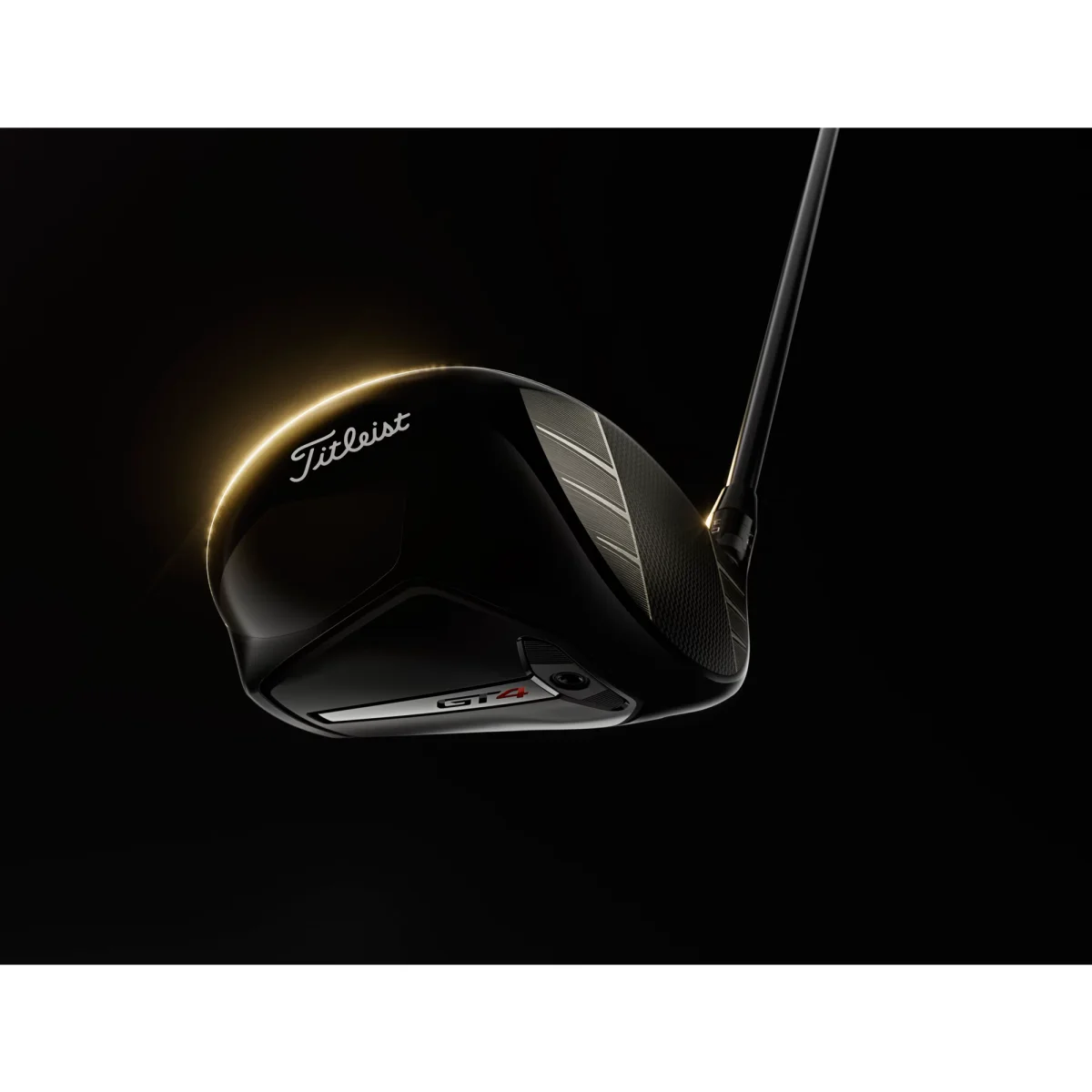
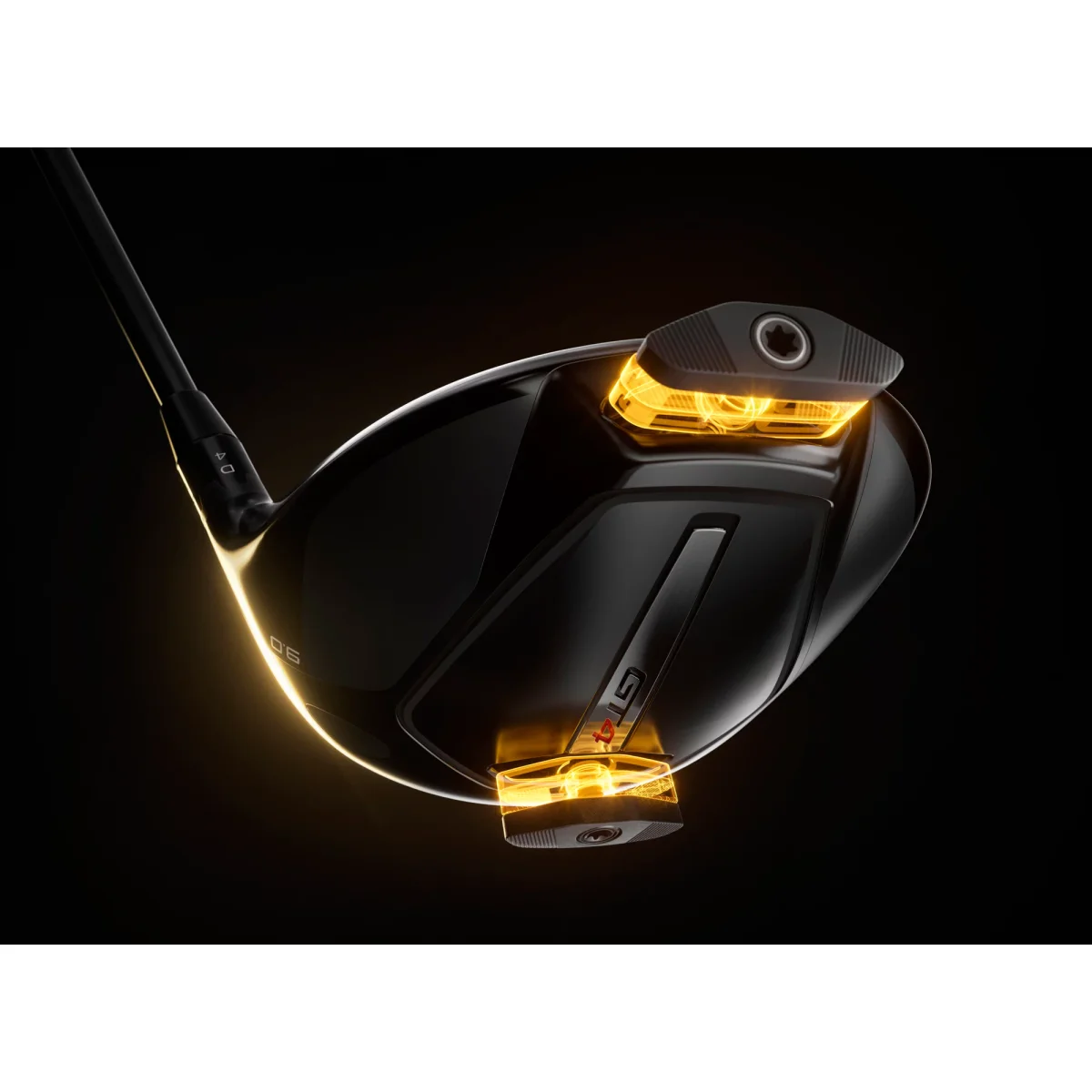
Sole view showing GT4 branding and adjustable weight port
That said, the forgiveness story is not as straightforward as the dispersion numbers might suggest. Compared to mini drivers from Callaway -- the Elyte and Ai Smoke models in particular -- the GT280 demands a bit more precision at impact. When you catch it right, this club is a surgical tee weapon. When you miss, the feedback is honest and the penalty is real. This is not a club that will bail you out on your worst swings the way some of the more forgiving mini driver options will.
The compact 280cc head fits nicely between a driver and a 4-wood in terms of bag setup. Players who carry both a driver and a GT280 can use it strategically -- pulling it out on tighter holes where accuracy matters more than distance, or when wind conditions make the full driver unreliable.
Verdict
The Titleist GT280 Mini Driver fills a legitimate need in the bag for golfers who want a controlled, reliable option off the tee without giving up the distance floor that a 3-wood imposes. The draw bias, low-spin flight, and tight dispersion make it a particularly good fit for players who tend to miss right with their driver or who play courses where fairway accuracy is non-negotiable.
Strengths: noticeably tighter dispersion than a standard driver, penetrating low-spin trajectory that handles wind well, draw bias that helps golfers who fight a fade, premium build quality and feel that Titleist is known for, and versatile bag placement between driver and fairway wood.
Weaknesses: less forgiving than competing mini drivers from Callaway, demands solid contact to perform at its best, $499 price tag is steep for what is essentially a secondary tee club, and the limited adjustability compared to full-size GT drivers restricts fine-tuning options.
The GT280 is best suited for low-to-mid handicap golfers who already have reasonable control of their swing and want a strategic weapon for specific situations. Higher handicap golfers who struggle with consistency off the tee may find that the less forgiving nature of this club amplifies rather than solves their problems -- they would be better served looking at the more forgiving mini driver options on the market.