TaylorMade Qi10 LS Driver
TaylorMade — TaylorMade Qi10 LS Driver · By Lauryl · Feb 5, 2026
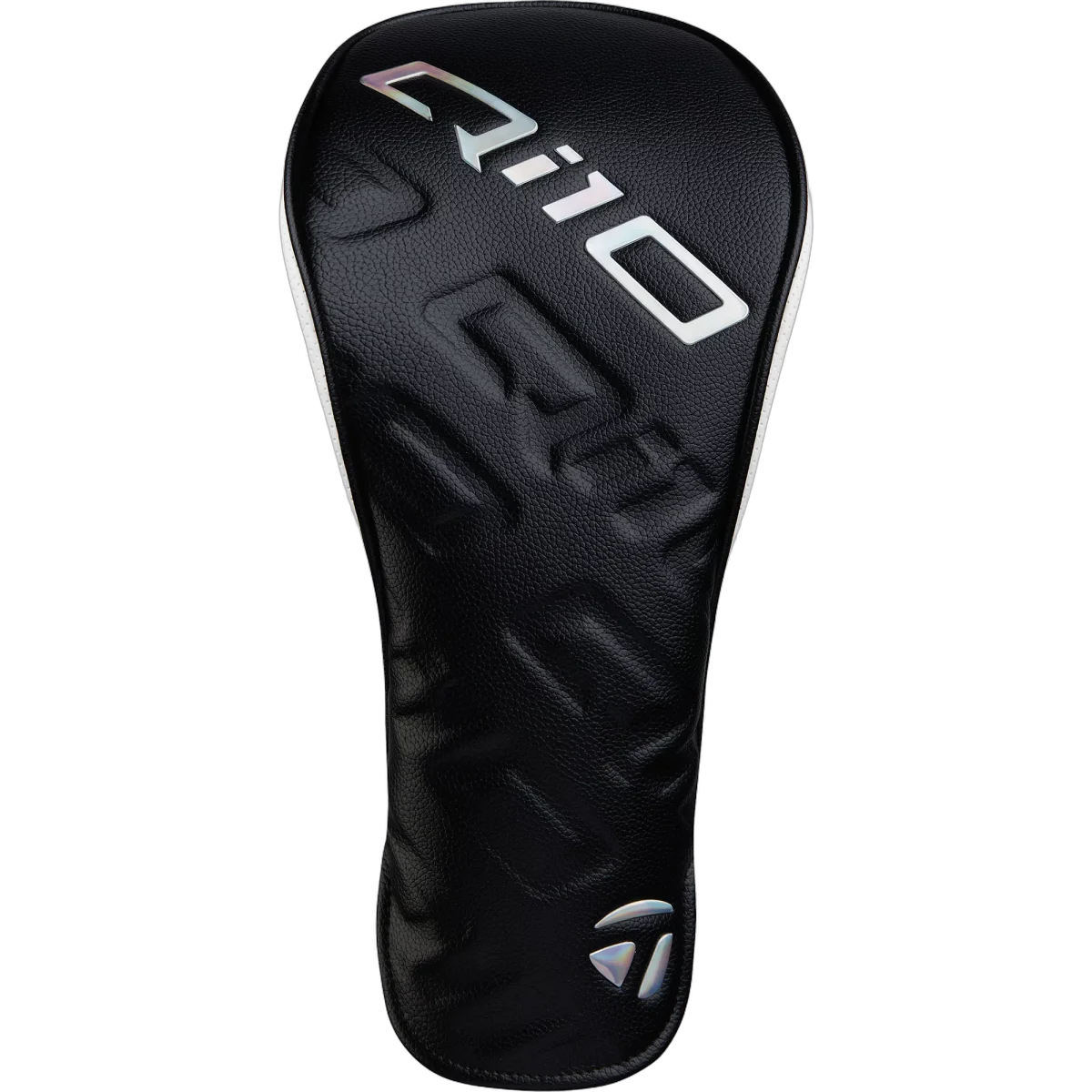
A low-spin weapon built for speed -- but the carbon face technology and forward CG mean this driver rewards good swings more than it rescues bad ones.
The Big Picture
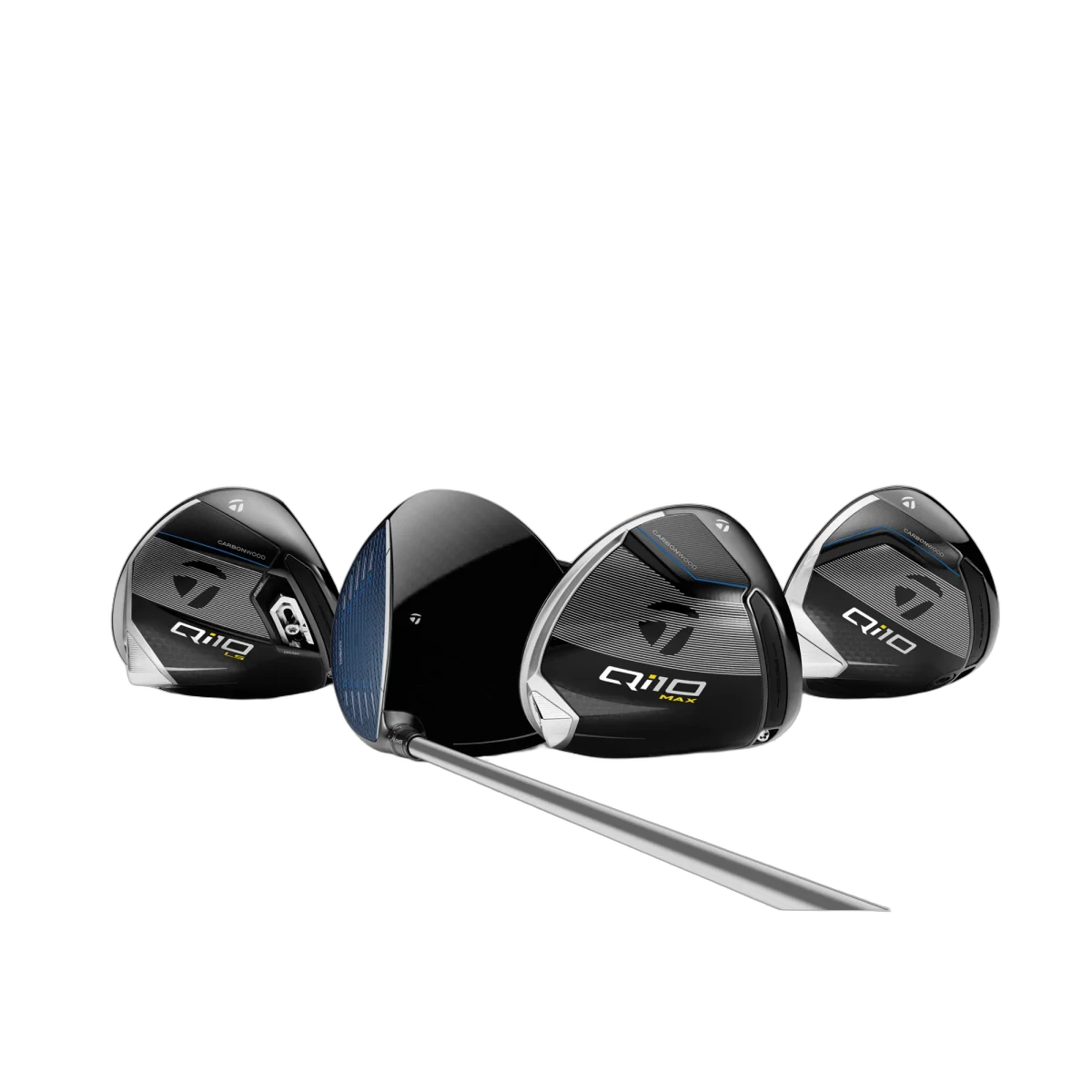
The Qi10 LS sits at the performance end of TaylorMade's 2024 Qi10 driver family, slotting in as the low-spin, low-launch option alongside the standard Qi10 and the high-MOI Qi10 Max. Where the Max chases forgiveness at all costs, the LS is designed for players who generate enough clubhead speed to take advantage of reduced spin -- the kind of golfer who loses distance to ballooning drives rather than weak contact.
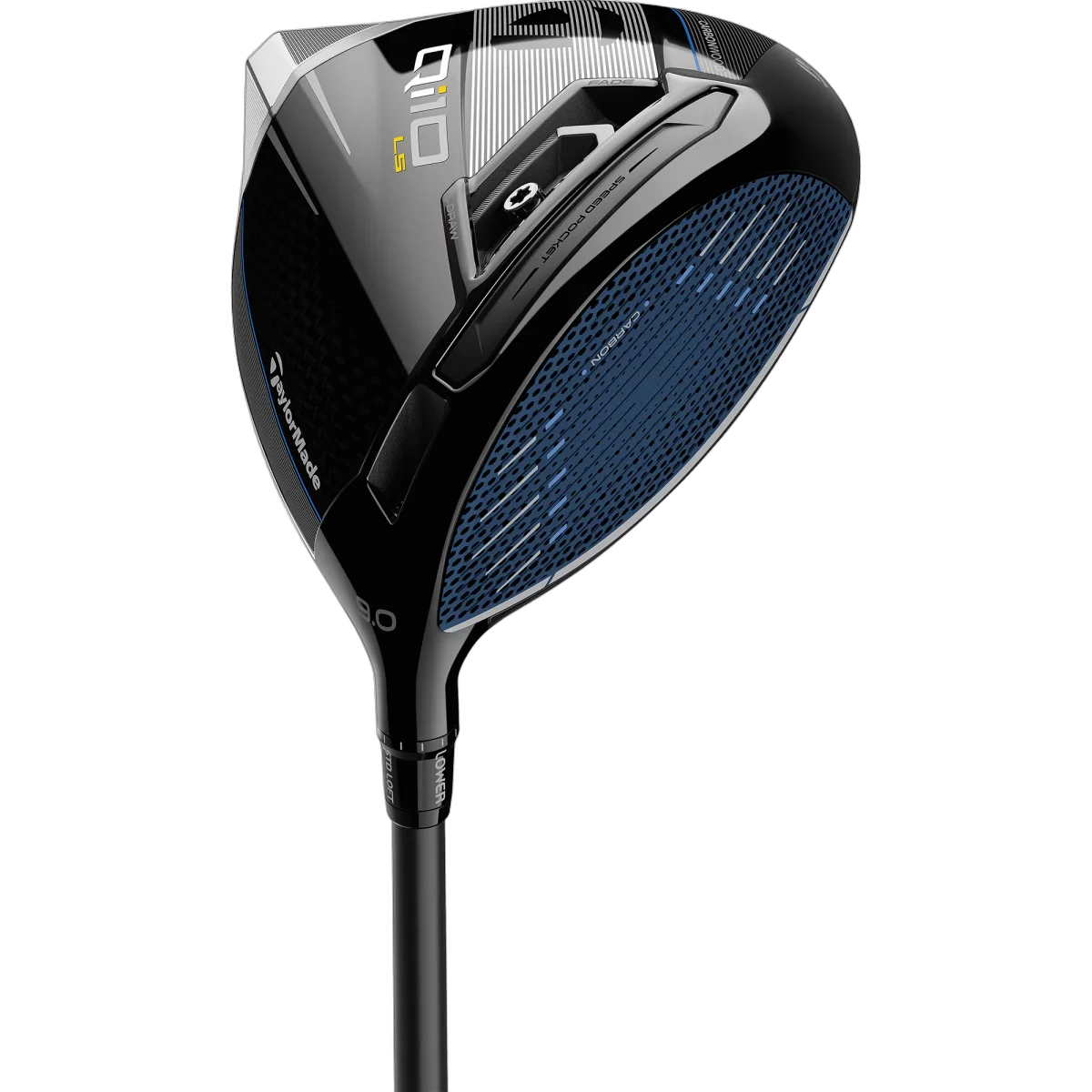
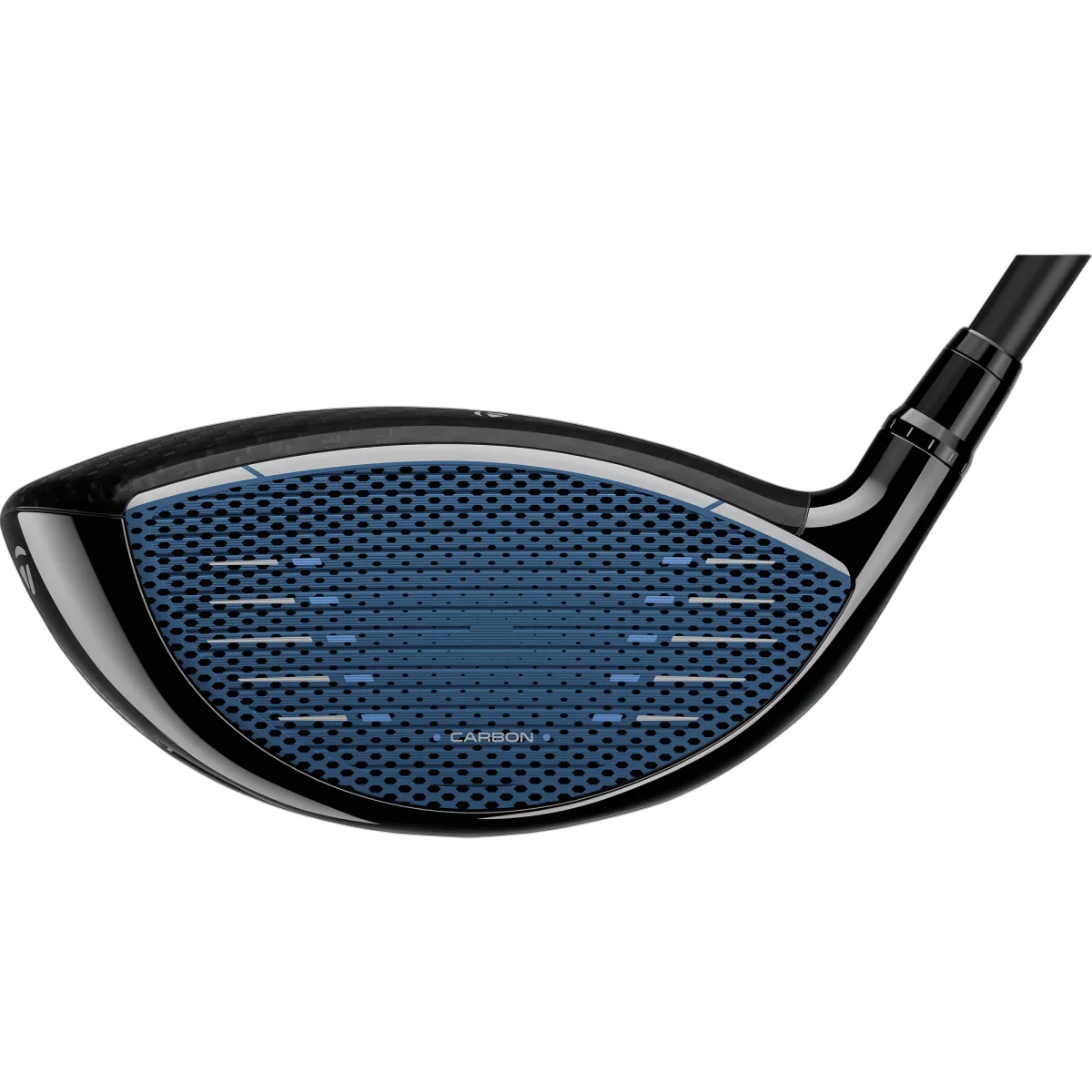
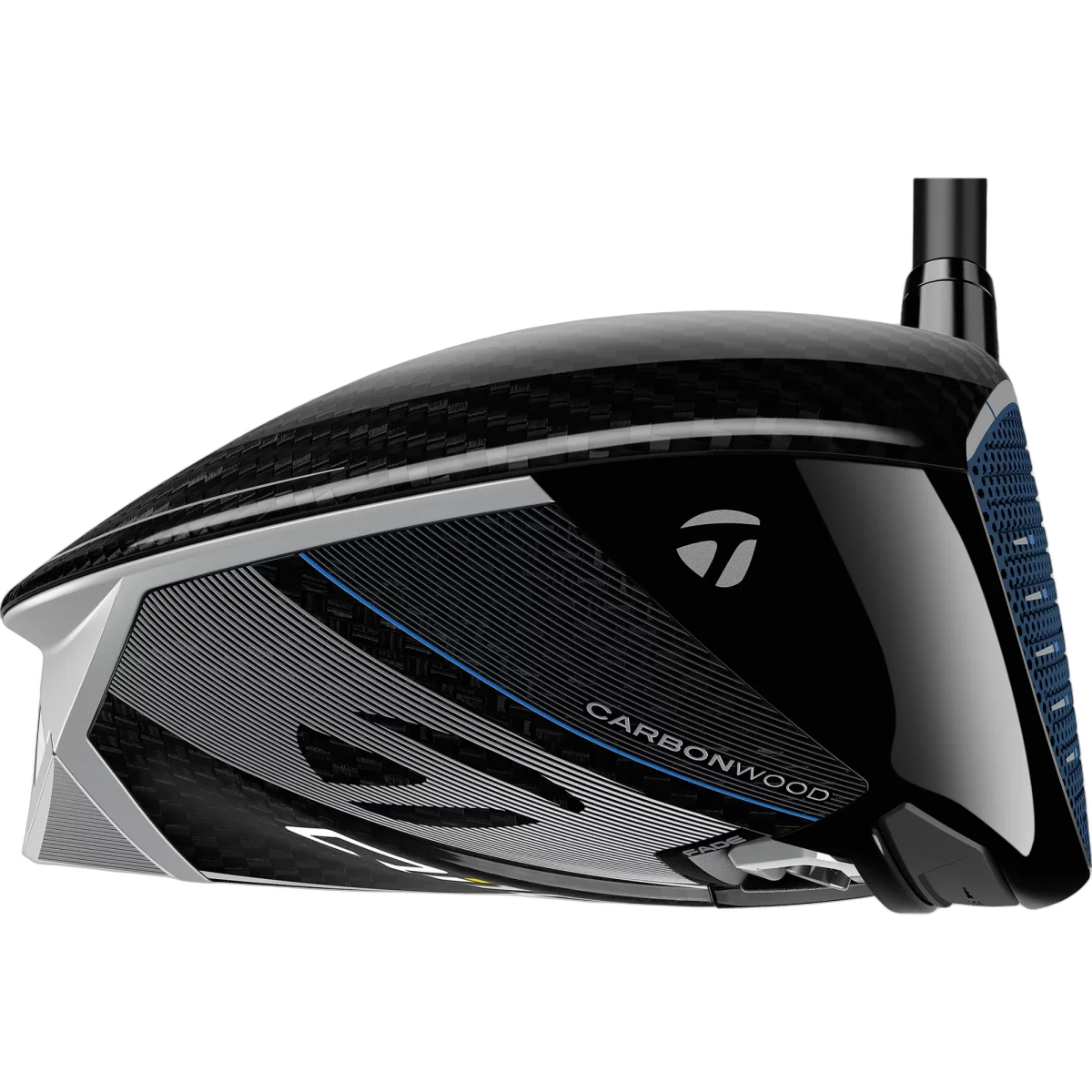
The headline technology is the third generation of TaylorMade's 60X Carbon Twist Face. This carbon fiber face is significantly lighter than a traditional titanium construction, and that weight savings gets redistributed to optimize the center of gravity. On the Qi10 LS, that means a forward and low CG position specifically tuned to knock spin off the ball. An 18-gram sliding sole weight lets you dial in draw or fade bias without altering the low-spin character of the head. Above, the Infinity Carbon Crown covers 97% of the total crown area -- the most carbon TaylorMade has ever used on a driver -- freeing up even more discretionary mass.
This is Tiger Woods's driver. It is Tommy Fleetwood's driver. Nick Dunlap used it to win the 2024 American Express, becoming the first amateur to win a PGA Tour event in over 30 years. That pedigree tells you exactly who TaylorMade had in mind: skilled players with fast swings who need spin reduction, not spin generation.
Originally priced at $629.99, the Qi10 LS can now be found in the $400 range with the newer Qi35 family occupying the top shelf. That price drop makes it considerably more accessible, though this remains a driver that demands a specific player profile to unlock its potential.
At Address
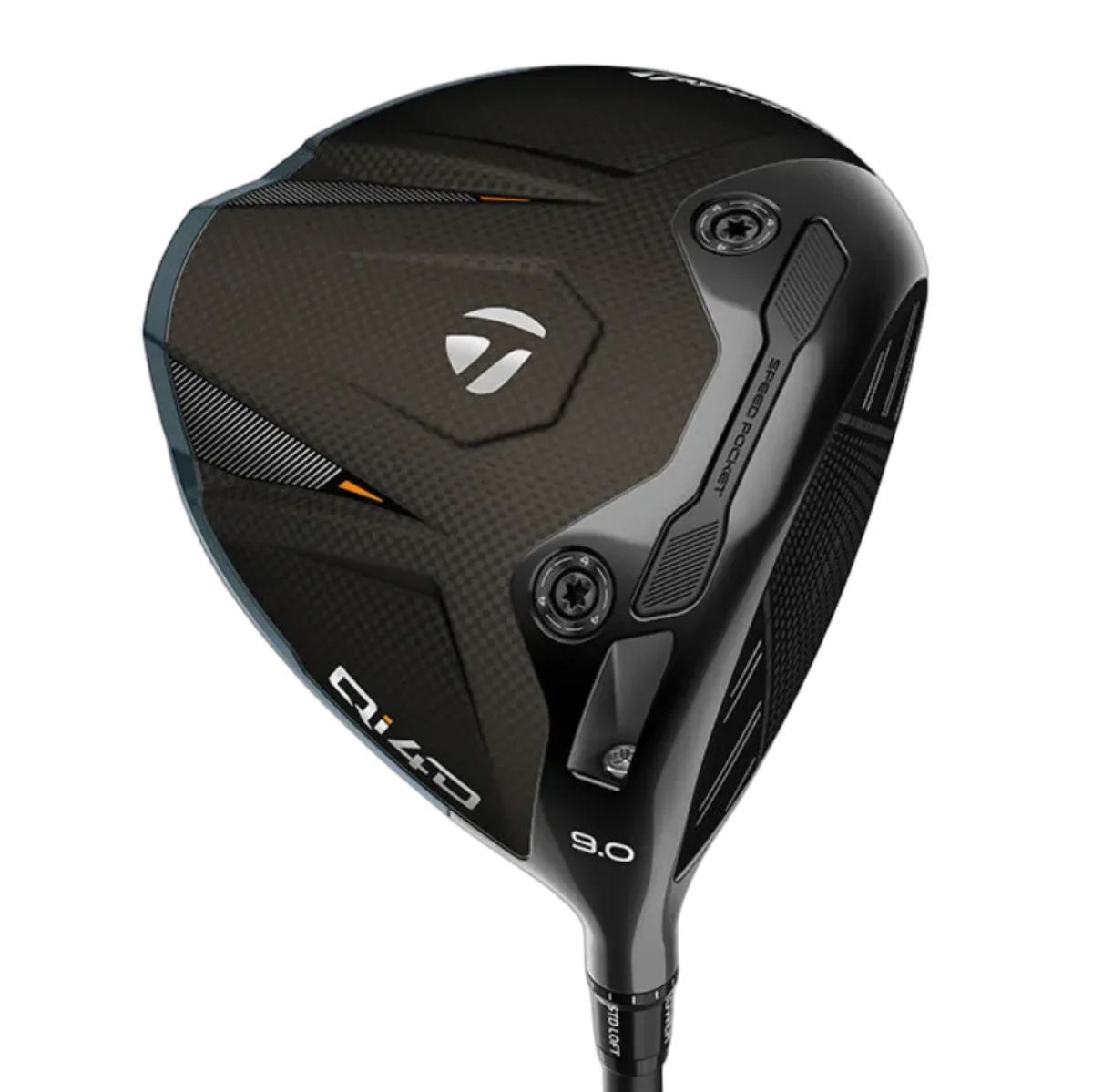
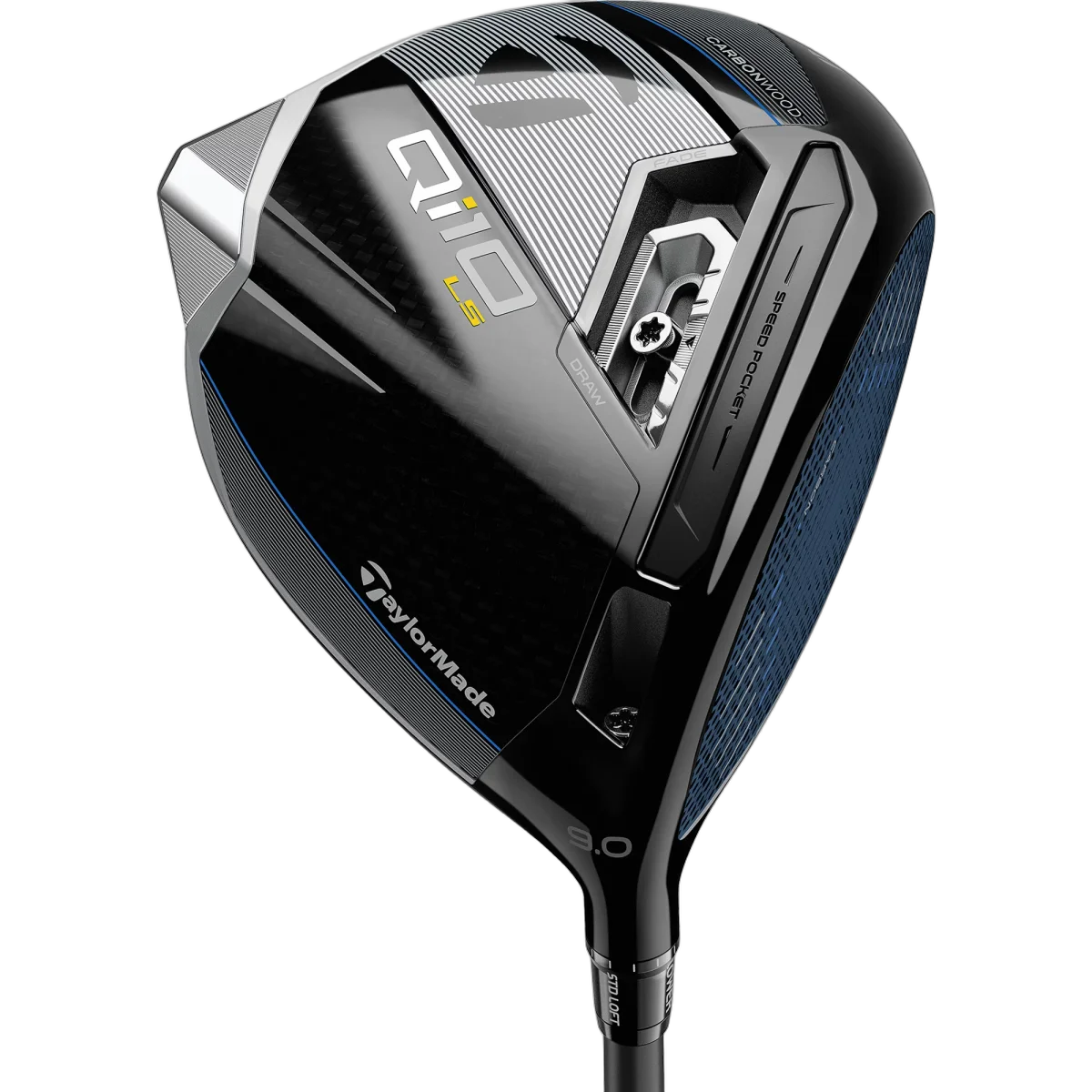
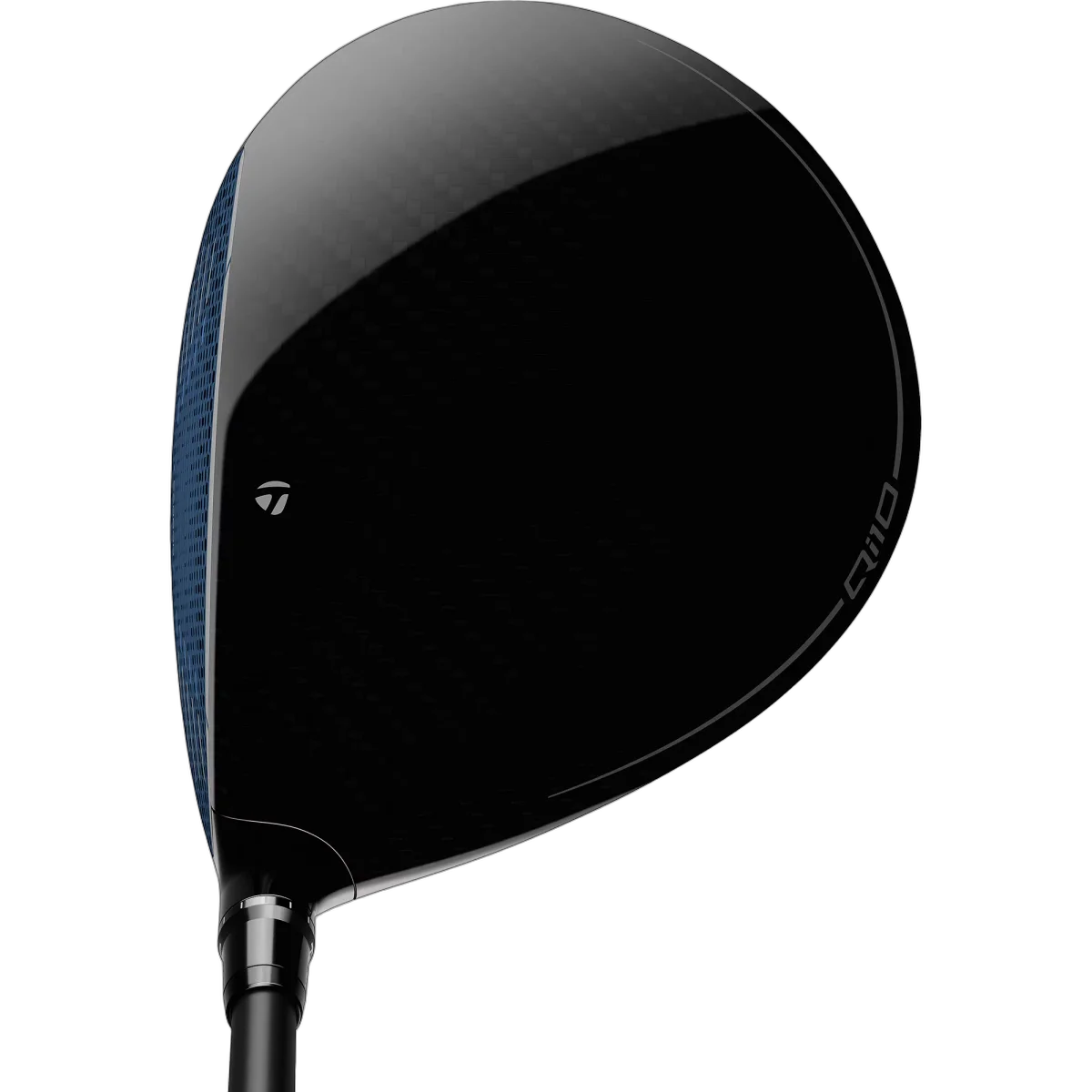
The Qi10 LS has a distinctly different look compared to its siblings. The head is noticeably more compact from heel to toe, with a deeper face that gives it a traditional, tour-preferred pear shape. It looks like a driver a better player would choose, and that is entirely intentional. The deep navy blue carbon face is subtle at address -- so subtle, in fact, that you can barely notice the color shift from the black crown. It is a far cry from the aggressive red faces of the Stealth generation, and I think the restraint works in its favor.
Address view of the black carbon crown with Qi10 branding
A clean alignment feature runs along the topline, providing a straightforward aiming reference without cluttering the crown. The overall impression at address is one of precision rather than forgiveness. This is not a driver that whispers "don't worry, I'll save you." It is a driver that says "swing well and I'll reward you." For the confident ball-striker, that distinction matters.
Sound & Feel
The Qi10 LS produces a muted, low-volume impact sound that sits quieter than both the standard Qi10 and the Max. There is a satisfying compression quality to center-face strikes -- you can genuinely feel the ball loading against the carbon face before it launches. It is not the loud crack that some golfers associate with power, but rather a dense, solid tap that communicates energy transfer.
Where the feel really distinguishes itself is on pure strikes. Center hits feel hot and effortless, and the feedback through the hands confirms you have found the sweet spot without needing to look at a launch monitor. Off-center contact is more informative than the forgiving Qi10 Max -- you know immediately when you have missed the middle. The vibration is not harsh or punishing, but the ball speed drop-off is real, and your hands will tell you about it. For a player who uses feel to make swing adjustments, that honest feedback is a feature, not a flaw.
Performance
Ball Speed & Distance
The 60X Carbon Twist Face does its job. Center-face ball speeds are competitive with the best drivers in the 2024 class, and the low-spin profile converts that speed into penetrating flights that carry well and roll out aggressively. In testing at higher swing speeds, the Qi10 LS produced carry distances that kept pace with top performers like the Callaway Paradym Ai Smoke Triple Diamond and the Titleist GT2.
Face view showing blue carbon twist face technology
What makes the distance story interesting is how the Qi10 LS handles off-center contact. On high-toe misses -- a common miss pattern for better players -- the driver actually gained distance in robotic testing, picking up over two yards compared to center strikes. That is a remarkable result for a low-spin head and speaks to the maturity of the Twist Face technology. The variable face curvature corrects gear effect on mishits while maintaining the spin reduction that defines this driver's identity.
However, the distance penalty on low-face and heel-side misses is more pronounced than on the standard Qi10. The forward CG that reduces spin also means less energy retention when you miss away from the sweet spot in certain directions. If your misses are scattered across the face, the Qi10 LS will not be as forgiving as its siblings.
Launch & Spin
This is where the Qi10 LS earns its "LS" designation. Spin rates in my testing consistently sat in the high 1,900 to low 2,100 rpm range with a 9-degree head, producing a mid-height but penetrating ball flight that held its line through the wind. The spin delta between center and high-center strikes stayed within a 500 to 800 rpm window, which is impressively tight for a low-spin design.
Launch angles settled around 10 to 11 degrees depending on loft configuration, and the 4-degree adjustable hosel provides enough range to fine-tune trajectory without fundamentally changing the low-spin character. The stock Fujikura Ventus Blue shaft pairs well with the head's intentions, promoting a stable, controlled flight. Players who already generate adequate launch through swing speed will find the Qi10 LS keeps the ball on a rope. Players who need help getting the ball airborne should look at the standard Qi10 or Max instead.
Dispersion & Shot Shape
Dispersion with the Qi10 LS is tight for a low-spin driver, though it does trail the Qi10 Max in pure forgiveness metrics. The misses tend to be straight -- more push-right or pull-left than the curving misses you see with lower-MOI heads. That predictability is valuable on the course, even if the total dispersion area is slightly wider than the Max.
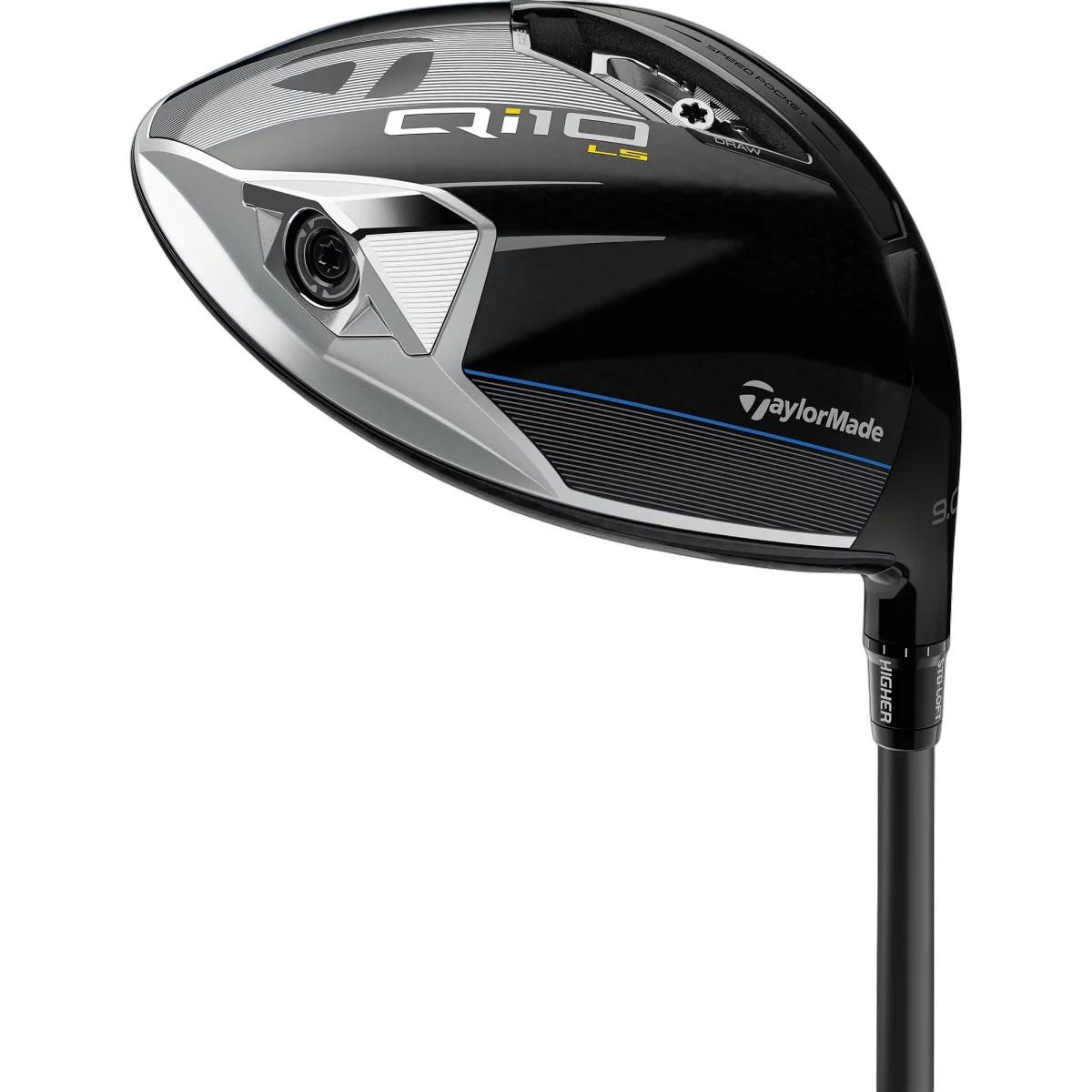
Sole view showing blue carbon crown and Qi10 LS branding
The 18-gram sliding weight is a useful tuning tool. In the forward position, spin drops further and the flight stays low and penetrating. Slide it toward the heel or toe and you can introduce draw or fade bias without needing to change your swing. The adjustability range is meaningful -- enough to shape a consistent shot pattern for a round -- but this is not a driver that encourages shot-by-shot manipulation. Pick your setting, trust it, and swing.
Verdict
The TaylorMade Qi10 LS is a purpose-built low-spin driver that delivers exactly what it promises for the right player. The third-generation carbon face technology produces impressive ball speeds, the forward CG keeps spin rates remarkably low, and the overall package rewards clean, aggressive swings with penetrating drives that carry far and roll out.
Strengths: excellent spin reduction without sacrificing ball speed, impressive performance on high-toe mishits, honest and informative feel at impact, a clean and confidence-inspiring appearance at address, meaningful adjustability through the sliding weight and hosel system, and strong value at its current discounted price point.
Weaknesses: less forgiving than the standard Qi10 and Qi10 Max on off-center strikes, requires sufficient swing speed to generate adequate launch, and the muted sound profile may not satisfy golfers who want audible confirmation of a good strike.
This driver is best suited for low-to-mid handicap players with swing speeds above 100 mph who fight high spin and want to bring their driver flight down without giving up distance. If that describes your game, the Qi10 LS is one of the best options in its class. If you need forgiveness and help getting the ball in the air, the standard Qi10 or Max will serve you better.