PXG Bat Attack ZT Putter
PXG — PXG Bat Attack ZT · By Andy · Feb 2, 2026
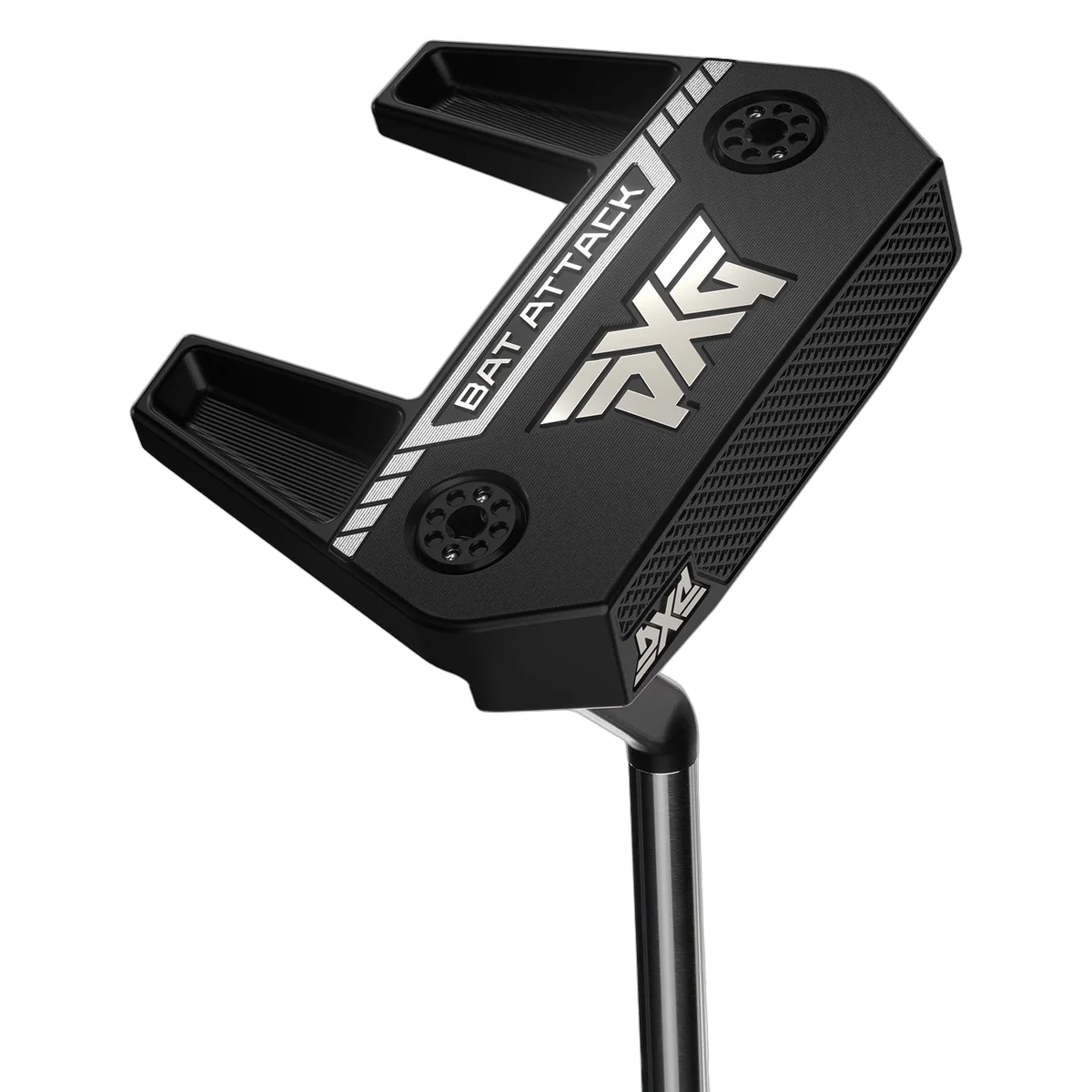
A zero-torque putter that looks like a putter you have actually seen before -- and performs like one you will not want to put down.
The Big Picture
The zero-torque putter category has moved from curiosity to mainstream in a remarkably short time. L.A.B. Golf built the foundation, TaylorMade brought the concept to a wider audience, and now PXG has entered the conversation with the Bat Attack ZT -- their second zero-torque offering following the well-received Allan ZT from last year.
The core idea behind any zero-torque putter is straightforward: align the shaft axis directly above the putter's center of gravity so the face naturally resists rotation. In practice, this means the face stays square through the stroke without requiring manipulation from the golfer. Short putts become less about technique and more about picking the right line.
What sets the Bat Attack ZT apart is how PXG achieved the zero-torque profile without abandoning a familiar head shape. The Allan ZT was purpose-built around the technology, resulting in a somewhat unusual look. The Bat Attack ZT takes PXG's most popular mallet shape -- a classic fang design reminiscent of the Odyssey #7 or Scotty Cameron Phantom -- and retrofits it with their proprietary S-Hosel. The result is a zero-torque putter that does not look like a science project. It looks like a putter you might actually want to game.
At $449, it sits right in line with the TaylorMade Spider ZT and undercuts most L.A.B. Golf models, making it a competitive entry in a growing category.
At Address
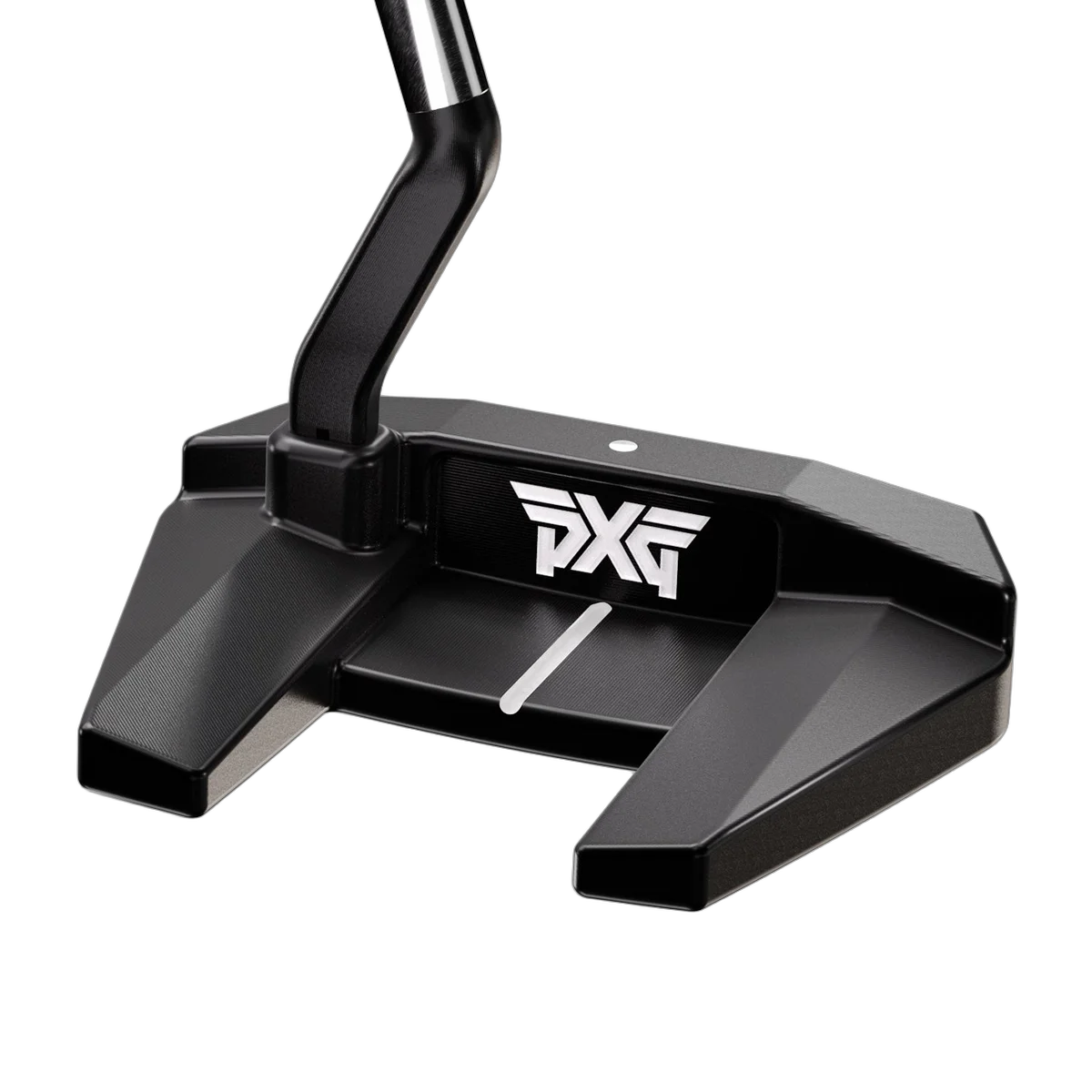
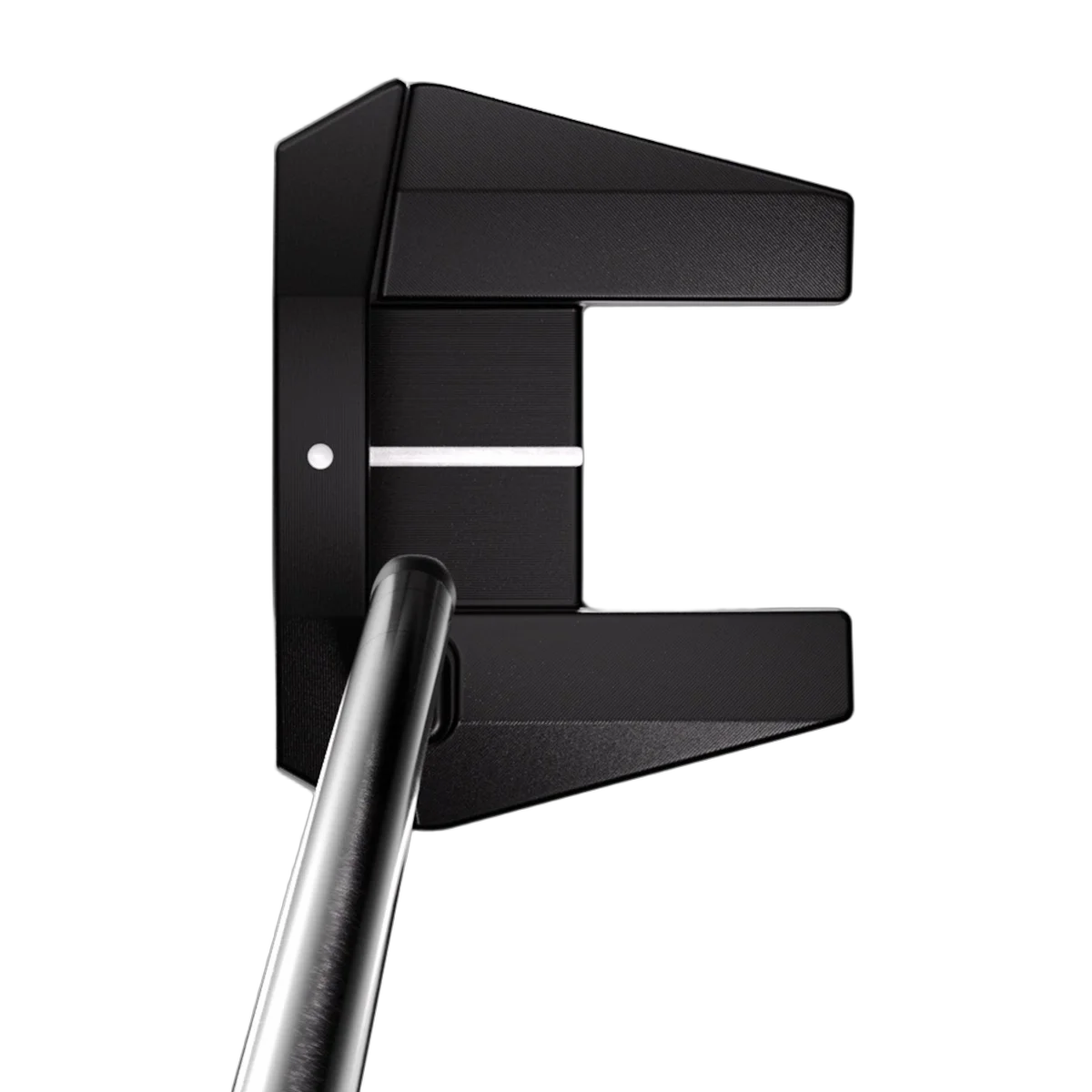
The Bat Attack ZT impressed me immediately out of the box. The gunmetal finish is striking -- understated and premium without being flashy. PXG kept the color palette restrained: the only contrast on the head is the alignment aid, a simple white line and dot in the cut-out section of the flange. The result is a clean, uncluttered look that makes alignment intuitive.
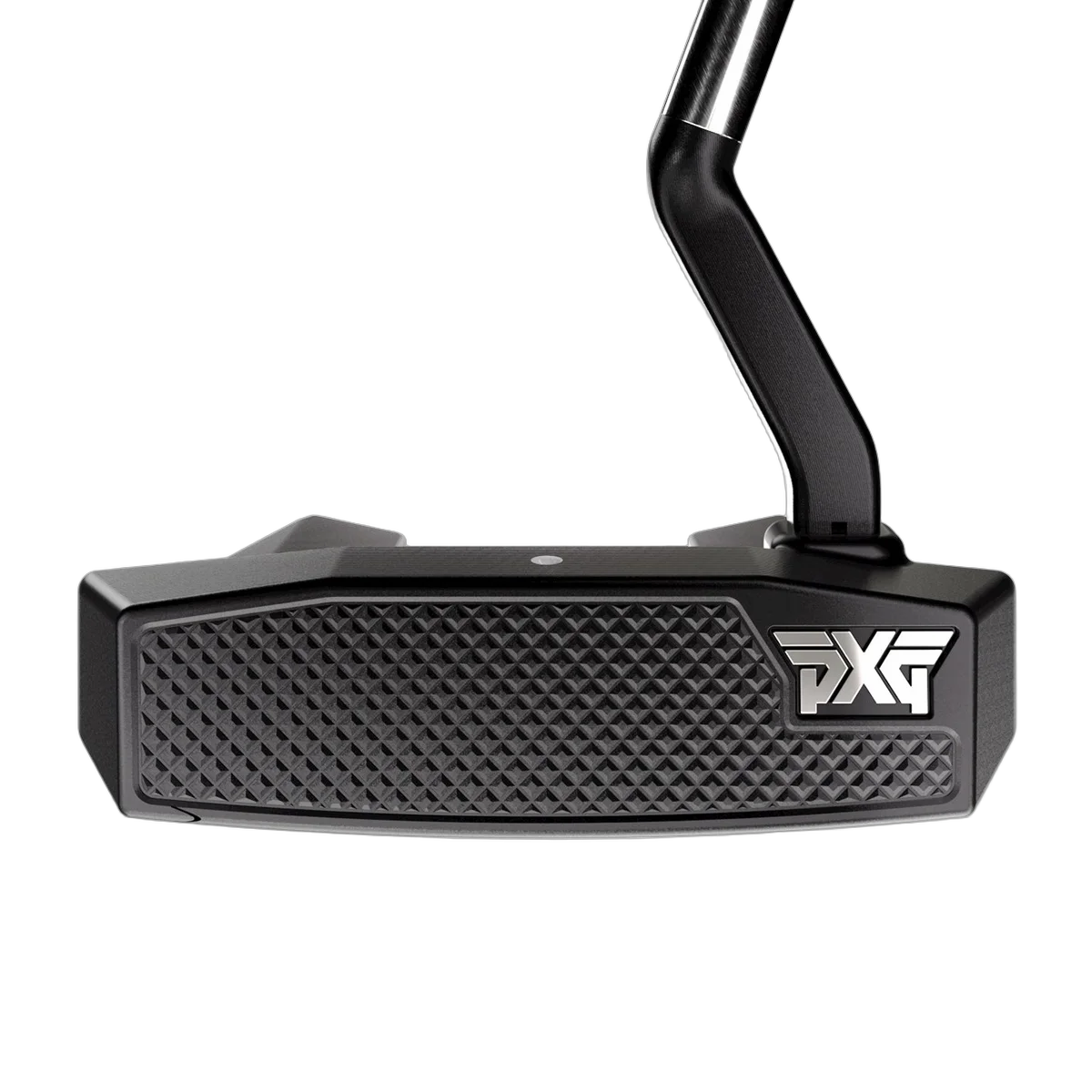
Address view showing PXG diamond face pattern and matte black finish
The fang-like profile is familiar and confidence-inspiring. It frames the ball well at address and provides enough visual footprint to communicate forgiveness without looking oversized. The S-Hosel is the only visual giveaway that this is a zero-torque design -- it protrudes slightly toward the center line, positioning the shaft axis over the CG. This does place the face noticeably ahead of the shaft, which takes a few putts to get used to. The built-in 5 degrees of loft and the natural shaft lean of the grip help mitigate any visual strangeness, and after a handful of putts, I stopped noticing it entirely.
Sound & Feel
This is where the Bat Attack ZT makes its strongest impression. PXG has built the head from 303 stainless steel with a hollow chamber behind the face, injected with their proprietary S COR polymer. That polymer dampens vibrations and redistributes weight toward the perimeter for forgiveness, but its most noticeable effect is on feel: the Bat Attack ZT produces a distinctly soft, muted "tock" at impact. It is not dead or lifeless -- there is enough feedback to gauge strike quality -- but it sits firmly on the softer end of the spectrum.
If you are coming from a firmer milled putter or a traditional stainless steel blade, the difference is significant. The first few putts may feel like you need to give it a little more juice, and that adjustment period is real. I noticed it immediately on the practice green and spent about five minutes recalibrating my stroke for pace. Once dialed in, the softer feel became an asset: distance control felt natural and repeatable, and the muted feedback eliminated the flinch I sometimes get on shorter putts with clicky-sounding putters.
The pyramid face pattern contributes to a consistent ball speed off the face regardless of where you make contact. Even heel and toe strikes produce a surprisingly uniform roll, which builds confidence quickly.
Performance
Speed Control & Consistency
The zero-torque design delivers exactly what it promises. Inside five feet, the Bat Attack ZT felt almost automatic. The face stays so stable through impact that short putts become primarily about reading the green correctly rather than worrying about whether you pushed or pulled the stroke. I made 9 out of 10 putts from six feet and in during one nine-hole stretch, and avoided three-putting entirely.
From the 7-to-18-foot range is where I found the most improvement in my game. The combination of the stable face and the soft, consistent feel made speed control more intuitive. My lag putting improved noticeably -- putts that I might normally leave four feet short or blow three feet past were dying much closer to the hole.
On longer putts, the alignment system and consistent roll continued to perform well. The perimeter weighting -- those fang wings carry significant mass -- creates enough MOI to keep off-center strikes from losing speed or wandering off line.
Forgiveness
This is an underrated aspect of the Bat Attack ZT. The hollow construction with the S COR polymer pushes weight to the heel and toe, creating a higher MOI than the head size might suggest. I intentionally struck putts toward the toe and heel during practice, and the results stayed remarkably close to center-struck putts in terms of both distance and direction. The ball still rolled straight. PXG does not make a big deal about this in their marketing, but the forgiveness is real and meaningful for anyone who does not catch the sweet spot every time.
Rear view of PXG Bat Attack mallet with alignment line and wings
MSRP: $449
Verdict
The PXG Bat Attack ZT is a genuinely impressive putter that makes the zero-torque category accessible to golfers who want stability without embracing an unfamiliar head shape. The S-Hosel solution is clever -- it delivers the lie-angle-balanced benefit while keeping a heel-shafted look that most golfers will find comfortable. The feel is soft and refined, the forgiveness is legitimate, and the performance from close range borders on unfair.
Strengths: Exceptional stability on short putts. Soft, refined feel with consistent ball speed across the face. Classic fang shape that does not look like a zero-torque putter. Adjustable sole weights maintain ZT profile. Competitive pricing within the zero-torque category.
Weaknesses: The softer feel and slower ball speed require an adjustment period. The grip shape (large and square) is not for everyone. The face-forward setup from the S-Hosel takes getting used to visually.
Who it is for: Any golfer who is curious about zero-torque putting but has been put off by the unusual aesthetics of other models. Players who struggle with short putts under pressure. Golfers who prefer a softer feel at impact. If you like the fang mallet shape and want the most stable stroke possible, this putter deserves a serious audition.