Paradox Mallet Putter
Breakthrough Golf Technology — BGT Paradox Mallet Putter · By Andy · Feb 21, 2026
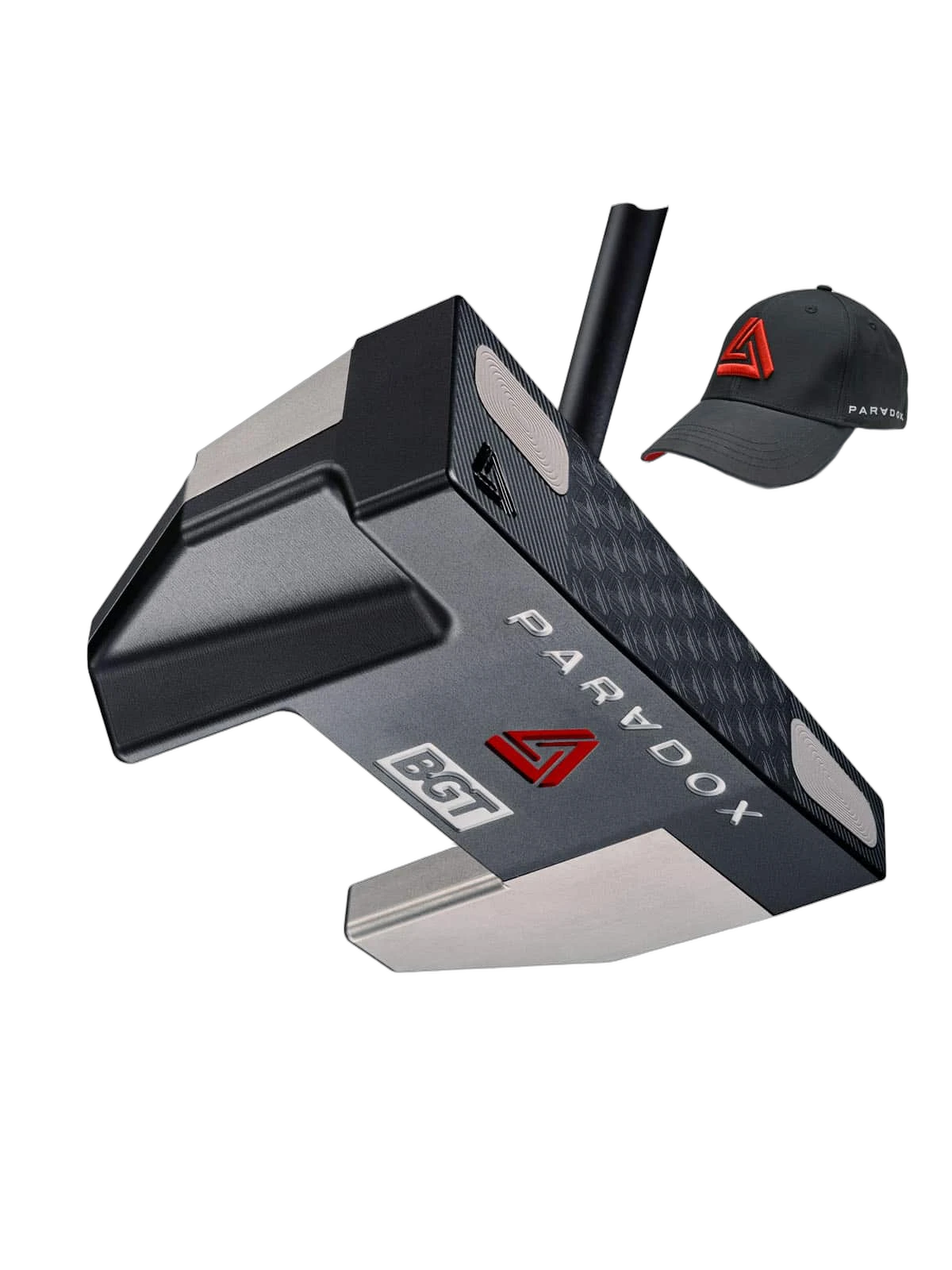
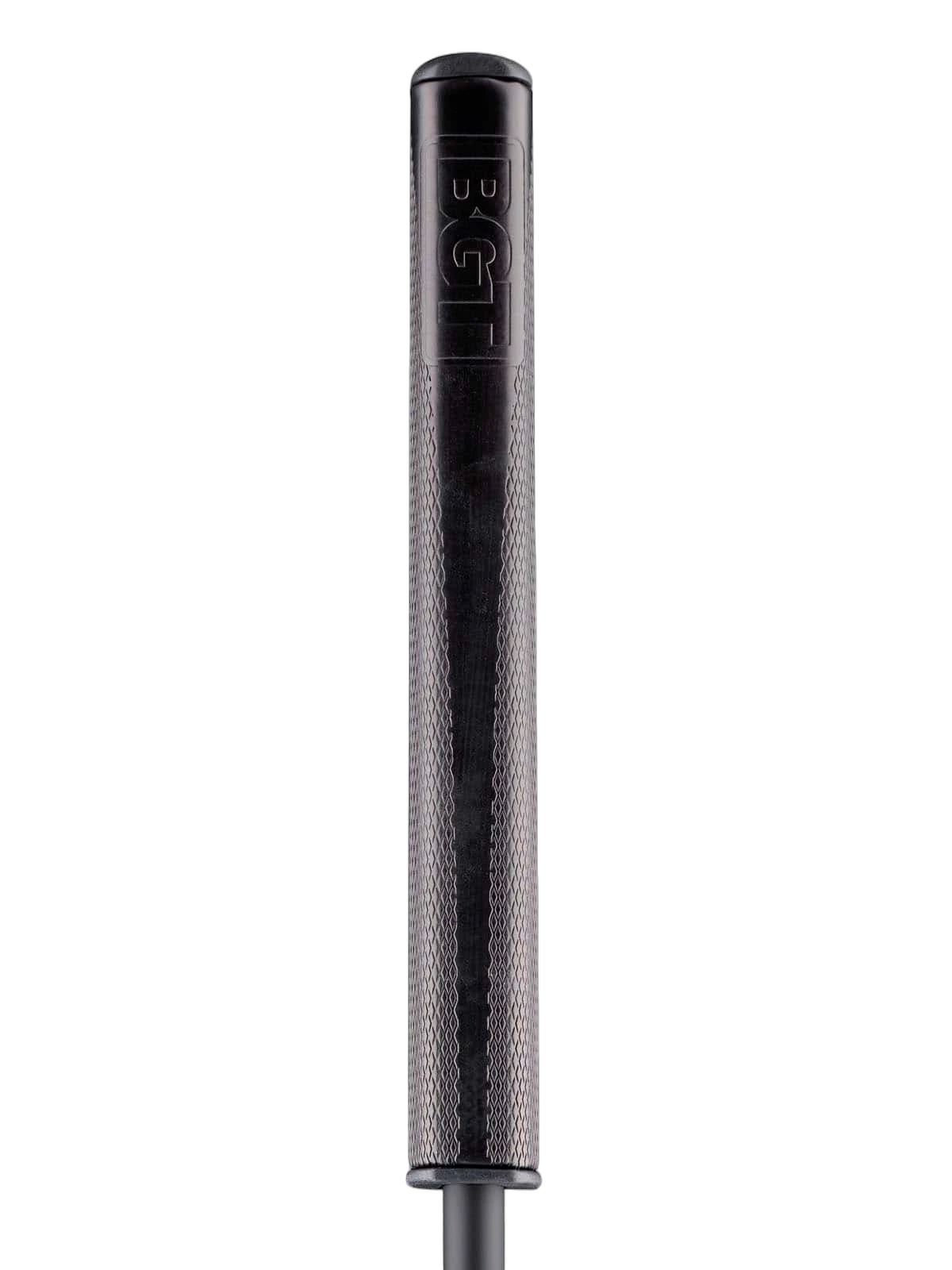
The weirdest-looking putter I have ever rolled -- and one of the best.
The Big Picture
The BGT Paradox Mallet Putter is not like anything else on the market. Built by Breakthrough Golf Technology -- the company founded by Barney Adams of Adams Golf fame -- the Paradox is BGT's first putter, and it arrives with a technology that genuinely challenges conventional putter design. Where most putters optimize static center of gravity and face balancing, the Paradox focuses on what happens during the actual stroke through what BGT calls Principal Axis Technology.
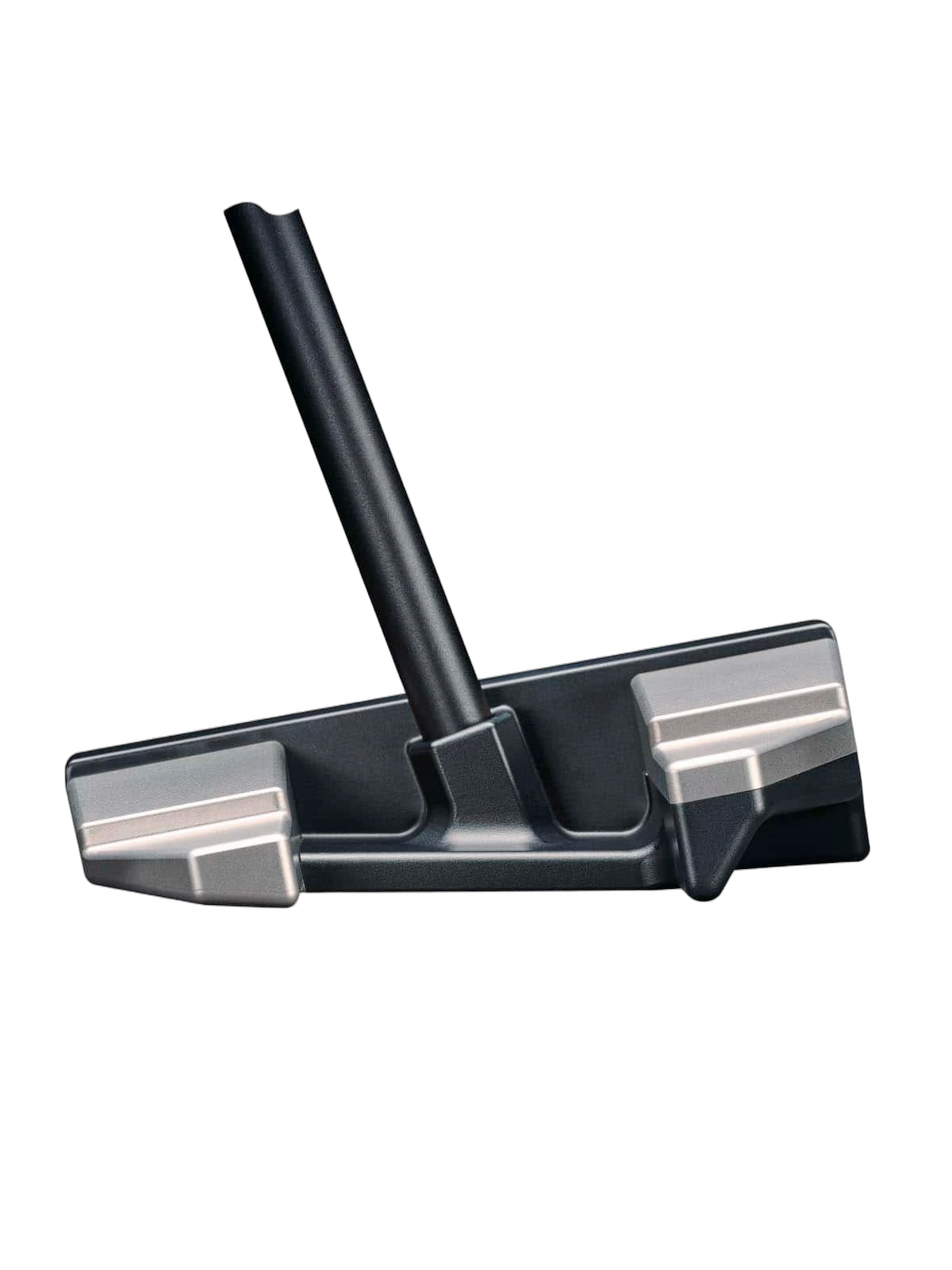
Here is the short version: weight is placed high in the toe and low in the heel, creating an asymmetrical head shape that aligns the putter's principal axis of inertia with your putting stroke. Think of it like wheel alignment on a car. When the principal axis is aligned with your swing path, the putter naturally wants to stay square through the stroke, reducing face rotation and requiring less manipulation from the golfer. BGT calls this Swing Balance Technology, and it is the only putter on the market that uses this approach.
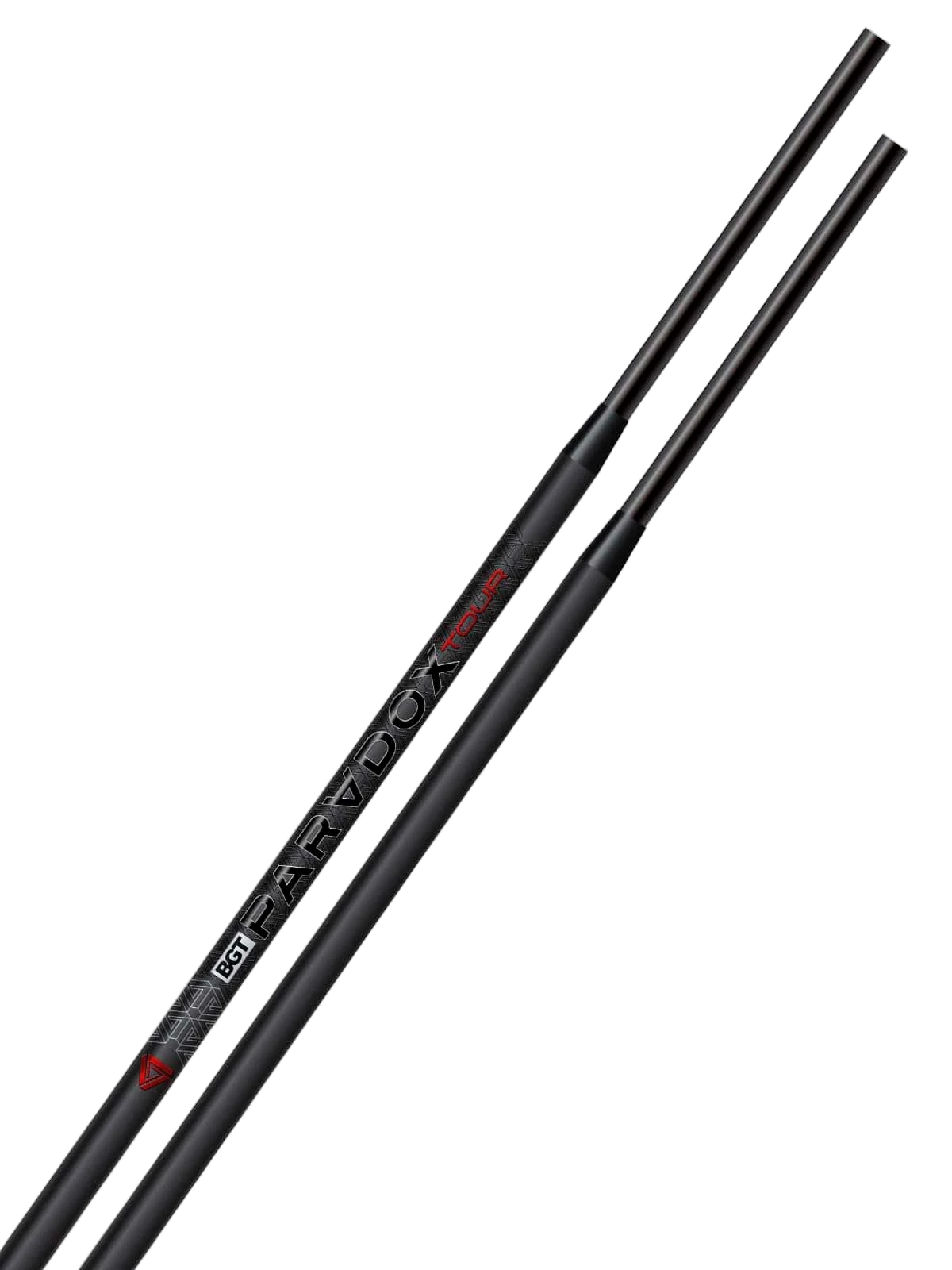
The Paradox comes standard with BGT's Stability Tour shaft -- a $329 shaft on its own -- in a center-shafted, zero-torque configuration. A less expensive graphite shaft option drops the price by $200 but sacrifices the loft/lie adjustability. At $699 with the Stability Tour, this is a premium investment that demands serious consideration.
At Address
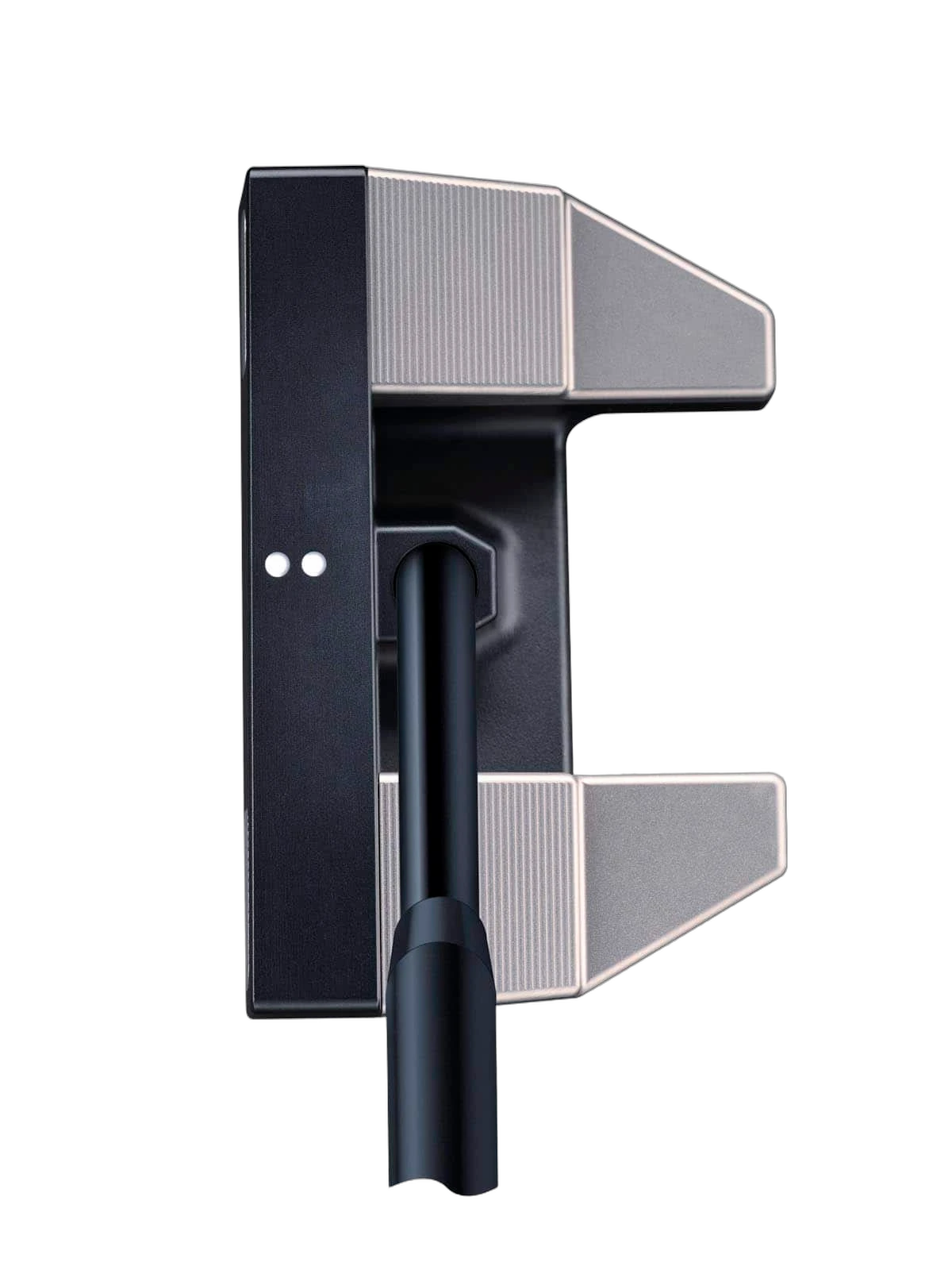
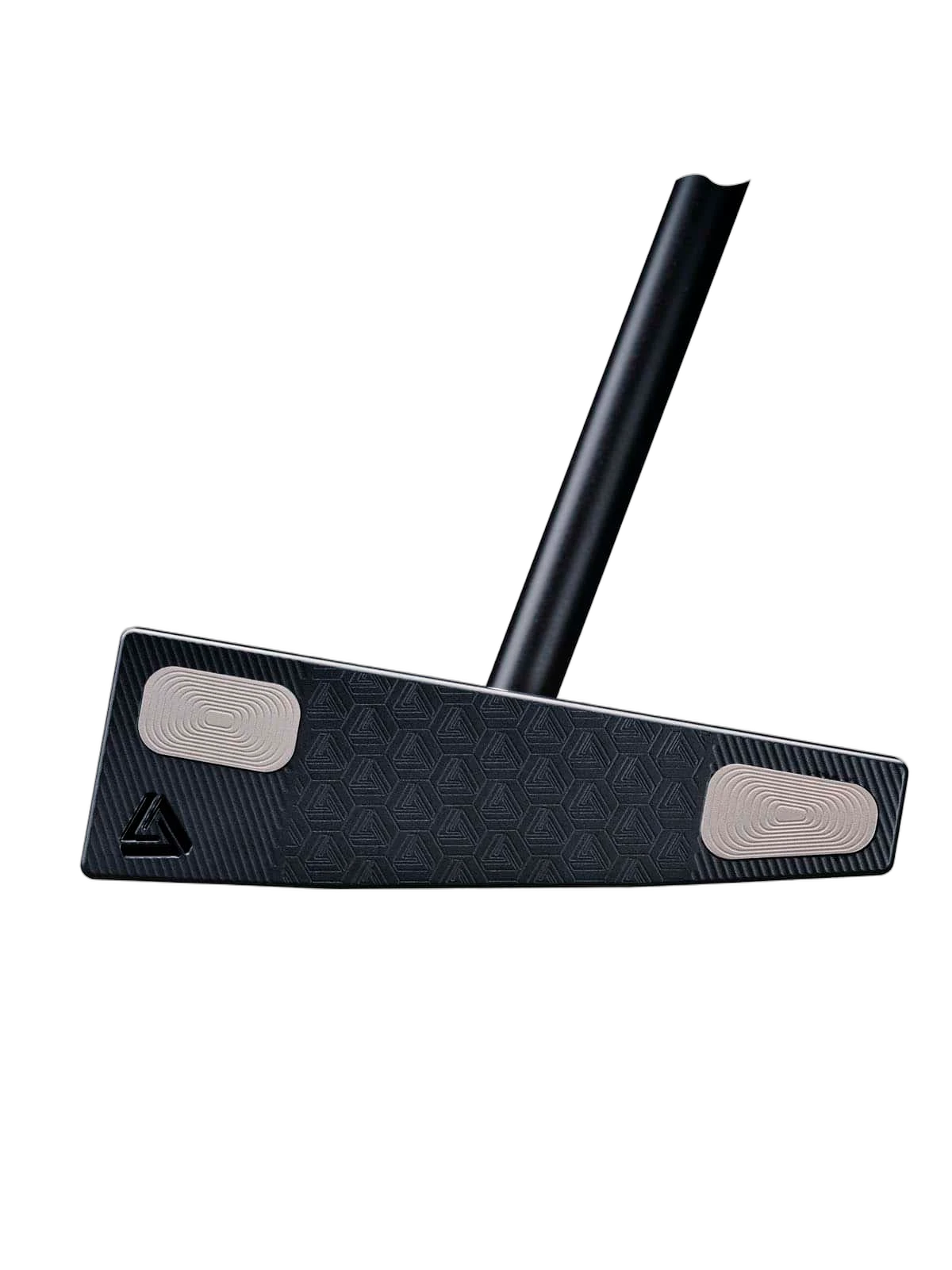
Here is the thing about the Paradox: if someone blindfolded you and set you up over the ball, you would never know the head is asymmetrical. At address, it looks like a clean, well-proportioned center-shafted mallet. The toe-high, heel-low weighting scheme is essentially invisible from your putting stance. The CNC aluminum frame has crisp lines, and the milled face looks precision-crafted.
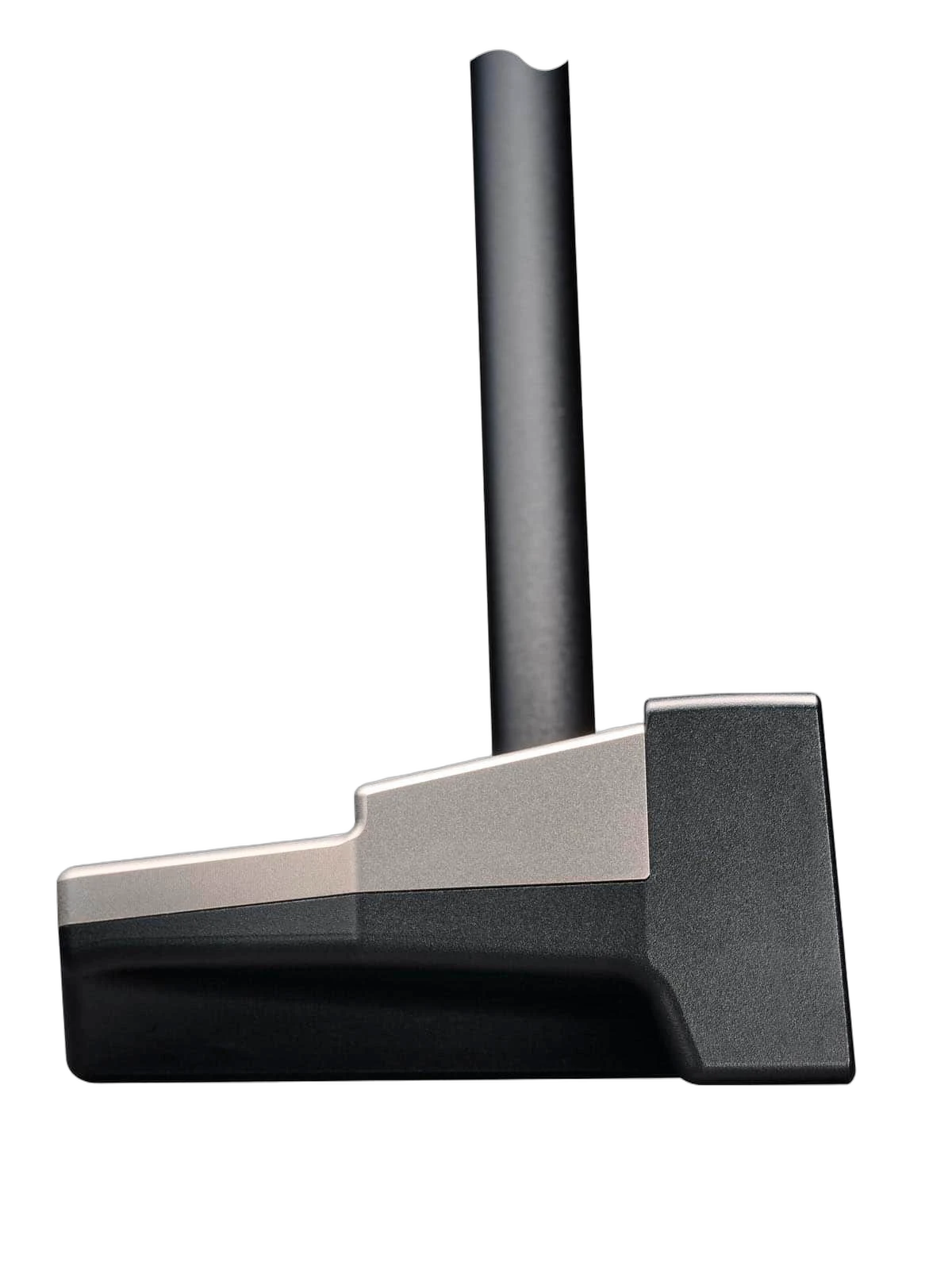
Side profile view showing the mallet putter head shape
The alignment is provided by a subtle gloss-black line against the matte body -- understated and effective. The overall head shape is compact enough to avoid the oversized look of some high-MOI mallets, yet there is clearly enough mass behind the ball to inspire confidence.
Pick the putter up and look at it from the side, though, and the asymmetry is immediately apparent. The toe is visibly taller than the heel. It is a striking design that will either fascinate you or put you off entirely. But once you are set up over a putt, it simply does not matter.
Sound & Feel
The Paradox delivers a solid, medium-firm strike thanks largely to the ultra-stiff Stability Tour shaft. The milled aluminum and steel construction produces a feel that is crisp without being harsh -- you get clean, immediate feedback on where the ball struck the face. The sound is muted and controlled, avoiding the hollow ping that some aluminum-bodied putters produce.
On center strikes, the sensation is remarkably pure. The Stability Tour shaft transmits feedback to your hands with impressive speed and clarity, giving you a level of touch and control that is hard to replicate with a standard steel shaft. Mishits feel distinctly different, but the feedback is proportional rather than jarring -- you know you missed the center without the putter punishing you for it.
Performance
Roll & Distance Control
The ball comes off the Paradox face and gets into a true end-over-end roll approximately 20 percent faster than what I typically see with conventional putters. That means less skid, more consistent roll, and better distance control, particularly on longer putts where skid can compound into unpredictable distance outcomes.
On lag putts from 20 to 30 feet, the Paradox shone. The combination of the swing-balanced design and the Stability Tour shaft produced a stroke that felt repeatable, and the ball consistently tracked toward the hole with predictable pace. Distance control was among the best I have experienced with any putter, and I attribute a lot of that to the shaft rather than the head alone. The reduced torque keeps the face remarkably stable, which directly translates to more consistent energy transfer.
Forgiveness & Stability
BGT claims the Paradox gets putts 10 percent closer to the hole on misses, and my experience on the practice green supported this. From 10 to 12 feet, putts struck a half-ball toward the toe or heel still held their line well and finished within tap-in range. The dispersion on mishits was noticeably tighter than what I see with traditional blade or standard mallet putters.
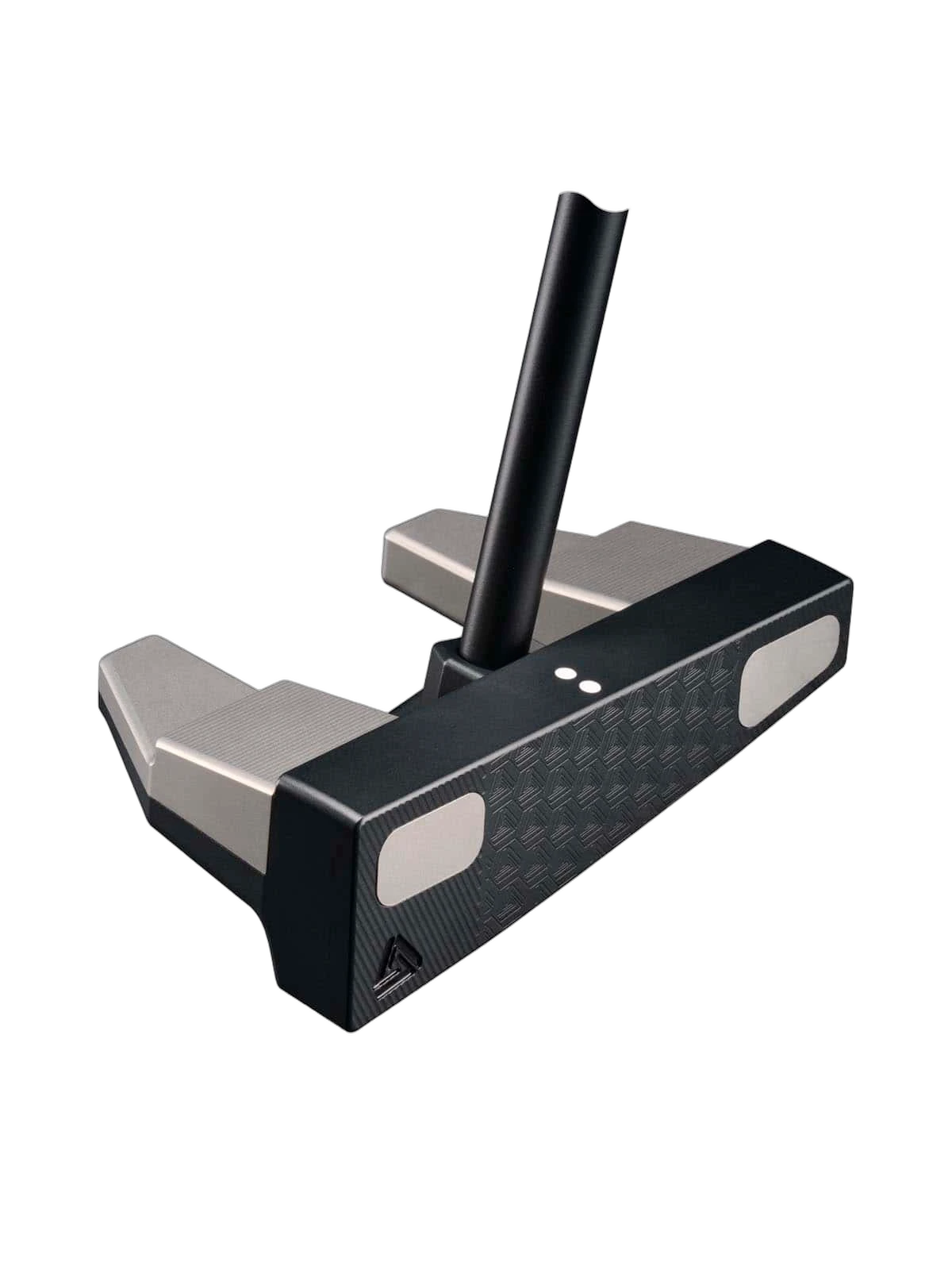
Rear face view showing geometric texture pattern and weight inserts
The zero-torque, center-shafted design means the putter resists twisting during the stroke, and the Principal Axis alignment adds another layer of stability. The face wants to stay square. I would not call the feeling effortless -- you still need to make a good stroke -- but there is a noticeable reduction in the manipulation required to start the ball on your intended line.
The Paradox is available with loft/lie adjustability when paired with the Stability Tour shaft, allowing you to dial in anywhere from 9 to 12 degrees of loft. This is a meaningful feature for custom fitting.
Verdict
The BGT Paradox Mallet Putter is a genuinely innovative product that backs up its unconventional design with real performance. The Principal Axis Technology works. The Stability Tour shaft is outstanding. The roll, distance control, and forgiveness are all excellent. And once you get past the asymmetrical appearance (which truly is invisible at address), this is a putter that inspires confidence and rewards a good stroke.
The elephant in the room is the $699 price tag. That is steep for any putter, though it helps to remember that nearly half of that cost is the Stability Tour shaft. The less expensive graphite shaft option at $499 is available if you want to save money, but pairing the Paradox with a lesser shaft feels like buying a sports car with an economy engine.
The other consideration is brand familiarity. BGT does not have the name recognition of Scotty Cameron, TaylorMade, or Odyssey. Some golfers simply will not spend $700 on a brand they have never heard of, and that is understandable.
For the player who prioritizes performance over brand prestige and is willing to invest in their putting, the Paradox Mallet is one of the most interesting and effective putters available.