Mizuno ST-G 220 Driver
Mizuno — Mizuno ST-G 220 Driver · By Lauryl · Jan 5, 2026
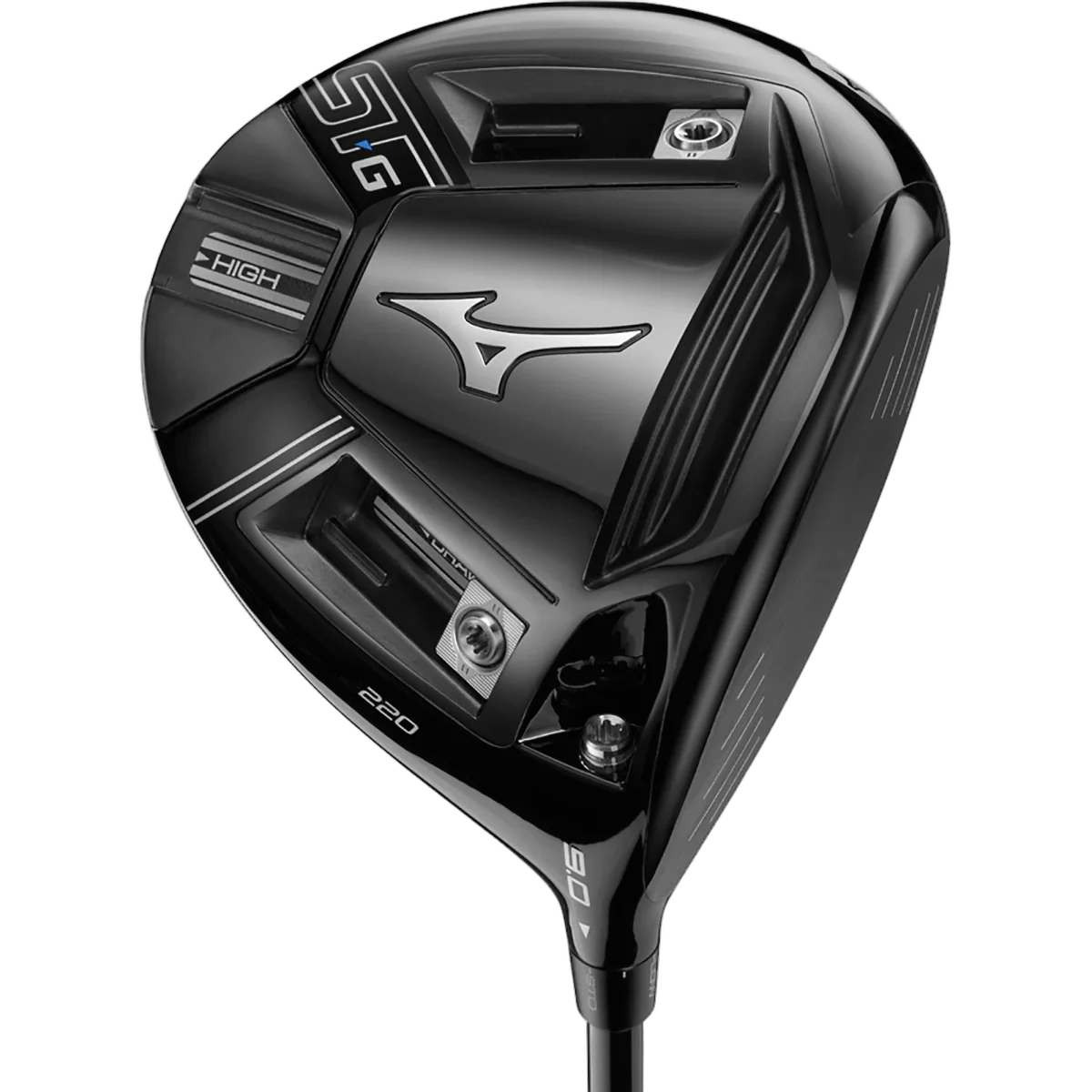
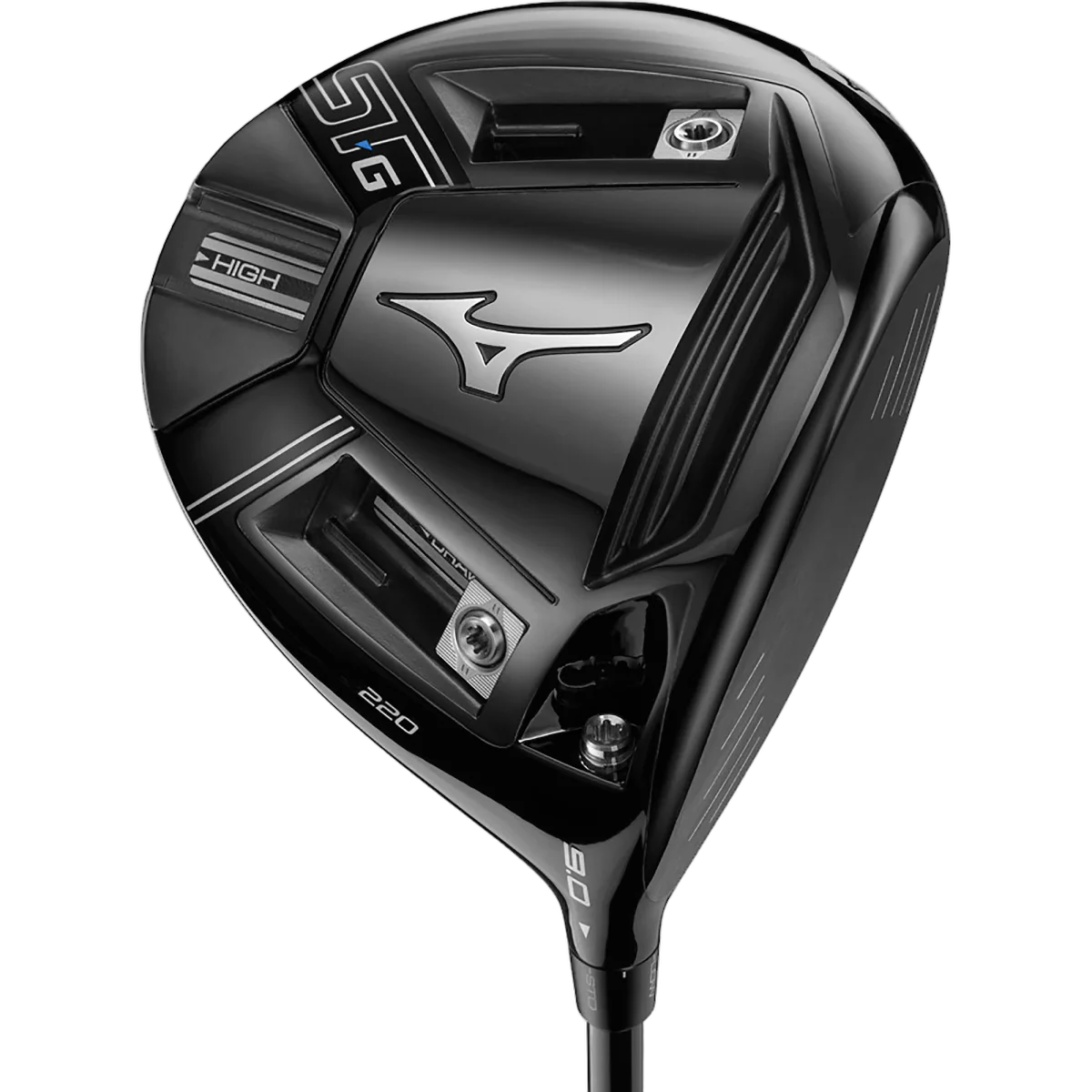
Mizuno's most adjustable driver ever gives tinkerers a triple-track playground -- but the performance payoff depends on who is holding the wrench.
The Big Picture
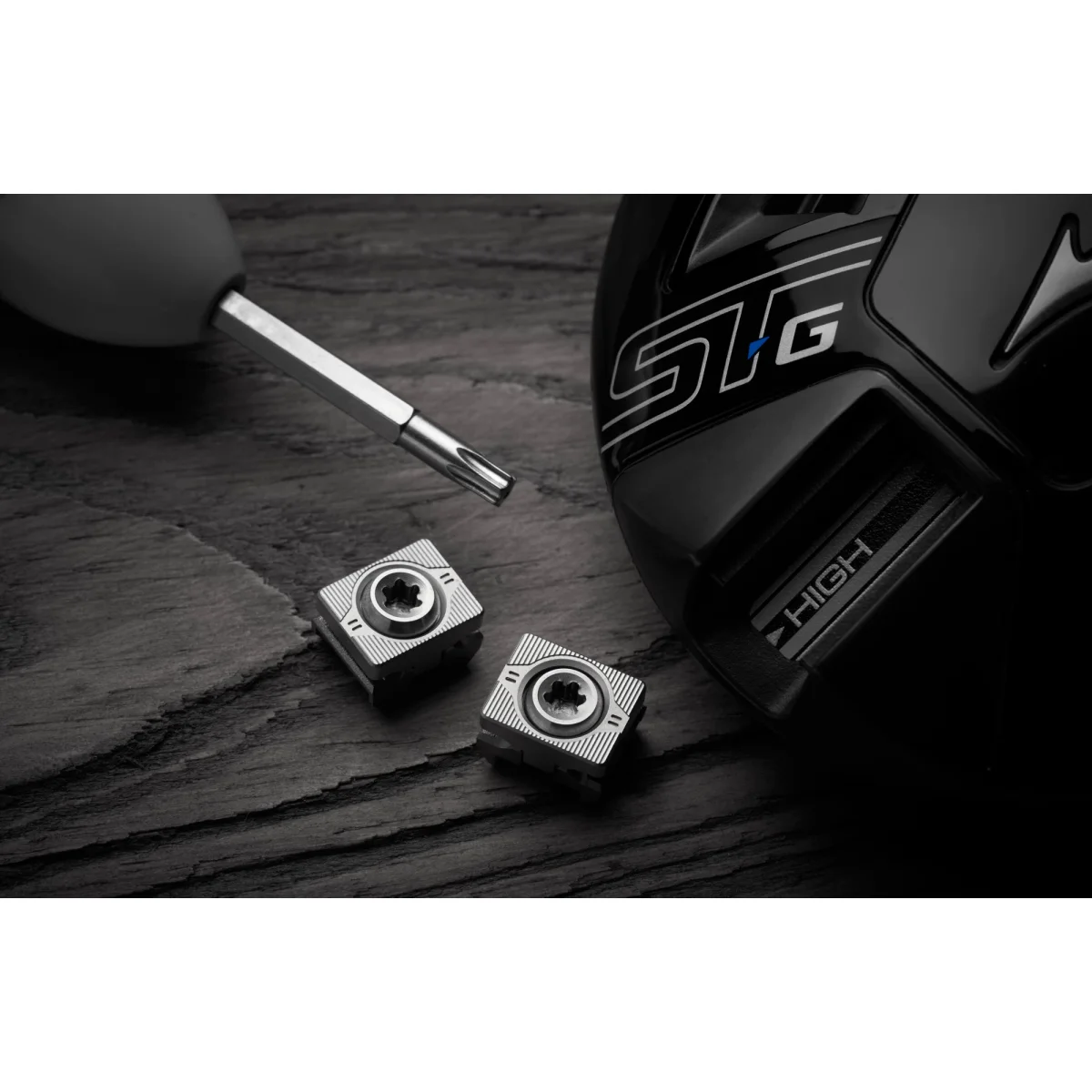
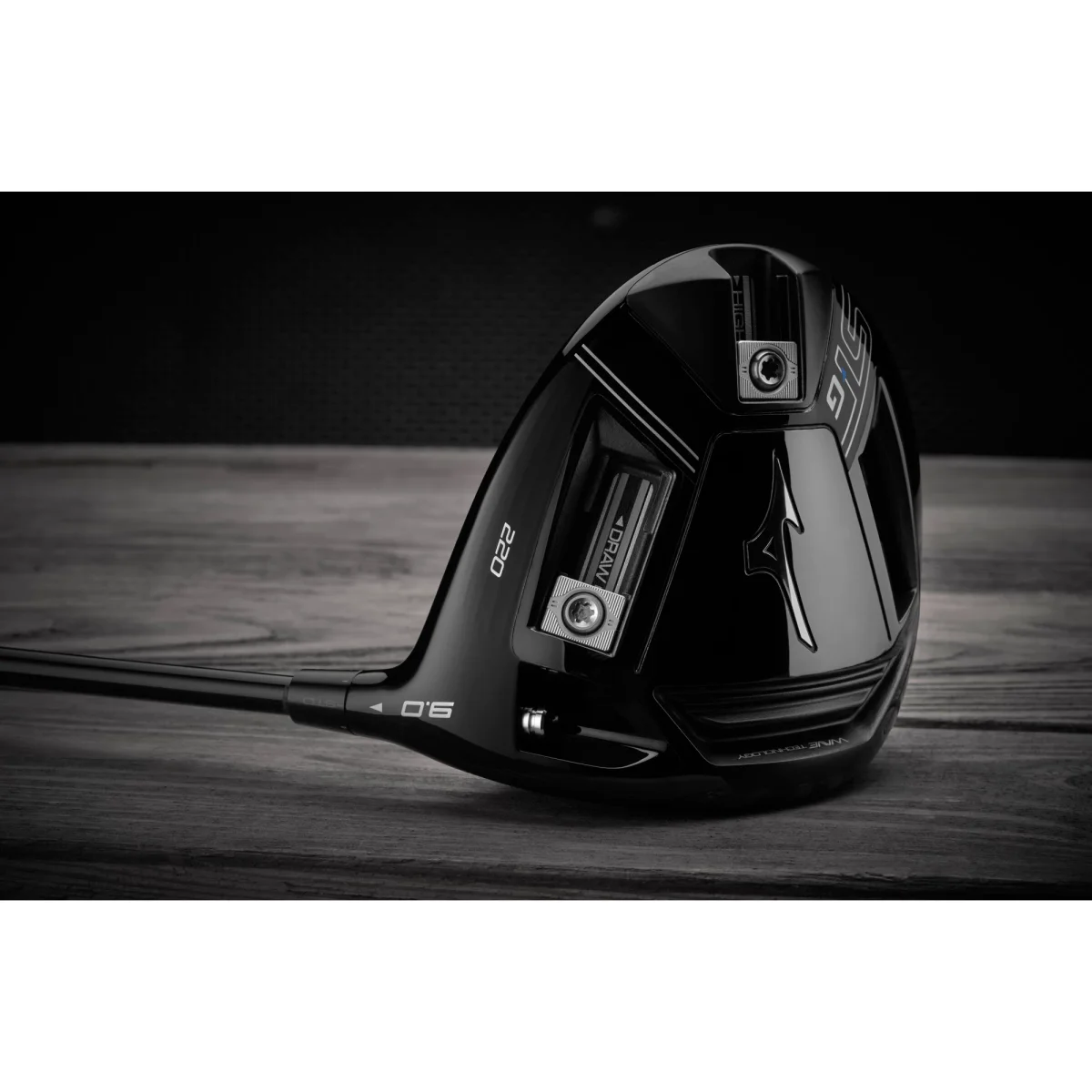
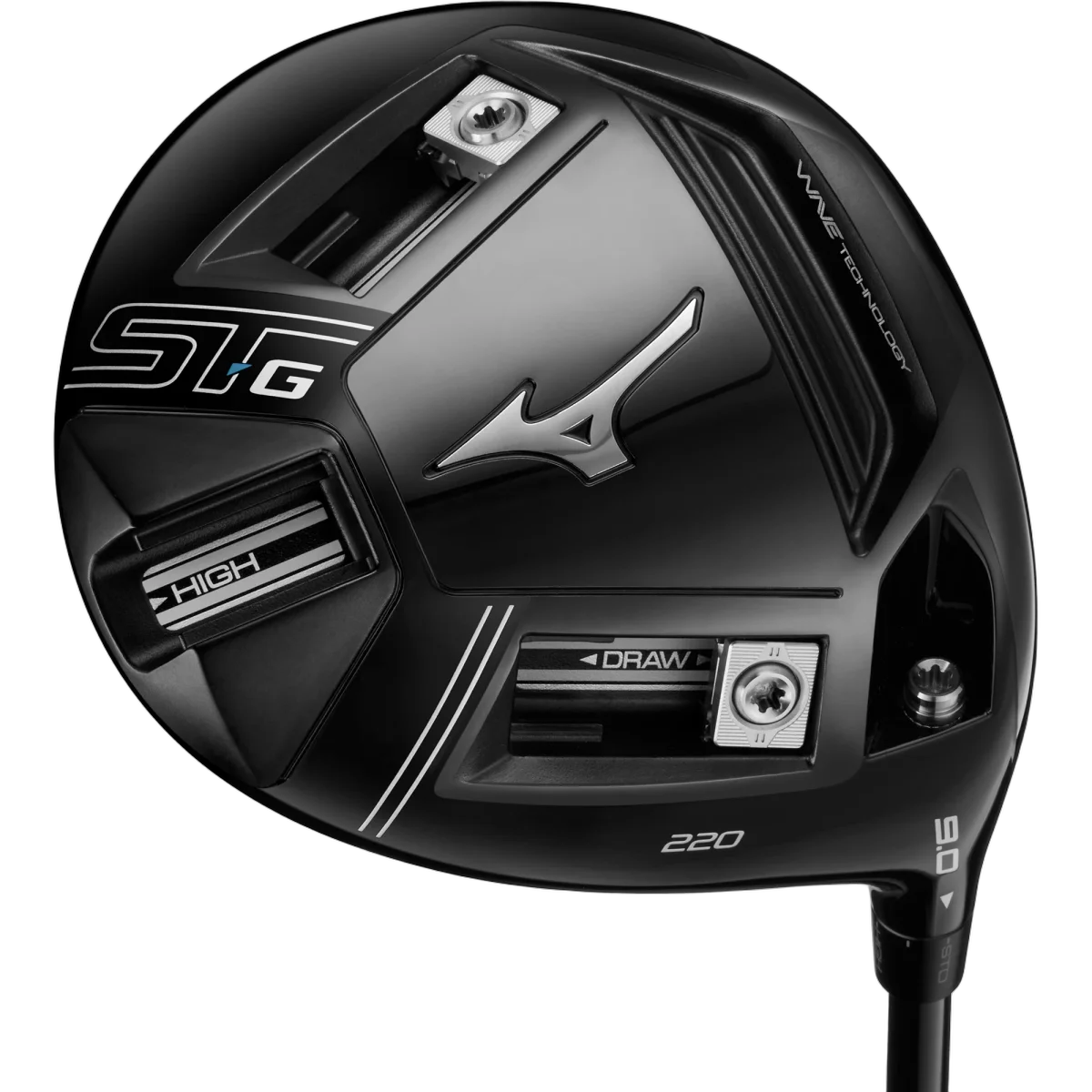
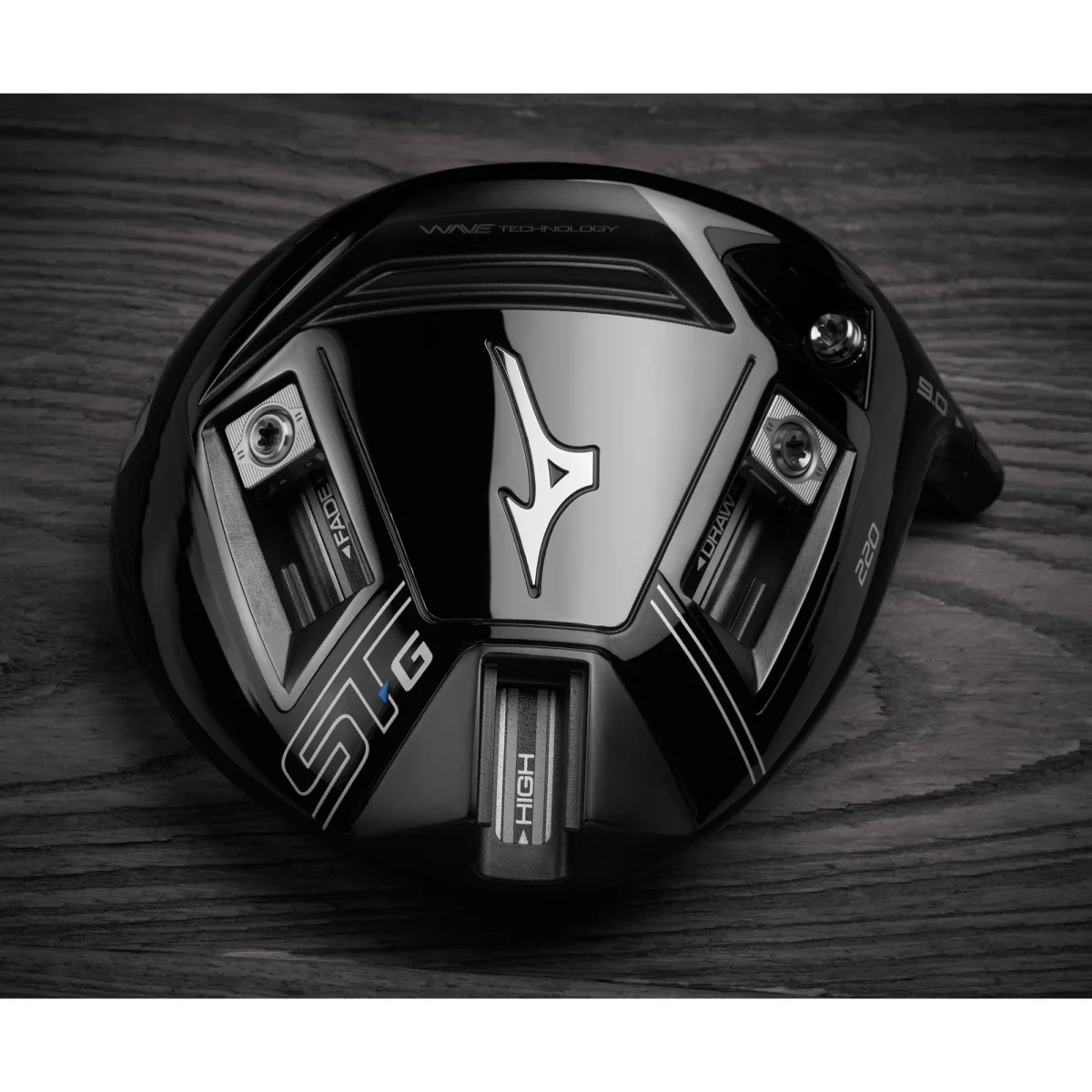
The ST-G 220 is the adjustability flagship in Mizuno's 220-series driver lineup, and it represents the most tunable driver the company has ever produced. Where the ST-Z 220 focuses on low spin and stability and the ST-X 220 chases draw bias and forgiveness, the ST-G 220 hands you the tools to build whatever launch profile you want. Three weight tracks -- heel-side, toe-side, and rear-center -- accept two 7-gram weights that can be positioned in a variety of configurations to shift the center of gravity along multiple axes. You can go ultra-low spin with both weights split toward the front of the side tracks, push them to the back-center for higher launch and more stability, or bias heel or toe for draw and fade tendencies.
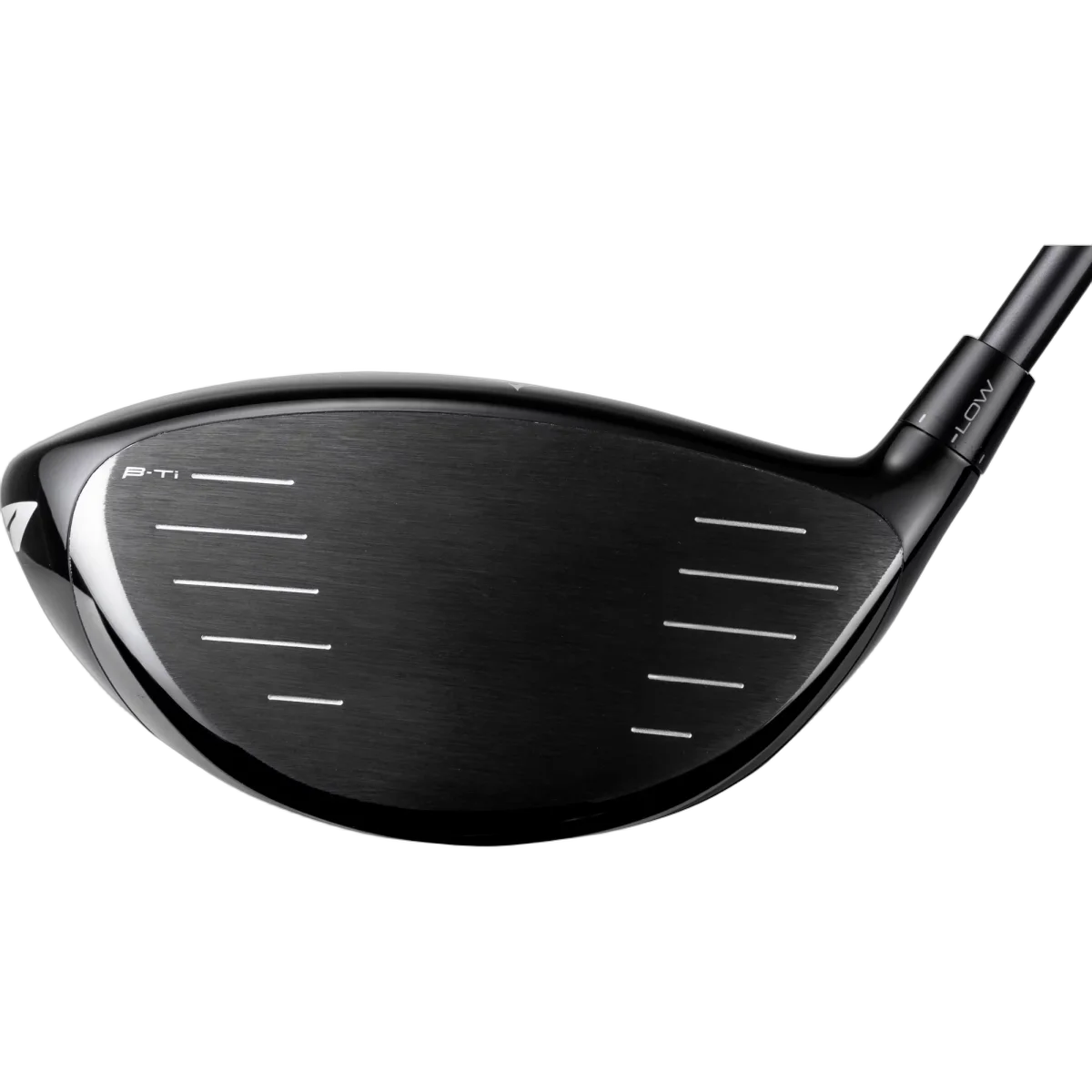
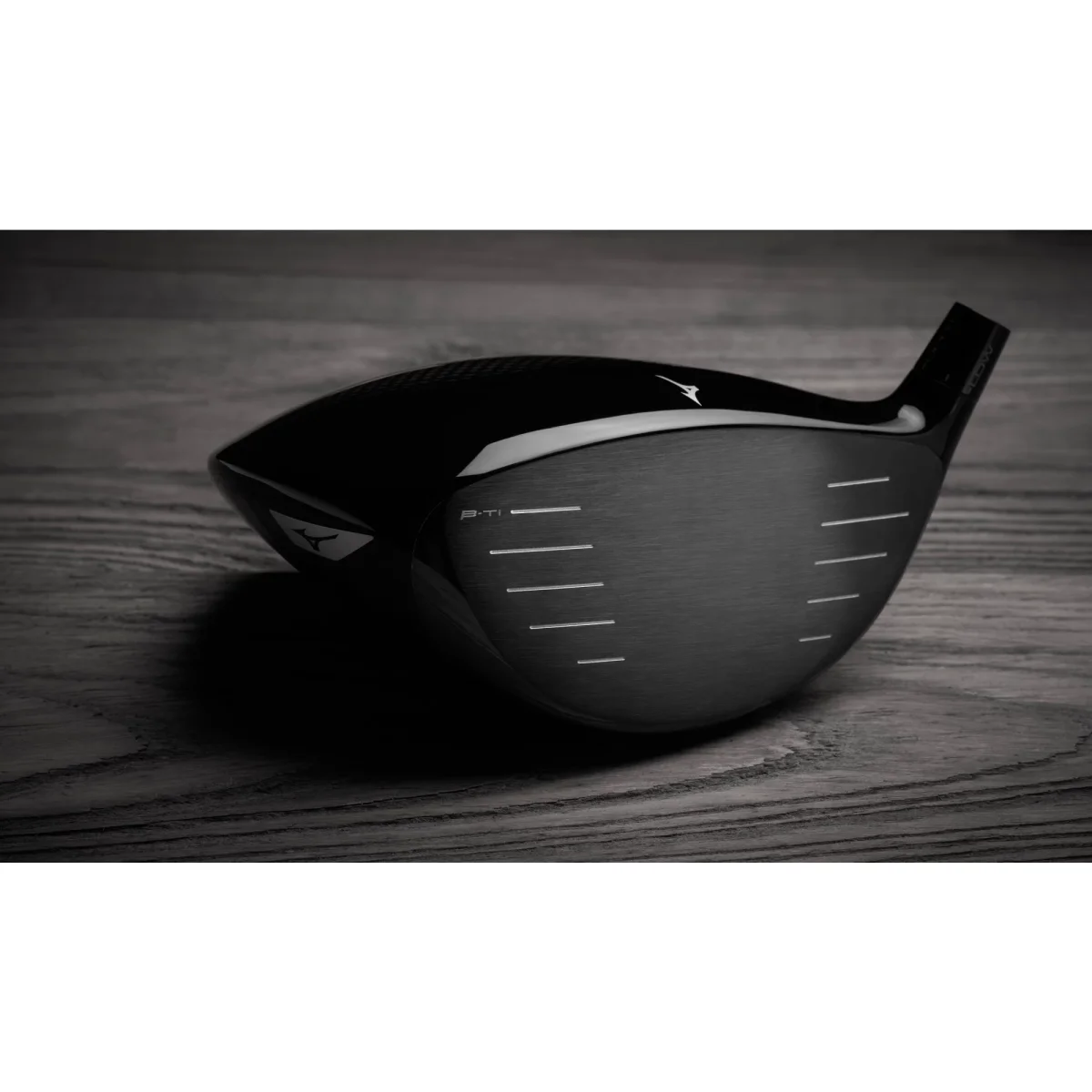
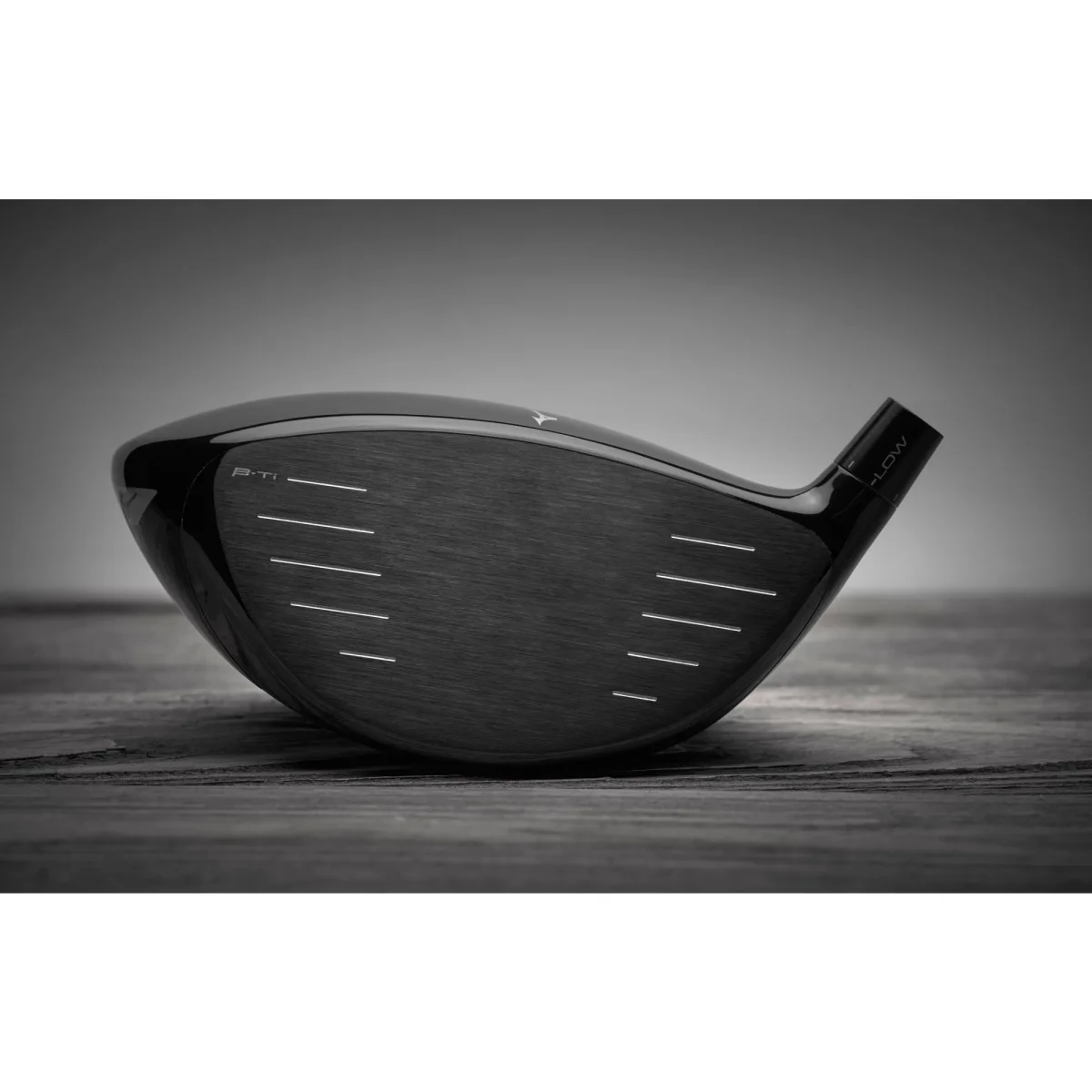
The face is built from SAT2041 Beta Ti, a material Mizuno says offers 17 percent more tensile strength and 8 percent more flexibility than standard 6-4 titanium. Paired with the Multi-Thickness CORTECH face design, the goal is greater energy return across a wider area of the hitting surface -- particularly lower on the face, where the ST-G 220's deeper profile provides more real estate than its siblings.
Originally retailing at $500, the ST-G 220 has been replaced in the Mizuno lineup by newer models, and you can now find it in the $150 to $200 range depending on condition. At that price, it becomes an intriguing proposition for golfers who enjoy dialing in their equipment -- but it is not a driver for everyone, and the mixed reception it has received is worth understanding before you buy.
At Address
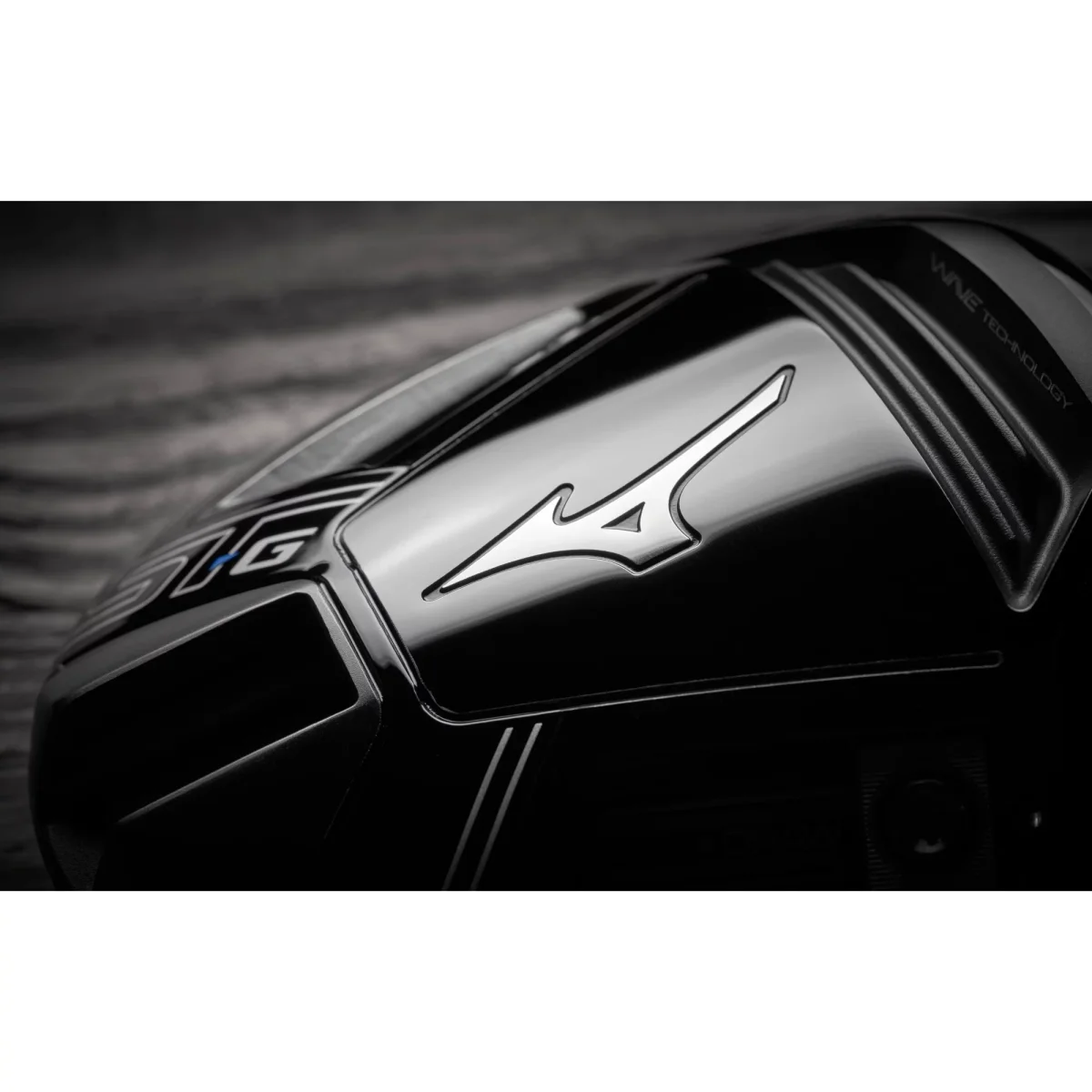
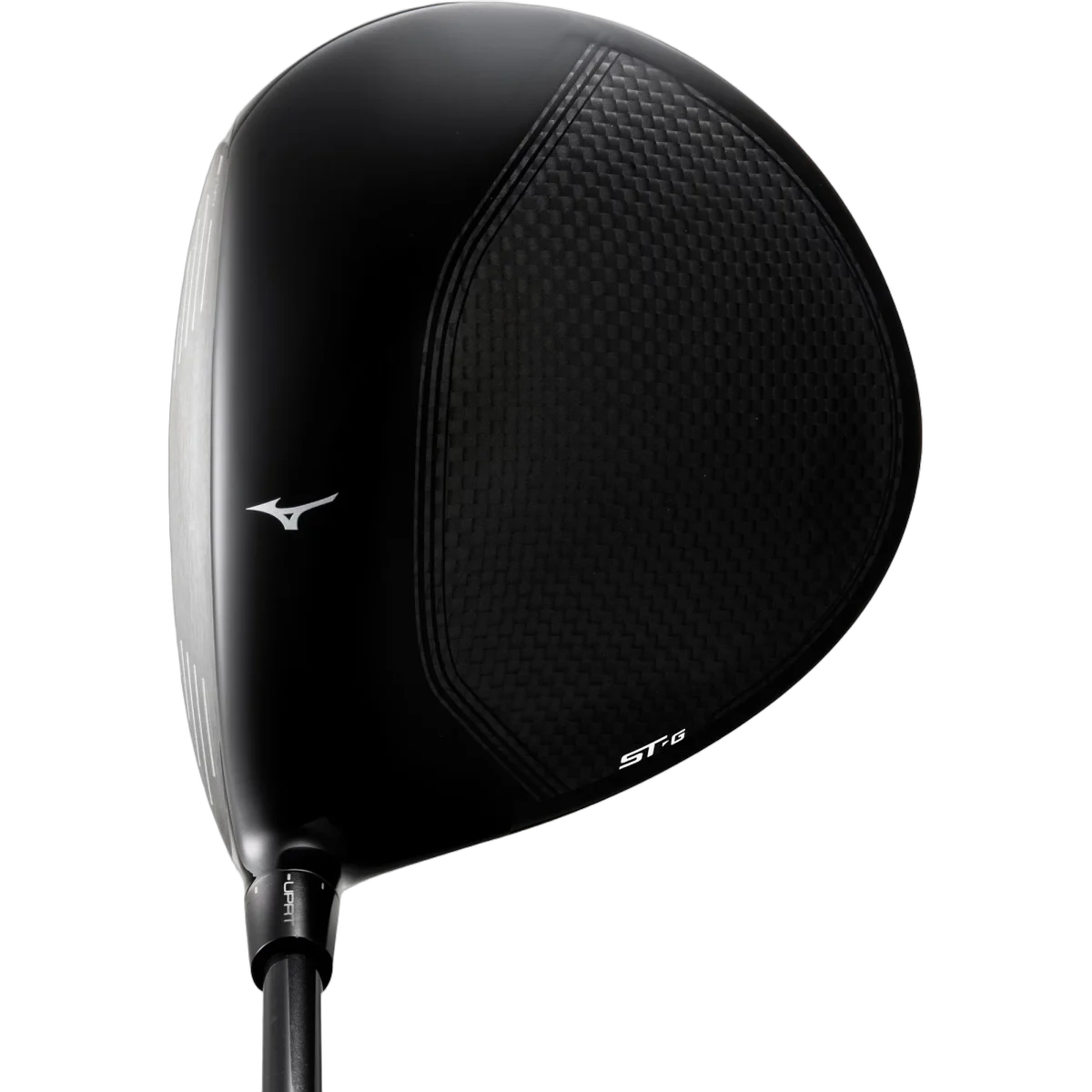
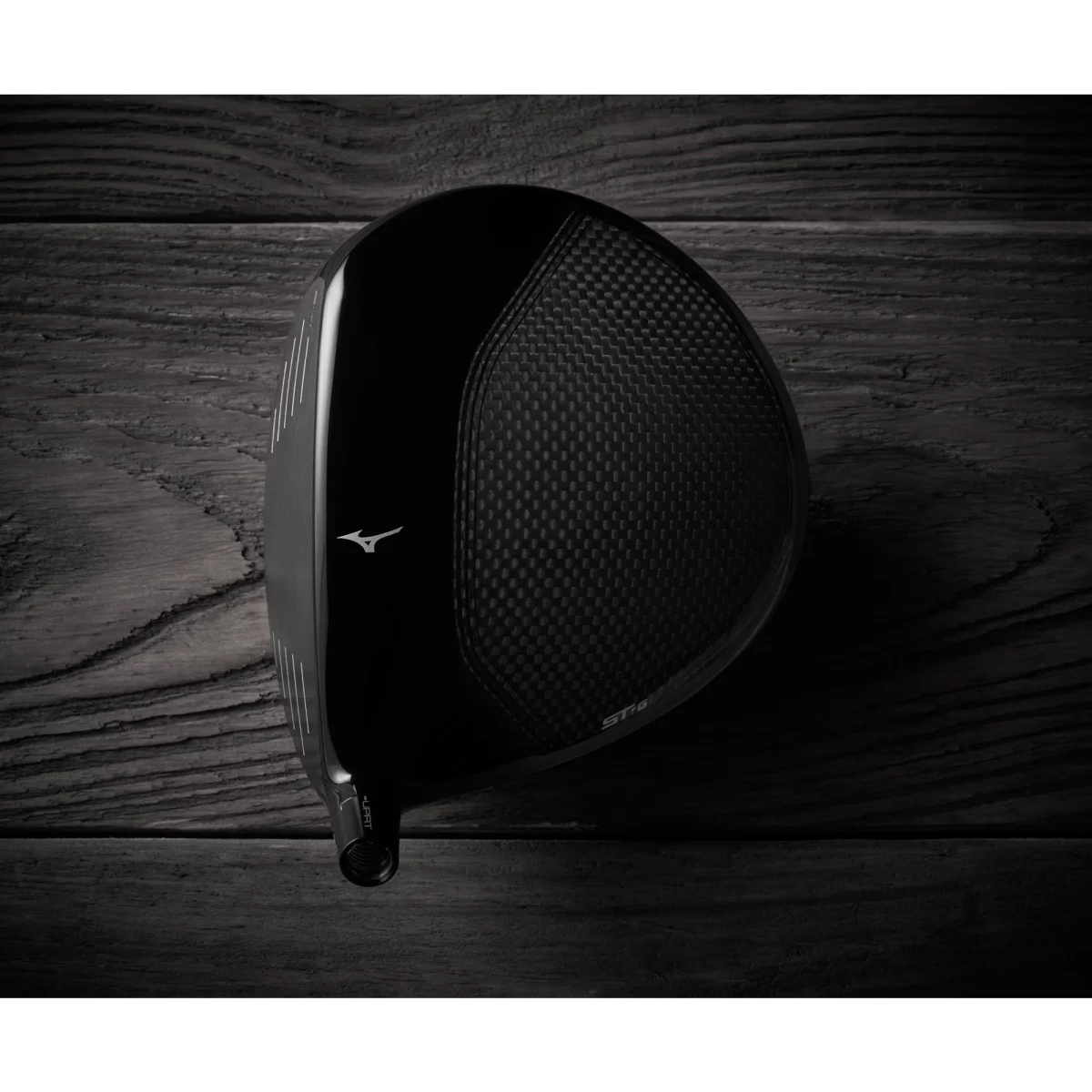
Mizuno has quietly become one of the better-looking driver manufacturers in the game, and the ST-G 220 does not disappoint behind the ball. The carbon fiber crown is clean and understated, with a small Mizuno "running bird" logo serving as a subtle alignment aid. Since dropping the blue accents that marked earlier generations, Mizuno's wood line has taken on a mature, non-offensive aesthetic that appeals to golfers who prefer function over flash.
Top-down address view showing carbon crown and Mizuno logo
Despite being a full 460cc head, the ST-G 220 does not look oversized at address. The shorter back-to-front dimension and deeper face give it a compact, modern players' profile that sits nicely behind the ball. It is the kind of shape that inspires confidence without feeling like you are swinging a satellite dish. The deeper face, in particular, is a welcome design choice -- it provides visual assurance that there is plenty of hitting area, especially for golfers who tend to strike the ball higher or lower on the face.
Sound & Feel
Mizuno's engineers put considerable effort into tuning the vibration characteristics of the ST-G 220, and the result is a dense, solid impact sound that conveys power without being loud or harsh. Center strikes produce a satisfying, compact crack that tells you immediately when you have found the middle. There is no metallic ping or hollow resonance -- it simply sounds like a well-built driver should.
One quirk worth mentioning: the weight tracks on the sole create an audible whooshing sound during practice swings as air passes over them. It is not a dealbreaker, but it is noticeable and something you will hear on the range. During actual swings, the impact sound masks it completely.
The feel on mishits is where opinions diverge. Feedback on center strikes is excellent -- responsive and rewarding. But strikes higher on the face tend to feel muted, with less feedback traveling back through the shaft. This is a tradeoff of the deeper face design. You gain forgiveness on vertical mishits, but you lose some of the tactile information that helps you calibrate your strike location. For golfers who rely heavily on feel to diagnose their swing, this could be a frustration.
Performance
Ball Speed & Distance
The CORTECH face and SAT2041 Beta Ti material combine to produce competitive ball speeds, though the ST-G 220 is not going to win any long-drive contests against the best in its class. In my testing, the driver was efficient with good strikes -- ball speed relative to clubhead speed was solid, and carry distances were respectable. Where it gets interesting is how the weight configuration affects distance. With both weights positioned toward the front of the side tracks, the driver produces its lowest spin numbers and longest carries. Move those weights to the rear-center track and you will see spin climb by roughly 200 rpm and distance drop by around 8 yards. That is a meaningful difference, and it gives you a genuine tuning range to work with.
Beta titanium face close-up showing grooves on white background
The 45-inch stock shaft length is slightly shorter than some competitors, which can cost a couple of miles per hour in clubhead speed. Whether that matters depends on your swing. For golfers who struggle with consistency at longer shaft lengths, the shorter build may actually help by tightening dispersion enough to offset any small speed loss.
Launch & Spin
This is the ST-G 220's defining characteristic and its most polarizing trait. In its low-spin configuration, this driver produces genuinely low spin numbers -- low enough that golfers without adequate clubhead speed may struggle to keep the ball in the air. The community feedback I have seen consistently flags the ST-G as a low-spin head, and my experience confirms it. If you are a moderate-speed player looking for help getting the ball up, this is not the configuration for you.
The saving grace is adjustability. Move the weights rearward and the spin climbs into a more playable mid-spin range, the launch angle increases, and the driver becomes a different animal. The 9-degree head also offers 4 degrees of loft adjustability through the hosel, giving you a 7-to-11-degree range to work with. Between the weight tracks and the hosel, you can tune this driver from a penetrating low-spin rocket to a higher-launching, more forgiving option. The range of adjustment is genuinely impressive -- few drivers on the market offer this much latitude.
Dispersion & Shot Shape
Forgiveness on the ST-G 220 is configuration-dependent, and this is where you need to be honest with yourself about your game. With the weights pushed forward in the low-spin setup, the MOI drops and the driver becomes less forgiving on off-center hits. Mishits lose more ball speed and the dispersion opens up. This is the setup for better players who prioritize distance optimization and can consistently find the center of the face.
Full sole view with fade and draw weight ports and Wave Technology
With the weights moved to the rear-center position, the center of gravity deepens, MOI increases, and the driver becomes meaningfully more forgiving. The penalty on heel and toe strikes shrinks, and the overall dispersion tightens. You give up some of that low-spin distance, but you gain stability and consistency.
The ability to bias the head toward a draw or fade by loading both weights into a single side track is a useful tool for golfers fighting a persistent miss. The front of the heel and toe tracks are positioned farther apart than on previous Mizuno models, which translates to more pronounced CG shifts and greater influence on shot shape.
Verdict
The Mizuno ST-G 220 is a driver that rewards the golfer who is willing to invest time in setup and fitting. Its triple-track weight system offers more adjustability than almost anything else on the market, and the performance range between configurations is not a marketing gimmick -- it is real and measurable. The SAT2041 Beta Ti face delivers competitive ball speeds, the deeper face profile provides useful vertical forgiveness, and the overall aesthetic is refined and confidence-inspiring.
The weaknesses are real, though. In its low-spin configuration, this driver demands a certain level of clubhead speed and strike consistency to perform well. The muted feel on high-face strikes will bother golfers who value tactile feedback. And frankly, the sheer number of configuration options can be a liability for golfers who do not have access to a launch monitor or a skilled fitter -- without data to guide your weight placement, you are guessing, and guessing with 14 grams of movable weight is a recipe for inconsistency.
The ST-G 220 is best suited for mid-to-low handicap players who enjoy tinkering and want a driver they can evolve with as their swing changes. It is not the best choice for beginners or high-handicap golfers who need a simpler, more forgiving option out of the box. At its current price point well below $200, it represents strong value for the right player -- someone who will take the time to find the optimal setup and then leave it alone.