Mizuno JPX One Driver
Mizuno — Mizuno JPX One Driver · By Andy · Feb 6, 2026


Mizuno's best-looking driver in a decade introduces NanoAlloy face technology and finally puts the brand in the conversation with the big players -- but variable spin holds it back from the podium
The Big Picture
For years, Mizuno's drivers have been an afterthought in a market dominated by TaylorMade, Callaway, and Titleist. The JPX One represents the brand's most ambitious attempt to change that. It is a substantial step forward, combining striking aesthetics with an entirely new face material and a forgiving head shape that is clearly designed to compete at the top of the market.
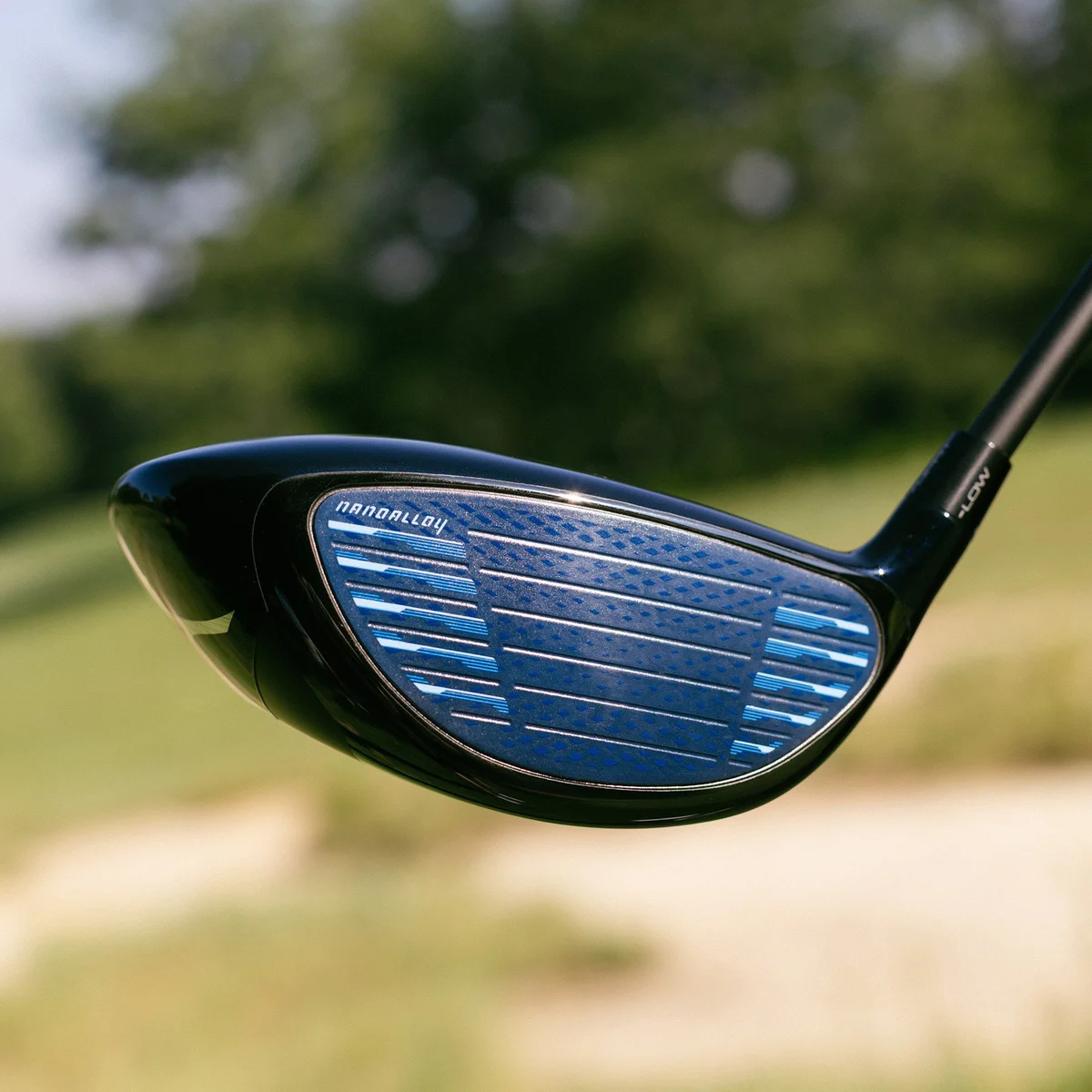
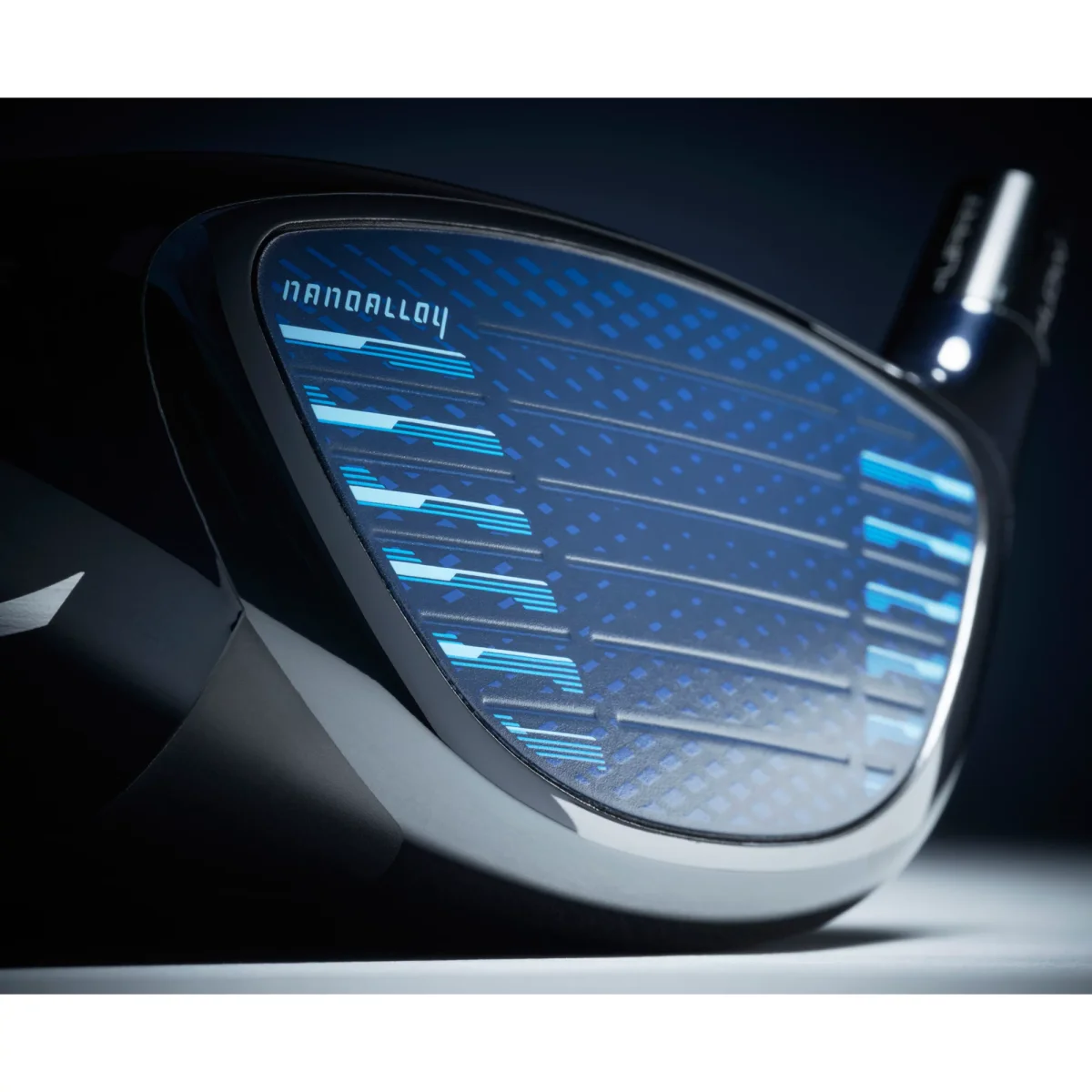
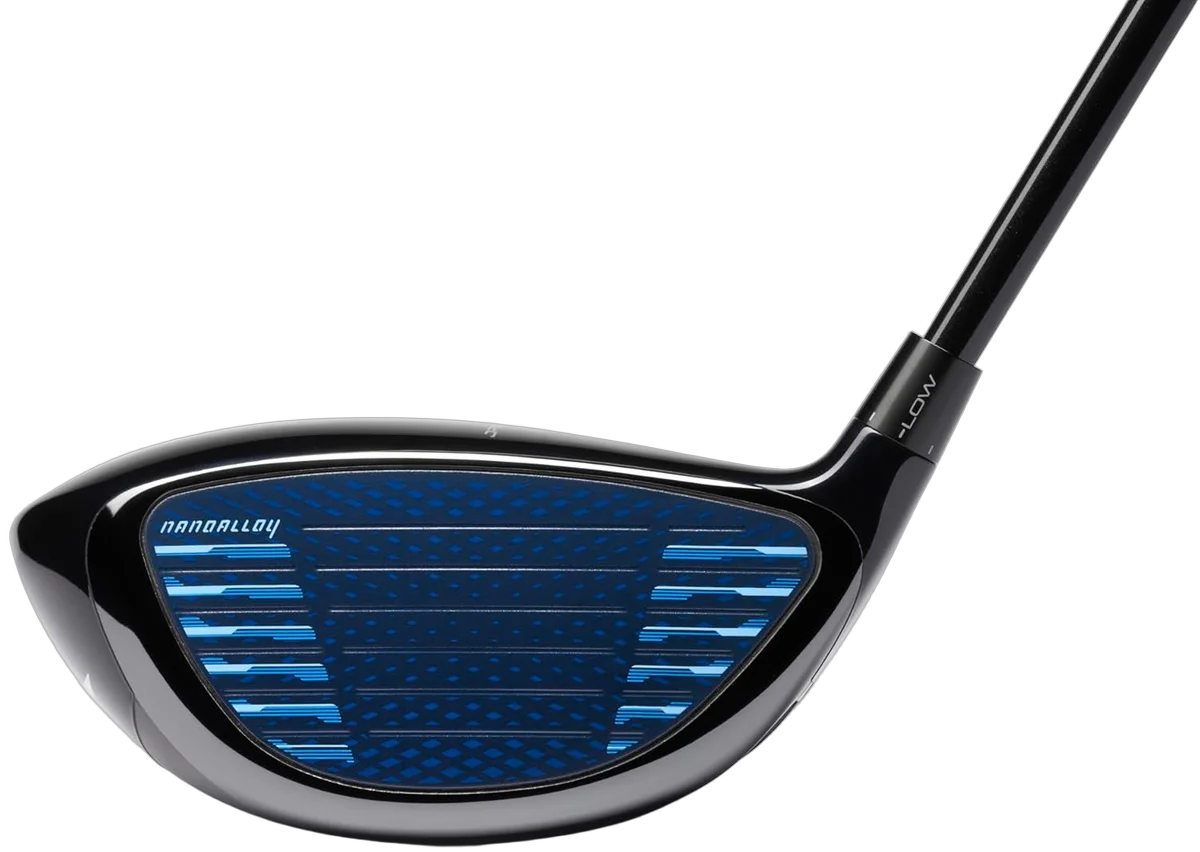
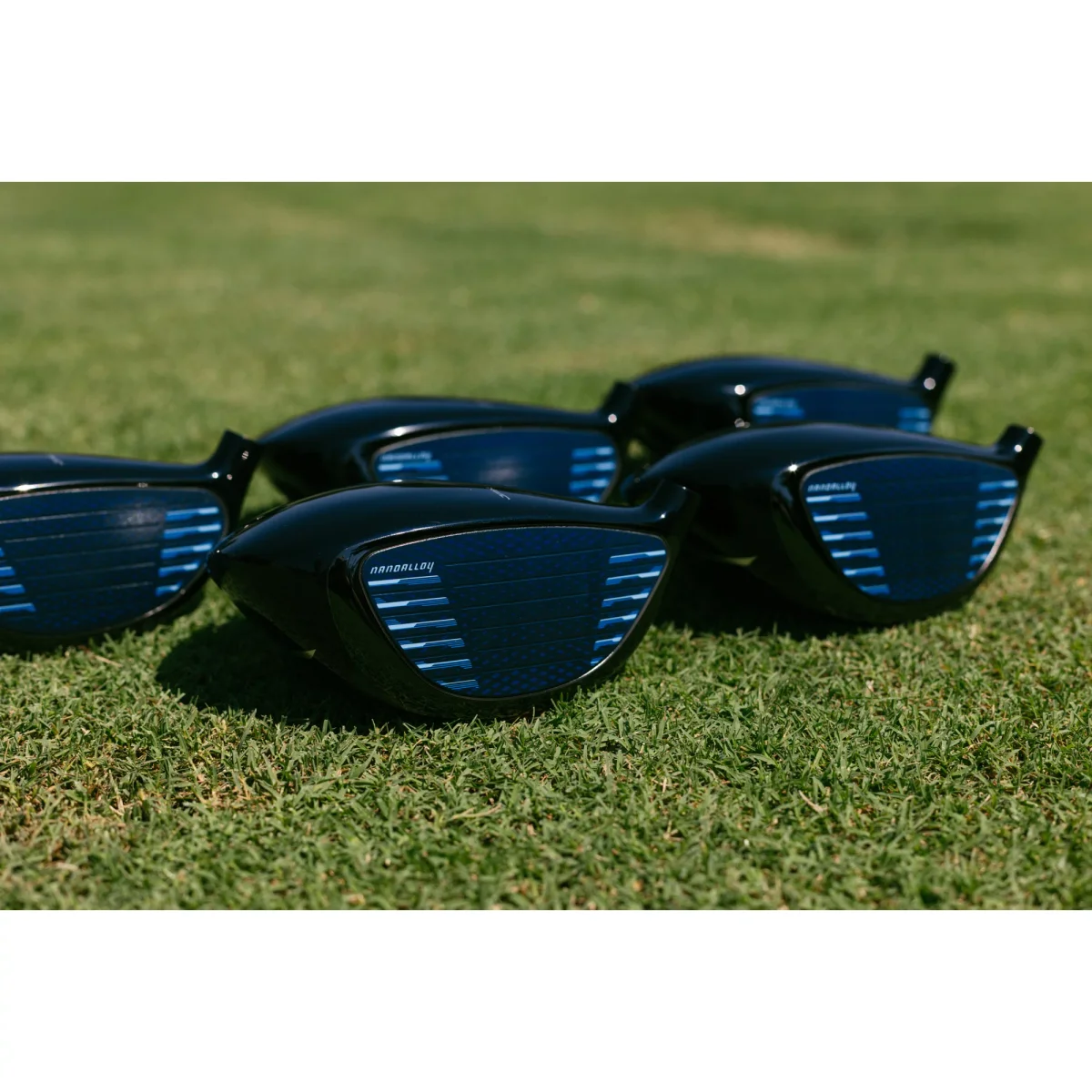
The centerpiece technology is the NanoAlloy face, a material adapted from high-impact sports like baseball and tennis. The concept is straightforward: the face stores energy from impact and uses its entire surface area to rebound that energy into the golf ball, generating additional ball speed. It works alongside Mizuno's latest Cortech face design, which is thinner than previous generations and expands the CORAREA (the high-speed rebound zone) by more than 15 percent compared to the outgoing ST-MAX. The chassis is titanium with a carbon crown, and the head comes with adjustable weight capability to help tune ball flight.
At its price point -- competitive with mid-market offerings and notably less expensive than some TaylorMade equivalents -- the JPX One presents a compelling value proposition for golfers willing to look beyond the usual suspects.
At Address
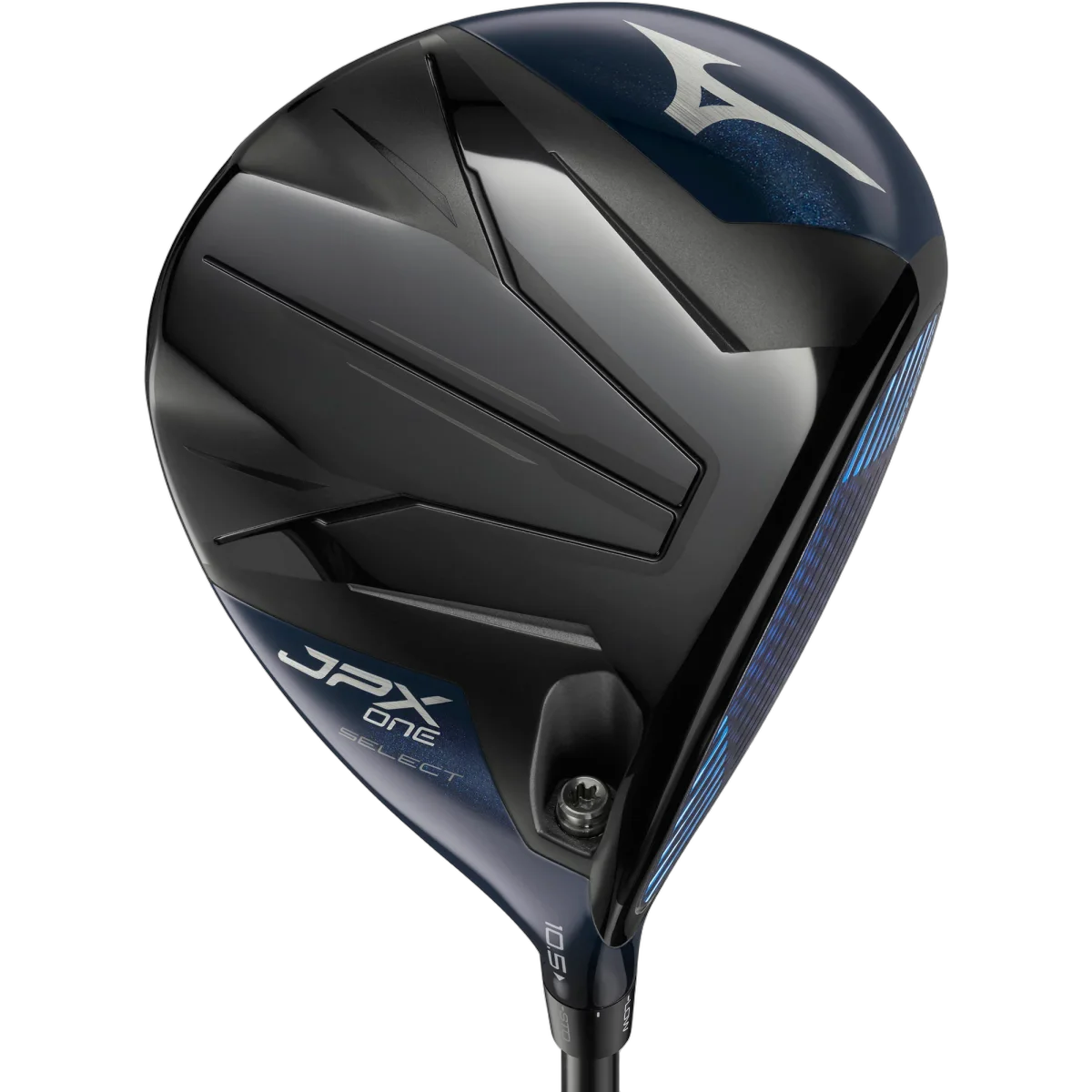
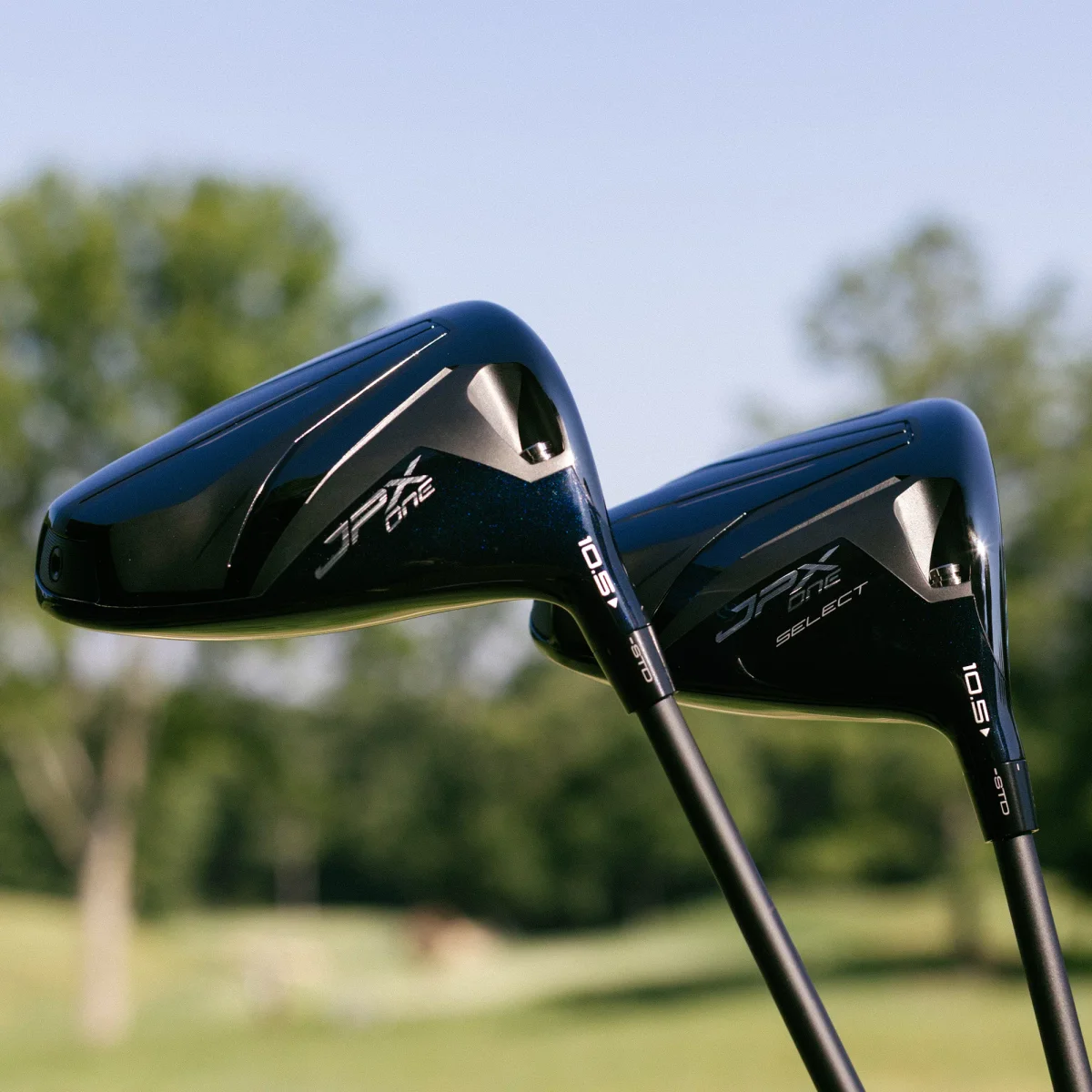
This is where the JPX One truly shines. The head shape is elegant, with a navy carbon crown that gives it a distinct, premium appearance. It has something of the look of a TaylorMade carbon crown but with Mizuno's own aesthetic identity. The alignment aid on the crown is a nice touch, subtle enough to not be distracting but visible enough to help frame the ball at address.
JPX One driver behind ball on tee at address
The overall profile sits somewhere between a full game-improvement shape and a players driver. It is not oversized, but it is not compact either. Better players and average golfers alike should find something to like in the shape. The face blends smoothly into the crown, and the topline is thin enough to look refined without being intimidating.
Sound & Feel
Mizuno has historically been associated with exceptional feel in their irons, and they have brought some of that sensibility to the JPX One. The feel at impact is solid and strong, with a satisfying sensation that communicates quality. The sound is distinctive -- it does not sound like a typical titanium driver, carrying what I would describe as a fancy, almost tuned quality that sets it apart from the crowd.
On center strikes, the feedback is fantastic. You know immediately that you have flushed it. Mishits are equally communicative, with a noticeable change in feel that tells you where on the face you made contact. The NanoAlloy face produces a crisp, responsive impact that sits somewhere between the muted feel of a composite crown driver and the lively ring of an all-titanium head.
Performance
Ball Speed & Distance
Ball speed retention across the face is where the JPX One genuinely impresses. The NanoAlloy face and expanded CORAREA work together to maintain competitive speeds even on off-center contacts. My ball speeds generally hovered around the mid-150 mph range, with my best swings reaching 159-164 mph depending on strike quality.
Studio close-up of Nanoalloy face technology detail
Those are competitive numbers, but they do not put the JPX One ahead of the leading drivers from other brands. Carry distances ranged from 239 to 274 yards across different testing sessions and swing speeds, with the most representative average landing around 252 yards carry and 262 yards total at a club speed of about 103 mph.
The distance is solid, not spectacular. The JPX One holds its own against the competition but does not leap ahead of it.
Launch & Spin
This is where the JPX One's story gets more complicated. The driver offers a mid-to-high launch with a spin profile that can be inconsistent. On well-struck shots, spin sits in a good window and the ball flies with a strong, penetrating trajectory. But on certain strikes, spin climbed into the 3,500-4,000 rpm range, and when that happened, carry distance dropped noticeably. The ball peaked too high and fell out of the sky.
For a driver positioned as a performance-oriented option, that variable spin was disappointing. It suggests the face and CG relationship is not quite as dialed in as what you find from the best drivers in this space. The launch angle averaged around 11.5 degrees, which is reasonable, but the spin inconsistency undermined what could have been a very competitive launch window.
Some of this can be mitigated through fitting. The adjustable weights provide some ability to tune spin down, and shaft selection will obviously play a role. But out of the box, the spin variability is the JPX One's most notable weakness.
Dispersion & Shot Shape
The JPX One has a slight fade bias that suits better players and average golfers who tend to fight a draw or hook. Three different data points confirmed this fade tendency, and in my own testing, the ball naturally wanted to hold a gentle left-to-right shape. For players who slice, this is not the driver to correct that miss. The standard JPX One model does offer a draw-bias option for those who need it.
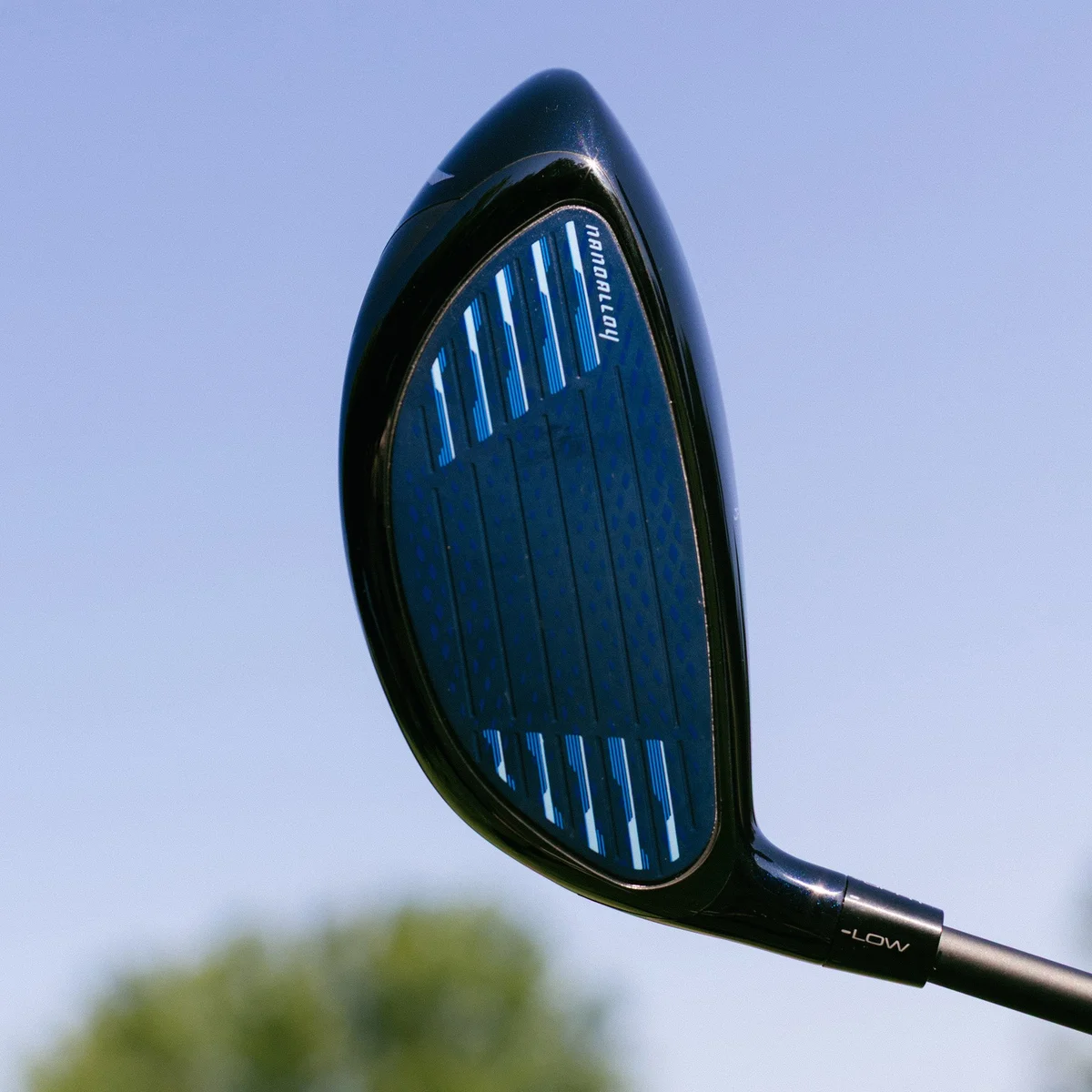
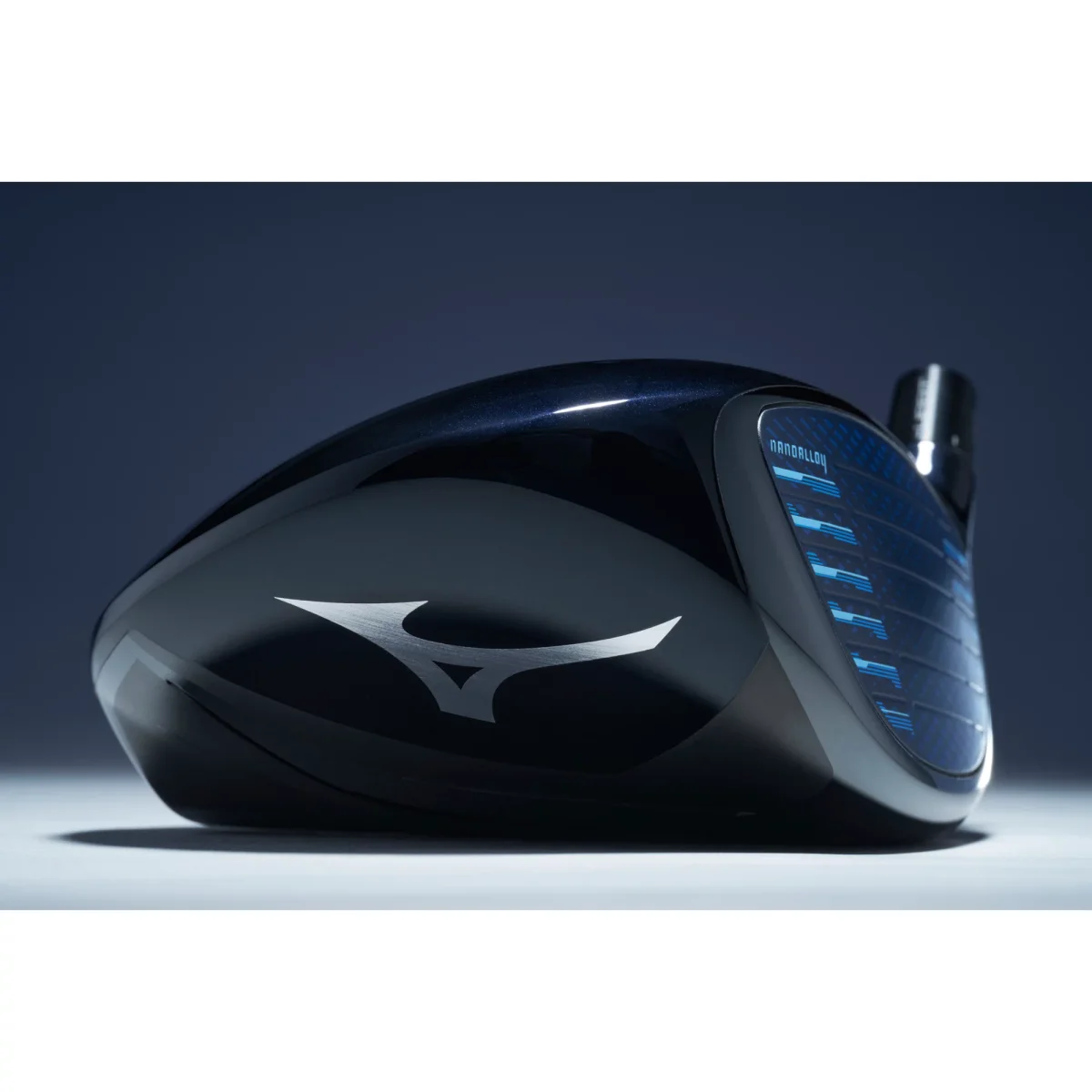
Studio side profile showing Mizuno logo and face
Forgiveness is respectable. The expanded sweet spot keeps off-center strikes in play, and ball speed retention on mishits is genuinely impressive. Dispersion was tighter than I expected from a Mizuno driver, reflecting the improved MOI characteristics of the new head design.
Verdict
The Mizuno JPX One is a significant step forward for the brand. It looks beautiful, it feels exceptional, and the NanoAlloy face technology produces competitive ball speeds with impressive retention across the hitting area. The build quality and aesthetics are first-rate, and the price point undercuts some of the bigger names in the category.
Where it falls short is in spin consistency. The variable spin profile means that some swings produce optimal results while others balloon and lose distance. That inconsistency keeps the JPX One from competing with the very best drivers available, even though its best swings can hang with anything on the market. The fade bias will also not suit everyone.
For Mizuno loyalists, this is the driver they have been waiting for. For everyone else, it is a genuinely competitive option worth putting on your fitting list, with the caveat that you should pay close attention to spin numbers during your session.