Cobra AIR-X OS Driver
Cobra — Cobra AIR-X OS Driver · By Andy · Jan 24, 2026
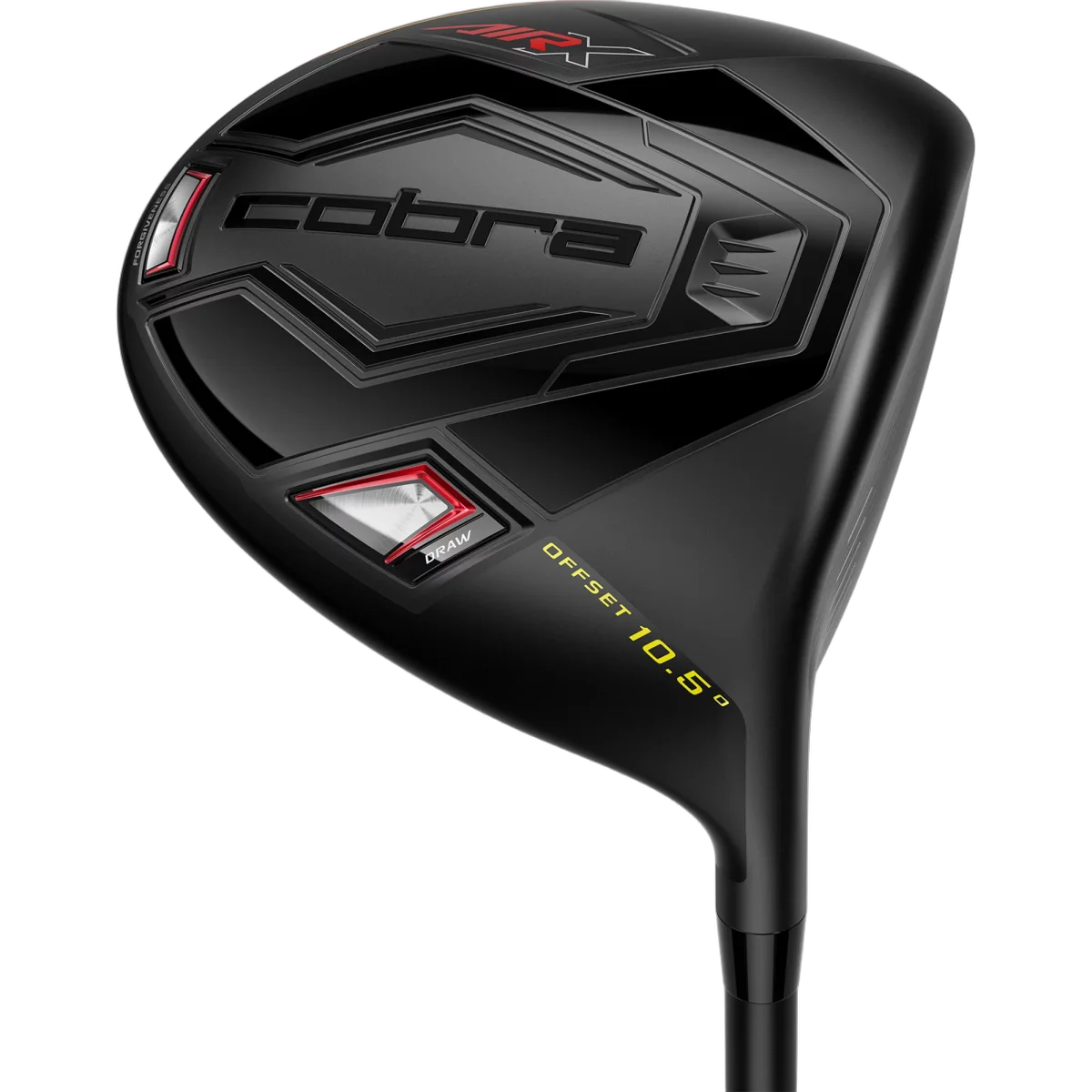
A featherweight, slice-fighting driver that gives moderate swing speeds a genuine shot at more distance and straighter ball flight off the tee.
The Big Picture
The Cobra AIR-X OS is built around a single premise: lighter means faster, and faster means longer. At roughly 290 grams total -- nearly 40 grams less than a standard Cobra Aerojet -- this is one of the lightest full-size drivers on the market. Cobra designed it specifically for golfers with moderate to slower swing speeds who want to pick up clubhead speed without overhauling their mechanics.
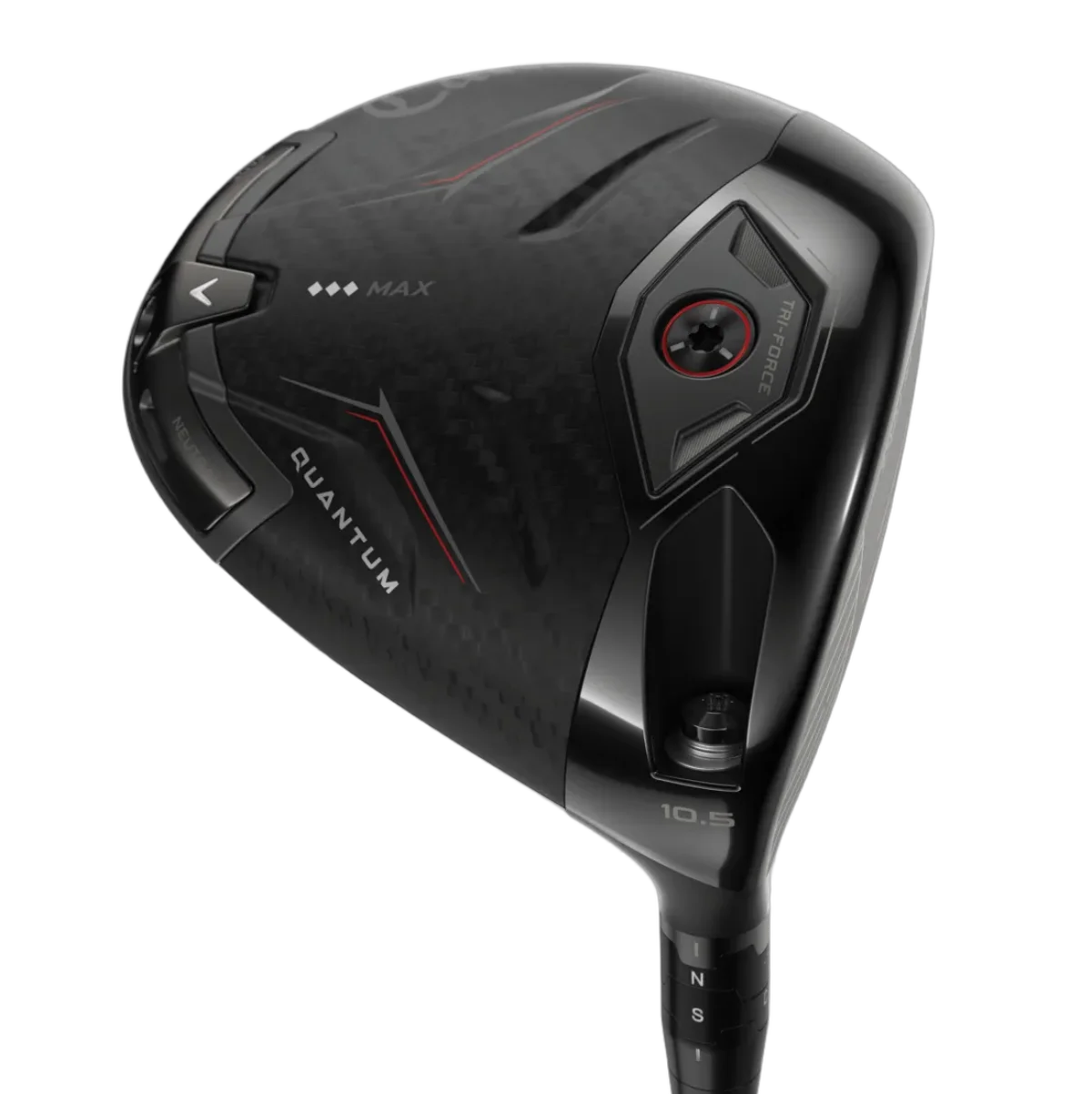
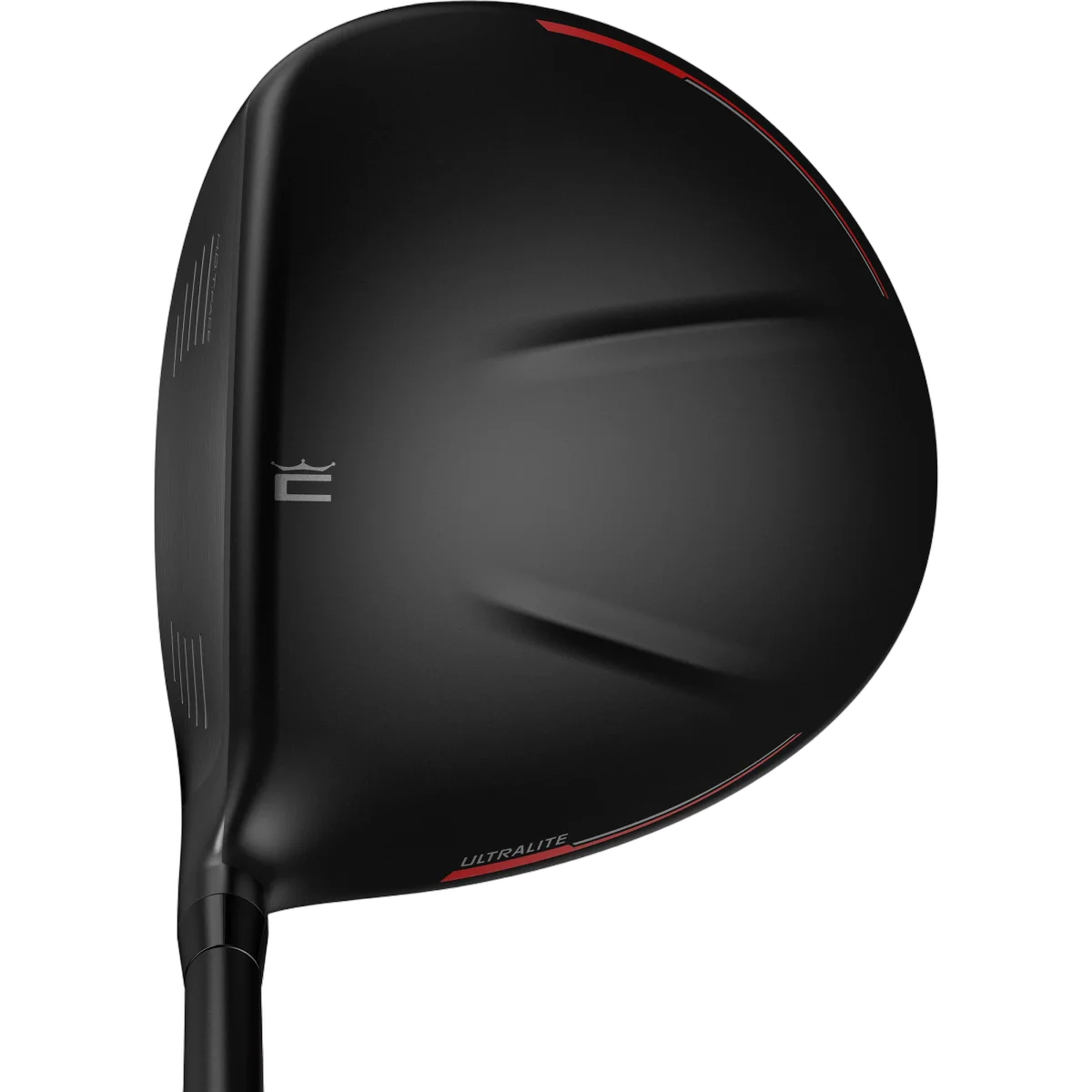
Crown view showing Cobra logo and Ultralite red accent
The "OS" in the name stands for Offset, and it is the draw-biased sibling of the straight-neck AIR-X SN. The offset hosel, combined with heel-biased weighting, is engineered to reduce slice spin and promote a right-to-left ball flight. For golfers who watch their drives peel off toward the tree line on the right side, that design intent is not just marketing -- it is the entire reason this club exists.
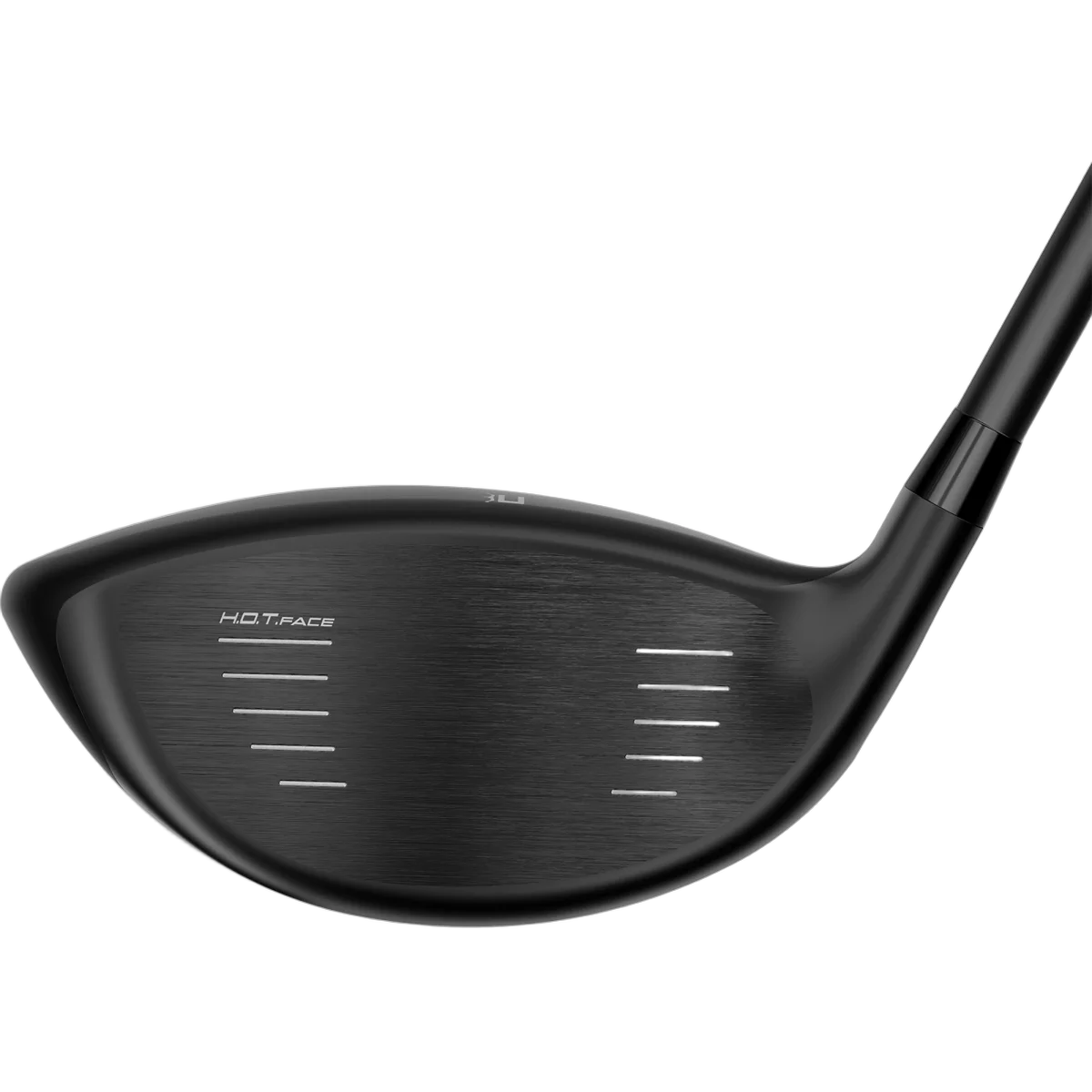
The 2024 iteration of the AIR-X brought a meaningful upgrade in the form of Cobra's H.O.T. Face technology, an AI-designed variable-thickness face pattern that expands the effective hitting area and preserves ball speed on off-center strikes. That is a notable step forward from the original 2022 model, which was already a capable performer for its target demographic. The face is also 15% thinner than the previous generation, contributing to a hotter response at impact. At an MSRP of $349, the AIR-X OS sits well below premium driver pricing, which makes it an accessible entry point for beginners, seniors, and anyone who prioritizes ease of use over adjustability.
At Address
The AIR-X OS presents a large, confidence-inspiring footprint behind the ball. The 460cc head has a slightly elongated profile that looks fast even before you start your takeaway. The crown features a carbon composite construction in the rear section, highlighted by subtle red accent striping along the trailing edge that gives it a touch of visual identity without being loud or distracting.
Cobra did a commendable job disguising the offset. With careful use of paint color and face angle, the hosel offset is far less pronounced at address than I expected. It is there if you look for it, but it does not create the jarring visual that some offset drivers impose on the golfer. A clean alignment aid on the crown makes setup straightforward. Overall, the look is modern and aerodynamic -- it does not scream "game improvement" the way some ultra-forgiving drivers do, which I appreciate.
Sound & Feel
Impact produces a medium-pitched, metallic crack with decent depth to it. Center strikes have a satisfying solidity -- not the dense, muted thud of a tour-level head, but a lively, responsive pop that tells you the ball is leaving the face with energy. The sound stays consistent across most of the hitting area, only dulling noticeably when contact drifts out toward the extreme edges of the face.
Club face showing H.O.T. Face technology and score lines
What impressed me most was the overall balance of the club during the swing. Despite the ultralight total weight, the AIR-X OS does not feel flimsy or hollow. The Cobra Ultralite 40 graphite shaft and Lamkin EPDM R.E.L. grip are matched well to the head weight, so neither the shaft nor the head dominates the feel through the swing. It is an easy, effortless sensation -- the kind of swing where you feel like you are not working hard, yet the ball jumps off the face. For golfers who have spent years muscling heavier drivers, the difference is immediately noticeable.
Performance
Ball Speed & Distance
The ultralight construction delivers exactly what Cobra promises: more clubhead speed from the same swing effort. In my testing, I saw ball speeds averaging around 128 mph with spin rates settling in the 2,200 to 2,500 rpm range, which translated to carry distances in the neighborhood of 220 yards. For a driver designed for moderate swing speeds, those are strong numbers.
The real story, though, is what happens on mishits. The 2024 H.O.T. Face technology makes a tangible difference here. Compared to the original 2022 AIR-X, the updated face preserves noticeably more ball speed on off-center contact, recovering roughly 5 to 10 yards on strikes that miss the sweet spot. That kind of consistency matters far more than peak distance for the golfer this club is designed to serve. When your best drive and your average drive are closer together, your scores improve -- and the AIR-X OS narrows that gap effectively.
The thinner face also contributes a slight edge in raw ball speed on centered strikes, perhaps half a mile per hour to a full mile per hour faster than the previous generation. It is not a dramatic leap, but combined with the spin reduction and improved mishit performance, the cumulative distance gains are meaningful.
Launch & Spin
The AIR-X OS launches the ball high and easily. In my sessions, launch angles averaged around 13 degrees, which combined with the moderate spin profile to produce a towering, carrying ball flight that lands relatively softly. Available in 9.5, 10.5, and 11.5 degree loft options, even the lowest loft gets the ball airborne without effort thanks to the low and deep center of gravity created by moving weight saved from the thinner carbon crown to the lower rear of the head.
Two 13-gram weights -- one positioned deep in the sole and one biased toward the heel -- work together to promote high launch with draw spin. The spin rates I recorded in the 2,200 to 2,500 rpm window are well-suited for maximizing carry distance at moderate swing speeds without ballooning. Golfers with swing speeds below 95 mph will find this launch and spin combination particularly effective at keeping the ball in the air long enough to reach its full distance potential.
Dispersion & Shot Shape
This is where the offset design earns its keep. The combination of the offset hosel and heel-biased weighting produces a pronounced draw tendency that actively fights slice spin. In testing, the draw bias was significant -- I observed shot curvature correction of up to 20 to 25 yards compared to a neutral driver. For a chronic slicer, that is the difference between the rough on the right and the middle of the fairway.
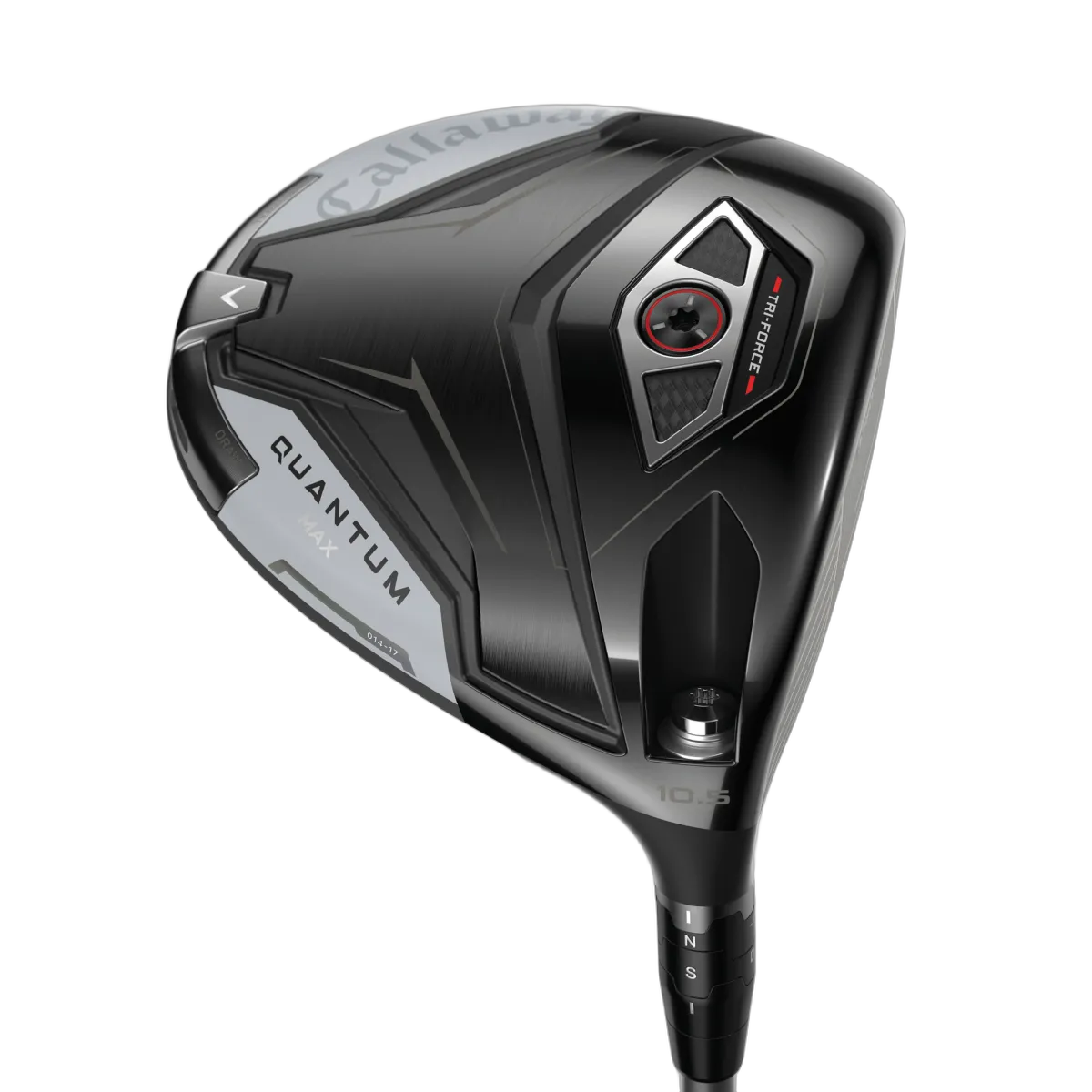
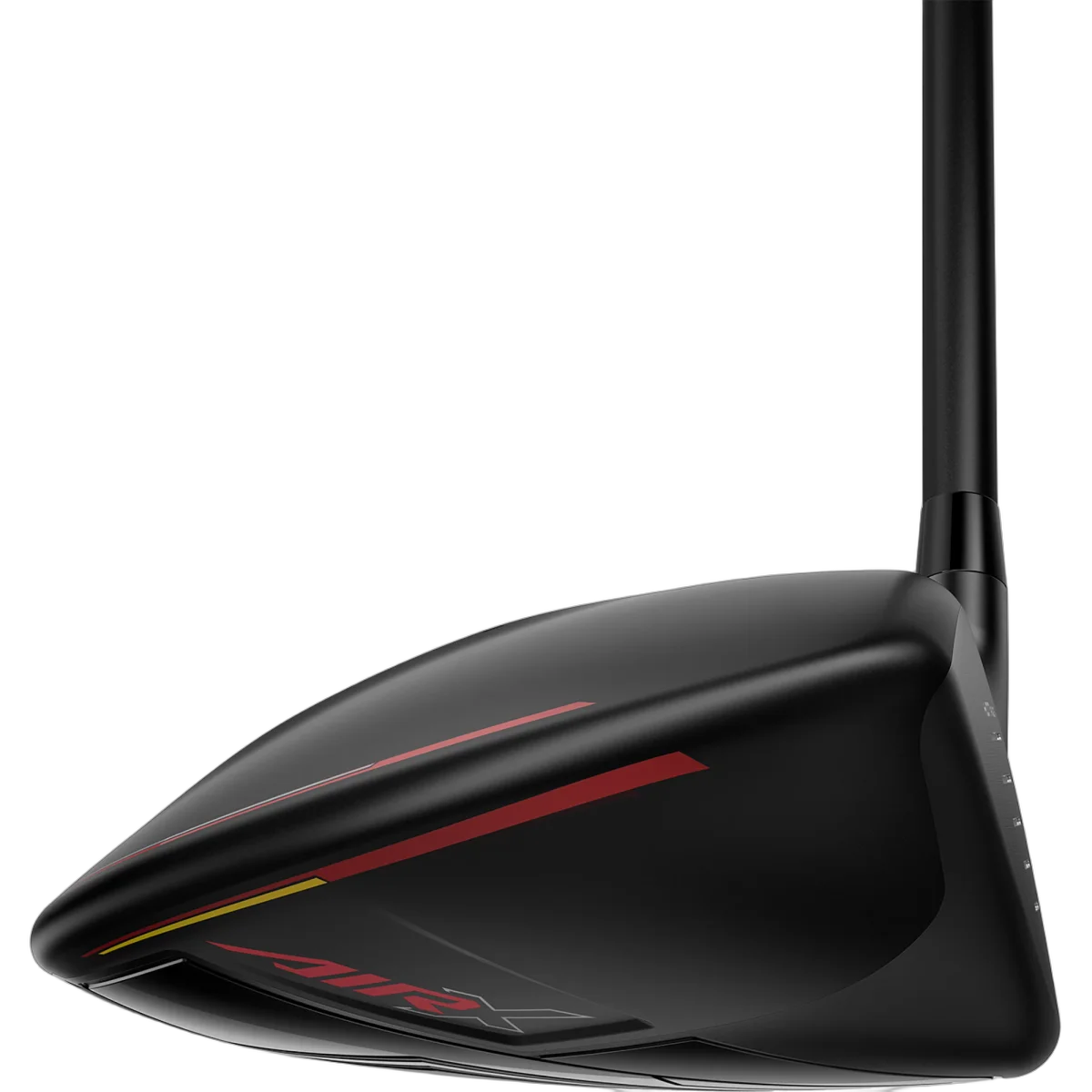
Sole view with AIR-X branding and red accent lines
That said, the draw bias is strong enough that golfers who already hit a natural draw should think carefully before choosing the OS model. If your miss is already left, this driver will amplify that tendency. The straight-neck AIR-X SN would be the better choice for players who do not need slice correction. There is no adjustable hosel or movable weight system here -- the AIR-X OS is a fixed design, so what you see is what you get. That simplicity is by design for the target player, but it does limit the ability to fine-tune ball flight.
Forgiveness on heel and toe mishits is solid for the price point. The high-MOI head resists twisting on off-center contact, and the H.O.T. Face keeps ball speeds from falling off a cliff when you catch one thin or toward the edges. It is not competing with $550 drivers for raw forgiveness metrics, but it punches above its weight class.
Verdict
The Cobra AIR-X OS is a purpose-built tool for a specific golfer, and it executes that purpose well. If you have a moderate swing speed, fight a slice, and want a driver that generates more speed and straighter ball flight without requiring an engineering degree to set up, this club delivers. The ultralight construction genuinely produces more clubhead speed, the H.O.T. Face preserves distance on mishits, and the offset design meaningfully reduces slice spin.
Strengths: exceptionally light weight that translates to real speed gains, strong mishit forgiveness from the H.O.T. Face, effective draw bias that fights the slice, high launching for easy carry distance, well-balanced feel despite the low total weight, and accessible pricing at $349.
Weaknesses: the strong draw bias makes it unsuitable for golfers who already draw or hook the ball, no adjustability to fine-tune loft or shot shape, limited appeal for faster swing speeds that do not need the ultralight design, and the sound at impact lacks the premium richness of higher-end drivers.
The AIR-X OS is best suited for beginners, seniors, and mid-to-high handicappers with swing speeds in the 80 to 95 mph range who want an easier, more forgiving experience off the tee. It is not trying to be everything to everyone, and that focused approach is what makes it effective for the golfer it was designed to help.