Callaway Quantum vs TaylorMade Qi4D: Which 2026 Driver Actually Wins?
By Lauryl · Feb 27, 2026
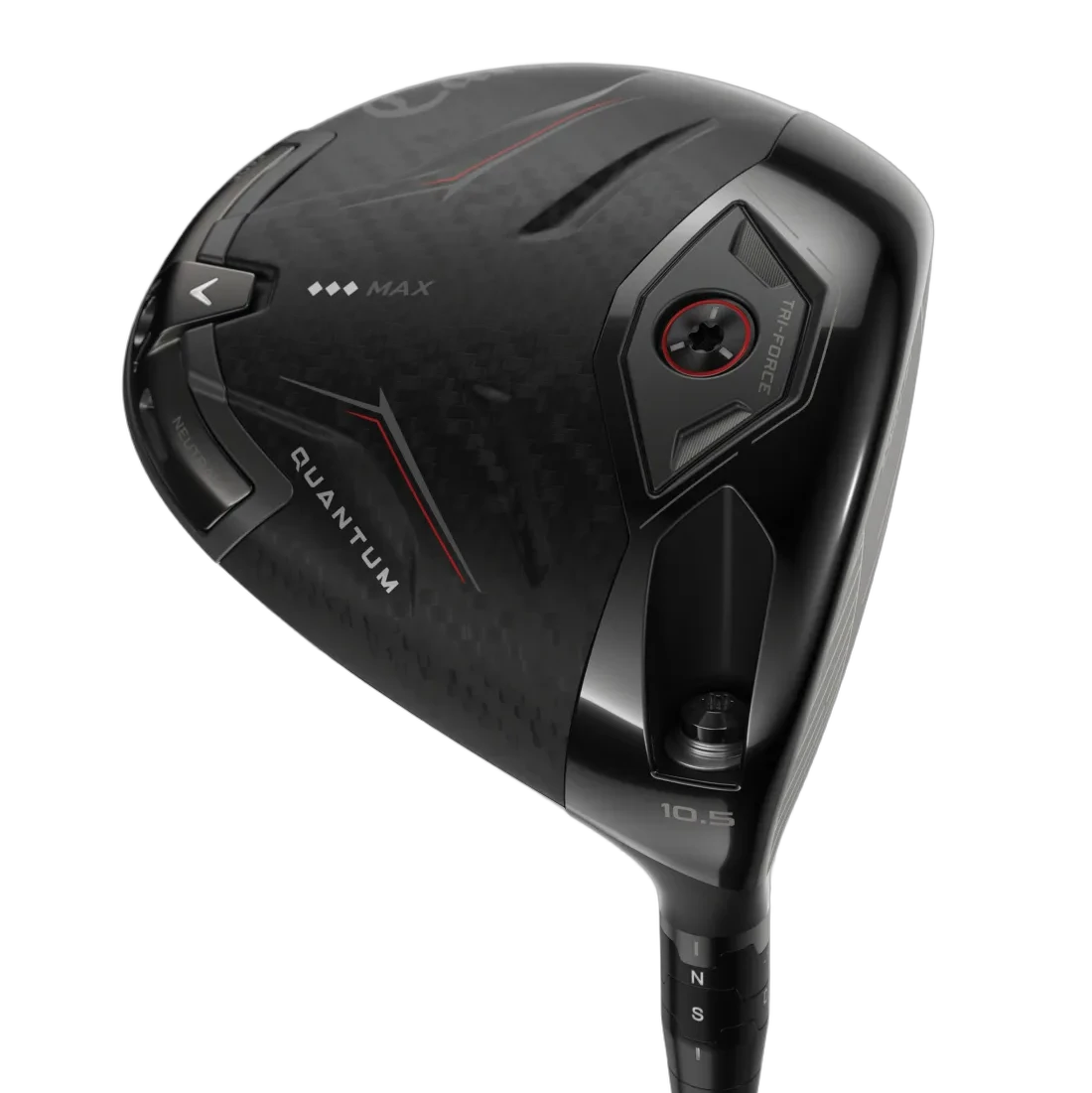
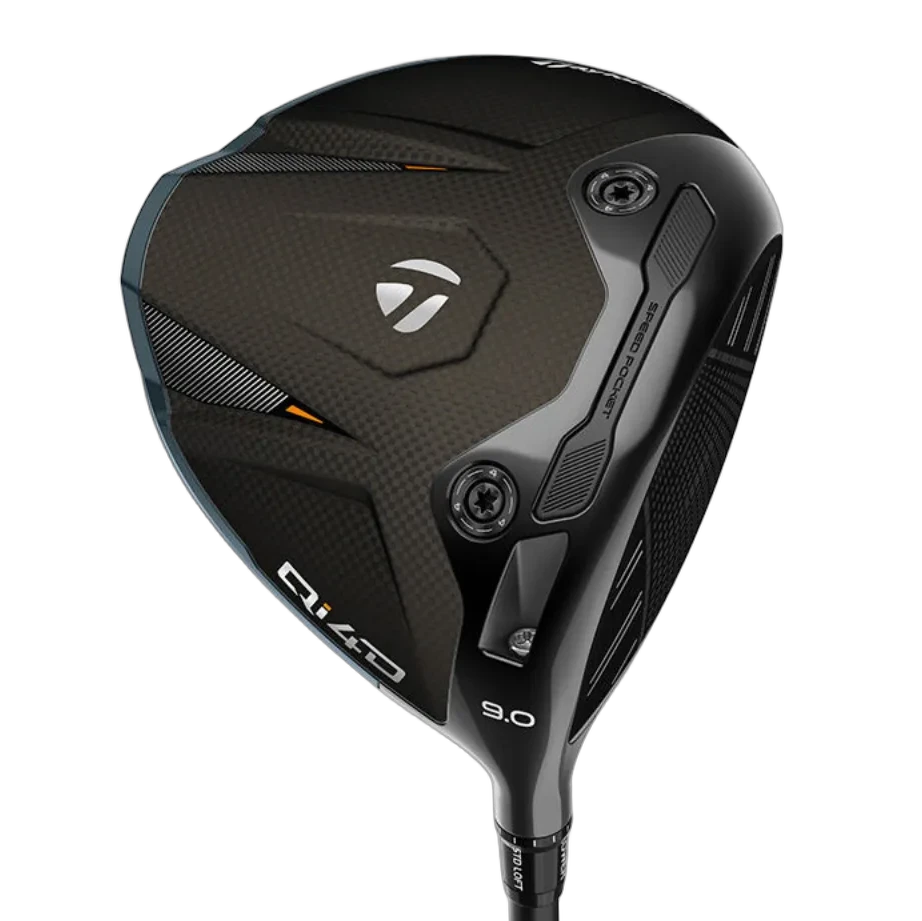
The Matchup
Every year, the driver conversation comes down to TaylorMade vs. Callaway. It's the Coke vs. Pepsi of golf equipment. And every year, the answer to "which one is better?" is the same: it depends on your swing.
But that doesn't mean both drivers are identical. The 2026 flagships, Callaway's Quantum Triple Diamond Max and TaylorMade's Qi4D, take fundamentally different approaches to the same goal. Callaway built a brand-new face construction from scratch. TaylorMade refined a platform they've been iterating on for three years. The results are two excellent drivers that play differently, feel differently, and suit different golfers.
We tested the Callaway Quantum Triple Diamond Max and the TaylorMade Qi4D core model side by side, same shaft, same loft, same conditions, over multiple range sessions and on-course rounds. Here's what we found.
The Technology: What's Actually Different
Callaway Quantum Triple Diamond Max. The headline technology is the Tri-Force Face: three materials (titanium, Poly Mesh, and carbon fiber) layered into a single integrated face structure. This is genuinely new. No one has bonded these three materials into a driver face before. The result is a face that flexes differently across different zones, producing remarkably consistent spin and speed numbers across the hitting area. Callaway's Ai modeling then tuned each zone of the face independently for optimized launch and spin. The head also features a sliding sole weight for neutral-to-draw adjustability and an adjustable hosel.
TaylorMade Qi4D, The Qi4D is the third generation of TaylorMade's Carbonwood platform, a lighter-than-titanium carbon fiber face that's been refined over the Qi10 and Qi35. The lighter face allows engineers to redistribute mass for better CG placement, and a redesigned roll radius reduces spin variability on high and low strikes. A cut-through Speed Pocket improves low-face speed. TaylorMade's big story this year is aerodynamics, the Qi4D head shape was optimized through hundreds of simulations to reduce drag and increase clubhead speed. The head features a movable weight (forward for speed, rear for stability) and an adjustable hosel.
The key difference: Callaway is betting on multi-material face innovation. TaylorMade is betting on aerodynamic efficiency and carbon face refinement. Both approaches work, but they produce slightly different performance characteristics.
Ball Speed
This is the metric everyone cares about, and it's close. On center strikes, both drivers produce elite ball speed, we're talking about differences of 0.5–1 mph between them, which is within the margin of error for any single testing session.
Where the separation appears is on mishits. The Qi4D consistently produced slightly higher ball speed on pure center strikes, the aerodynamic efficiency and lighter face seem to deliver a fractional speed advantage when everything is perfect. But the Quantum TDM held its speed better across the face on off-center hits. A toe strike that cost 2–3 mph with the Qi4D only cost 1–2 mph with the Quantum.
Edge: TaylorMade Qi4D (center strikes) / Callaway Quantum TDM (across the face)
Distance
Given the ball speed results, distance follows a similar pattern. The Qi4D produced marginally more carry on our best swings. The Quantum TDM produced more consistent carry across a full session, including the inevitable mishits.
For a golfer who finds the center 70%+ of the time, the Qi4D's slight speed edge translates to a yard or two more distance on average. For a golfer who spreads contact across the face, the Quantum TDM's consistency means fewer short drives, and your average ends up similar or better.
Edge: Push, depends entirely on your strike consistency.
Forgiveness & Dispersion
This is where the Quantum TDM starts to separate itself. The Tri-Force Face's zone-specific tuning produces tighter left-to-right dispersion than the Qi4D across a full session. When we looked at our worst 20% of drives with each club, the Quantum TDM's misses were shorter and straighter, a "powerful miss slightly left" pattern rather than the Qi4D's tendency toward a "weaker miss to the right" on heel strikes.
The Quantum TDM's sliding sole weight also contributes here. In the neutral position, the head is remarkably stable for a compact-ish profile. The Qi4D is forgiving by tour-model standards, but it gives up a meaningful amount of stability compared to the Callaway.
Edge: Callaway Quantum TDM
Feel & Sound
This is subjective, so take it for what it is. Both drivers sound and feel premium, but they're distinctly different.
The Qi4D has a powerful, slightly hollow sound that conveys speed. It's satisfying and modern, and a clear improvement over the Qi35's somewhat tinny acoustics. You know immediately when you've caught one pure.
The Quantum TDM has a more solid, muted impact feel, closer to what the Paradym Ai Smoke produced. The multi-material face damps vibration in a way that feels dense and controlled rather than explosive. Some golfers will find this more satisfying; others will miss the "crack" of a hot face.
We preferred the Quantum TDM's feel, but this one is genuinely personal.
Edge: Callaway Quantum TDM (subjective)
Looks & Address
At address, the Qi4D presents a clean, pear-shaped profile that's become TaylorMade's signature. It's slightly larger than the previous Qi35 in a way that adds confidence without looking oversized. The carbon crown is visible but tastefully executed.
The Quantum TDM has a more compact profile, it sits closer to a tour-model look while still providing a confidence-inspiring footprint. The Callaway branding is subtle this year, and the overall aesthetic leans more traditional than the Qi4D.
If you prefer a larger, more modern look: Qi4D. If you prefer a compact, traditional shape: Quantum TDM.
Edge: Personal preference
Adjustability
Both drivers offer adjustable hosels with similar loft and lie adjustment ranges. The difference is in the weight systems.
The Qi4D's movable weight shifts between forward (lower spin, more speed) and rear (higher launch, more stability) positions. It's a meaningful change, we measured a 200–300 rpm spin difference between the two settings.
The Quantum TDM's sliding sole weight moves along a track between neutral and draw positions. It's more about shot shape than launch characteristics.
If you want to tune launch and spin: Qi4D's system is more useful. If you want to tune shot shape bias: Callaway's system is more useful.
Edge: TaylorMade Qi4D (slightly more versatile)
Price & Value
Both drivers retail at $649. There's no price advantage either way. However, the Qi4D is available in an LME (Launch Monitor Enabled) version with face markings for fitters, which costs $699. If you're getting fitted at a facility with camera-based launch monitors, the LME version provides more precise fitting data.
Edge: Push
The Verdict
Here's the honest answer: these are the two best drivers of 2026, and you can't go wrong with either one.
But if forced to pick:
Buy the Callaway Quantum Triple Diamond Max if you value consistency above all else. If your priority is minimizing the damage from mishits, keeping dispersion tight, and having a driver that produces predictable results drive after drive, the Quantum TDM is the better choice. Its Tri-Force Face technology is the real deal, the across-the-face consistency is measurably better than anything else we've tested this year.
Buy the TaylorMade Qi4D if you're a consistent ball-striker who wants maximum speed and the most modern driver platform available. The aerodynamic gains are real, the carbon face is mature and proven, and the adjustability options are excellent. If you find the center more often than not, the Qi4D will reward you with slightly more distance.
Or, and this is the real answer, hit both during a fitting and let the data decide. We've seen golfers who "should" prefer one end up performing significantly better with the other. Your delivery, your tempo, your miss pattern, these matter more than any spec sheet comparison.
The good news? Whichever one you choose, you're getting an exceptional driver.
Callaway Quantum Triple Diamond Max: 9.2 / 10 TaylorMade Qi4D: 9.0 / 10