Wilson Dynapwr Hybrid
Wilson — Wilson Dynapwr Hybrid · By Troy · Feb 17, 2026
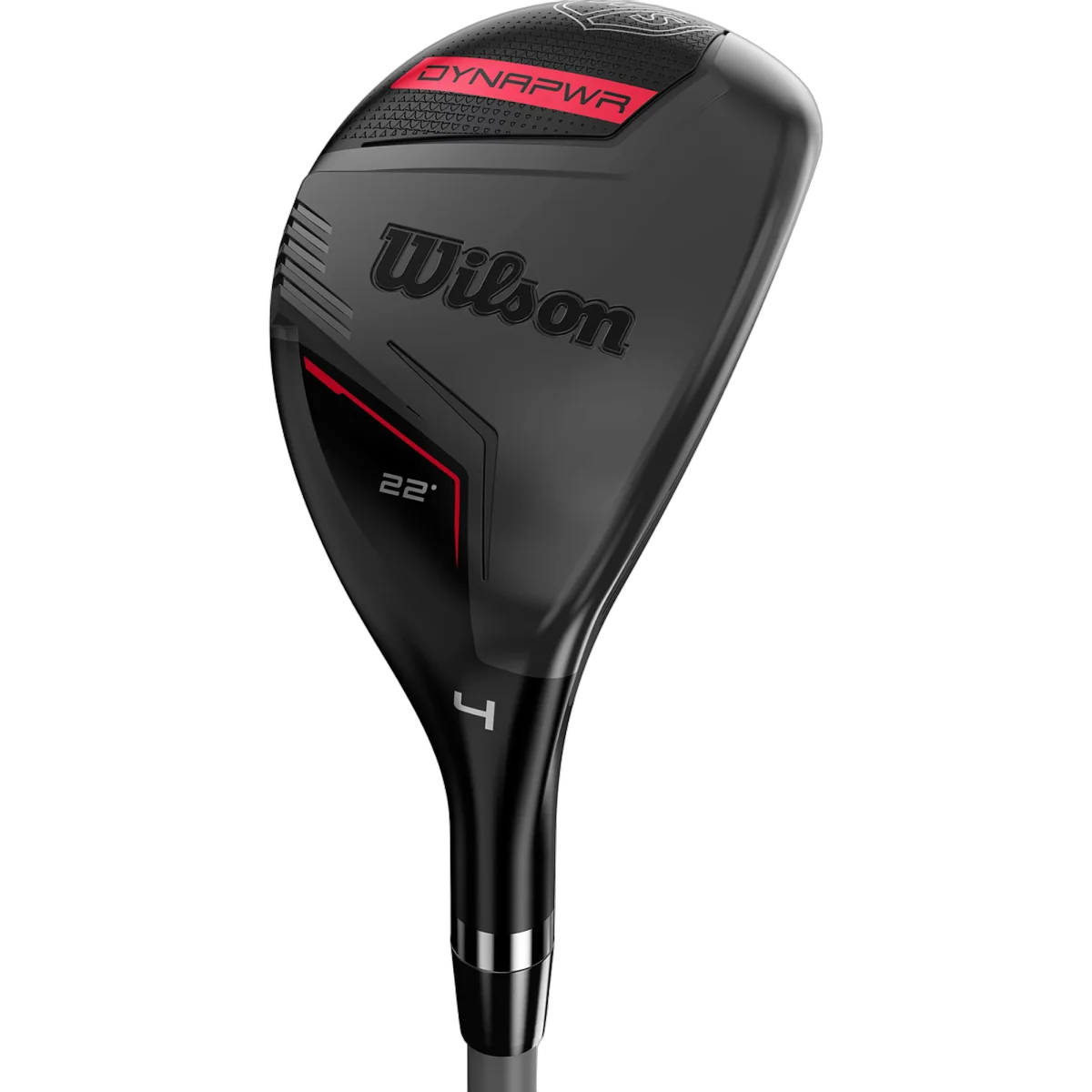
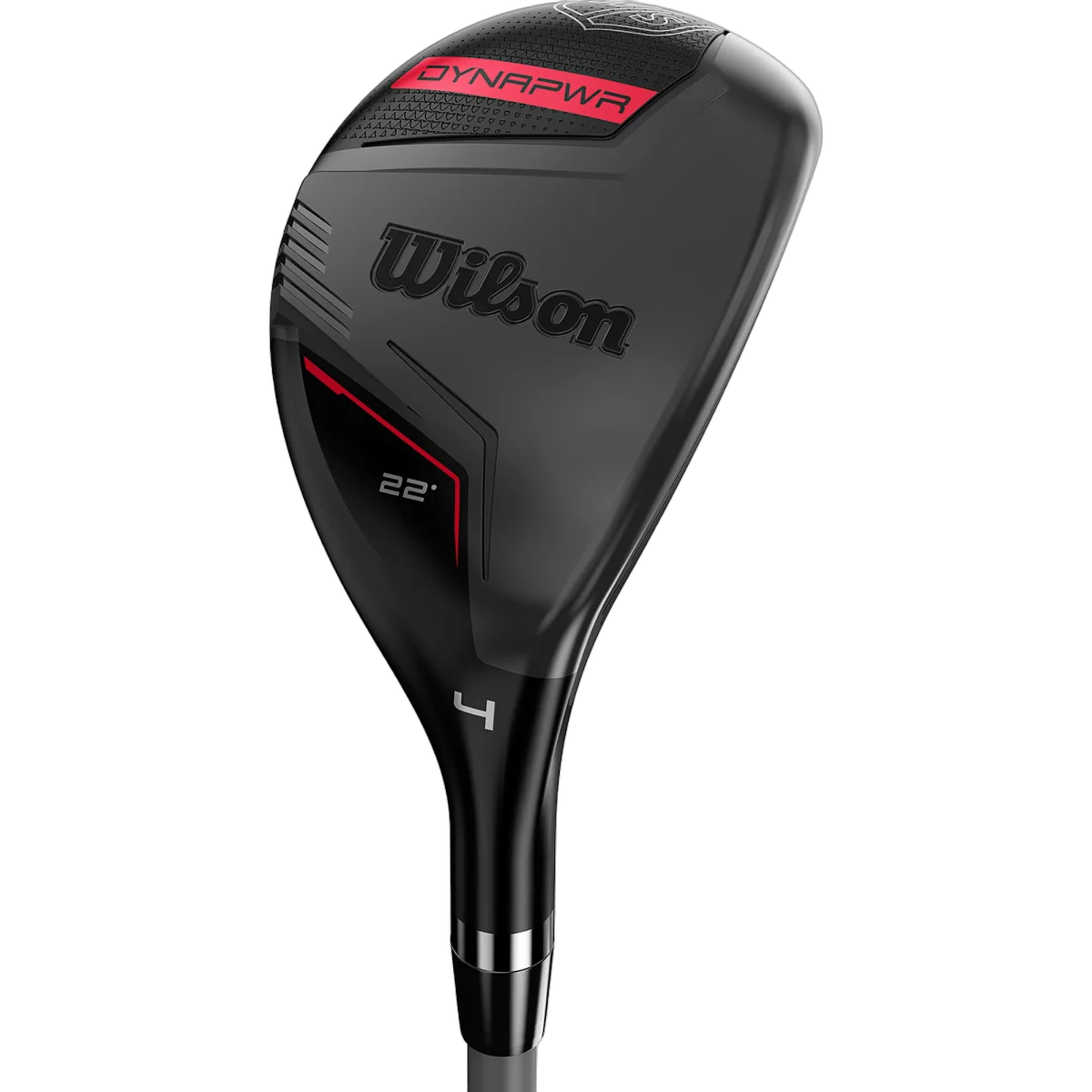
Outstanding bang for the buck -- a powerful, forgiving hybrid that punches well above its price class.
The Big Picture
Wilson has been quietly rebuilding its reputation in the metalwood space, and the second-generation Dynapwr Hybrid is a strong continuation of that effort. Built around Wilson's AI-driven PKR2 360 variable-thickness face and a forged 455 steel face insert, this hybrid is engineered to deliver high ball speeds and easy launch across a wide area of the face. The low center of gravity promotes a high, towering ball flight that mid-to-high handicappers will love, and at an MSRP of $249, it significantly undercuts the premium competition from Titleist, Ping, and TaylorMade.
The trade-off for that attractive price is a lack of adjustability -- there is no adjustable hosel or movable weights here. What you get out of the box is what you play. For golfers who know their gapping and just want a reliable, forgiving hybrid without the fuss of adjustability, that simplicity is actually a selling point.
At Address
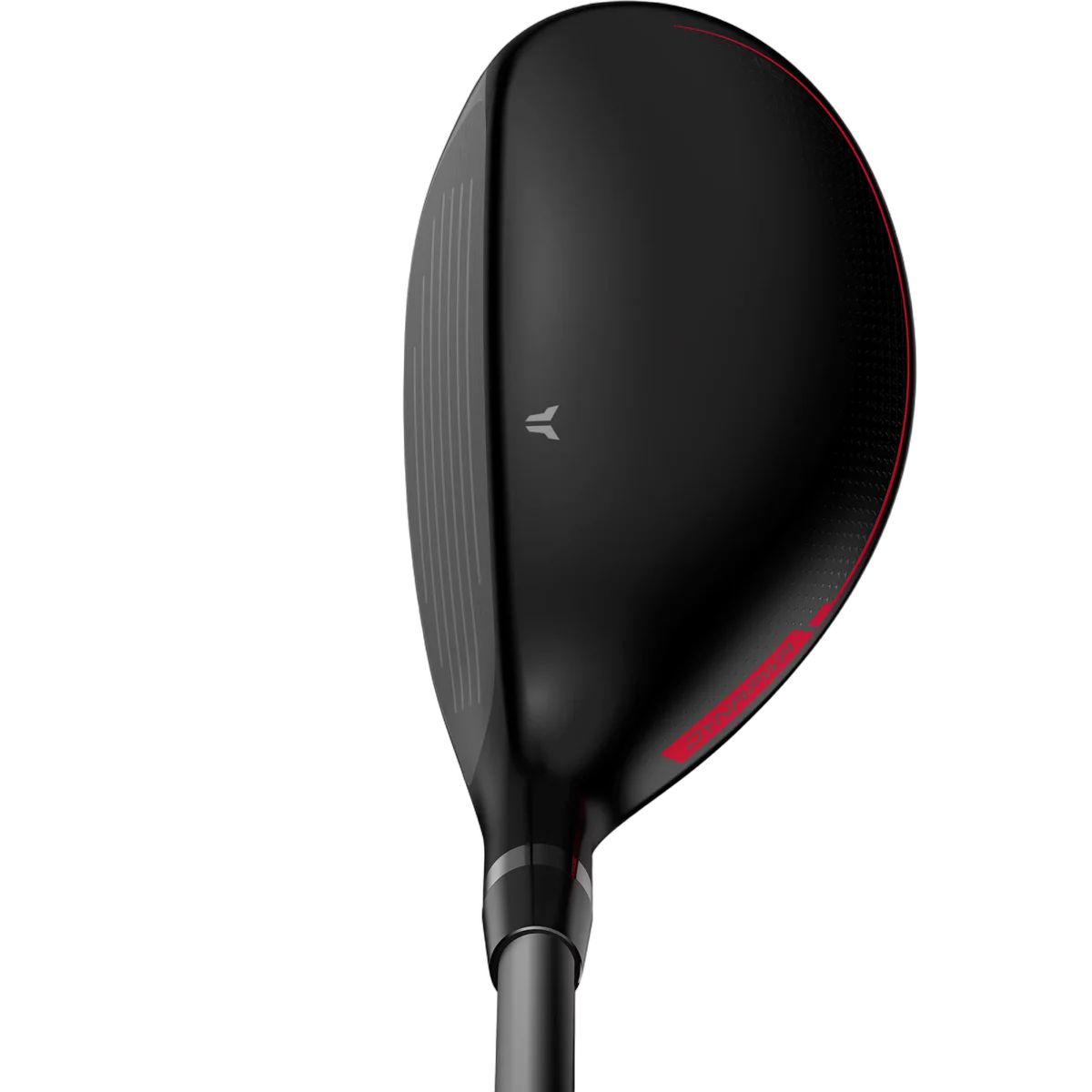
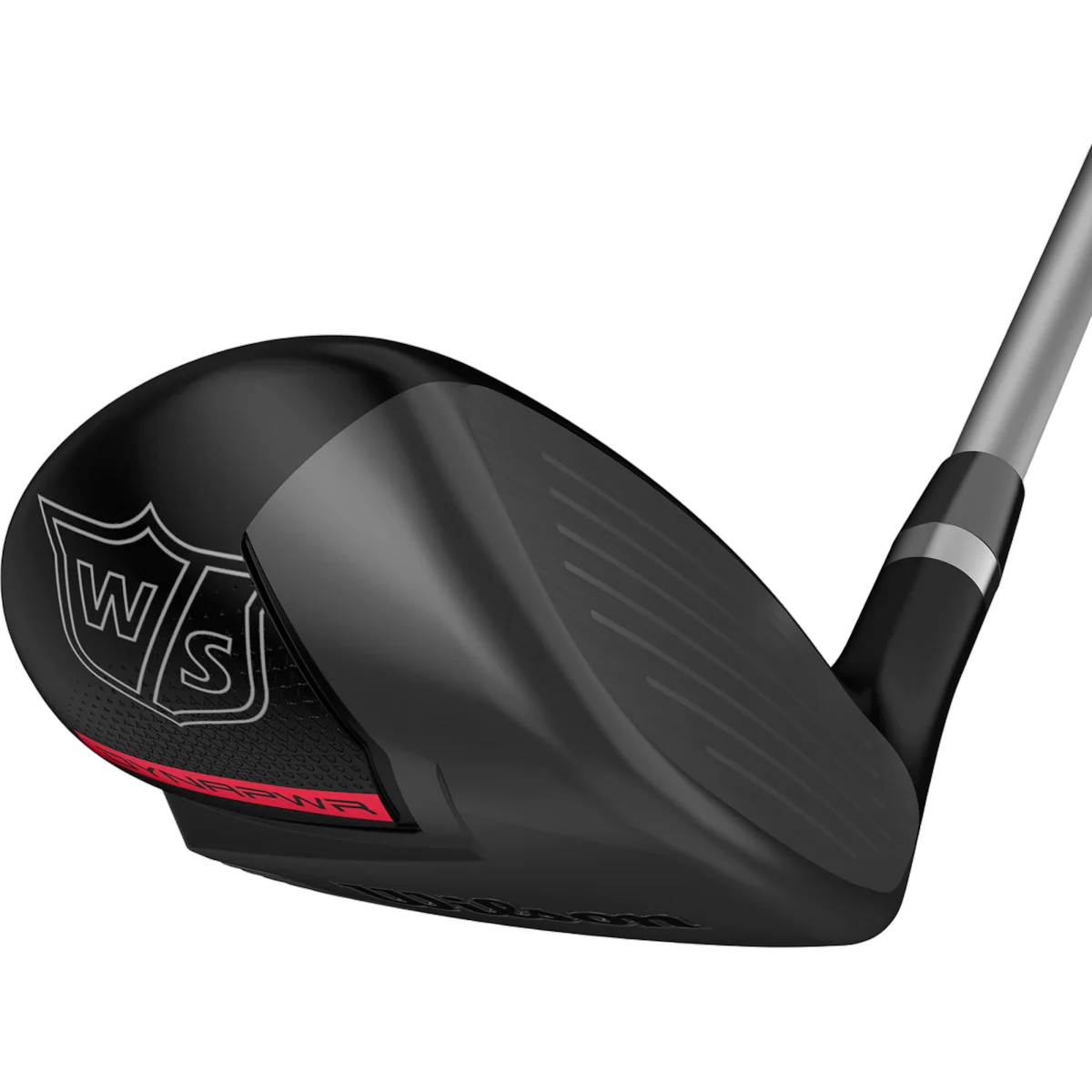
The Wilson Dynapwr is immediately striking behind the ball. The black-and-red color scheme is bold but familiar, and the head shape sits beautifully at address. The profile is compact relative to some game-improvement hybrids, with a traditional shape that better players will appreciate. The carbon fiber crown keeps weight low and eliminates glare, and there is a subtle alignment marker to help you aim.
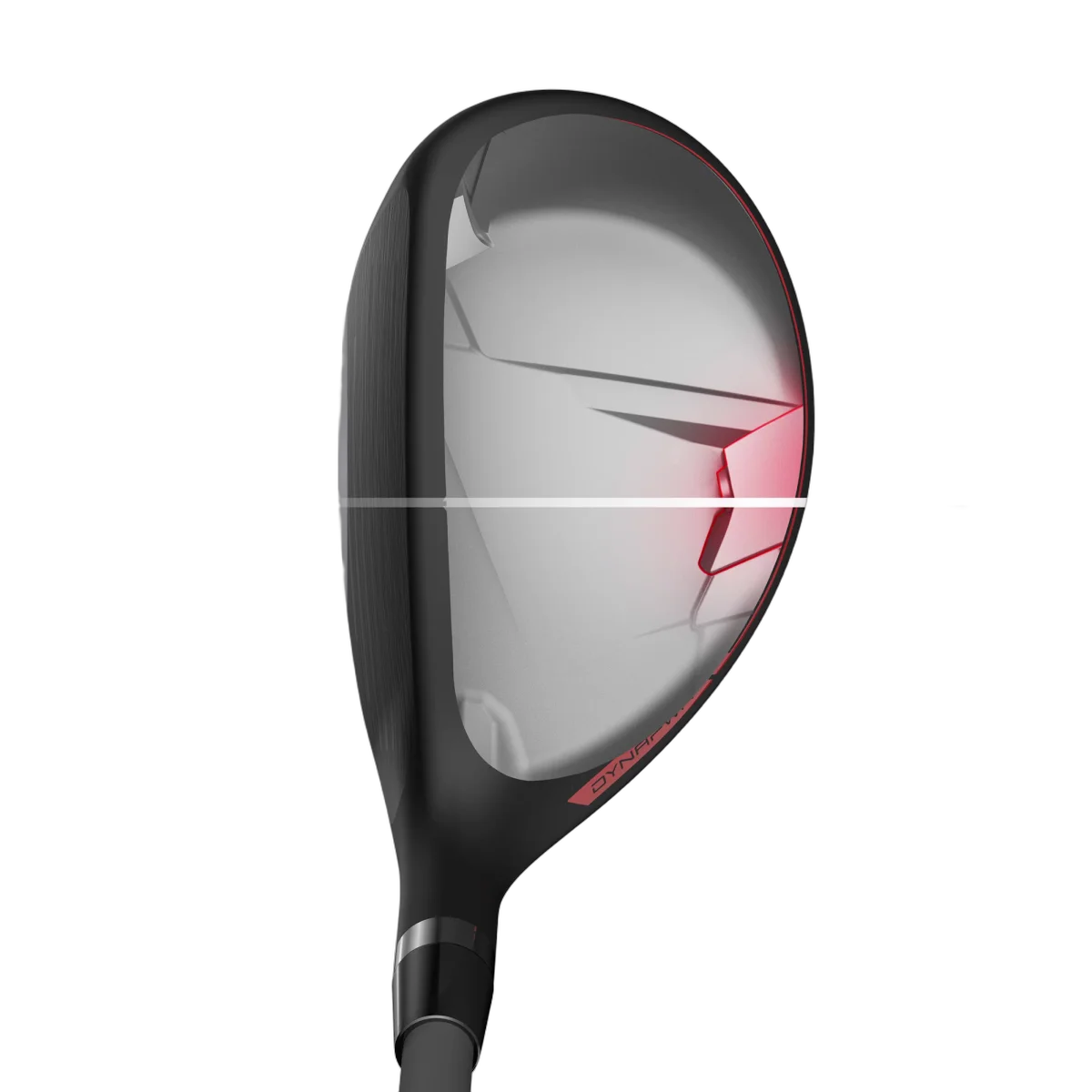
Address view highlighting the compact black crown with red accent trim
The overall aesthetic is clean and confidence-inspiring. It looks like a club designed to perform without overcomplicating things, and that simplicity carries through to the entire experience with this hybrid.
Sound & Feel
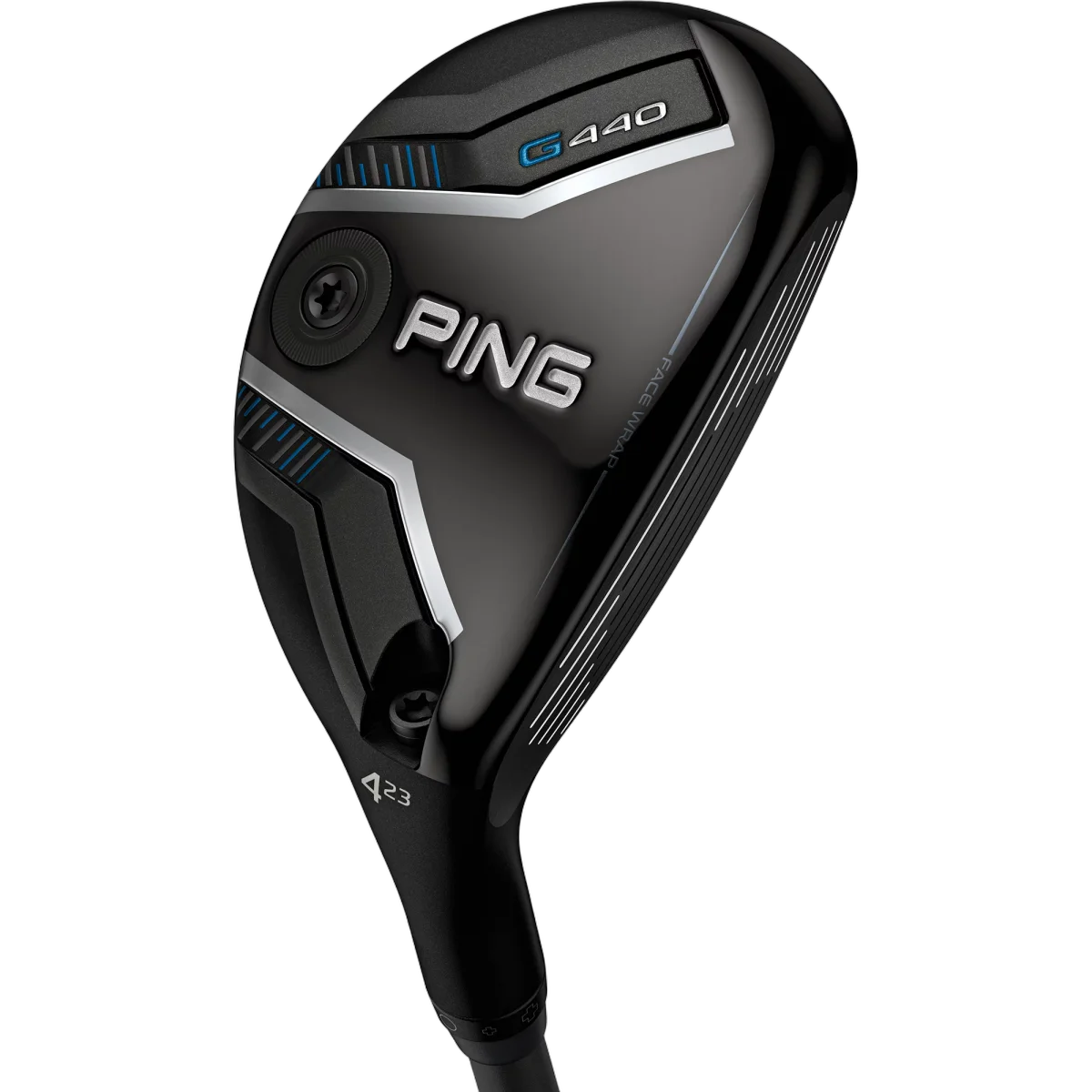
Wilson made improvements to the acoustics for this generation. A new internal rib structure creates a muted but strong sound at impact -- solid without being tinny or hollow. It is not quite at the premium level of a Ping G440 or Titleist GT hybrid, but it is a genuine step up from the first-generation Dynapwr and perfectly acceptable for the price.
Feel on center strikes is pleasant and stable. The forged 455 face delivers a lively sensation that tells you the ball is leaving with speed. On mishits, the feedback is honest but not punishing. You know when you have missed the center, but the performance drop-off is manageable enough that you are still in play.
Performance
Ball Speed & Distance
This is where the Dynapwr earns its keep. Testing the 22-degree four-hybrid, I saw ball speeds north of 140 mph on well-struck shots, which translated to an average carry distance of around 210-230 yards depending on the strike. Those are strong numbers for a hybrid in this price range, and they put the Dynapwr in the same conversation as hybrids costing $80-100 more.
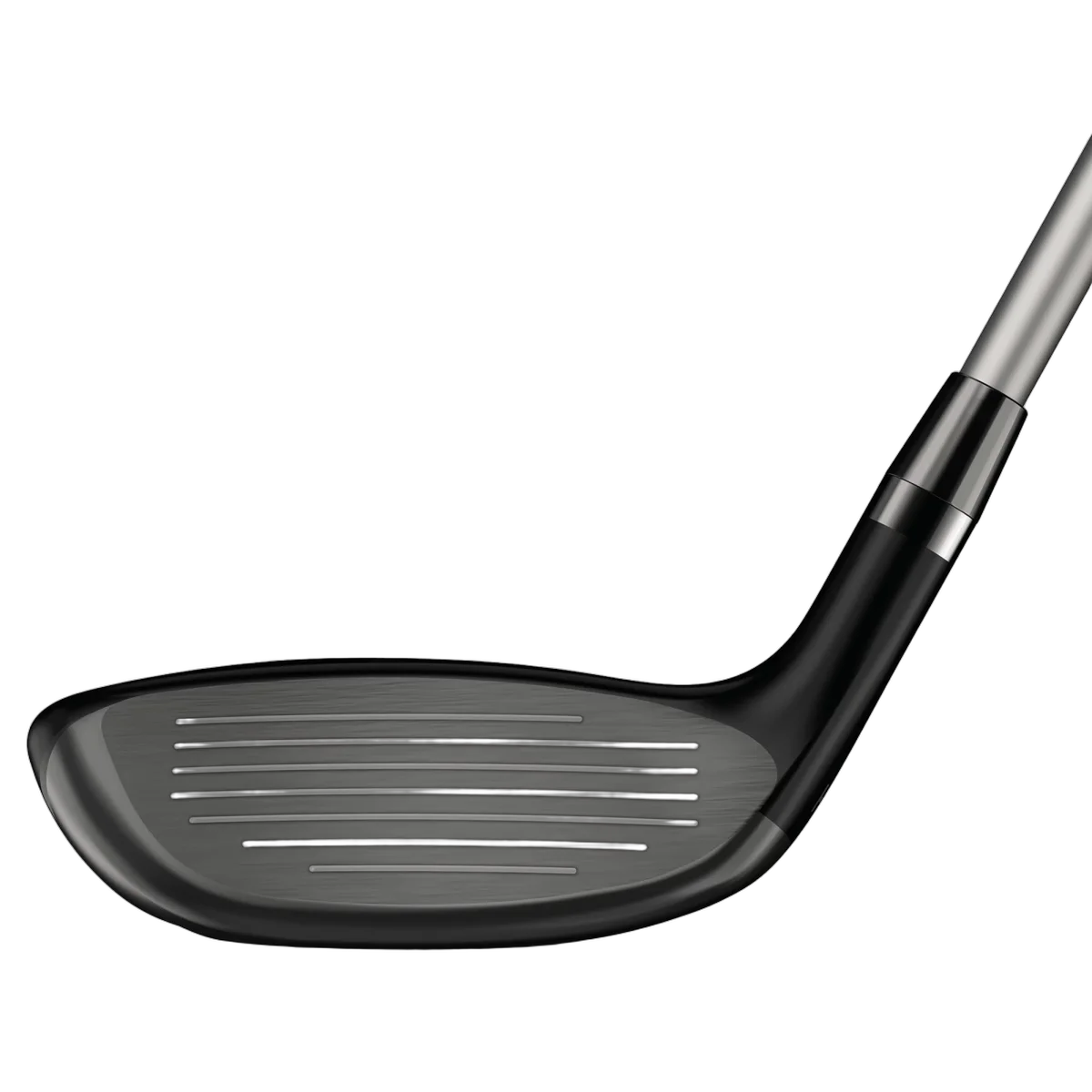
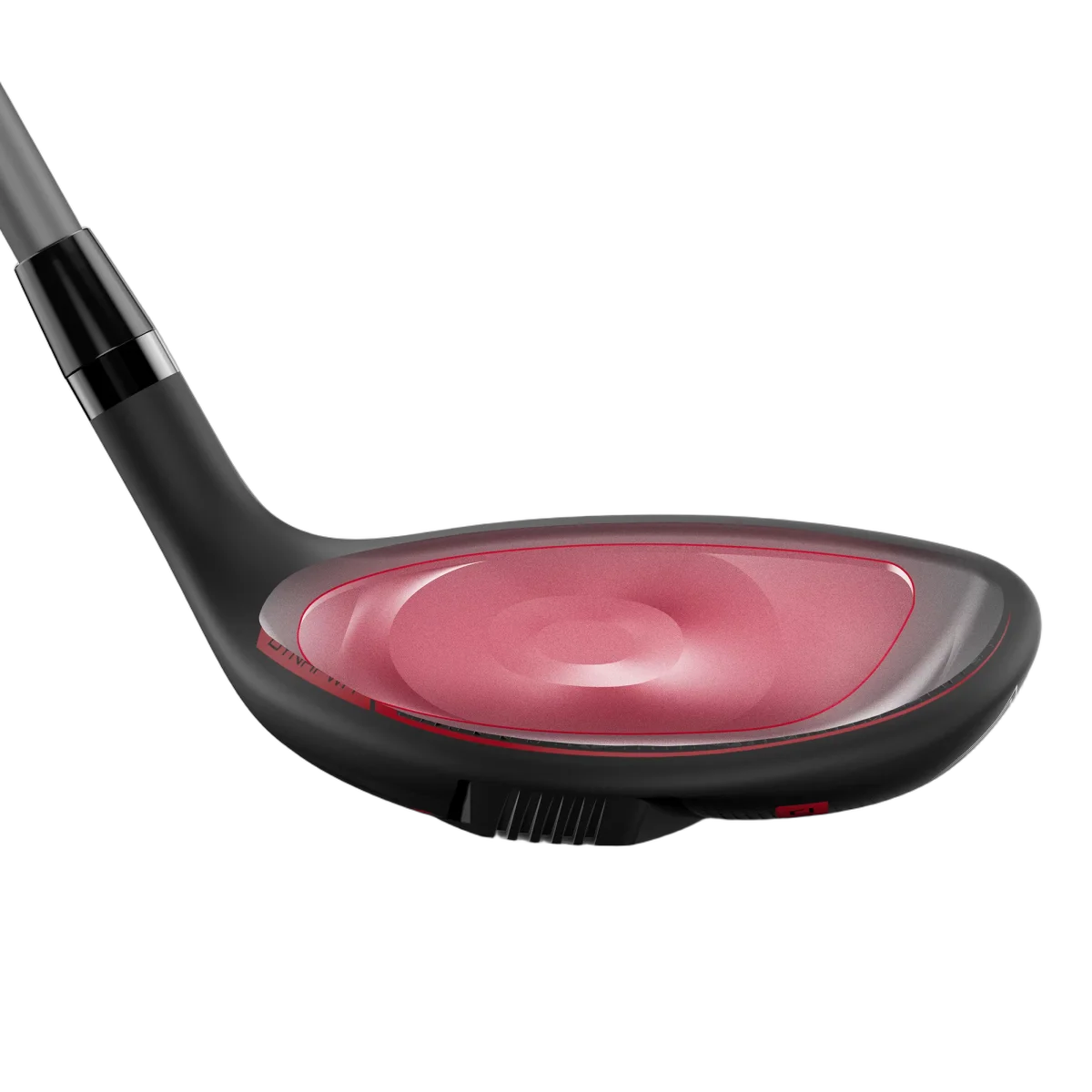
Clean face view showing the scored groove pattern across the hitting area
The PKR2 360 face technology creates multiple hot spots across the hitting area, which helps maintain speed on toe and heel strikes. A low-face hit dropped to about 196 yards of carry -- roughly 20 yards short of a pure strike -- while a poor toe hit still carried 203 and rolled out to 225. Those are respectable misses that keep you in play on most holes.
Launch & Spin
The Dynapwr launches high and easy. The low CG placement does its job, producing a towering ball flight that helps the ball carry and land softly. Spin rates averaged around 2,700 rpm with the stock graphite shaft, which is in the right range for a hybrid that needs to hold a green from distance.
There is a natural draw bias built into the design, which will benefit golfers who tend to leave the face open through impact. The ball wants to turn over gently from right to left, adding a few yards of rollout and helping fight that common weak fade.
Dispersion & Shot Shape
Forgiveness is generally excellent for the price. Off-center hits still produced playable results, and the draw bias helps keep the ball from drifting right on imperfect swings. The dispersion is not quite as tight as what you get from the premium brands -- a comparison test against the Ping G430 hybrid showed the Ping holding its distance and accuracy better on mishits -- but the gap is smaller than the price difference would suggest.
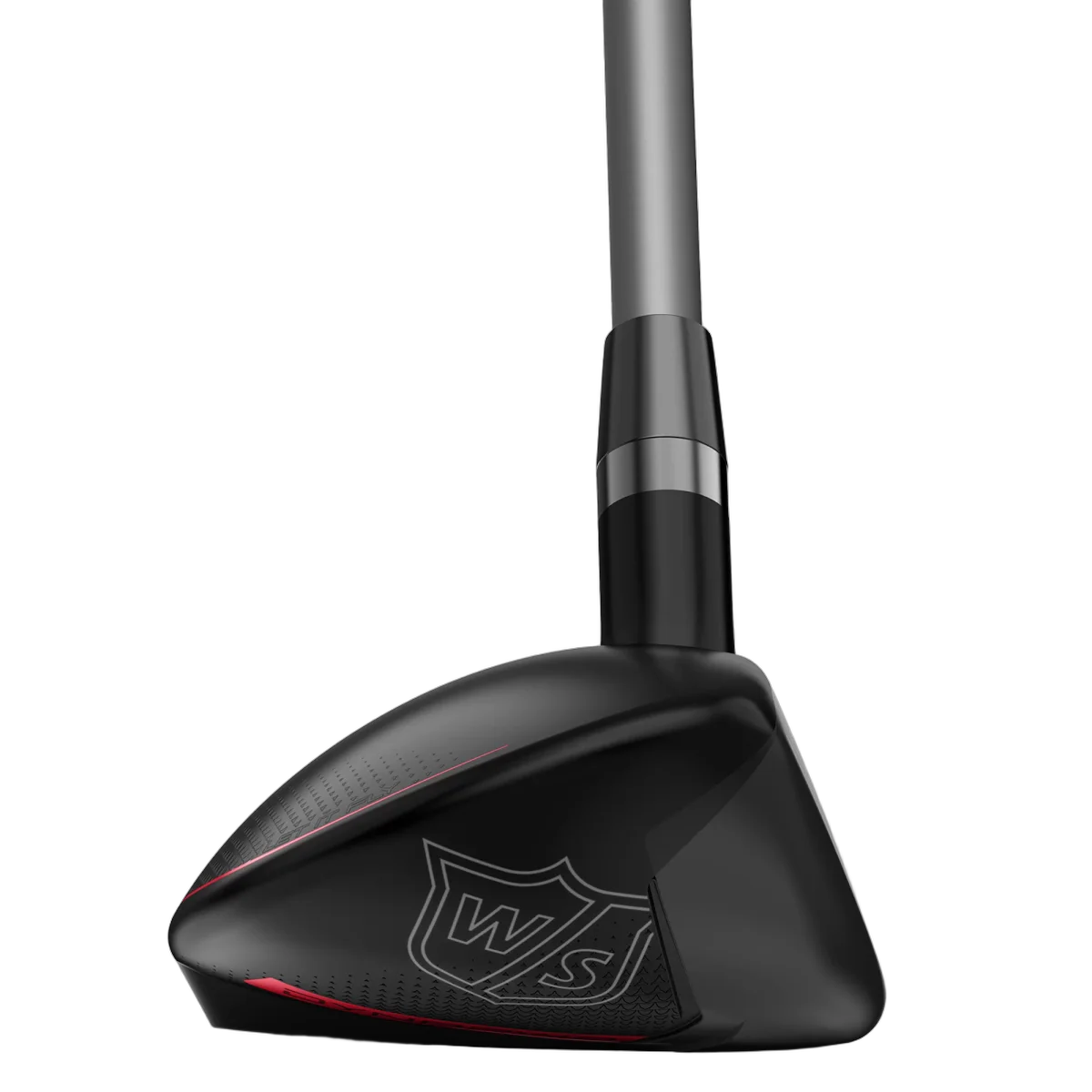
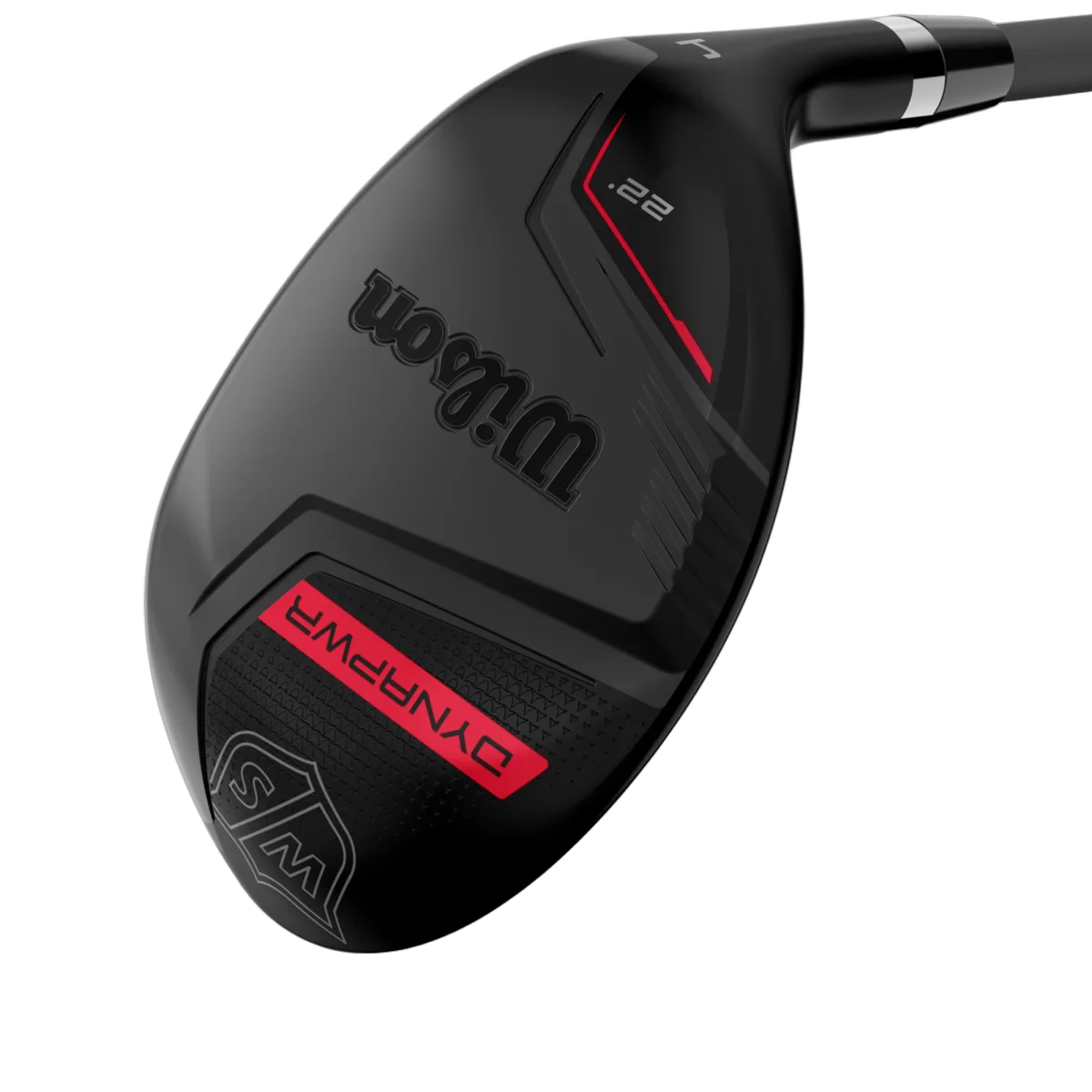
Sole view with Wilson and Dynapwr branding in the 22-degree loft
The lack of adjustability is the one genuine drawback. If you need to tune loft, lie, or face angle to dial in your gapping, you will have to look elsewhere. For a golfer who is happy to play the stock configuration, this is not an issue.
Verdict
The Wilson Dynapwr Hybrid is one of the best value propositions in the hybrid category. It delivers strong distance, high launch, and respectable forgiveness at a price that makes the premium brands look expensive. The improved sound, the confidence-inspiring look at address, and the AI-driven face technology all contribute to a club that performs well above its price point.
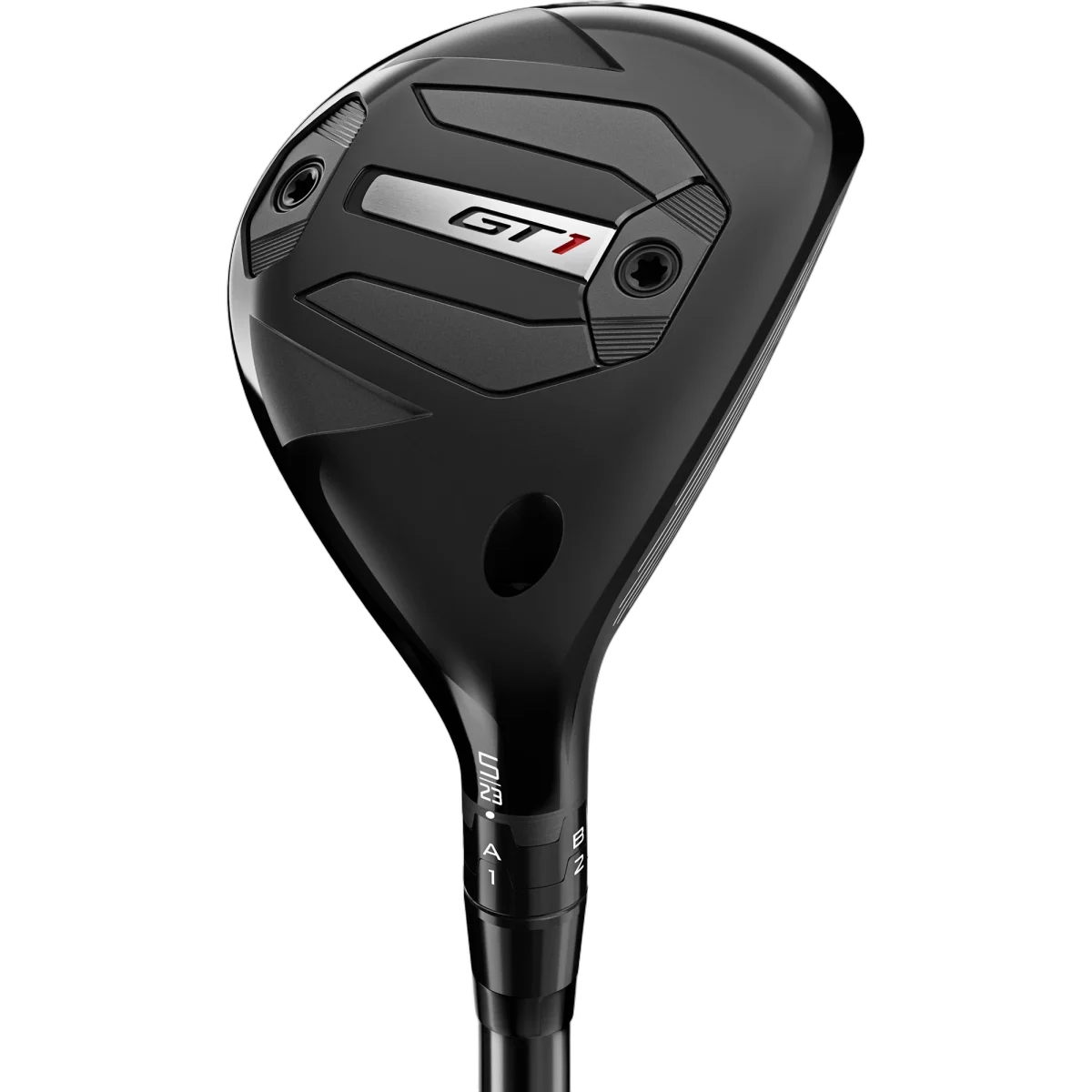
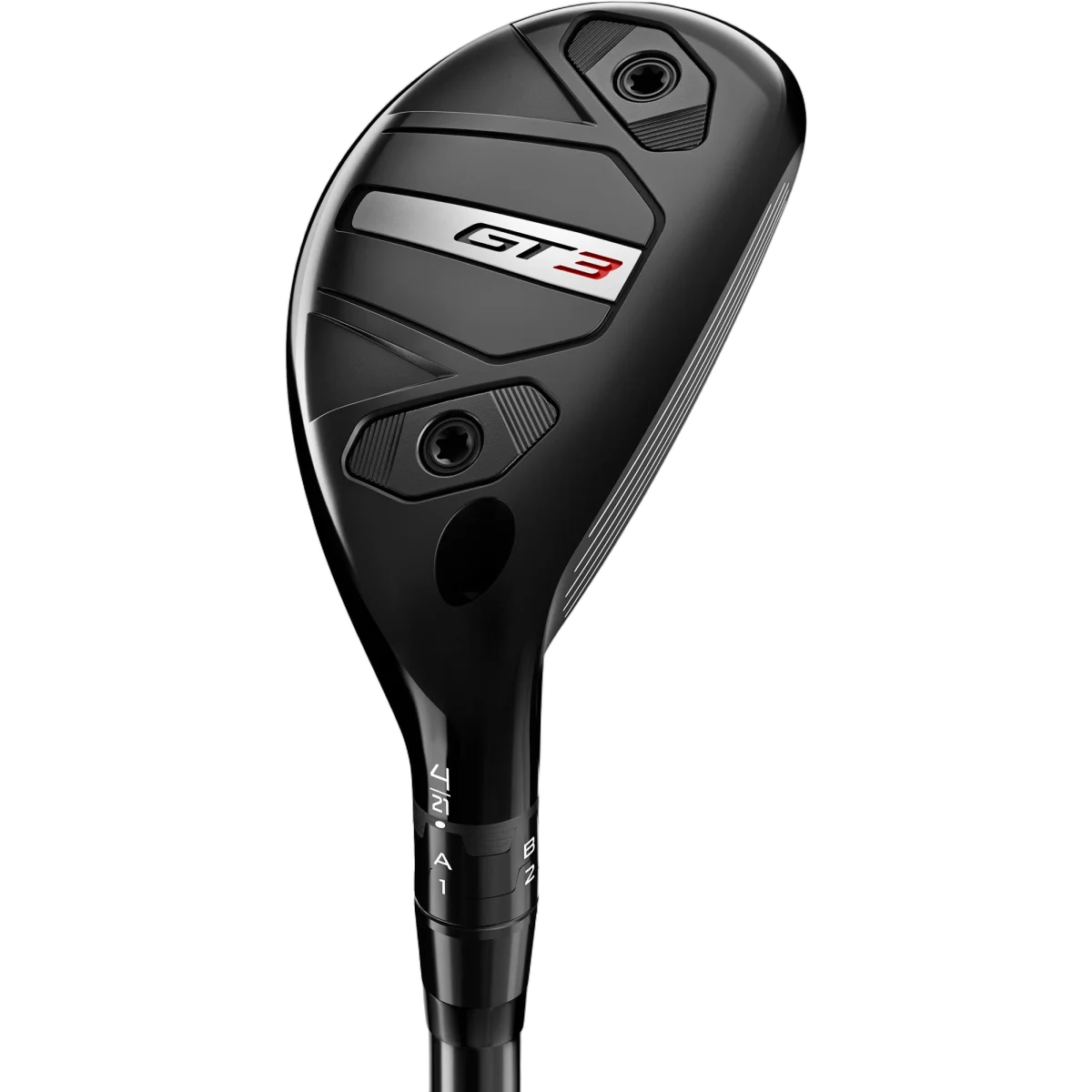
Where it falls short is in the areas where the premium brands invest their extra dollars: adjustability, feel refinement, and mishit performance on extreme off-center strikes. If you demand the absolute best in those areas, the Titleist GT1, Ping G440, or TaylorMade Qi35 hybrids will serve you better. But if you want 85-90 percent of that performance for 60 percent of the cost, the Dynapwr is hard to beat.
This is a particularly strong choice for higher-handicap golfers, beginners, and anyone on a budget who wants a reliable hybrid without overspending.