Wilson DYNAPWR Max Fairway Wood
Wilson — Wilson DYNAPWR Max Fairway Wood · By Troy · Dec 2, 2025
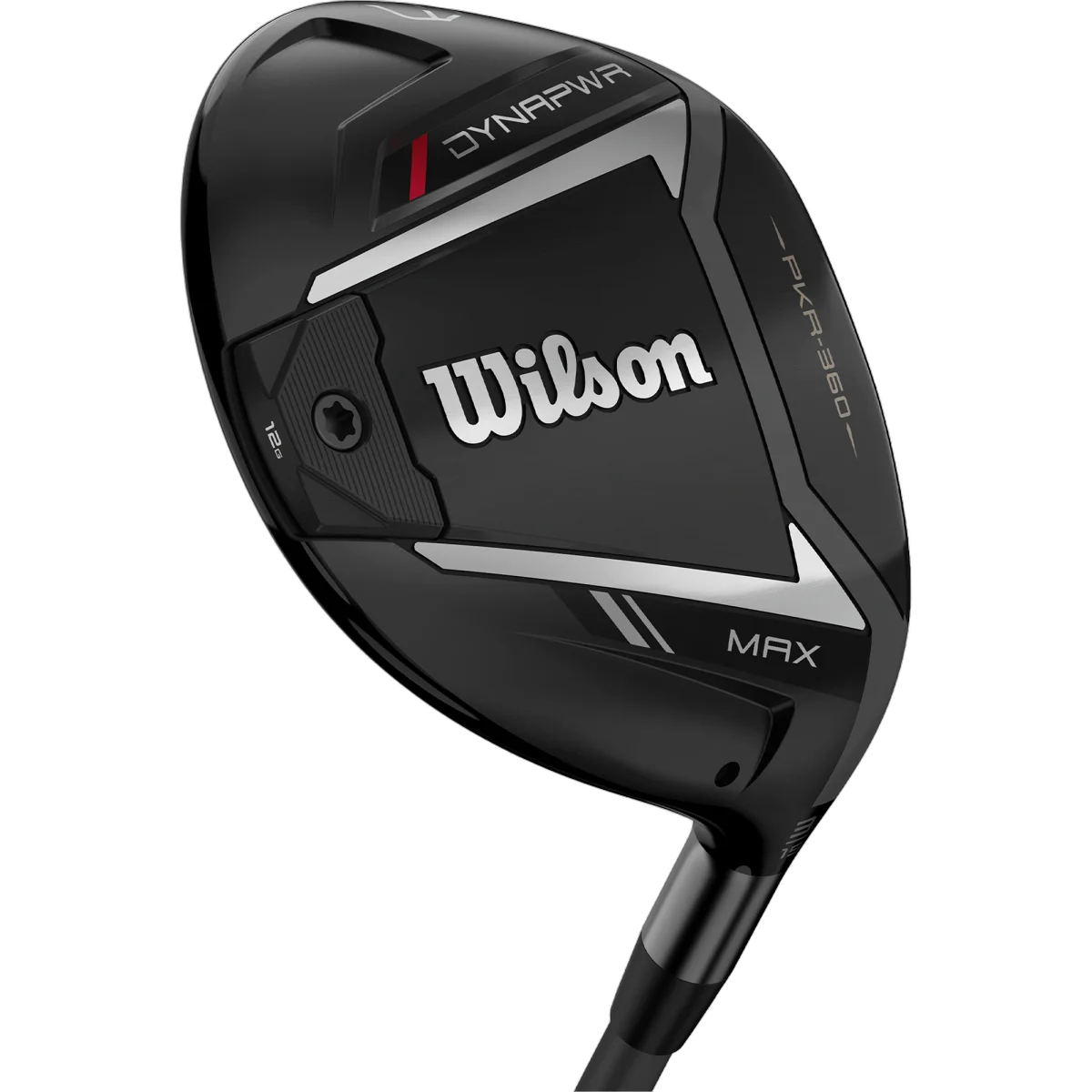
Wilson's most forgiving fairway wood launches high, lands soft, and makes the long game feel almost effortless -- if you can live with the distance tradeoff.
The Big Picture
Wilson has been making a serious push back into the premium equipment conversation over the last few years, and the DYNAPWR Max fairway wood is a big part of that story. This is the forgiveness-first model in the DYNAPWR fairway lineup, sitting alongside the Carbon model that caters to better players chasing raw speed. The Max is designed for golfers who want a fairway wood they can trust from the tee, from the fairway, and even from less-than-perfect lies without worrying about ugly misses.
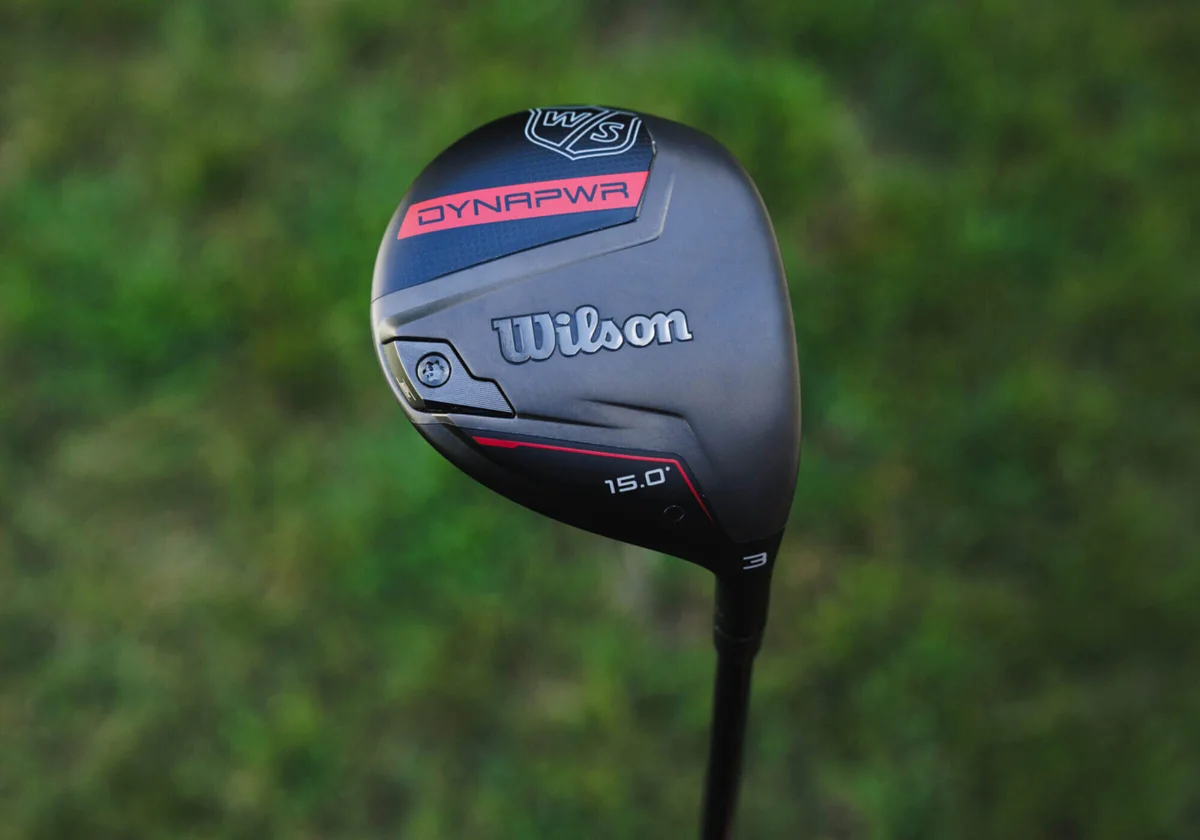
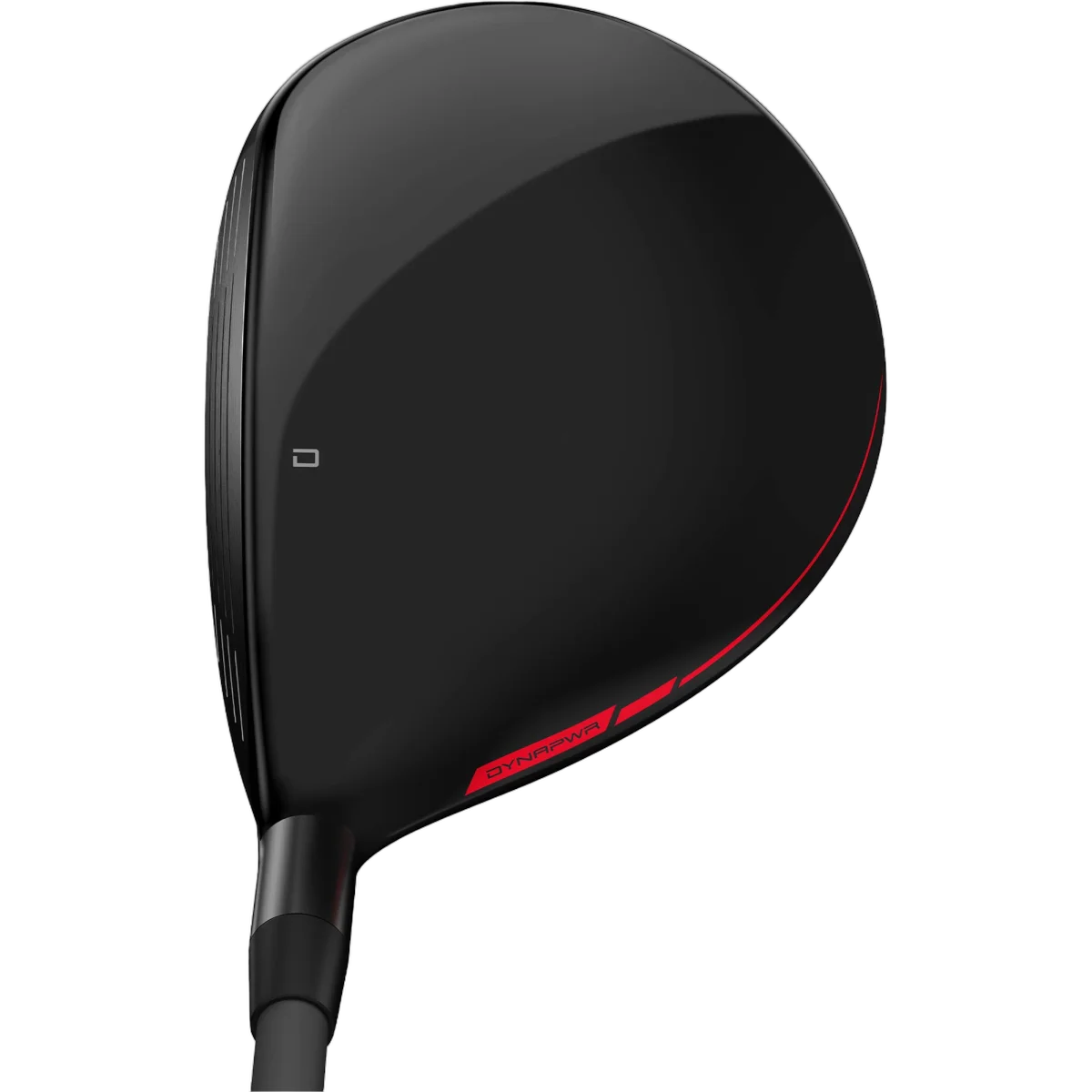
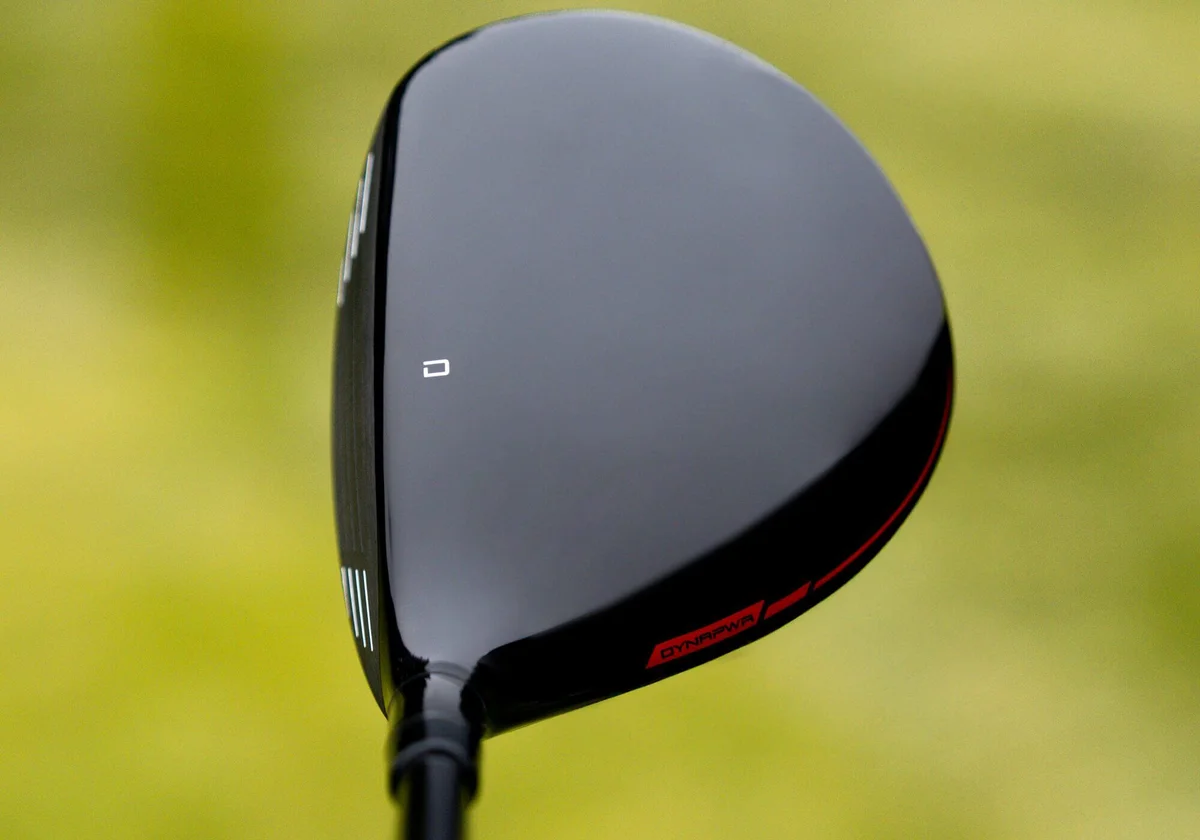
Wilson DYNAPWR Max fairway wood crown showing red accent line
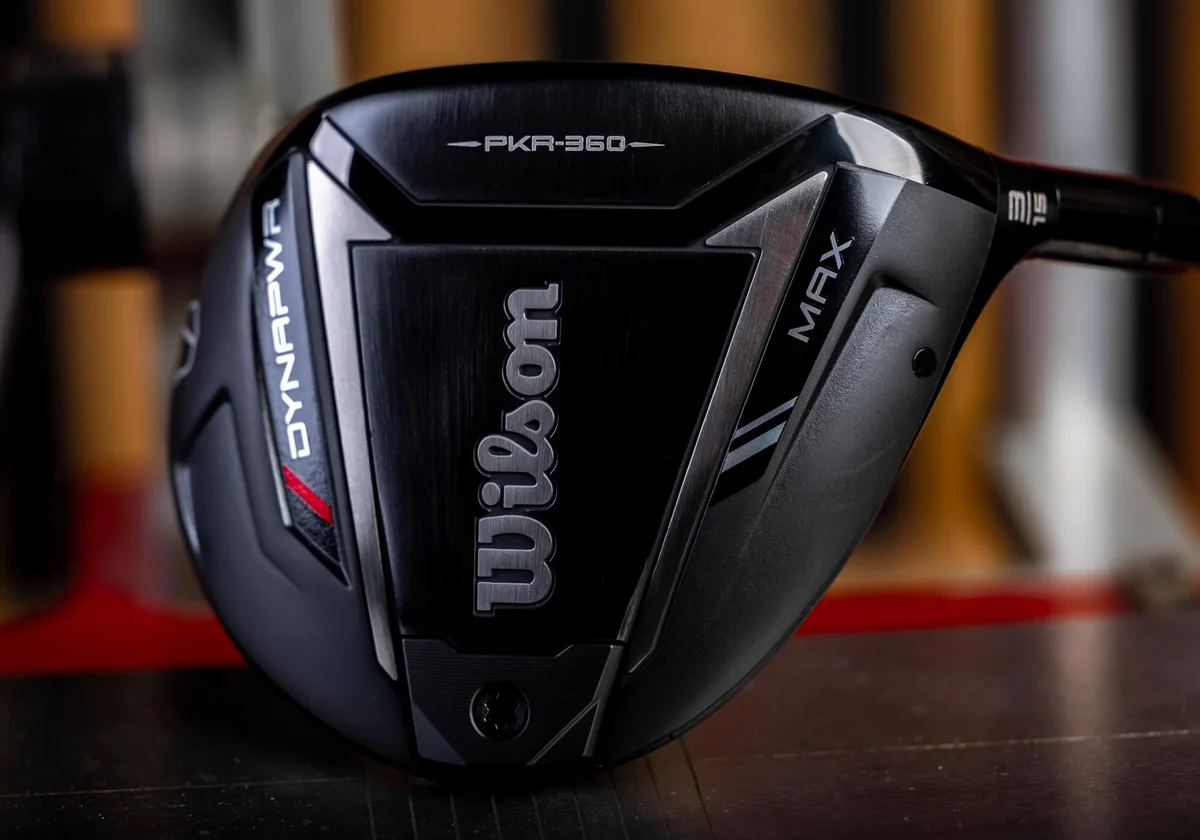
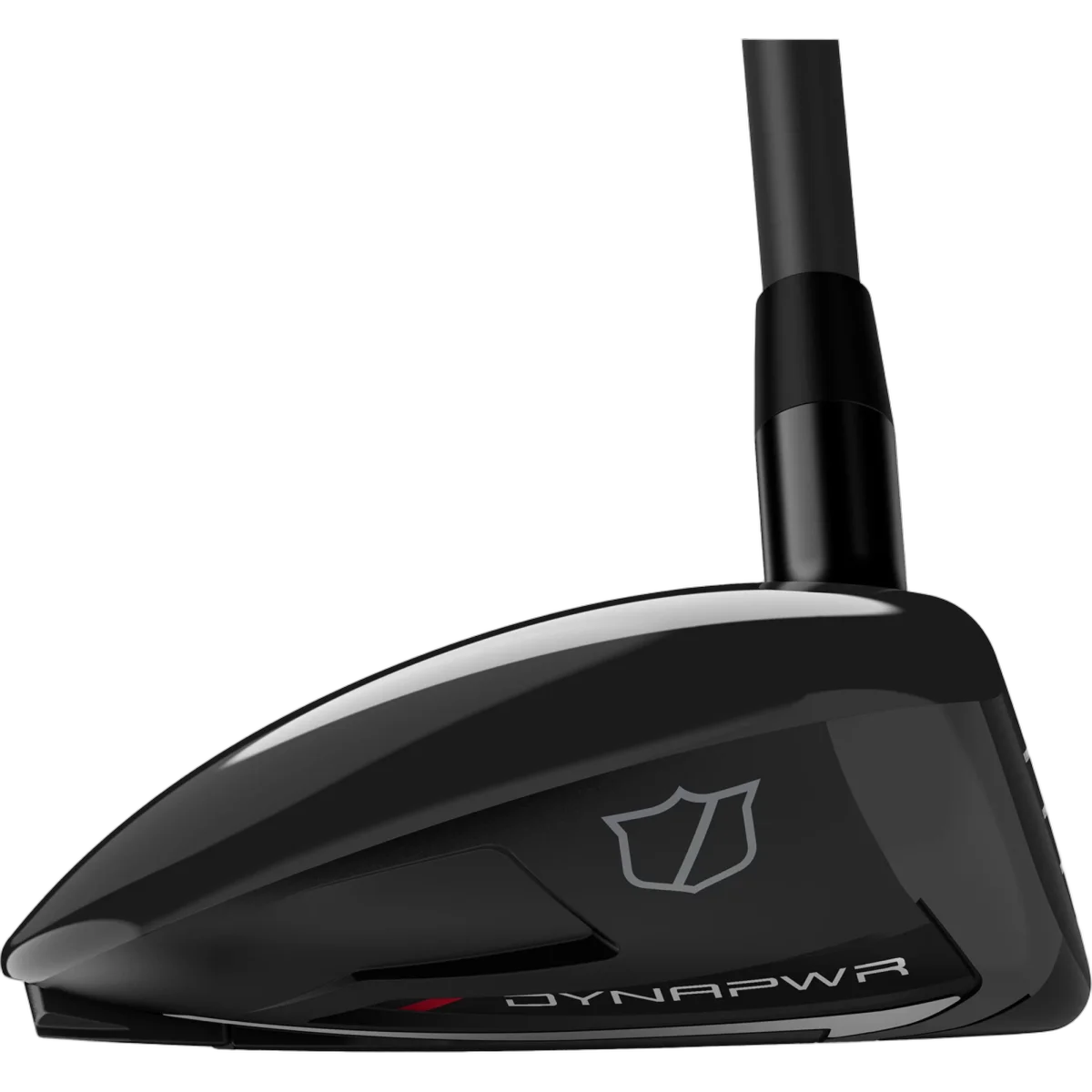
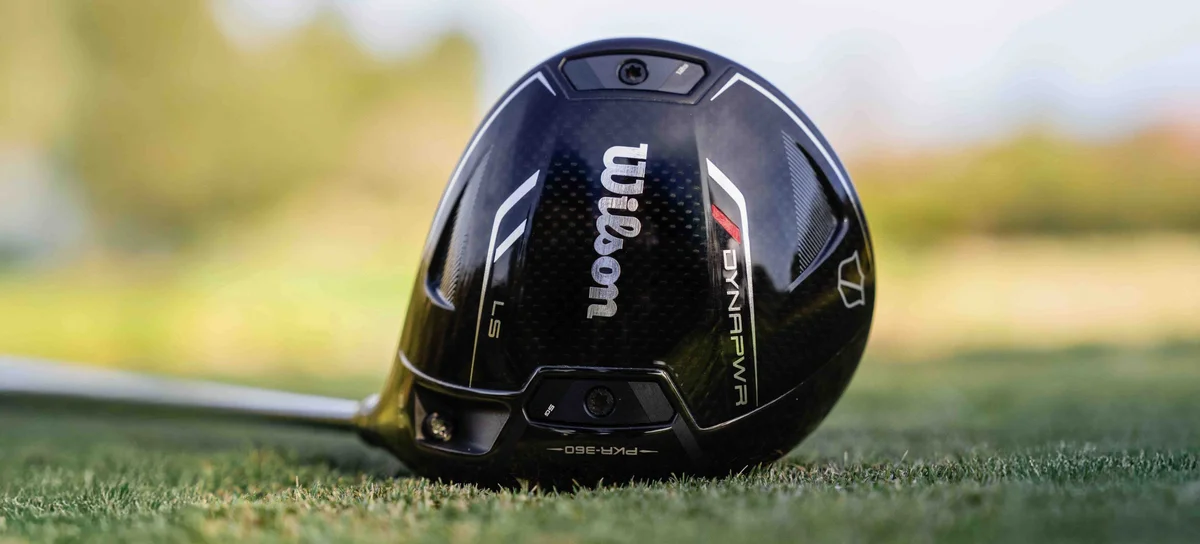
The headline technology is Wilson's AI-driven PKR-360 face optimization. Wilson ran over 1,000 hours of computational time simulating 2,000 face iterations to arrive at a design that expands the effective sweet spot across the entire hitting area. The face itself is forged from custom 455 steel, a material chosen for its strength and ability to generate high ball speeds. Behind the face, a thin cast-steel crown shifts weight lower in the head, and a strategically placed 12-gram tungsten weight in the trailing edge of the sole pushes the center of gravity deep and low. The result is a club that launches the ball high with minimal effort and resists twisting on off-center contact.
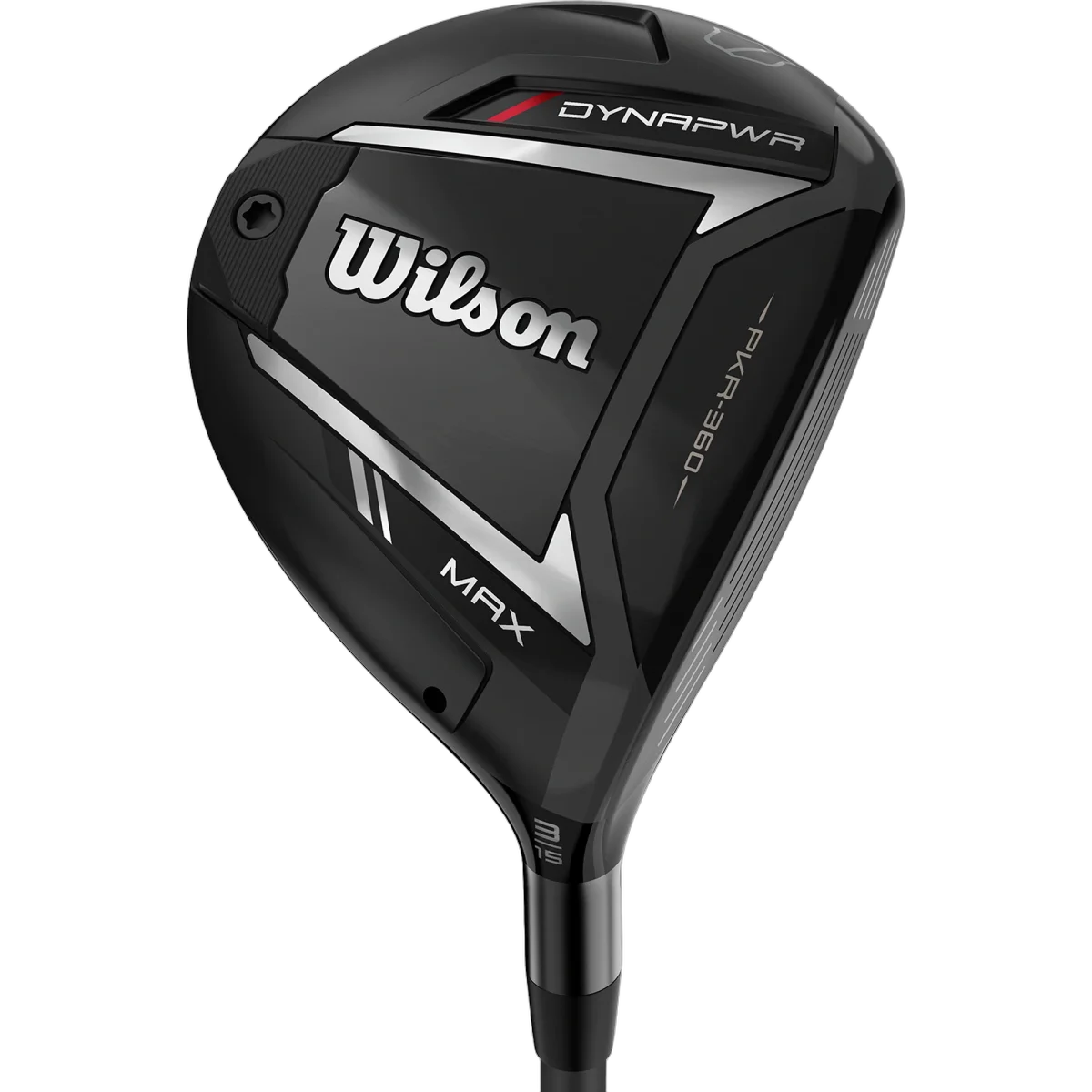
The 3-wood comes in at 15 degrees of loft with a 43.25-inch shaft length, a 57.5-degree lie angle, and a D2.5 swing weight. It is available in both right- and left-hand orientations, with the stock UST LIN-Q M40 Red shaft offered in A, R, and S flexes. At $280, it undercuts many of its competitors in the game-improvement fairway wood space.
At Address
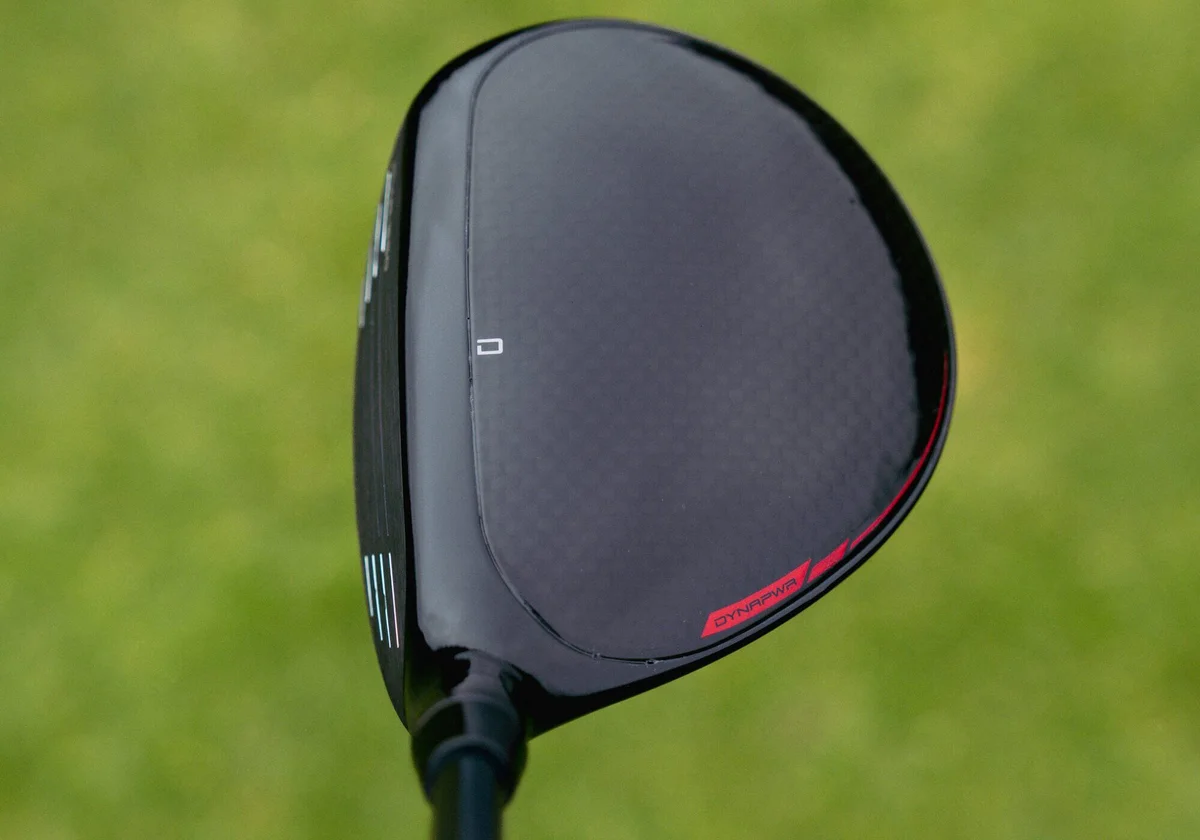
The DYNAPWR Max has come a long way from Wilson fairway woods of years past. The gloss carbon crown is a significant visual upgrade over the matte finishes Wilson used previously, and the sole has a sleek, modern look that feels genuinely premium. At address, the head presents a generous footprint without looking bloated. It sits behind the ball with a slightly elongated profile that communicates stability, and the small, square alignment aid on the leading edge is clean and effective without adding visual clutter.
This is a fairway wood that inspires confidence, particularly from the deck. The wider sole and low-profile design make it look like a club that will get the ball airborne from almost any lie, and in my experience, that visual promise delivers. Players stepping up to fairway wood shots with some anxiety will appreciate how settled and reassuring this head looks at address.
Sound & Feel
The absence of a carbon fiber crown on the DYNAPWR Max means this club sounds different from many of its competitors. It produces a big, open crack at impact -- not overly loud, but with a full, resonant quality that feels substantial. It is a notch above average in volume, which gives it a powerful sensation through the hitting zone. If you are coming from a carbon-crowned fairway wood with a more muted acoustic signature, the DYNAPWR Max will feel louder and more lively by comparison.
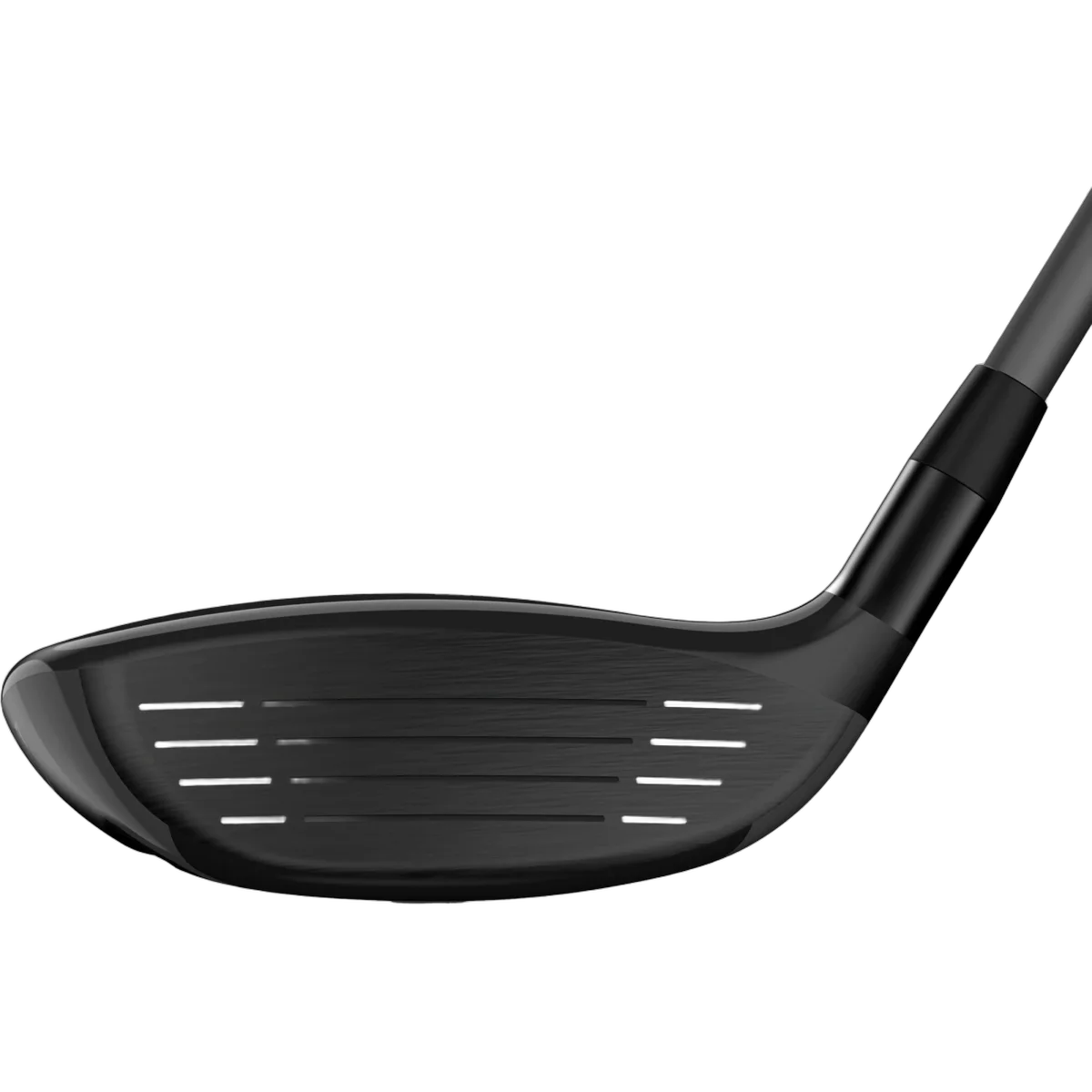
Wilson DYNAPWR Max fairway wood face showing grooves and black finish
Center strikes deliver a satisfying, firm sensation with enough feedback to know you have caught it well. On mishits, the feel remains remarkably stable. Toe and heel strikes do not produce the jarring, twisting feedback that thinner-faced or lower-MOI designs can generate. The club absorbs the mistake and still delivers a playable result. Even thin strikes off the bottom of the face launch surprisingly well, which speaks to the effectiveness of that low-and-back CG placement.
Performance
Ball Speed & Distance
The PKR-360 face and forged 455 steel do a respectable job of generating ball speed, particularly on center-face contact. In my testing, the DYNAPWR Max produced average carry distances around 240 to 241 yards with a moderate swing speed, which is competitive but not chart-topping in the game-improvement fairway wood category. Where the club earns its keep is in ball speed retention on off-center hits. Toe and heel strikes lost only a few mph compared to center contact, and the resulting shots remained playable rather than peeling off into trouble.
The honest truth is that this is not the longest fairway wood you can buy. The high-spin profile that gives the DYNAPWR Max its stopping power and forgiveness costs some carry distance compared to lower-spinning competitors. The Carbon model in Wilson's own lineup carries roughly 10 yards farther under the same conditions. But for the target player -- someone who values consistency over peak distance -- the tradeoff is reasonable. A fairway wood that goes 240 yards and finds the short grass beats one that goes 250 yards and ends up in the trees.
Launch & Spin
This is where the DYNAPWR Max really distinguishes itself. It is one of the highest-launching, highest-spinning fairway wood combinations I have tested. Average spin rates came in around 4,180 rpm, which is well above the fairway wood average and firmly in the territory of producing a soft, towering ball flight.
The practical consequence of that spin profile is a steep descent angle -- approximately 43 degrees in my testing. That means the ball comes down almost vertically, which gives you genuine stopping power on approach shots from 200-plus yards. For mid-to-high handicappers who struggle to hold greens with their fairway woods, this is a meaningful advantage. The ball does not bounce through the green; it sits.
The 12-gram rear weight and low CG ensure the ball gets up quickly even on lower-face contact or shots hit from tight lies. The stock UST LIN-Q M40 Red shaft complements this design with a mid-high launch profile, and together the head and shaft make it almost difficult to hit a low, running shot. For players who need help getting the ball airborne, that is a feature. For better players who want to flight the ball down in the wind, it could be a limitation.
Dispersion & Forgiveness
Forgiveness is the DYNAPWR Max's defining characteristic. This is one of the most forgiving fairway woods I have put into play. The combination of high MOI from the thin steel crown, the deep tungsten weighting, and the AI-optimized face creates a club that simply refuses to produce catastrophic misses. Heel strikes, toe strikes, and thin contact all result in shots that stay in play, maintain reasonable distance, and do not curve wildly offline.
Wilson DYNAPWR Max fairway wood sole with PKR-360 and Wilson branding
In my rounds with this club, I found that even poorly struck shots tended to end up within 15 to 20 yards of my target line. The dispersion pattern is tight for a game-improvement fairway wood, and the consistency shot to shot was impressive. You do sacrifice some workability -- this is not a club that responds eagerly to attempts to shape the ball left or right -- but the tradeoff is a fairway wood that produces a reliably straight-to-slight-draw ball flight on nearly every swing.
Verdict
The Wilson DYNAPWR Max fairway wood is a purpose-built forgiveness machine that does exactly what it promises. It launches the ball high with minimal effort, holds greens from distance thanks to its steep descent angle and high spin rate, and forgives off-center contact as well as any fairway wood in its class. The improved cosmetics and premium feel make it a club that looks and sounds the part at address and through impact.
Strengths: exceptional forgiveness across the face, towering launch that gets the ball airborne easily from any lie, outstanding stopping power on approach shots, confidence-inspiring appearance at address, and a competitive price point at $280.
Weaknesses: not the longest fairway wood in the category due to high spin, limited shot-shaping capability for better players, and the louder acoustic signature may not suit golfers who prefer a quieter impact sound.
The DYNAPWR Max is ideally suited for mid-to-high handicappers who want a fairway wood they can trust without overthinking it. It is a point-and-shoot club in the best sense -- one that prioritizes keeping the ball in play and on the green over squeezing out every last yard of distance. If forgiveness and ease of launch are at the top of your list, this is one of the best values in the fairway wood market.