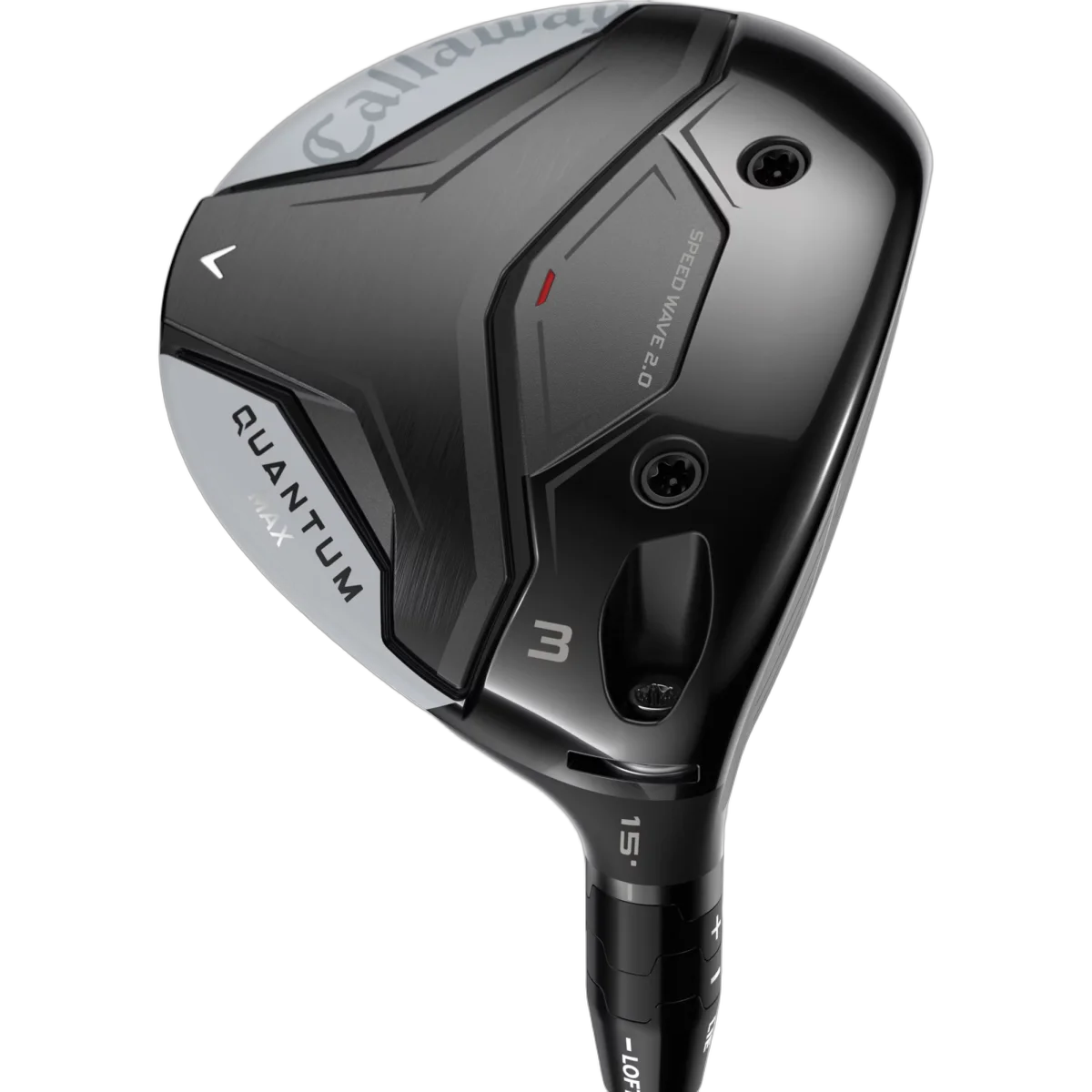
Callaway Elyte Fairway Wood
Callaway — Callaway Elyte Fairway Wood · By Troy · Jan 23, 2026
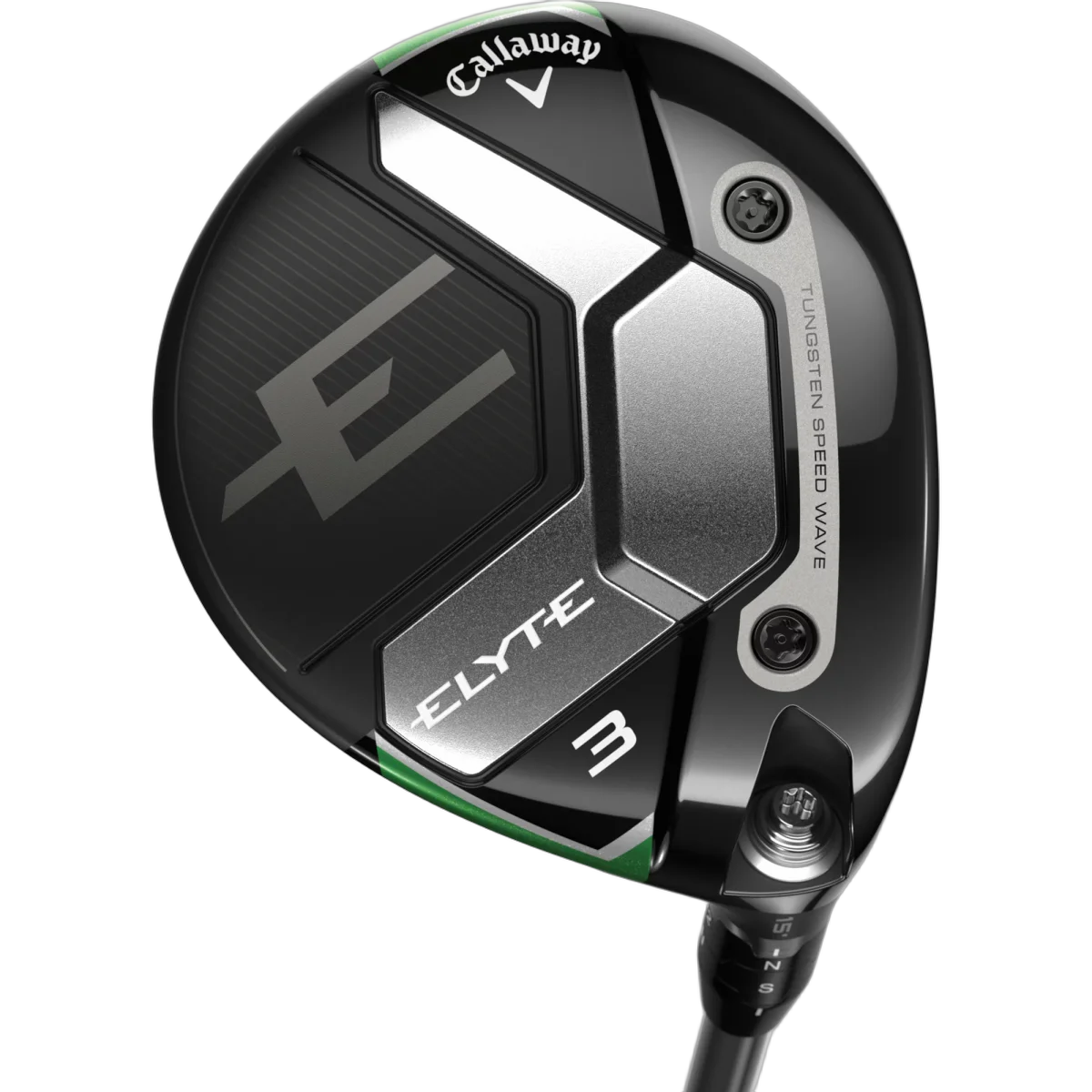
A smarter sole design and AI-optimized face make this one of the most consistent and forgiving fairway woods I have hit in years.
The Big Picture
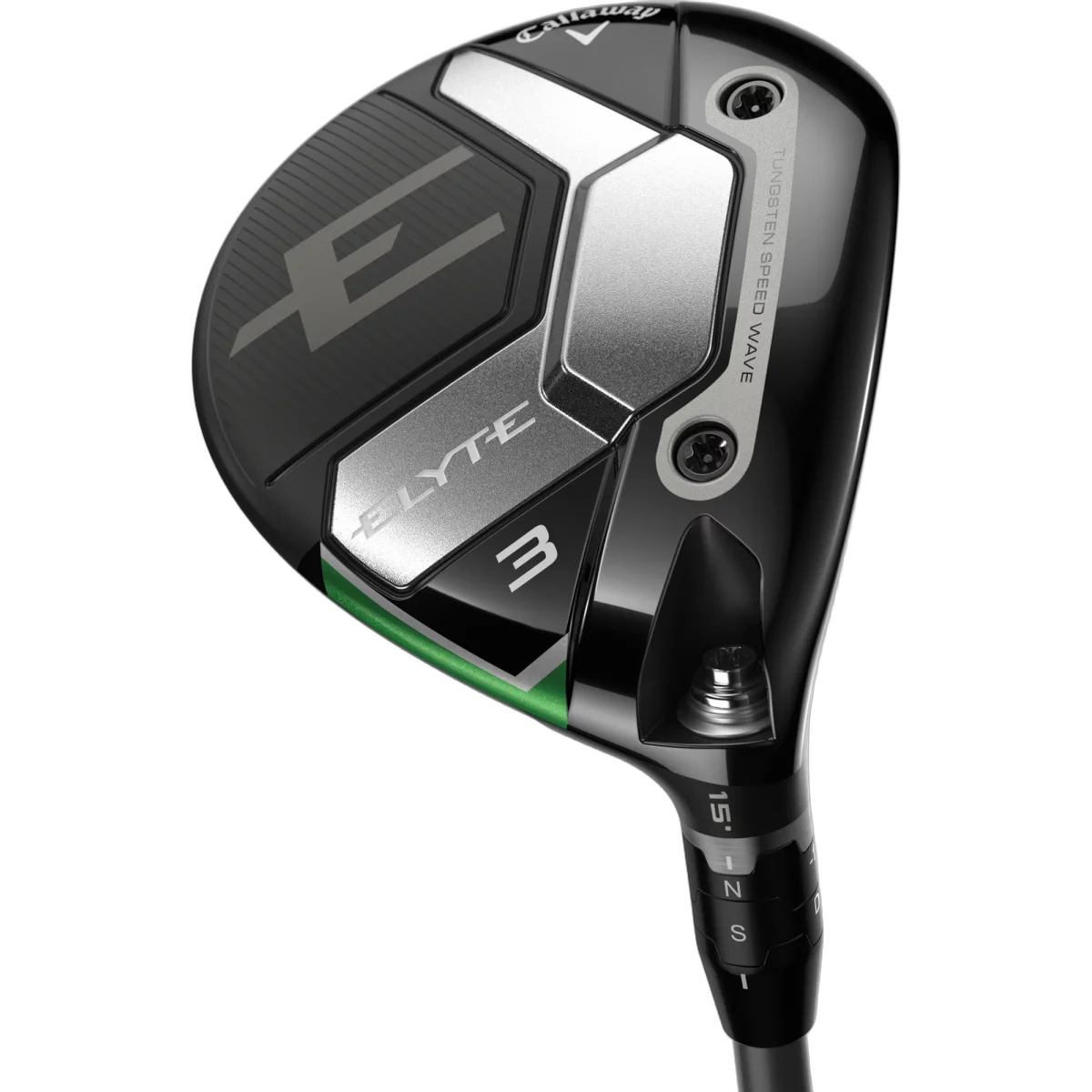
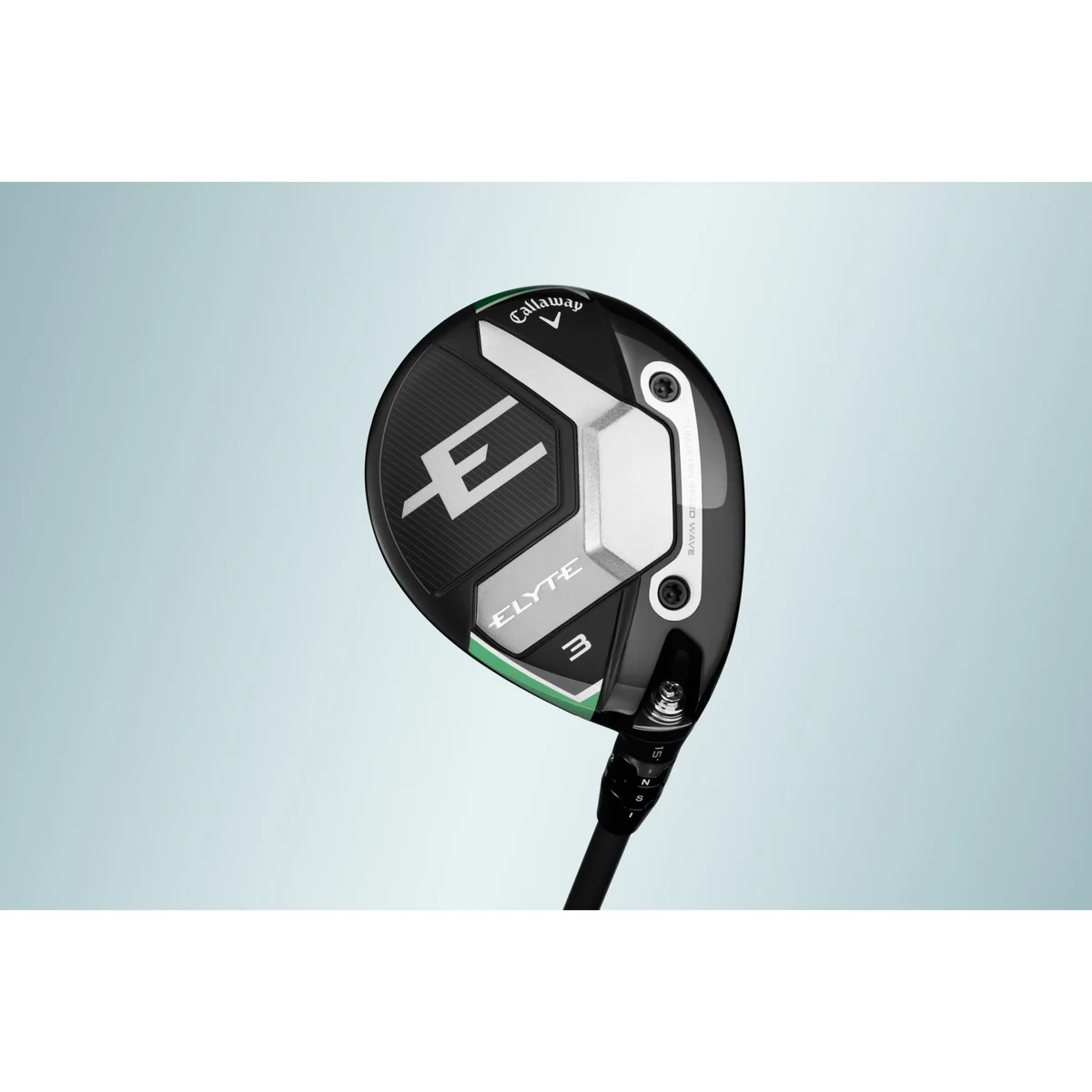
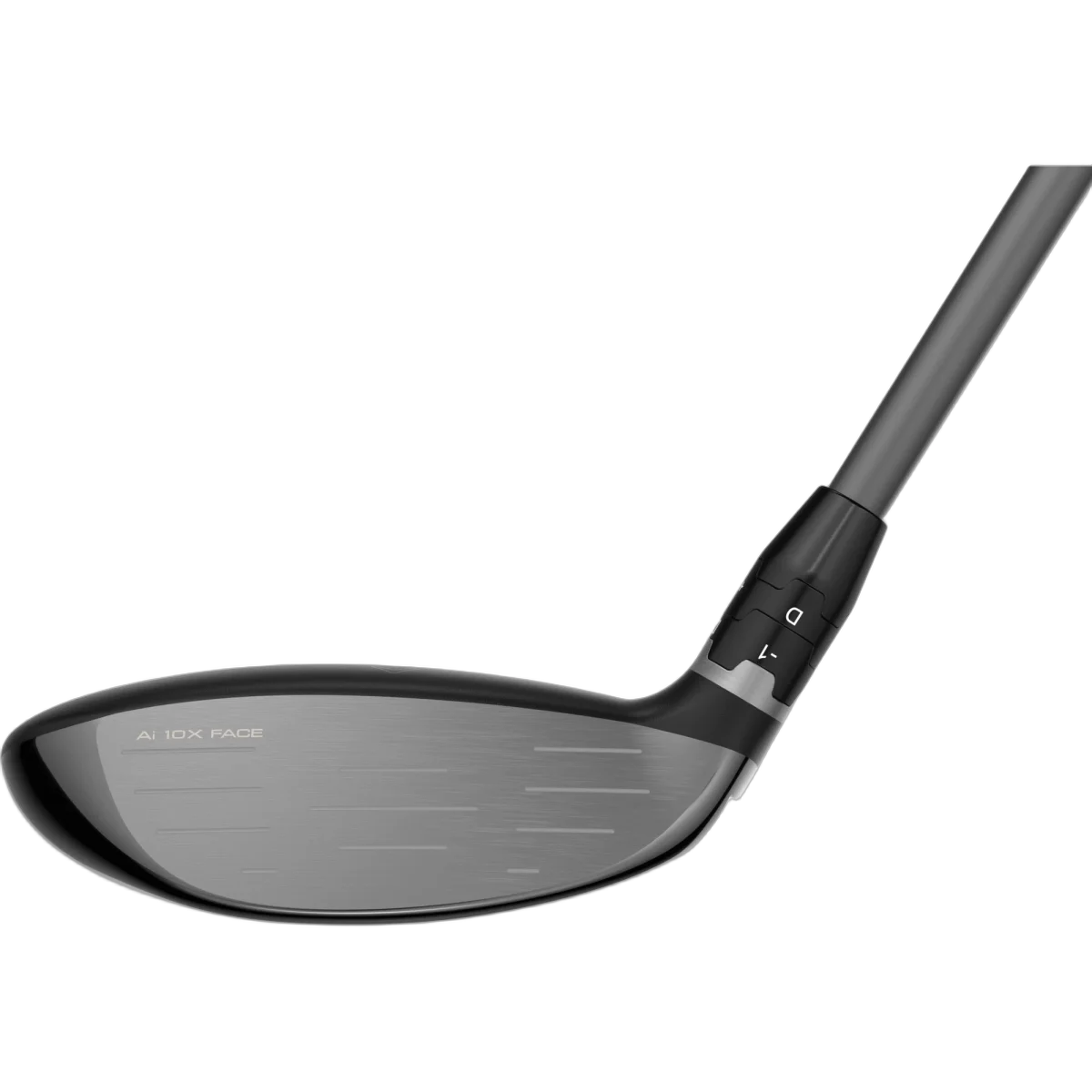
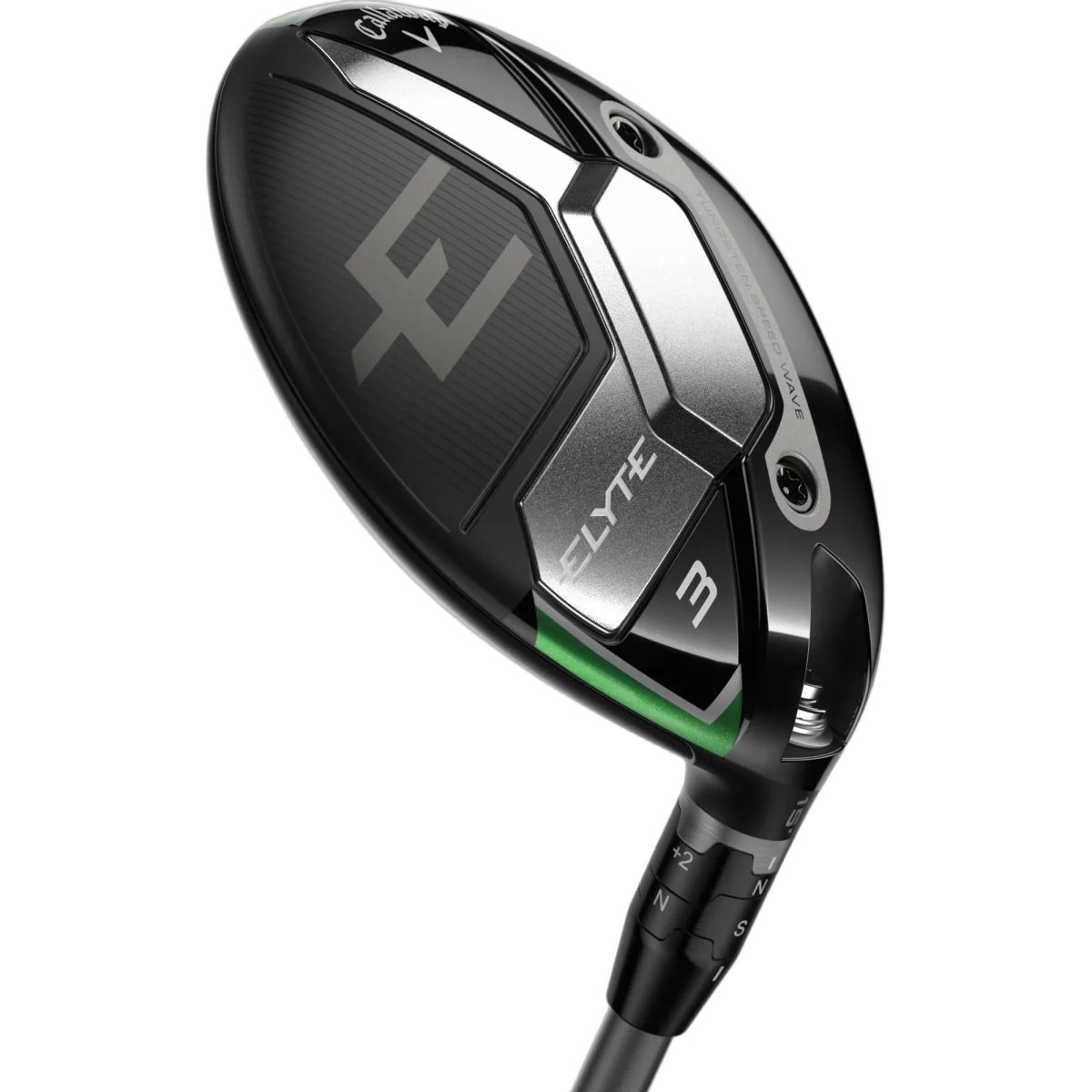
Callaway's fairway wood lineup has been on a steady upward trajectory, and the Elyte represents the most meaningful evolution since the brand started leaning hard into artificial intelligence for face design. The headline technologies here are three-fold: the Step Sole, a redesigned sole geometry that reduces turf contact area by 57% compared to a traditional fairway wood sole; the Tungsten Speed Wave, a 35-gram suspended weight positioned low and forward in the head; and the Ai 10X face, which uses ten times more computational control points than the previous Paradym Ai Smoke generation to optimize ball speed and launch across the entire hitting area.
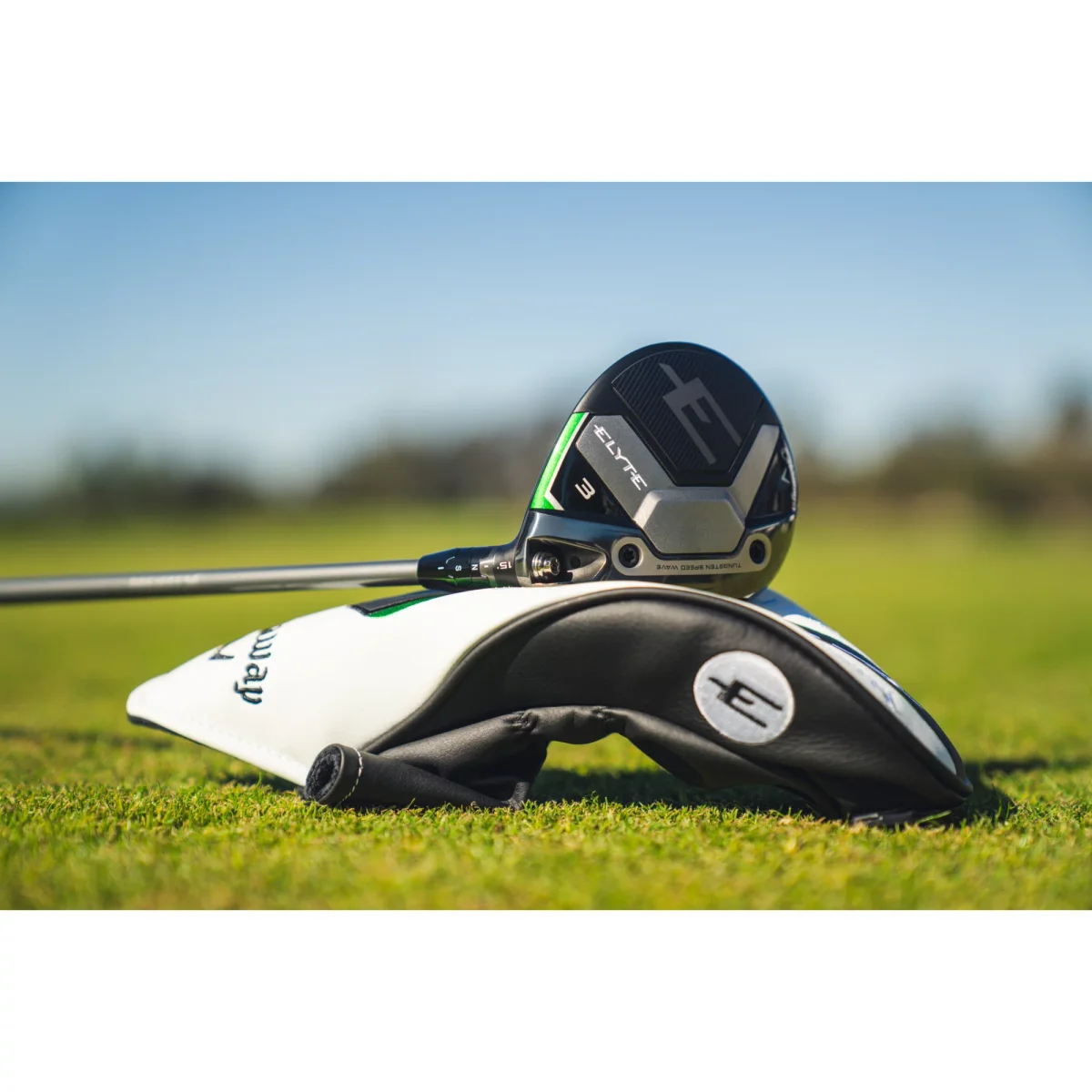
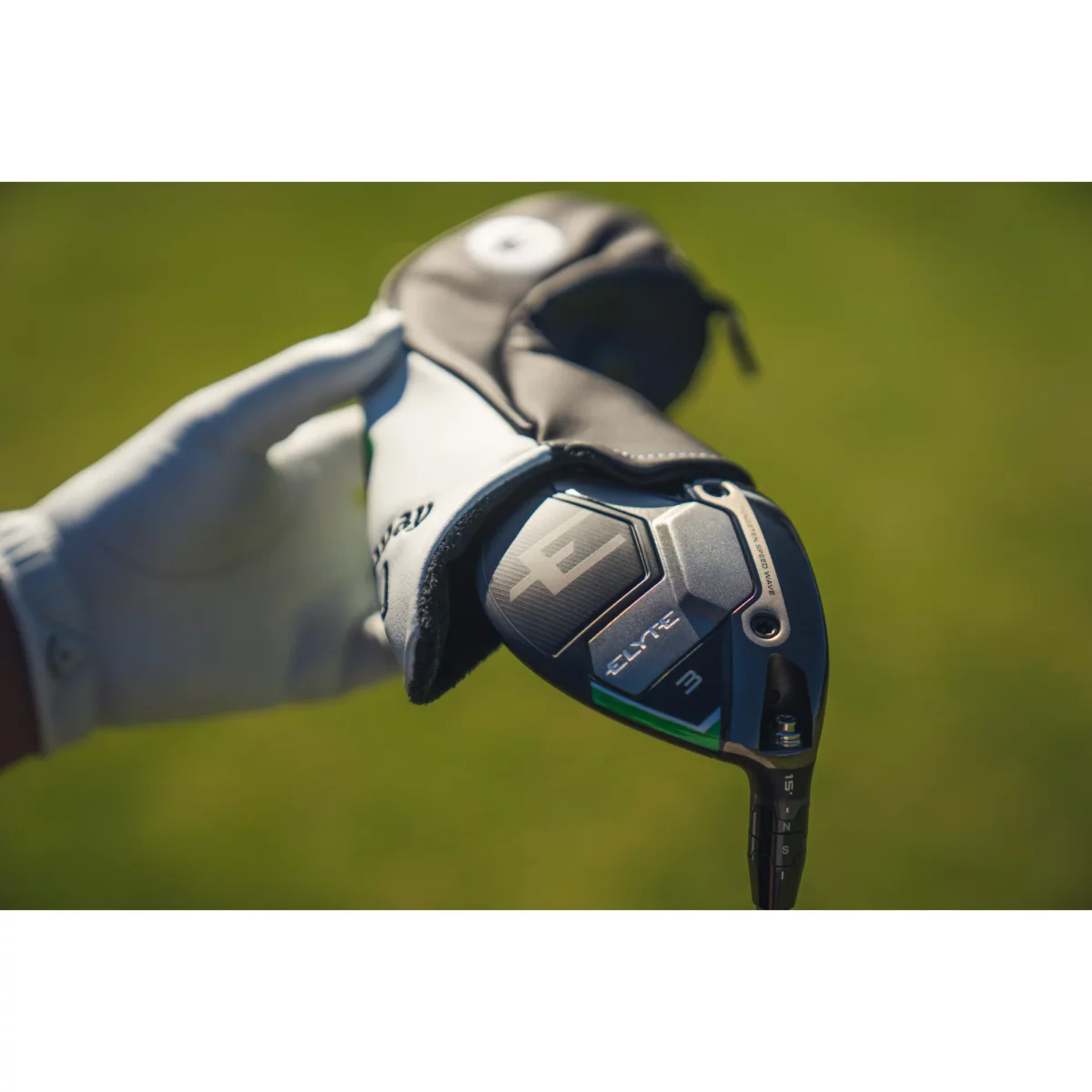
Fairway wood resting on headcover on grass at the course
The Elyte is available in a wide range of lofts -- 15, 16.5, 18, 20, 21, 24, and 27 degrees -- covering everything from a strong 3-wood down to a lofted heavenwood. The 15-degree and 16.5-degree models feature an eight-way adjustable hosel for fine-tuning loft and lie, while the higher-lofted options are fixed. With an MSRP of $349.99 and stock shaft options from True Temper (Project X Denali Charcoal 60/70) and Mitsubishi Chemical (Vanquish PL 40/50), Callaway has priced this competitively in the premium fairway wood space without reaching the stratospheric territory of the Elyte Ti titanium model at $449.
This is a fairway wood built for the golfer who wants reliable distance with a wide margin for error, not the low-spin, low-handicap specialist looking for maximum workability.
At Address
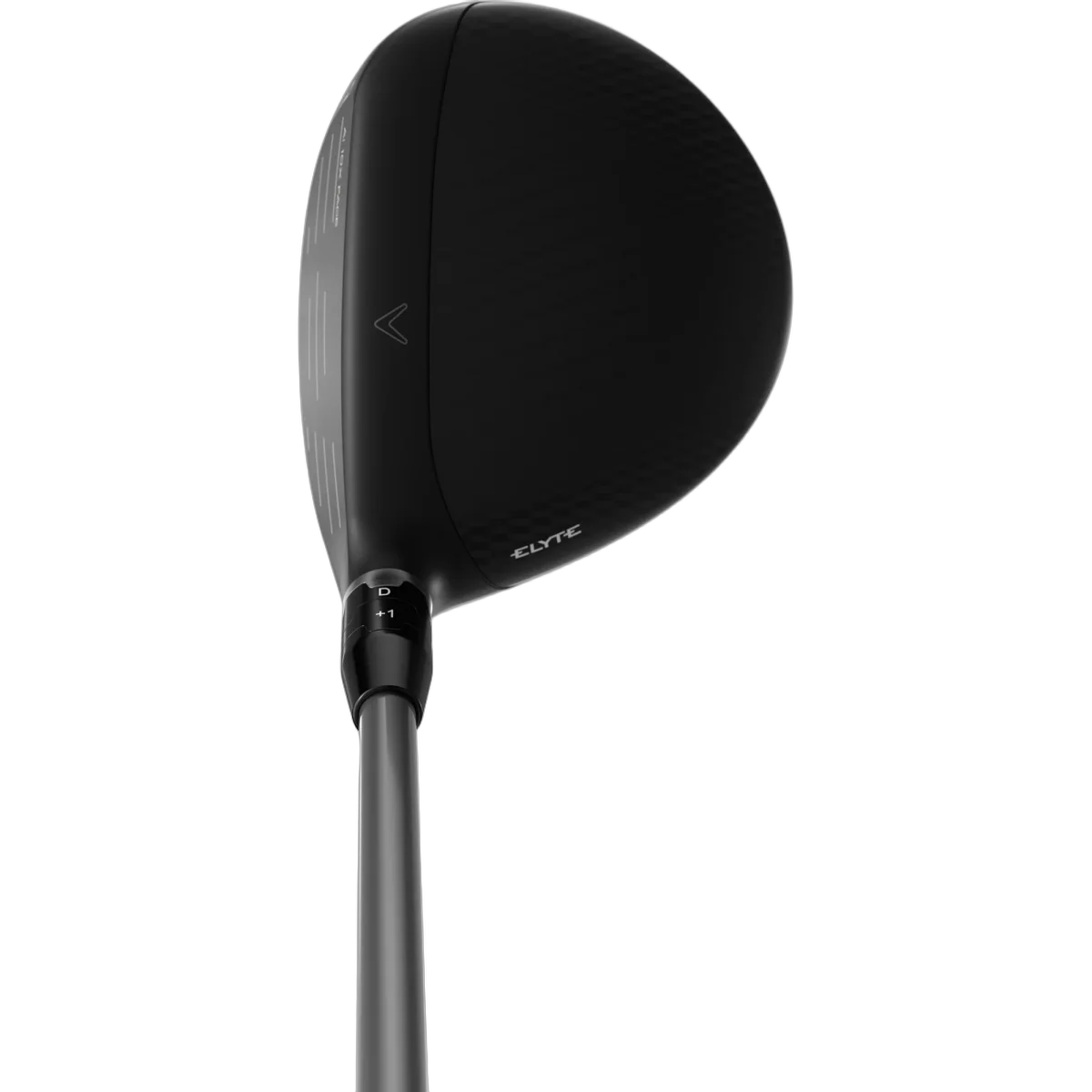
The Elyte looks clean and purposeful behind the ball. The Thermoforged Carbon crown has a distinctive matte finish with a subtle flecked texture and understated Elyte branding that gives it a premium appearance without being busy. A darker topline contrasts nicely against the lighter crown, and when paired with the Callaway chevron alignment cue, framing the ball at address is effortless.
The head shape is symmetrical and moderately sized -- round enough to inspire confidence without looking oversized or clunky. It sits lower in profile compared to some competing fairway woods, which gives it a sleek, speed-oriented look. If you are coming from the Paradym Ai Smoke fairway, the Elyte will feel familiar but slightly more refined in its visual presentation.
Sound & Feel
Impact feel on the Elyte is crisp and responsive, with a satisfying blend of solidness and power that tells you the ball is leaving the face with authority. Center strikes produce a quick, snappy sound -- something between a crack and a metallic click -- that is medium in volume and pitch. It is not the loudest fairway wood I have tested, but it communicates contact quality effectively.
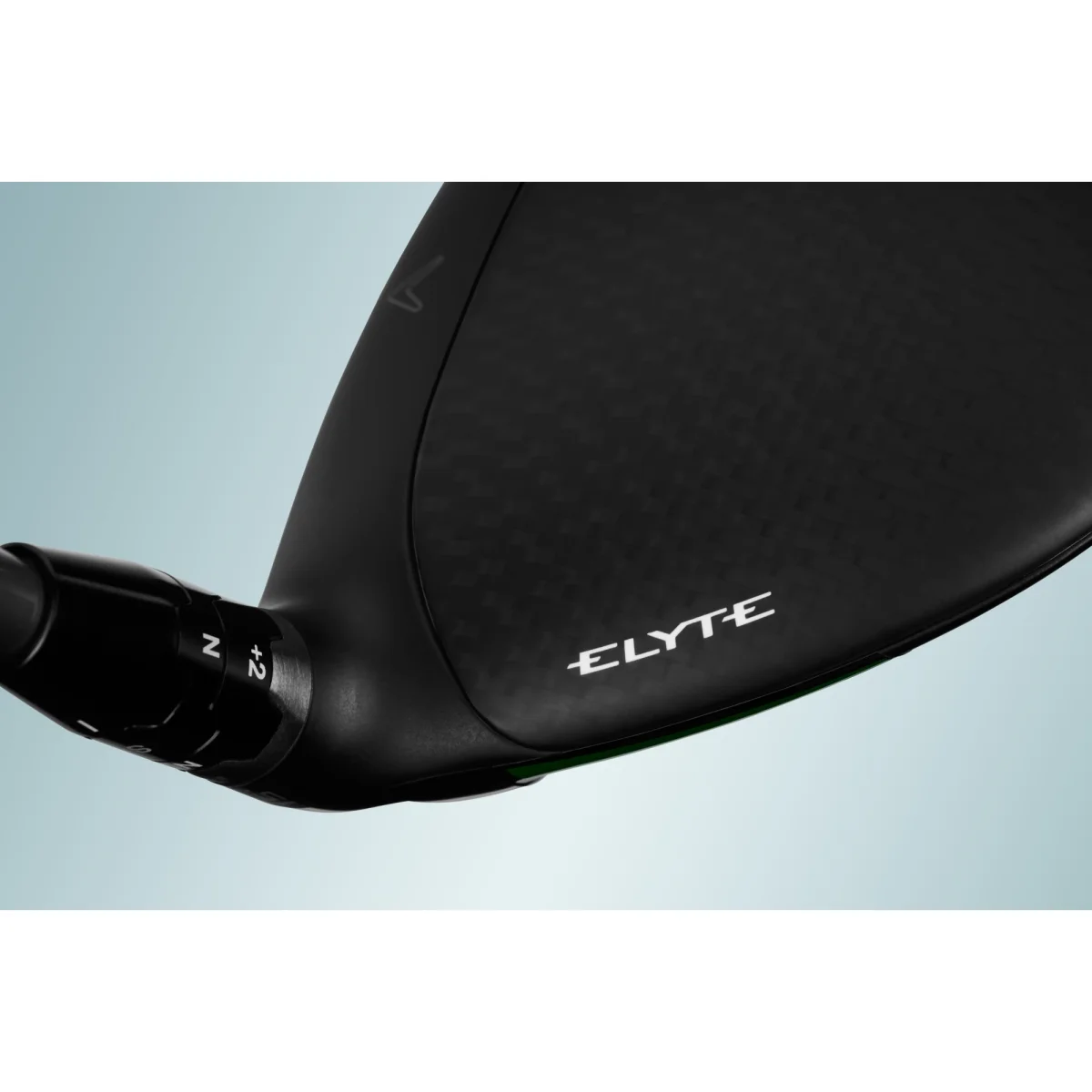
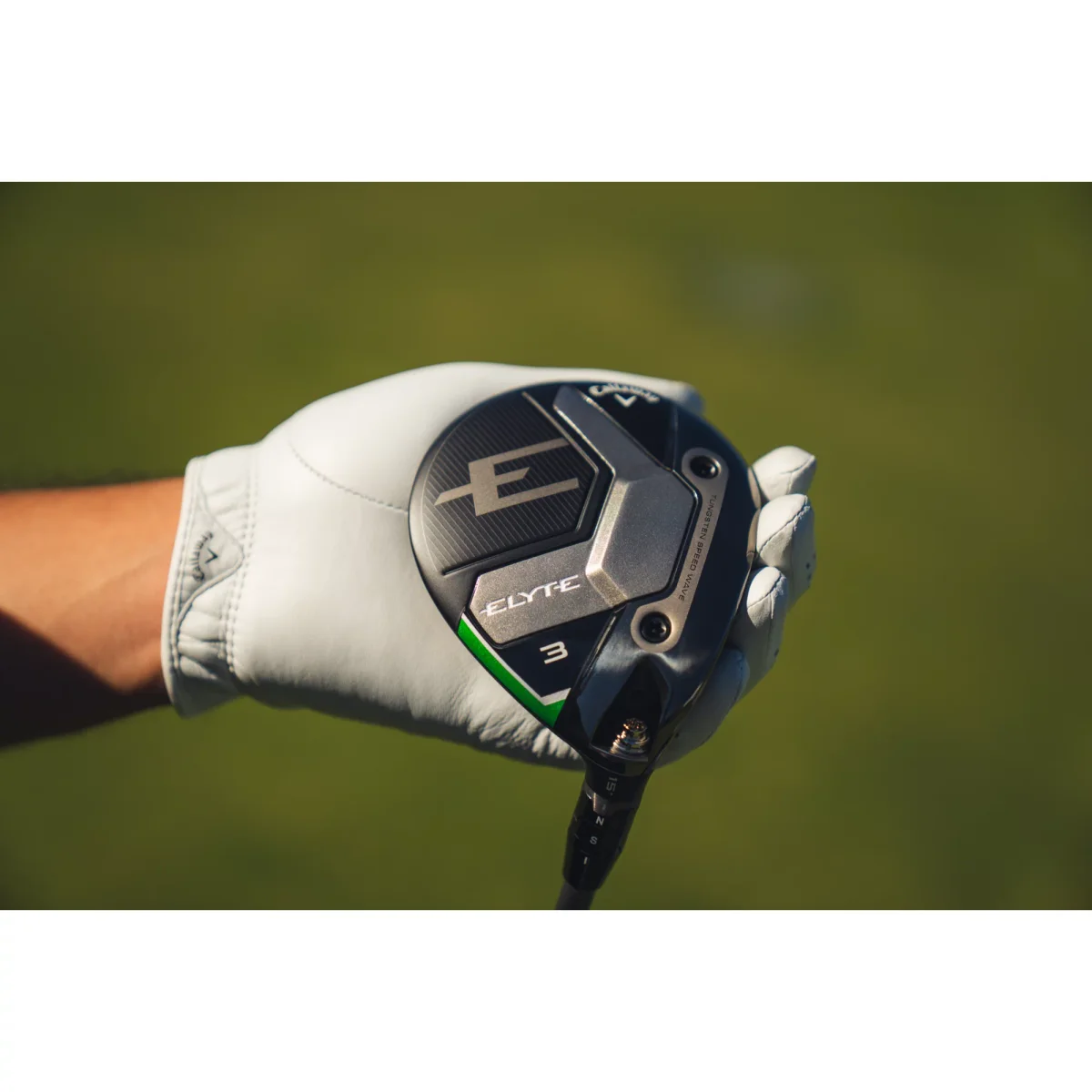
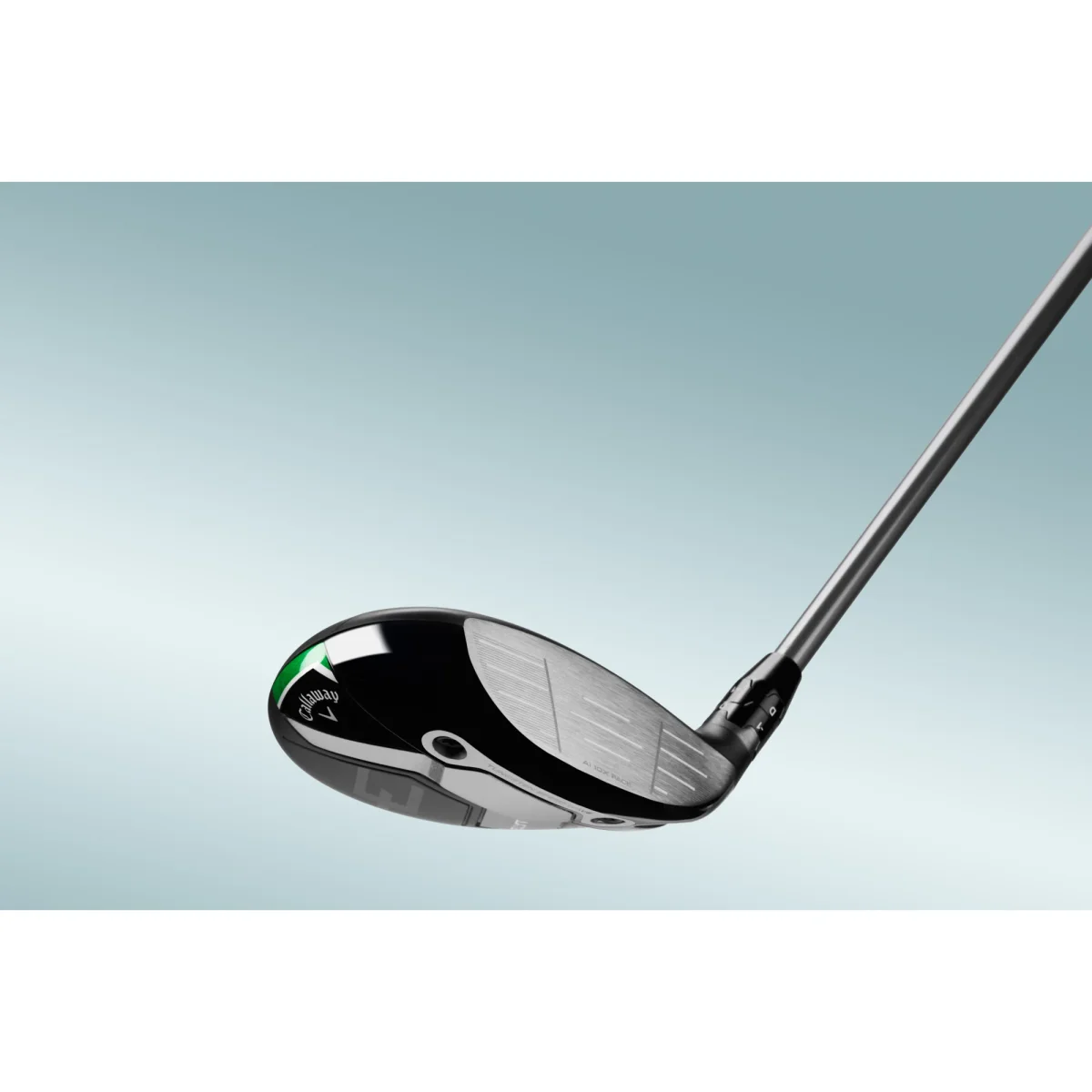
Close-up of the Ai 10X face with score lines and hosel
The difference between pure and slightly off-center is noticeable but not punishing. Move more than half an inch from the sweet spot and the sound thins out into a quieter, higher-pitched tone. That acoustic feedback is useful rather than harsh -- it lets you know where on the face you made contact without leaving your hands stinging. Mishits still feel solid enough that you will not dread picking this club out of the bag on a tight approach.
Performance
Ball Speed & Distance
This is where the Ai 10X face and Tungsten Speed Wave combination really earns its keep. In my testing with the 3-wood (15 degrees), I averaged around 155 mph ball speed with carry distances in the 252 to 261 yard range off the deck. Those are strong numbers for a steel-faced fairway wood, and they were remarkably consistent -- there were stretches where ball speed varied by only 1 mph from shot to shot, which is a level of consistency I genuinely do not expect from a fairway wood.
The Tungsten Speed Wave deserves specific credit for what happens on low-face strikes, which is the most common mishit location for fairway wood players. Shots caught thin still maintained impressive speed and trajectory. On one heel-side mishit, I lost only about 5 mph in ball speed and still carried the ball 234 yards -- the kind of miss that keeps your round together instead of sending you scrambling from the trees.
Is it longer than the Paradym Ai Smoke it replaces? In my experience, the distance gains are modest rather than dramatic. If you are gaming a fairway wood that is more than two or three years old, you will likely see meaningful yardage gains. Coming directly from the Ai Smoke, expect a small improvement in consistency more than a leap in peak distance.
Launch & Spin
Callaway positions the Elyte as a mid-high launch, low-spin fairway wood, and my testing confirmed that characterization. The combination of the low-forward CG from the Tungsten Speed Wave and the Ai 10X face optimization produced a penetrating ball flight that carried well and landed with enough descent angle to hold greens, but not so steep that I was giving up rollout on firm fairways.
The launch consistency was particularly impressive. Across a full testing session, my launch angles stayed within half a degree of deviation -- tight enough that I could trust the flight shape on virtually every swing. The low spin profile is a double-edged sword, though. While it helps maximize carry distance, it made flighting the ball down into a headwind a bit challenging. If you play in consistently windy conditions, you may find yourself wanting a touch more spin to control trajectory.
Dispersion & Shot Shape
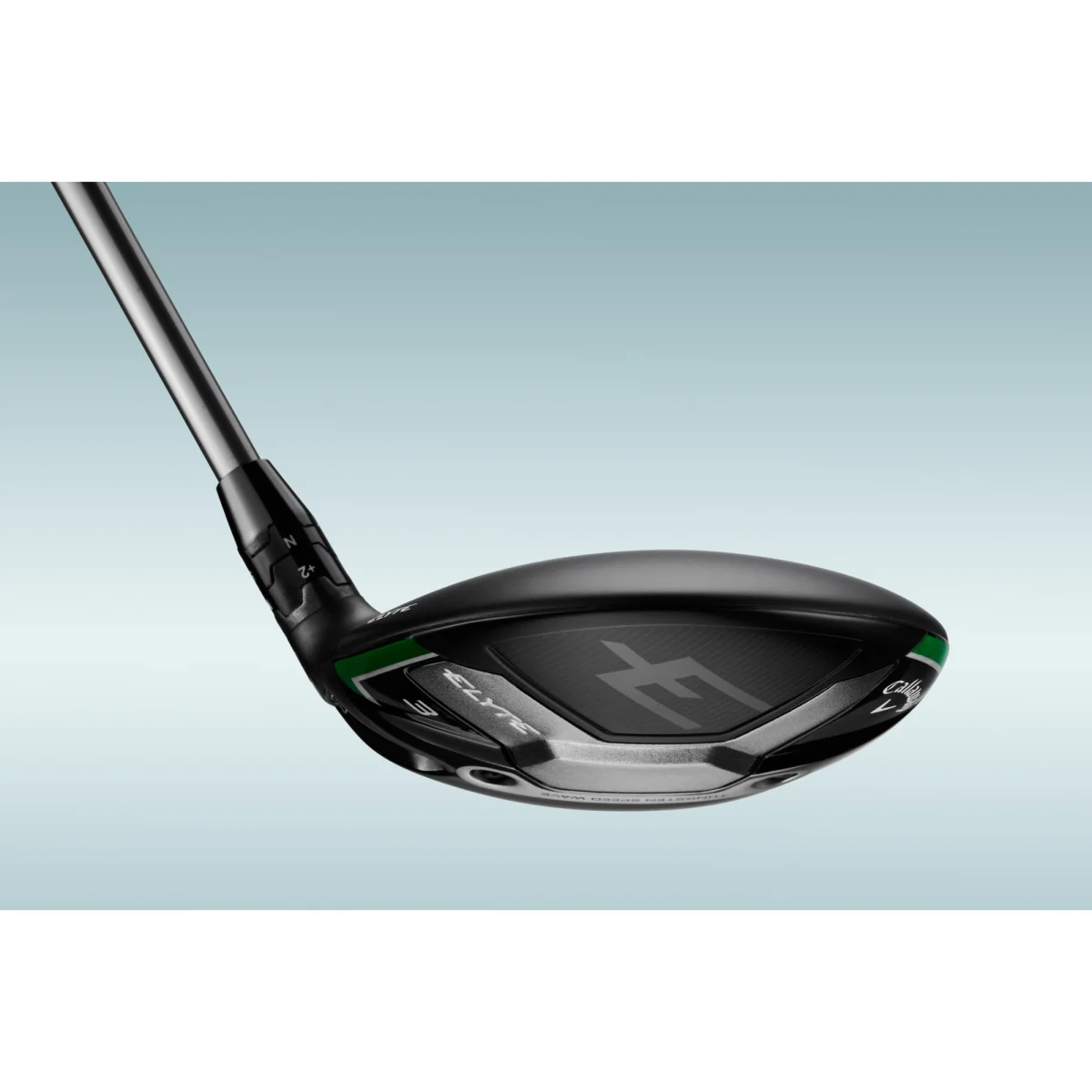
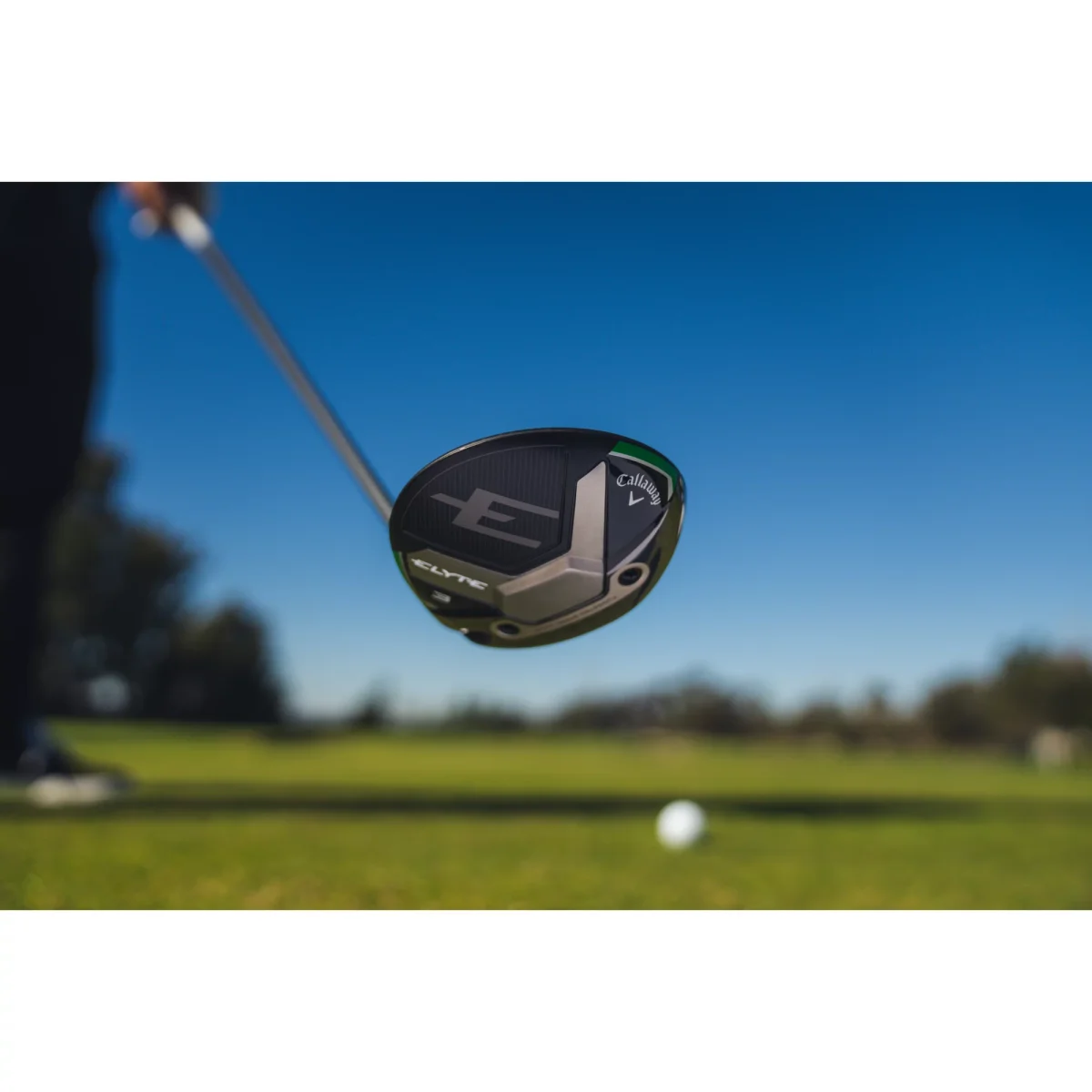
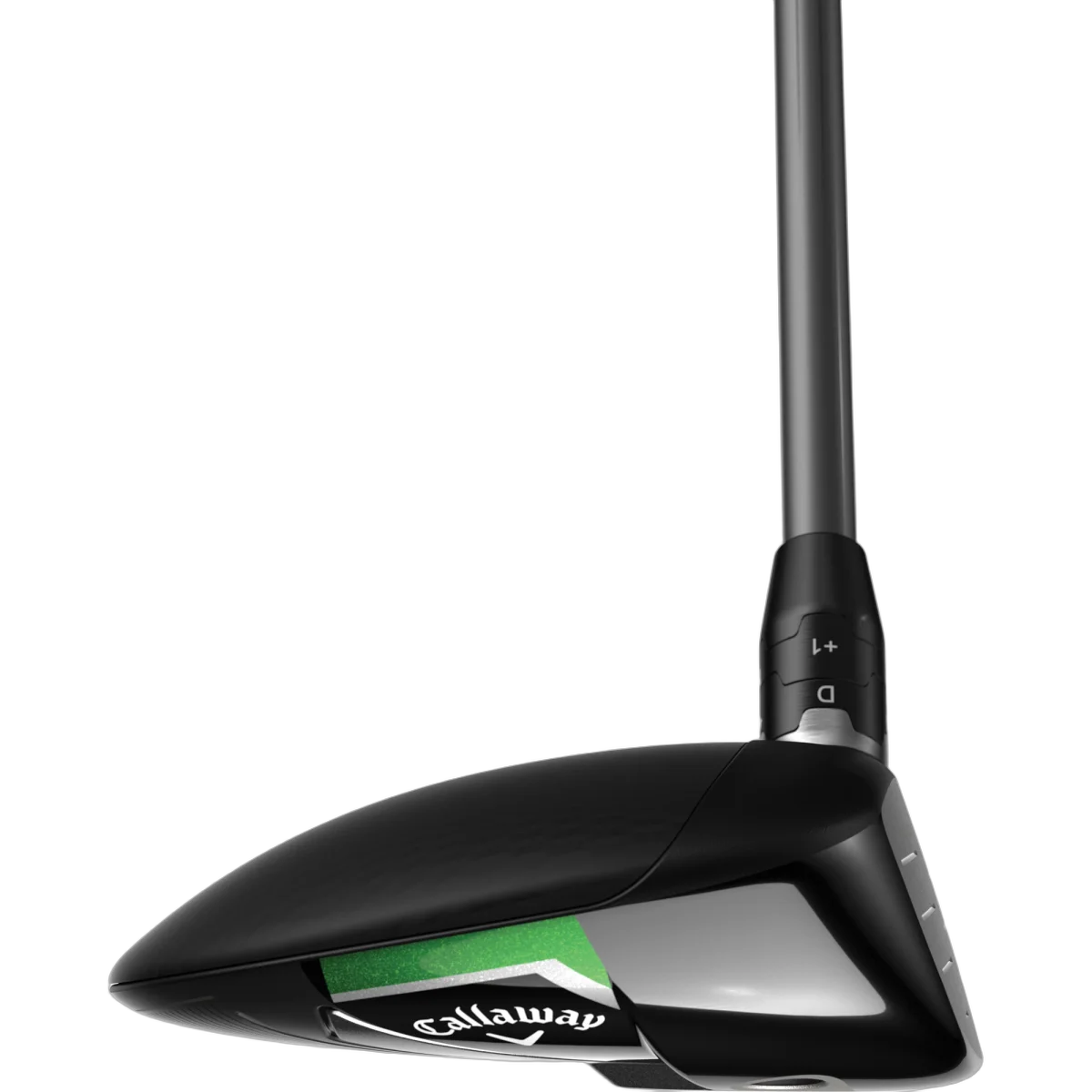
The Step Sole is the most visually distinctive technology on the Elyte, and it delivers tangible results. By reducing the sole contact area by more than half, turf interaction is cleaner and more predictable. Shots from the fairway, from light rough, and even from slightly uneven lies felt more consistent than what I am accustomed to with traditional sole designs. The club gets through the turf rather than fighting against it.
Sole view showing Elyte 3 wood with tungsten weights and green accent
Dispersion was tight by fairway wood standards. The combination of the high-MOI head design, the Ai 10X face optimization, and the low CG kept my misses in a narrow corridor. The forgiveness on off-center strikes was genuinely impressive -- this is a fairway wood that rewards aggressive swings without punishing the misses that inevitably follow.
One minor note: I did notice a draw bias on mishits, with off-center strikes tending to turn over a bit more than I would prefer. It was never severe enough to create a problem, but players who already fight a hook may want to be aware of that tendency. Out of thicker rough, spin rates could also be inconsistent, with the occasional shot coming out lower and hotter than expected and drifting offline.
Verdict
The Callaway Elyte Fairway Wood is an excellent all-around performer that prioritizes consistency over raw peak numbers. The Step Sole is a genuine innovation that improves turf interaction in a noticeable and repeatable way, the Ai 10X face delivers impressive ball speed uniformity across the hitting area, and the Tungsten Speed Wave provides meaningful protection on the low-face mishits that plague most fairway wood players. It looks refined at address, feels responsive at impact, and produces a reliable mid-high flight with low spin that carries well in calm to moderate conditions.
Strengths: outstanding ball speed consistency, tight dispersion, improved turf interaction through the Step Sole, strong mishit forgiveness particularly on low-face strikes, clean and confidence-inspiring appearance, and a wide range of available lofts for gapping flexibility.
Weaknesses: not a dramatic distance improvement over the Ai Smoke predecessor, slight draw bias on mishits, inconsistent spin from heavy rough, and the low spin profile can make controlling trajectory in strong wind more difficult.
This is a fairway wood built for the broad middle of the golfing population -- mid-to-high handicappers who want a club they can trust from the fairway and off the tee, and low handicappers who value consistency over workability. At its price point, it competes well with the best in the category.