Titleist TSR2 Fairway Wood
Titleist — Titleist TSR2 Fairway Wood · By Andy · Dec 8, 2025
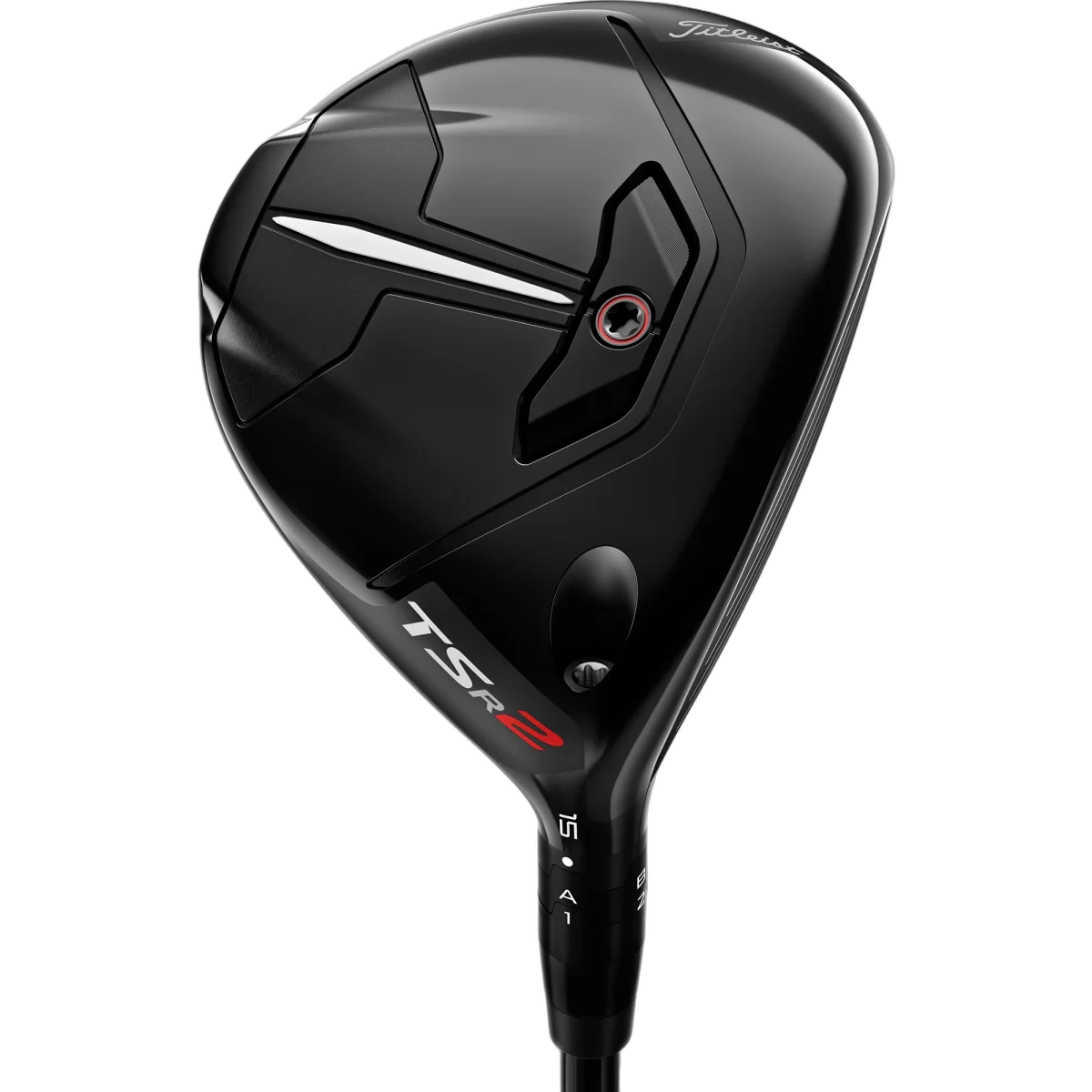
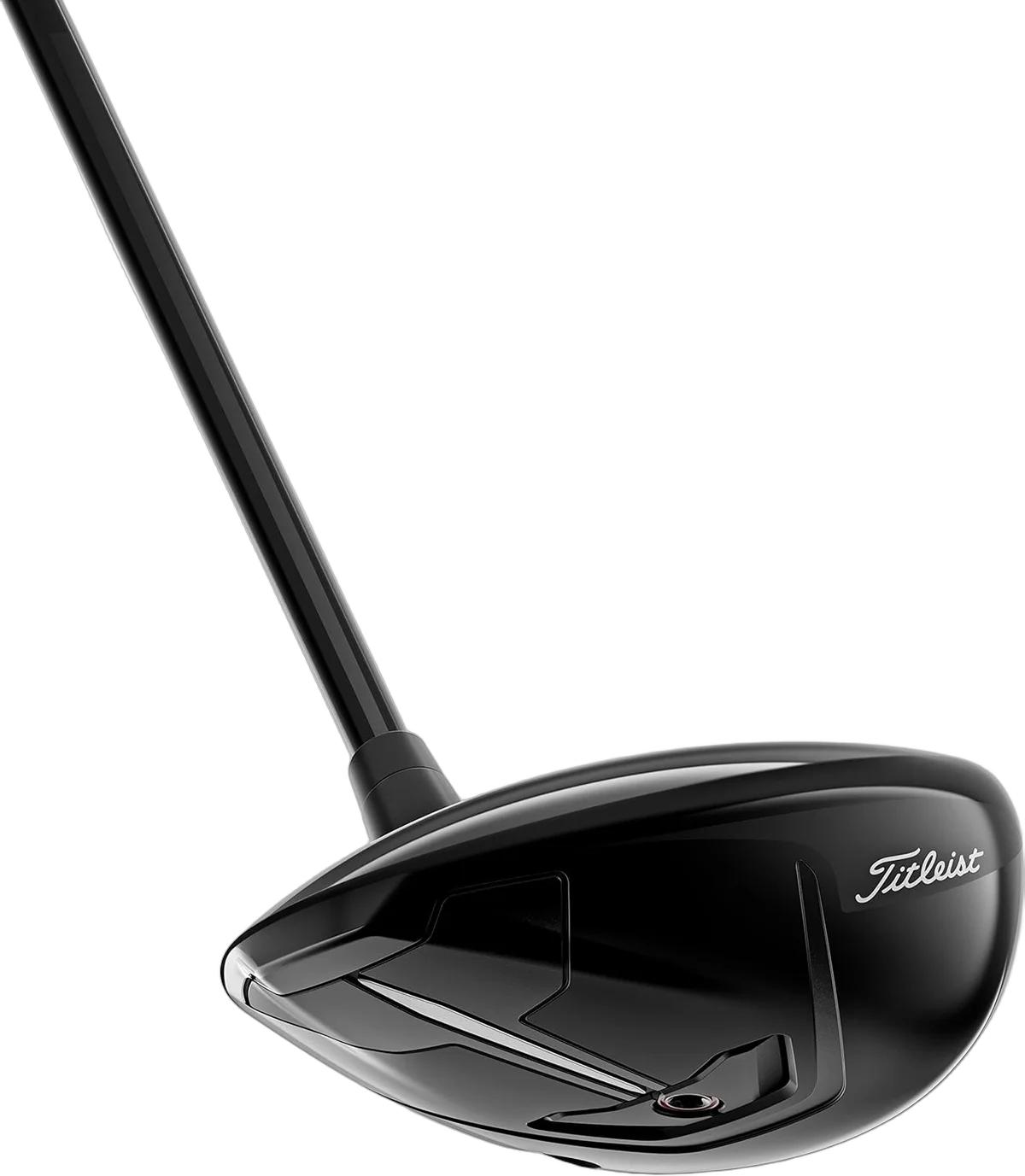
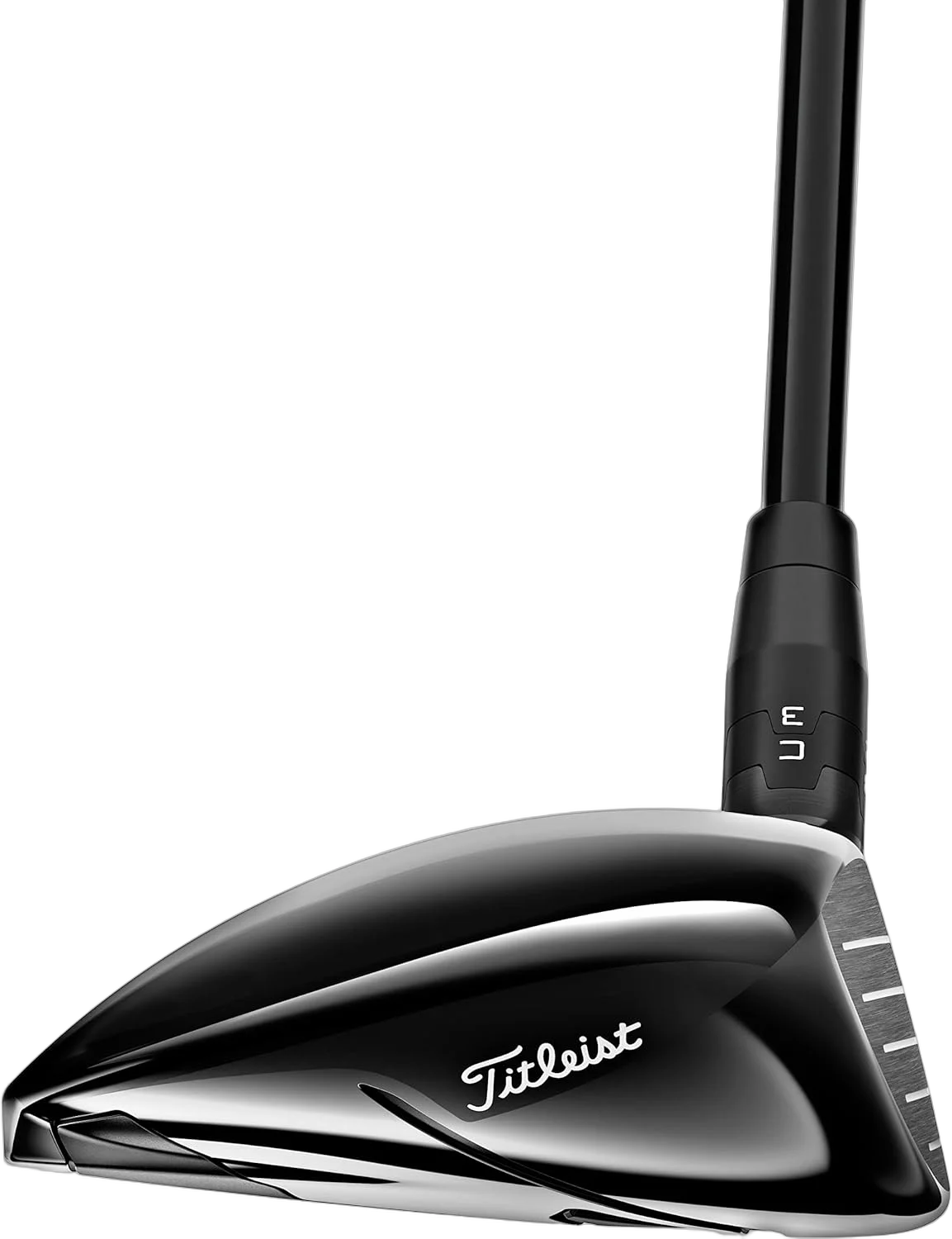
Titleist's lowest-CG fairway wood ever delivers easy launch and a clean, tour-inspired look -- but it faces stiff competition in the crowded game-improvement category.
The Big Picture
The TSR2 is the mid-handicap-friendly option in Titleist's TSR fairway wood family, slotting between the compact, low-spinning TSR3 and the hot-faced TSR2+. The headline story here is center of gravity. Titleist redesigned the hosel with an open construction that strips weight from high on the clubhead -- specifically from the heel and hosel area -- and redistributes it low and forward. The result is the lowest CG placement in any Titleist fairway wood to date, and it is engineered to do one thing well: produce high launch without the spin penalty that typically accompanies a deep CG.
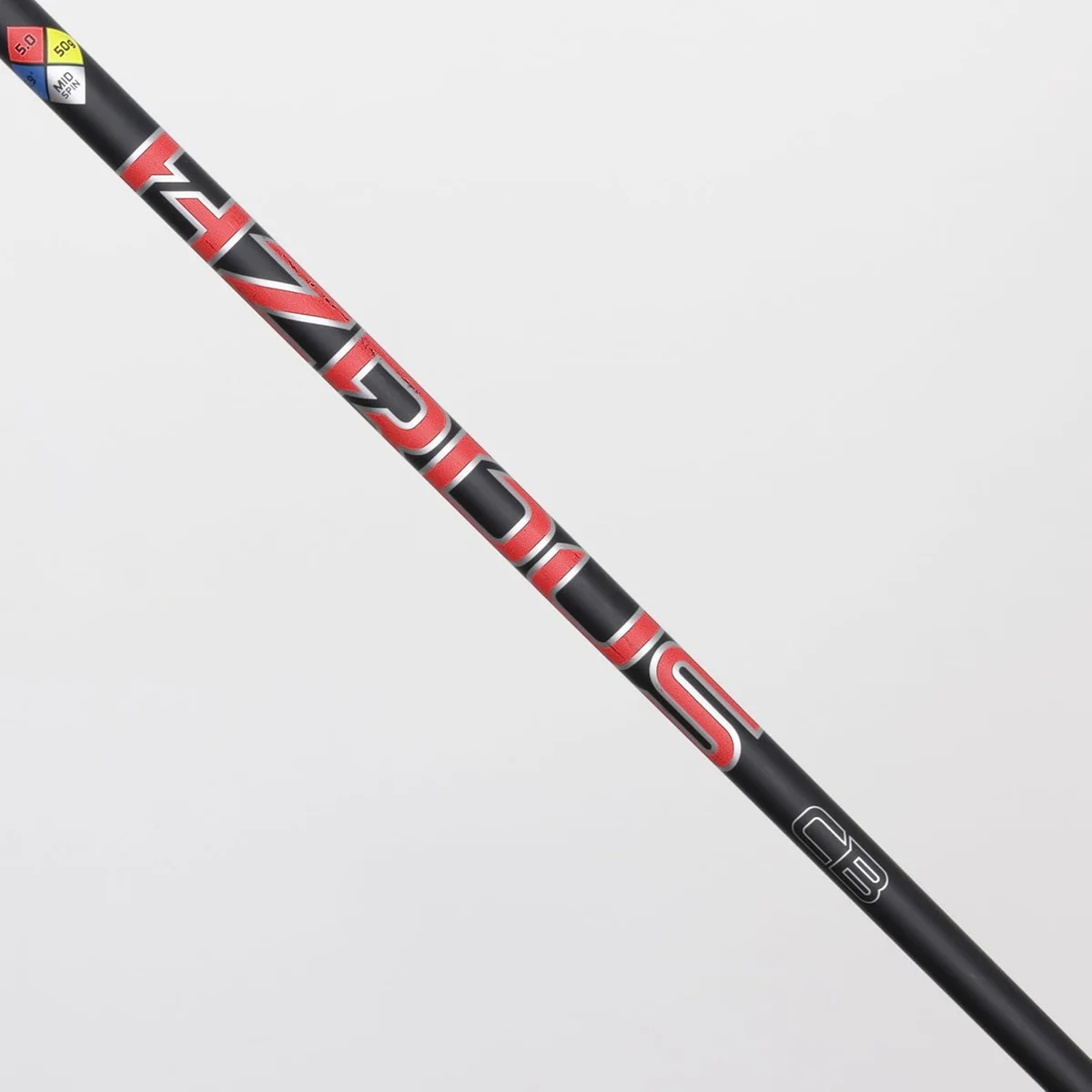
Available in 15-degree (3-wood), 16.5-degree (4-wood), and 18-degree (5-wood) configurations, the TSR2 ships with Titleist's SureFit hosel offering 16 unique loft and lie combinations. That is a serious amount of tunability for a fairway wood, and it means a competent fitter can dial in your launch and spin window with precision. The stock shaft is a lightweight 45-gram option that promotes easy launch, though the SureFit system also accepts a range of aftermarket shafts for players who want something heavier or stiffer.
Originally priced at $399 at launch, the TSR2 now sits in a more favorable position. With Titleist's GT family occupying the top shelf, you can find the TSR2 at reduced prices through most major retailers -- making it a more compelling value proposition than it was at full retail.
At Address
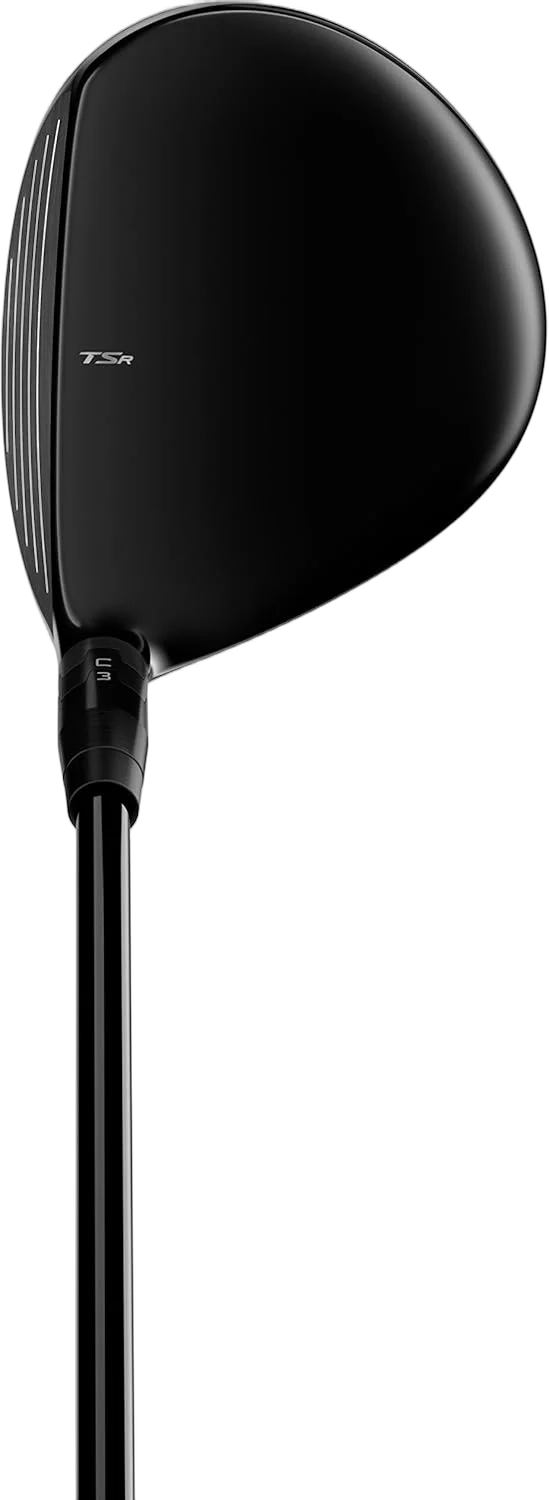
The TSR2 has the kind of clean, understated look that Titleist does better than almost anyone. The gloss black crown is free of clutter, with only a small "TSR" alignment marking near the face to help you square up. There are no bold accent colors, no aggressive geometric patterns -- just a refined, traditional profile that sits quietly behind the ball.
TSR2 fairway viewed from above at address position
The head shape is medium-sized with a rounded, symmetrical footprint. It is not as compact as the TSR3, which will appeal to players who want a little visual reassurance without crossing into oversized territory. The face height strikes a good balance between confidence off the tee and playability from the fairway. I found it easy to set up to the ball from either position without feeling like I was fighting the geometry of the head.
If you have come from a larger, more offset fairway wood, the TSR2 might look slightly compact at first. But after a few swings, the proportions feel natural. This is a club that looks like it belongs in a serious golfer's bag.
Sound & Feel
Titleist made a deliberate effort to improve acoustics in the TSR generation, and the open hosel construction plays a direct role. By removing material from the hosel area and changing how the head resonates, the TSR2 produces a sound at impact that is noticeably more powerful and solid than its TSi2 predecessor. Center strikes deliver a satisfying, crisp crack -- not overly loud, but with enough presence to confirm clean contact.
Off-center hits are where the feedback gets interesting. The TSR2 communicates mishits without being harsh about it. You can feel the difference between a center strike and a toe miss, but the sensation remains comfortable rather than jarring. The face has a lively, responsive quality through impact that gives the impression of efficient energy transfer. It is the kind of feel that makes you want to hit another ball.
Performance
Ball Speed & Distance
The low CG design does its job. In my testing with the 15-degree 3-wood, I saw carry distances that were roughly 3 yards longer on average compared to the previous-generation TSi2. That might not sound dramatic on paper, but the gains came from a meaningful place -- a slight reduction in backspin rather than artificially inflated launch conditions. The ball simply carried more efficiently.
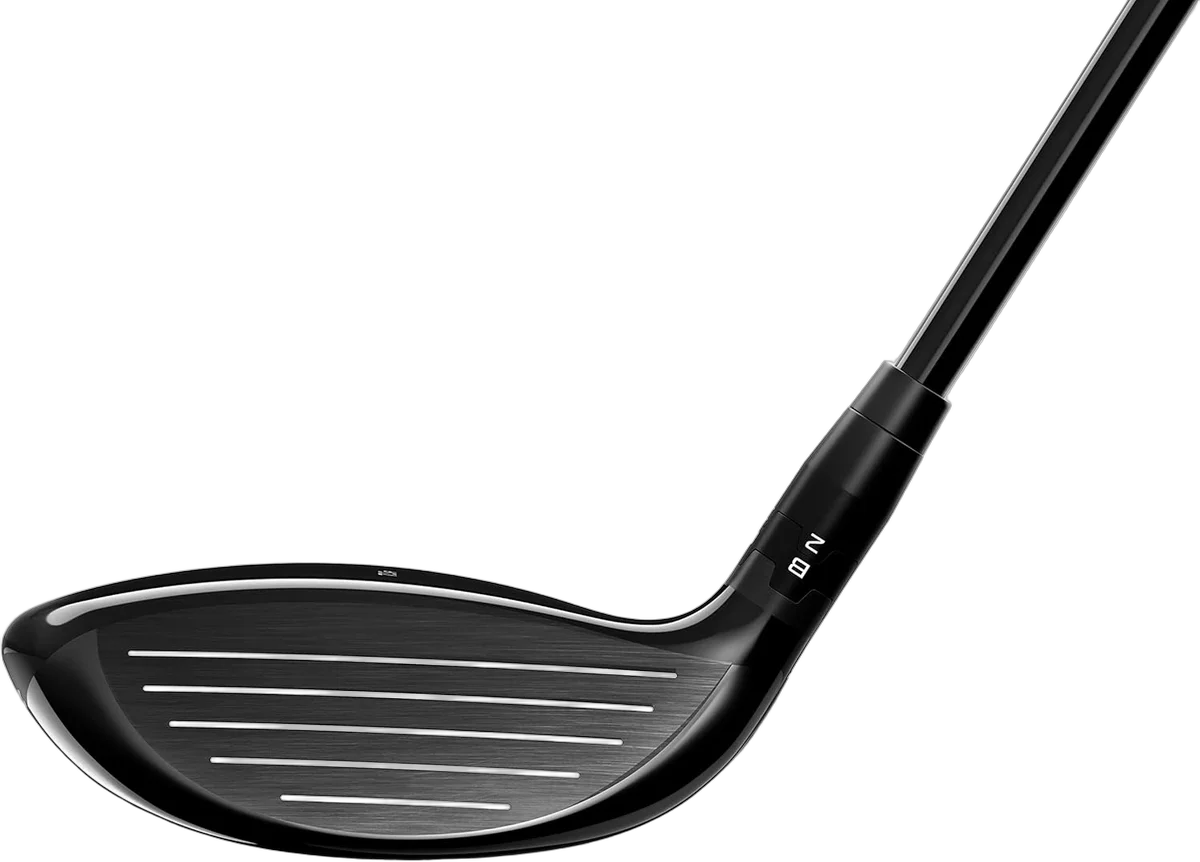
TSR2 fairway wood open face showing shallow grooves
Off the tee, the TSR2 produced reliable ball speeds and a penetrating flight that held its line well in moderate wind. Off the deck, the low CG placement made it easy to get the ball airborne without having to manufacture a steep angle of attack. I did not have to change my swing thought between tee and turf shots, which is exactly what you want from a fairway wood.
That said, the TSR2 is not a distance outlier. In the broader fairway wood market, it lands in the middle of the pack for raw carry distance. Players chasing every last yard may find a few extra with competitors from TaylorMade or Callaway. But the TSR2 prioritizes a repeatable, consistent number over occasional long outliers, and for most golfers, that is the smarter approach.
Launch & Spin
Launch angles in my testing consistently sat in the 12- to 13-degree range with the 15-degree head, producing a peak height around 33 yards. That is a mid-high flight that carries well and lands at a steep enough angle to hold greens on longer approach shots, but shallow enough to get some rollout on firm fairways.
Spin rates settled below 2,800 rpm on well-struck shots, which is in the mid-spin range for a fairway wood of this loft. The TSR2 avoids the trap of pairing high launch with high spin -- a combination that produces towering shots that go nowhere. Instead, the low CG generates the launch height while the face-centered weight placement keeps spin in check. The result is an efficient, high-carrying flight without the ballooning that plagues some high-launch designs.
The 45-gram stock shaft contributes to the easy launch characteristics, but players with faster swing speeds -- say, above 100 mph with the driver -- should consider moving to a heavier shaft option to keep the flight from getting too high.
Dispersion & Shot Shape
Forgiveness on the TSR2 is adequate but not exceptional. The low CG helps maintain ball speed on thin strikes, and I noticed that low-face misses in particular held their distance better than I expected. However, heel and toe misses produced noticeable directional variance. This is not a max-MOI design like some competitors, and the symmetrical head shape, while attractive, does not redistribute mass as aggressively toward the perimeter as some game-improvement alternatives.
Sleek sole design with Titleist script and weight port
The SureFit hosel provides useful adjustability for dialing in your preferred shot shape. I found about a half-degree of loft adjustment in either direction to be the sweet spot for fine-tuning launch without dramatically changing the spin profile. Players who consistently fight a specific miss pattern will appreciate having 16 settings to work with, though I would strongly recommend getting fitted rather than experimenting on your own.
Workability is moderate. Better players can move the ball both directions with some effort, but the TSR2 is happiest when you commit to one shape and let the club do its thing. It is not as locked-in as a high-MOI design, but it is not a shot-shaper's tool either.
Verdict
The Titleist TSR2 is a well-rounded fairway wood that does most things competently without being the outright best at any single metric. Its greatest strength is the combination of easy launch and controlled spin -- the low CG design genuinely delivers on its promise of getting the ball up without sending spin rates through the roof. The sound and feel are excellent for the category, the aesthetics are clean and confidence-inspiring, and the SureFit adjustability gives you real control over your ball flight.
Weaknesses are worth noting honestly. Forgiveness on heel and toe misses is average for the price point, and raw distance does not lead the category. Players coming from a previous-generation Titleist fairway wood will notice an improvement, but those cross-shopping against the latest from PING, Callaway, or TaylorMade may find options that outperform the TSR2 in specific areas like dispersion or carry distance.
The TSR2 is best suited for mid-handicap golfers who value a traditional look, solid feel, and repeatable ball flight. It rewards clean contact and a consistent swing, and it does not try to mask fundamental swing issues the way some higher-MOI designs will. At its current discounted price point below the original $399 MSRP, it represents reasonable value -- particularly for Titleist loyalists who want to stay in the family.