Titleist GT1 Fairway Wood
Titleist — Titleist GT1 Fairway Wood · By Troy · Jan 29, 2026
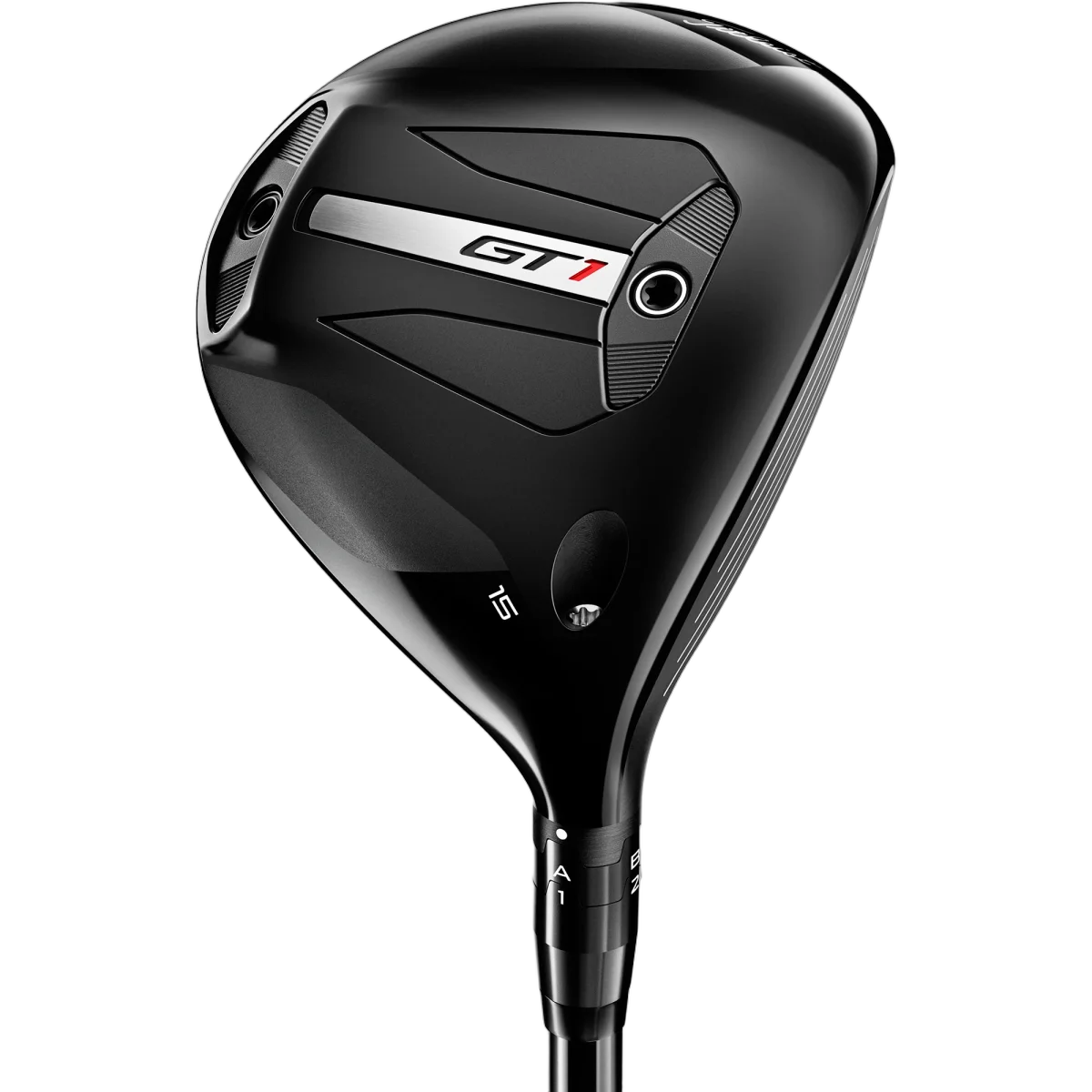
Titleist's high-launch fairway wood is built for players who want to get the ball up and hold greens -- if you can get past the stigma.
The Big Picture
The GT1 is the higher-launch, higher-stability option in Titleist's GT fairway wood family. While the GT2 and GT3 get most of the attention from low-handicap players and Tour staff, the GT1 is designed for golfers who need more help getting the ball airborne and keeping it on line. Think of it as the "MAX" in Titleist's fairway wood lineup -- more forgiveness, more launch, and a design philosophy that prioritizes consistency over workability.
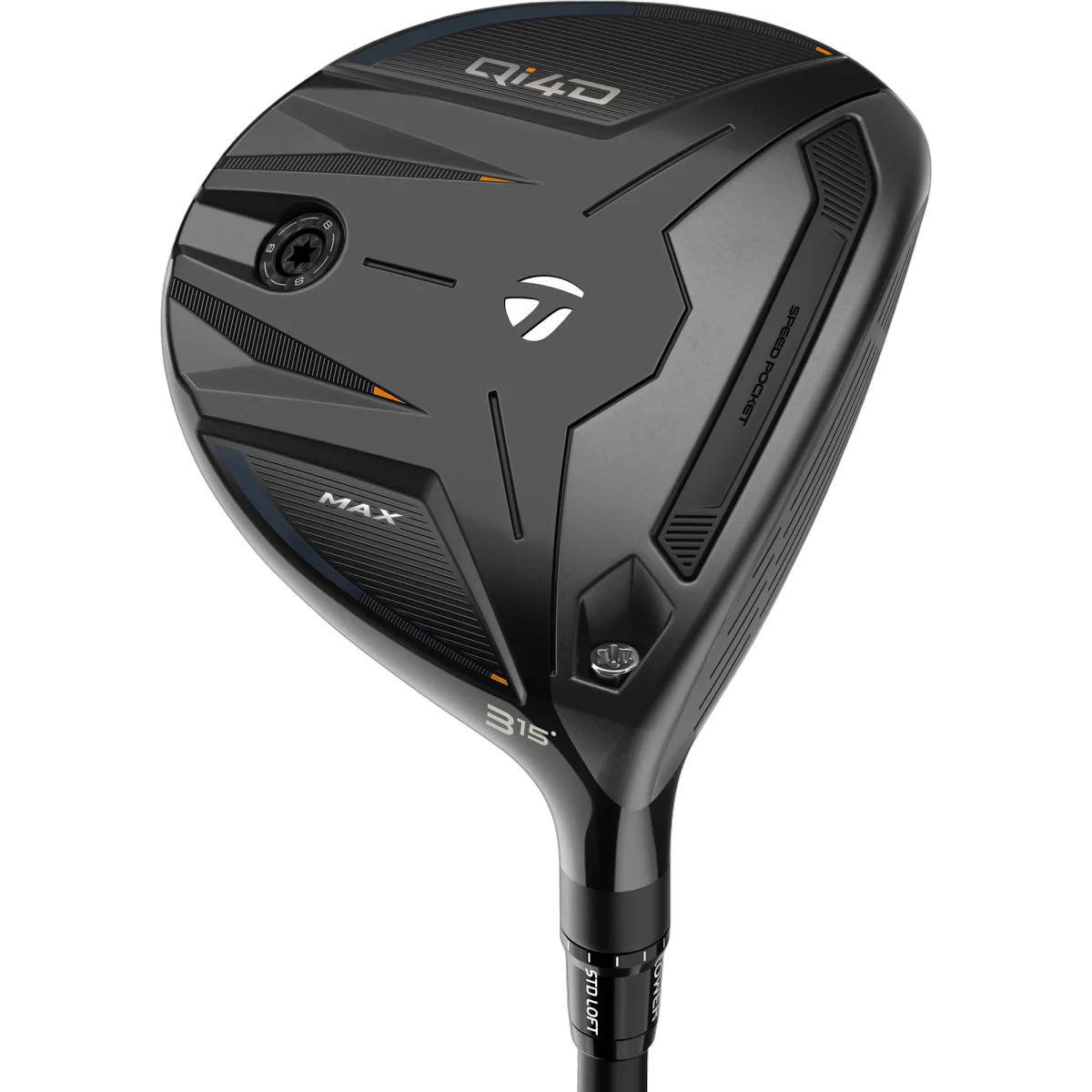
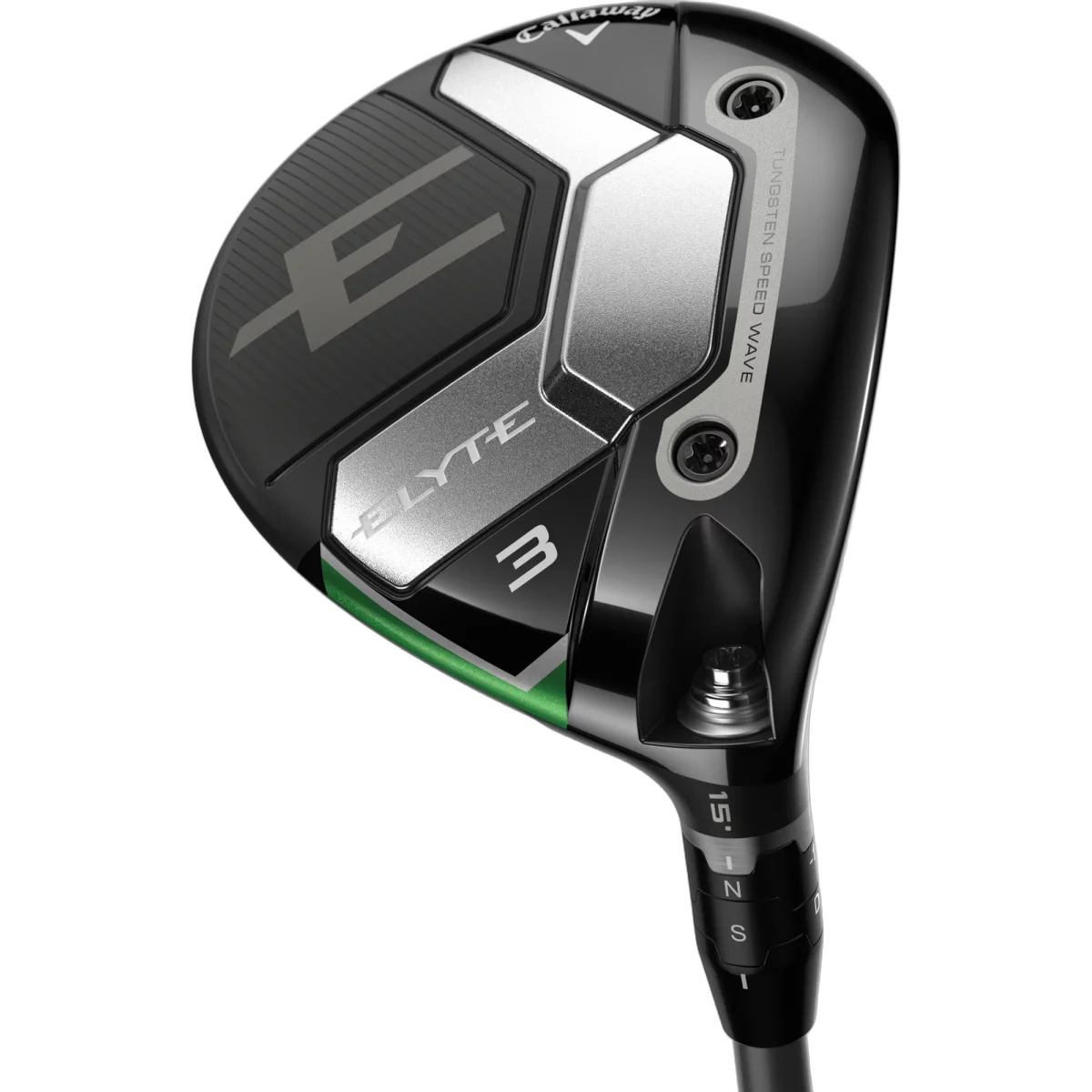
Titleist's marketing calls it "Heightened Launch & Stability," and that is an accurate description of what the GT1 delivers. The club is engineered with a deeper center of gravity and a face designed to produce higher launch angles without requiring the golfer to manufacture that flight through technique. At an MSRP of $329, it sits at the premium end of the fairway wood market, competing directly with options like the TaylorMade Qi10 MAX and Callaway Paradym Ai Smoke MAX.
The elephant in the room is the perception problem. The GT1 line -- across drivers, fairway woods, and hybrids -- carries an unfortunate and largely undeserved reputation as a "women's club" in certain online circles. This has kept some male golfers from even trying it during fittings, which is a shame, because the performance profile is genuinely well-suited for a wide range of moderate swing speeds regardless of the golfer's gender. If your swing speed with a fairway wood sits below 95 mph, the GT1 deserves a spot on your fitting shortlist.
At Address
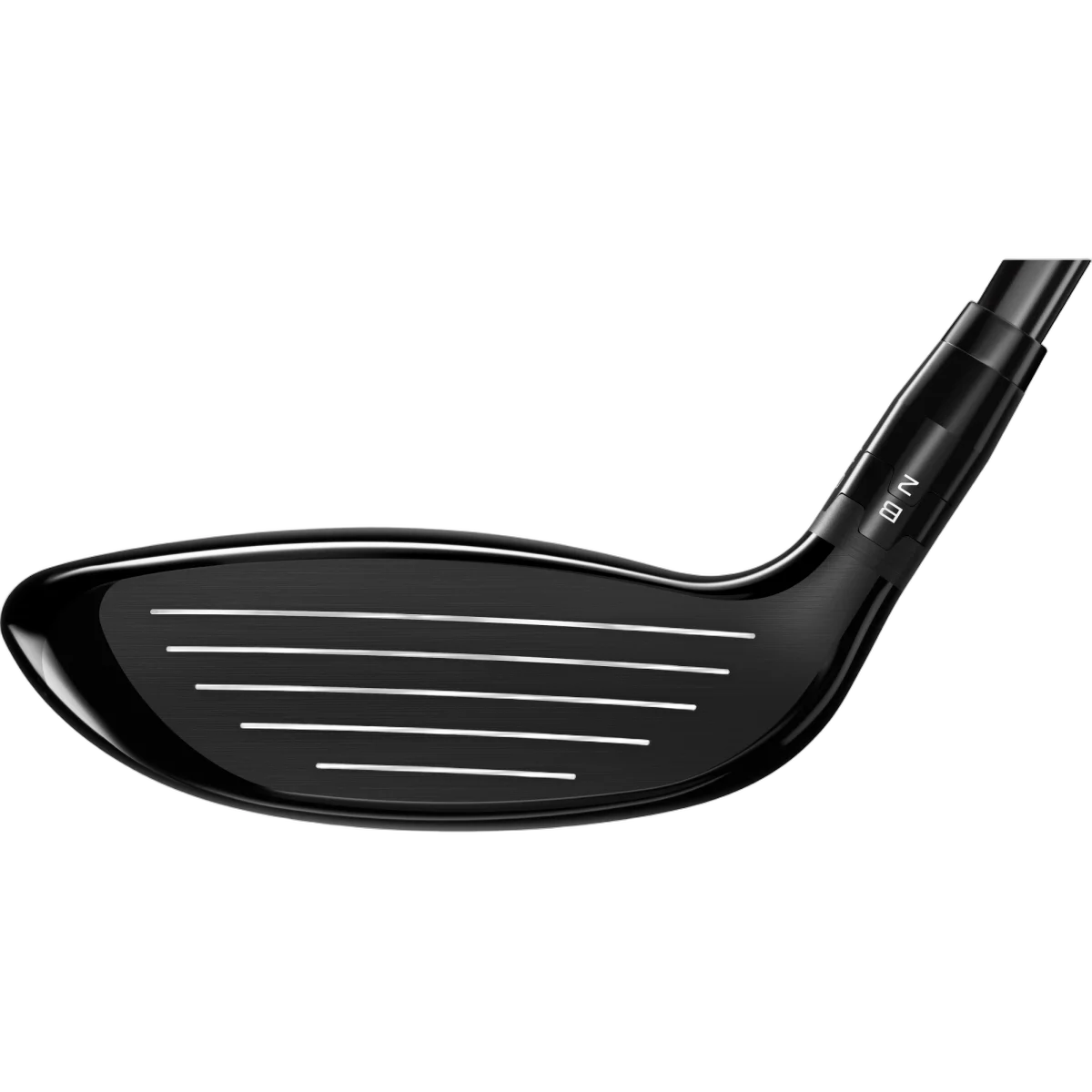
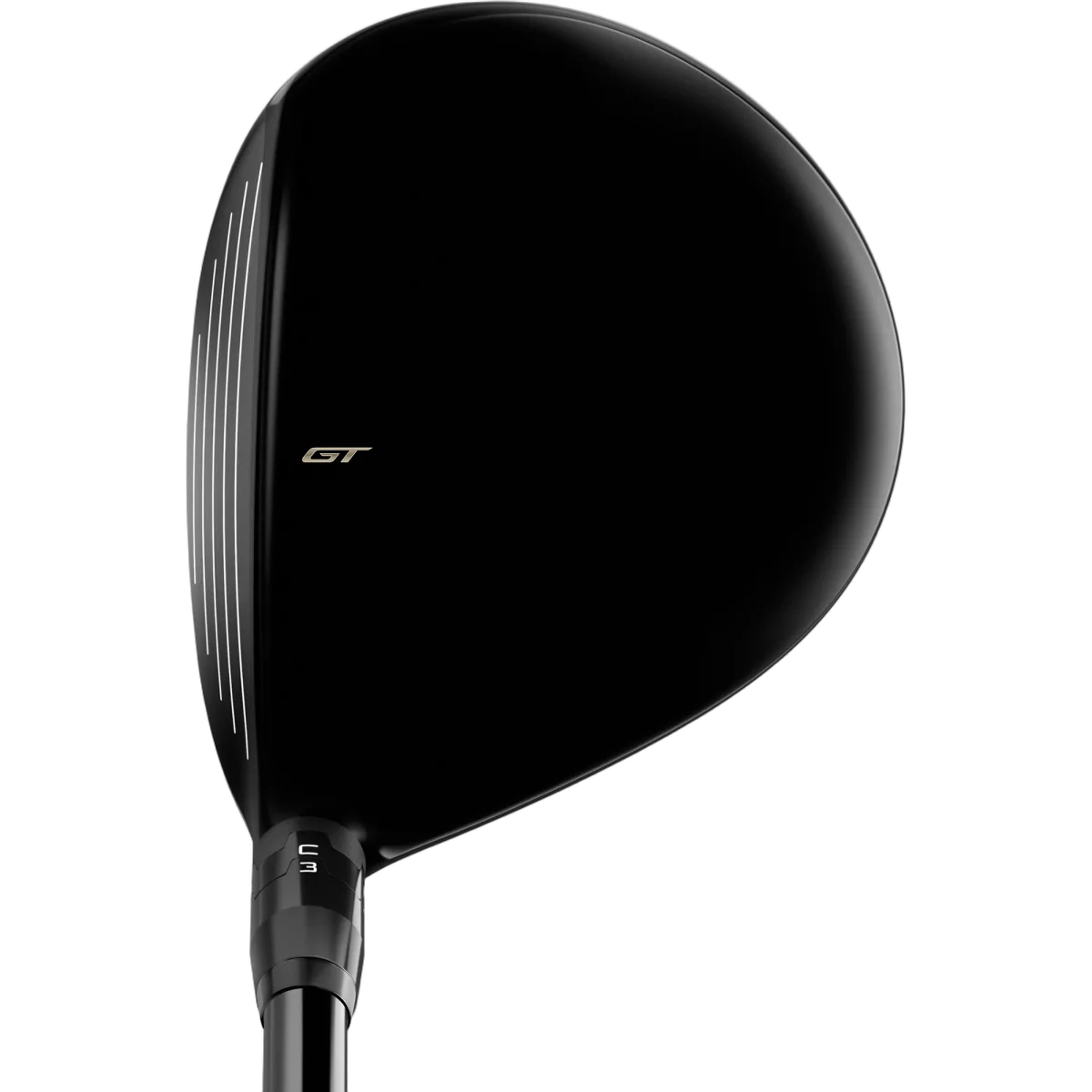
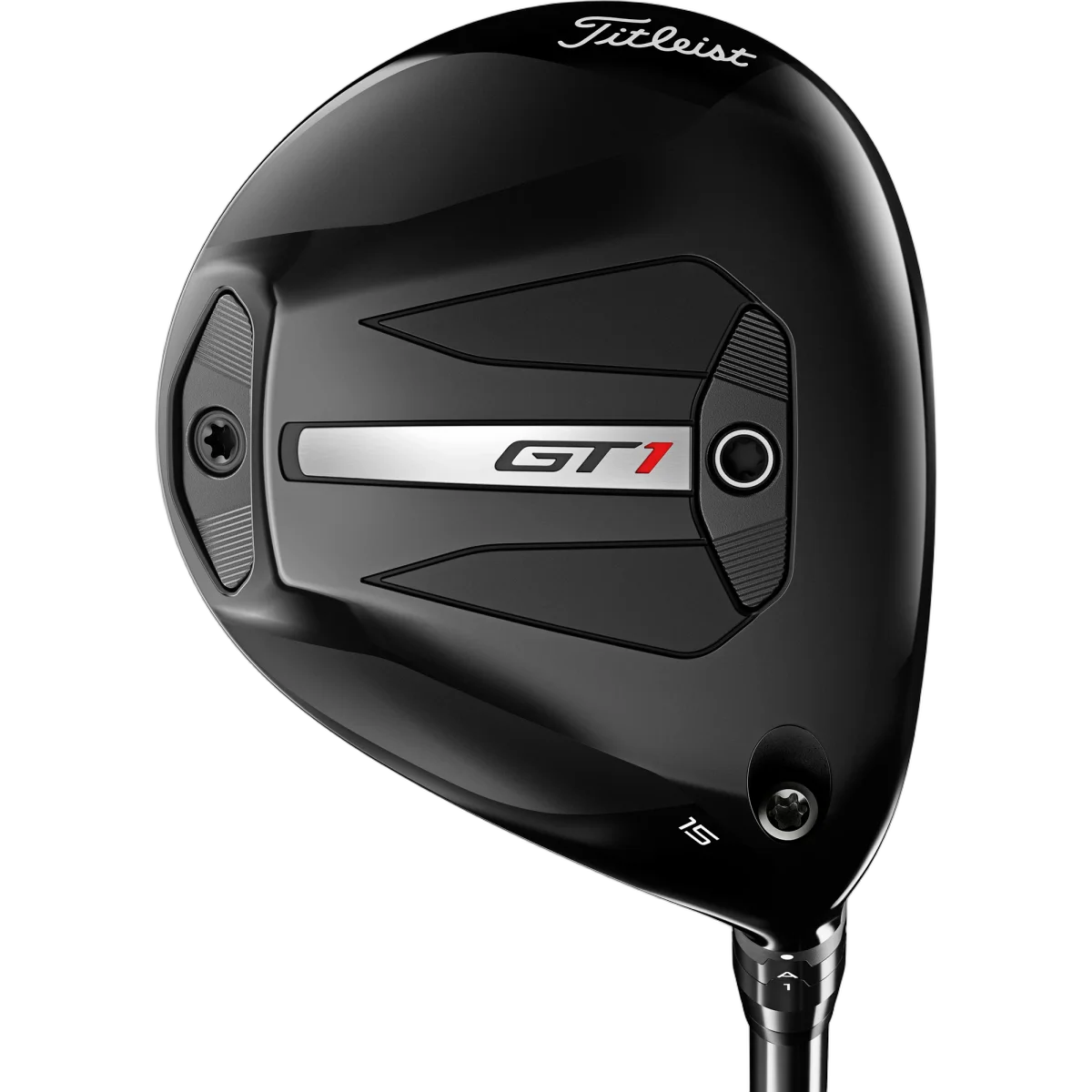
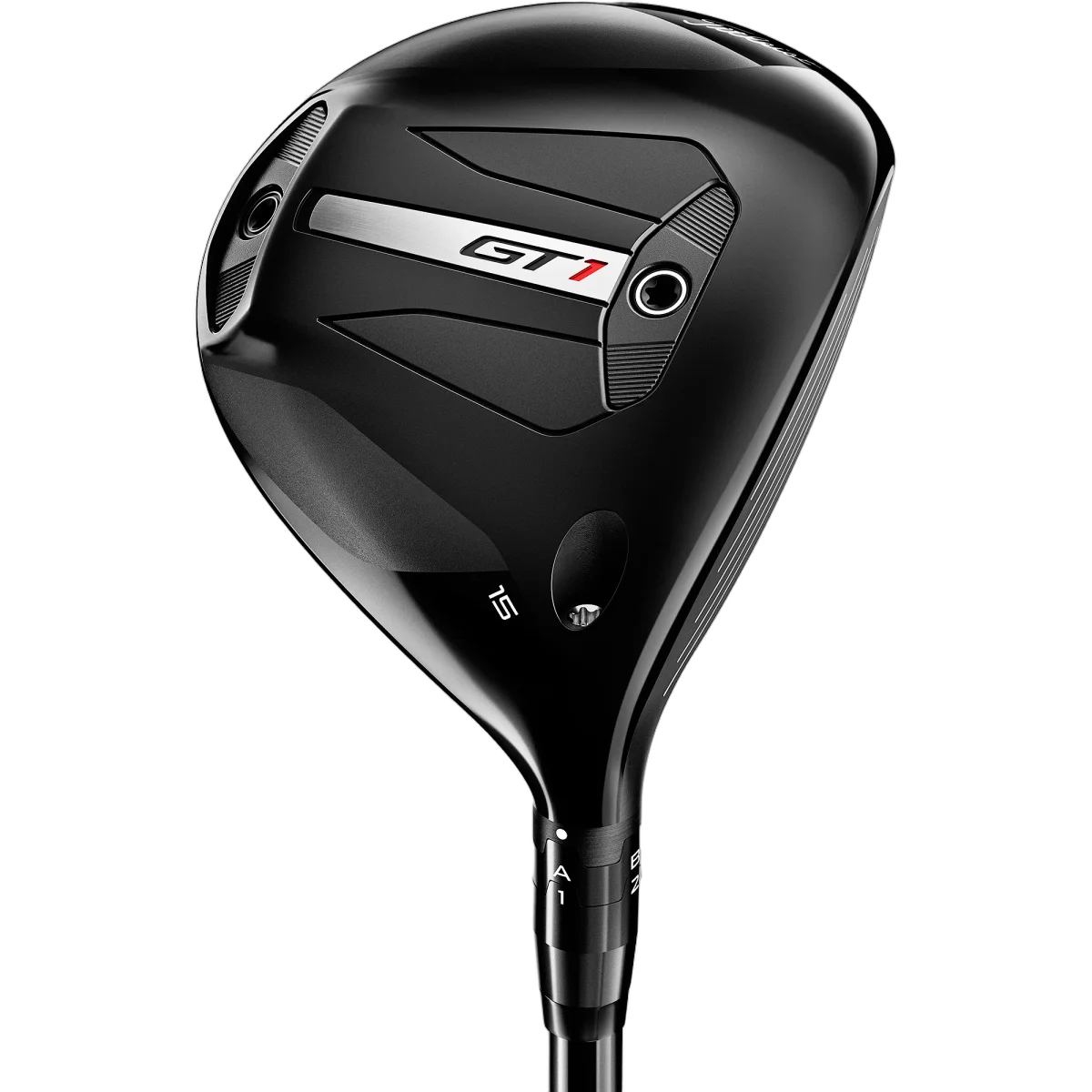
The GT1 fairway wood presents a clean, confidence-inspiring look at address. The head shape is slightly deeper from front to back than the GT2, which hints at the lower and deeper CG placement. The crown is smooth with a subtle matte finish in the Titleist tradition -- no flashy graphics or aggressive color accents. A fine alignment aid sits at the top of the crown, providing a straightforward aiming reference without cluttering the visual.
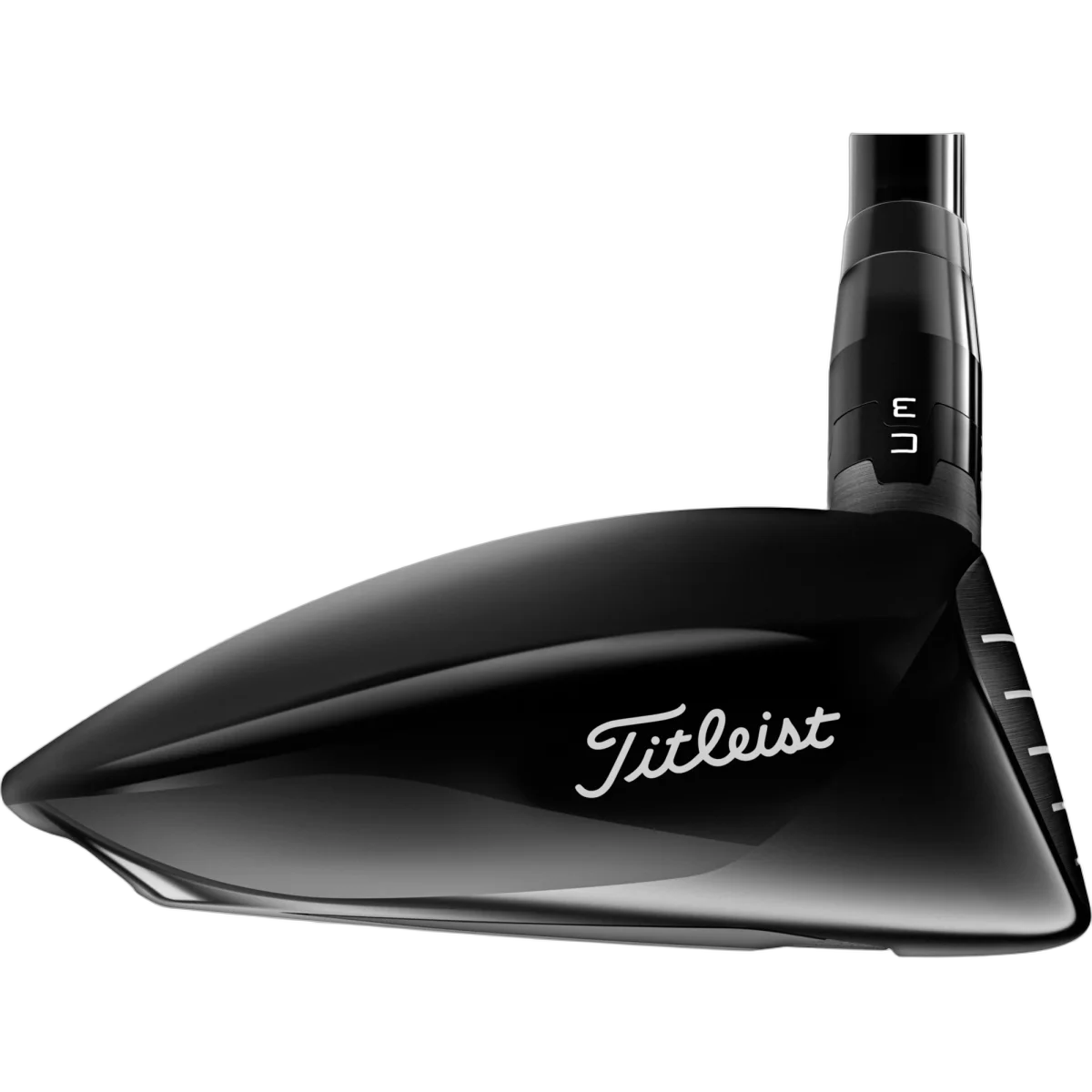
Toe side profile showing Titleist script and sleek shaping
One thing I noticed is that the head looks slightly open at address. This is a trait that runs through several recent Titleist fairway woods, and it can be a bit unsettling the first few times you set up over the ball. After a handful of range sessions I stopped noticing it, and it did not seem to influence my actual shot direction. But if you are sensitive to face angle appearance, it is worth being aware of before you commit.
The overall footprint is generous without being bulky. It sits behind the ball like a club that wants to help you, which is exactly the right message for the target player.
Sound & Feel
Impact feel on the GT1 is solid and responsive. Center strikes produce a clean, medium-pitched sound with enough feedback to confirm good contact. There is a slight metallic brightness to the tone that is distinctly Titleist -- not as deep or muted as a PING fairway wood, but not tinny or harsh either.
On mishits, the feedback is honest without being punishing. Toe strikes lose a bit of that crispness and feel slightly dead, but the sensation is more informational than uncomfortable. Heel contact produces a subtle vibration, but nothing that would sting your hands on a cold morning. Overall, the acoustic and tactile feedback falls squarely in the "pleasant and confidence-building" category.
Performance
Launch & Spin
This is where the GT1 earns its name. The club produces a noticeably high launch, which is exactly what it is designed to do. In my testing with a 5-wood configuration, the ball flight was towering and consistent, with the kind of apex that allows the ball to land steeply on approach shots into par-5s and long par-4s. For golfers who struggle to get their fairway woods airborne -- a common problem among moderate and slower swing speeds -- the GT1 addresses that issue directly.
The stock shaft is a 44-gram, low-mid launch profile with an R2 flex and 4.3 degrees of torque. That is a lighter, more flexible shaft than what you will find in the GT2 or GT3, and it is purpose-built to maximize clubhead speed for players who do not generate it through raw athletic ability. The .580 tip diameter is standard for modern fairway woods. If you generate higher swing speeds, a stiffer aftermarket shaft would be worth exploring during a fitting to keep the flight from ballooning, but for the intended player, the stock setup is well-matched to the head.
Dispersion & Shot Shape
Forgiveness is a genuine strength of the GT1. The deeper CG and higher MOI design keep the ball on a more predictable line even on off-center strikes. I found that my miss patterns tightened noticeably compared to a lower-spinning, lower-launching fairway wood. The head resists twisting on heel and toe contact, and the distance penalty on mishits was smaller than I typically see in this category.
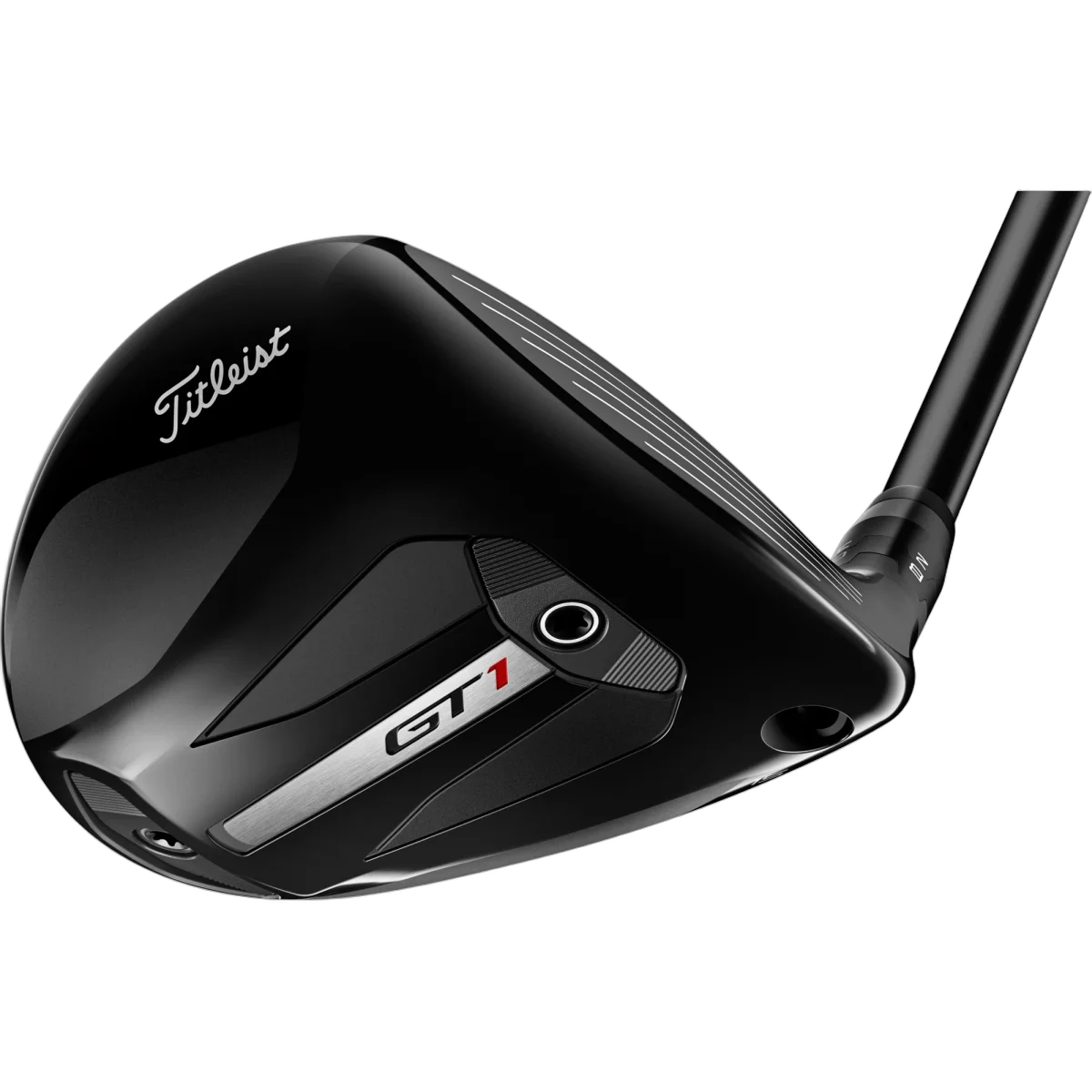
Sole view showing GT1 branding and adjustable weight ports
The tradeoff, predictably, is workability. This is not a fairway wood that invites you to hit low stingers or work the ball both directions on command. The GT1 wants to launch the ball high and straight, and it does that job well. If you need to flight the ball down under the wind or shape shots around doglegs, the GT2 or GT3 would be a better fit. But for the golfer who wants to aim at their target and swing confidently, the GT1 delivers.
Verdict
The Titleist GT1 Fairway Wood is a well-executed high-launch, high-forgiveness option that does exactly what it promises. It gets the ball in the air easily, maintains ball speed on mishits, and produces a consistent, repeatable flight that inspires confidence on long approach shots. The build quality is everything you expect from Titleist, and the sound and feel are satisfying without being distracting.
Strengths: genuinely high launch that helps moderate swing speeds get the ball airborne, forgiving on off-center strikes, clean and confidence-inspiring appearance, solid feel and sound, consistent dispersion patterns.
Weaknesses: the slightly open look at address takes some adjustment, limited workability for players who want to shape shots, the perception issue around the GT1 line may make it harder to find at fitters or on the used market, and at $329 MSRP it is priced at the top of the category without offering dramatically more performance than competitively priced alternatives.
The GT1 is best suited for mid-to-high handicap golfers with moderate swing speeds who struggle to launch their fairway woods high enough. It is also a strong option for senior golfers or anyone transitioning away from longer irons who needs a reliable, high-flying club for approaches from 180 to 220 yards. If raw distance or shot shaping are your priorities, look elsewhere in the Titleist lineup. But if you want a fairway wood that makes the game easier, the GT1 delivers -- and it deserves more attention than it gets.