TaylorMade SIM Max Fairway Wood
TaylorMade — TaylorMade SIM Max Fairway Wood · By Andy · Dec 22, 2025
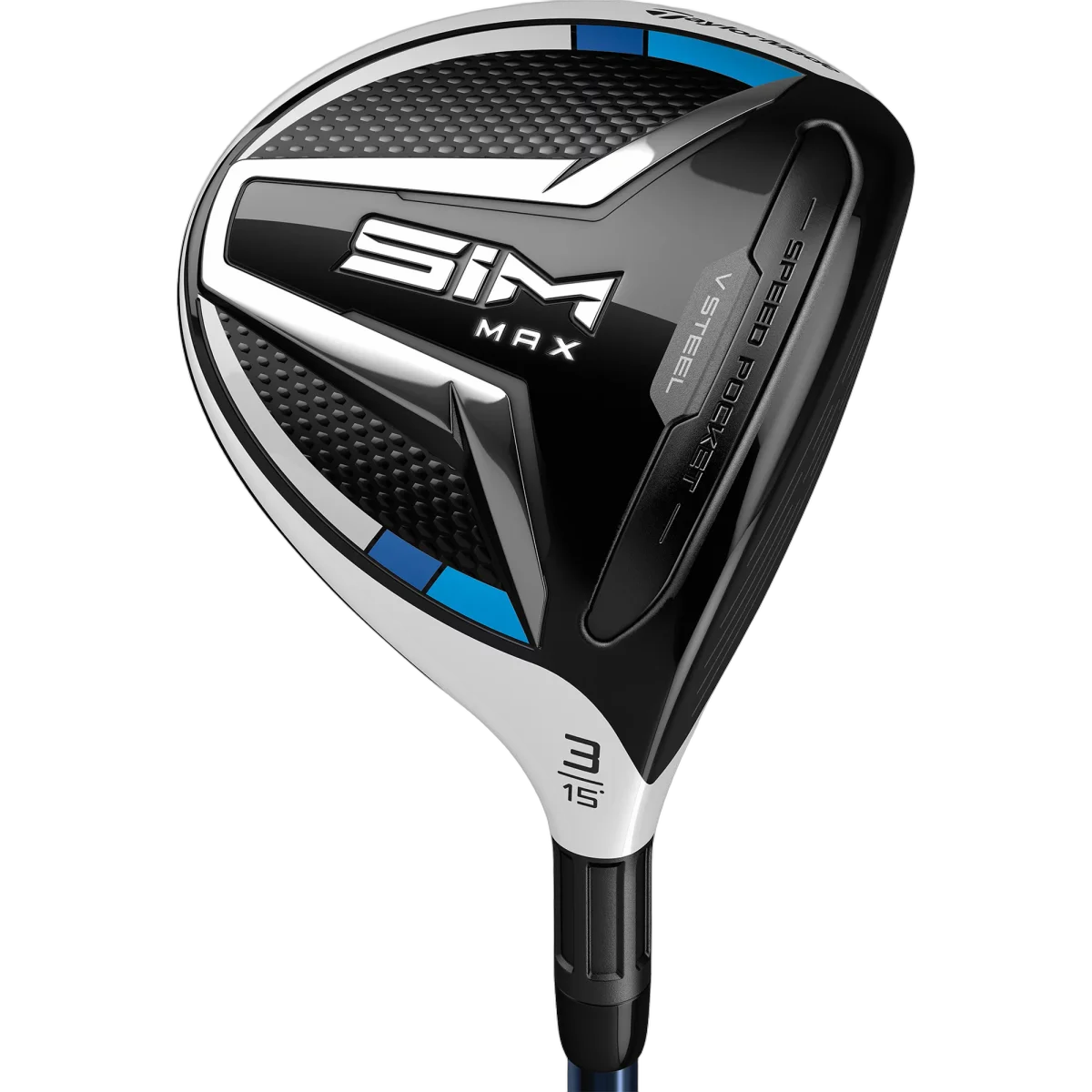
TaylorMade's game-improvement fairway wood blends V Steel heritage with modern speed technology -- and at today's discounted prices, it is a legitimate bargain for golfers who need easy launch and forgiveness off the deck.
The Big Picture
The TaylorMade SIM Max Fairway Wood debuted in early 2020 as the high-launch, high-forgiveness option in TaylorMade's SIM family. While the standard SIM fairway wood targeted better players with a more compact shape and lower spin profile, the SIM Max was designed for the widest possible audience -- golfers who need a fairway wood that gets the ball in the air easily, whether off a tee or sitting down in the fairway.
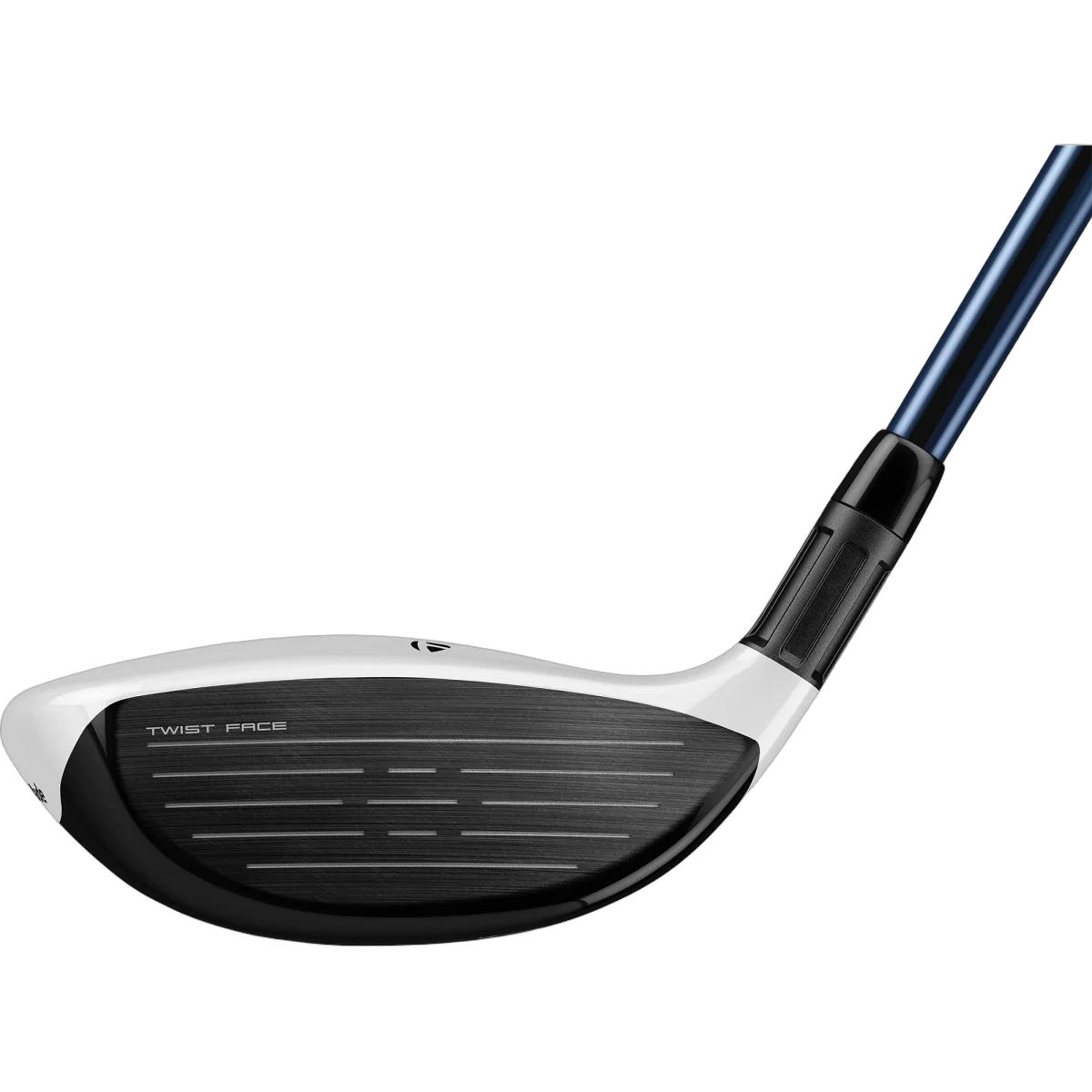
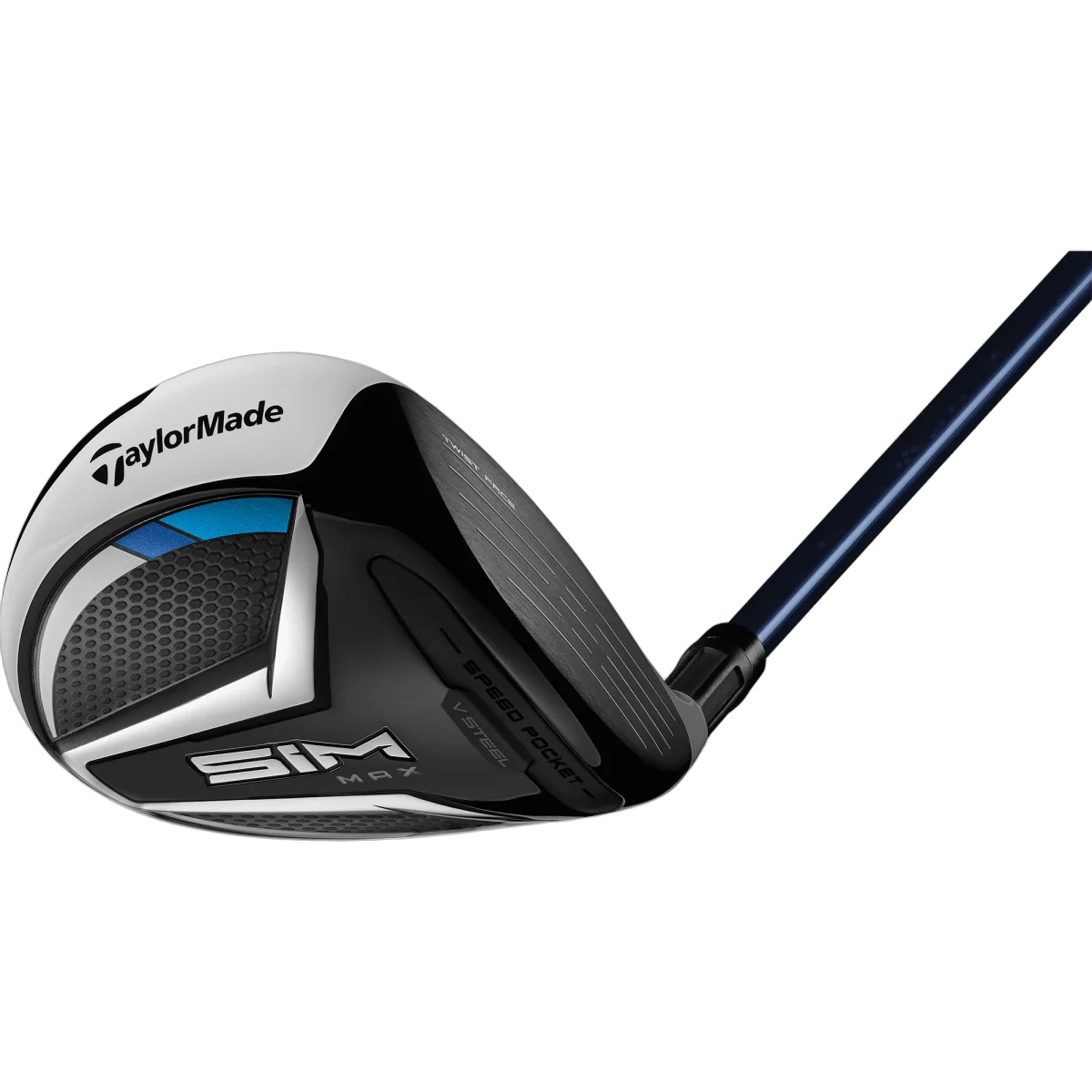
The core technology here is TaylorMade's Twist Face, which migrated down from the driver lineup. The concept is straightforward: the face has a corrective curvature in the high-toe and low-heel regions where most golfers tend to miss, imparting gear effect spin that nudges errant shots back toward the target line. It is a subtle feature, but one that meaningfully tightens dispersion on off-center contact. Paired with that is a steel body construction with a large, shallow profile that pushes the center of gravity low and back, promoting high launch with reduced spin -- the combination that produces the most carry distance for moderate swing speeds.
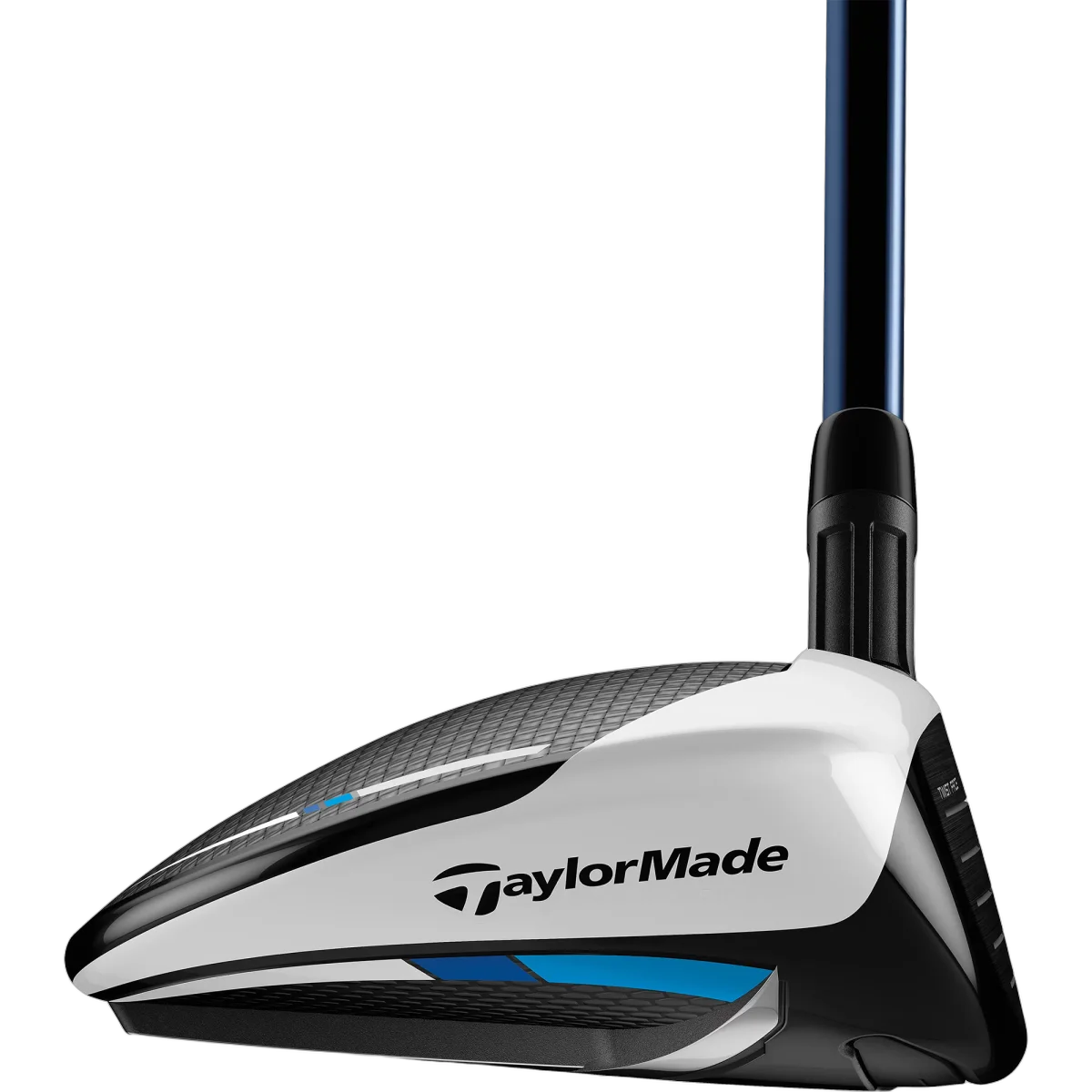
The SIM Max also features TaylorMade's V Steel sole design, a proven geometry that has been a staple since the early 2000s. The raised center section reduces turf interaction, letting the club glide through contact rather than digging, which is a real confidence booster for golfers who struggle to make clean contact with fairway woods off the ground.
With the SIM Max now a couple of generations behind TaylorMade's current lineup -- the Qi10 and Qi35 families have since taken center stage -- pricing has come down significantly. You can find this club in the $100 to $150 range on the used and closeout market, which makes it an appealing option for golfers who want modern performance without a premium price tag.
At Address
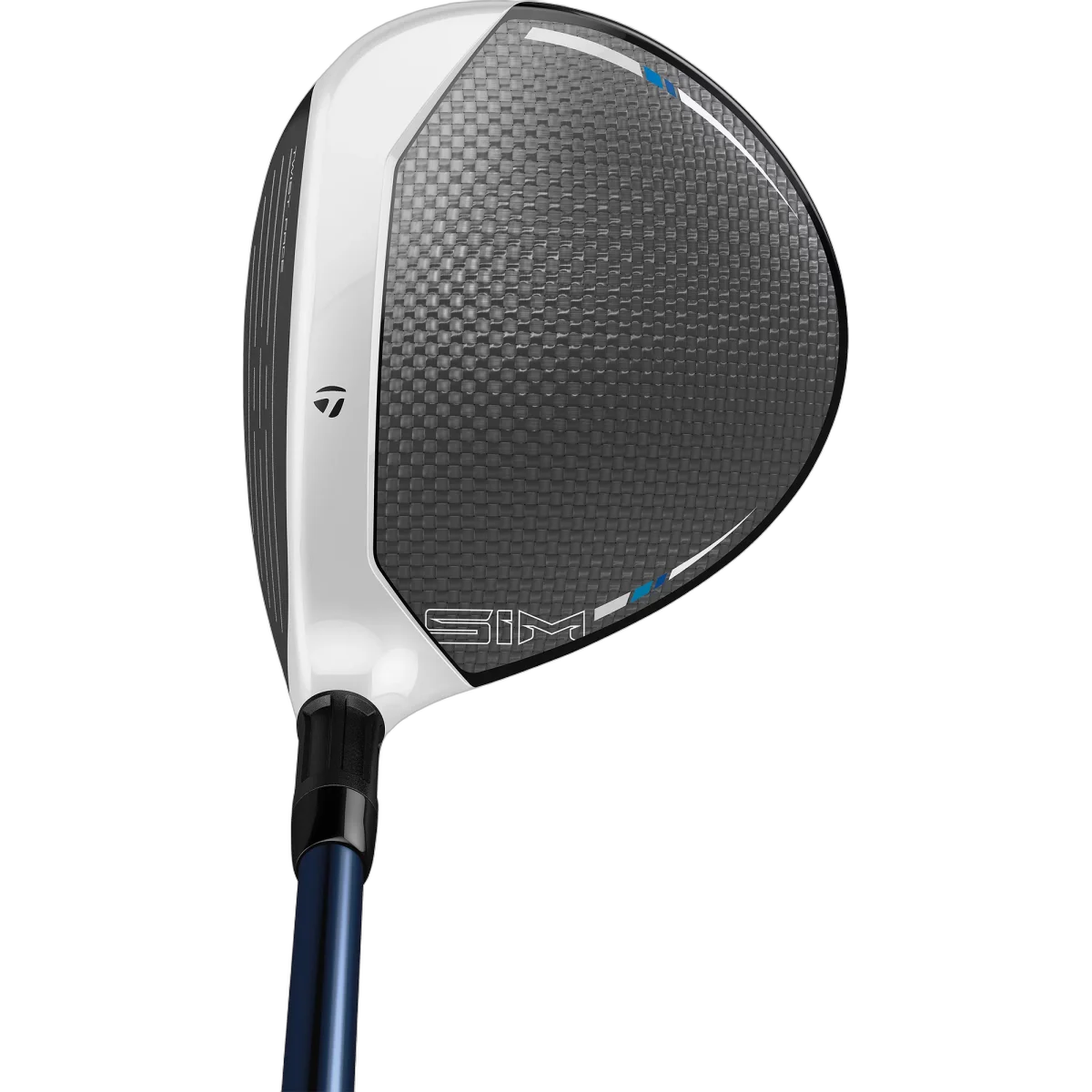
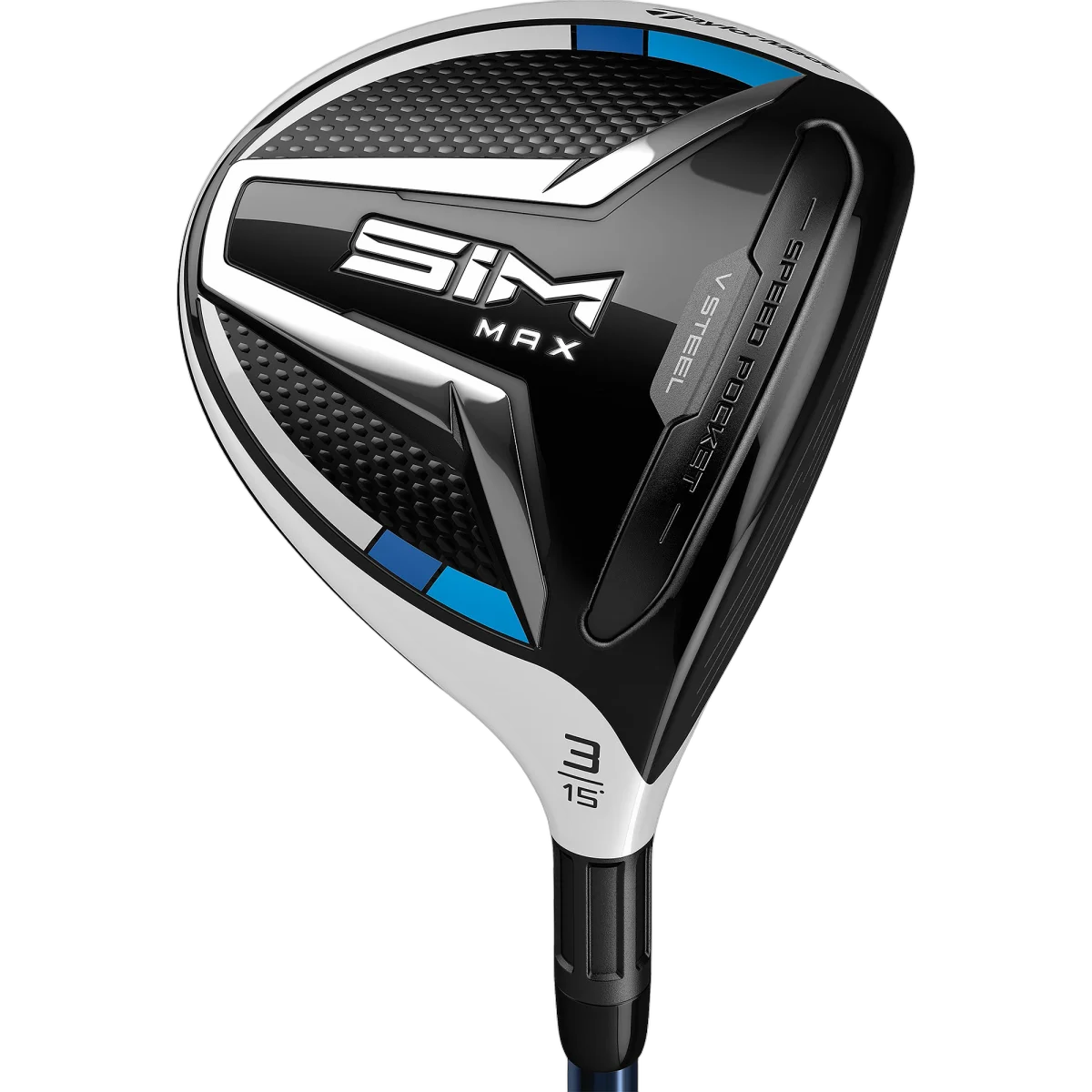
The SIM Max has a noticeably larger footprint at address compared to the standard SIM fairway wood, and that is by design. The head sits wide and shallow behind the ball, which visually communicates stability and forgiveness. The white crown -- a TaylorMade signature carried over from the M-series era -- provides strong contrast against the turf and makes alignment intuitive. Some golfers are divided on the white crown aesthetic, but there is no denying it frames the ball well at address.
Top-down address view showing carbon crown and white trim
The topline is moderate in thickness, not so thin that it looks blade-like, but not chunky either. A subtle alignment feature on the crown guides the eye toward the target. The overall impression is one of accessibility -- this is a fairway wood that looks like it wants to help you, and for the mid-to-high handicapper, that visual confidence matters more than most golfers realize.
Sound & Feel
Impact produces a lively, metallic crack that is characteristic of TaylorMade's steel-bodied fairway woods. It is on the louder side compared to some competitors, with a higher-pitched tone that some golfers will find satisfying and others may consider a touch sharp. Center strikes deliver a solid, energetic sensation through the hands -- there is a feeling of the ball jumping off the face that reinforces the sense of speed.
On mishits, the feedback is fairly transparent without being punishing. You can feel when you have caught one toward the heel or toe, but the club does not twist aggressively in the hands, and the ball still gets moving with reasonable authority. Low-face contact is where you will notice the most drop-off in feel -- thin strikes produce a more muted, clicky response -- but the Twist Face geometry helps keep those shots playable even when the feedback tells you the strike was not ideal.
Performance
Ball Speed & Distance
The SIM Max fairway wood generates impressive ball speed for a game-improvement design. In my testing with the 3-wood (15 degrees), I was seeing carry distances in the 225 to 235 yard range at a moderate swing speed, with occasional pulls into the low 240s when conditions and contact aligned. The large, flexible face does genuine work here -- the speed slot in the sole allows the lower portion of the face to flex more freely at impact, expanding the zone where you get near-maximum ball speed.
Face view showing Twist Face technology and grooves
What impressed me more than the peak numbers was the floor. Even on strikes that felt mediocre, the SIM Max held onto distance reasonably well. The gap between my best and worst swings was tighter than I expected, which is the hallmark of a well-executed game-improvement fairway wood. You are not going to out-distance a tour-level 3-wood on your best swing, but you are going to beat it handily on your worst one.
Launch & Spin
Launch is where the SIM Max earns its name. This club wants to get the ball airborne, and it does so with minimal effort from the golfer. The low-and-back CG placement, combined with the shallow face design, produces a high launch angle that helps maximize carry even for players with slower or more sweeping swings. I measured launch angles consistently in the 14 to 16 degree range with the 3-wood, which is firmly in the high-launch category.
Spin was moderate, sitting in the 3,200 to 3,600 rpm window on centered strikes. That is a good range for a fairway wood aimed at this demographic -- enough spin to keep the ball in the air and land with some stopping power, but not so much that the ball balloons and loses carry. Off the tee, the combination of high launch and moderate spin produces a towering flight that holds its line well in crosswinds, though it does sacrifice some rollout compared to lower-spinning alternatives.
The available lofts -- 15, 18, and 21 degrees for the 3-wood, 5-wood, and 7-wood respectively -- give golfers good options for gapping. The higher-lofted models are particularly easy to launch and serve as excellent alternatives to long irons for golfers who struggle with those clubs.
Dispersion & Shot Shape
Forgiveness is the SIM Max's calling card, and Twist Face plays a central role. On high-toe misses, the corrective face curvature reduces the hook spin that typically results, and on low-heel misses, it counters the slice spin. The practical effect is a tighter overall dispersion pattern than you would get from a fairway wood with a conventional flat face.
Full sole showing SIM Max 3-wood 15 degree loft markings
That said, the SIM Max is not a workability club. The high MOI design resists twisting, which means it also resists intentional shot shaping. If you want to work the ball both ways on demand, this is not the fairway wood for you. But for the target player -- someone who wants to aim at a target and trust that the ball will end up in the general vicinity -- the SIM Max delivers.
Off the deck, the V Steel sole earns its keep. The raised center section reduces the club's tendency to dig into softer turf, and I found the SIM Max noticeably easier to hit off tight lies than some competing fairway woods with flatter sole designs. It is not immune to fat contact, but it is more forgiving of less-than-perfect turf interaction, which matters enormously for golfers who are not confident with fairway woods off the ground.
Verdict
The TaylorMade SIM Max Fairway Wood does exactly what it sets out to do: make the fairway wood category more accessible for golfers who struggle with launch, consistency, and turf interaction. The combination of Twist Face, the low-and-back CG, and the V Steel sole creates a club that launches high, maintains ball speed across a wide area of the face, and slides through the turf without drama.
Strengths: easy to launch with minimal swing effort, forgiving on off-center strikes thanks to Twist Face, consistent distance even on mishits, excellent turf interaction from the V Steel sole, and outstanding value at current market pricing in the $100 to $150 range.
Weaknesses: limited shot-shaping capability for better players, the white crown is polarizing, sound can be a touch sharp for some preferences, and the high launch profile may produce too much spin for faster swing speeds seeking a penetrating flight.
The community sentiment on TaylorMade's SIM-generation fairway woods is generally positive, with golfers noting their reliability and solid all-around performance, though some players gravitate toward competing options from PING for outright forgiveness. That is a fair point -- the G425 and G430 fairway woods are exceptional -- but the SIM Max competes well on value, especially at its current price point.
This is a fairway wood best suited for mid-to-high handicappers and beginners who want a confidence-inspiring club that makes the long game less intimidating. It is also a smart pick for budget-conscious golfers who want modern technology without paying current-generation prices. If easy launch and forgiveness are your priorities, the SIM Max delivers.