TaylorMade Qi35 Max Fairway Wood
TaylorMade — TaylorMade Qi35 Max Fairway Wood · By Andy · Jan 28, 2026
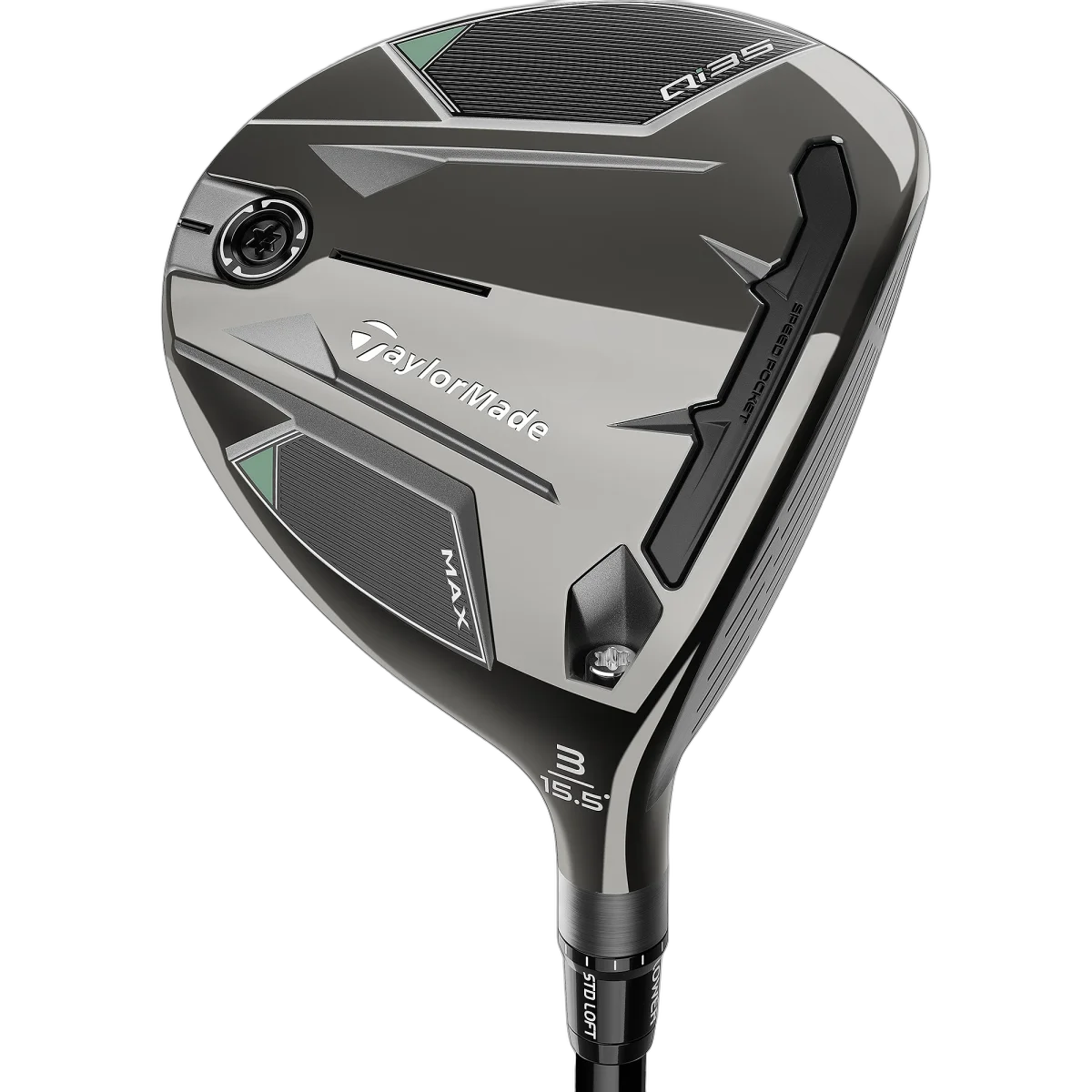
The most accurate fairway wood in the 2025 class trades a bit of raw distance for unmatched forgiveness and a launch profile that practically defies gravity.
The Big Picture
TaylorMade's fairway wood lineup for 2025 revolves around three models: the standard Qi35, the low-spin Qi35 LS, and the Qi35 Max. The Max sits at the forgiveness end of the spectrum, built for golfers who want a fairway wood that gets the ball airborne with minimal effort and keeps mishits from turning into disasters. It is, by every measure I have seen, the most forgiving fairway wood in TaylorMade's current stable -- and arguably the most forgiving on the market right now.
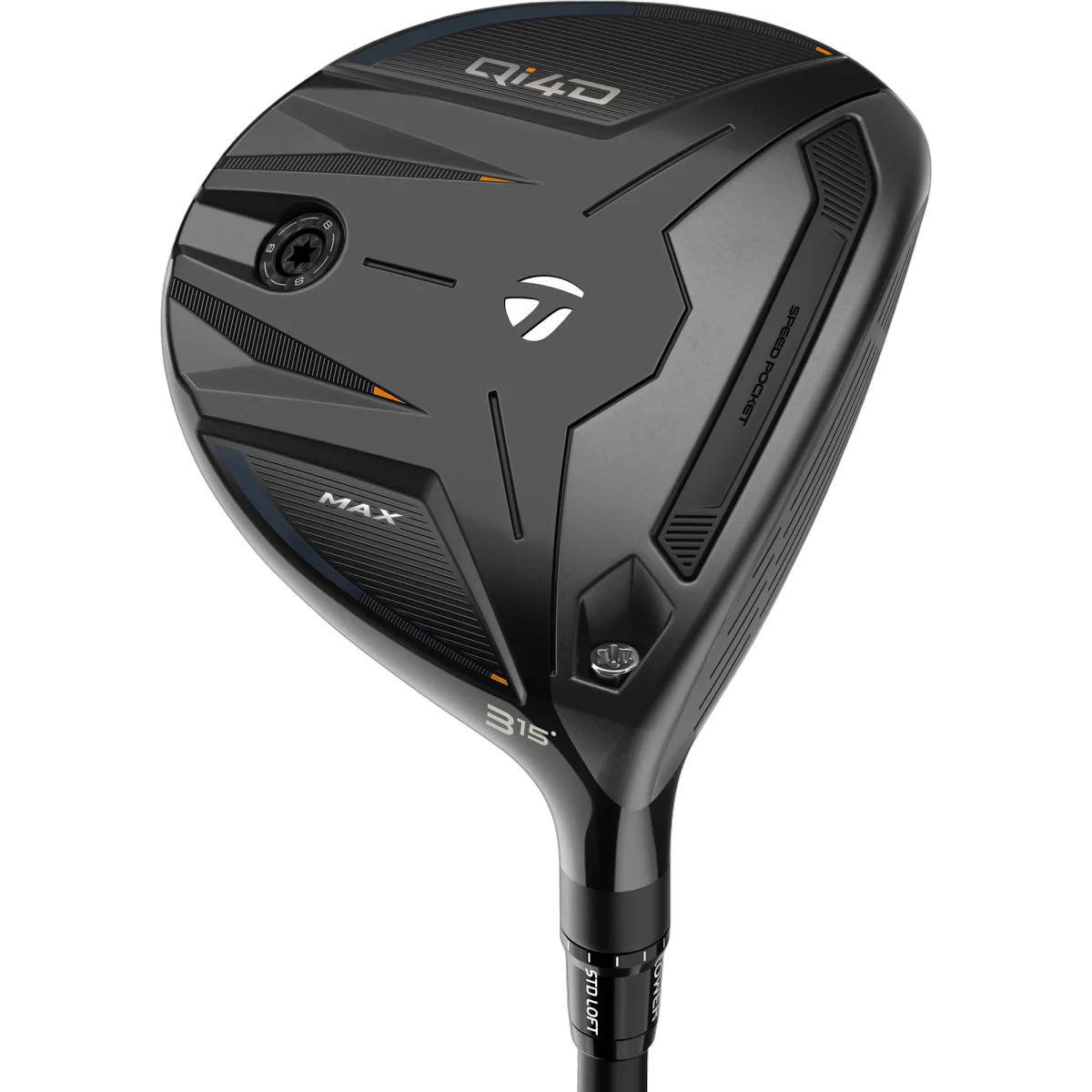
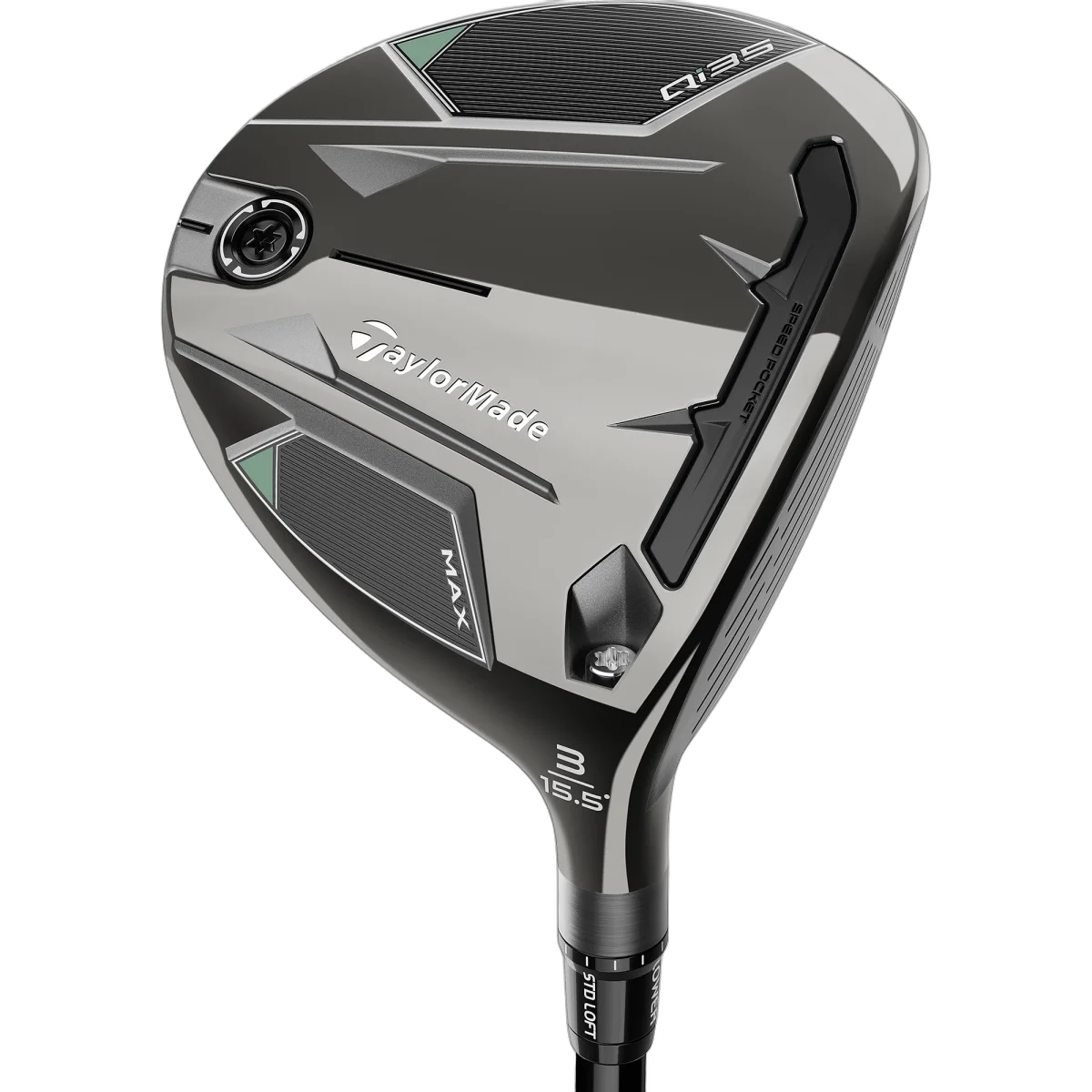
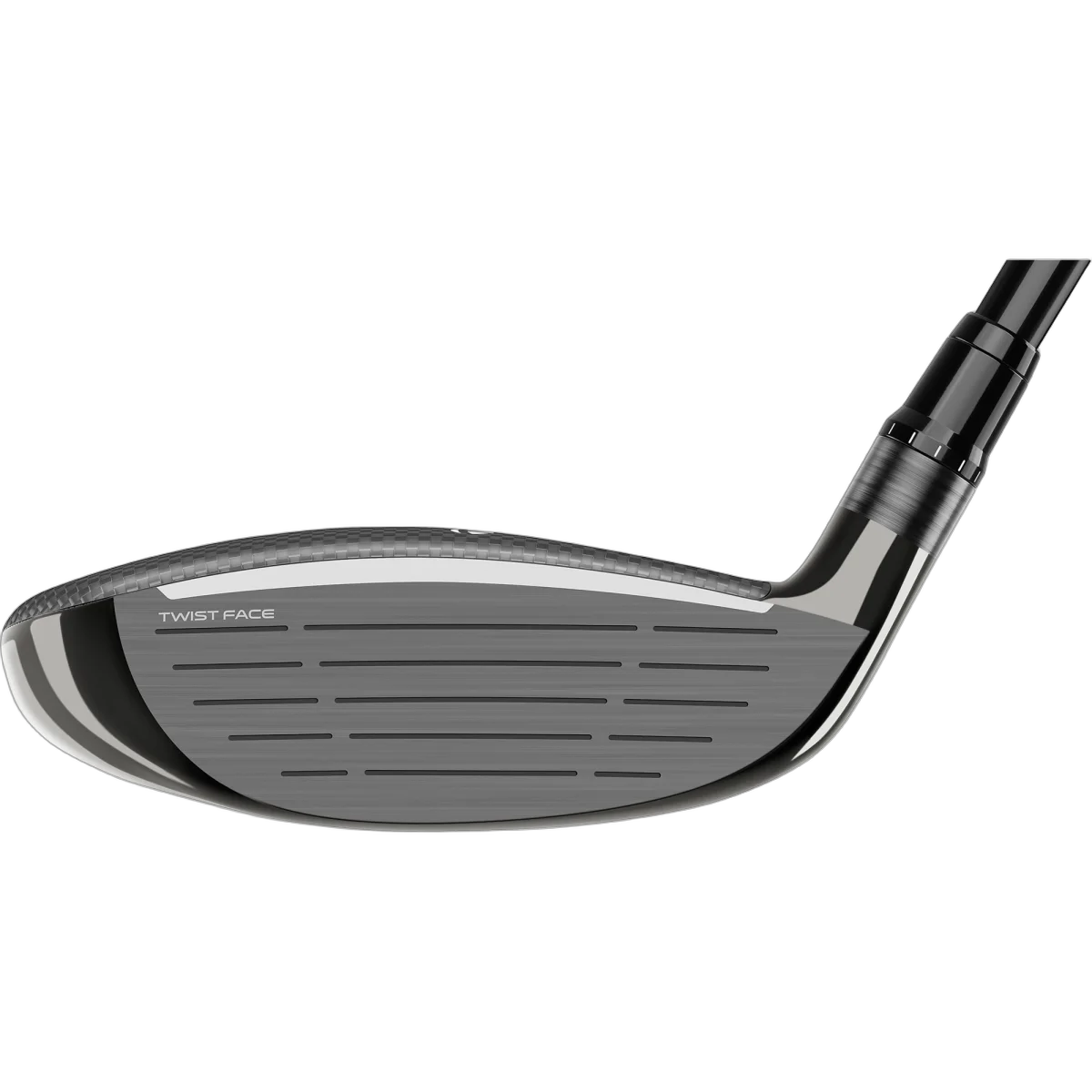
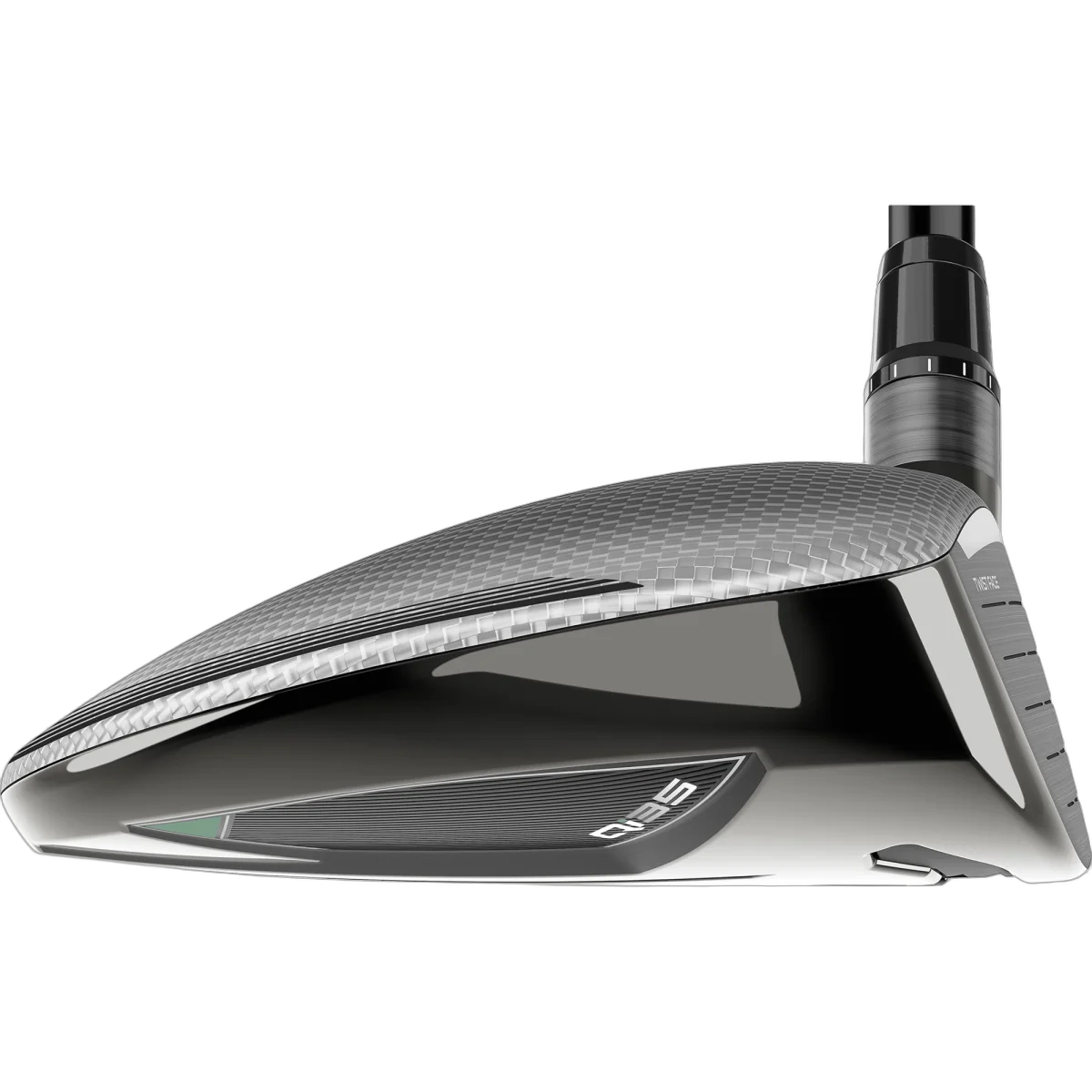
The Qi35 Max packs a 200cc head, noticeably larger than the 170cc footprint of the standard Qi35 and Tour models. That extra volume allows TaylorMade to push the center of gravity lower and deeper, which is the engine behind its high launch and stability characteristics. The technology suite includes Twist Face, which corrects gear effect on off-center strikes by adjusting the face curvature in the high-toe and low-heel areas where most mishits occur. A Thru-Slot Speed Pocket in the sole allows the lower face to flex more freely, preserving ball speed on thin contact. And the Infinity Carbon Crown -- a lightweight carbon structure that extends nearly to the top line -- frees up discretionary mass that gets repositioned low in the head.
One meaningful upgrade over the previous-generation Qi10 Max is the addition of a 4-degree adjustable loft sleeve on the 3-wood and 5-wood. The Qi10 Max had a fixed hosel, which limited fitting flexibility. Each click of the sleeve adjusts loft by roughly half a degree to three-quarters of a degree, with corresponding shifts in face angle and lie angle. It is a welcome change that opens the Max up to a broader range of players. Available lofts include the 3-wood at 15.5 degrees, 5-wood at 18.5 degrees, and higher lofts at 21.5 and 24.5 degrees.
At around $300, the Qi35 Max sits at typical premium fairway wood pricing.
At Address
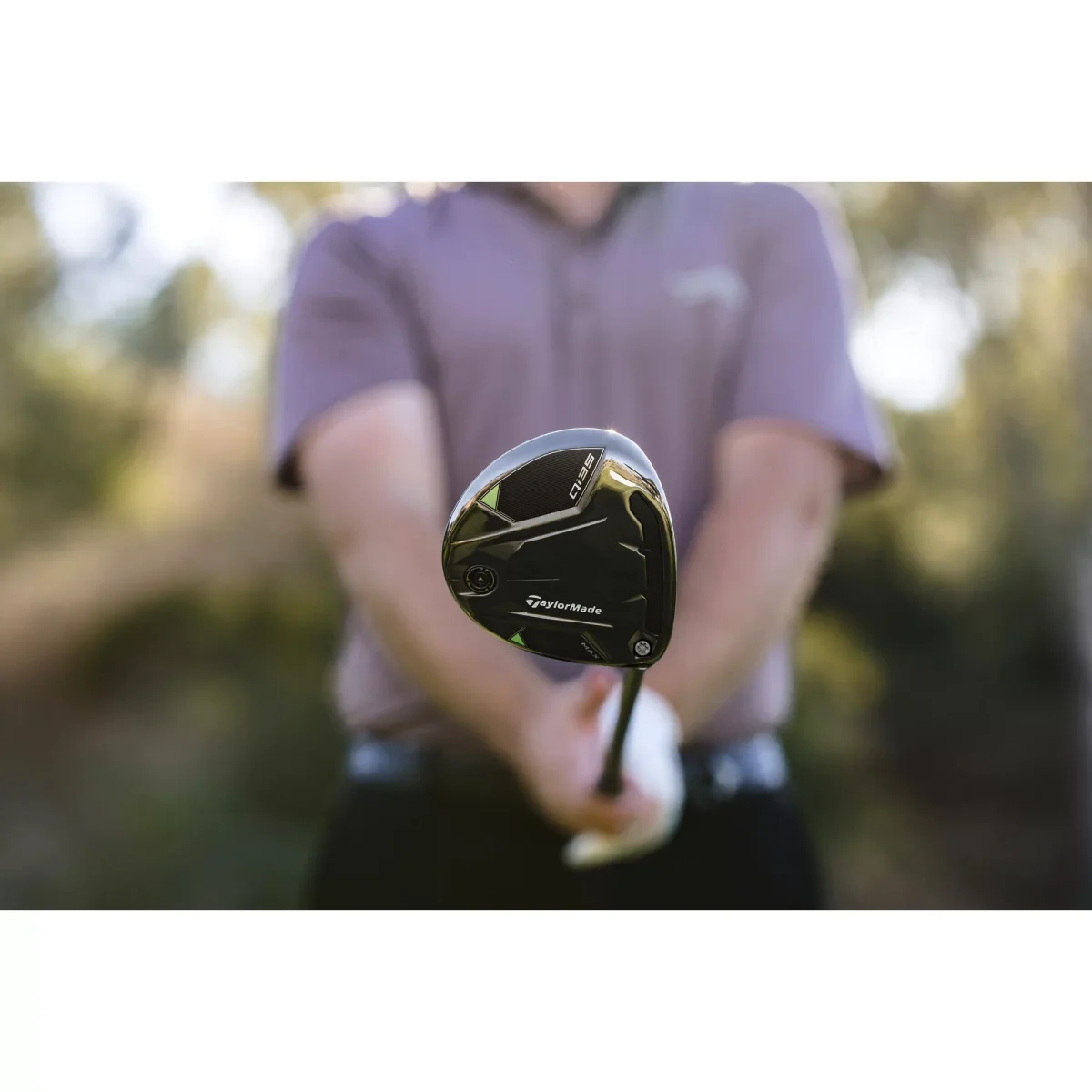
The Qi35 Max looks big behind the ball, and it is big. That 200cc head creates the largest address footprint in the Qi35 family, and there is no pretending otherwise. For the target player -- someone who wants confidence and reassurance at setup -- this is a feature, not a flaw. The oversized profile makes it easy to envision the ball launching off the center of the face, and that psychological boost matters more than most golfers realize.
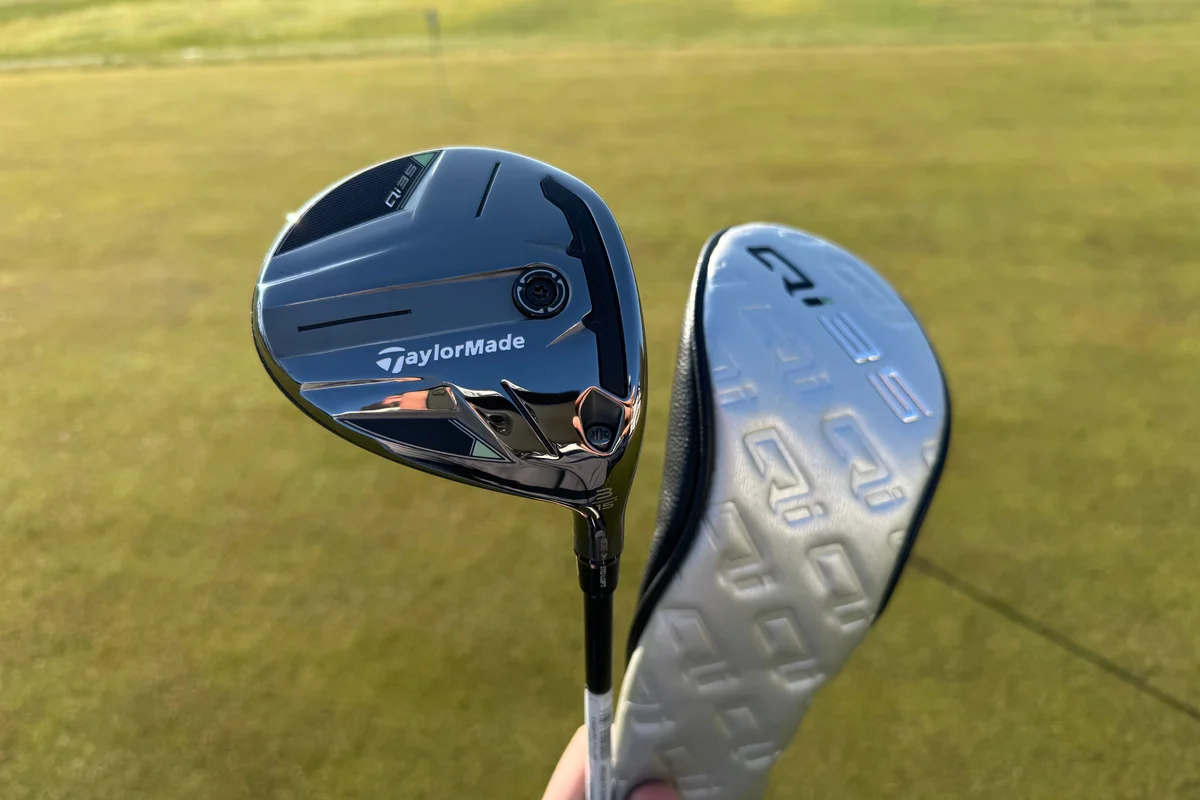
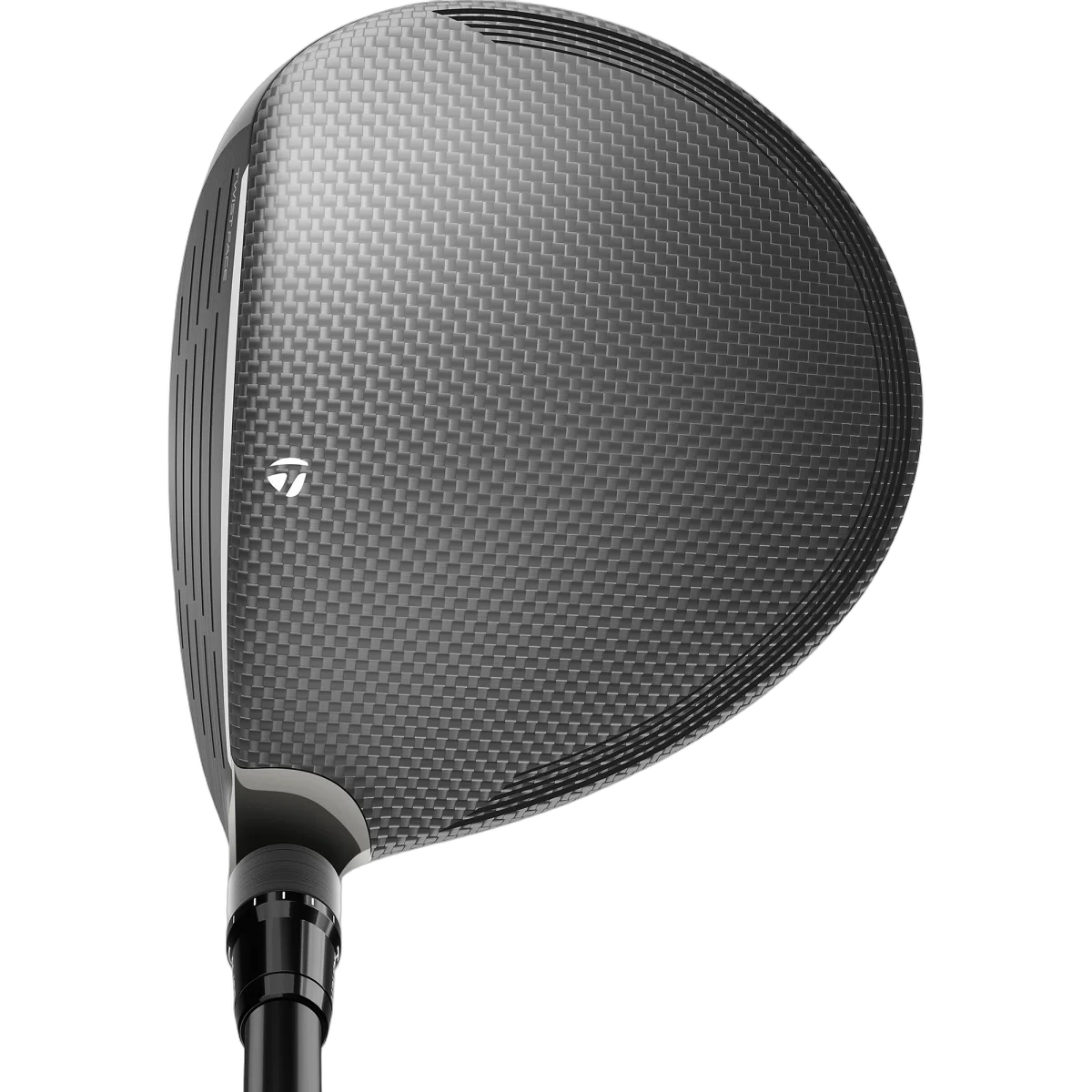
Qi35 Max fairway crown top-down view with carbon fiber
The matte grey carbon fiber crown is a departure from the gloss black finish of the Qi10 generation. The chromium carbon finish maps across the entire crown before transitioning into a gloss metal on the sole, and honestly, it is a polarizing look. I found it clean and modern, but I have heard plenty of golfers say TaylorMade went in the wrong direction aesthetically. The classic "T" alignment aid sits centered on the crown and does its job without being overly prominent. One thing to note: in the neutral hosel setting, the face sits very slightly closed, which is consistent with the club's mild draw bias.
Better players who prefer a compact, workable look will want to move to the standard Qi35 or the Tour model. But if you are the kind of golfer who wants your fairway wood to look like it simply cannot miss, the Max delivers that feeling at address.
Sound & Feel
Impact produces a lively, springy sensation -- almost a "sproing" quality that is distinctive and unlike most fairway woods I have hit. It is not the deep, muted thud you get from some competitors, nor the sharp metallic crack of a thin-faced speed machine. It sits somewhere in between: bouncy, energetic, and immediate. The ball genuinely feels like it is jumping off the face, which is satisfying in its own right.
That said, the feel is a touch less solid than the standard Qi35. The larger head and lighter crown construction contribute to a slightly more hollow sensation on center strikes. It is not unpleasant by any means, and most mid-to-high handicap players will not notice or care about the difference. But if you are coming from a more compact fairway wood and you are particular about impact feedback, the Max will feel different. Off-center hits are well-dampened -- you can tell you missed the middle, but the club does not punish you with jarring vibration.
Performance
Ball Speed & Distance
Let me be direct: the Qi35 Max is not the longest fairway wood in the 2025 class, and it does not pretend to be. In testing, I saw carry distances that trailed the standard Qi35 by roughly 8 to 10 yards on average, which is the predictable tradeoff for the higher spin rates and greater forgiveness the Max is engineered to deliver. The standard Qi35 averaged around 255 yards of carry in controlled testing conditions with ball speeds near 156 mph. The Max, with its half-degree more loft and deeper CG, sat closer to 246 yards of carry with approximately 400 rpm more spin.
Qi35 Max fairway Twist Face with grooves on white background
Where the Max closes the gap is on mishits. Ball speed loss on moderate heel and toe strikes ran in the 5 to 10 mph range, which is minimal for a fairway wood. The Thru-Slot Speed Pocket does real work here, keeping thin strikes viable rather than catastrophic. For golfers who do not consistently find the center of the face -- and that includes the vast majority of recreational players -- the effective distance difference between the Max and a longer but less forgiving alternative shrinks considerably over the course of a round.
Launch & Spin
This is the defining characteristic of the Qi35 Max. It launches the ball high, and it does so with almost comical ease. The combination of the low-and-deep CG, the 200cc head volume, and the loft profile creates a fairway wood that gets virtually every shot airborne, regardless of swing speed or angle of attack. For slower swing speed players who struggle to elevate fairway woods off the deck, this club is genuinely transformative.
The spin profile runs on the higher side -- roughly 400 rpm above the standard Qi35 model, which already sits in a moderate spin window. For players with swing speeds under 95 mph, that extra spin is helpful: it keeps the ball in the air longer and produces a steeper landing angle for better stopping power on approach shots. For faster swingers, particularly those above 105 mph, the spin can become a liability. I found that in windy conditions, the high launch and elevated spin made trajectory control more challenging than I would have liked. The ball wanted to climb and stay up, which is great in calm conditions but less ideal when you need to keep the flight down.
The adjustable hosel provides some ability to manage trajectory, but it operates within the club's fundamental character. You can dial back the loft a couple of degrees to flatten things out, but the Qi35 Max is always going to be a high-launching club. That is its identity.
Dispersion & Shot Shape
Accuracy is where the Qi35 Max genuinely earns its keep. In independent testing across the 2025 fairway wood field, the Qi35 Max ranked as the single most accurate fairway wood tested, with a dispersion pattern that was tighter than clubs costing the same or more. It also ranked third in overall forgiveness. Shots stayed remarkably close to the intended target line, even on imperfect contact.
Qi35 Max fairway sole showing weight port and 15.5 loft
The club carries a moderate draw bias, which is worth understanding before you buy. For players who fight a slice, this is a built-in correction that can take a few yards of right miss off the table. But for players who already draw the ball naturally, the bias can produce hooks -- particularly with the higher spin rates amplifying any draw-side tendency. This was the most common complaint I encountered with the Max, and it is a legitimate concern for certain player profiles. The adjustable hosel can open the face slightly to mitigate the draw, but it cannot fully neutralize it.
Workability in the traditional sense is limited. The high MOI that makes this club so forgiving also resists intentional shot shaping. If you need to work the ball both ways on command, the standard Qi35 or the LS model will serve you better.
Verdict
The TaylorMade Qi35 Max Fairway Wood is a club built with clear priorities: forgiveness first, launch ease second, distance third. It executes on those priorities exceptionally well. The accuracy numbers are best-in-class, the launch characteristics border on effortless, and the mishit performance is outstanding. For the mid-to-high handicap player who wants a fairway wood they can trust from the deck and the tee without worrying about catching it thin or off-center, the Qi35 Max is one of the best options available.
The tradeoffs are real, though. It sacrifices distance compared to less forgiving alternatives, the draw bias can be too much for players who already favor a right-to-left ball flight, and the higher spin rates can make trajectory control difficult for faster swingers in windy conditions. The aesthetics are divisive, and the feel lacks the solidity of the standard model.
This is a club for golfers who value consistency and playability over peak performance on their best swings. If that describes your game -- and statistically, it describes most golfers -- the Qi35 Max is an excellent fairway wood that does exactly what it promises.