TaylorMade Qi10 Fairway Wood
TaylorMade — TaylorMade Qi10 Fairway Wood · By Lauryl · Dec 10, 2025
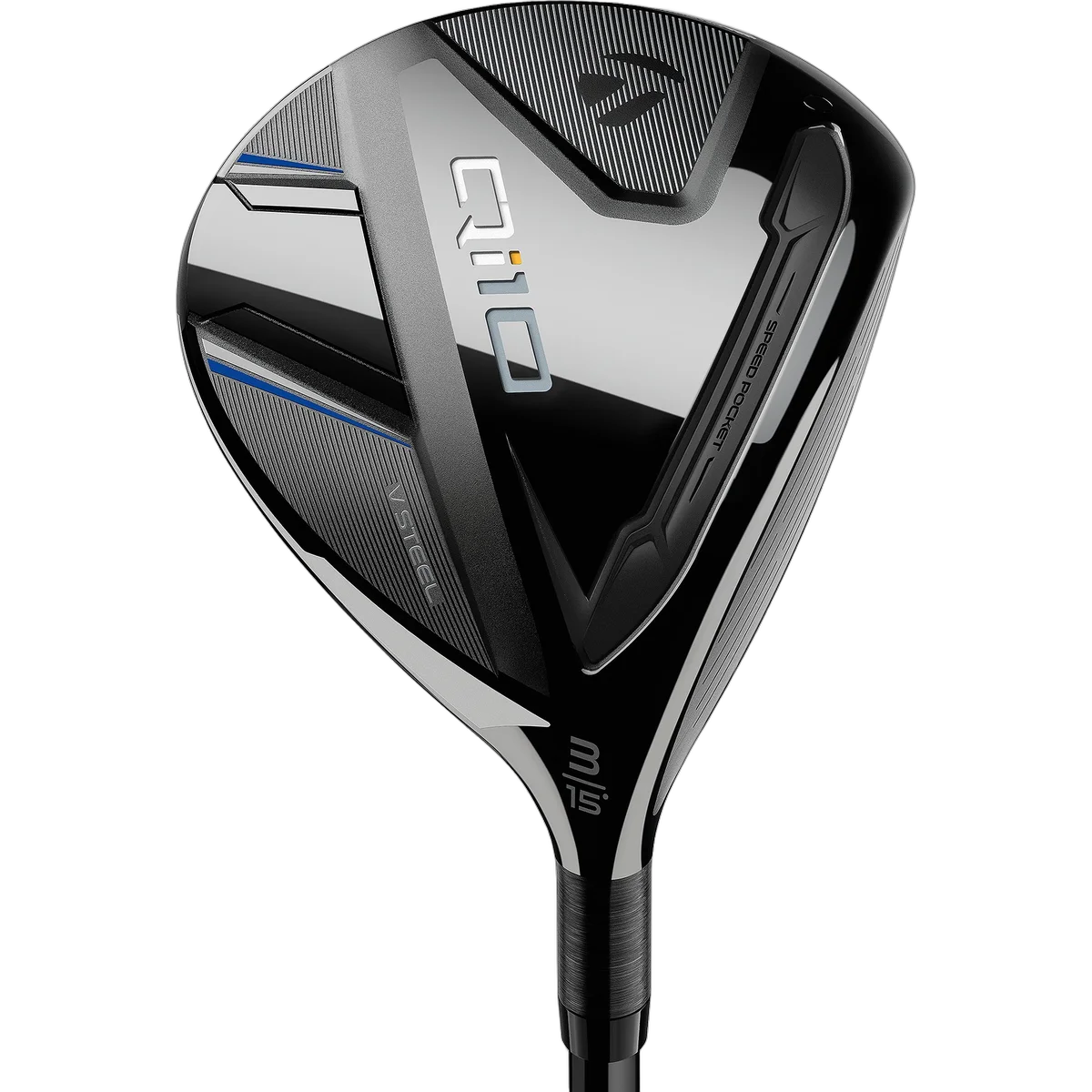
A distance-first fairway wood that rewards good swings and punishes lazy ones -- now available at a compelling price point as the Qi35 takes over the spotlight.
The Big Picture
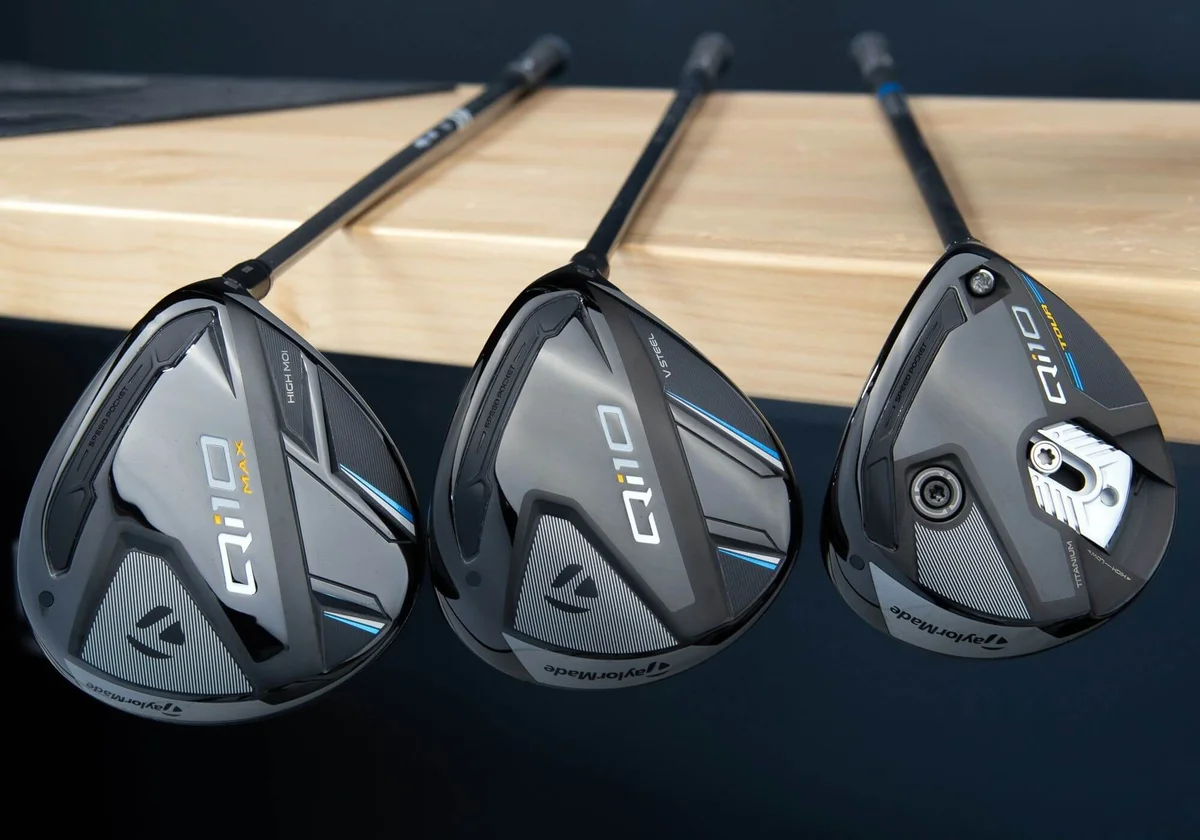
The Qi10 fairway wood sits at the center of TaylorMade's 2024 fairway lineup, slotted between the high-MOI Qi10 Max and the low-spinning Qi10 Tour. It is the standard bearer -- designed to blend distance, forgiveness, and versatility into a single head without leaning too hard in any one direction.
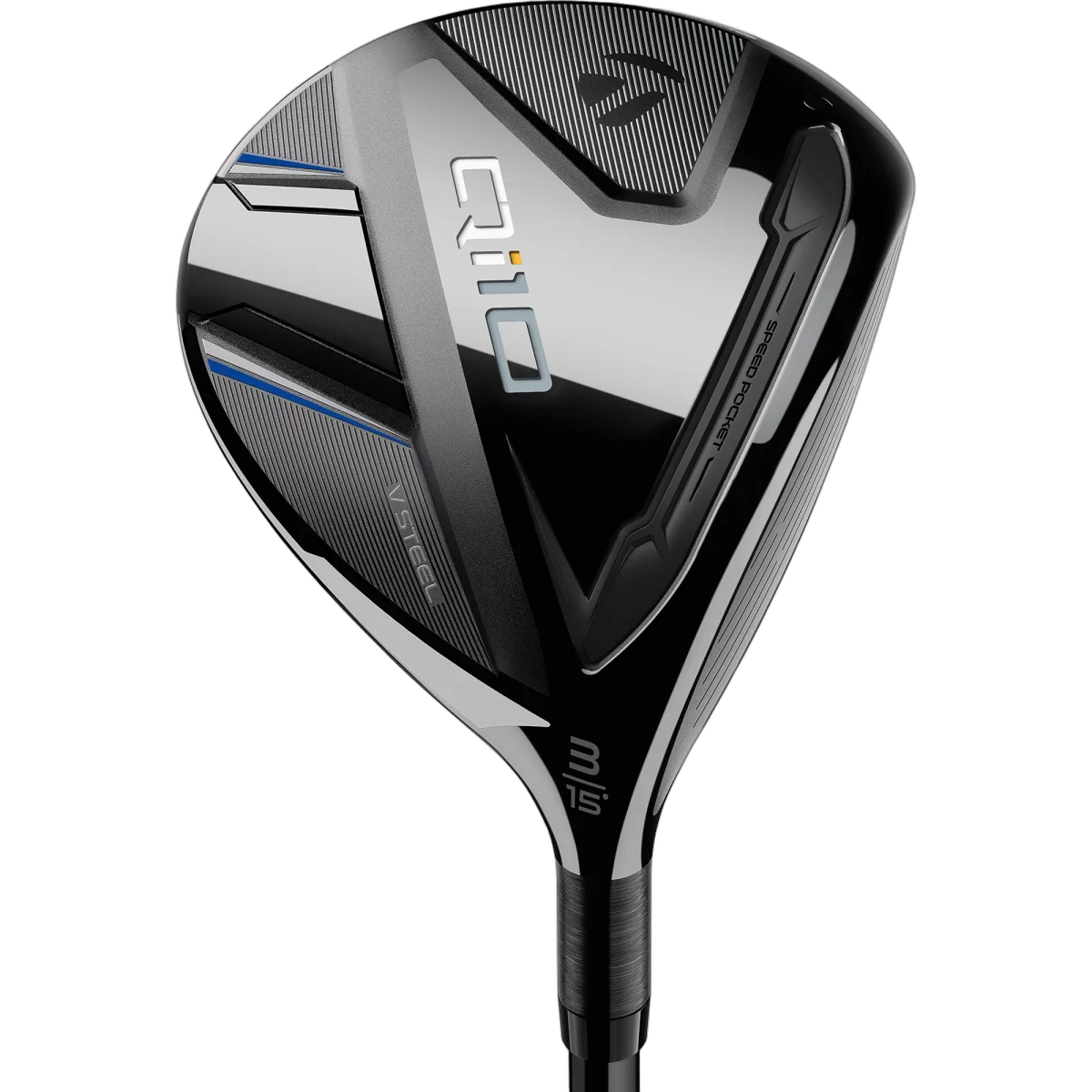
The technology package is familiar TaylorMade territory but well-executed. The headline feature is the Infinity Carbon Crown, which extends carbon fiber all the way to the leading edge of the face. That freed up significant mass for redistribution: 42 grams sit low and close behind the face for ball speed, while an additional 15 grams are positioned at the back of the head for stability. TwistFace -- TaylorMade's corrective face curvature that adjusts for common heel-low and toe-high mishit patterns -- is 5% larger than it was on the Stealth 2. Add in the Thru-Slot Speed Pocket for protecting ball speed on thin strikes and V Steel for cleaner turf interaction, and you have a fairway wood built on a decade of iterative refinement.
Available in five loft options (15, 16.5, 18, 21, and 24 degrees), the Qi10 covers everything from a traditional 3-wood down to a 9-wood. The 3-wood head measures 195cc and the 5-wood comes in at 175cc. Originally priced at $349.99, the Qi10 can now be found around $270 as the newer Qi35 generation takes its place -- a significant value proposition for what is still a top-tier fairway wood.
At Address
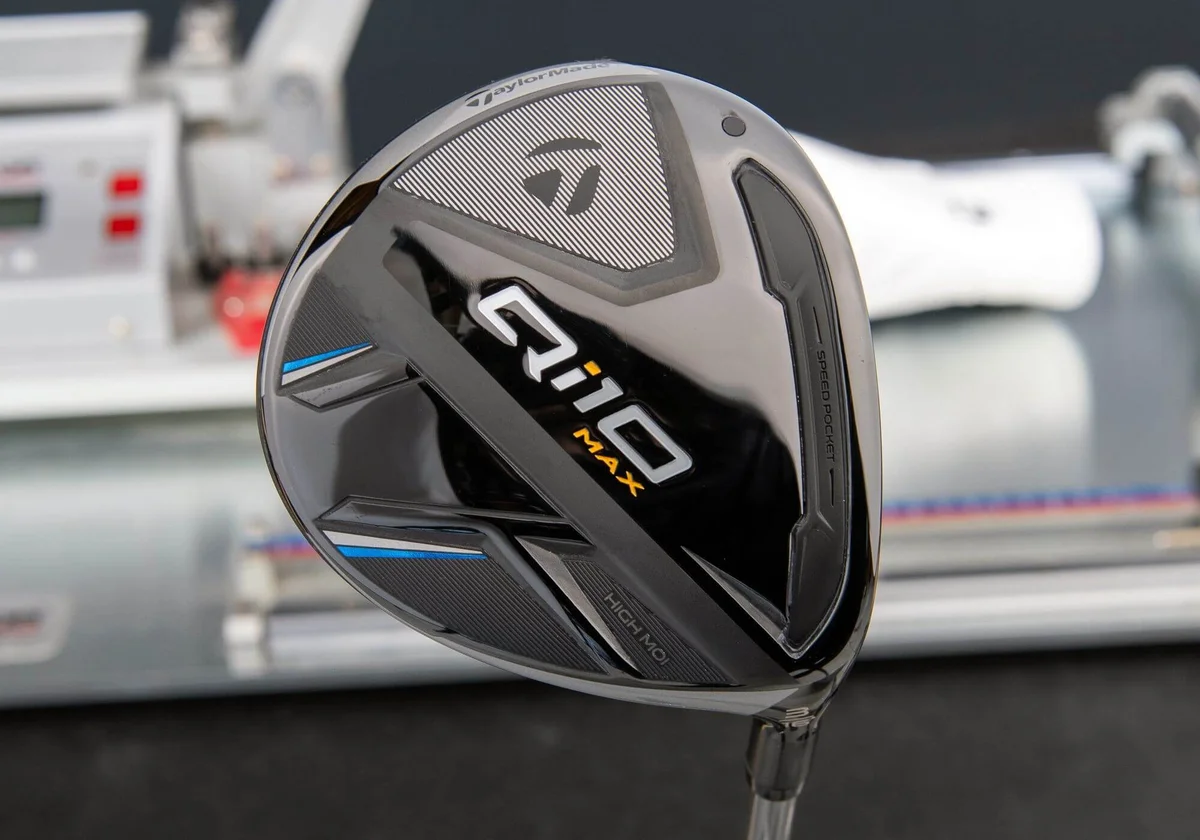
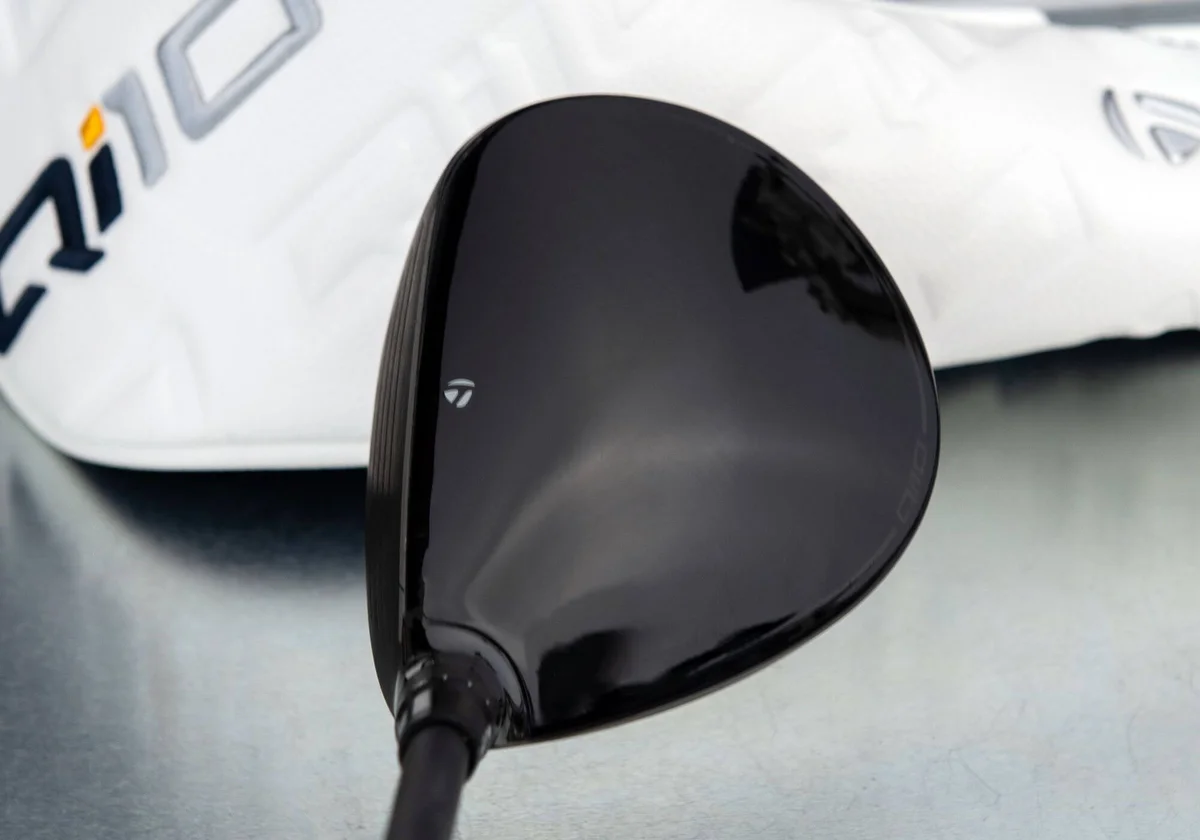
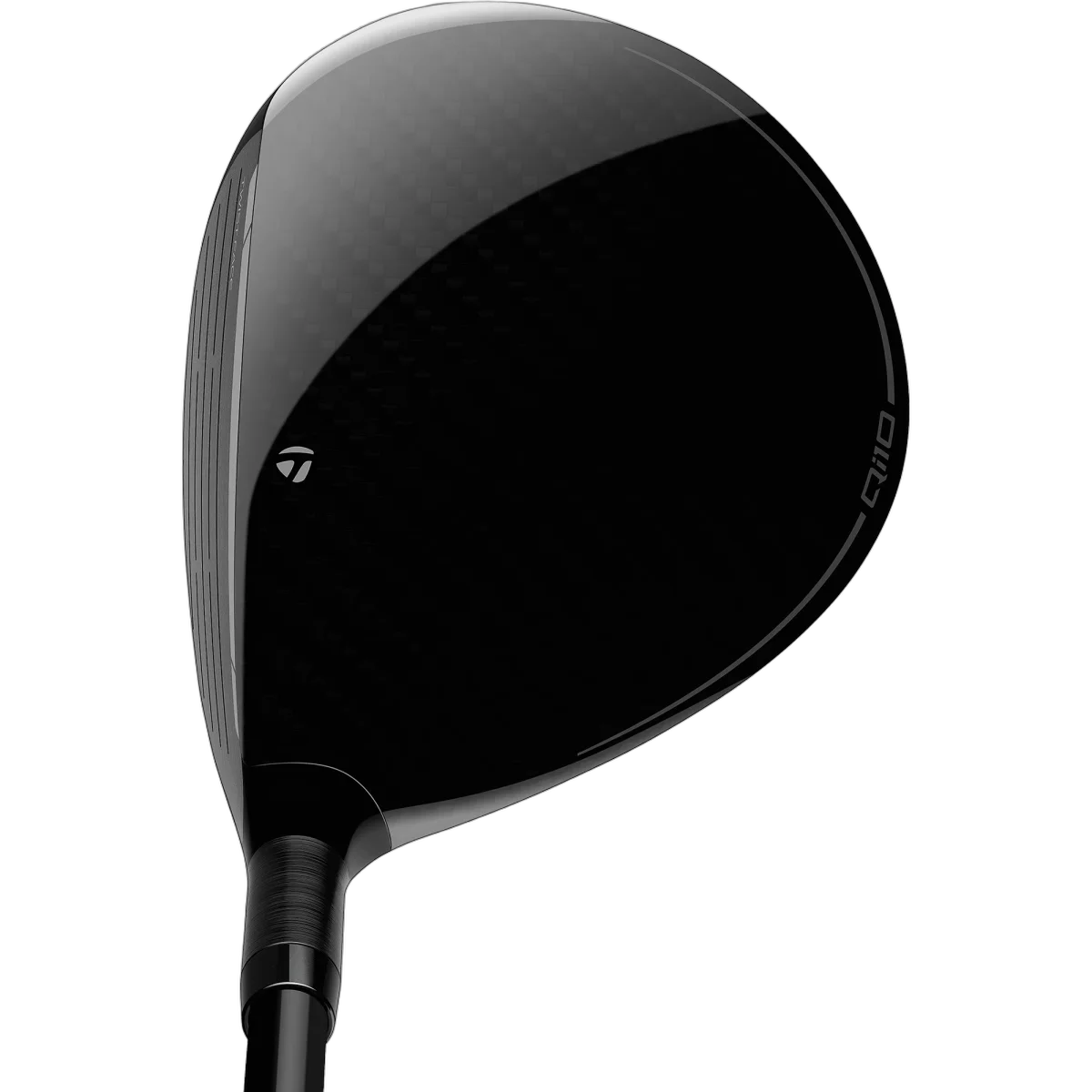
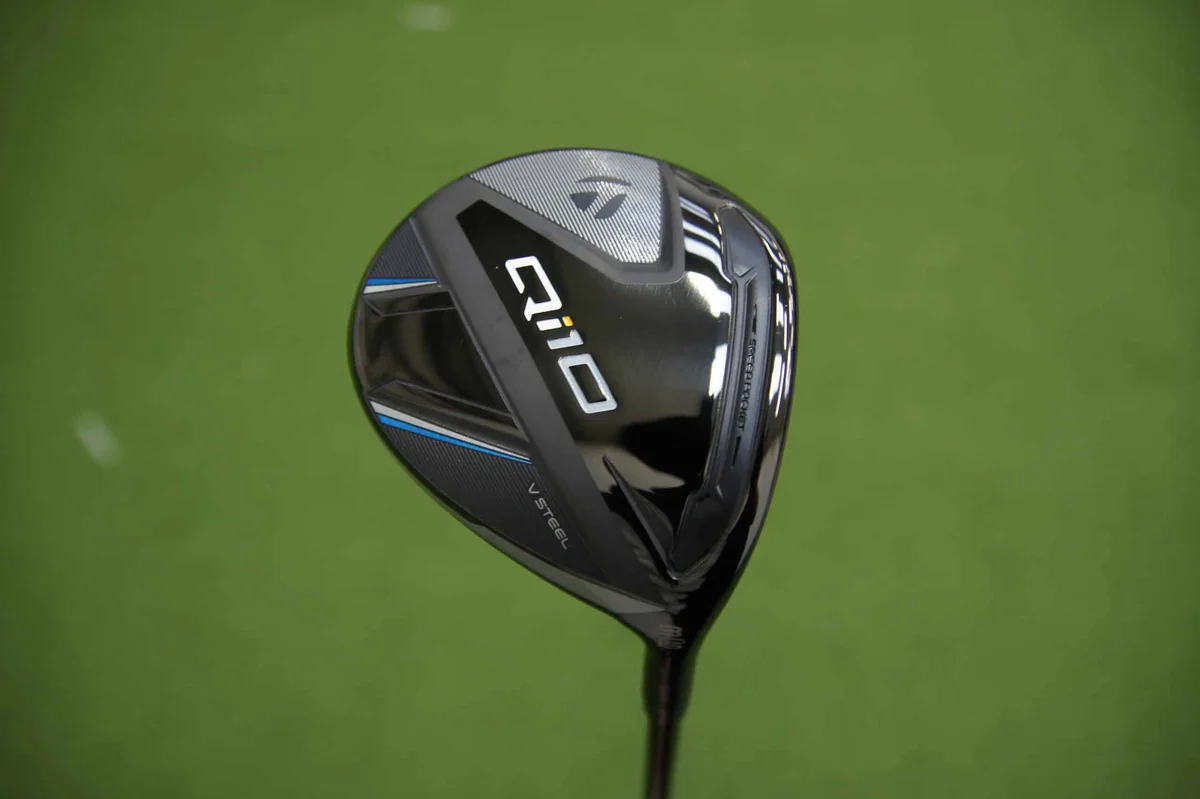
The Qi10 presents a clean, modern look behind the ball, though it will not be universally loved. The Infinity Carbon Crown creates a seamless transition from crown to face with no visible line where materials meet, and the overall profile is sleek. The sole is almost entirely black and grey, with the "Qi" branding in white and small slashes of blue highlighting the V Steel -- restrained by TaylorMade standards.
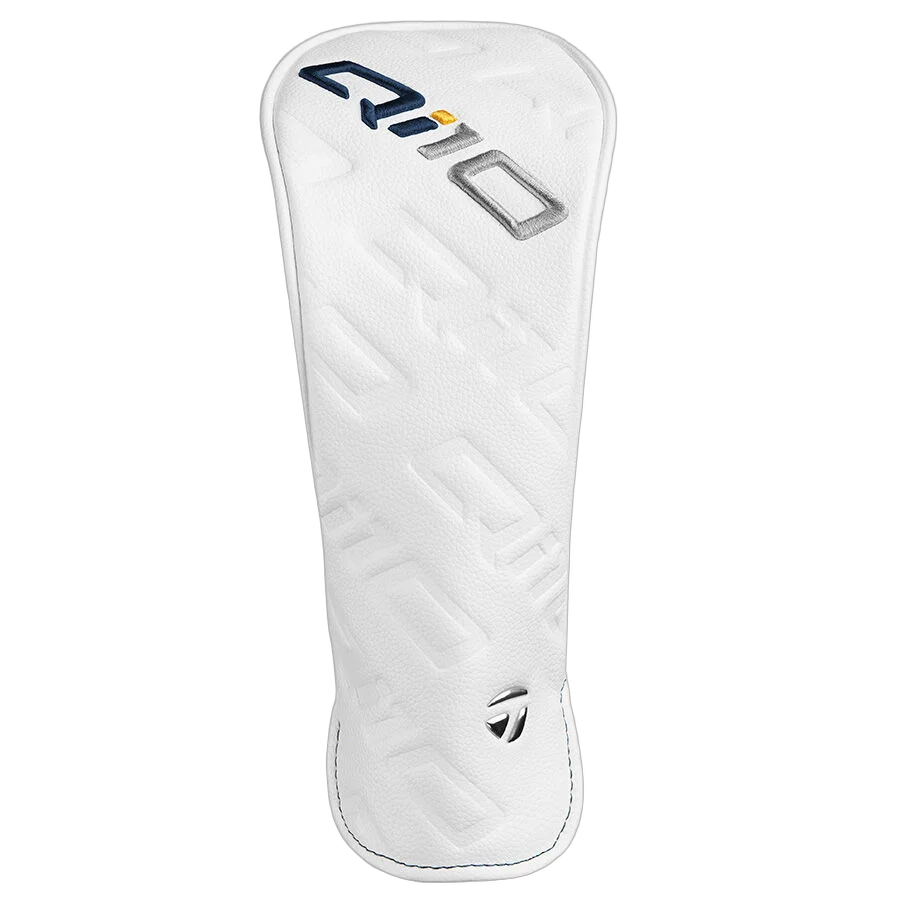
Top-down address view of Qi10 crown with headcover in background
Where opinions will divide is the head shape. The Qi10 sits a touch tall at address, which did not bother me personally but I can see how golfers who prefer a flatter, more compact profile might find it less confidence-inspiring. It also sits very slightly closed, which helps players who tend to leave the face open but could feel odd to someone who prefers a perfectly square look. The laser-etched topline alignment aid is subtle and effective for lining up to the target.
Overall, it is a good-looking fairway wood that prioritizes clean sightlines over flashy aesthetics. It is not as compact as the Tour model or as oversized as the Max -- it occupies sensible middle ground.
Sound & Feel
Impact sound on the Qi10 is quick and snappy -- a short, sharp crack that feels efficient rather than booming. It is consistent across the face, which I appreciated, though center strikes carry a bit more pop and a slightly richer tone that lets you know you caught it flush. This is not a fairway wood that will turn heads on the range for its acoustics, but it gets the job done without any unpleasant frequencies.
Feel is where things get interesting. Center strikes are solid and lively, with a sensation of the ball jumping off the face. The Thru-Slot Speed Pocket does its work on thin contacts, and while you can definitely feel the difference between a pure strike and one caught low, the feedback is informational rather than jarring. Heel and toe mishits register clearly in the hands but without excessive vibration.
One note: several golfers I have spoken with found the Qi10 heavier through the swing than they expected. At a D3 swing weight with the stock Fujikura Speeder NX shaft, it does carry more heft than some competitors. If you have a smooth, easy tempo, that weight can work for you. If you tend to rush the transition, it may feel sluggish.
Performance
Ball Speed & Distance
This is the Qi10's headline act. In my testing with the 3-wood, I averaged around 255 yards of carry with a total distance pushing 270. Those numbers put it among the longest fairway woods I have hit. In broader comparative testing against two dozen models from the same generation, the Qi10 posted the fastest ball speed and longest carry distance -- finishing 2 yards ahead of the nearest competitor and a full 11 yards beyond the field average. That is a meaningful gap.
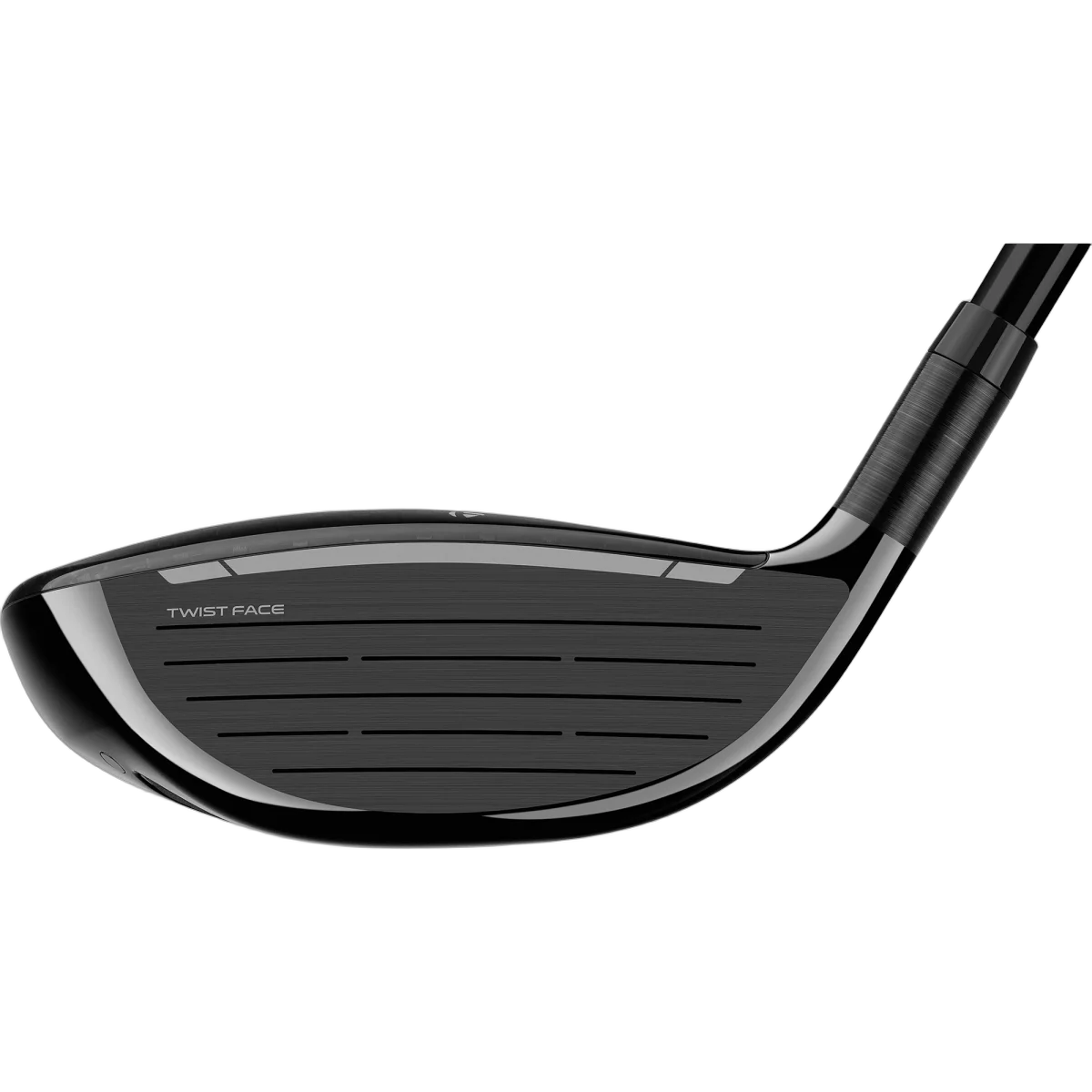
Close-up of Twist Face clubface showing grooves and hosel
The combination of the large TwistFace, low CG placement, and the Speed Pocket creates a face that produces impressive ball speed even when contact is not perfect. My thin strikes still carried in the 240-yard range, which is only about 15 yards off my center-face numbers. For a fairway wood, that kind of mishit retention is excellent. Spin rates hovered around 3,000 to 3,300 rpm on well-struck shots -- low enough to maximize carry without ballooning.
Launch & Spin
The Qi10 launches into a mid trajectory with a spin profile that leans toward the low side of the spectrum. My average launch angle sat around 12 degrees with the 15-degree 3-wood, producing a penetrating flight that carried well and landed with enough angle to hold a green but shallow enough to generate useful rollout on firm fairways.
The low CG created by the carbon crown's weight savings makes this fairway wood reasonably easy to launch off the turf, though I will be honest -- it is not the easiest club to hit off the deck. Players who struggle with fairway woods from the ground may find the Qi10 Max more accommodating, with its higher launch bias and additional forgiveness. Off a tee, the Qi10 is effortless and produces a strong, boring flight that cuts through wind effectively.
The stock Fujikura Speeder NX shaft is a solid pairing -- it promotes a mid-high launch without adding excessive spin, and it has enough stability for swing speeds up to around 100 mph. Faster swingers may want to explore stiffer aftermarket options to keep the flight under control.
Dispersion & Shot Shape
The Qi10 performed well in terms of accuracy, finishing near the top of the class in comparative testing -- 4th for accuracy among a field of 24 fairway woods. Its shot area was nearly 55% smaller than the test average, which tells you that this club keeps its misses relatively tight. Toe-side mishits in particular stayed close to the intended line, thanks in part to the enlarged TwistFace geometry.
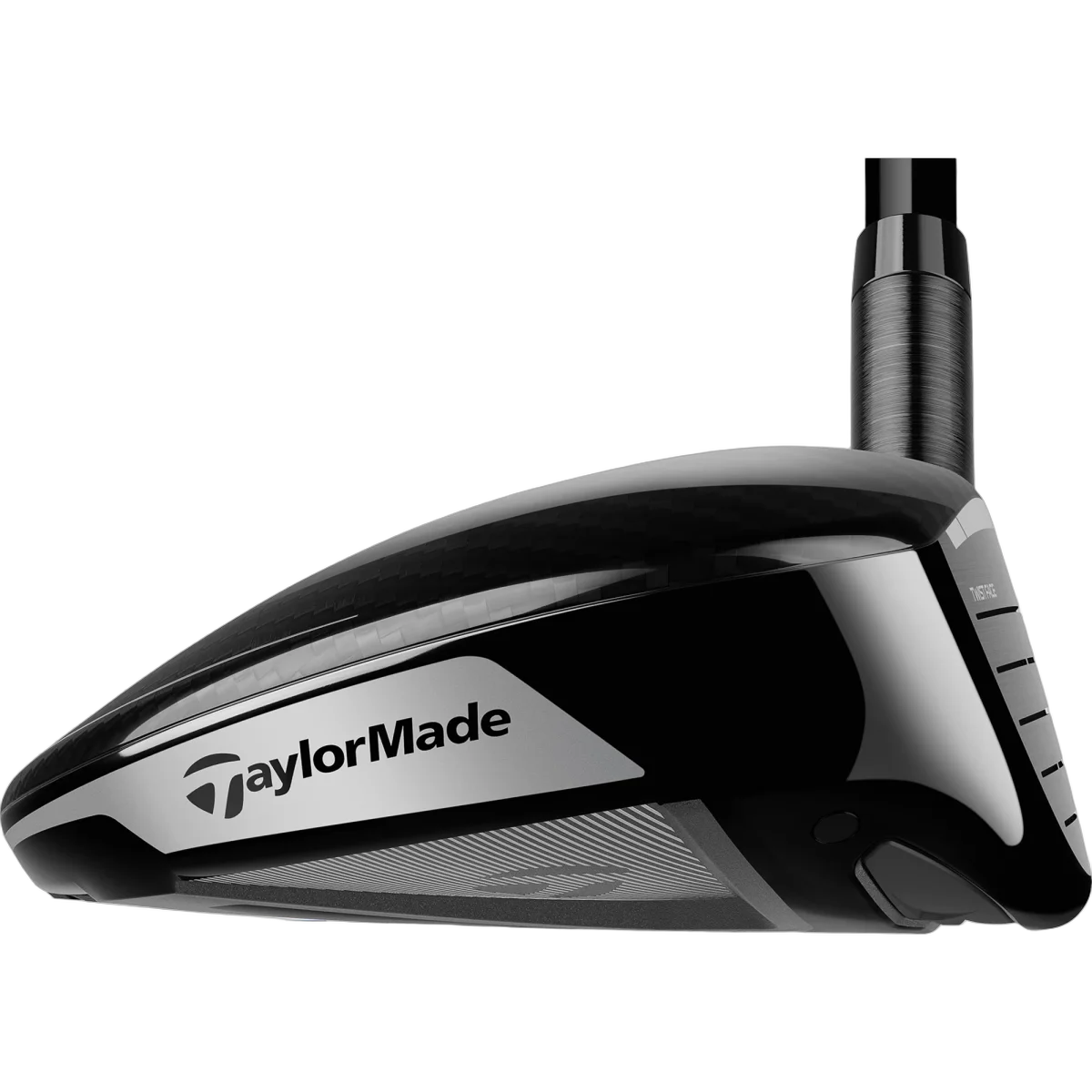
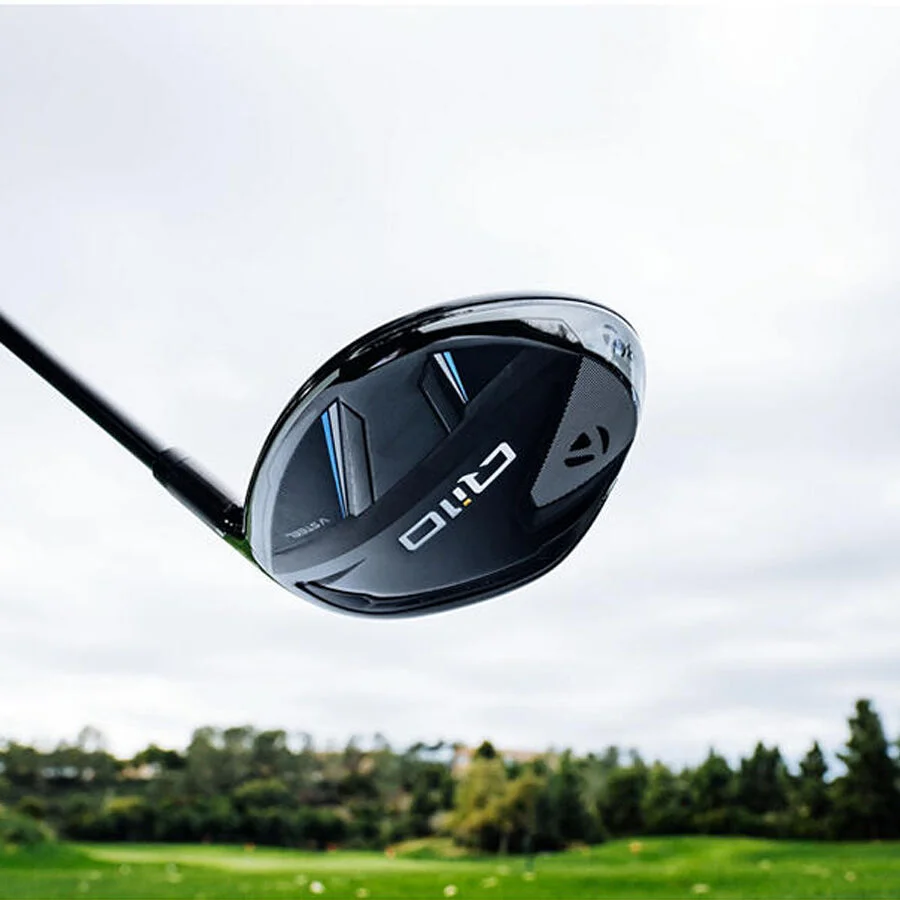
Sole view showing Qi10 branding, V Steel, and 3-wood 15 degree loft
The carry distance drop-off on mishits was the second smallest in that same field -- about 44% less drop-off than average. That combination of tight dispersion and consistent distance is what separates a good fairway wood from a great one, and the Qi10 delivers on both fronts.
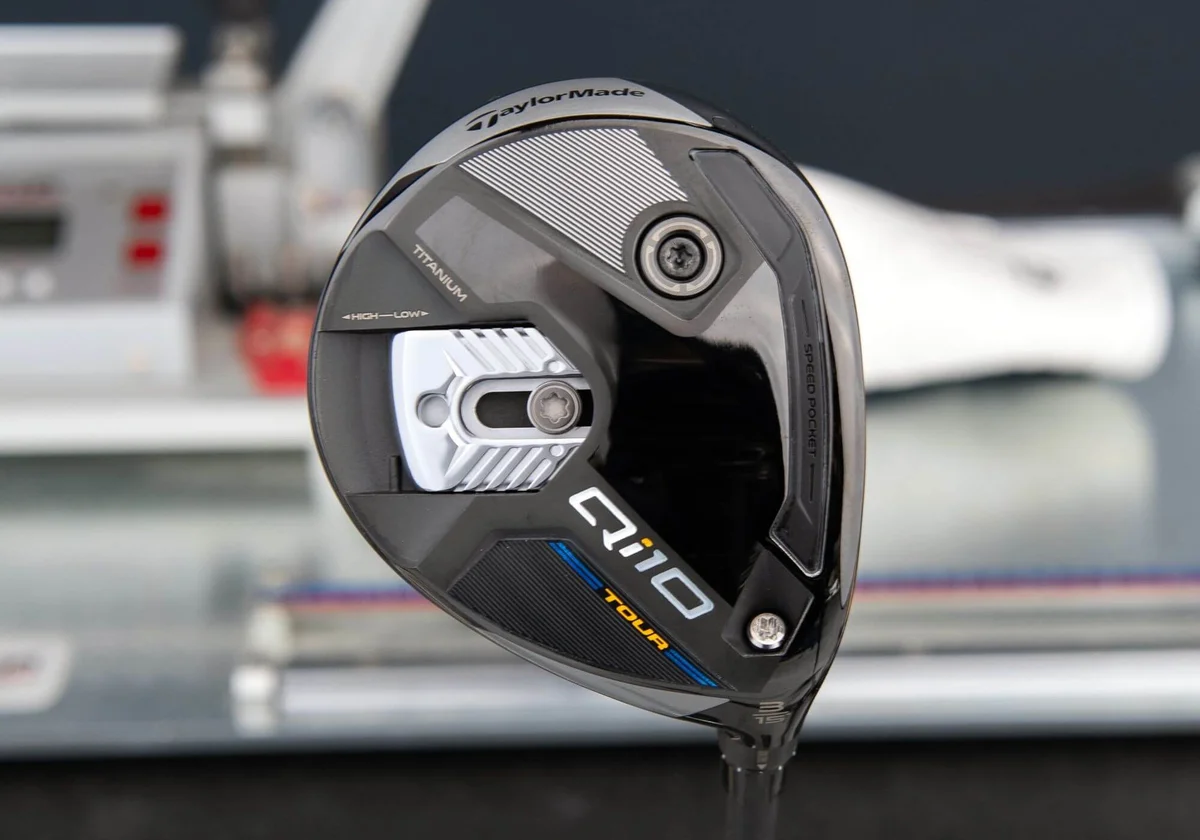
That said, this is not an adjustable fairway wood. Unlike the Qi10 Tour, which offers a loft sleeve with plus or minus 2 degrees of adjustability, the standard Qi10 has a fixed hosel. You get what you get in terms of loft and lie, which limits your ability to fine-tune the ball flight after purchase. For golfers who like to tinker, that is a meaningful omission.
Verdict
The TaylorMade Qi10 fairway wood is a distance machine with legitimately strong forgiveness -- a combination that is hard to argue with. It led its class in ball speed and carry distance while finishing near the top in accuracy and mishit consistency. The technology package is mature and well-integrated, and the current street price around $270 makes it a genuine bargain for a club that was competing at the very top of the market just a year ago.
Strengths: class-leading ball speed and carry distance, excellent mishit distance retention, tight dispersion, consistent spin rates around 3,000 rpm, clean and confidence-inspiring appearance, and strong value at its current reduced price.
Weaknesses: the fixed hosel limits adjustability compared to the Tour model, the D3 swing weight may feel heavy for some players, it is not the easiest fairway wood to launch from the deck for slower swing speeds, and the slightly tall head profile at address will not suit every eye. TaylorMade's durability track record with fairway woods has also drawn some concern in the community, with reports of cracked faces on older models -- though I have not experienced any issues with the Qi10 specifically.
The Qi10 is best suited for mid-to-low handicap golfers with moderate to fast swing speeds who prioritize distance and consistency from the tee and fairway. Higher handicappers or those who primarily need a fairway wood for off-the-deck versatility should consider the more forgiving Qi10 Max instead. At its current price point, the Qi10 is one of the strongest values in the fairway wood market.