Srixon ZX MKII Fairway Wood
Srixon — Srixon ZX MKII Fairway Wood · By Andy · Jan 25, 2026
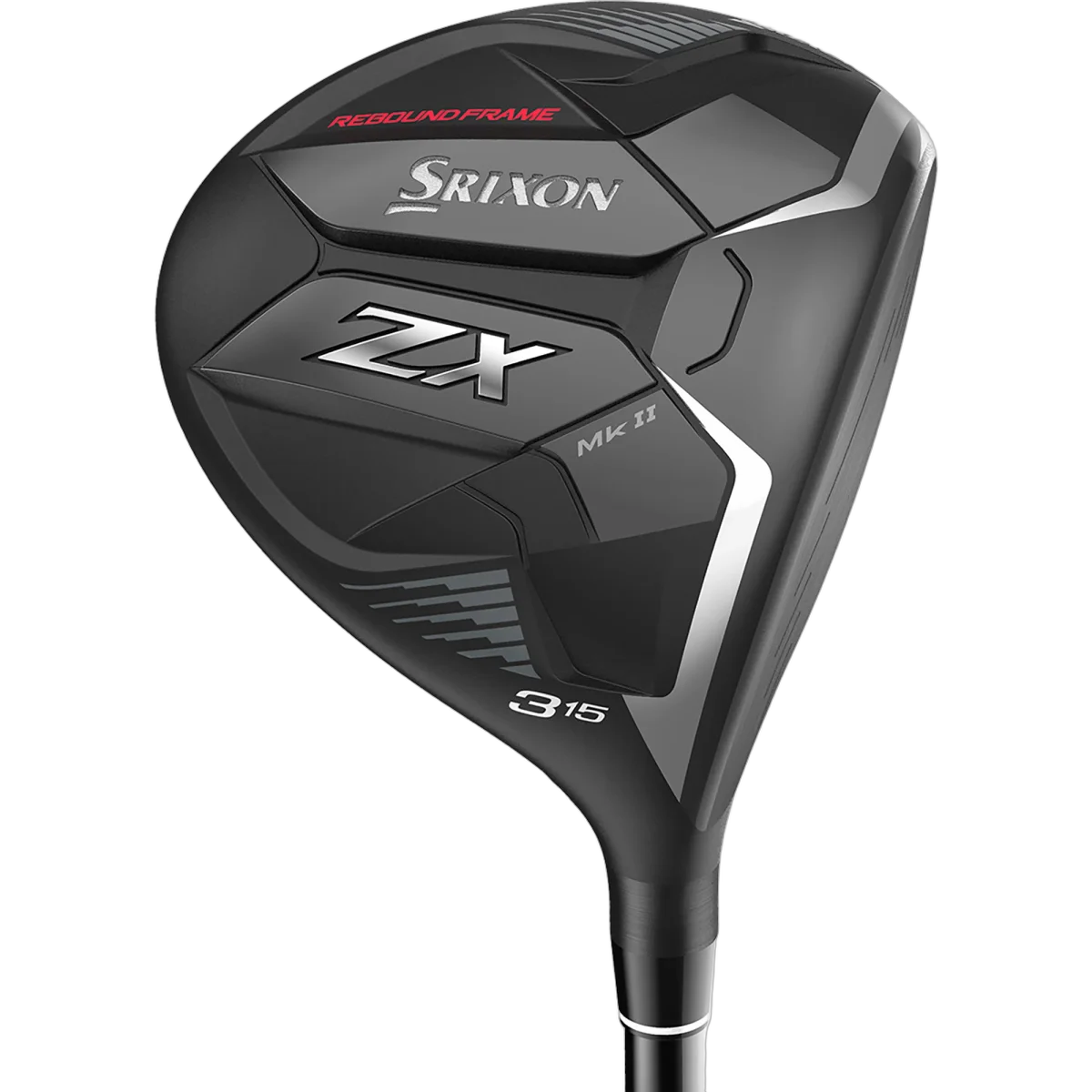
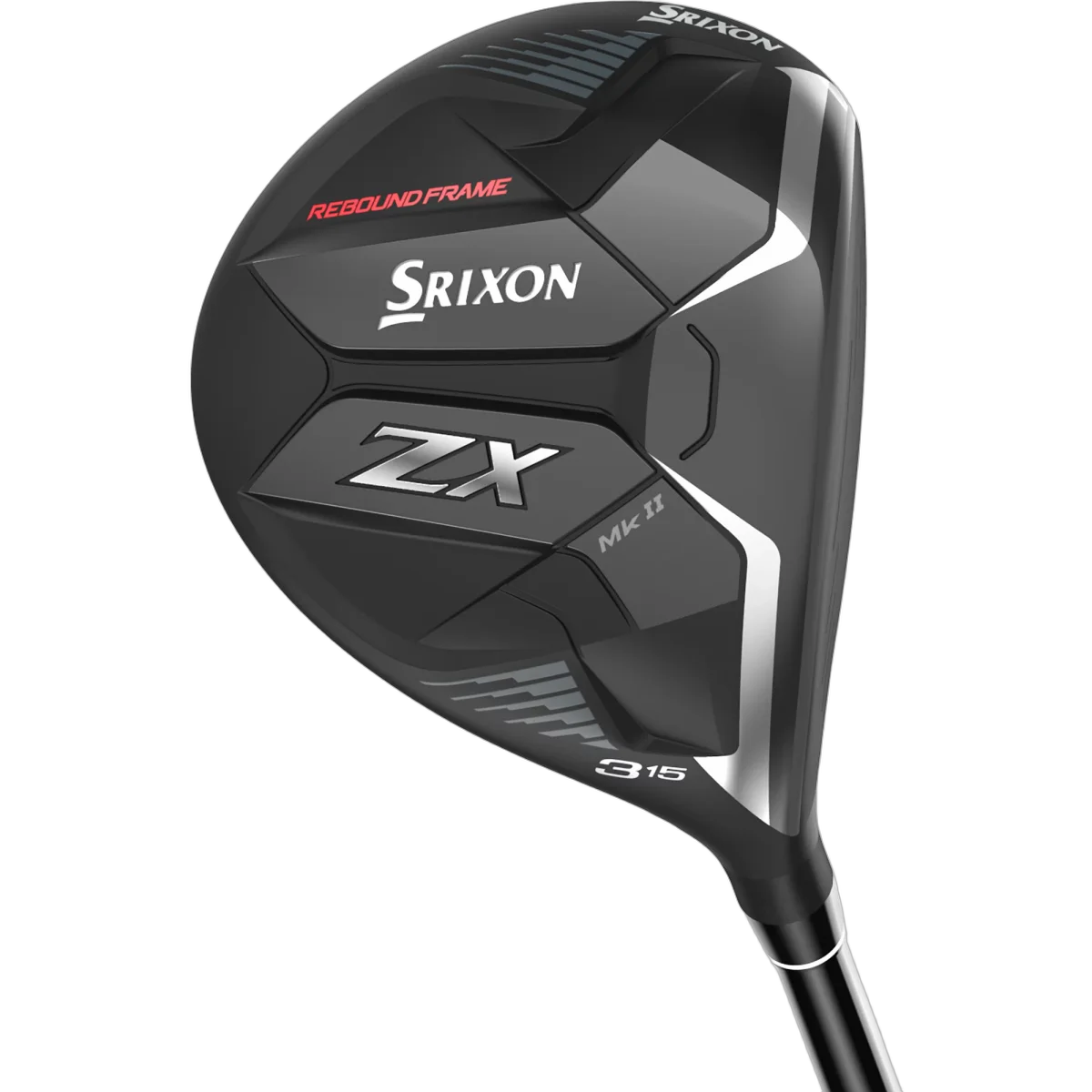
A low-spinning, easy-launching fairway wood that punches above its weight -- especially now that its price has dropped well below the original MSRP.
The Big Picture
Srixon has never been the loudest name in the metalwood conversation, but the ZX MKII generation made a compelling case for paying attention. The ZX MKII Fairway Wood arrived as part of a broader lineup refresh, bringing two marquee technologies designed to squeeze more speed and better launch out of every strike.
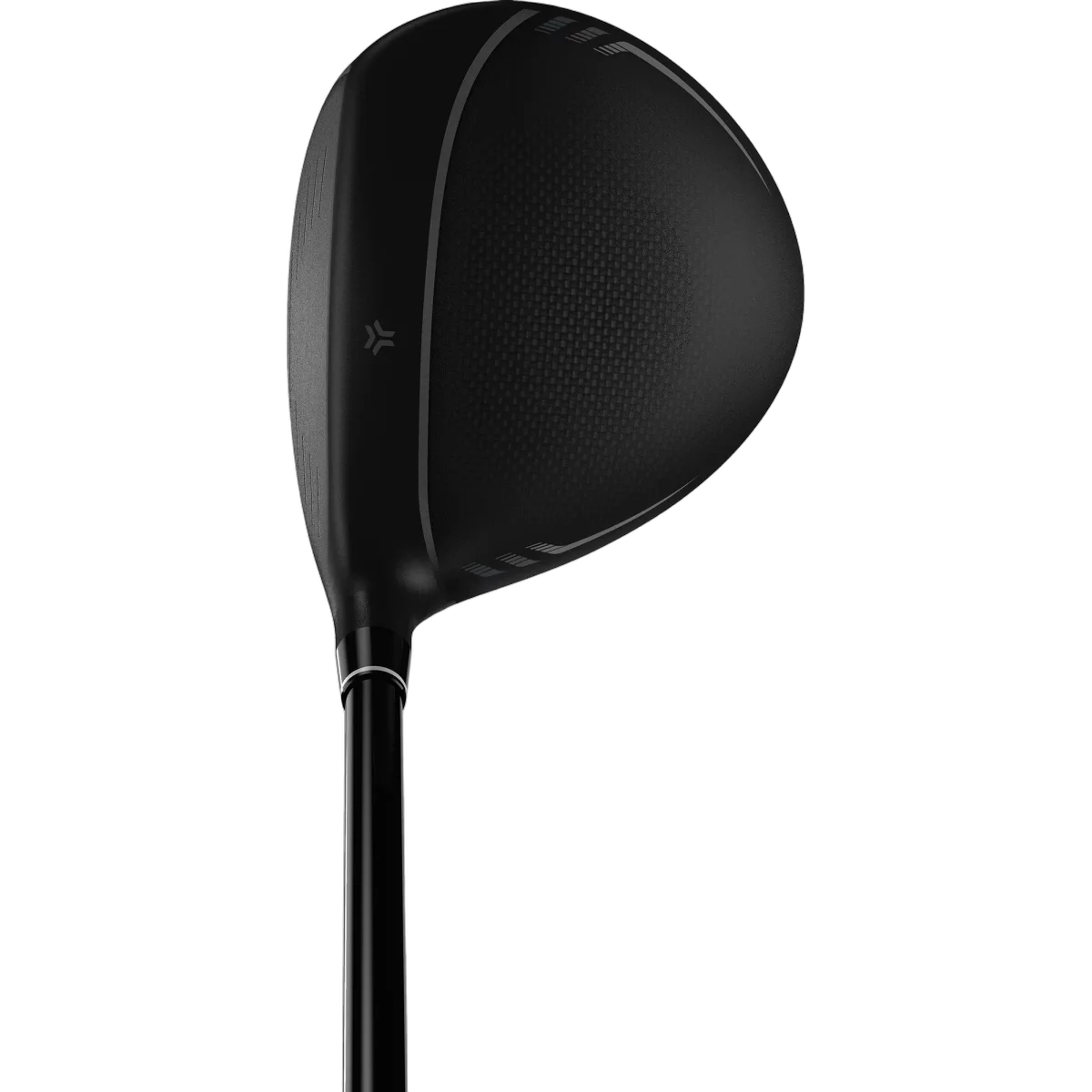
Crown view showing carbon composite texture and Srixon logo
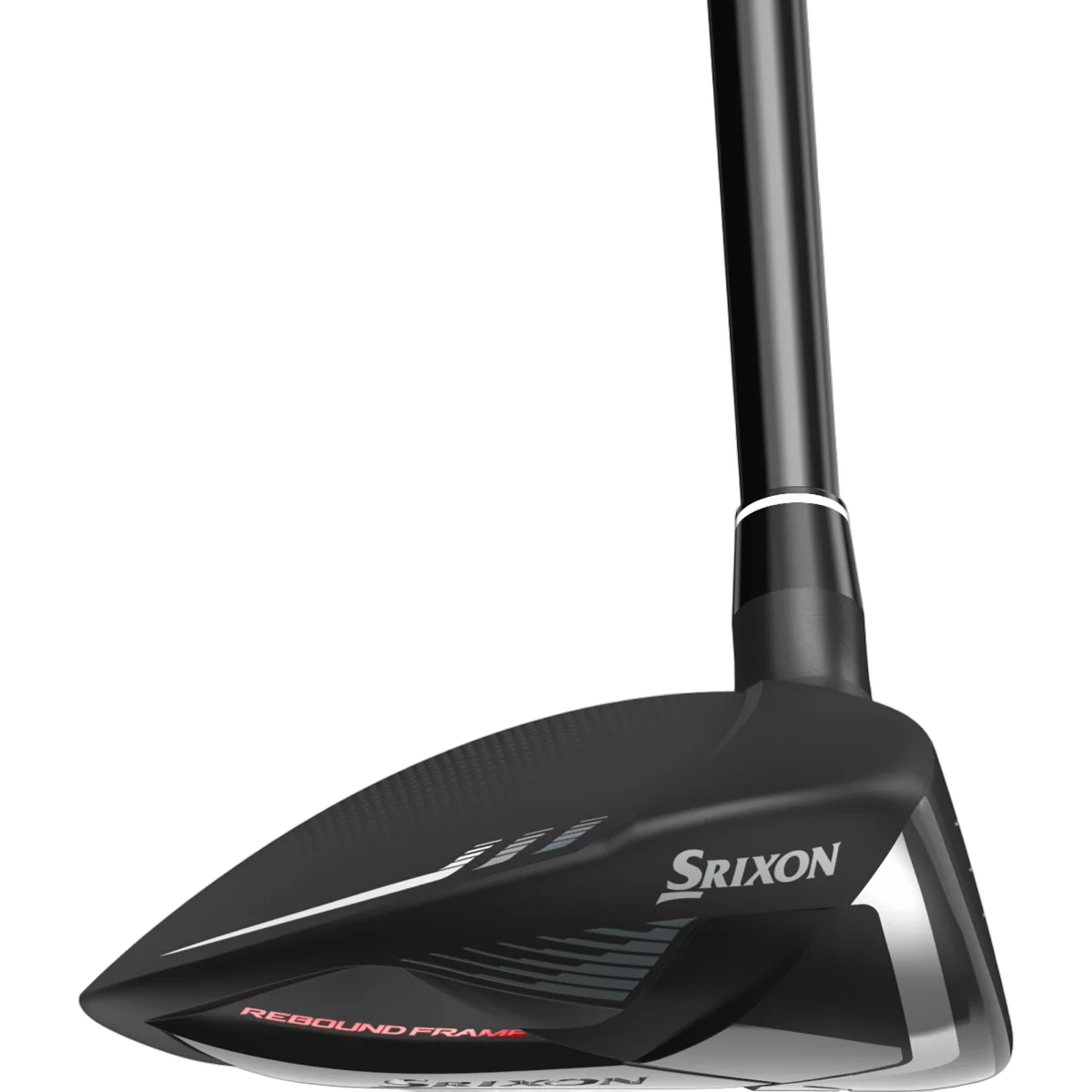
The first is the Rebound Frame with Dual Flex Zones -- an internal structure that alternates between rigid and flexible sections across the clubhead, channeling more energy into the ball at impact rather than letting it dissipate through the frame. The second is the Canon Sole, a dynamic floating weight pad on the bottom of the club that repositions mass low and slightly forward to optimize launch conditions without sacrificing face flex. On the 3-wood and 3+ models, Srixon also incorporated a lightweight carbon crown, freeing up discretionary weight to push the center of gravity lower and boost MOI.
Available in 13.5-degree (3+), 15-degree (3-wood), 18-degree (5-wood), and 21-degree (7-wood) configurations, the ZX MKII covers the full range of fairway wood needs. The stock shaft is the Project X HZRDUS Smoke Red RDX 60, a mid-launch graphite option that pairs well with the head's low-spin tendencies. With the original MSRP at $280 and current street prices hovering around $230, the value proposition has only gotten stronger as the newer ZXi generation has taken the spotlight.
At Address
The ZX MKII sits well behind the ball. The 3-wood head measures 177cc -- four cubic centimeters larger than its predecessor -- and the slightly elongated footprint gives it a confidence-inspiring presence without looking oversized. The shape is subtly triangular, which I find appealing; it frames the ball cleanly and helps with alignment.
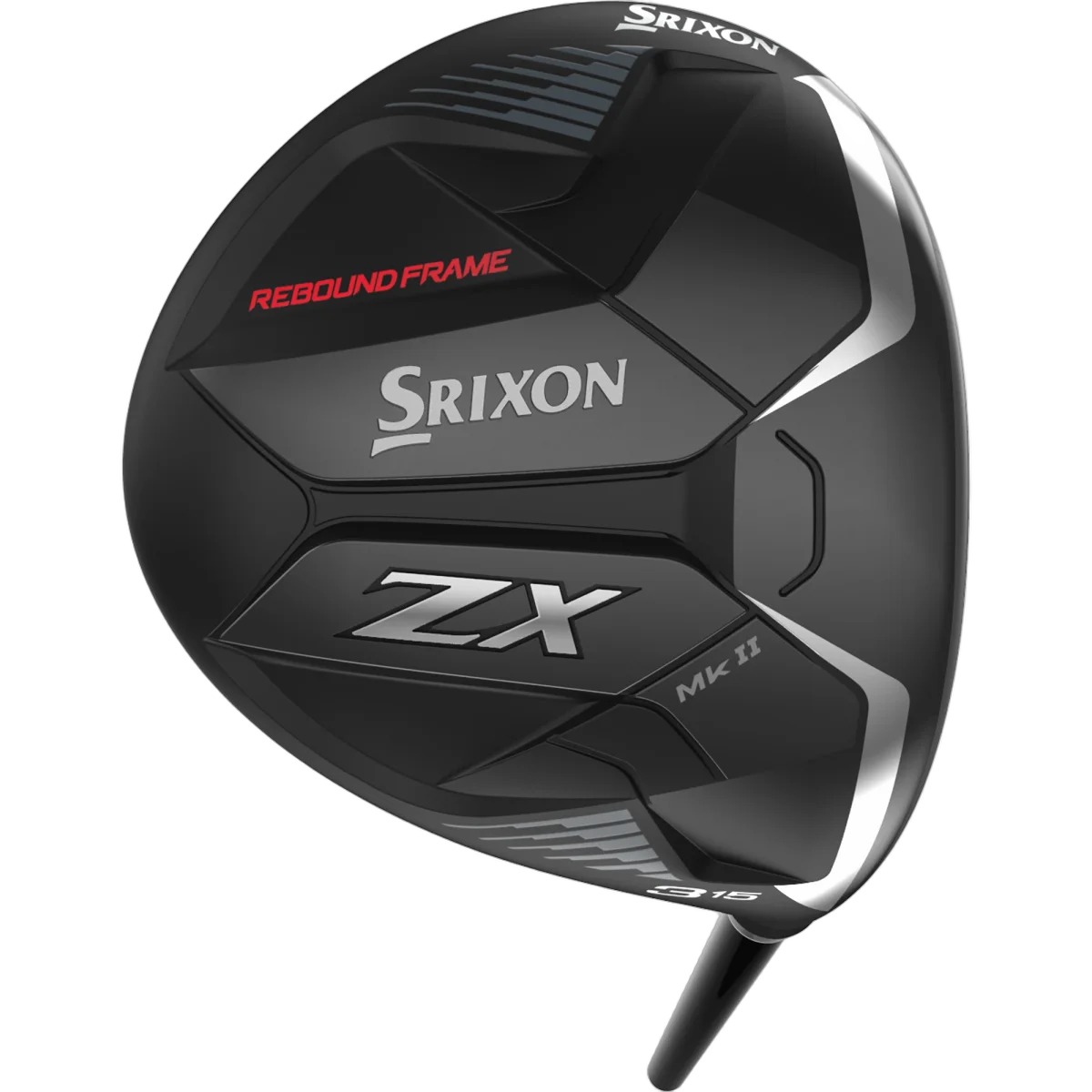
The most distinctive visual element is the Crown Step on the 3-wood and 3+ models. This stepped-down design at the front of the carbon crown creates a defined leading edge and acts as a natural alignment cue. It does curve slightly toward the toe, which can give a mild impression that the face is open. This look divides opinion -- some golfers appreciate the visual reference point, while others find it distracting. Personally, I adapted to it within a few swings. Behind the step, the matte black carbon fiber finish is clean and understated. A small white accent line along the rear of the crown helps frame the ball at address.
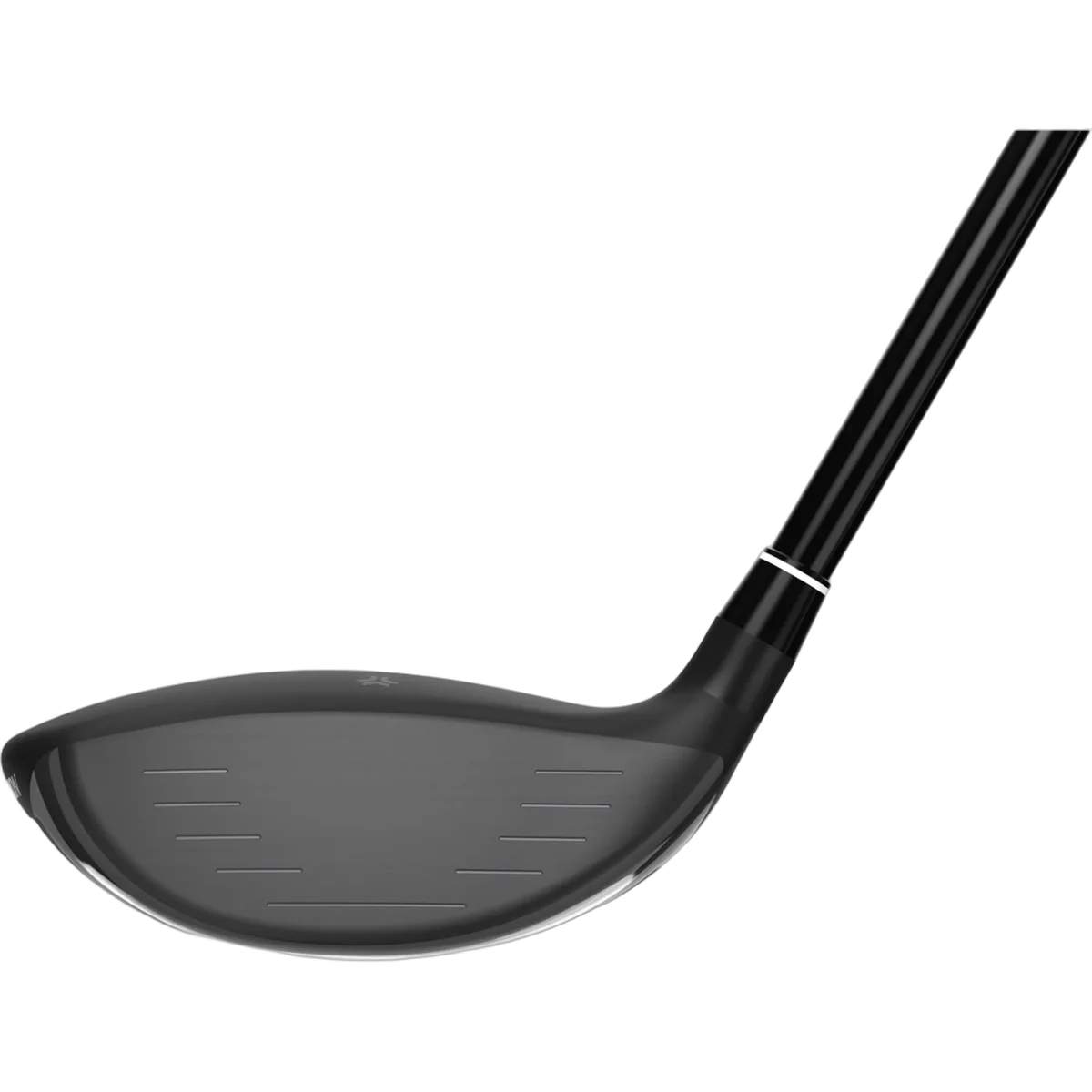
The face appears slightly shorter than average, which combined with the flatter leading edge makes this fairway wood look particularly inviting for shots off the turf. If you struggle with the mental side of hitting fairway woods from the deck, the ZX MKII's low-profile appearance helps.
Sound & Feel
Srixon made meaningful improvements to the acoustics in the MKII generation, though this remains a work in progress rather than a finished masterpiece. The sound at impact is springy and metallic -- a quick, powerful "thwack" that communicates speed. It leans slightly tinny compared to the deeper, more muted tones you get from some competitors, but it is not harsh or unpleasant. I would describe it as lively rather than refined.
Close-up of Srixon ZX MKII fairway wood face and grooves
Center strikes deliver a solid, fast-feeling sensation through the hands. There is enough feedback to confirm when you have caught it flush, and pure strikes are rewarded with an unmistakable burst of speed that you can both hear and feel. Off-center contact provides honest but measured feedback -- heel and toe misses lack the softness of a center hit, but they are not punishing. You know when you have missed the middle without getting stung for it. For a fairway wood in this price range, the feel is more than adequate, and the improvement over the first-generation ZX is noticeable.
Performance
Ball Speed & Distance
The Rebound Frame and Dual Flex Zones are the engine behind the ZX MKII's distance performance, and the results back up the engineering. In competitive testing against a large field of fairway woods, this club ranked third overall for distance -- its strongest individual metric. The Dual Flex Zones create a more efficient energy transfer at impact, maintaining ball speed even when contact wanders slightly from center.
What impressed me most was how the distance showed up consistently rather than in occasional flashes. The Canon Sole's low weighting keeps the launch window accessible without artificially inflating spin, so the ball gets out with a penetrating trajectory that carries well and rolls out. This is not a club that produces towering flights that drop and stop -- it is a distance-oriented fairway wood that maximizes total yardage through efficient launch and low spin.
That said, the ZX MKII does not sit at the very top of the distance charts in the fairway wood category. A handful of competitors will squeeze out a few extra yards. But the gap is narrow, and the ZX MKII's distance consistency across the face is a genuine advantage for the golfer who does not catch the center every time.
Launch & Spin
The ZX MKII produces a mid launch with a distinctly low spin profile. This is one of its defining characteristics and one of the reasons it performs so well off the deck. Low spin from a fairway wood is notoriously difficult to pair with easy launch -- the two qualities typically work against each other -- but the combination of the Canon Sole's low CG and the carbon crown's weight redistribution manages to deliver both.
Off a tee, the ball gets up easily and holds a strong, penetrating flight. Off the turf, the shallow face and low CG work together to promote clean contact and adequate launch height even from tight lies. Players with slower swing speeds should find the ball gets airborne without excessive effort, while faster swingers will appreciate that the flight does not balloon under speed.
The stock HZRDUS Smoke Red shaft complements the head well, offering a mid-launch profile that does not fight the head's natural tendencies. Players who want to push the flight higher may benefit from a lighter, higher-launching aftermarket shaft, but the stock pairing is well matched for most swing speeds.
Dispersion & Shot Shape
Dispersion is where the ZX MKII tells a more nuanced story. The high MOI design -- particularly in the carbon-crowned 3-wood and 3+ models -- provides genuine resistance to twisting on off-center hits. Mishits hold their line better than you might expect, and the distance penalty on heel and toe strikes is modest.
Sole view with Srixon branding and Rebound Frame technology visible
However, in head-to-head testing against a full field of modern fairway woods, the ZX MKII's accuracy and forgiveness metrics come in slightly below average. This is not a fairway wood that will bail you out of truly poor swings the way the most forgiving options on the market will. It is best suited for golfers who make reasonably consistent contact and want to be rewarded with distance and a penetrating flight rather than maximum correction.
One notable limitation is the lack of an adjustable hosel. Unlike many competitors in this price range, the ZX MKII uses a bonded hosel, which means you cannot fine-tune loft, lie, or face angle after purchase. This makes a proper fitting especially important. If you tend to fight a specific miss, you will need to get the loft and shaft combination right from the start, because there is no adjustability to lean on later.
Verdict
The Srixon ZX MKII Fairway Wood is a club that does a few things very well and asks you to accept some honest trade-offs. Its distance performance is genuinely impressive -- ranking near the top of its class -- and the low-spin, mid-launch profile makes it one of the more effective fairway woods for attacking par 5s and long par 4s. The Rebound Frame technology delivers on its promise of efficient energy transfer, and the Canon Sole does an admirable job of keeping launch accessible despite the low spin numbers.
Strengths: strong distance performance and consistency across the face, a low-spin profile that maximizes carry and rollout, easy launch from both tee and turf, improved acoustics over the previous generation, clean and confident appearance at address, and excellent value at its current discounted price point.
Weaknesses: below-average forgiveness and accuracy relative to the best in class, no adjustable hosel limits post-purchase tunability, sound leans slightly tinny compared to premium competitors, and the Crown Step aesthetic will not appeal to every golfer.
The ZX MKII is best suited for mid-handicap golfers who prioritize distance from their fairway wood and make consistent enough contact to not need maximum forgiveness. It is a particularly strong option for players who struggle with high-spinning fairway woods that balloon and fall short. At its current street price in the low $200s, it represents outstanding value for the performance it delivers. Srixon deserves more attention in the fairway wood space, and this club is a good example of why.