Ping i530 Irons
PING — Ping i530 Irons · By Troy · Dec 8, 2025
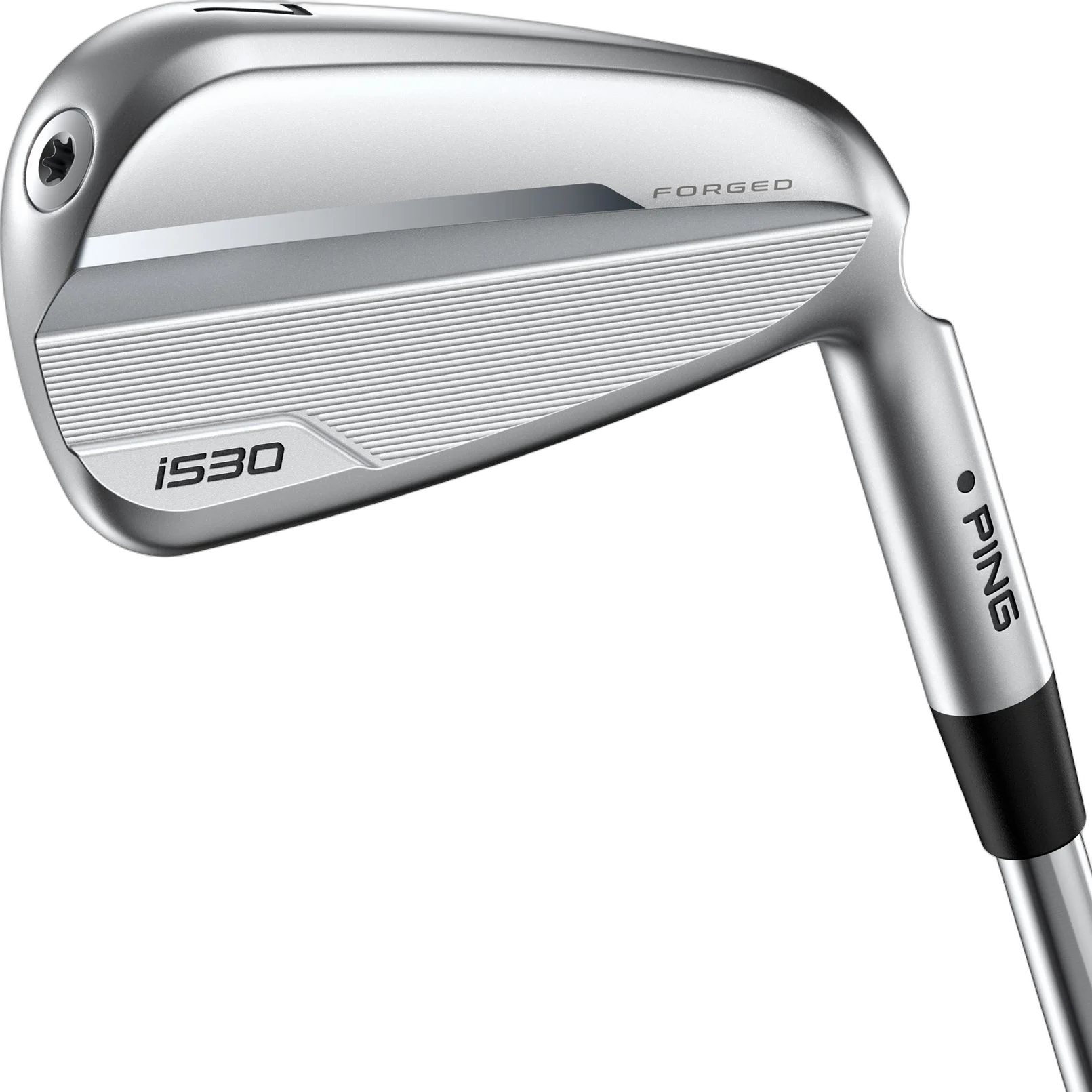

Blade looks, hollow-body speed -- Ping's playable distance iron delivers yards without asking you to compromise your aesthetics.
The Big Picture
The Ping i530 replaces the popular i525 as Ping's entry in the players distance category, and it represents a meaningful step forward in both appearance and performance. This is a hollow-body forged iron built for golfers who want more distance but refuse to sacrifice the clean, compact look of a blade. The target audience is broad: mid-handicappers looking to gain yards, better players who have lost some speed over time, and anyone who wants a modern iron that bridges the gap between a traditional players cavity and a game-improvement club.
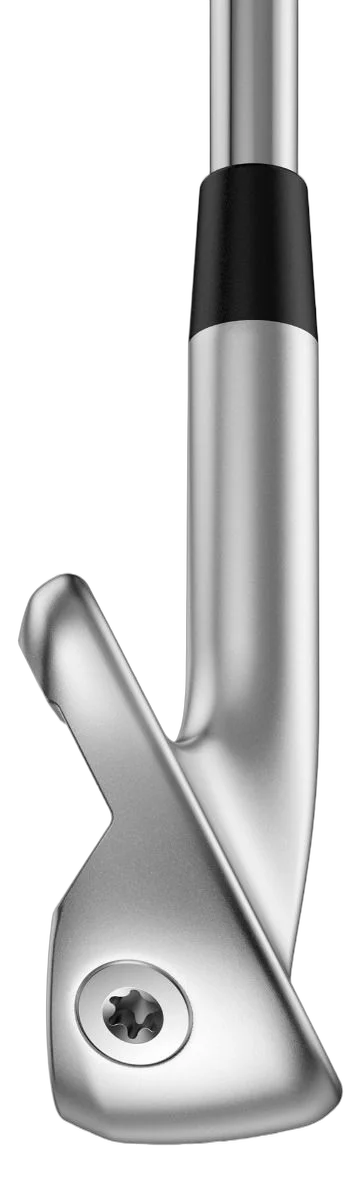
Ping i530 toe-side profile showing hosel weight screw
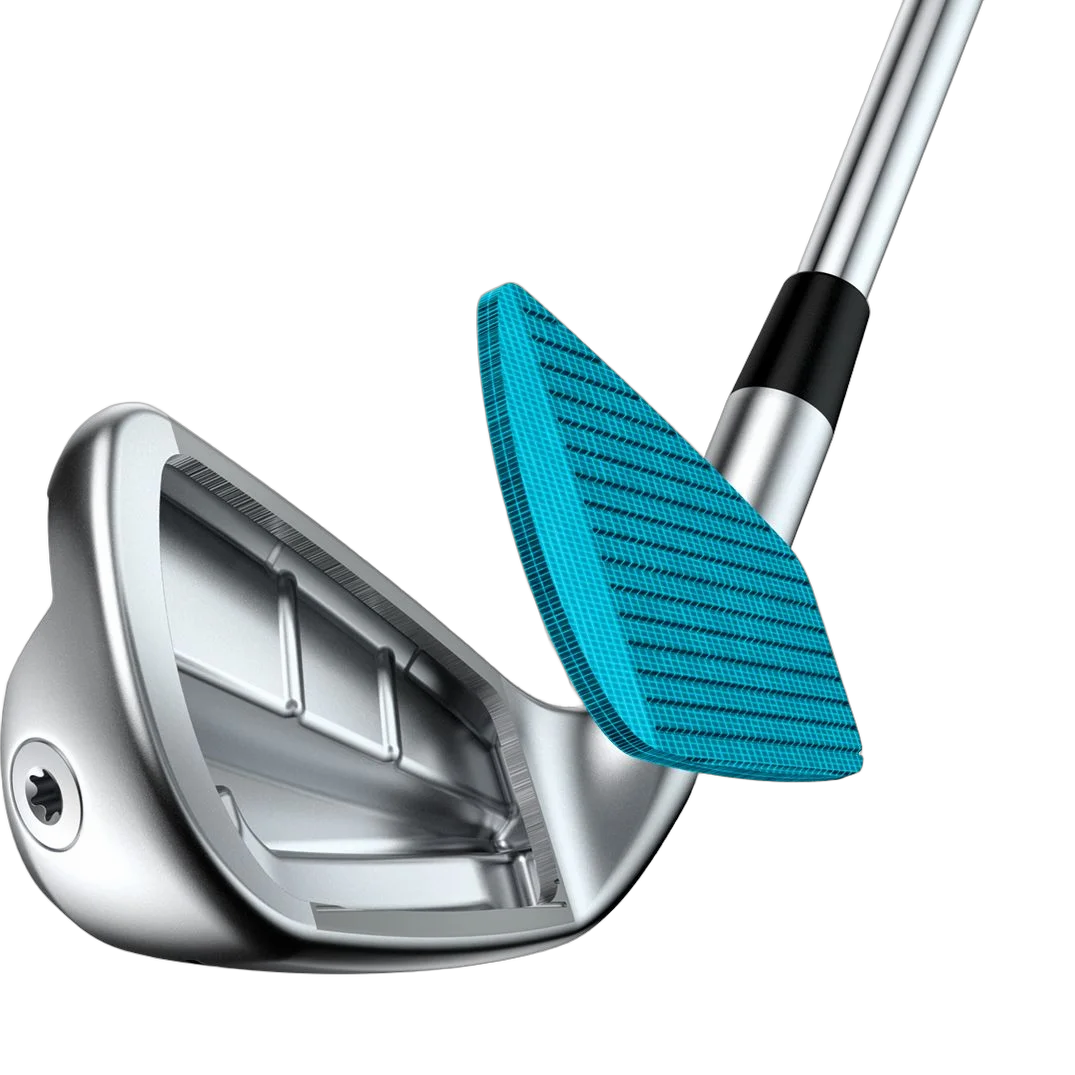
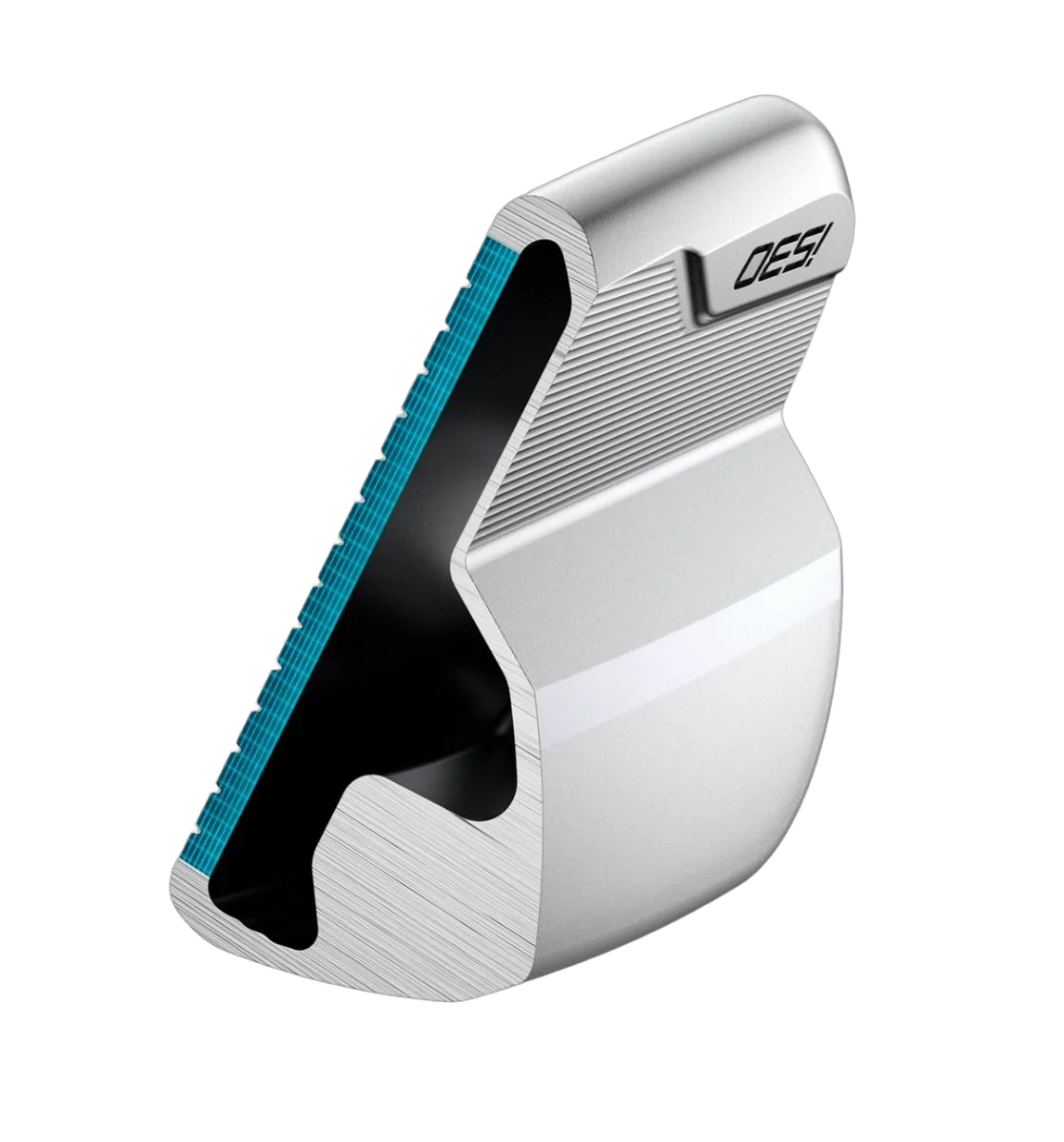
The i530 features a forged maraging steel C300 face welded to a 17-4 stainless steel hollow body. A precision-machined rear wall -- 40 percent thinner than the i525 -- saves roughly 10 grams of mass that gets repositioned into a larger sole pad, lowering the center of gravity by about 10 percent. Lofts are strengthened by 1.5 to 2 degrees across the board compared to the i525, and Ping offers three loft configurations: Standard, Power Spec (stronger), and Retro Spec (weaker) to let you dial in your ideal launch and gapping. The stock steel shaft is True Temper's Dynamic Gold Mid 100, and pricing comes in at $205 per club in steel or $220 in graphite.
At Address
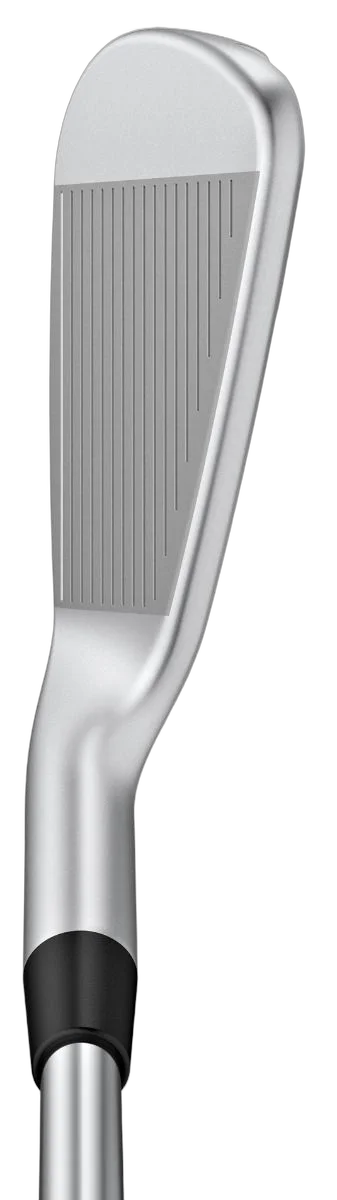
The i530 is a genuinely attractive iron. Ping calls it an "internal concealed design," and the result is a club that hides all of its hollow-body technology behind a clean, blade-like exterior. The topline is thin, the sole is narrow, and the face height is shallow. From the playing position, there is nothing about this iron that screams "distance" or "technology." It looks like a proper players iron.
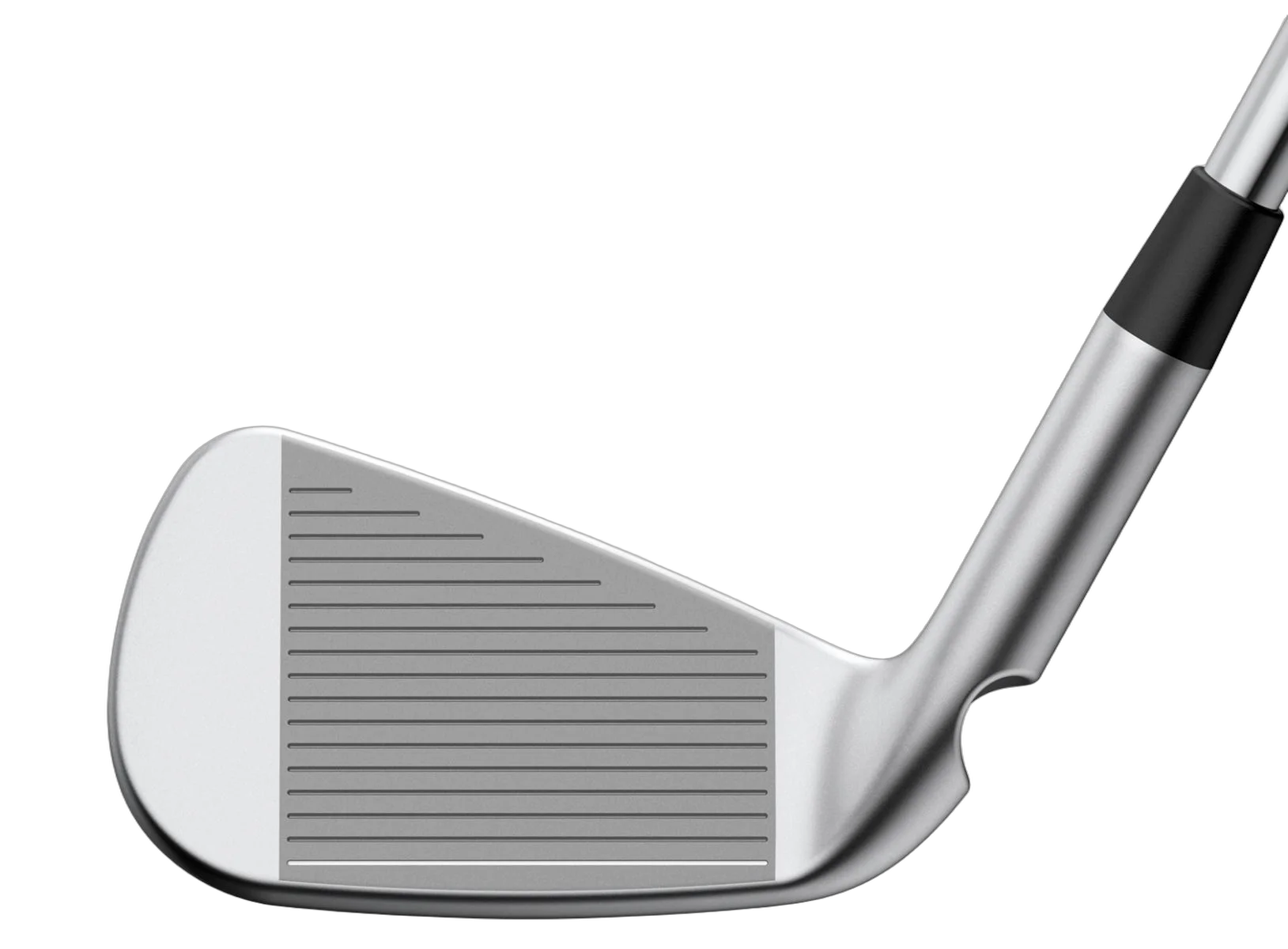
Up close, the heads are slightly more rounded and taller from top to bottom compared to a true blade, which hints at the forgiveness hiding inside. Ping's Hydropearl Chrome 2.0 finish gives the club a premium, understated sheen. The MicroMax grooves -- tighter spacing, more grooves on the face -- are visible but do not disrupt the clean aesthetic. In the bag and behind the ball, the i530 inspires confidence without intimidation.
Sound & Feel
The sound and feel of the i530 surprised me. Where some Ping irons can run loud off the face, the i530 produces a crisp, almost clean sound -- not muted, but controlled. There is a springy quality to the impact that conveys power without harshness. The internal polymer is precisely placed to dampen vibrations without restricting face flex, and it shows. Center strikes feel soft but springy, and even off-center hits deliver a quality, dampened sensation rather than the ringing vibration you might expect from a hollow body.
Close-up of the Ping i530 iron face showing groove pattern
On full shots, there is a satisfying sense of power at impact. The ball feels like it jumps off the face, and you can genuinely sense the energy transfer happening. Compared to the i525, the i530 sounds and feels more refined -- it is a more pleasing club to hit, full stop.
Performance
Ball Speed & Distance
The i530 is built for ball speed, and it delivers. The combination of the forged maraging steel face, lowered CG, and thinner rear wall produces noticeably hot ball speeds. With the 7-iron, I was seeing carry distances around 178 yards, which represents a meaningful gain over what I would expect from a traditionally lofted players iron. Ping's internal testing shows about a 3-yard gain in carry over the i525 per club, which comes primarily from the stronger lofts and increased ball speed.
Distance consistency was a real strength. The gaps between clubs were well-managed, with approximately 13 yards of separation across the set. Whether that three extra yards over the i525 justifies an upgrade depends on your perspective, but for golfers coming from older irons, the distance gains will be substantial.
Launch & Spin
Launch is in the mid range -- not as towering as the G440, but higher than a traditional blade. The lowered CG helps the ball get airborne even with the stronger lofts, and peak heights were adequate for holding greens from distance. Ping has preserved the gapping, descent angle, and stopping power despite strengthening the lofts, which is the real engineering achievement here.
Spin rates were slightly on the lower side compared to traditional players irons, which is the one area where you notice a trade-off. The lower spin helps maximize carry distance, but on approaches where you want the ball to check hard, you may find yourself with a bit less stopping power than you would get from a pure players cavity. From the rough, the MicroMax grooves help maintain spin consistency, which partially offsets this concern.
Dispersion & Shot Shape
Dispersion was impressively tight for a players distance iron. The hollow-body construction and perimeter weighting keep mishits on a reasonable line, and ball speed preservation off-center was noticeably better than I expected given the compact head size. My misses stayed low and controllable -- exactly what you want from an iron that looks like a blade but is engineered to help.
Ping i530 cross-section cutaway revealing internal cavity structure
Workability is solid. I could shape shots both ways without excessive manipulation, though the i530 does have a slight tendency to straighten things out compared to a true muscleback. For most golfers in the target audience, that is a feature, not a bug.
Verdict
The Ping i530 is an outstanding players distance iron that delivers on its promise of more yards in a blade-like package. The aesthetics are among the best in the category -- this genuinely looks like a better-player iron at address. Distance is strong. Forgiveness exceeds what the head size suggests. And the sound and feel are refined enough to satisfy golfers who care about the sensory experience of striking an iron.
The trade-offs are modest: spin could be higher for approach-shot control, and the price point of $205 per club positions the i530 among the most expensive players distance irons available. If you are currently playing the i525, the gains are incremental rather than transformational. But for golfers upgrading from older irons or stepping down from game-improvement models, the i530 is a compelling option that blends distance and aesthetics better than nearly anything else on the market.