PING G425 Hybrid
PING — PING G425 Hybrid · By Troy · Nov 21, 2025
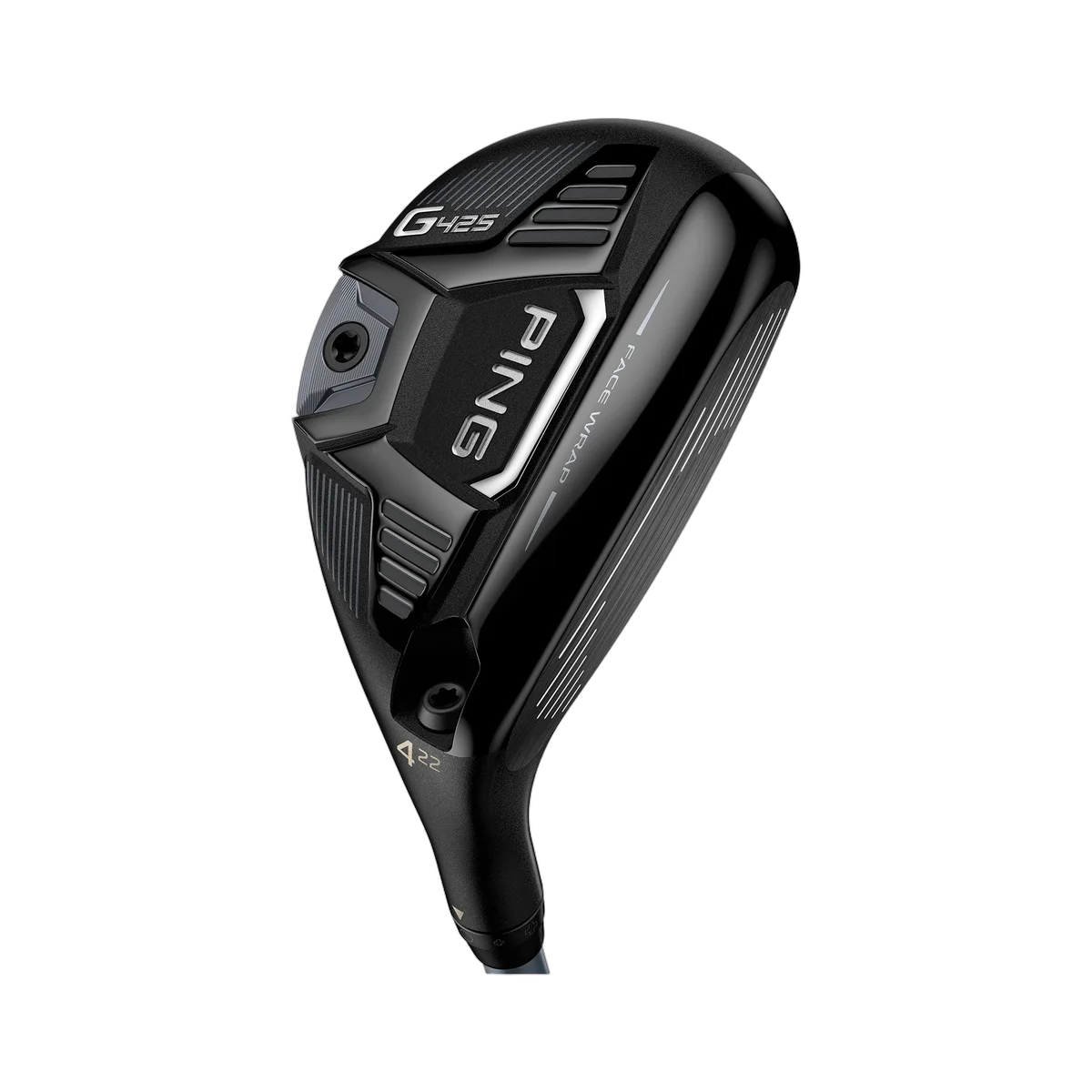
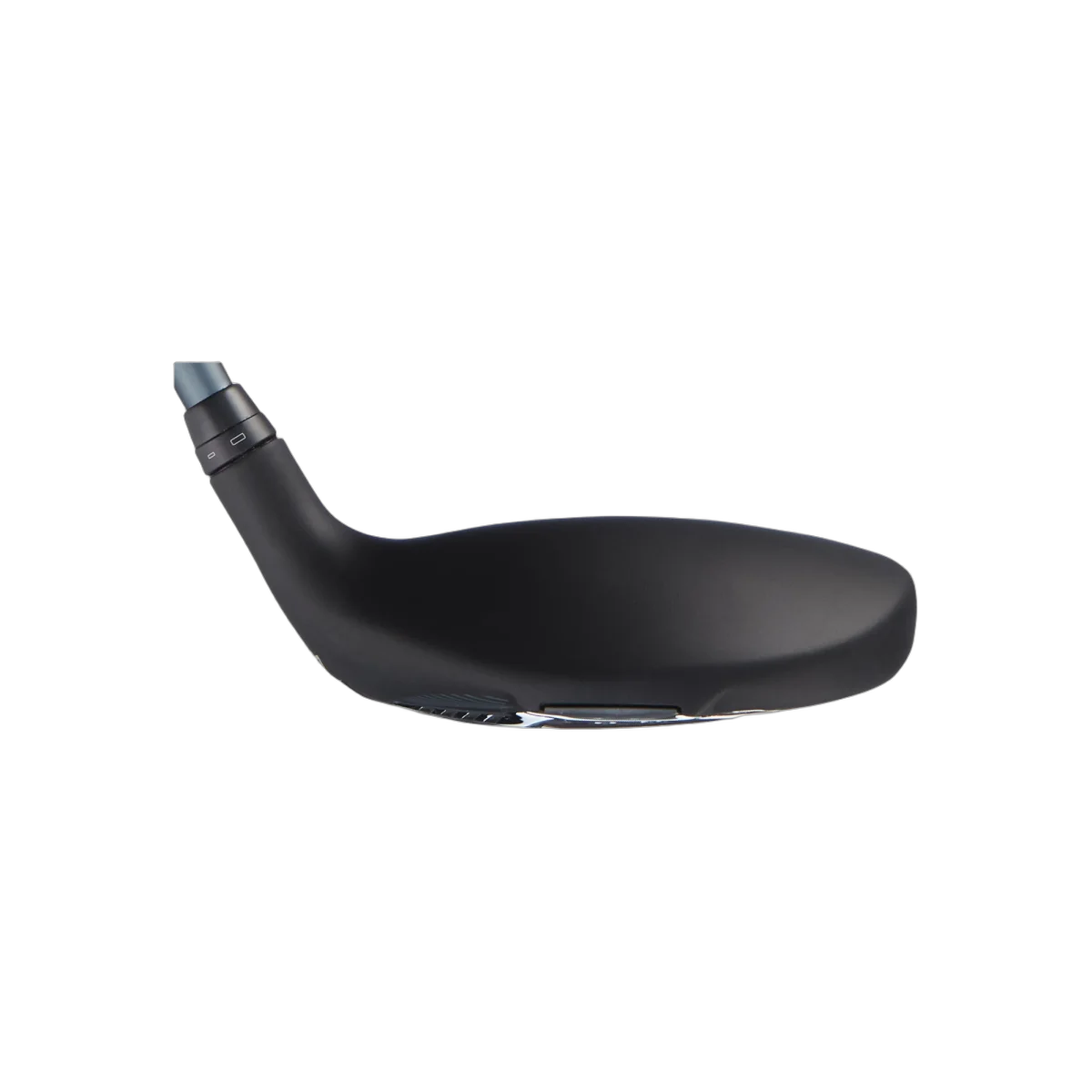
A forgiving, high-launching hybrid that still holds its own years after release -- and at today's prices, it is a tremendous value.
The Big Picture
The PING G425 Hybrid was introduced in 2021 as part of PING's G425 family, and it has quietly become one of the most enduring hybrids in the game. Even with the G430 and G440 now on shelves, the G425 continues to show up in bags at every level -- from weekend amateurs to tour professionals. At The Open, I noticed a remarkable number of PING staff players gaming this hybrid over driving irons, which tells you everything about how much confidence it inspires.
At the heart of the G425 Hybrid is a high-strength maraging steel face, a material more commonly associated with fairway woods. PING extended that face material into the crown and sole using their Facewrap Technology, which eliminates the traditional weld seam and allows the entire face structure to flex more uniformly at impact. The result is faster ball speeds and a more consistent energy transfer, particularly on strikes that miss the center. Complementing Facewrap is PING's Spinsistency design -- a modified face curvature that reduces loft on the lower portion of the face and adds loft higher up, normalizing spin rates across vertical mishits. Low-face strikes that would typically balloon with excess spin instead launch on a more penetrating, distance-preserving trajectory.
A tungsten back weight pulls the center of gravity low and deep, boosting MOI for added stability and making the club remarkably easy to launch. Available in lofts from 17 degrees (2-hybrid) all the way up to 34 degrees (7-hybrid), the G425 Hybrid can fill virtually any gap at the top of the bag. It is particularly well suited for mid-to-high handicappers who struggle with long irons, but the adjustability and versatility make it a legitimate option for better players as well. With the G430 now occupying the current-generation price point, you can find G425 Hybrids in the $130 to $220 range depending on configuration -- a genuine bargain for this level of technology.
At Address
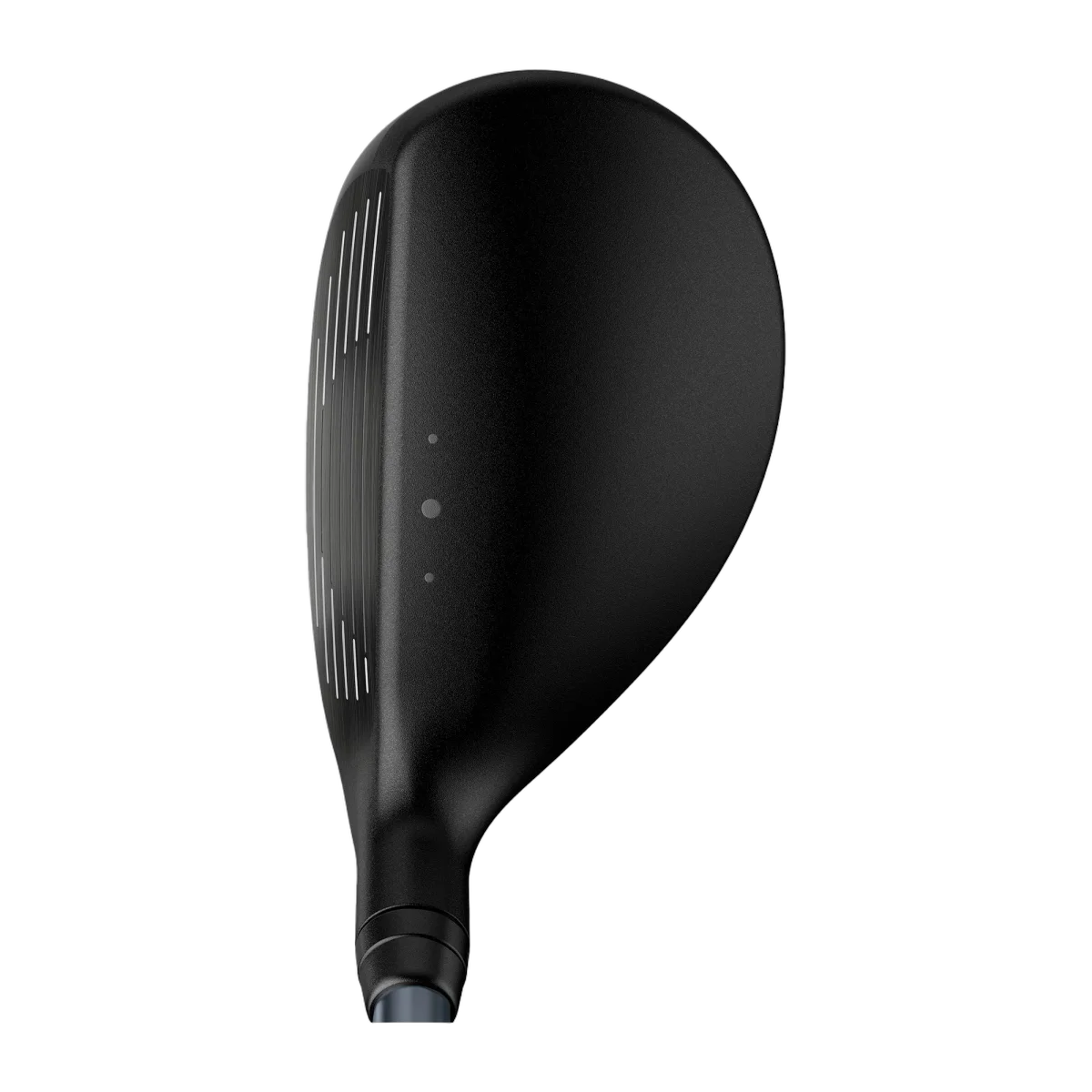
The G425 Hybrid presents a clean, confidence-inspiring look behind the ball. The matte black crown is free of the Turbulators that defined previous PING generations -- PING removed them from the fairways and hybrids starting with the G425, and I think the result is a much more refined appearance. The head shape is nicely rounded with a slightly deeper profile than the G410 it replaced, giving it a touch more of a wood-like footprint without feeling oversized.
Top-down address view of the PING G425 hybrid crown
In place of the Turbulators, PING added a three-dot alignment system on the crown. It is subtle but genuinely helpful for squaring the face at address. The dots draw your eye to the impact zone without cluttering the visual. Combined with a bit of white detailing on the heel and toe sections, the alignment cues are effective without being distracting. The overall aesthetic -- matte black with silver and grey accents -- oozes understated quality. It is the kind of club that sits beautifully behind the ball and makes you want to swing it.
Sound & Feel
Impact sound on the G425 Hybrid is one of its more pleasant surprises. It produces a satisfying, solid crack that is noticeably softer and more muted than PING's fairway woods and crossovers from the same generation. If you have ever been put off by the louder, tinnier acoustics of some metal wood hybrids, you will appreciate the G425's more refined tone. Center strikes deliver a pleasing, powerful sensation that immediately tells you the contact was clean.
The feel on off-center hits is where the engineering really shows. Heel and toe misses still feel solid and stable -- the high-MOI design keeps the head from twisting dramatically, so you get useful feedback without the jarring vibration that cheaper hybrids produce. The maraging steel face has a lively, almost springy quality through impact that makes the club feel hot without feeling harsh. It is one of those hybrids where even your misses feel like reasonable swings.
Performance
Ball Speed & Distance
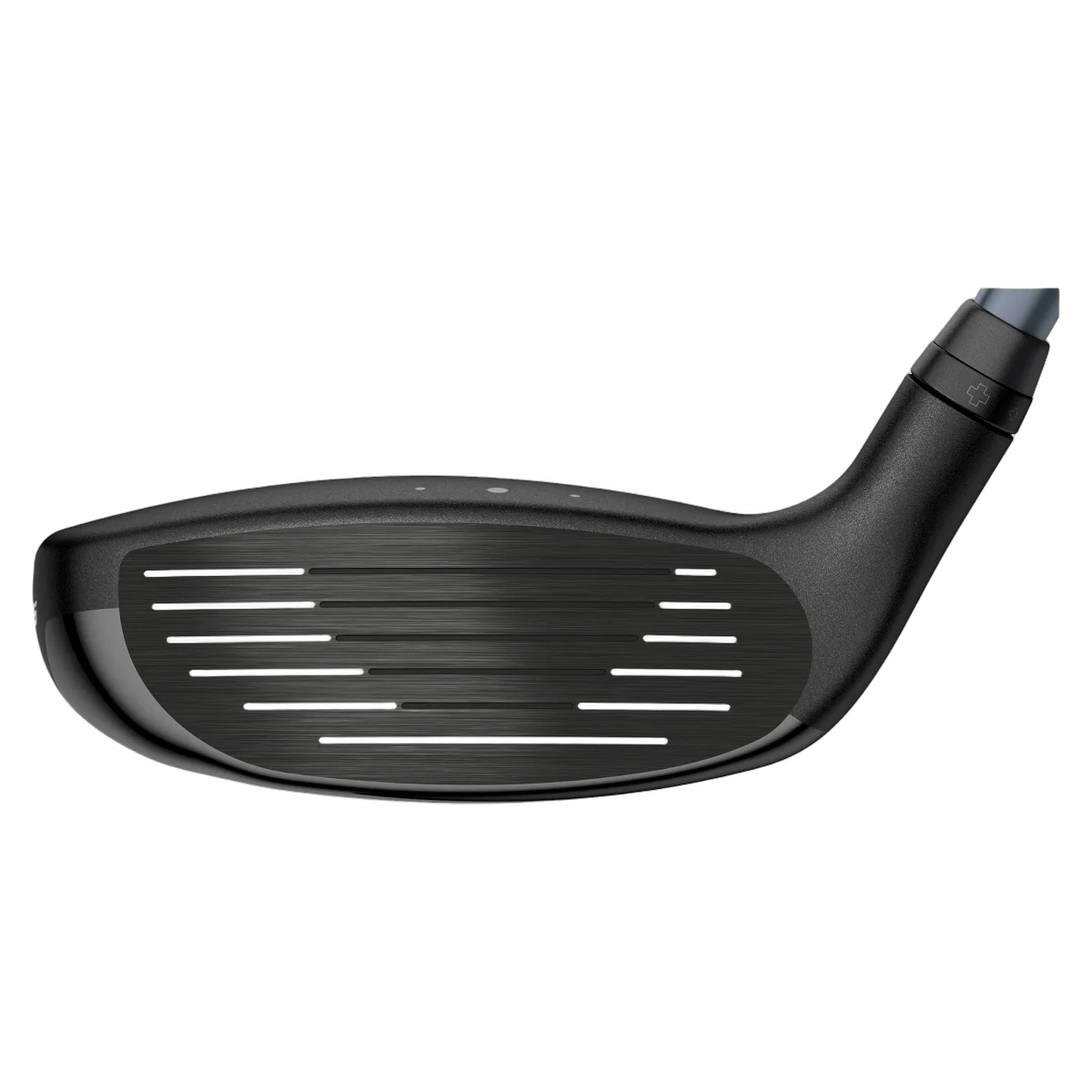
The maraging steel face and Facewrap construction deliver impressive ball speed for a hybrid. In my testing, ball speeds averaged around 131 mph at moderate swing speeds (87-90 mph clubhead speed), producing carry distances right around 200-201 yards. At higher swing speeds approaching 100 mph, ball speed climbed to the 143-150 mph range with carry distances pushing 235-240 yards. Those are serious numbers that compete with many fairway woods.
PING G425 hybrid face showing maraging steel with score lines
What stood out most was the consistency. The ball speed drop-off on mishits was surprisingly small. Strikes scattered across the face -- heel, toe, low, high -- still produced ball speeds within a tight window. One tester with a 96.5 mph clubhead speed saw ball speeds range from 141.5 to 145.2 mph across a mix of centered and off-center strikes. That kind of retention on imperfect contact is where the tungsten weighting and Facewrap earn their keep.
From the rough, expect to lose roughly 20 yards of total distance compared to a clean fairway strike, which is reasonable for a hybrid of this profile. The club handles tight lies, light rough, and even fairway bunkers with confidence thanks to the slightly shallower face design.
Launch & Spin
The G425 Hybrid is firmly a high-launch hybrid. Four out of five swings produced towering ball flights that hung in the air well over 100 feet at peak height. Launch angles in the standard loft position sat around 13 degrees with spin rates averaging approximately 3,500 rpm -- a combination that produces excellent carry with enough stopping power to hold greens on long approach shots.
The spin profile is worth discussing in more detail because this is where Spinsistency really delivers. Low-face strikes, which would normally send spin rates skyrocketing by 500-1,000 rpm in a conventional hybrid, showed significantly less variation with the G425. The modified face curvature reduces loft at the bottom of the face, which counteracts the natural tendency for low strikes to spin excessively. The practical effect is more predictable carry distances from shot to shot, regardless of where on the face you make contact.
The eight-position adjustable hosel is a major asset here. You can move loft up or down by 1.5 degrees, which in practice translates to roughly a 2-2.5 degree change in launch angle and significant spin variation. In the lowest loft setting, spin dropped to around 3,000 rpm with a flatter, more penetrating flight. Cranked to the highest setting, launch climbed to nearly 14 degrees with spin pushing past 4,400 rpm. That is a massive tuning range -- roughly 14-15 yards of carry distance difference just from hosel adjustments alone. The hosel also offers flat lie settings, which is a valuable option for better players who tend to overdraw their hybrids. Flattening the lie keeps the toe from sitting up at address and promotes a more neutral face angle through impact.
Dispersion & Shot Shape
Forgiveness is the G425 Hybrid's calling card. The combination of tungsten back weighting, high MOI, and the Facewrap face design produces tight dispersion patterns that make this one of the most forgiving hybrids PING has built. Off-center hits stay straighter, lose less distance, and maintain playable trajectories.
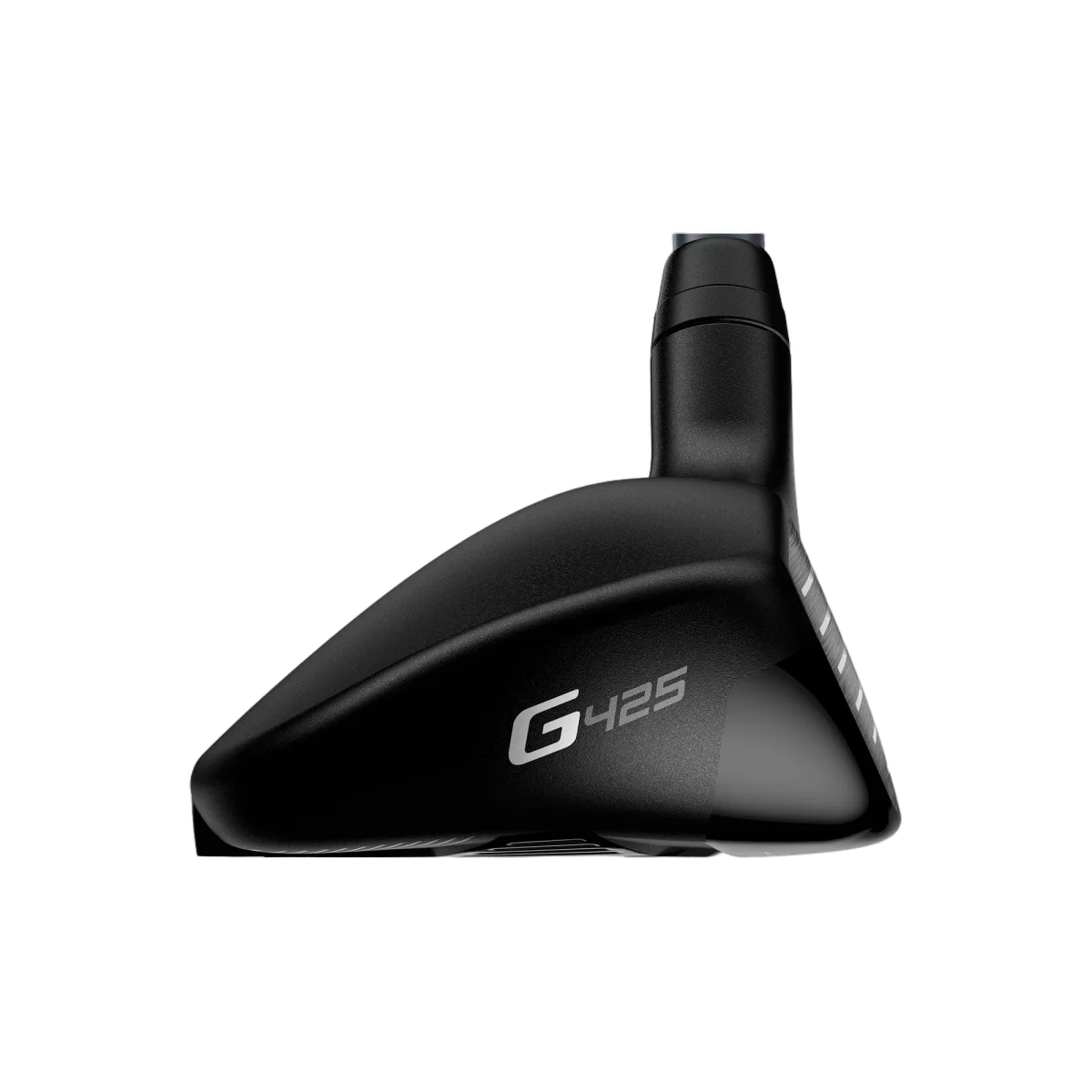
Crown and sole view of the PING G425 hybrid from above
The default shot shape carries a mild draw bias, which is common for game-improvement hybrids and beneficial for the majority of golfers who tend to leave the face slightly open. The draw tendency is noticeable but not aggressive -- it will help correct a slight fade without forcing a hook. For golfers who already draw the ball and worry about the left miss, the flat lie settings on the adjustable hosel provide a meaningful correction, holding the face more square through impact and reducing that left tendency.
Compared to its predecessor, the G410, the G425 launches noticeably higher and feels smoother through impact. The G410 had a slightly more iron-like profile that rewarded steeper swings, while the G425's deeper, more wood-like head shape favors a shallower, sweeping delivery. If you tend to pick the ball cleanly or sweep through impact, the G425 will reward that swing style with its best numbers. Steeper players may want to consider whether the higher launch suits their needs or whether the crossover model might be a better fit.
Verdict
The PING G425 Hybrid is a hybrid that does exactly what it promises: launch high, fly far, and forgive your mistakes. The maraging steel Facewrap face generates genuine ball speed, the Spinsistency face curvature keeps spin rates honest across the hitting area, and the tungsten-weighted, high-MOI head design makes it one of the most forgiving hybrids in its class. The eight-position adjustable hosel provides enough tunability to dial in trajectory and gapping for virtually any player profile.
Strengths: exceptional forgiveness on off-center strikes, high and consistent launch, strong ball speed from a hot maraging steel face, excellent adjustability through the hosel, versatile loft range from 17 to 34 degrees, clean and confidence-inspiring appearance at address, and outstanding value at current street prices.
Weaknesses: the high launch profile may produce too much height for players who prefer a lower, more penetrating ball flight, and the draw bias -- while helpful for most -- could be a concern for golfers who already fight a hook. The sound, while pleasant, is notably muted compared to some competitors, which is purely a preference issue. And while it still performs admirably, the G430 does offer marginal improvements in ball speed and acoustics for those willing to pay more.
The G425 Hybrid is ideal for mid-to-high handicappers looking for a reliable long iron replacement, but its adjustability and performance breadth make it a legitimate option for lower handicaps as well. At its current price point in the $130-$220 range, it represents one of the best hybrid values available in 2026.