Mizuno JPX One Fairway Wood
Mizuno — Mizuno JPX One Fairway Wood · By Troy · Jan 10, 2026
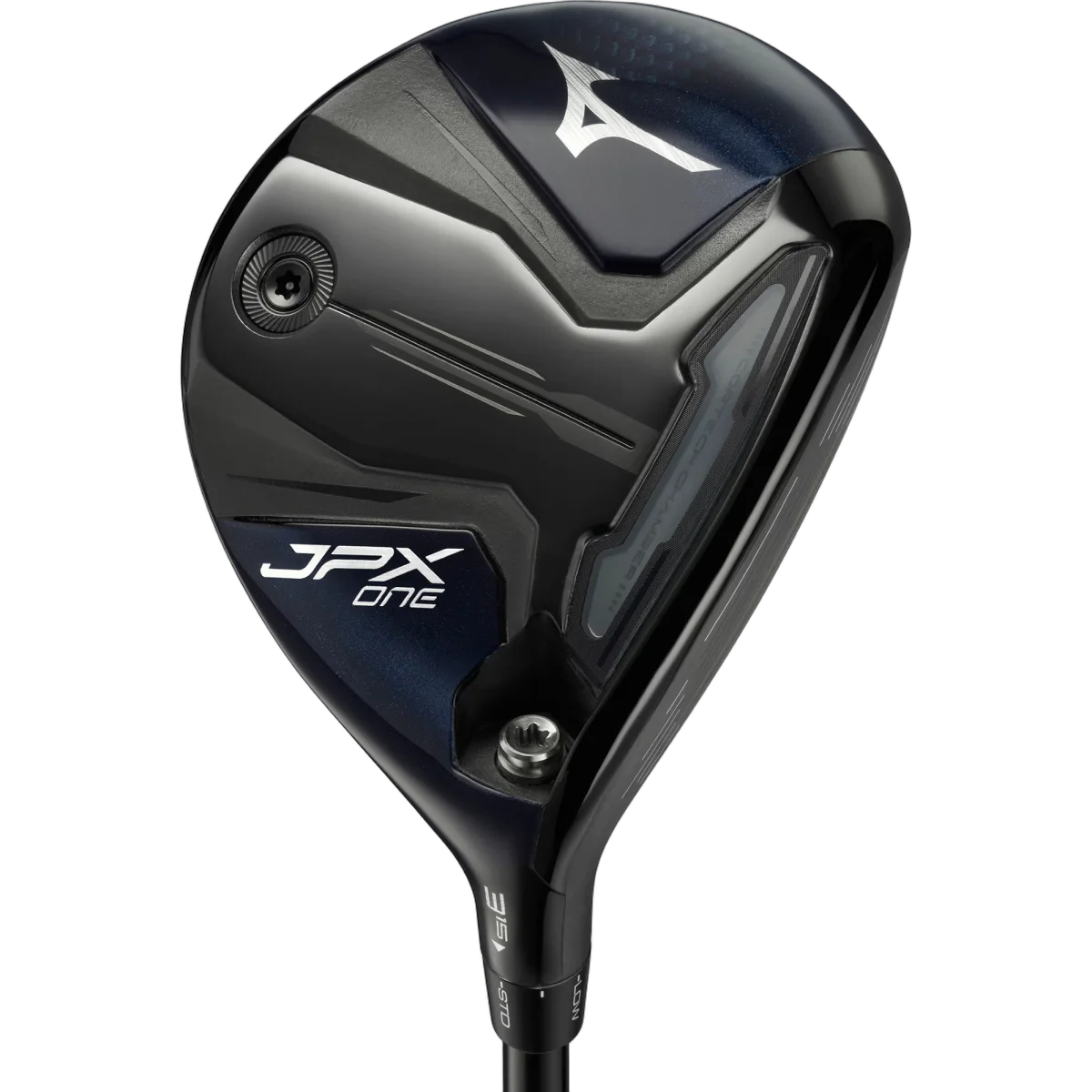
A forgiving, high-launching fairway wood that trades a few yards of distance for the kind of consistency most golfers actually need.
The Big Picture
Mizuno's JPX One range marks a new chapter for the brand's metal wood lineup in 2026, unifying what used to be the ST series under the JPX banner that golfers have long associated with Mizuno's iron excellence. The JPX One fairway wood arrives with a clear mission: deliver easy launch, straight ball flights, and genuine forgiveness without requiring you to swing out of your shoes.
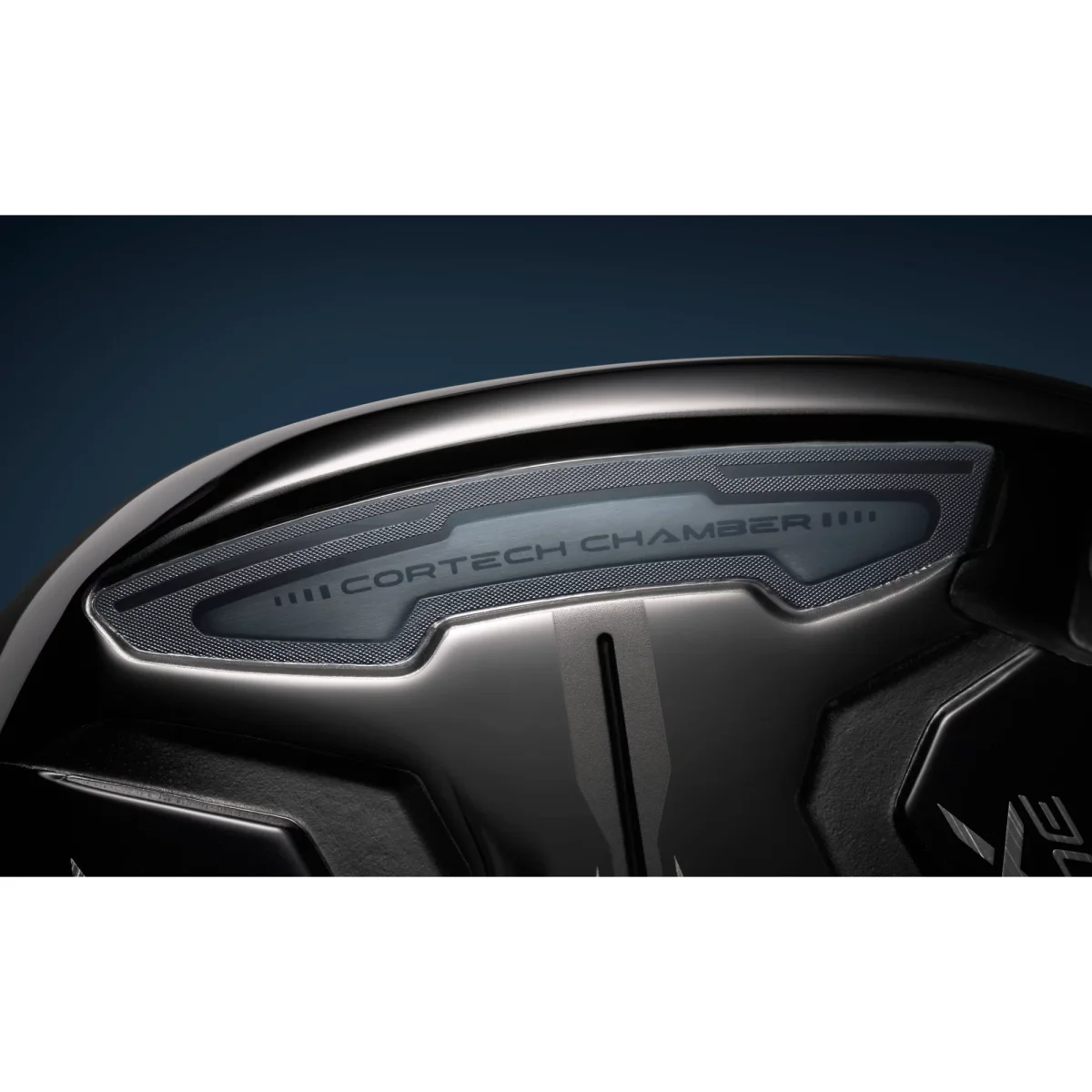
Under the hood, the headline technology is Mizuno's re-engineered Cortech Chamber, which strategically varies the internal gap between the sole and chamber wall to increase face flexion, particularly toward the toe and heel. The result is better ball speed retention on off-center strikes. Paired with a multi-thickness MAS1C forged steel face designed to maximize COR across a wider hitting area, the engineering here is practical rather than flashy. There is no revolutionary material story or AI-generated buzzword -- just refined metalwood engineering aimed at making your misses more playable.
The JPX One is offered in 3-wood, 5-wood, and 7-wood configurations, with options extending up to a 9-wood for golfers looking to replace long irons. A Quick Switch hosel adapter provides four degrees of loft adjustability, giving you room to fine-tune launch and trajectory without needing a different head. This is a fairway wood aimed squarely at mid-to-high handicappers and moderate swing speed players who want confidence from the tee and the turf, though its playability is broad enough that better players will find plenty to work with.
At Address
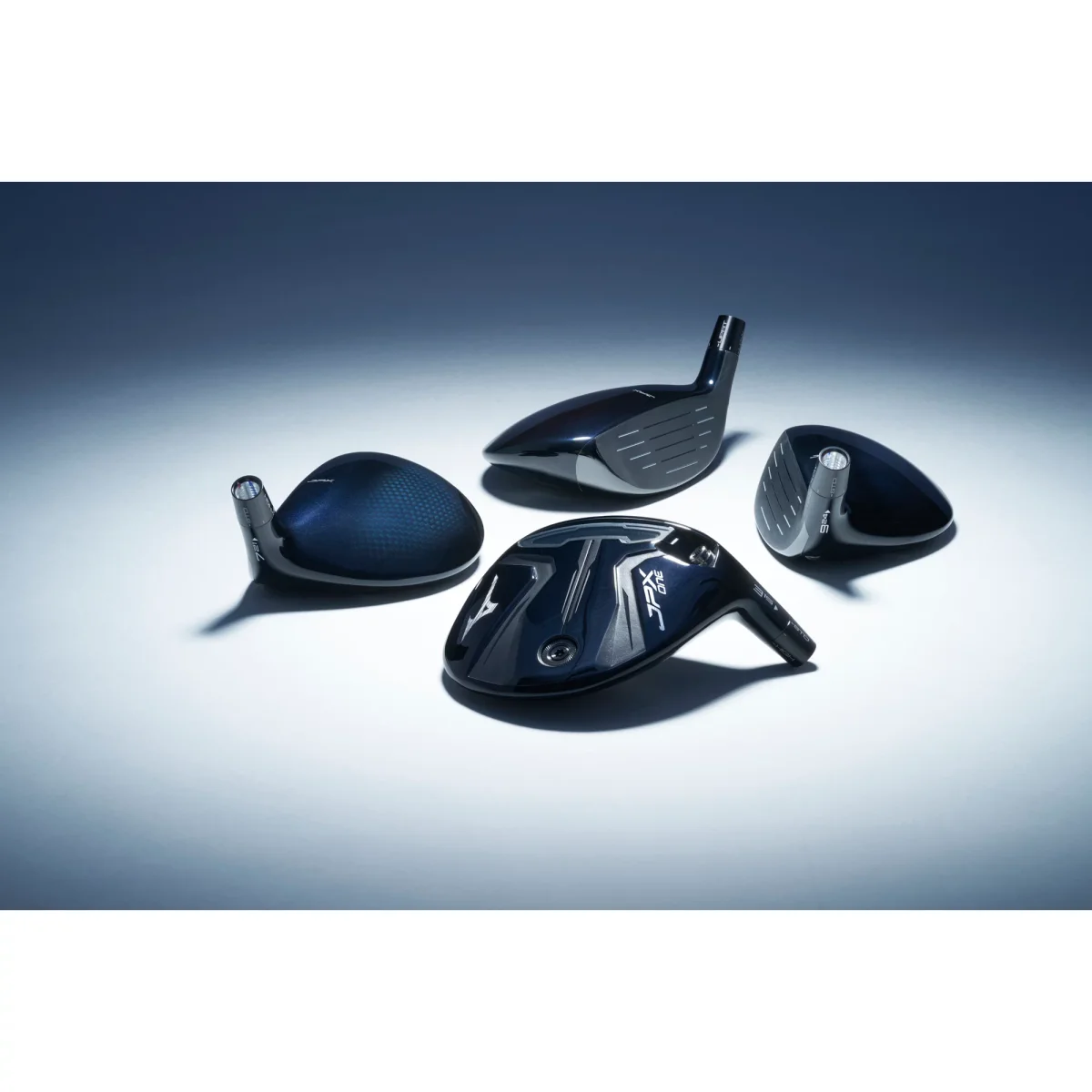
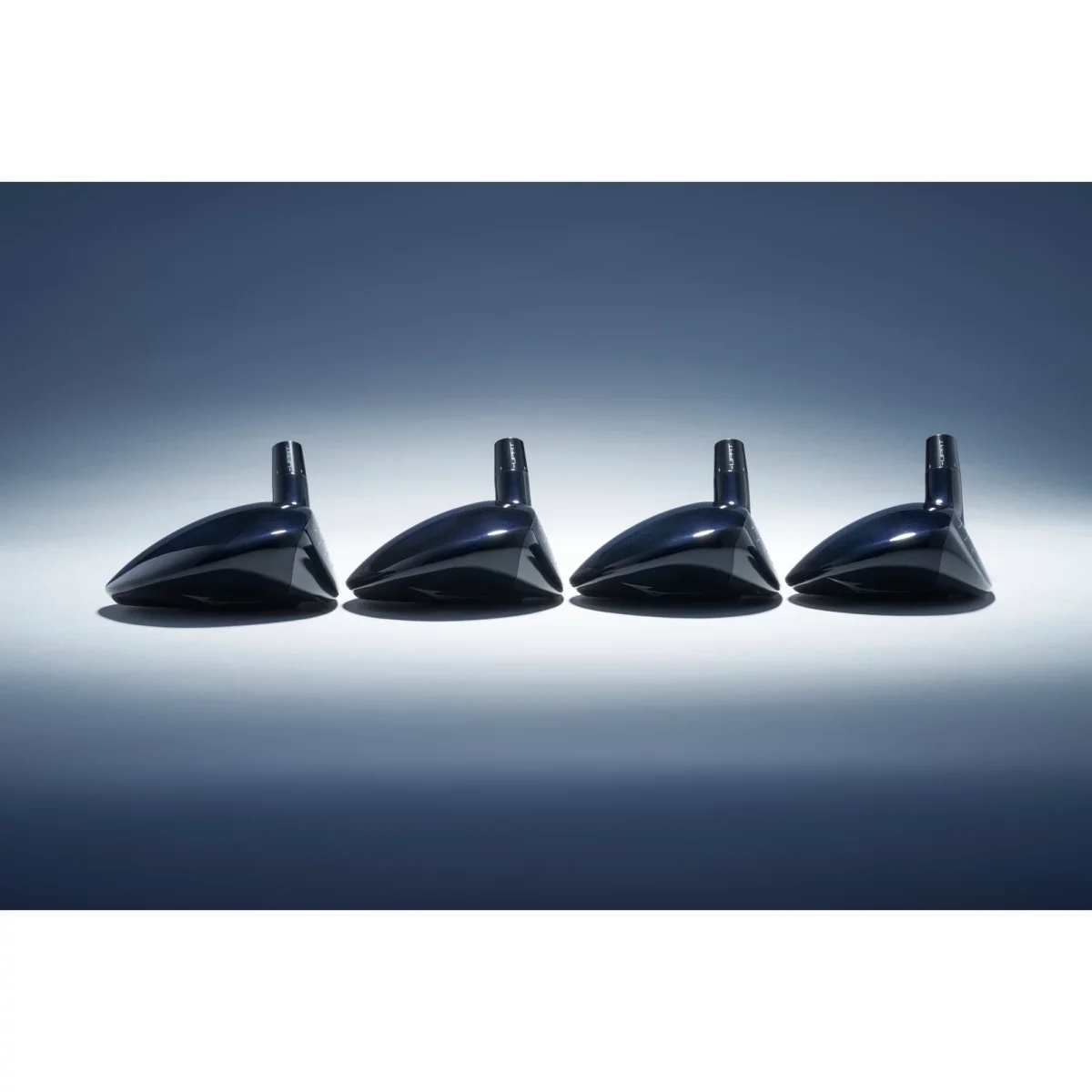
Mizuno has always known how to make a golf club look premium, and the JPX One fairway wood continues that tradition. The carbon composite crown features a deep navy-blue tint that catches light subtly without being distracting. It is genuinely attractive -- the kind of finish that looks even better outdoors than it does in a retail bay. The crown wraps into the skirt on the toe side, saving weight that gets redistributed lower in the head.
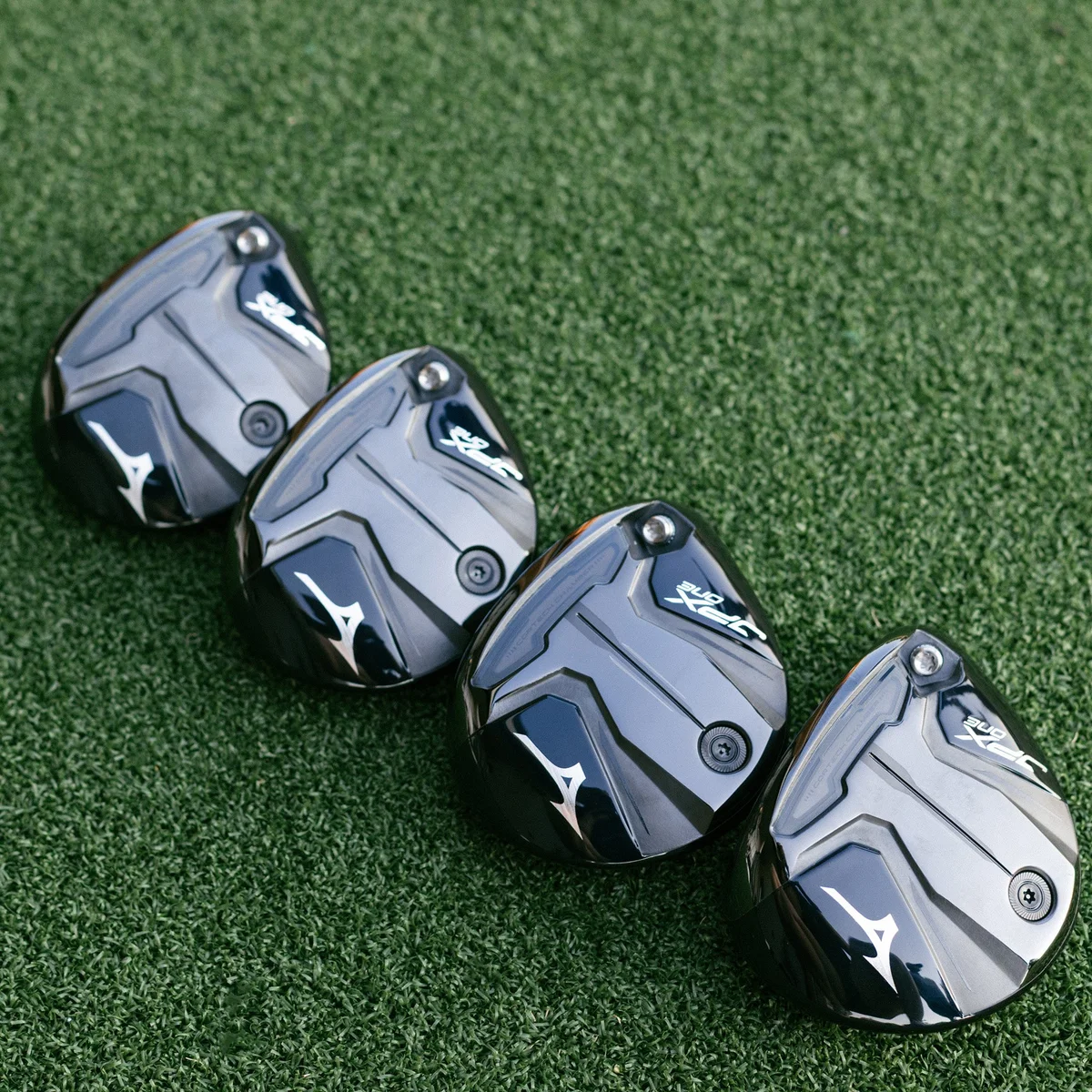
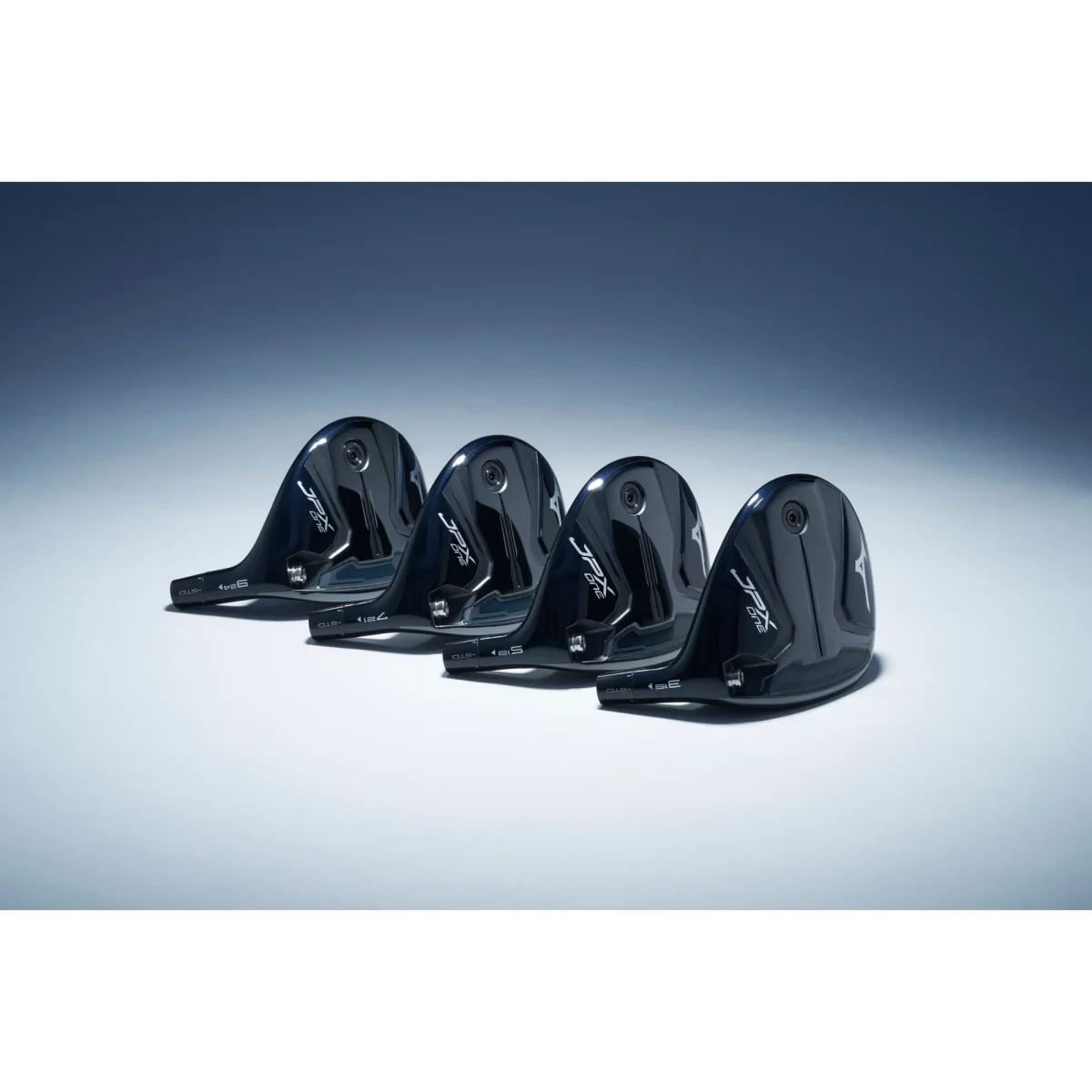
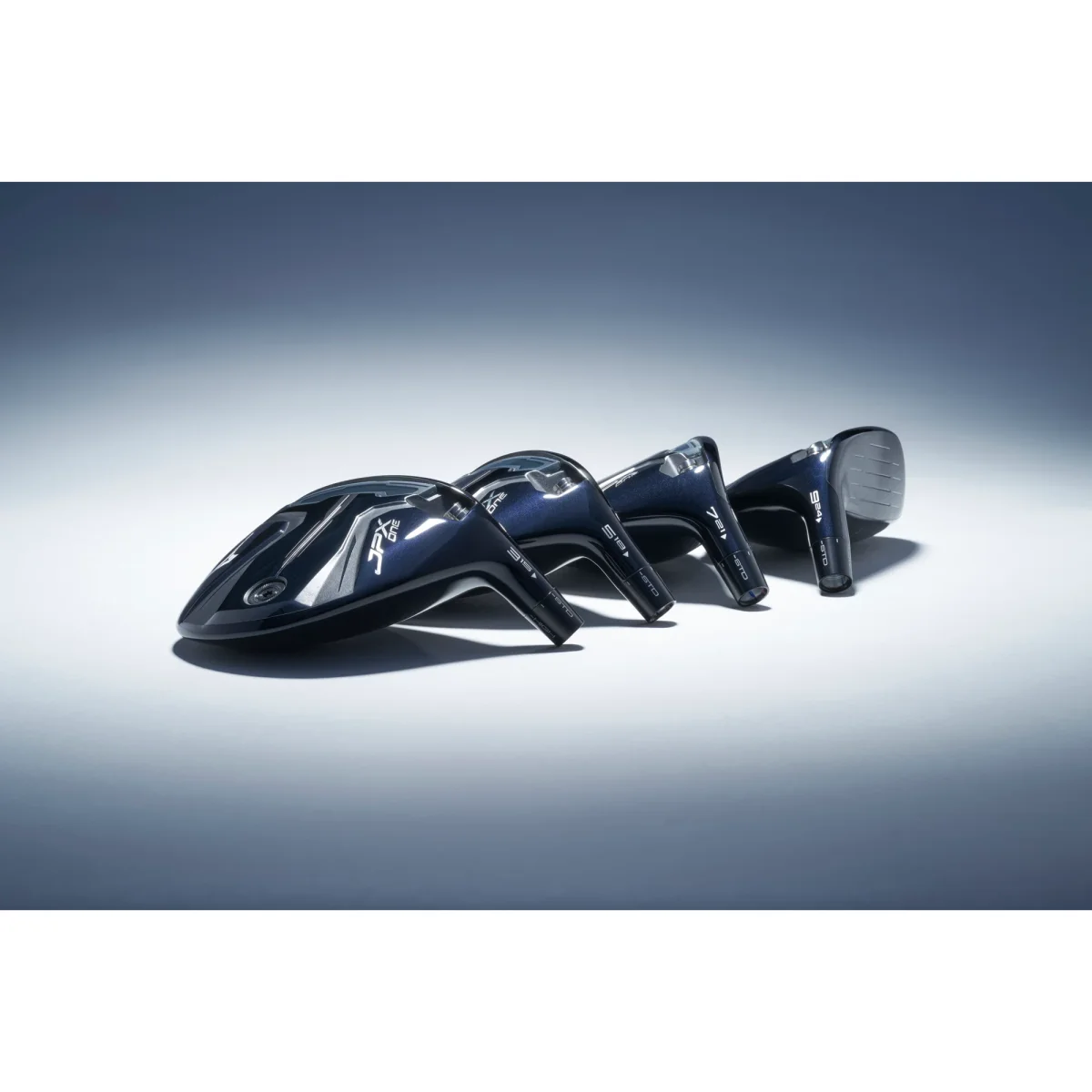
Four JPX One fairway woods in profile showing hosel and loft badges
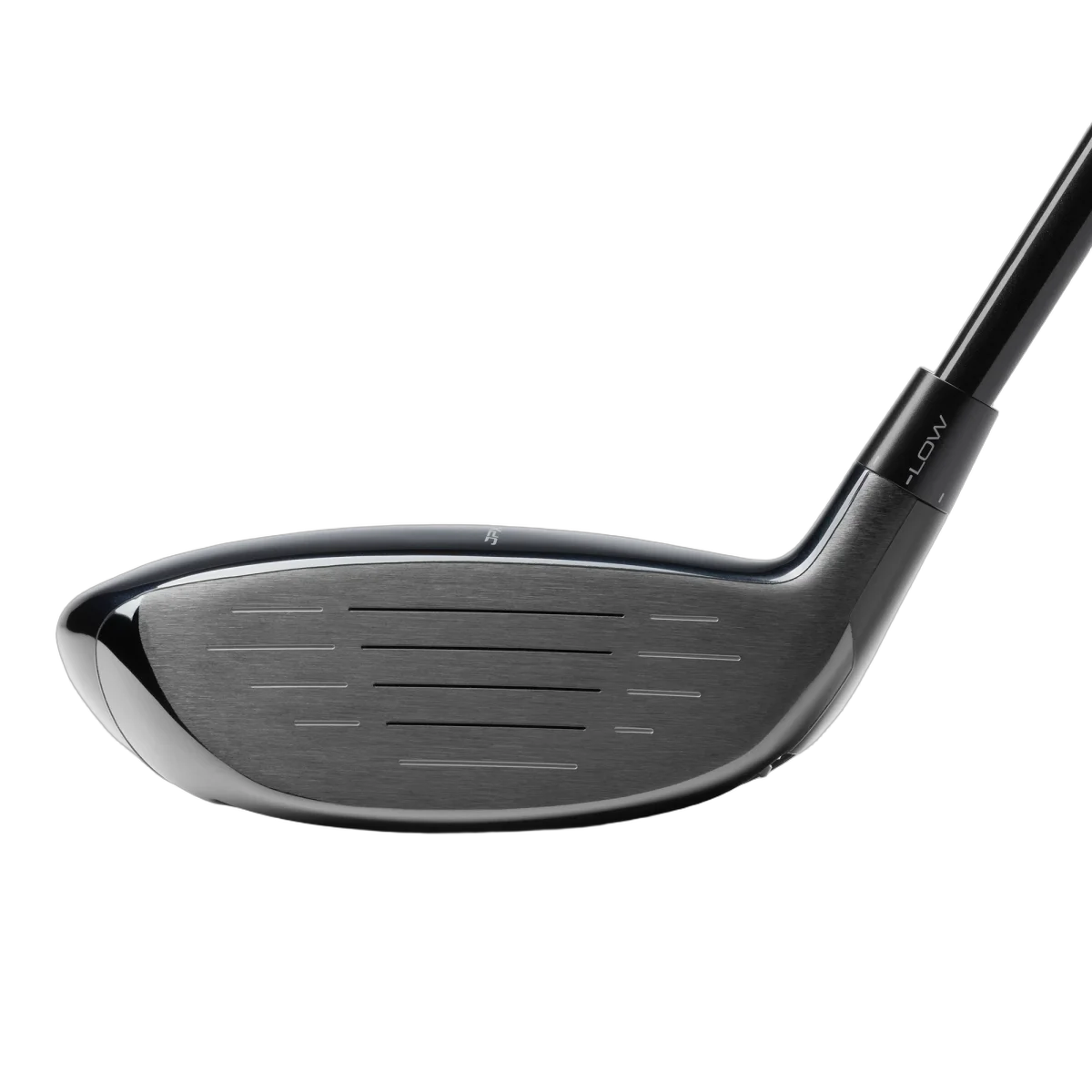
The head shape sits a touch closed at address, which should give confidence to golfers who tend to lose the ball out to the right. For players who prefer a square or slightly open look, this might take a session or two to get used to, but it is a deliberate design choice that promotes a straighter start line for the majority of golfers.
There is a clean alignment line on the crown that helps square the face efficiently at address. It is not overdone -- just a simple visual cue that does its job without cluttering the aesthetic. The sole features Mizuno's Speed Bevel shaping, which is designed to improve turf interaction on tight lies and light rough. Overall, the JPX One looks like a club that belongs in a premium bag.
Sound & Feel
Impact feel is soft and smooth, which is what you would expect from a forged steel face engineered by Mizuno. Center strikes produce a crisp, satisfying crack that gives you immediate feedback on strike quality. You know instantly when you have caught one flush versus when you have missed it slightly. There is a responsiveness here that feels distinctly different from the duller, more muted feedback you get from some carbon-faced competitors.
On mishits, the feel remains composed. There is no jarring harshness when you catch one a bit thin or toward the toe. The MAS1C face does a good job of maintaining a consistent sensation across the hitting area, which contributes to the overall confidence this club inspires. If you have ever hit a Mizuno iron and appreciated that signature soft-yet-responsive feedback, you will recognize it here translated into a fairway wood.
Performance
Ball Speed & Distance
Ball speed is where the JPX One fairway wood genuinely impressed me. I measured an average ball speed of 143 mph, with a peak of 146 mph. For context, the fastest fairway woods I have tested top out around 150 mph, so the JPX One is not far off the leaders in raw speed. From a pure ball speed standpoint, there is very little to criticize -- the Cortech Chamber and MAS1C face are doing their jobs, generating strong energy transfer across the hitting area.
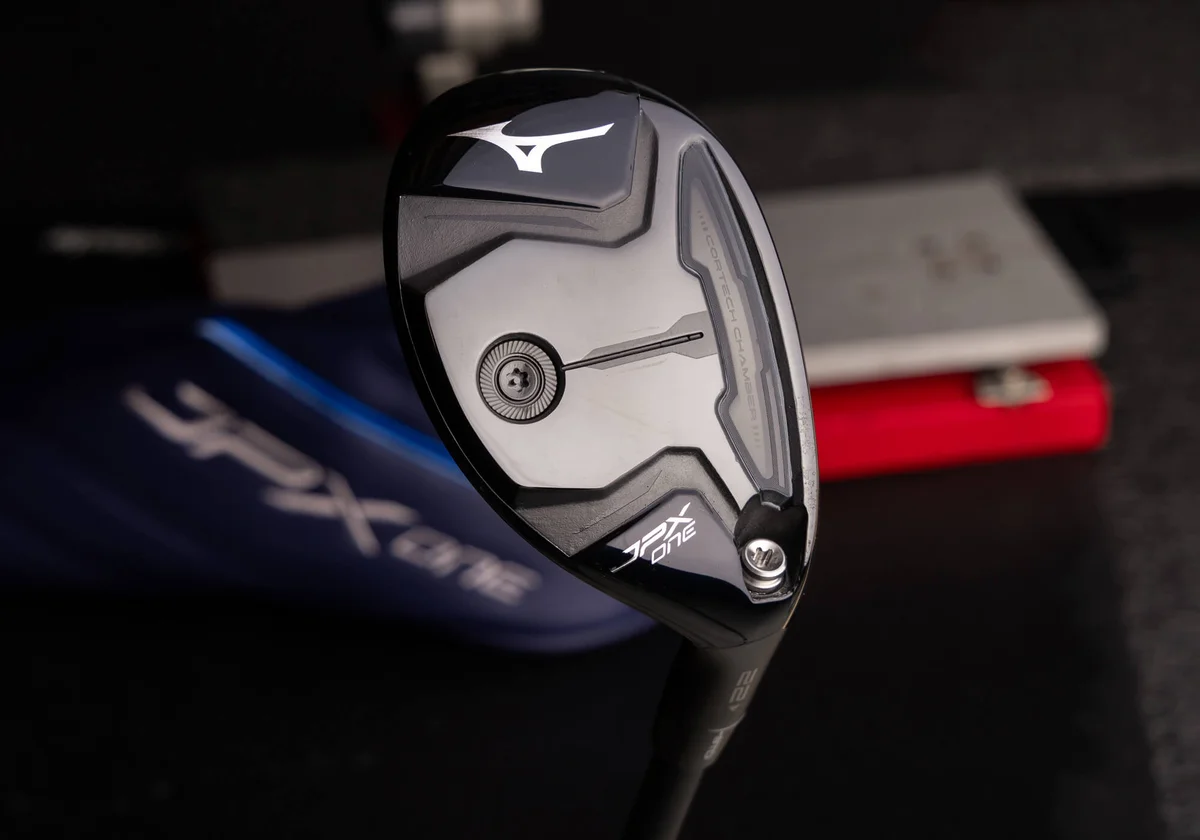
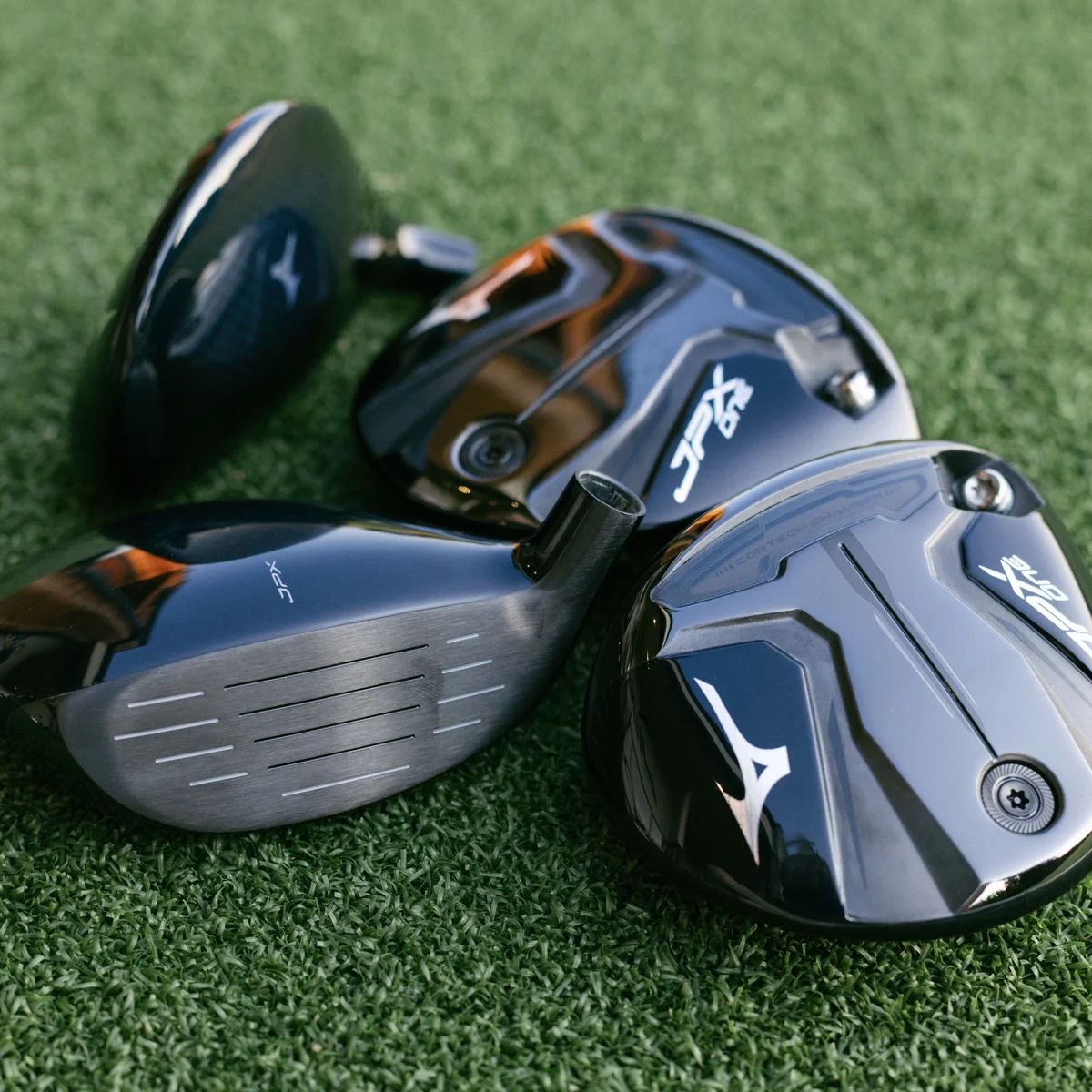
Face-on view of JPX One fairway wood showing grooves and dark finish
Where the JPX One gives back a few yards is in its spin profile. The higher spin rates that make this club so easy to launch and control also mean it does not quite match the total distance of the lowest-spinning fairway woods on the market. If you are chasing every last yard and you already generate plenty of launch naturally, you may find five to ten yards left on the table compared to a dedicated low-spin option. But for the vast majority of golfers, the tradeoff is worth it -- you get a ball flight that holds its line, lands softly, and actually stops on greens.
Launch & Spin
Launch is effortless. The combination of a lightweight carbon crown that lowers the center of gravity, the Speed Bevel sole design, and the overall weight distribution makes getting this fairway wood airborne almost automatic. Even from tight lies, the club glides through the turf cleanly and gets the ball up without requiring a perfect descending strike.
The spin profile sits in an interesting middle ground. It is higher than the low-spin options from brands like Ping and TaylorMade that chase maximum distance, but that is by design. Spin stays controlled enough to avoid ballooning, yet high enough to produce a flight that holds its apex and comes down at a steep enough angle to stop on greens. For golfers with moderate swing speeds who struggle to get fairway woods airborne, this spin profile is a genuine advantage. For faster swingers who already generate plenty of launch, a shaft fitting could help bring the spin down into a tighter window.
The stock shaft spun a touch high for my preference, but the four degrees of hosel adjustability and the availability of aftermarket shaft options mean there is performance left to unlock with a proper fitting.
Dispersion & Shot Shape
Forgiveness is a standout characteristic of the JPX One. Mishits rarely strayed far offline during my testing, and the dispersion pattern was impressively tight for a fairway wood in this category. There was barely any sidespin on well-struck shots, which makes this one of the easier fairway woods to hit straight that I have tested recently.
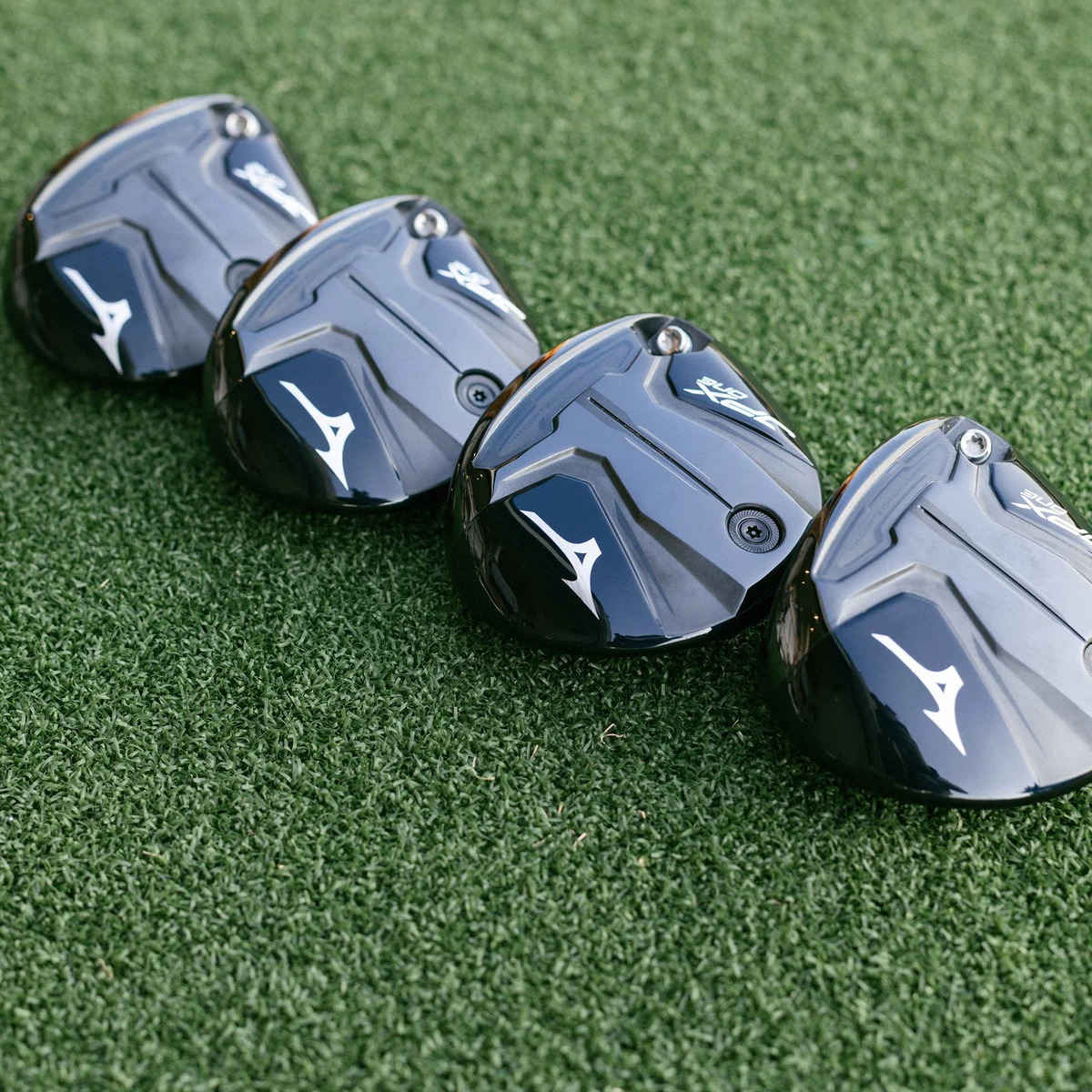
JPX One sole close-up showing Cortech Chamber badge and weight port
The club performed well both off the tee and from the turf, which is not always a given with fairway woods. The Speed Bevel sole genuinely improves turf interaction -- you can sweep it off tight lies without the leading edge digging in or the club decelerating through impact. That versatility is a real asset on the course, where you need a fairway wood that works from the deck on par fives just as well as it does off a tee on a tight par four.
The slightly closed face angle at address promotes a gentle draw bias, which will help golfers who tend to fade or slice their fairway woods. Combined with the hosel adjustability, there is enough tunability here to dial in your preferred shot shape.
Verdict
The Mizuno JPX One fairway wood is a strong all-around performer that prioritizes the things most golfers actually need: easy launch, straight ball flights, excellent forgiveness, and clean turf interaction. It generates impressive ball speed -- 143 mph on average with peaks near 146 mph -- and it does so with a soft, responsive feel that is unmistakably Mizuno.
It is not the longest fairway wood on the market. The higher spin profile that makes it so forgiving and easy to launch costs a few yards compared to the lowest-spinning alternatives. If maximum distance is your single highest priority and you already launch the ball plenty high, there are options that will carry a bit further. But for golfers who value consistency, control, and confidence over chasing every last yard, the JPX One delivers exactly what it promises.
The build quality is premium. The aesthetics are refined. The technology is practical and purposeful rather than gimmicky. And at $349.99, it is priced competitively within the current fairway wood market. If you are a mid-to-high handicapper looking for a fairway wood you can trust from any lie, or a better player who wants a reliable, forgiving option to complement a fitted shaft, the JPX One deserves serious consideration. Get fitted, dial in the right shaft and loft setting, and this fairway wood will quietly become one of the most reliable clubs in your bag.