Garmin Approach Z30 Golf Rangefinder
Garmin — Garmin Approach Z30 Golf Rangefinder · By Lauryl · Dec 21, 2025
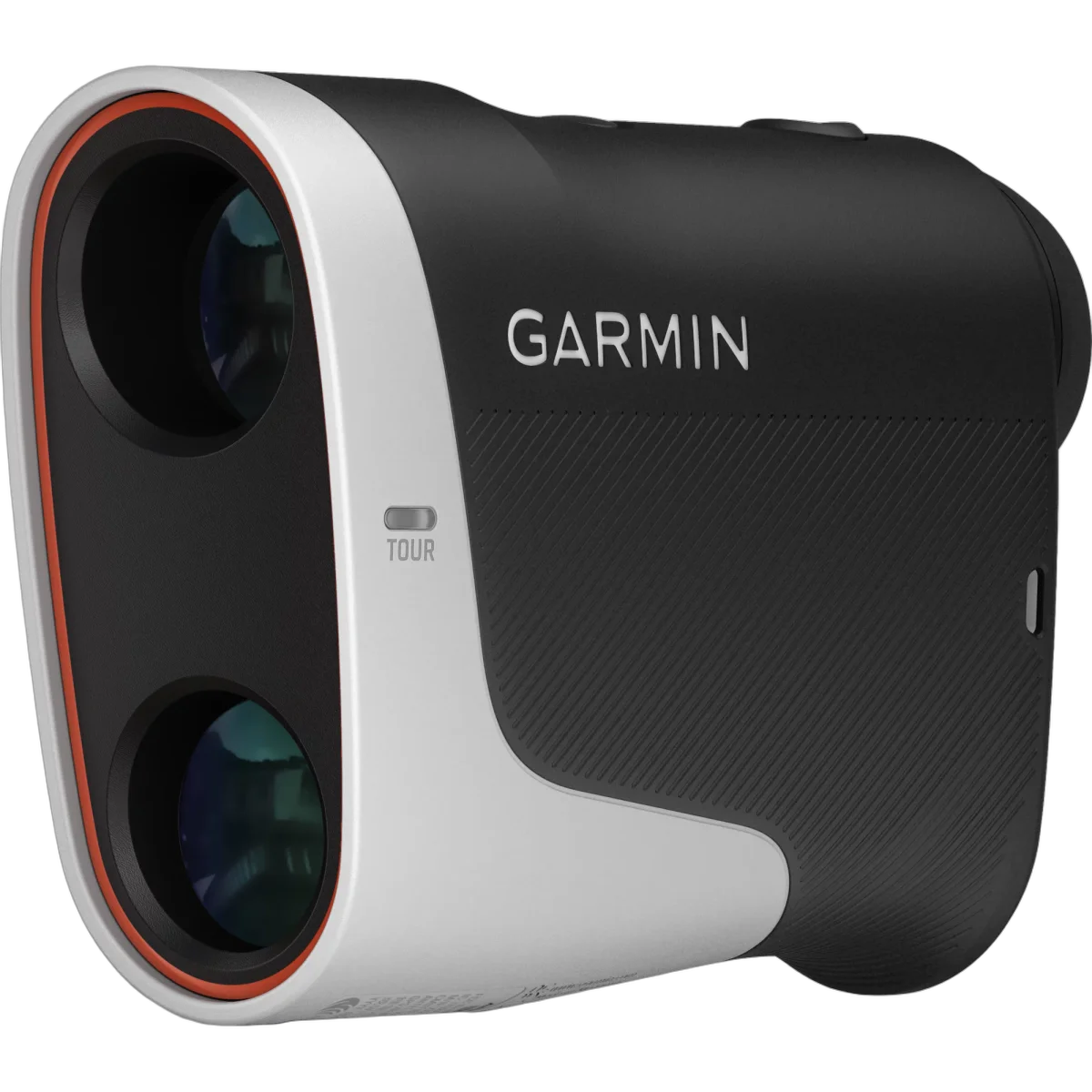
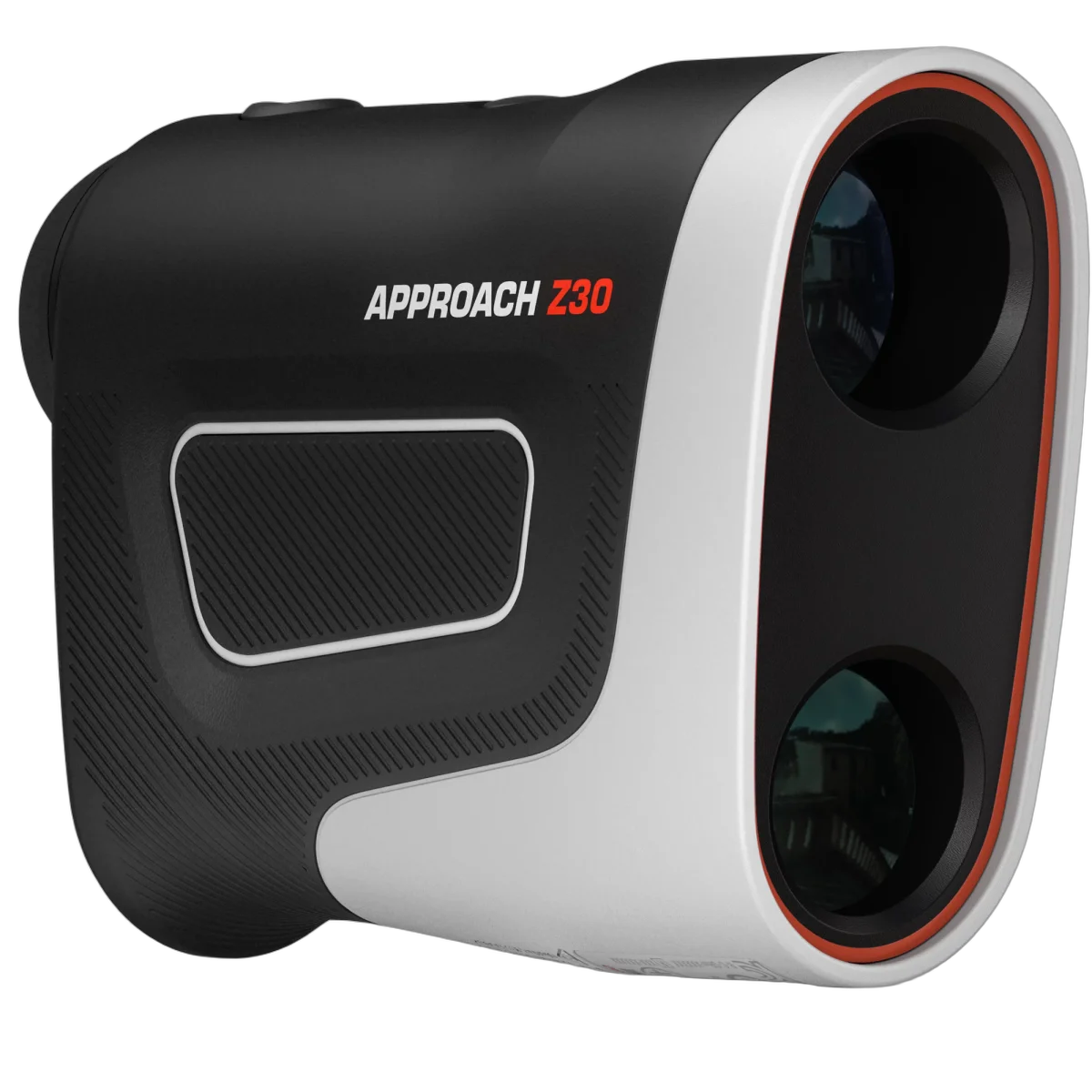
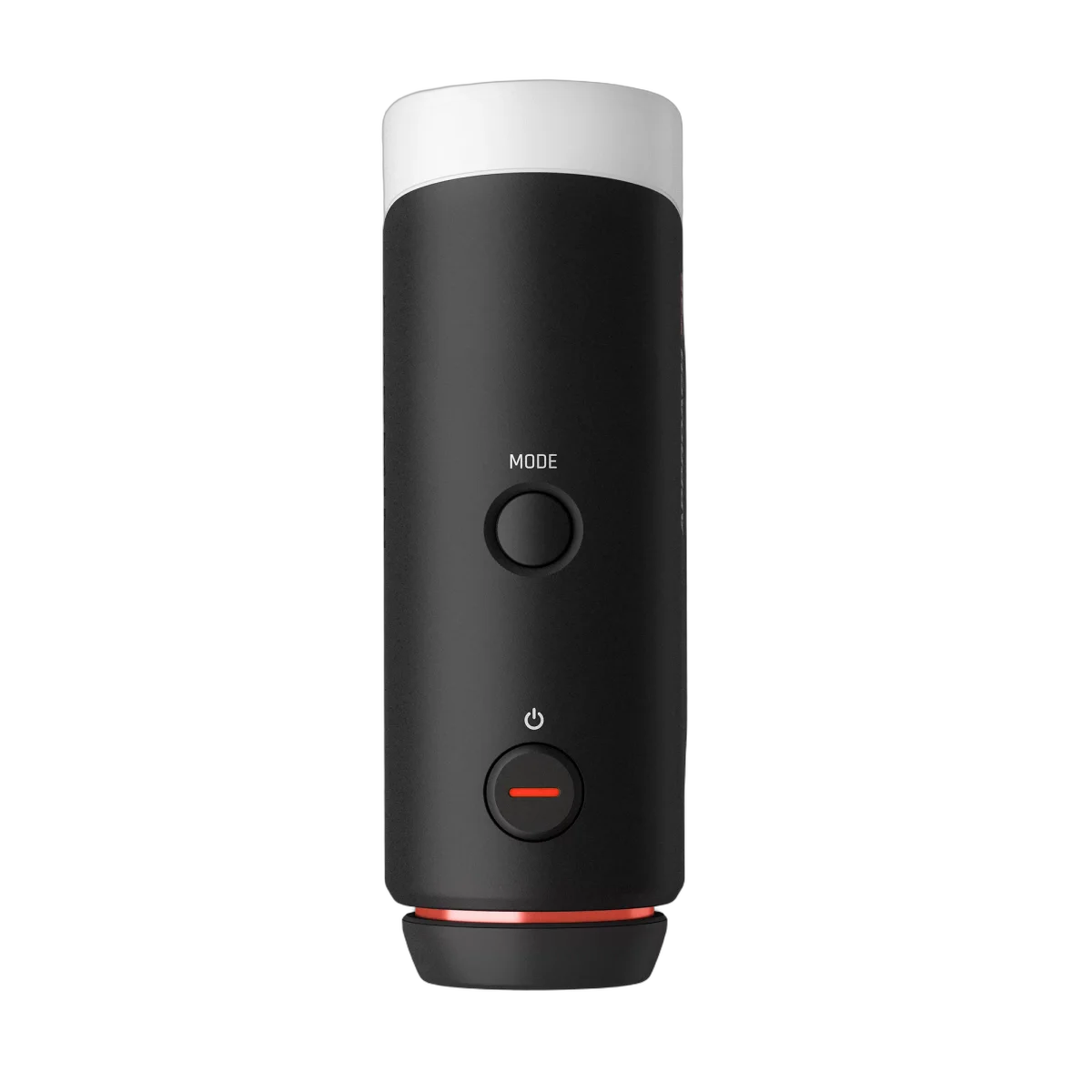
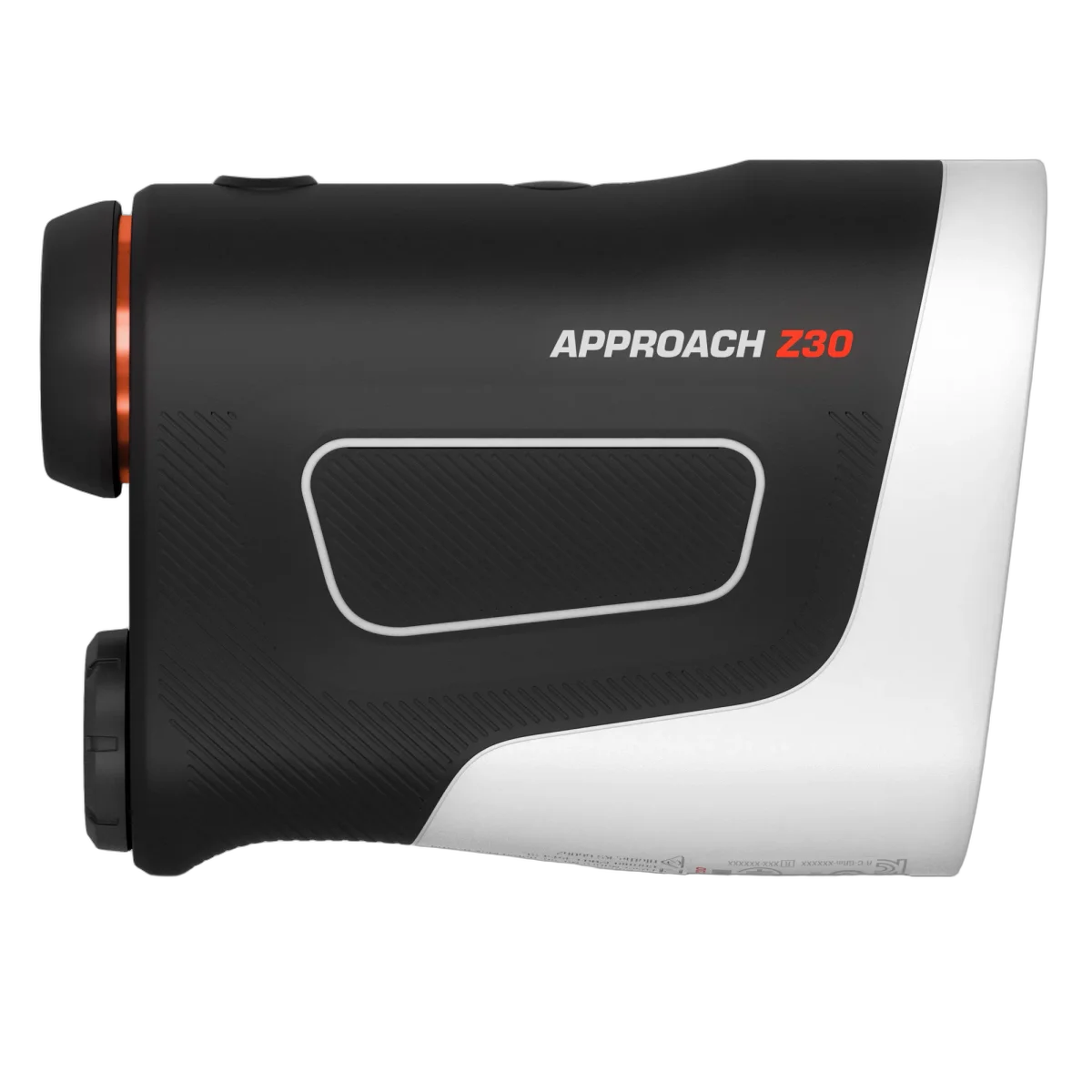
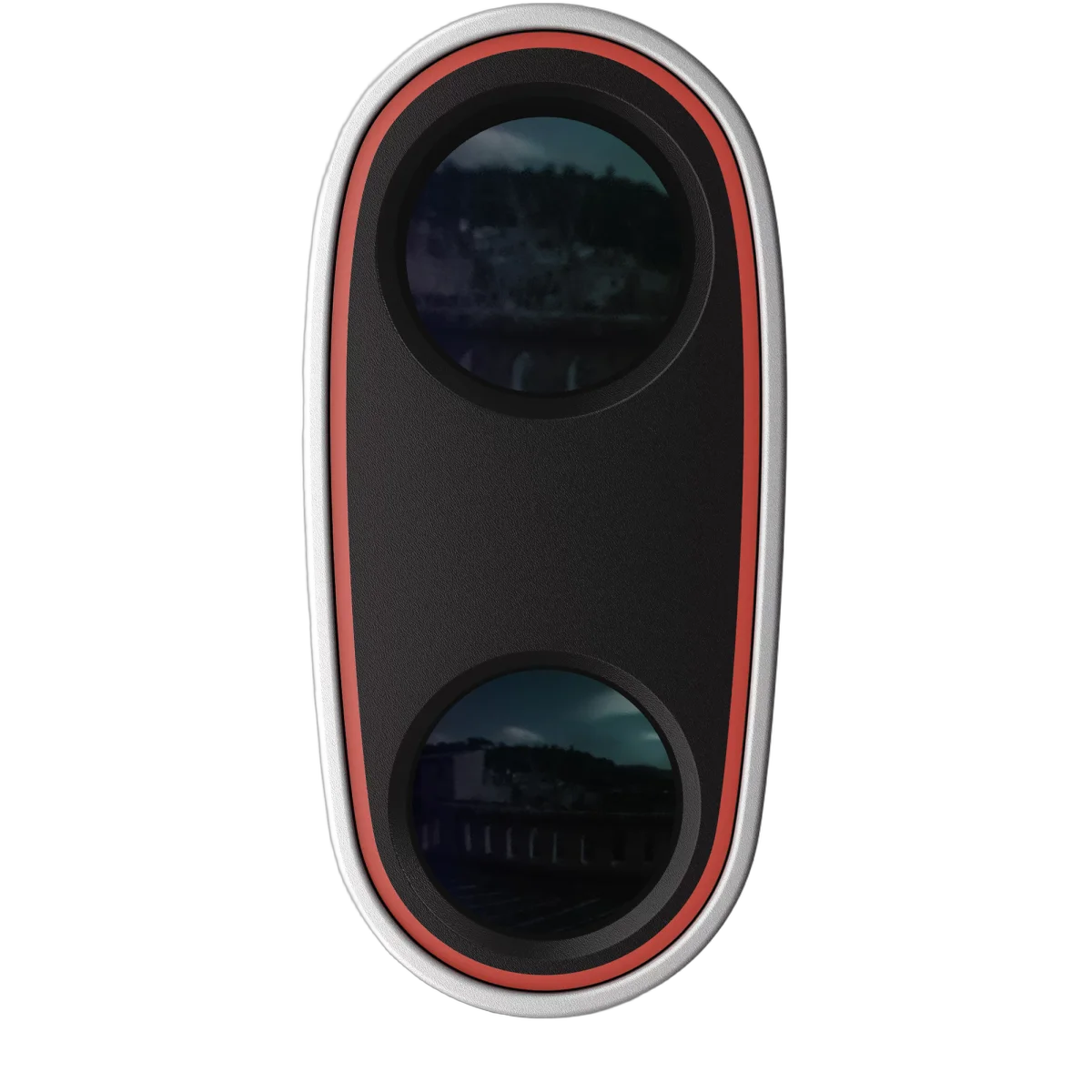
A genuinely innovative hybrid rangefinder that does things no competitor can, if you're already in the Garmin ecosystem. If you're not, the value equation gets complicated fast.
The Big Picture
The Garmin Approach Z30 is the most interesting rangefinder on the market and simultaneously the hardest to recommend broadly. It's a hybrid laser/GPS rangefinder that, when paired with a compatible Garmin GPS watch or the Garmin Golf smartphone app, delivers functionality no other rangefinder offers: after locking onto the flag, it displays front-and-back-of-green yardages through the viewfinder, sends the ranged distance to your GPS device for dynamic updating as you walk, and shows a visual arc on a 2D course map indicating what's in play left and right at your ranged distance.
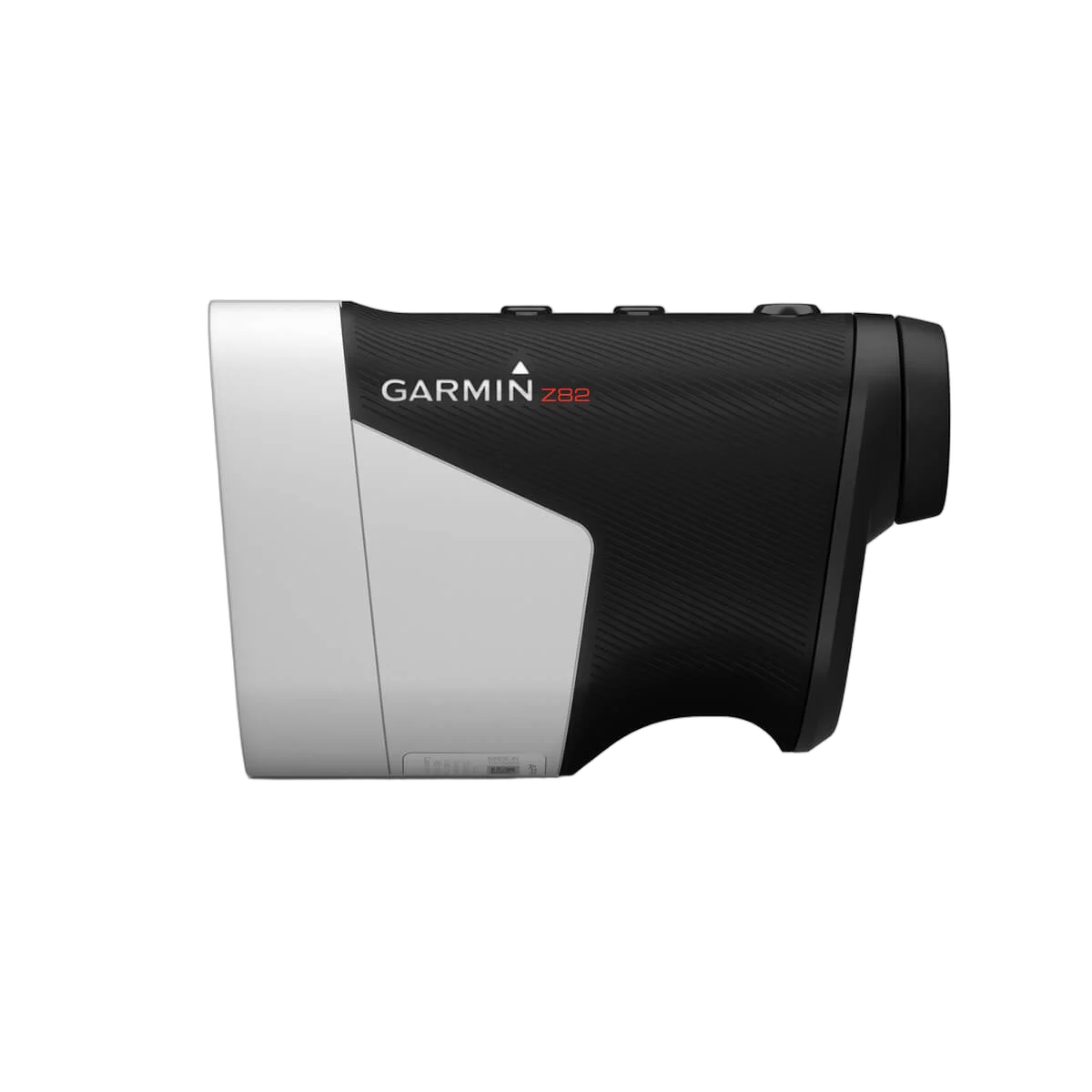
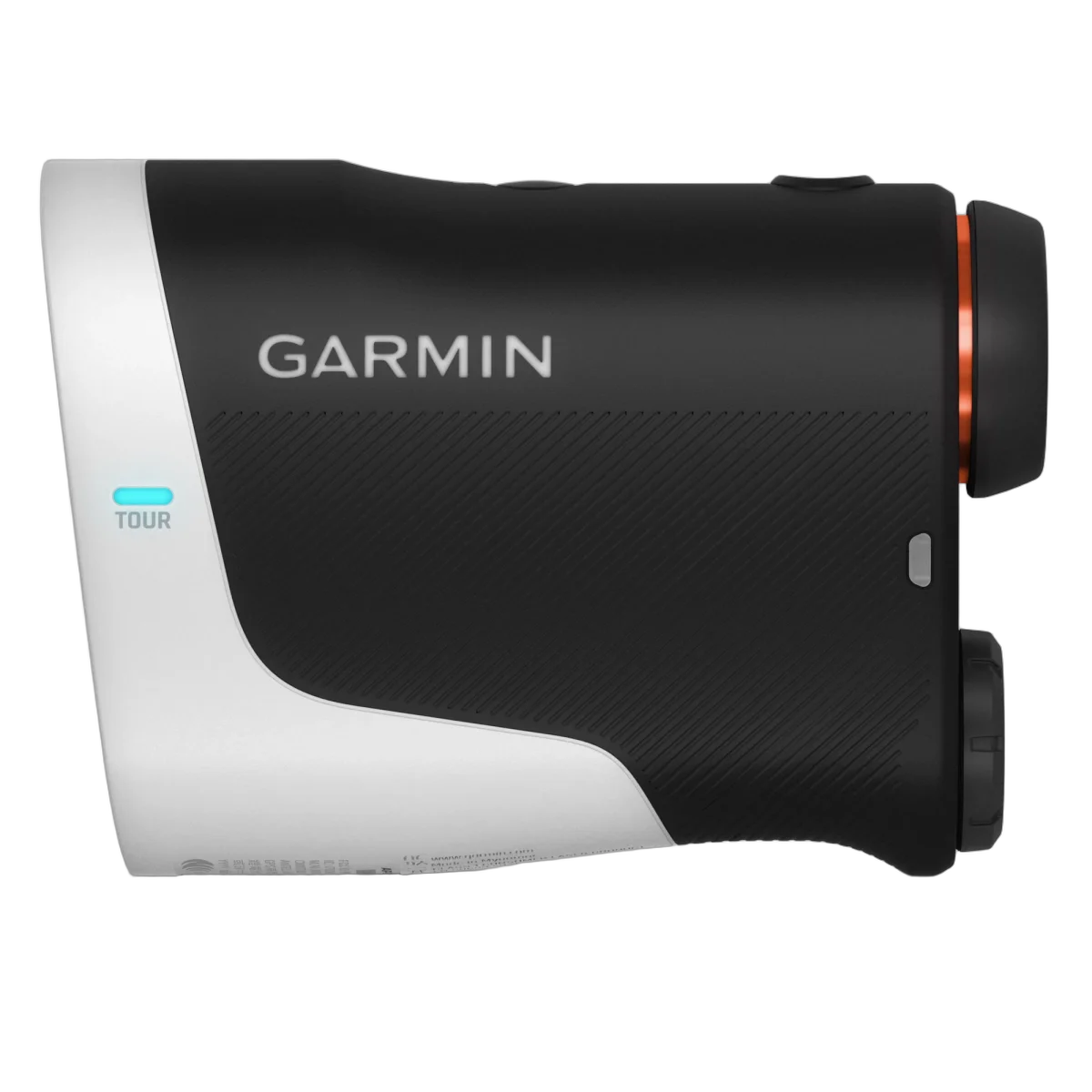
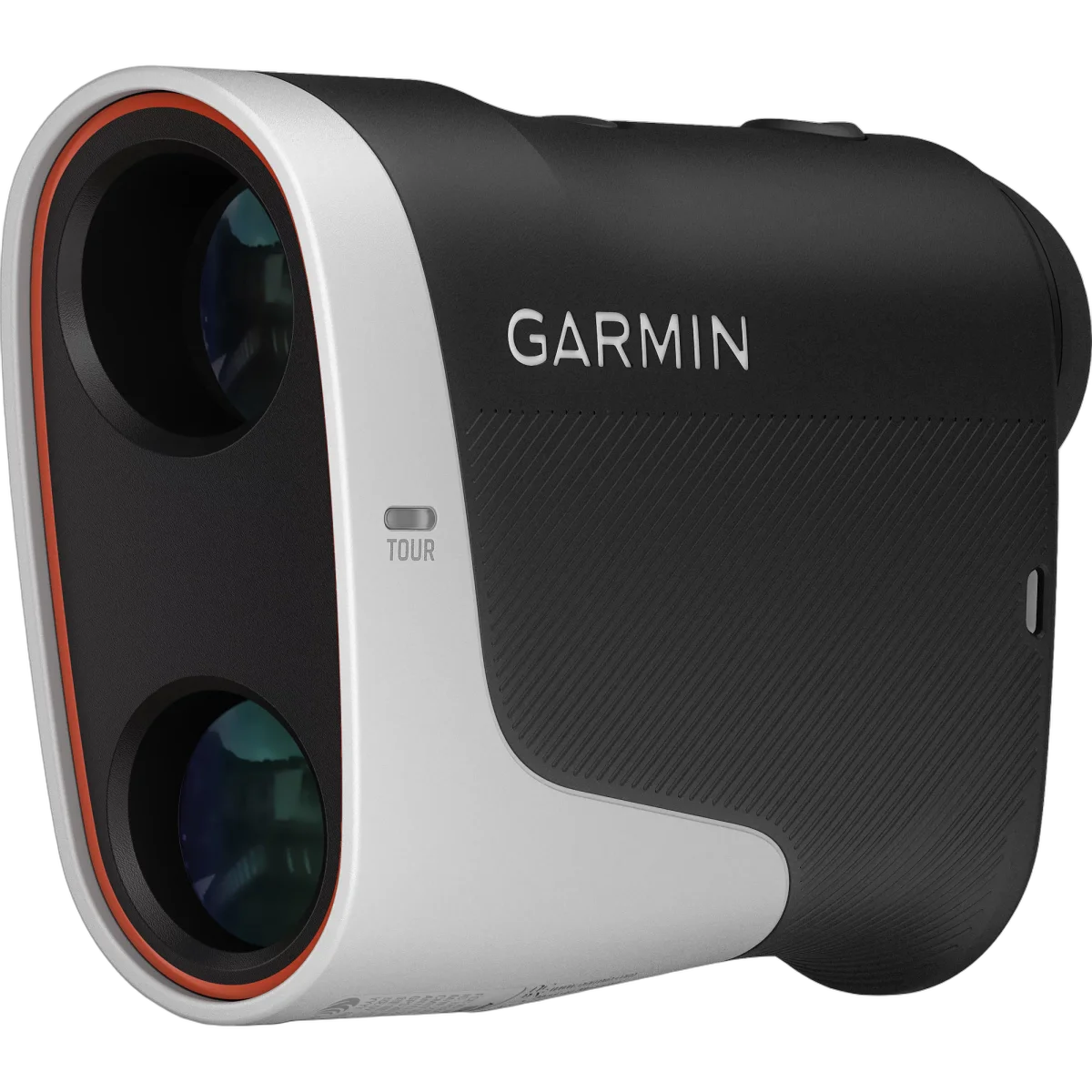
Left side profile showing Garmin branding and Tour badge
That's genuinely cool technology. It's also technology that requires you to own, or be willing to buy, a compatible Garmin GPS device to unlock.
As a standalone laser rangefinder, the Z30 is a competent $499 unit with 6X magnification, vibrational flag lock confirmation, PlaysLike Distance slope adjustment, image stabilization, a magnetic cart mount, IPX7 waterproofing, and up to one year of battery life from a replaceable CR2 battery. All of those features work without any Garmin pairing. But all of those features are also available from competitors at equal or lower prices. The Z30's reason for existing is the hybrid GPS integration, and that integration is what makes this review simultaneously exciting and cautious.
At Address
The Z30 is compact and well-built. It sits slightly smaller in the hand than the Bushnell Tour V6, with enough heft to feel like a serious piece of kit without being cumbersome. The rubber grip provides adequate traction, not the stickiest material on the market, but secure enough that you won't worry about dropping it mid-range.
Design-wise, Garmin kept things clean. No outrageous styling elements. Just a sleek, purposeful, purposeful rangefinder that looks the part. An external indicator light on the side shows when tournament mode is active (slope disabled), which is visible to playing partners, a thoughtful compliance detail that some competitors handle less elegantly. The included protective case is standard issue but looks good clipped to a bag.
Performance
Accuracy & Flag Lock
Side-by-side testing against the Bushnell Tour V6 confirmed the Z30 delivers accurate yardages. Both units returned identical readings (201.1 yards in one documented test), and the Bushnell has been independently validated against physical yardsticks. The flag lock vibration is reliable and the image stabilization helps acquire targets efficiently, standard fare for a premium rangefinder, but executed well.
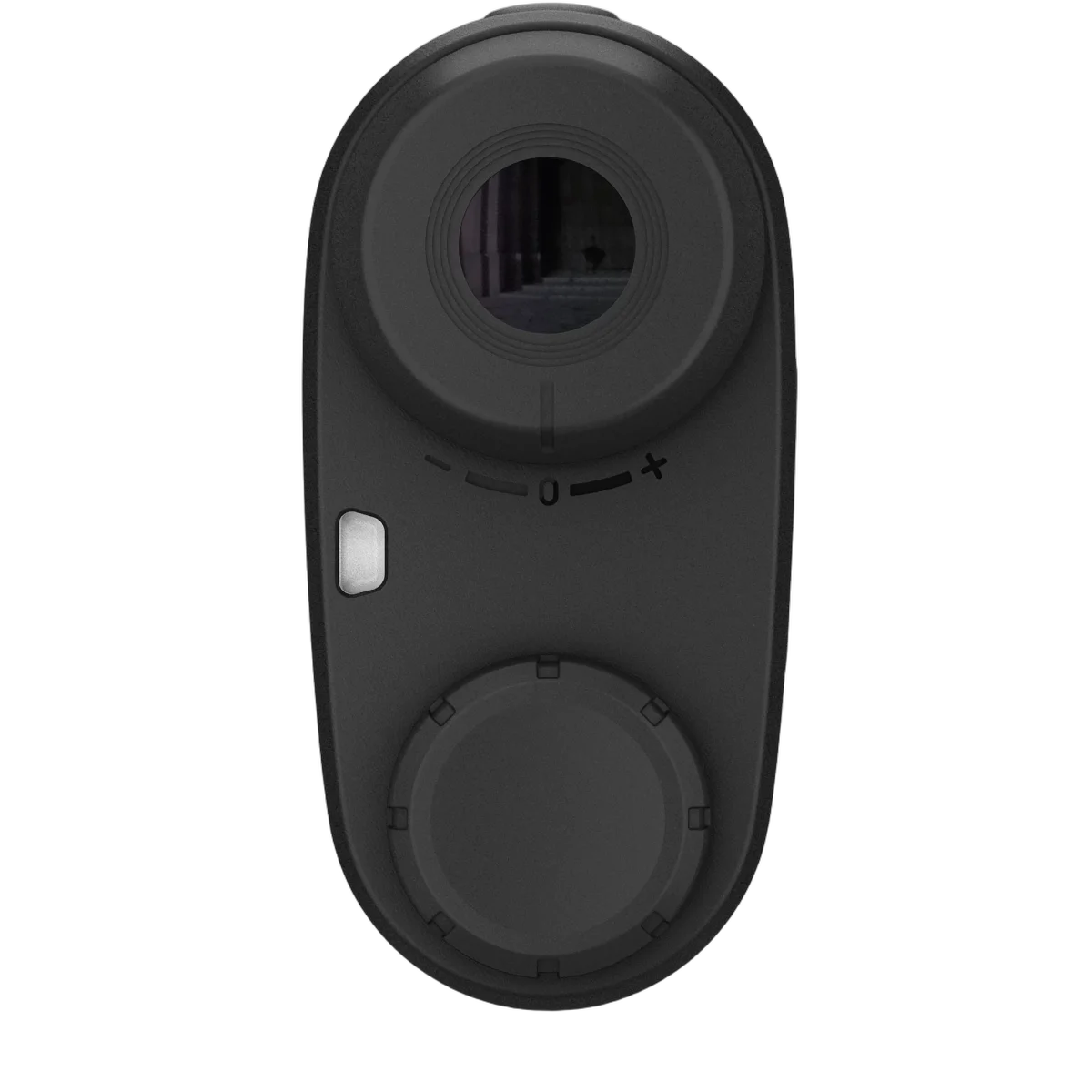
Rear eyepiece view showing diopter adjustment and focus dial
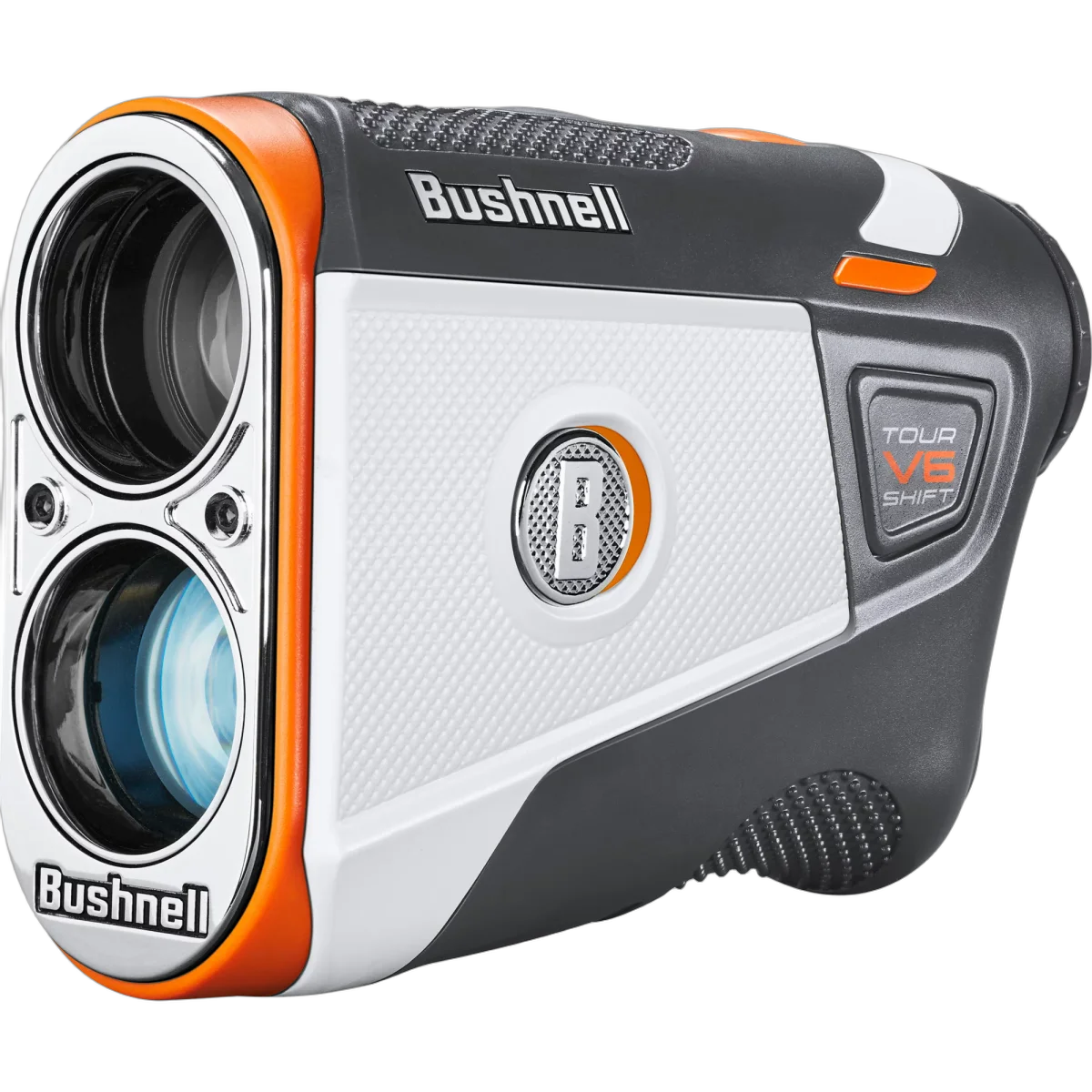
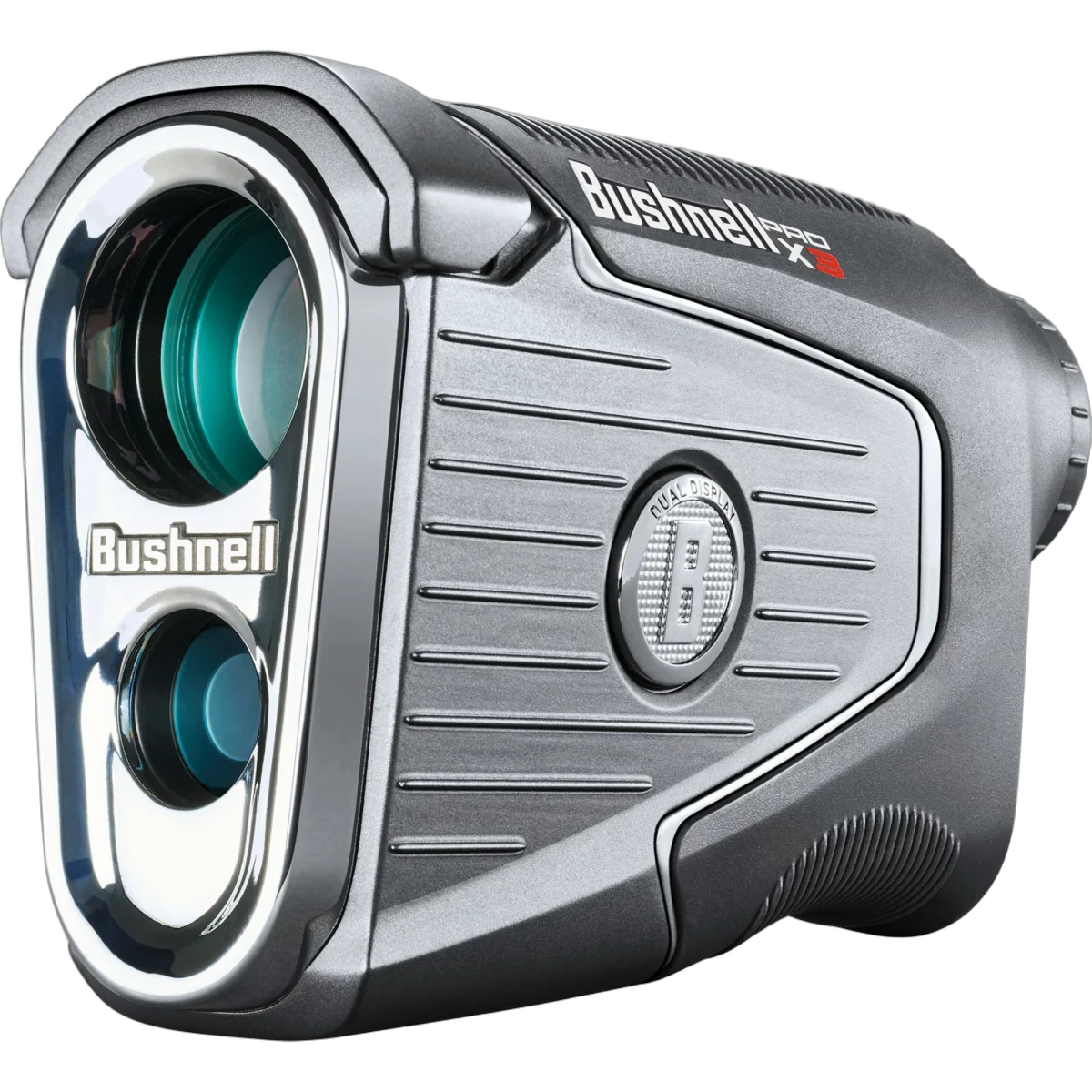
The 400-yard flag lock range is the Z30's most notable limitation as a pure laser. Most premium competitors offer 500+ yard ranges. The Bushnell Tour V6 Shift locks at 500 yards, and the Pro X3+ reaches even further. In practice, 400 yards covers the vast majority of on-course situations. But the Z30's hybrid design creates an interesting use case that makes the shorter range more noticeable: if you range the flag from the tee on a par 4 and let the GPS track your remaining distance dynamically, you never need to pull the rangefinder out again for that hole. That's a compelling workflow, but it only works if you can actually lock the flag from the tee, and on longer par 4s and par 5s, 400 yards may not reach. Testing confirmed a flag lock at 425 yards, but accuracy degraded and reliability dropped beyond that.
Hybrid GPS Integration
This is the Z30's headline feature and genuinely its most compelling attribute. When paired with a compatible Garmin watch (S42, S70, etc.) or the Garmin Golf smartphone app via Bluetooth, the rangefinder does three things no competitor matches.
First, after locking the flag, the viewfinder displays not just the distance to the pin and slope-adjusted playing distance, but also the yardage to the front and back of the green, pulled from GPS data relative to the pin's exact location. This contextualizes every approach shot: is the flag safely in the middle with margin for error, or tucked at the front or back where missing the green is a real risk? It's information you could check on your watch separately, but seeing it in the viewfinder alongside the laser distance creates a more complete picture in a single action.
Second, the Range Relay feature sends the ranged distance to your paired device. Your GPS watch then dynamically updates your remaining distance as you walk, eliminating the need to re-range. On a par 4, one range from the tee gives you yardage information for the entire hole. The paired device also displays a visual arc at the ranged distance on a 2D course map, showing what's in play to the left and right, useful for understanding trouble you might bring into play from the tee.
Third, the Find My Garmin feature helps locate the rangefinder if left behind on the course, showing its last known location in the Garmin Golf app. The caveat: Bluetooth only connects when you're actively using the rangefinder, so it shows the last place you ranged, not necessarily where you left it. If it fell out of your bag between shots, the location data won't help.
The integration works well in practice, but there's a speed trade-off. Each time you use the rangefinder, it needs to reconnect to your GPS device via Bluetooth. The connection is generally quick, a second or two, but for golfers accustomed to the instant grab-point-read workflow of a standalone laser, even that brief pause is noticeable. Dedicated rangefinder users may find it mildly annoying; golfers new to rangefinders likely won't notice.
One setup note: pairing requires a firmware update on your Garmin watch, which must be done via the Garmin Express desktop application (not the smartphone app). The process takes about five minutes but requires a computer and USB connection.
Slope & Tournament Mode
PlaysLike Distance adjusts yardages for elevation changes, standard slope functionality that works as expected. The external indicator light for tournament mode is a nice touch, making slope compliance visible to playing partners and tournament officials without requiring them to trust your word.
Waterproofing
The Z30 is rated IPX7, meaning it can withstand submersion in up to one meter of water for 30 minutes. This is notably better than most competitors. The Bushnell Tour V6 is rated IPX6 (protected against strong water jets but not submersion). For a $500 piece of electronics that lives in a golf bag and occasionally gets set down near water hazards, the extra protection is meaningful insurance against the worst-case scenario.
Battery Life
A replaceable CR2 battery provides up to one year of use. The Bluetooth data transfers to your GPS device will consume some additional power, though Garmin's claim of one-year life presumably accounts for typical paired usage. Long-term battery performance with heavy GPS pairing hasn't been independently verified yet given the unit's recent release.
Verdict
The Garmin Approach Z30 is a genuinely innovative rangefinder that does things no competitor can. The hybrid laser/GPS integration creates a more informed on-course experience — front-and-back-of-green yardages in the viewfinder, dynamic distance updates on your watch, visual arc mapping of what's in play. The IPX7 waterproofing is best-in-class. The build quality and accuracy match premium expectations.
The challenge is the target market. If you already own a compatible Garmin GPS watch and want to maximize that ecosystem, the Z30 is a compelling addition that genuinely enhances both devices. If you don't own a Garmin GPS device, you're either paying $500 for a rangefinder whose best features are locked, or you're committing to $700-1,000+ combined for a Z30 and compatible watch to unlock everything. That's a steep investment.
Today's Golfer named it "Best for Brand Integration," and that label is precisely right. The 400-yard flag lock range is shorter than competitors at this price. The Bluetooth reconnection adds a second or two to each use. And the core hybrid features — while genuinely useful — replicate information already available on the GPS watch you need to own to use them.
For Garmin ecosystem golfers: this is a smart, innovative tool that makes your watch and rangefinder better together than either is alone. For everyone else: the Bushnell Tour V6 Shift offers longer range and proven reliability at a similar price, or the Bushnell Pro X3+ delivers best-in-class optics and accuracy if you want to spend at this level without ecosystem requirements.