Callaway Supersoft Golf Balls
Callaway — Callaway Supersoft Golf Ball · By Andy · Nov 16, 2025

Amazon's best-selling golf ball does exactly what it promises, but only for the right golfer
The Big Picture
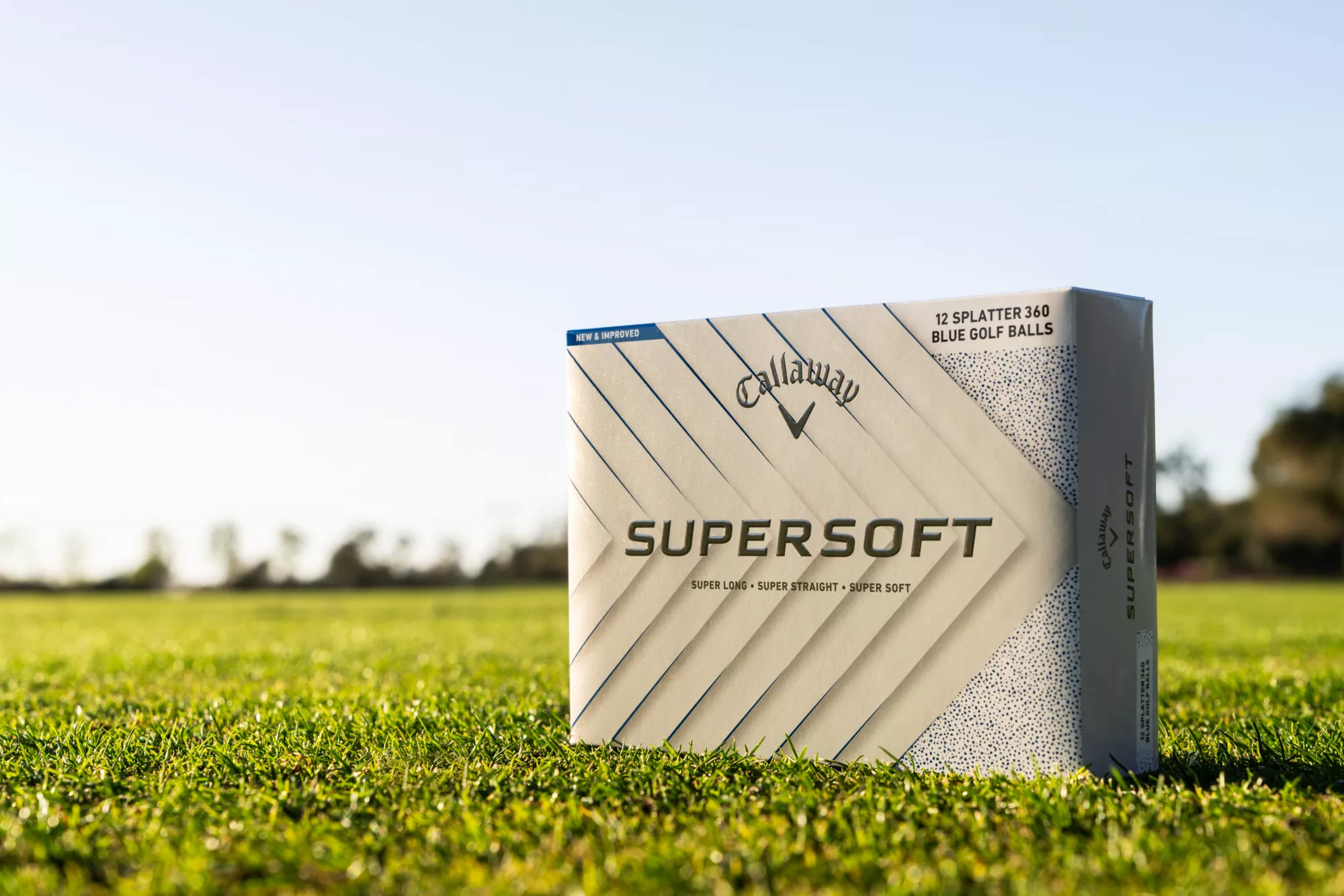
The Callaway Supersoft is one of the best-selling golf balls on the planet. It's the number-one seller on Amazon in both the US and UK, and it has been for a while. The appeal is obvious: it's from a trusted brand, it's soft, it comes in every color imaginable, and a dozen will run you around $25, roughly half the price of premium tour balls.
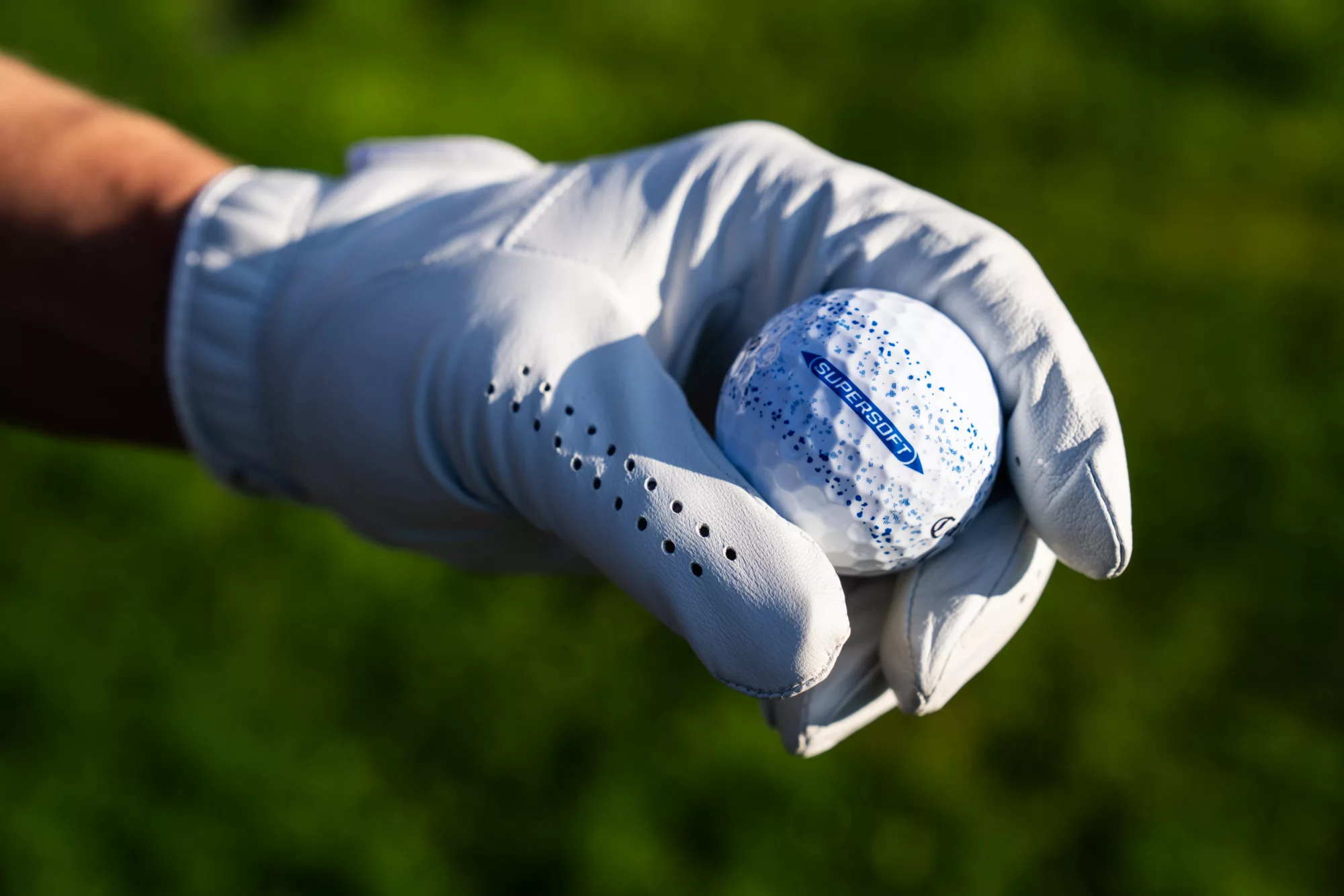
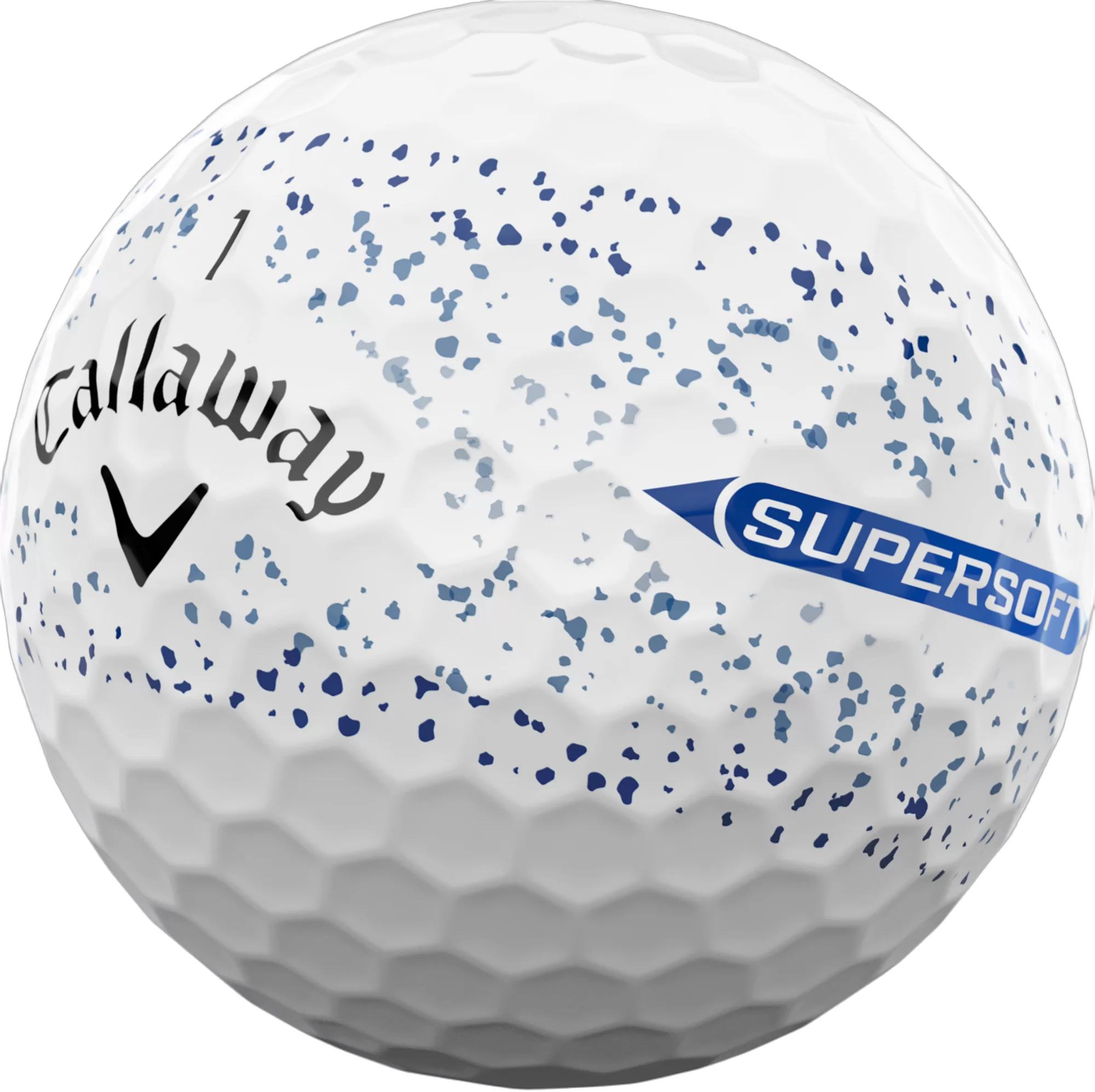
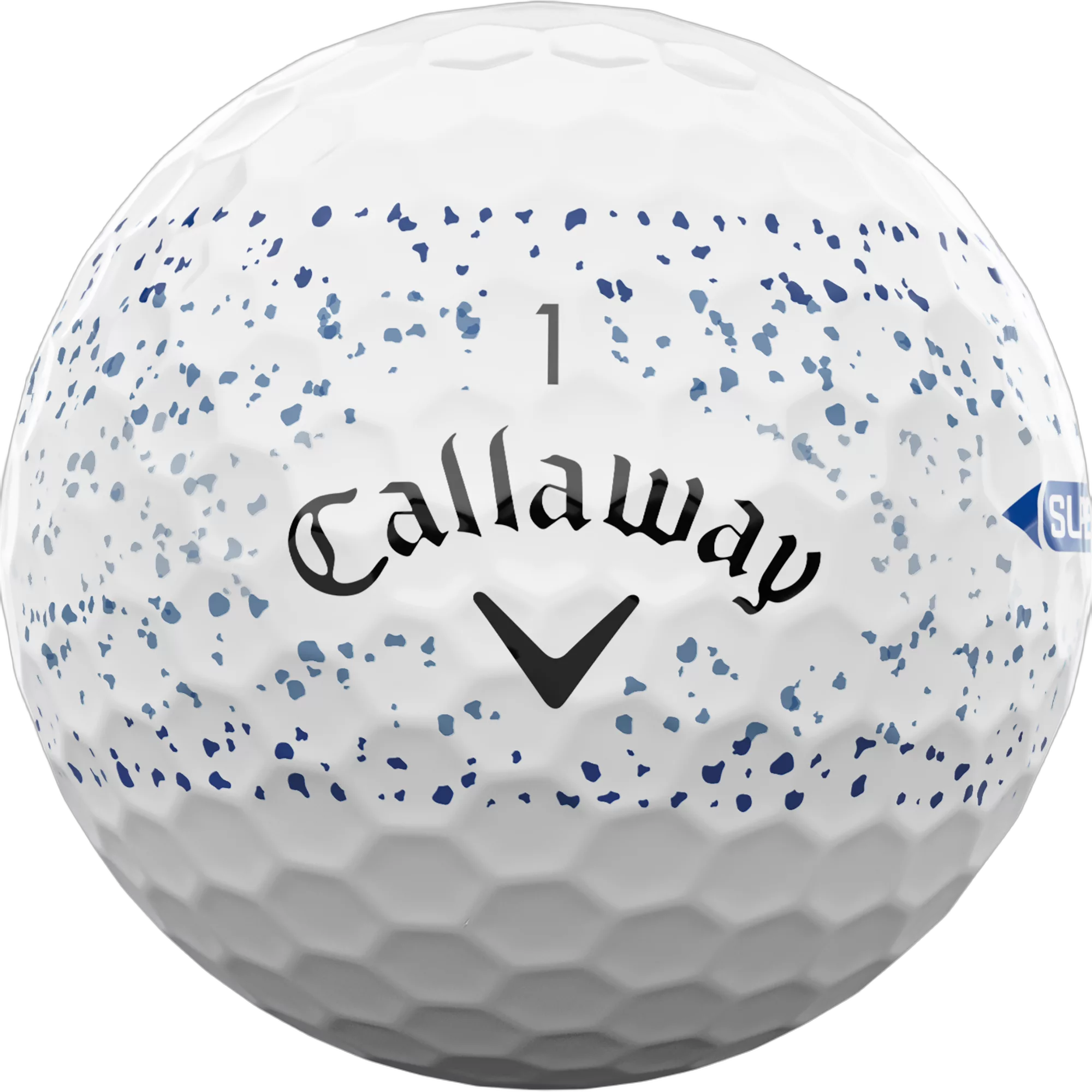
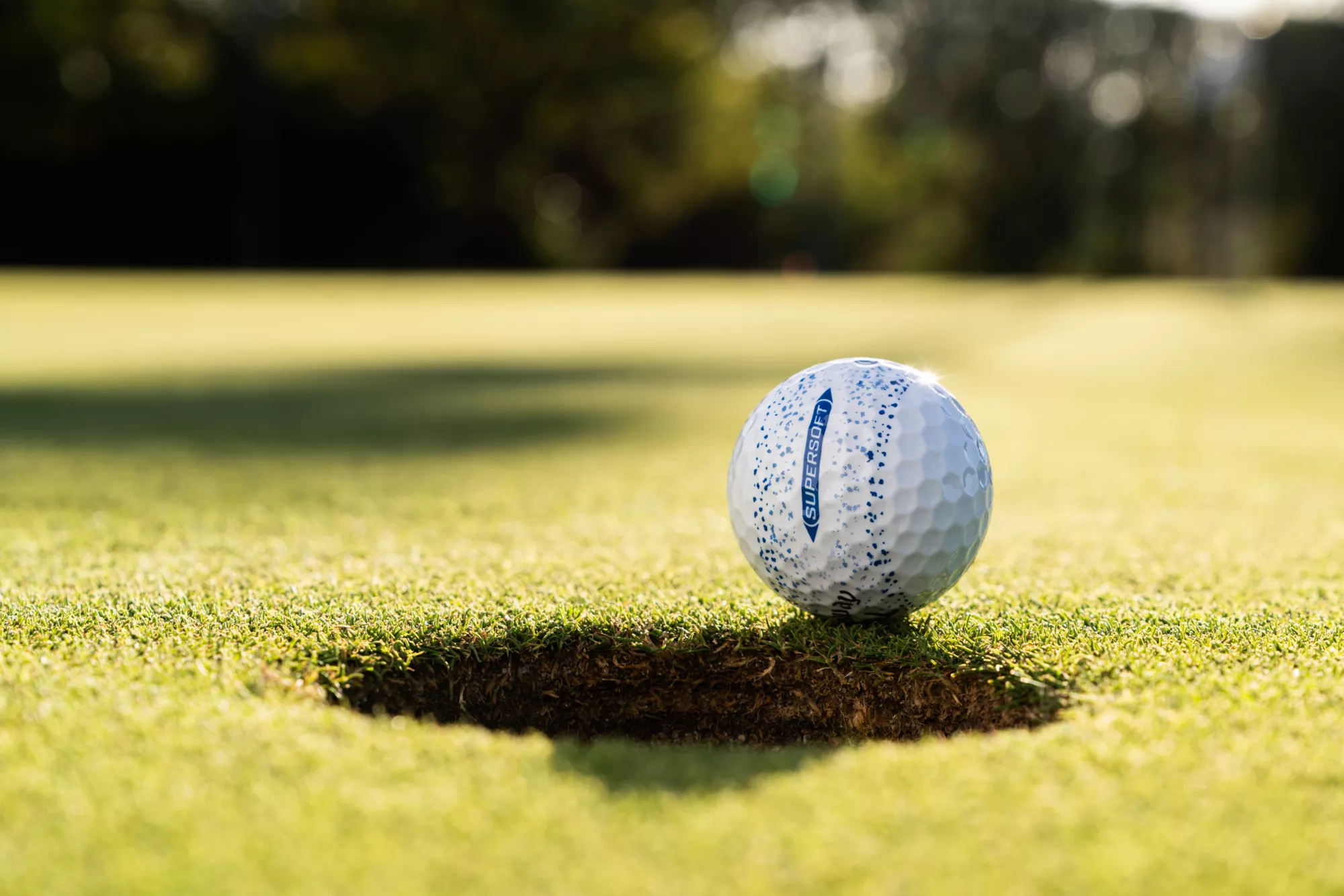
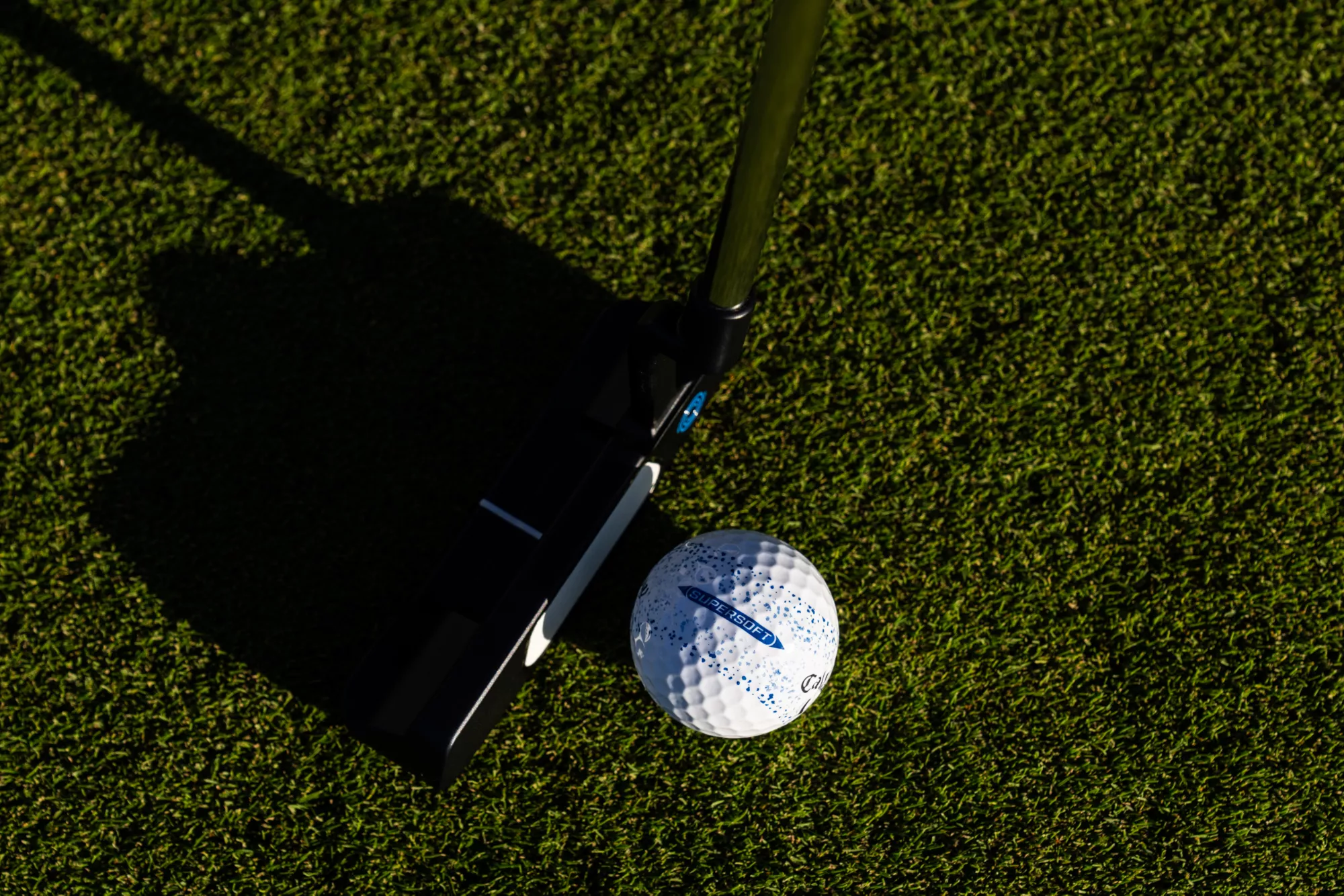
Callaway chevron logo side with blue splatter pattern
But popularity and performance aren't the same thing, and the Supersoft is a case study in understanding who a golf ball is actually designed for. Today's Golfer put it through their $100k swing robot alongside 61 other golf balls, and the results told a clear story: the Supersoft is a legitimate performer for slower swing speeds and a meaningful step down for everyone else. National Club Golfer's hands-on testing echoed this, finding impressive greenside feel and solid distance for moderate-speed players, with predictable limitations when swing speed climbs.
This is a two-piece ball with a compression of just 41, one of the softest on the market. It features Callaway's HyperElastic SoftFast Core for ball speed, a hybrid multi-material cover with Paraloid Impact Modifier for durability and short-game feel, and HEX Aerodynamics for reduced drag. Available in white, yellow, pink, red, orange, and green, plus splatter and limited-edition patterns.
Sound & Feel
The name delivers on its promise. The Supersoft feels genuinely soft at impact, noticeably softer than most two-piece distance balls and closer to premium territory than its price suggests. On the greens, the putter face interaction is pleasant and controlled, avoiding the harsh, clicky response that cheaper ionomer-covered balls often produce. Around the greens on pitch and chip shots, there's a satisfying sense of the ball sitting on the face briefly before release.
One Reddit commenter noted the feel as "harsh," and a few long-time users in community discussions mentioned the ball can feel "mushy" to golfers accustomed to firmer options. That's the nature of ultra-low compression. It's a preference thing. Once you adjust, most golfers who gravitate toward soft feel find the Supersoft delivers exactly what they're after. But if you prefer a firmer, more responsive sensation off the face, this isn't your ball.
Off the driver and longer clubs, the feel is pleasant but lacks the explosive feedback you get from multi-layer tour balls. There's no dramatic compression-and-spring sensation. The ball just goes, quietly and efficiently, which is exactly the experience most casual golfers are looking for.
Performance
Off the Tee
Here's where the data gets interesting. In Today's Golfer's robot testing at 114 mph swing speed (tour-level), the Supersoft ranked 53rd of 62 balls for ball speed and 50th for carry distance. At that speed, it simply can't compete with premium three-, four-, and five-piece constructions.
At 93 mph (average male club golfer), the story was similar: 51st for ball speed, 47th for carry. Still not impressive against the full field.
But at 78 mph (average female club golfer / slower senior speed), the Supersoft jumped to 19th for carry distance out of 62 balls. That's a meaningful improvement and illustrates exactly where this ball earns its keep. The ultra-low compression core activates more efficiently at lower speeds, and the extremely low spin, the lowest of all 62 balls tested, helps maximize roll and reduce curvature.
That last point matters for the target audience: less spin means straighter flights. If you battle a slice or hook, the Supersoft's low-spin characteristics will reduce the severity of your miss without you changing a thing about your swing. National Club Golfer measured 2,500 RPM driver spin with 265 yards carry and 283 yards total at moderate speeds, strong numbers for a sub-$30 dozen.
Irons & Approach
The Supersoft produced the second-longest 7-iron carry in Today's Golfer's entire 62-ball test, more than seven yards longer than some premium balls. That's a headline number, but context matters: it achieved that distance through extremely low spin (3,881 RPM, 61st of 62 balls) and a shallow descent angle (56th of 62). The ball goes far but comes in flat and rolls out.
For the golfer who just wants maximum distance from their irons and isn't concerned about holding greens on precise approaches, this is a strength. For anyone trying to stick an approach shot on a firm green, the lack of spin is a legitimate limitation. National Club Golfer's testing found mid-iron spin around 5,200 RPM, better than the robot numbers but still on the lower end of the category.
Short Game
Wedge spin was 5,500 RPM in the robot test, ranking 51st of 62 balls. That's not great for a short-game metric, though the ball's high peak height (7th of 62) and steep descent angle (5th of 62) partially compensate by helping the ball land softer than the raw spin number suggests.
National Club Golfer found more encouraging numbers: 6,700 RPM on wedge shots with a 30-degree launch angle, which they called "extremely commendable for a ball in this price range." The discrepancy likely reflects the difference between robot and human testing conditions, but either way, the Supersoft provides adequate, not exceptional, greenside control. You won't be spinning the ball back to the pin, but you can get it to check and hold with reasonable landing angles.
For context, the Titleist Tour Soft, another two-piece ball at a similar price, generated 6,075 RPM of wedge spin in the same robot test, ranking 6th overall. That's a significant gap and worth knowing if short-game spin matters to you.
MSRP: ~$24.99/dozen
Verdict
The Callaway Supersoft is exactly what it claims to be: a soft, affordable, forgiving golf ball that maximizes distance for slower swing speeds. For golfers under 90 mph driver speed who prioritize straight flight, soft feel, and value, it's one of the best options in the category and deserves its massive popularity. The community discussion on r/golf regularly features it as a top recommendation for high-handicappers, and that endorsement is well-earned.
Where it falls short is everywhere outside that target audience. Golfers with moderate-to-fast swing speeds will leave distance on the table compared to premium balls, and anyone who relies on spin to control approach shots or stop the ball around greens will find the Supersoft limiting. The robot data is unambiguous: this is the lowest-spinning ball in a 62-ball test, and that characteristic cuts both ways depending on your game.
At roughly $25 a dozen — and frequently available for less on sale — the value proposition is strong. It won't outperform a Pro V1 for the player who can compress a Pro V1, but it's not trying to. For the golfer it's designed for, the Supersoft delivers honest, reliable performance at a price that won't sting when one finds the pond.