Titleist Pro V1x Left Dash Golf Ball
Titleist — Titleist Pro V1x Left Dash Golf Ball · By Lauryl · Dec 6, 2025

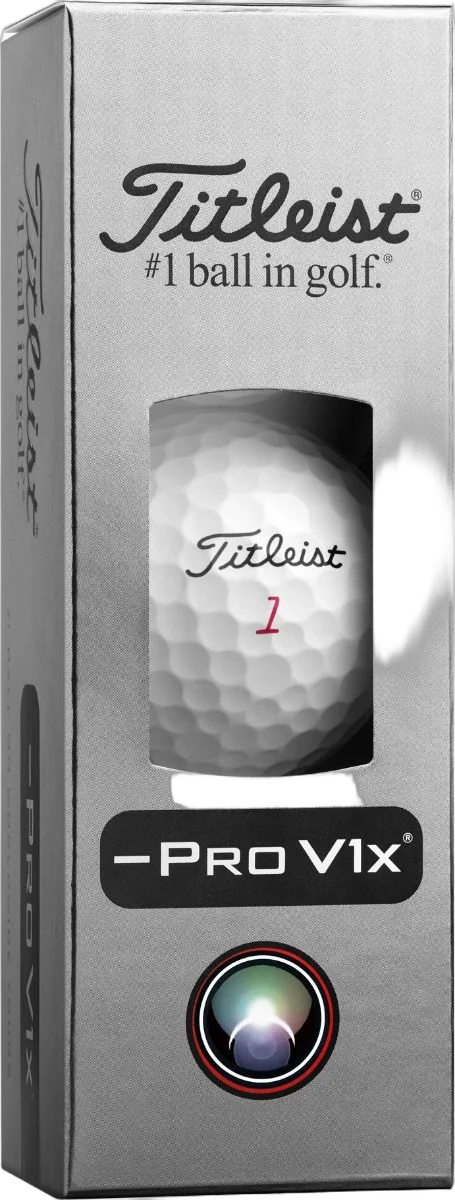
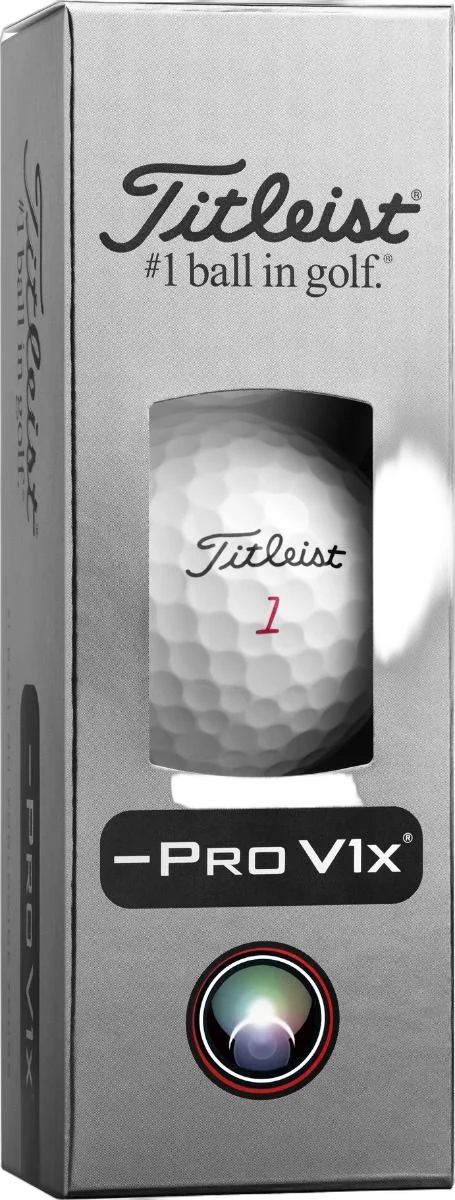


Nine years in the making, Titleist's speed-first golf ball finally gets the update it deserved -- faster, longer, and with just enough greenside improvement to make it relevant to more than the five percent of golfers it was originally built for.
The Big Picture
The Pro V1x Left Dash has one of the more unusual histories in golf equipment. It started life in 2017 as a Tour-only Custom Performance Option -- a specialized lower-spinning Pro V1x that a handful of PGA Tour players requested for maximum distance. Titleist made it available to consumers a year later, and then nothing changed. For nine years, while Pro V1 and Pro V1x cycled through multiple generations, Left Dash sat untouched.
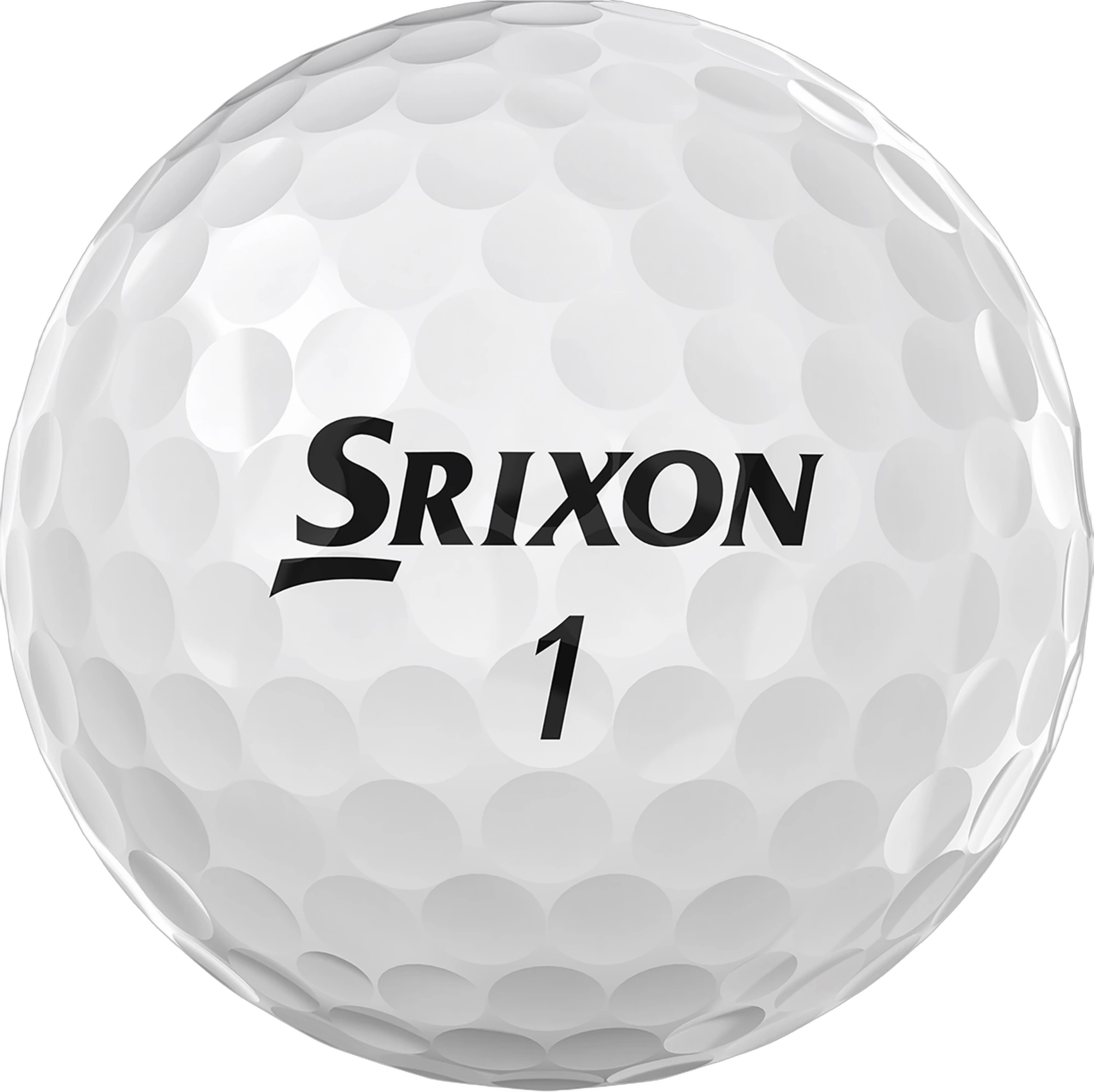
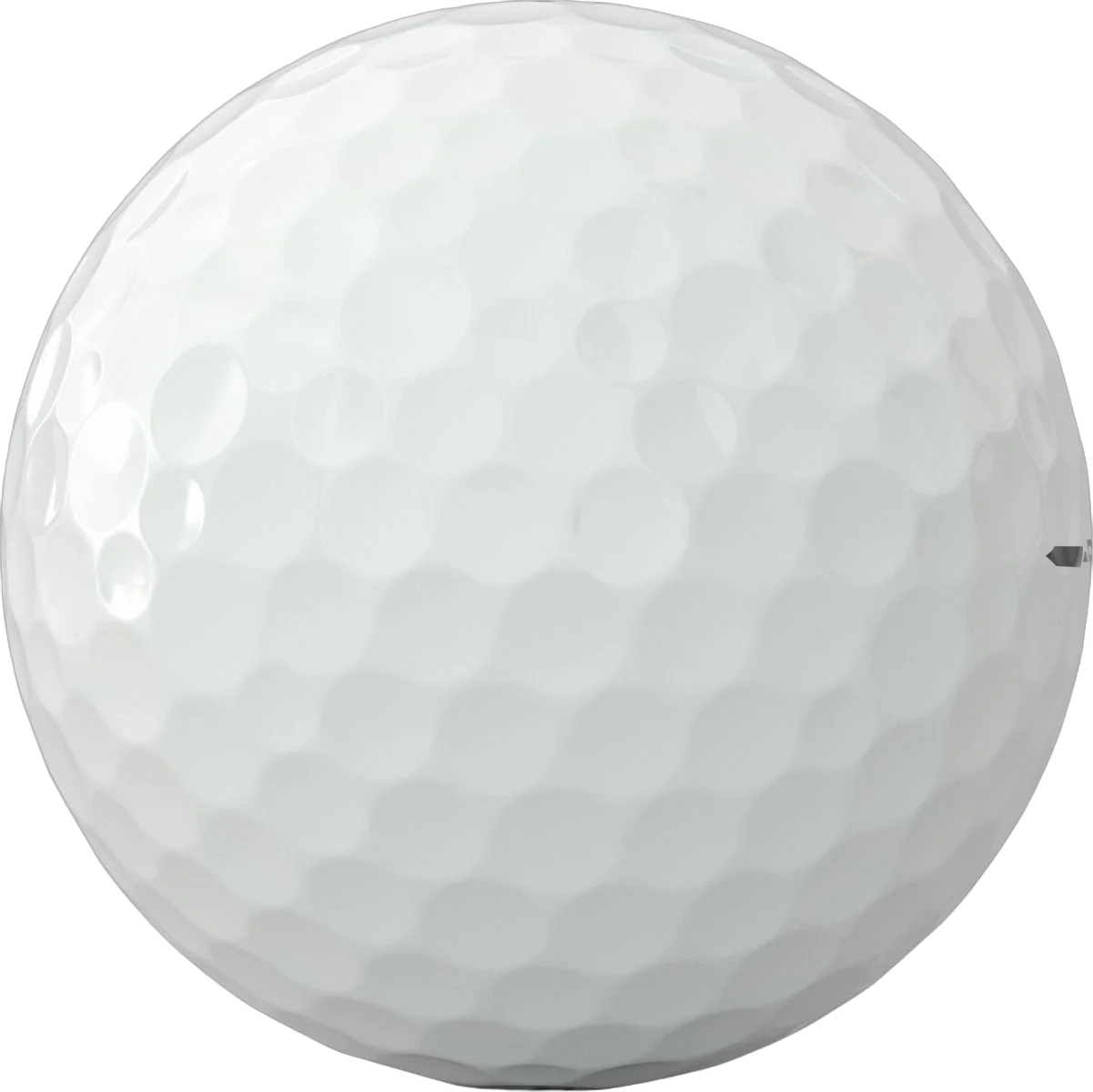
Backside view highlighting dimple pattern without branding
It was not for lack of trying. Titleist began work on an update roughly three years ago and even developed a promising prototype -- internally called the "16" ball -- that added greenside spin and softened feel. But Tour players who tested it said the same thing: "That's not Dash." The prototype spun too much, flew differently, and in some cases cost them distance. Titleist scrapped it and went back to the drawing board.
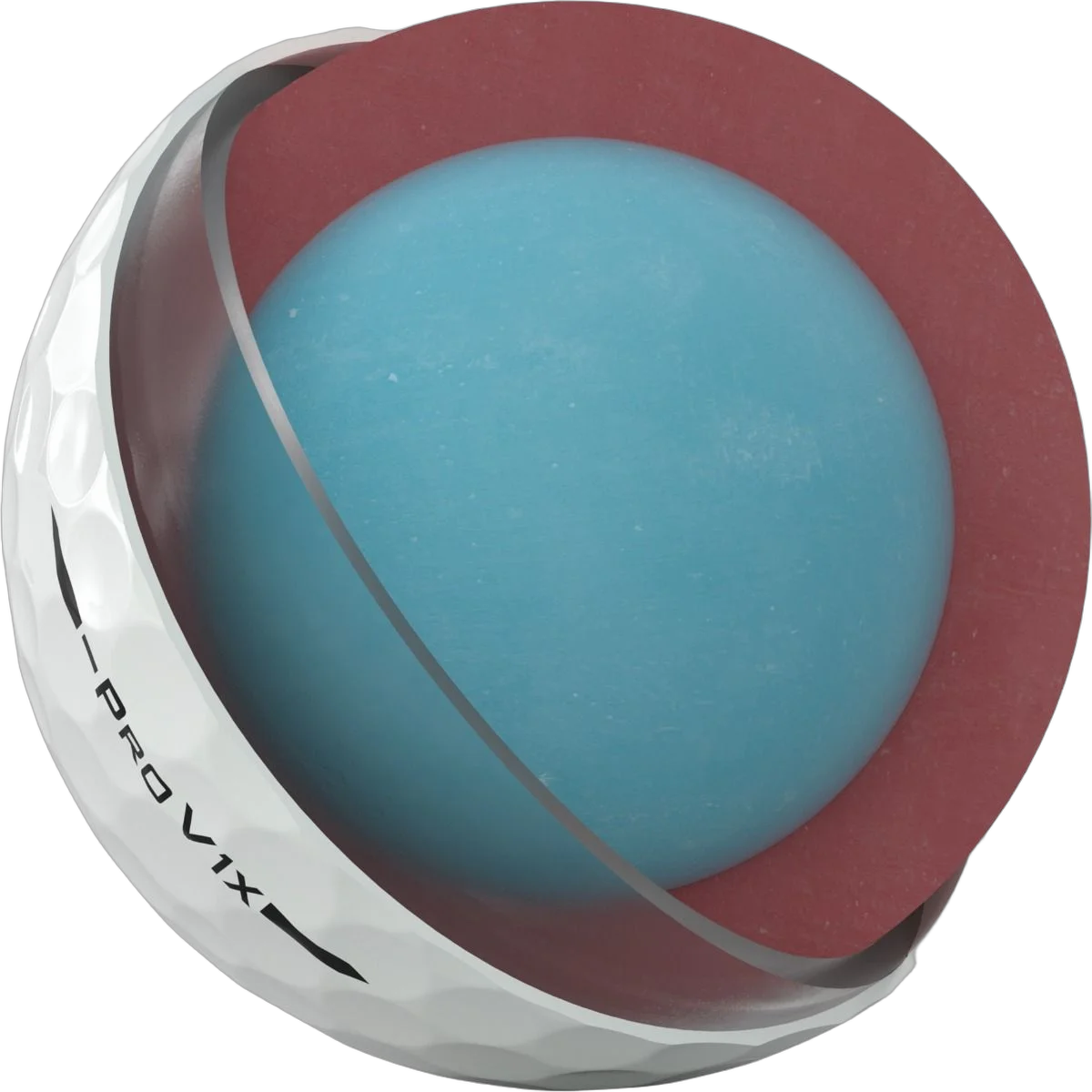
The 2026 Pro V1x Left Dash is the result of that reset. The performance brief was clear: more speed and distance, the same low-spin long-game profile, and no meaningful loss of control. Titleist reformulated the high-gradient dual core for higher ball speed, increased the thickness of the firm ionomer casing layer (the fastest material in the ball), and thinned the cast urethane cover. A new 348-tetrahedral dimple pattern tunes the aerodynamics for a slightly lower, more consistent flight.
This is not a ball for everyone. Titleist estimates it fits somewhere between five and ten percent of golfers -- those who generate excess spin with Pro V1 or Pro V1x and want to trade some greenside stopping power for tee-to-green efficiency. But the 2026 update meaningfully broadens that appeal, and golfers who dismissed the original Left Dash may want to take another look.
Sound & Feel
Let me be direct: the Left Dash is firm. It is the firmest ball in the entire Titleist lineup, and the 2026 version is actually slightly firmer than its predecessor. Off the putter face, it produces a solid, muted "click" that is closer to Pro V1x territory than the clicky-sharp sound of other firm golf balls. I found the putting feel informative rather than unpleasant -- you can gauge pace well because the ball communicates clearly off the face.
Through the bag, the Left Dash feels responsive and lively. Iron strikes produce a punchy, distance-oriented sensation that confident ball strikers will enjoy. There is a directness to the feedback that I appreciate: good strikes feel explosive, and mishits let you know immediately through the hands that something was off. This is not a ball that flatters poor contact.
The firmness will not please everyone, and if you strongly prefer a soft-feeling ball, Left Dash is simply not in your wheelhouse. Stick with Pro V1 or look elsewhere. But if you value responsiveness and do not mind a firmer touch, the feel here is actually quite refined for what it is.
Performance
Ball Speed & Distance
This is where Left Dash earns its reputation. The reformulated dual core and thicker casing layer combine to produce noticeably higher ball speeds than the standard Pro V1x, and that translates directly to yards. In on-course testing, the 2026 Left Dash was longer off the tee than the previous generation -- and the previous generation was already one of the longest premium balls available. Robot testing confirmed the same finding.
Close-up of Titleist script logo and number on ball
The gains are most apparent at higher swing speeds. If you are generating 100+ mph with the driver, the Left Dash rewards you with a fast, penetrating ball flight that holds its line through wind and converts speed into distance efficiently. At slower swing speeds, the ball becomes harder to launch optimally, and you may not see the same benefits.
I also noticed a meaningful speed increase through the irons. Mid-iron shots felt faster off the face, and carries were consistently a few yards longer than what I see with standard Pro V1x. For golfers who want every available yard from tee to green, those incremental gains compound over 18 holes.
Launch & Spin
The Left Dash flies through a high-trajectory window -- similar to Pro V1x -- but with dramatically lower spin. Off the driver, spin rates run 300 to 400 rpm lower than Pro V1x, which is the difference between a ball that holds its line and a ball that balloons in a crosswind. The new 348-dimple pattern nudges the flight slightly lower than the previous Left Dash, tightening consistency without fundamentally changing the trajectory.
The low-spin profile is the entire point of this ball, and it delivers. In breezy conditions, the Left Dash tracked noticeably straighter than higher-spinning alternatives. Approach shots with long irons maintained their line rather than drifting sideways. If you have ever watched your Pro V1x climb and stall in a headwind, Left Dash solves that problem.
Around the greens, the 2026 Left Dash is improved but still a compromise. The thinner urethane cover generates more greenside spin than the previous model -- I noticed shots checking up faster and releasing less on chips and pitches. It is not going to match Pro V1 or Pro V1x for short-game stopping power, and if you live and die by your ability to spin the ball back on tight pins, this is still the wrong ball for you. But the gap has narrowed meaningfully, and the Left Dash no longer feels like you are giving up an entire dimension of your short game.
Durability
Cover durability is similar to the previous generation despite the thinner urethane. I played a full 18 holes on one ball with a couple of bunker shots and some long grass encounters. The ball showed minor scuffs by the end of the round but nothing that would affect performance for a few more holes. I would not expect to get two full rounds out of one ball if you are an aggressive wedge player, but single-round durability is not a concern.
MSRP: $57.99/dozen
Verdict
The 2026 Pro V1x Left Dash is a thoughtful, restrained update to a specialized golf ball -- and that restraint is exactly what makes it work. Titleist resisted the temptation to soften it or add spin until it stopped being Left Dash, and instead delivered a ball that is faster, longer, and meaningfully better around the greens without losing its identity as a speed-first, low-spin weapon.
Strengths: Exceptional ball speed and distance, especially at higher swing speeds. Dramatically lower driver and iron spin than standard tour balls. Improved greenside spin and control compared to the previous generation. Consistent, wind-resistant flight. Tour-validated performance at the highest level.
Weaknesses: Firm feel will not appeal to golfers who prefer soft-feeling balls. Still gives up short-game spin compared to Pro V1 and Pro V1x. Requires fast swing speed (ideally 100+ mph) to fully unlock its potential. Premium price at $57.99/dozen.
Who it is for: Golfers who generate excess spin with Pro V1 or Pro V1x and want to convert that spin into distance. Players with fast swing speeds who prioritize tee-to-green efficiency over greenside stopping power. Anyone who likes the Pro V1x flight window but wants lower long-game spin. If your primary goal is maximizing distance without leaving the premium Titleist ecosystem, Left Dash was built for you.