Callaway Rogue ST MAX D Fairway Wood
Callaway — Callaway Rogue ST MAX D Fairway Wood · By Andy · Dec 15, 2025
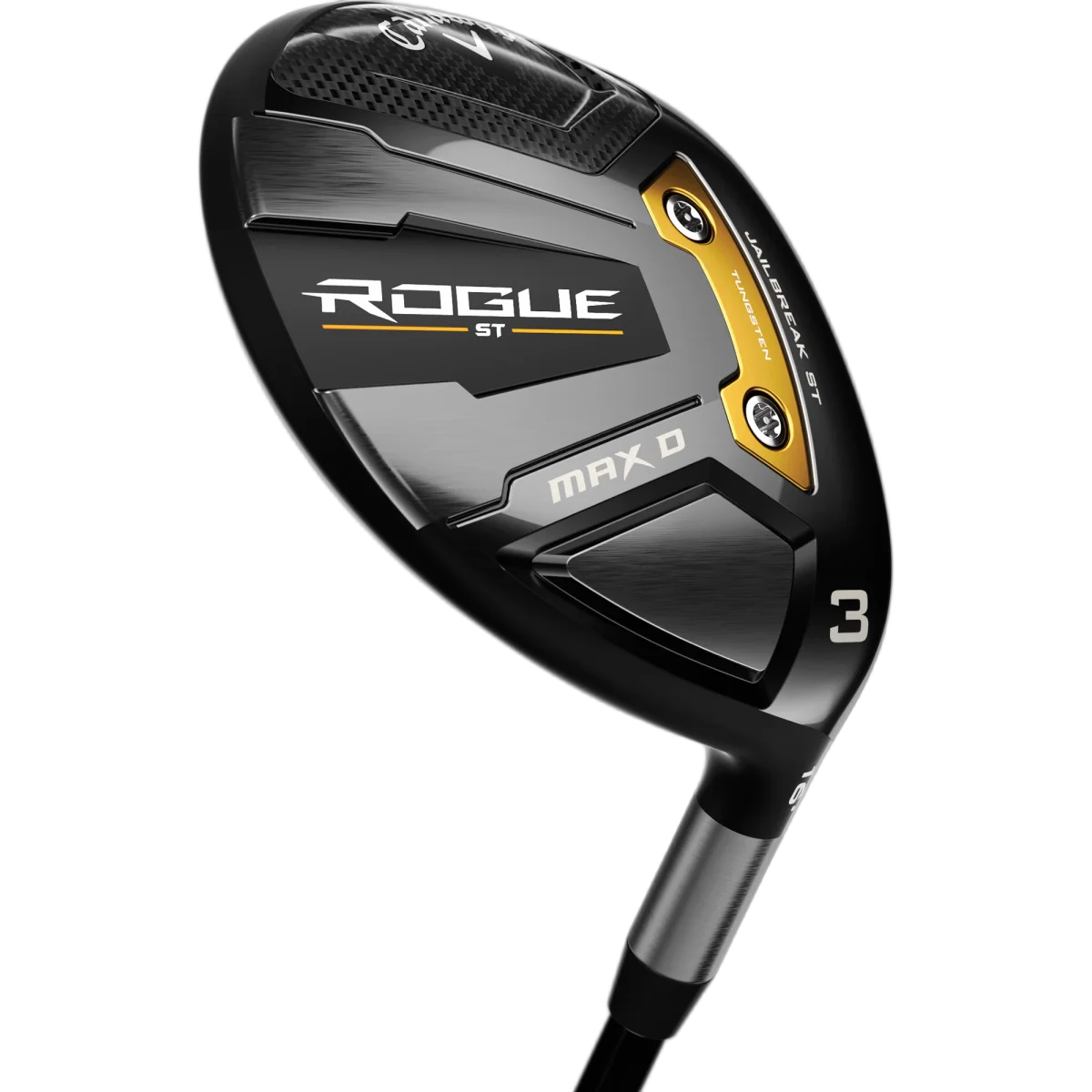
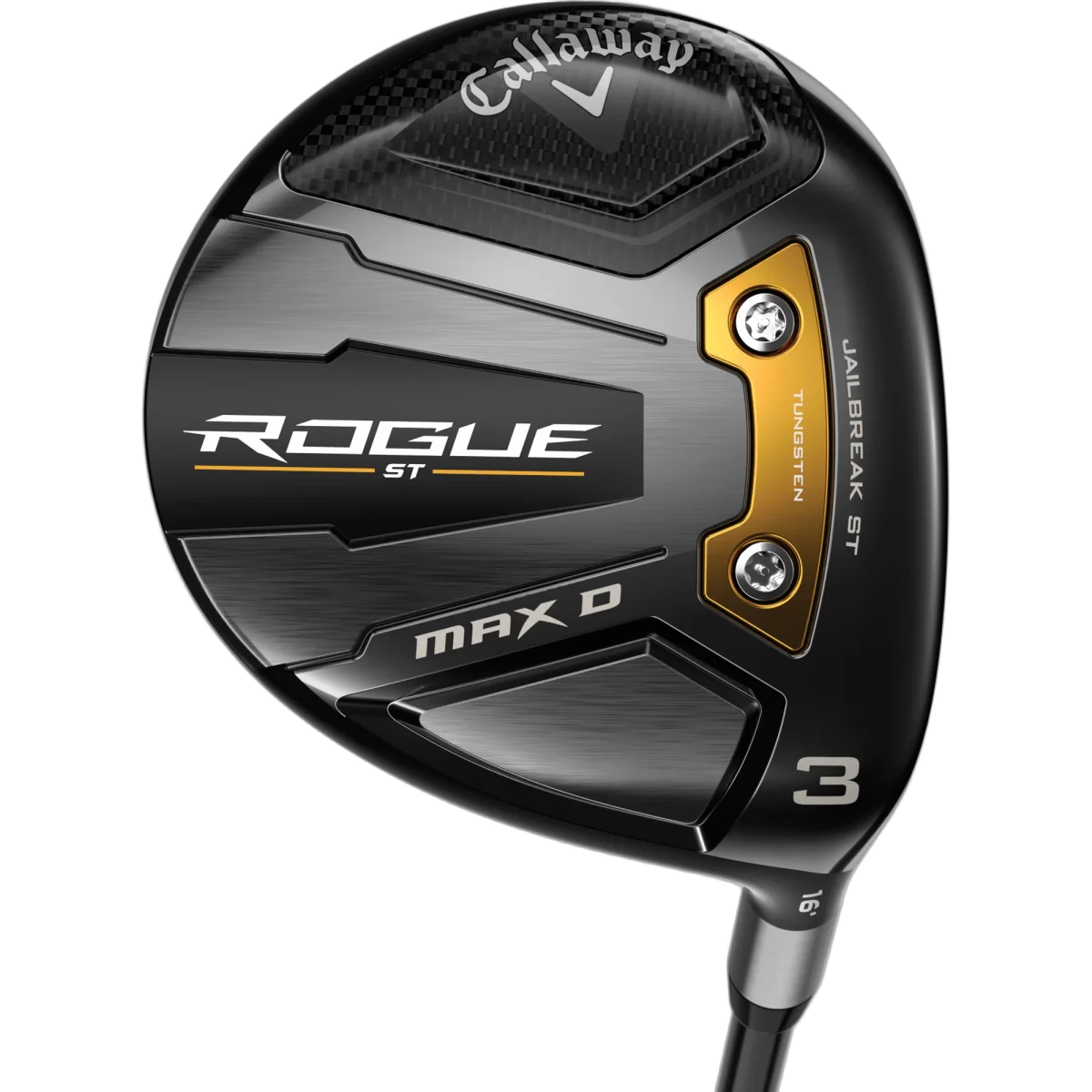
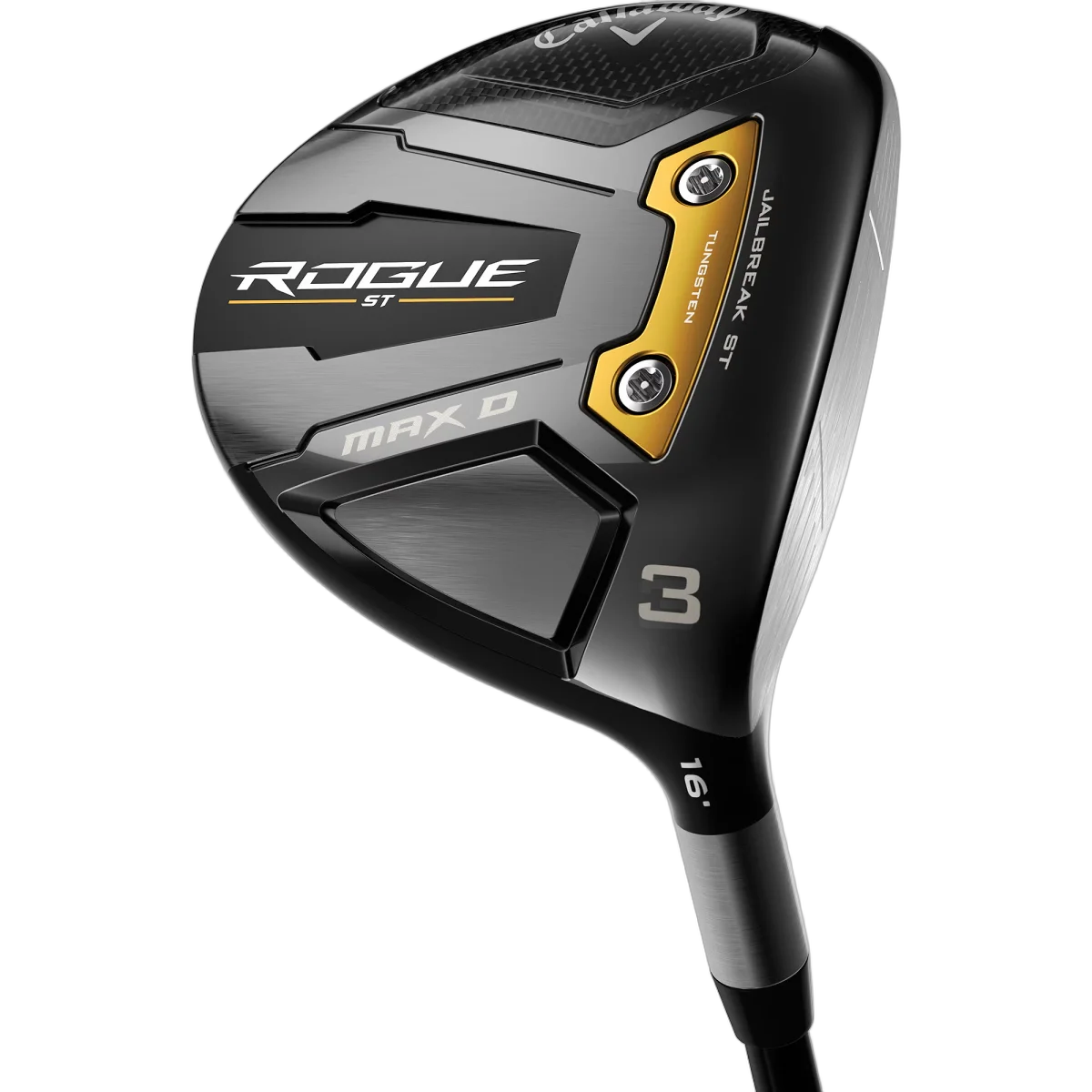
A draw-biased fairway wood built to straighten out slicers -- but its appeal depends heavily on whether you actually need the correction.
The Big Picture
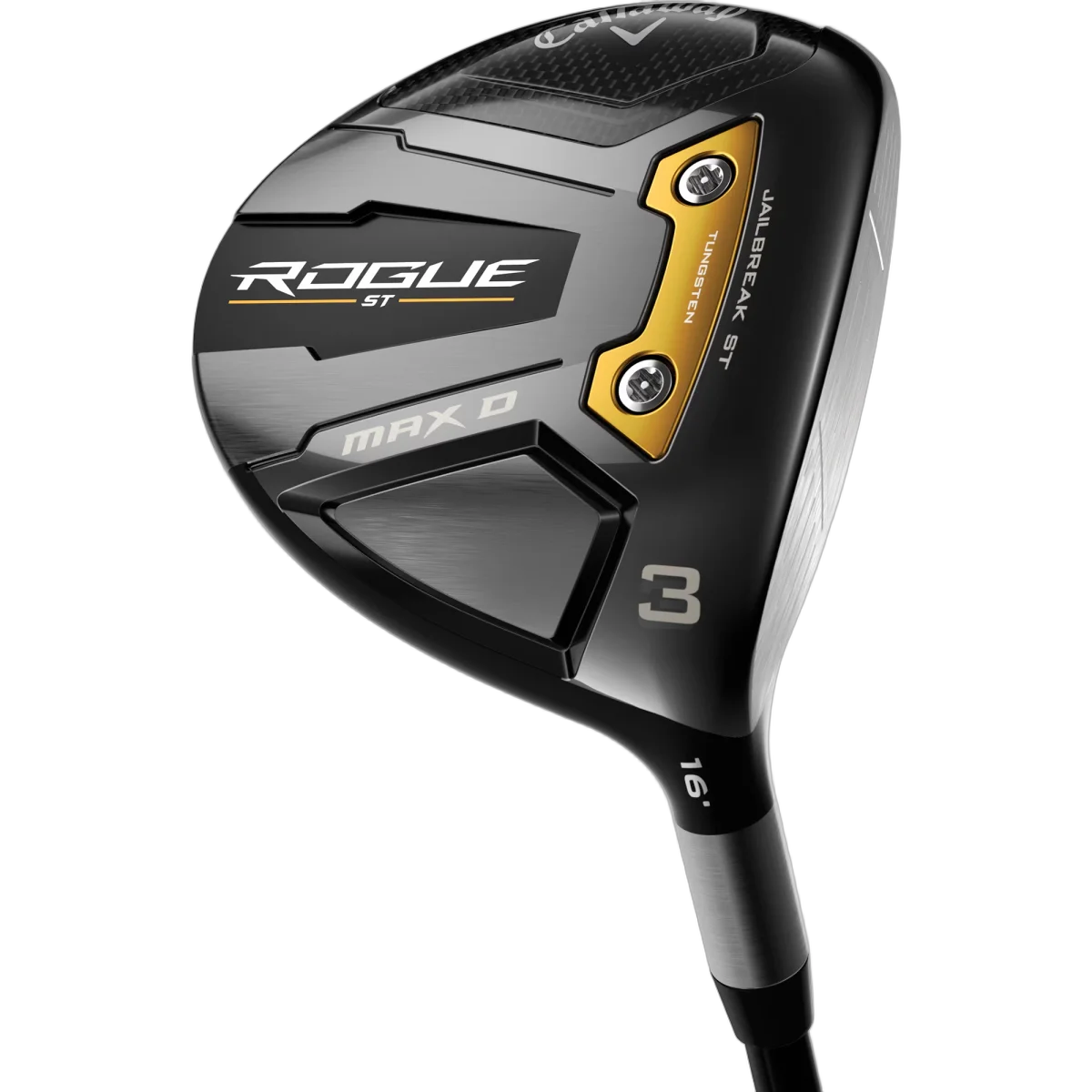
The Rogue ST MAX D is the draw-biased entry in Callaway's 2022 Rogue ST fairway wood lineup, designed specifically for golfers who fight a persistent slice or fade off the deck. The "D" stands for draw, and Callaway has loaded this head with internal weighting and a slightly closed face angle to promote a right-to-left ball flight without requiring the player to manipulate their swing.
Under the hood, the Rogue ST MAX D features several technologies carried across from the broader Rogue ST family. Jailbreak ST with Batwing Technology uses a pair of internal bars connecting the sole and crown, now extended with flexible wings near the perimeter, to increase stiffness at impact for faster ball speeds. A Tungsten Speed Cartridge positions mass low in the head for a high launch angle, which is exactly what most fairway wood players need -- getting the ball airborne easily from the turf. The face itself is A.I.-designed, with Callaway's machine-learning process optimizing face thickness patterns for ball speed, launch, and spin specific to this loft and head configuration. A High Strength Face Cup rounds out the package, designed to maintain speed on off-center hits.
The 3-wood comes in at 16 degrees of loft with a 180cc head, 43.25 inches in standard length, and a 58-degree lie angle. Available in both right and left-hand configurations, it ships stock with a Mitsubishi Chemical shaft in regular flex at 40 grams -- a lightweight option that leans toward the moderate swing speed player. With the Rogue ST family now a generation behind Callaway's current Paradym and Ai Smoke lines, this club can be found on the secondary market and through discount channels at significantly reduced prices, often around $150 or less, making it worth examining for the right player.
At Address
The Rogue ST MAX D presents a generous profile at address, as you would expect from a 180cc draw-biased fairway wood. The head sits slightly closed relative to the target line, which is standard practice for draw-bias designs -- it pre-sets the face angle to encourage that right-to-left ball flight. For golfers who are accustomed to seeing an open face at address, this closed position can be reassuring. For those who already draw the ball, it may look like trouble.
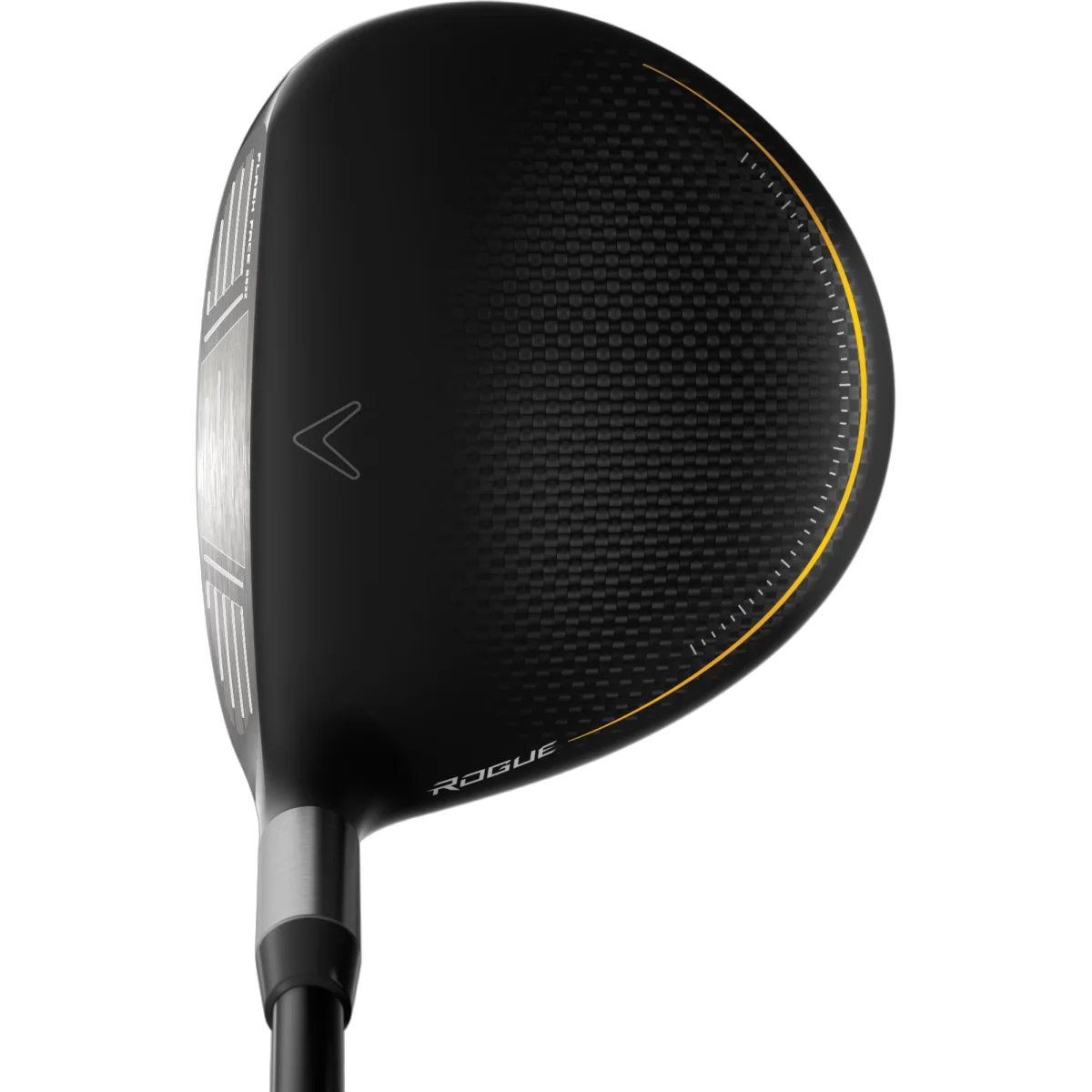
Toe-side view showing carbon crown and Rogue branding
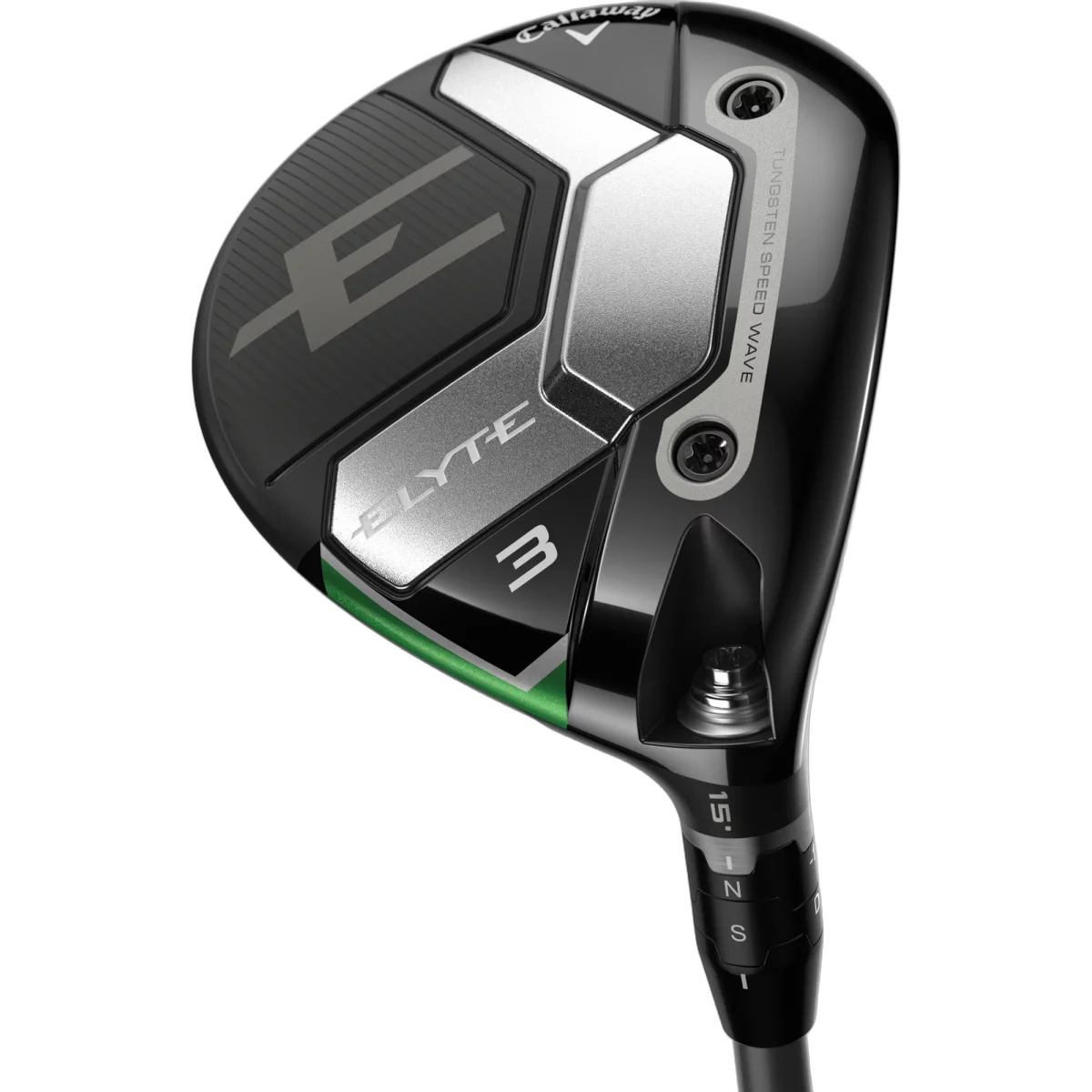
The crown is a dark carbon fiber composite with a subtle Callaway chevron alignment feature. It is clean and understated. The overall shape is slightly heel-weighted visually, which reinforces the draw-bias intent. The sole features the typical Rogue ST branding with the Tungsten Speed Cartridge visible near the front, giving you visual confirmation of where that low-CG mass is working.
Sound & Feel
Impact feel on the Rogue ST MAX D is characteristic of Callaway's Jailbreak construction -- firm and stable, with a muted but solid sound. Center strikes produce a satisfying low-pitched crack that communicates speed without being tinny or harsh. The face feels hot, which is the result of that High Strength Face Cup doing its job to maintain flex across a wider area.
On mishits, particularly toe strikes, the sensation softens noticeably and the sound shifts to a slightly higher pitch, but the feedback is not punishing. You know you missed the center, but the club does not make you pay for it with vibration or sting. Heel-side misses actually felt surprisingly stable in my testing, which makes sense given the draw-bias weighting pulling mass toward that side of the head.
Performance
Ball Speed & Distance
The Rogue ST MAX D is not going to be the longest fairway wood in any head-to-head comparison -- that is not its mission. In my testing, the 3-wood produced carry distances in the 215 to 225 yard range with a moderate swing speed, which is respectable for a draw-biased fairway wood with a lightweight 40-gram shaft. The A.I.-designed face does a credible job of maintaining ball speed across the hitting area, and I noticed that low-face strikes in particular held their distance better than I expected. The Batwing extensions on the Jailbreak bars seem to contribute to this, stabilizing the crown and sole at impact even when contact is not centered.
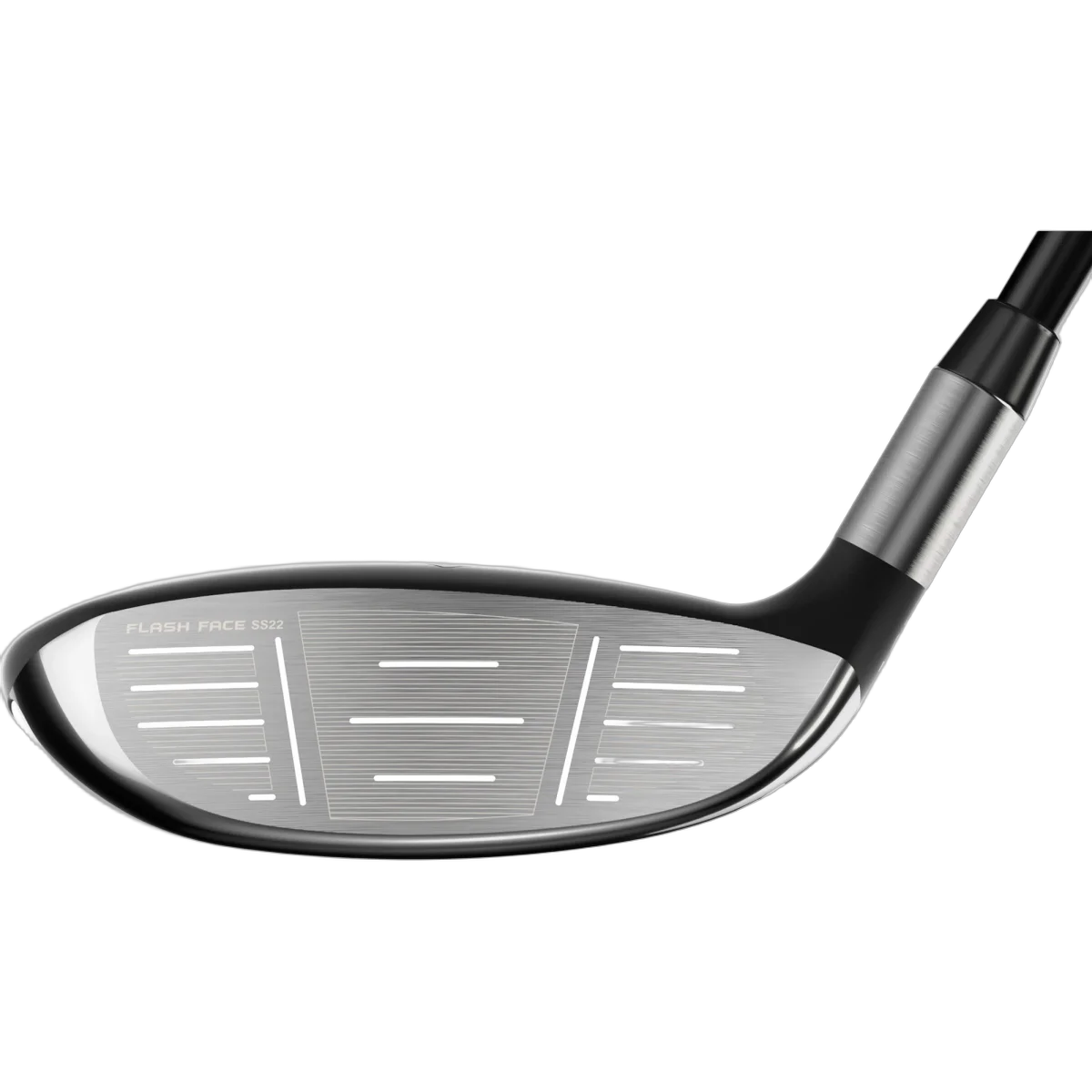
Face view showing Flash Face SS22 grooves on fairway wood
With the stock Mitsubishi Chemical shaft at 40 grams in regular flex, this setup is clearly oriented toward moderate swing speed players in the 85 to 95 mph range. Faster swingers will likely want to reshaft to something heavier and stiffer to avoid ballooning the flight and losing control of spin. The D3 swingweight feels balanced and easy to swing, which is a plus for the target demographic.
Launch & Spin
This is a high-launching fairway wood, and the combination of 16 degrees of loft, a low and forward Tungsten Speed Cartridge, and a lightweight shaft makes it one of the easier 3-woods to get airborne from the turf. In my testing, launch angles consistently sat in the 14 to 16 degree range, which is on the higher end for a 3-wood. For golfers who struggle to elevate their fairway woods -- and that is a large portion of the amateur population -- this is a genuine benefit.
Spin was moderate, typically landing in the 3,400 to 3,800 rpm window. That is enough to hold a green on longer approach shots but not so much that the ball balloons in a headwind. The mid kickpoint and mid torque of the stock shaft contribute to a flight that peaks at a reasonable height and comes down at a steep enough angle to stop on softer greens.
Dispersion & Shot Shape
The draw bias is the defining characteristic of this club, and it delivers. In my testing, the Rogue ST MAX D consistently moved the ball 5 to 10 yards right to left compared to a neutral-bias fairway wood hit with the same swing. For a golfer who regularly leaves the face open and produces a 15 to 20 yard fade, this correction can be the difference between finding the fairway and missing into the right rough.
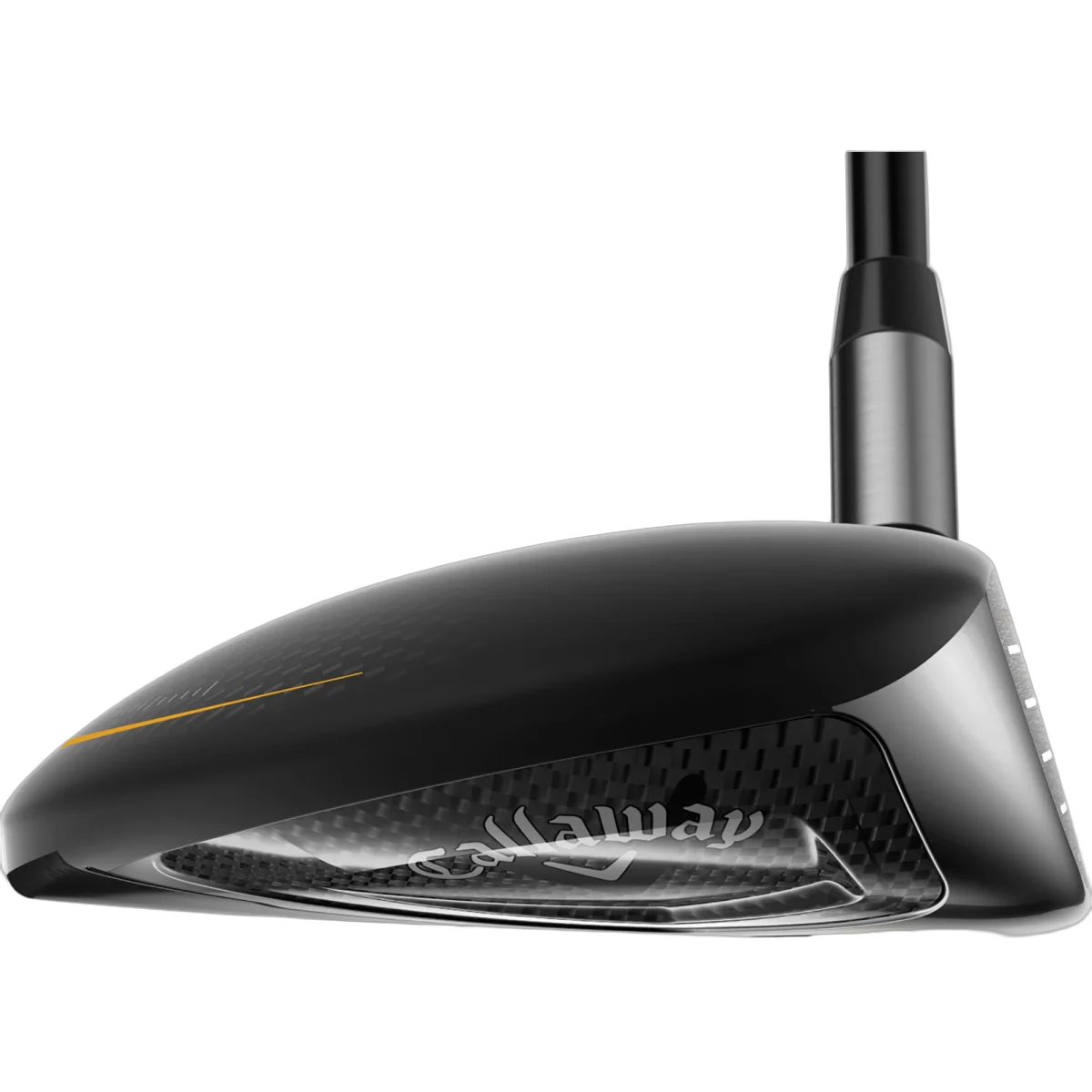
Sole view showing Rogue ST MAX D branding and Jailbreak ST
That said, the draw bias is baked in, and that is both the strength and the limitation of this design. There is no adjustable weight system to dial it back if you find the draw overcooking into a hook. If you already hit a natural draw, this club will likely produce too much right-to-left movement. I found that on swings where I was already releasing the club well, the Rogue ST MAX D would push the draw into hook territory, finishing 20-plus yards left of target. The club rewards a neutral-to-fade swing and punishes an already-active release.
Forgiveness on off-center hits was solid, particularly on heel misses where the draw-bias weighting provides extra stability. Toe misses lost more distance and tended to produce a straighter flight, which is actually a useful built-in correction -- when you miss toward the toe (which typically opens the face), the ball does not slice away as aggressively.
Verdict
The Callaway Rogue ST MAX D Fairway Wood is a purpose-built tool for a specific golfer: the player who consistently leaves the fairway wood face open and fights a slice or heavy fade off the deck. For that player, this club can provide meaningful shot-shape correction, high launch for easy carry distance, and forgiving performance on mishits -- all at a price point that has dropped well below original retail now that newer Callaway models have taken the spotlight.
Strengths: effective draw bias that delivers real shot-shape correction, high launch for easier distance from the turf, solid ball speed retention across the face, forgiving on heel-side mishits, and an attractive price on the secondary market.
Weaknesses: the fixed draw bias offers no adjustability and will overcook for players who already draw the ball, the stock 40-gram shaft is too light for faster swingers, distance is adequate but not class-leading, and the mixed reception in the golf community suggests it works well for its target audience but falls flat for anyone outside that niche.
This is not a fairway wood for everyone. If you slice your 3-wood and need help getting it airborne, the Rogue ST MAX D is worth a serious look at its current price. If your miss is already a hook or you have a faster swing that demands a heavier shaft, look elsewhere -- the standard Rogue ST MAX or even the newer Paradym X fairway woods will serve you better.