Callaway Quantum Max Fairway Wood
Callaway — Callaway Quantum Max Fairway Wood · By Troy · Dec 11, 2025
A high-launching, low-spin fairway wood that makes the long game feel a whole lot less intimidating
The Big Picture
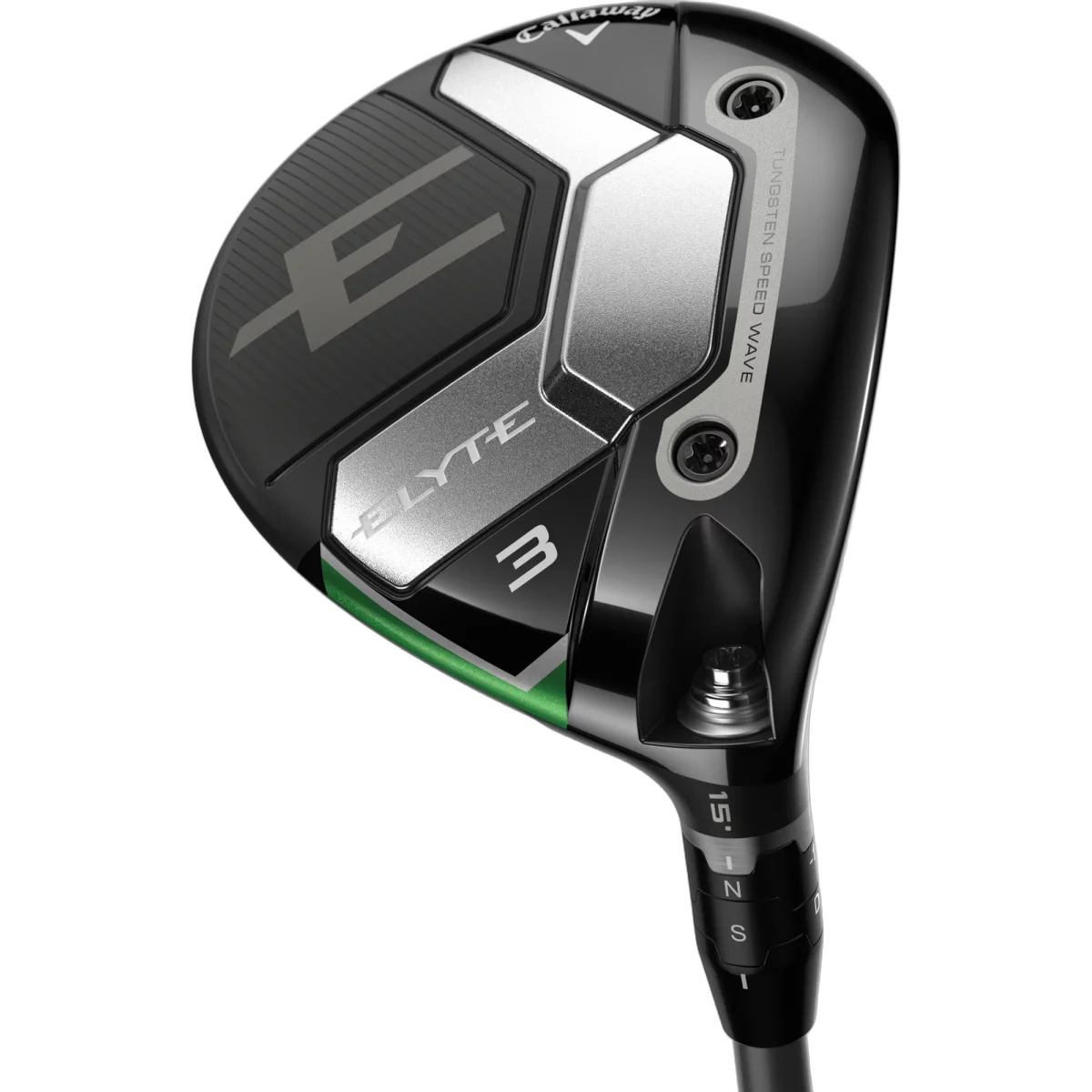
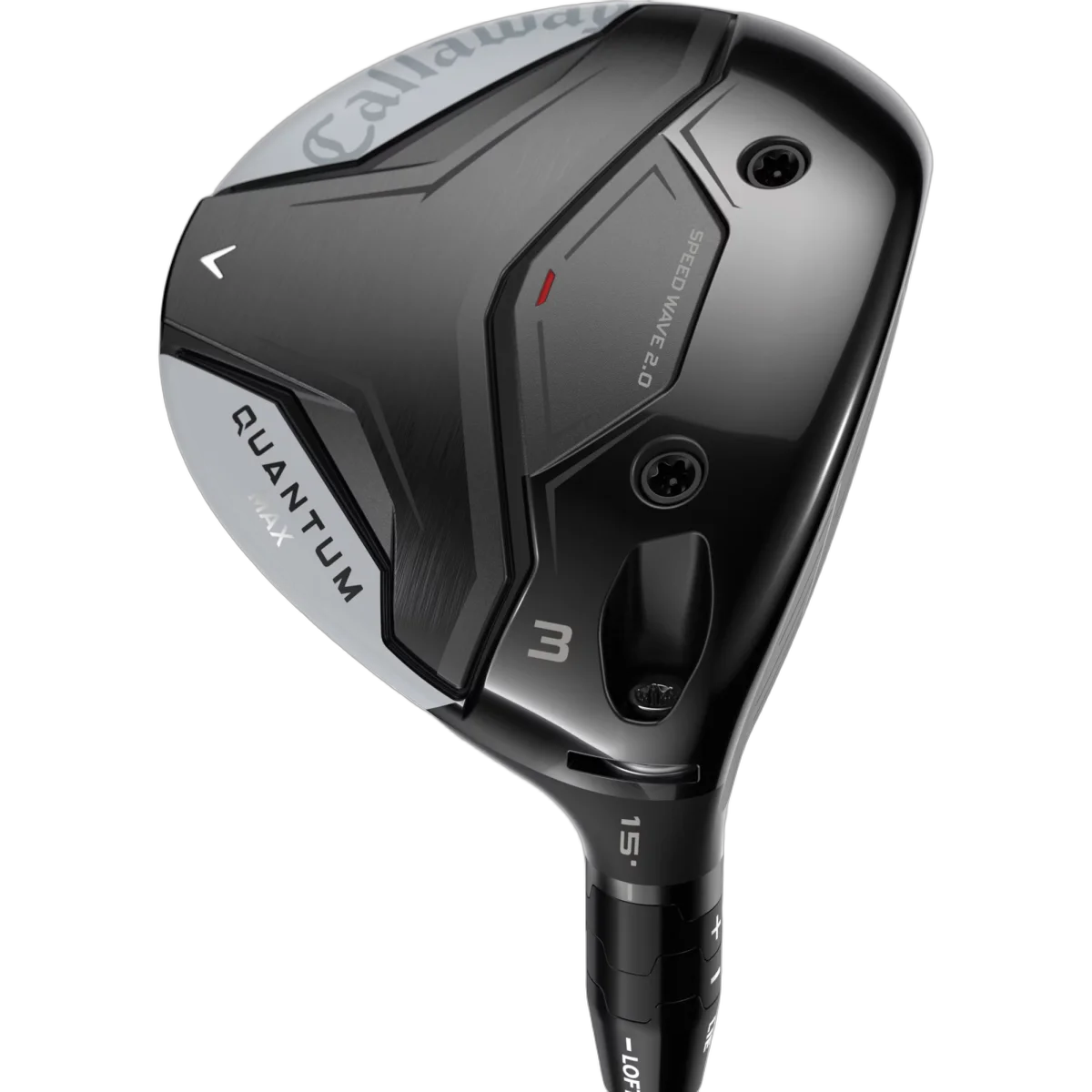
The Callaway Quantum Max Fairway Wood sits firmly in the game-improvement corner of Callaway's 2025/2026 fairway wood lineup. It replaces the Elyte as the more accessible, forgiveness-first option and is built around a few key technologies: Speed Wave 2.0, a next-generation AI-optimized face design, and the OptiFit4 adjustable hosel on the 3-wood and 5-wood. The target audience here is mid-to-high handicap players and moderate swing speeds who want to get the ball airborne without fighting the club to do it.
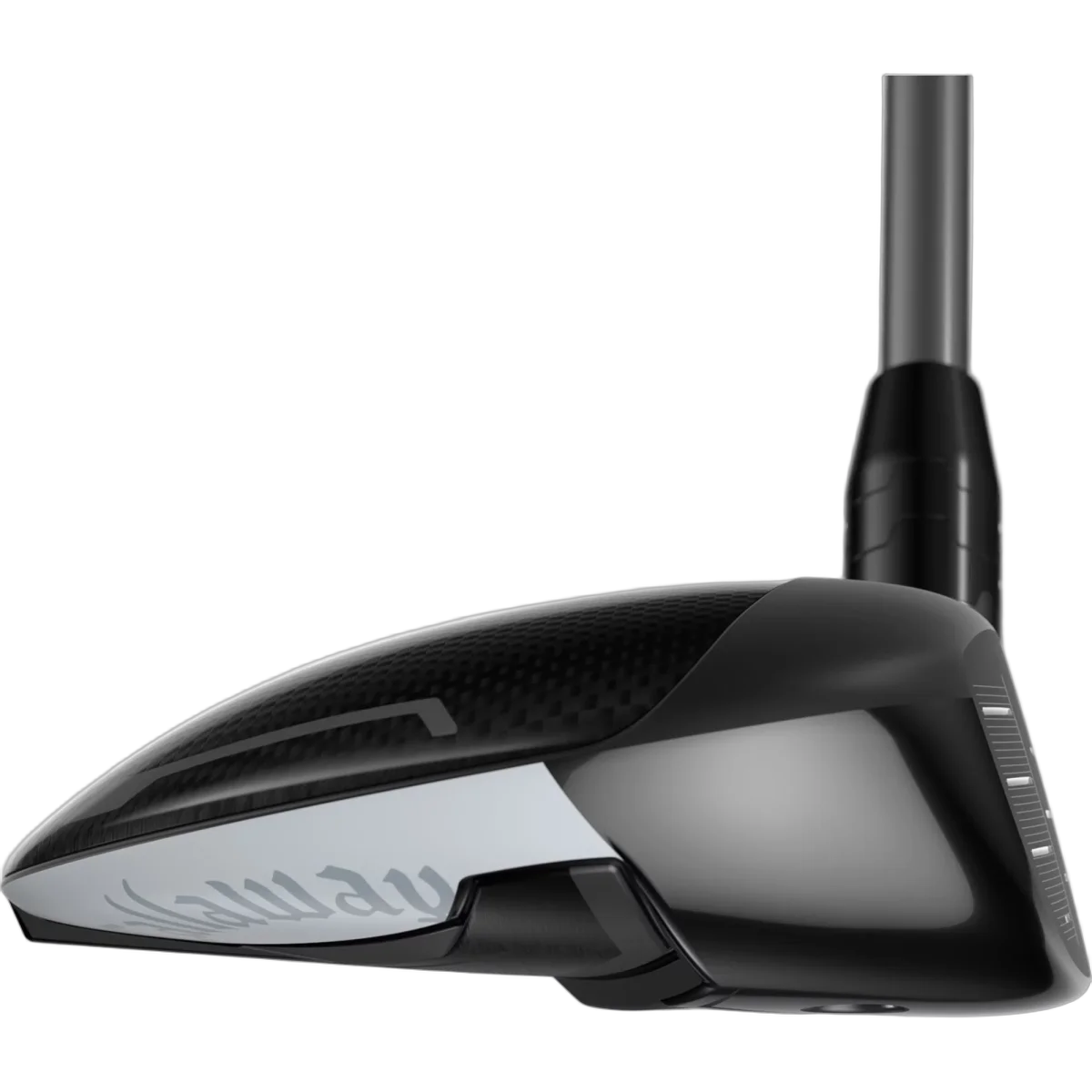
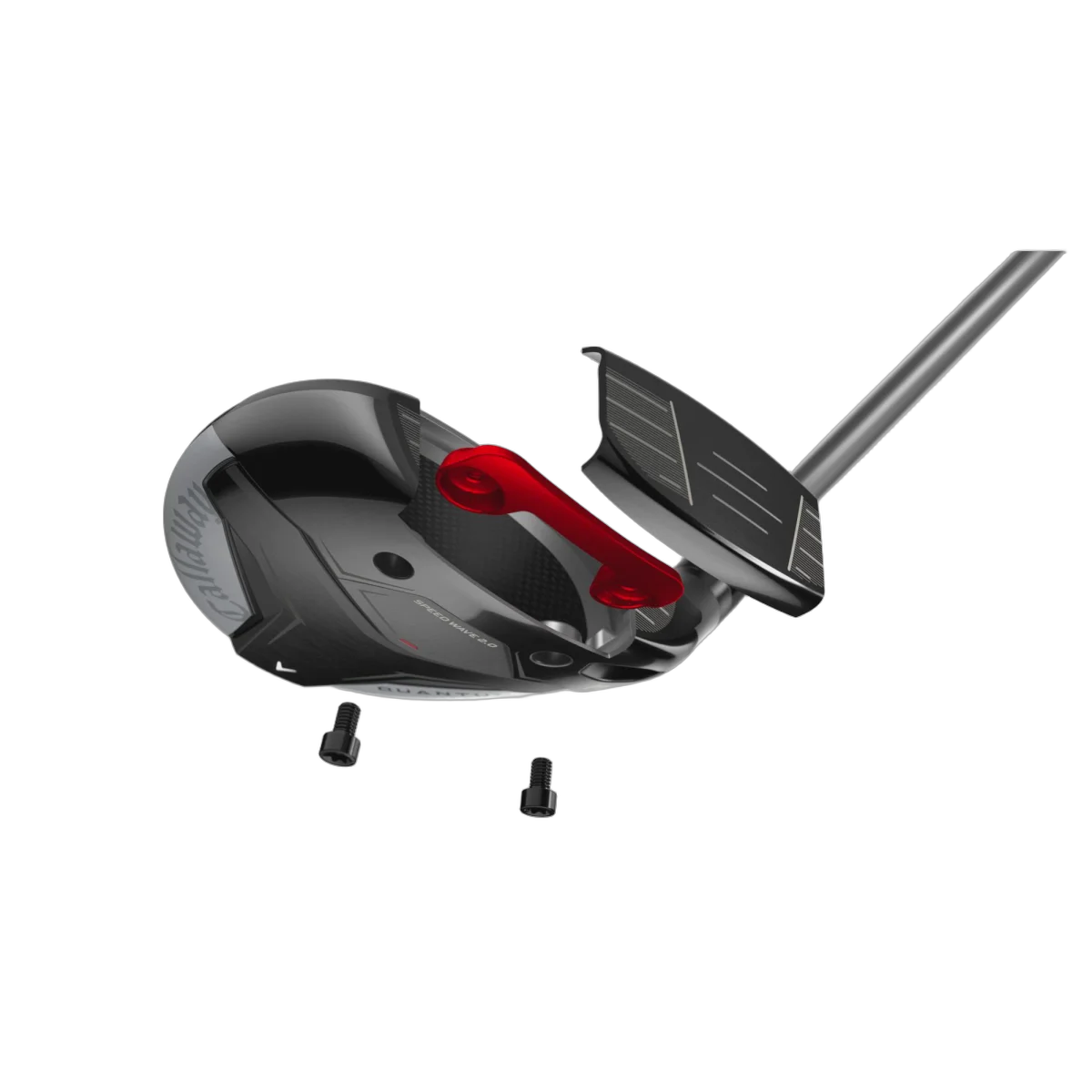
Where the Quantum Max distinguishes itself from the rest of the Callaway wood family is in its commitment to easy launch. The cupface design wraps further around the crown and deeper into the sole than previous generations, creating a more pliant structure that flexes on impact. A 30-gram "floating" tungsten bar sits low and forward inside the head, keeping the center of gravity in a position that promotes high launch with reduced spin. The Step Sole design is also new, providing trailing-edge relief to clean up turf interaction and reduce those dreaded thin contacts.
At Address
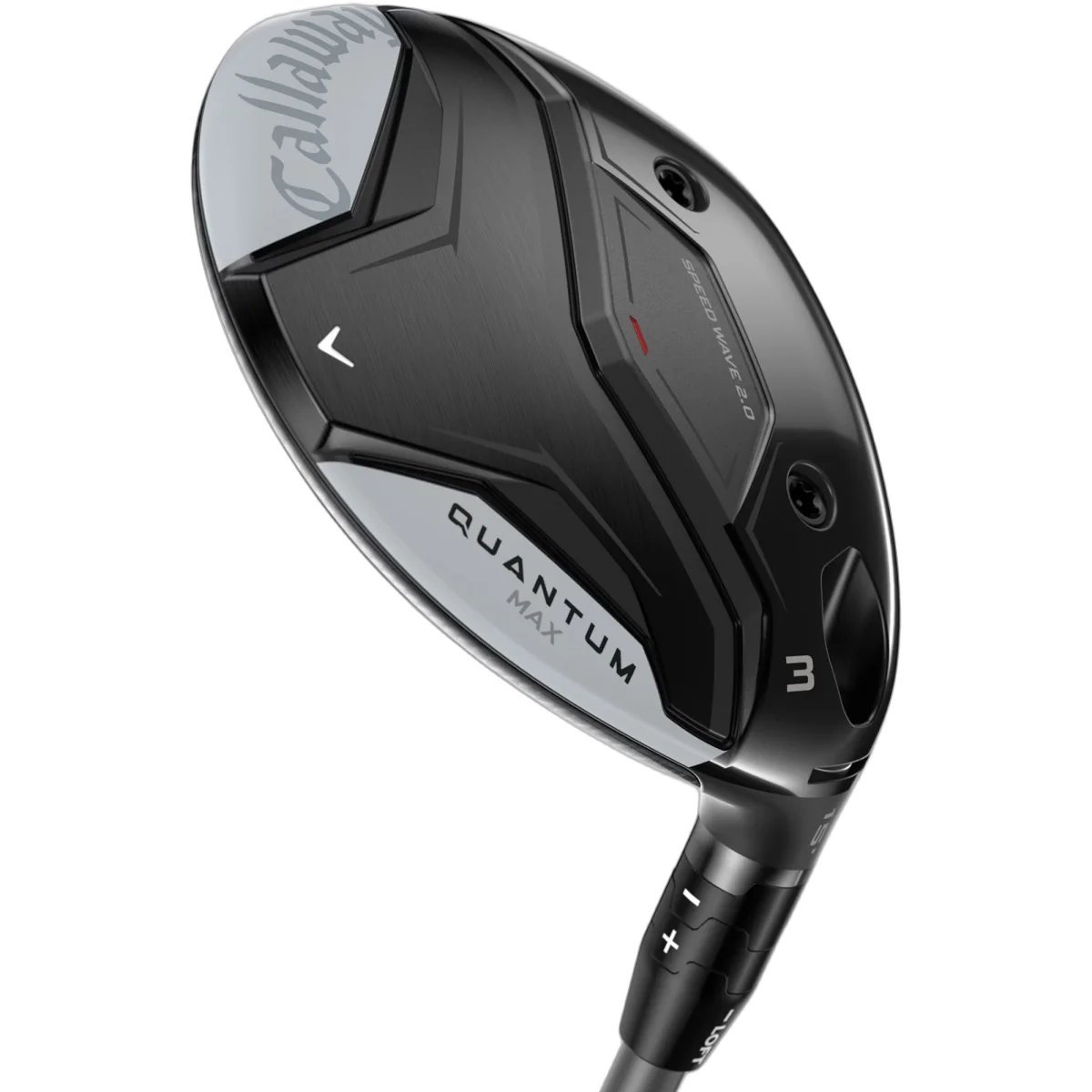
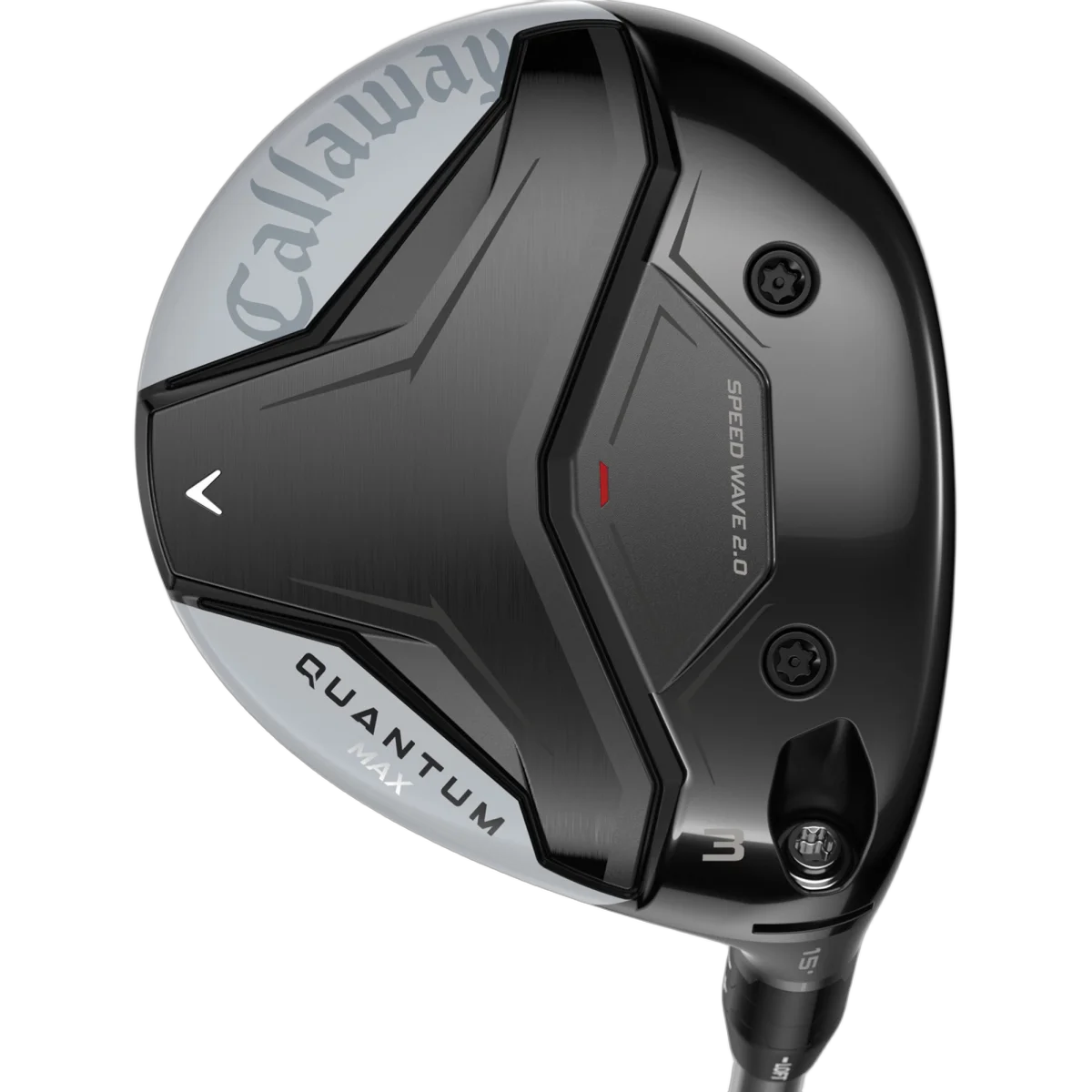
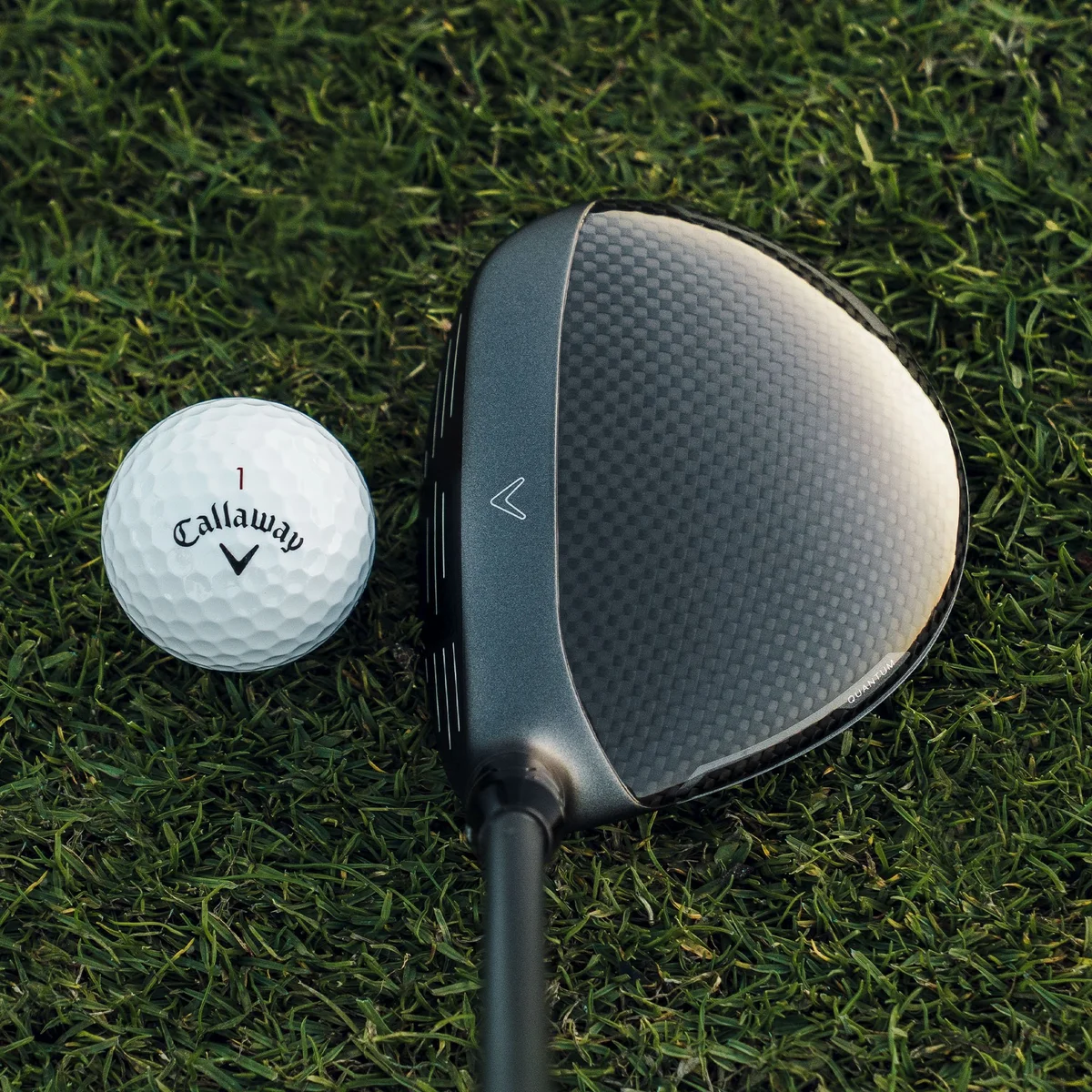
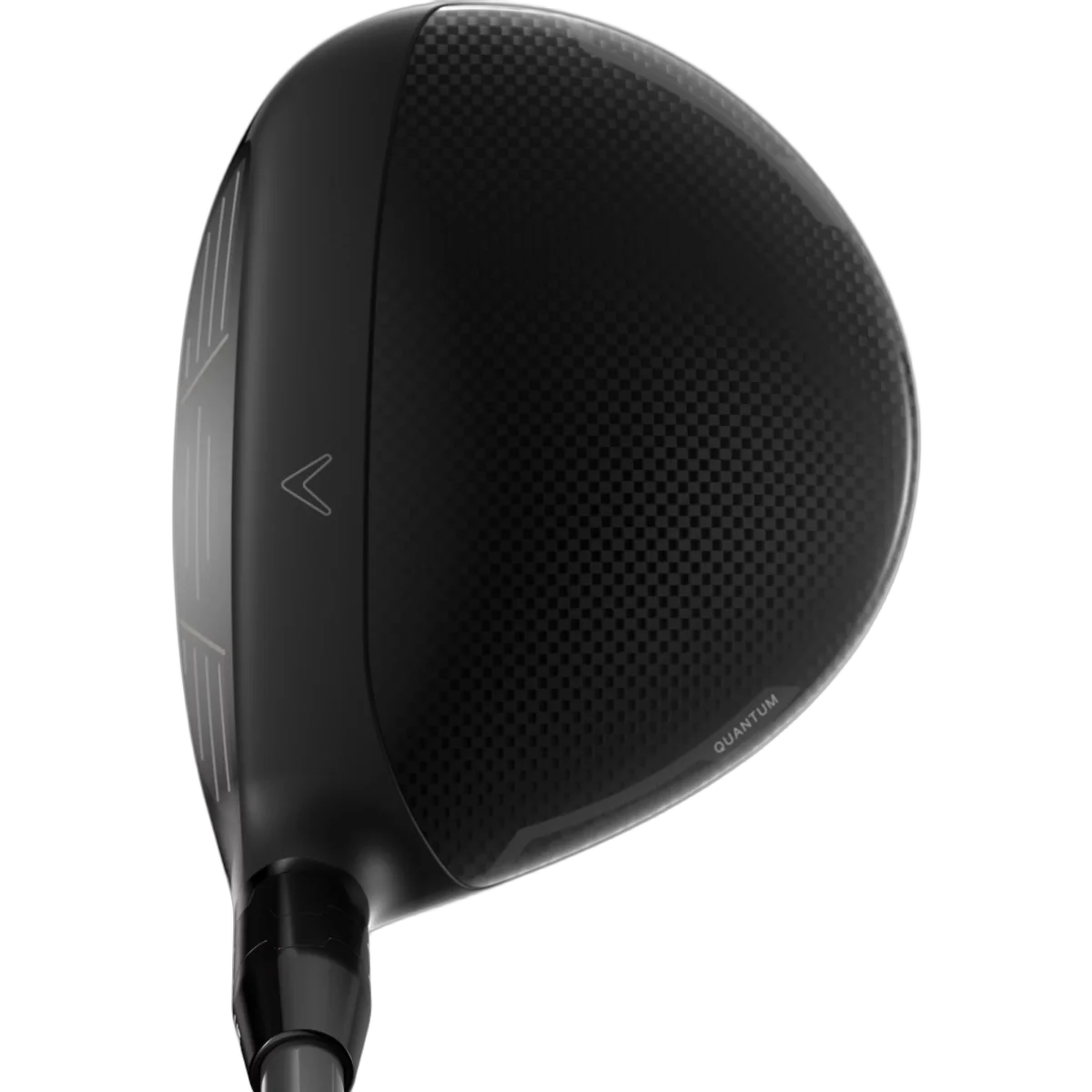
Setting the Quantum Max behind the ball, the first thing I noticed is the glossy crown. It is a departure from the matte finishes dominating the market, and opinion will be divided. Personally, I found it sharp and somewhat elegant, though I can see how some players might prefer a more understated look. The head shape is clean and versatile, not oversized to the point of looking like a training aid but large enough to inspire confidence.
Top-down crown view showing carbon fiber weave pattern
The alignment aid on the crown is a real asset. It sits the club square behind the ball with very little fuss, and I found myself trusting my aim more than I do with some competing fairway woods. The shallow face profile also gives the visual impression that getting the ball airborne will not be difficult, which is exactly the psychological nudge many higher-handicap players need.
Sound & Feel
Impact with the Quantum Max produces a slightly muted, echoing slap. It is not the crack of a pure titanium driver face, but it is satisfying in its own way. The feel is soft and even through the hitting zone. On center strikes, the sensation is smooth and elegant, with forward weighting providing a lively but understated feedback. There is no slowing at impact when the club passes through the turf, which is a welcome quality for players who tend to decelerate through fairway wood shots.
Mishits firm up noticeably, and you can tell when you have caught one thin or toward the heel. But the results on those off-center contacts hold up far better than the feel suggests, which is the hallmark of a well-designed game-improvement wood.
Performance
Ball Speed & Distance
The AI-optimized face is doing real work here. Ball speeds averaged around 160 mph in my testing, which is competitive for this category of fairway wood. The wraparound cupface design and the free-floating tungsten bar combine to produce measurably hot ball speeds even on strikes that missed the center by a noticeable margin. I picked up roughly 10 yards compared to what I was getting from the previous-generation Callaway fairway wood I had been gaming, and that lines up with what I have seen from other players who put this club through its paces.
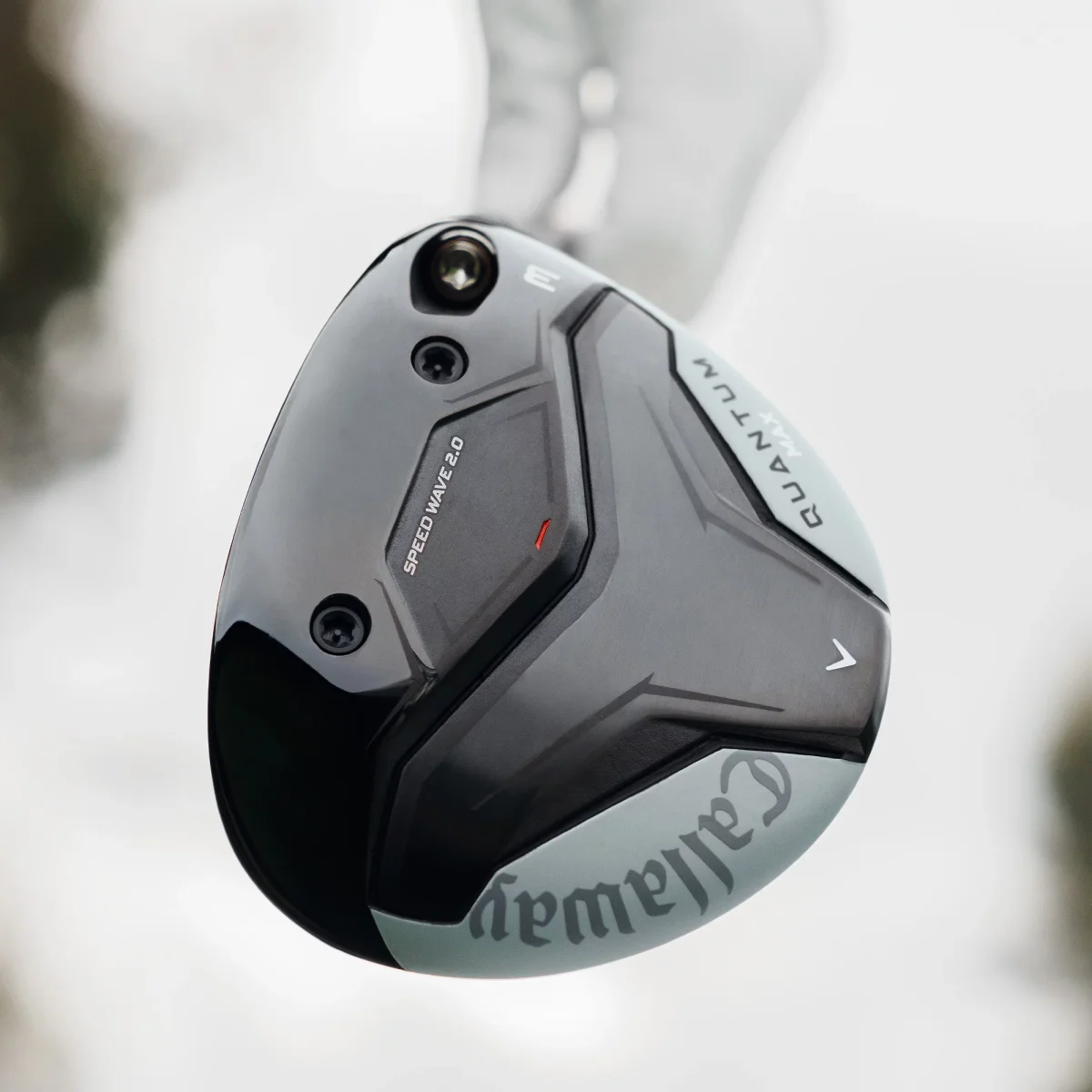
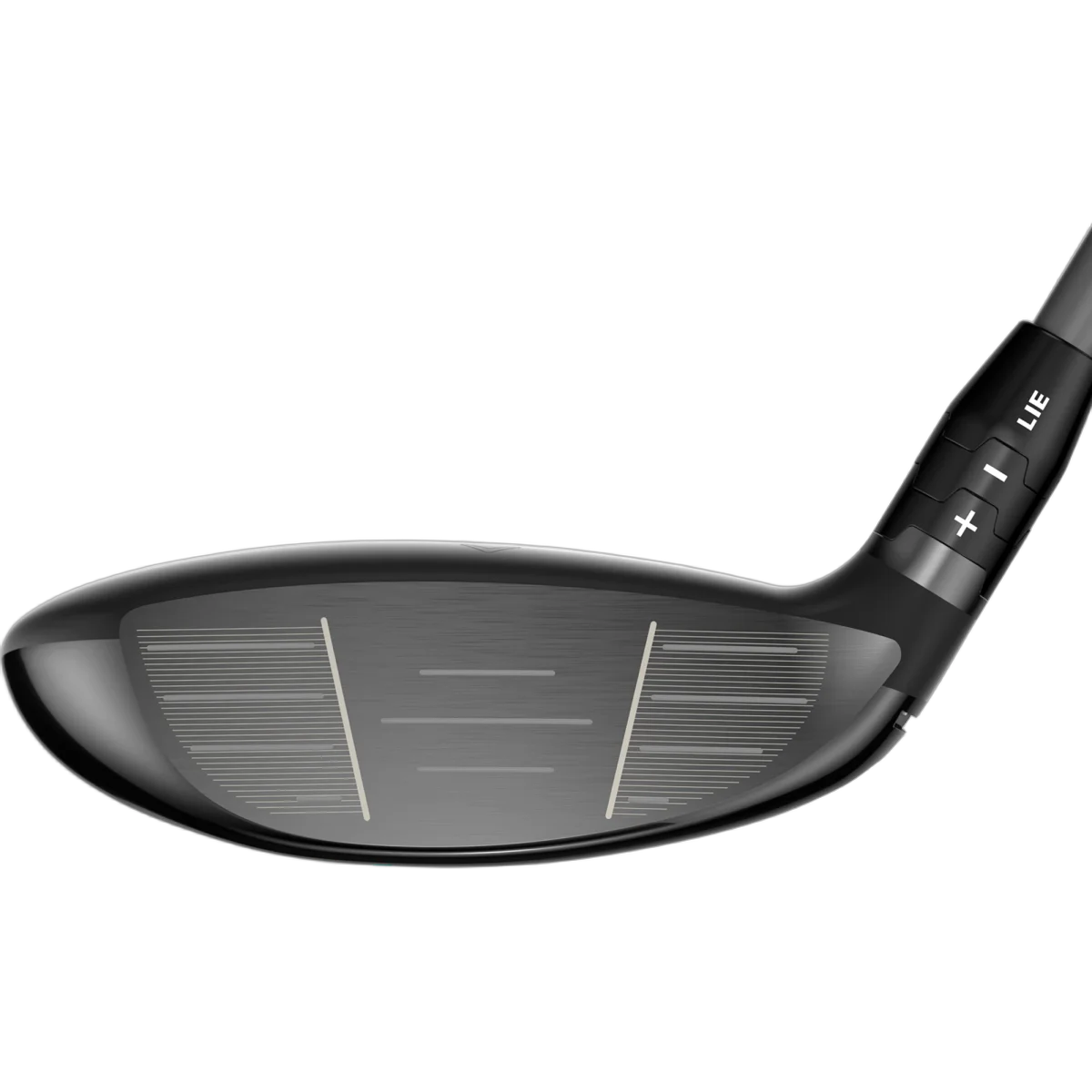
Close-up of fairway wood face with grooves and hosel
Spin rates settled around 2,800-2,900 rpm, which for a 3-wood at 15 degrees of loft is quite low. That low-spin character produces a penetrating ball flight that carries well and rolls out on landing. For players at moderate swing speeds, this translates into total distance gains that can genuinely change how you approach par 5s and long par 4s.
Launch & Spin
This is where the Quantum Max earns its keep. The club launches high. Five different data points confirmed a high-launch profile, and in my own experience, the ball got up quickly even on shots where I did not catch it perfectly clean off the deck. The stepped sole genuinely helps with turf interaction, allowing the club to slide through without digging, which keeps launch conditions more consistent from shot to shot.
The low-spin profile is a double-edged sword. For moderate and slower swing speeds, it is a major benefit because it keeps the ball from ballooning and falling short. For faster swingers, that combination of high launch and low spin can produce a somewhat boring, flatter trajectory that may not hold greens as effectively. If you generate north of 105 mph club speed with your fairway woods, you may want to look at the standard Quantum or the Elyte instead.
Dispersion & Shot Shape
Forgiveness is strong across the face. The large sweet spot and perimeter weighting do a good job of keeping mishits in play. I found the dispersion pattern to be tighter than I expected, with even toe and heel strikes finishing within 15 yards of my intended target line.
Sole view showing Speed Wave 2.0 and weight screws
There is a gentle draw bias built into the design, reinforced by the weight placement and the adjustable hosel. The OptiFit4 hosel allows plus or minus 2 degrees of loft and lie adjustment, which is meaningful for dialing in ball flight. Players fighting a slice will appreciate the draw tendency, though the club still permits modest shot-shaping in both directions for those with the skill to work the face.
Verdict
The Callaway Quantum Max Fairway Wood delivers on its promise of easy launch, low spin, and genuine forgiveness. It is a confidence-building club that makes fairway woods less intimidating for the mid-to-high handicap player. The ball speed off the face is competitive, the turf interaction is clean, and the adjustability is a genuine asset rather than a gimmick.
On the downside, the glossy crown will not be to everyone's taste, and the low-spin character may not suit faster swing speeds that need more spin to optimize carry. The club also does not offer the shot-shaping versatility that a better player might want from their 3-wood.
For the high-handicapper who has been struggling with fairway woods, or the moderate-swing-speed player looking for more distance off the deck, this is one of the better options available right now.