Callaway MAVRIK Fairway Wood
Callaway — Callaway MAVRIK Fairway Wood · By Andy · Feb 8, 2026
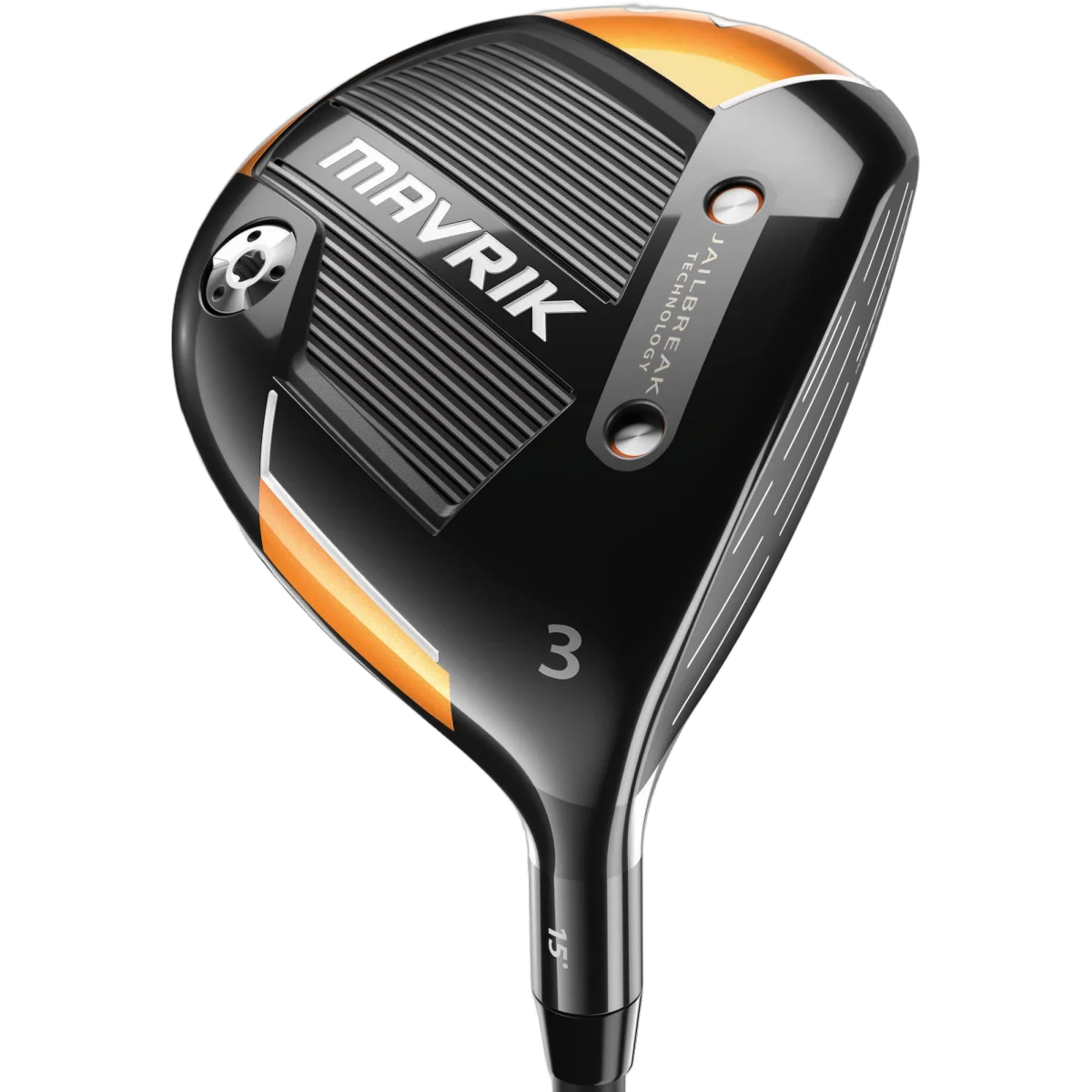
Callaway's AI-designed fairway wood still holds its own years after launch -- delivering impressive ball speed and forgiveness at a fraction of its original price.
The Big Picture
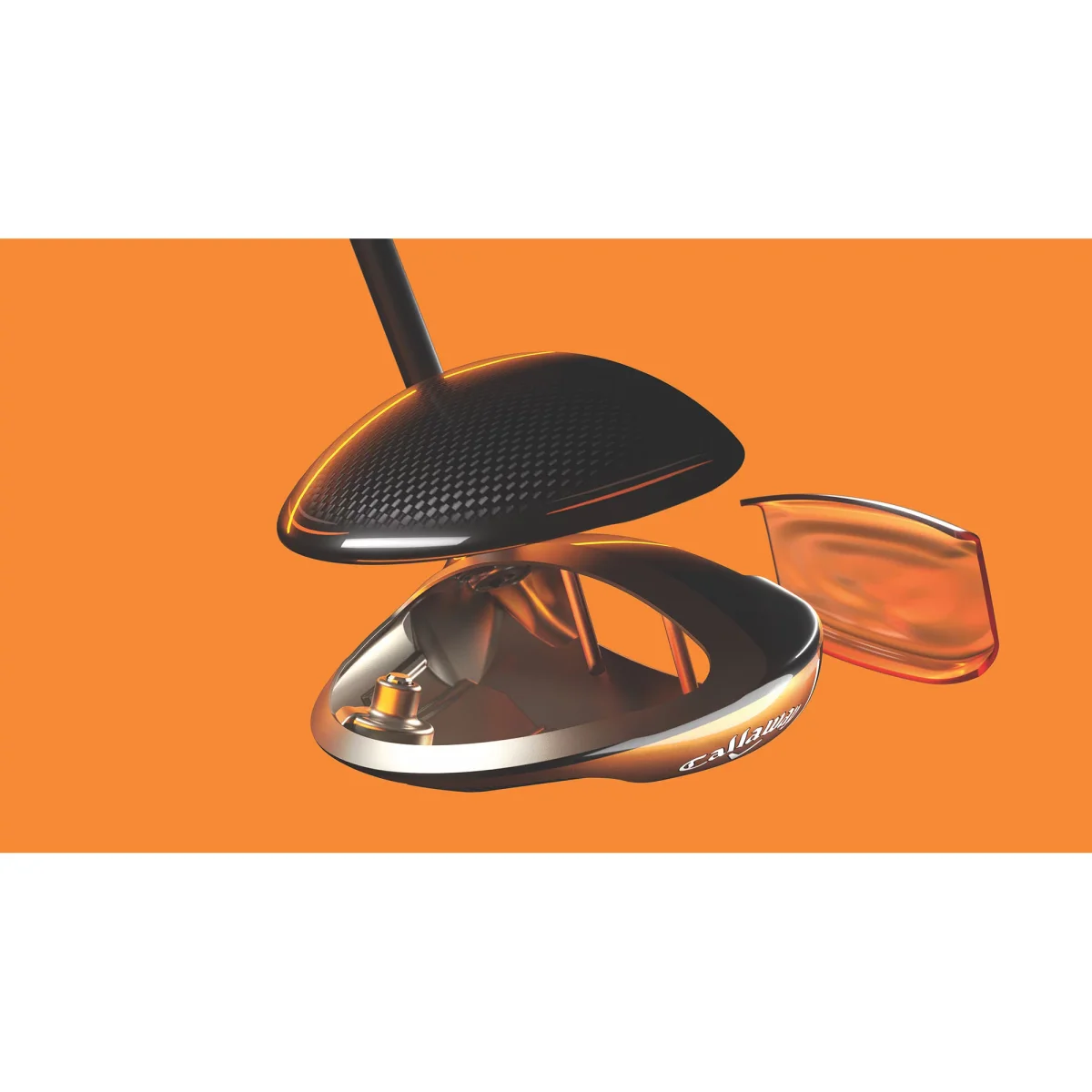
The Callaway MAVRIK fairway wood was one of the first clubs in golf to feature an AI-designed face, and it made an immediate impact when it launched in early 2020. Callaway used machine learning to model and optimize the Flash Face SS20 -- a variable-thickness face pattern unique to each loft and head configuration -- to maximize ball speed and forgiveness simultaneously. That is a combination that historically required compromise, and the MAVRIK was Callaway's proof of concept that artificial intelligence could push face design beyond what human engineers could achieve through trial and error alone.
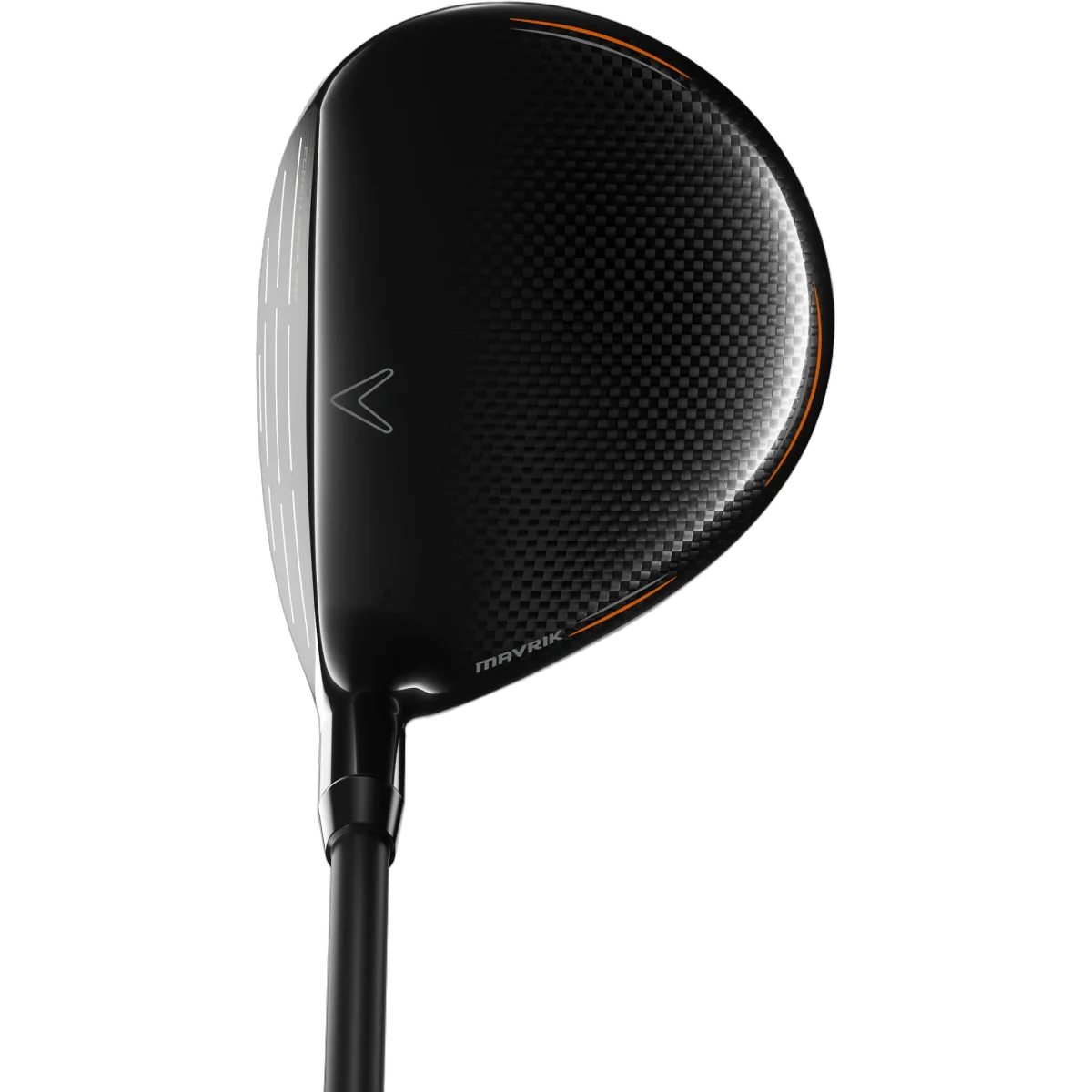
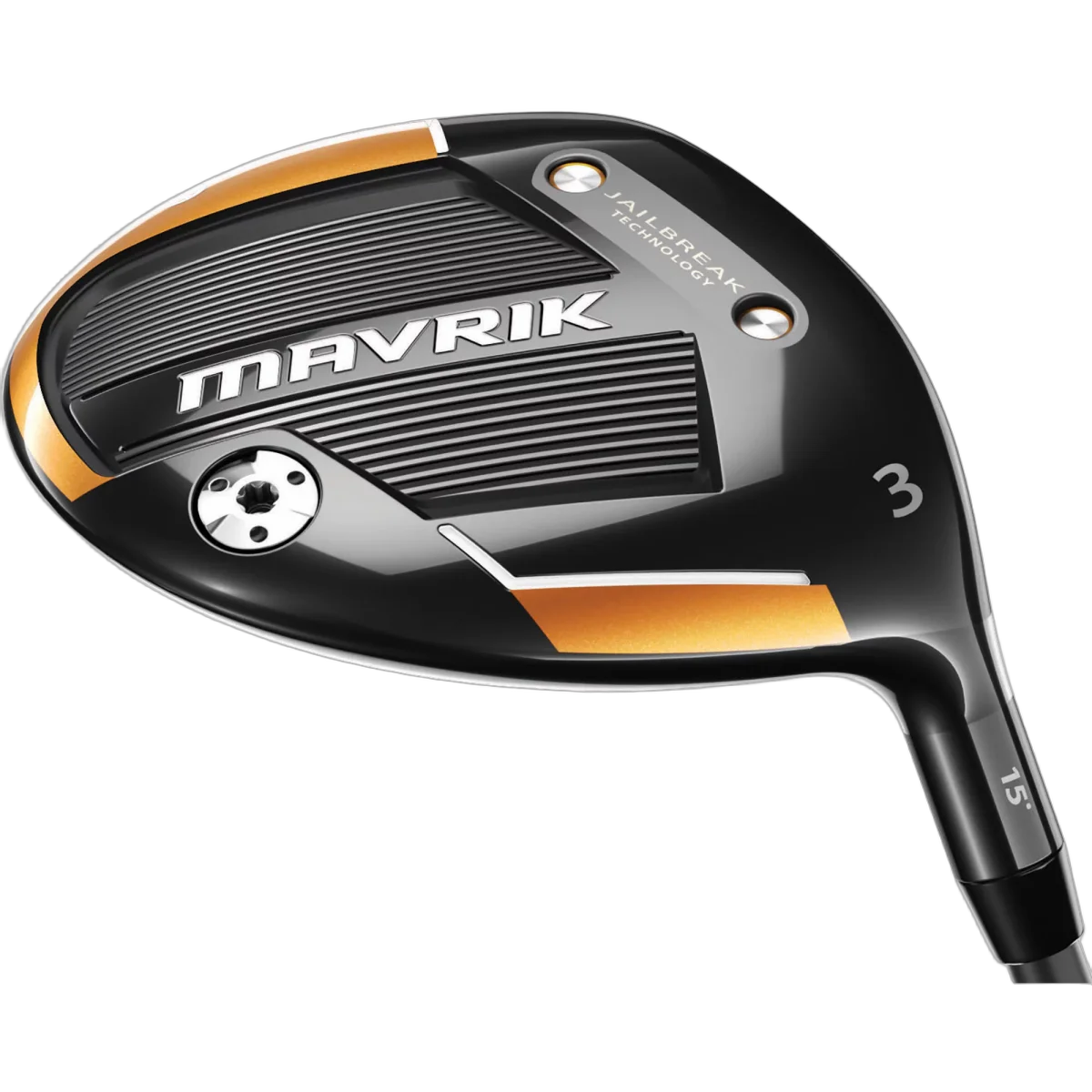
Toe-side profile showing carbon crown and MAVRIK branding
The MAVRIK line came in three variants: the standard MAVRIK, the Sub Zero for low-spin players, and the MAX for maximum forgiveness. The standard model sits in the middle of that spectrum, offering a blend of distance, launch, and forgiveness that makes it approachable for a wide range of handicaps. With the MAVRIK now several generations removed from Callaway's current lineup, it occupies a sweet spot in the used and discount market -- delivering performance that was flagship-level just a few years ago at prices that make it an excellent value, often available for under $130.
At Address
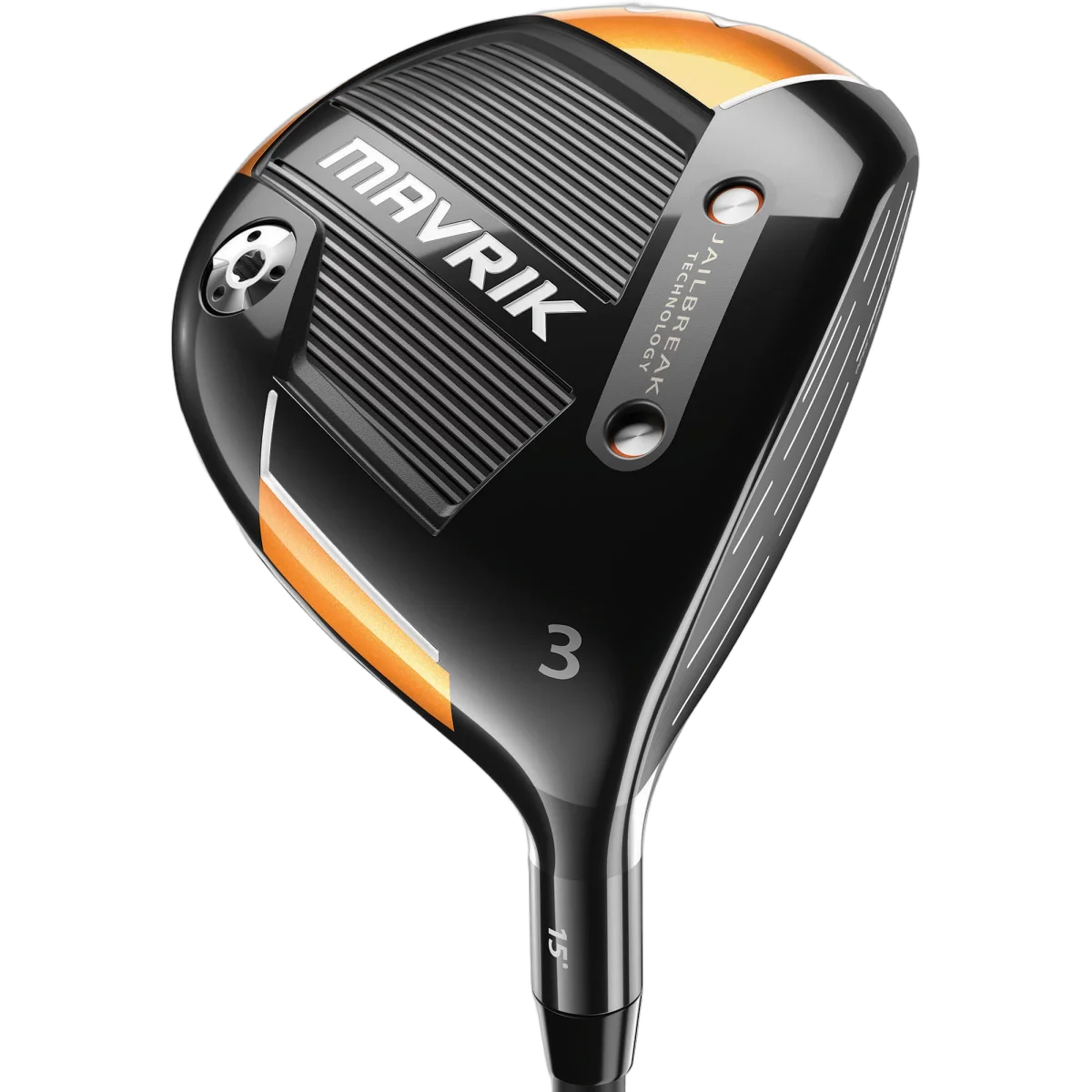
The MAVRIK fairway wood presents a clean, confidence-inspiring look at address. The crown is a deep charcoal with Callaway's speed step -- a raised ridge on the crown intended to improve aerodynamics through the downswing. Whether the speed step actually reduces drag is debatable, but it does serve as a subtle alignment reference that I found useful when setting up over the ball.
The head shape is traditional without being boring. It is moderately deep from front to back with a gently rounded profile that avoids the oversized, bulky look of some game-improvement fairway woods. The face has a slight copper-bronze tint that gives the club a premium aesthetic. At address, the footprint is large enough to inspire confidence without feeling unwieldy. It sits square and flush on the turf, which is exactly what you want from a fairway wood when you are staring down a 230-yard approach to a par five.
Sound & Feel
Impact feel on the MAVRIK is solid and satisfying, with a quality sensation that stands out even compared to some newer fairway woods I have tested. Center strikes produce a crisp, medium-pitched crack with just enough feedback to let you know you caught it flush. There is a liveliness to the face that makes good contact feel rewarding -- you can sense the ball jumping off at speed.
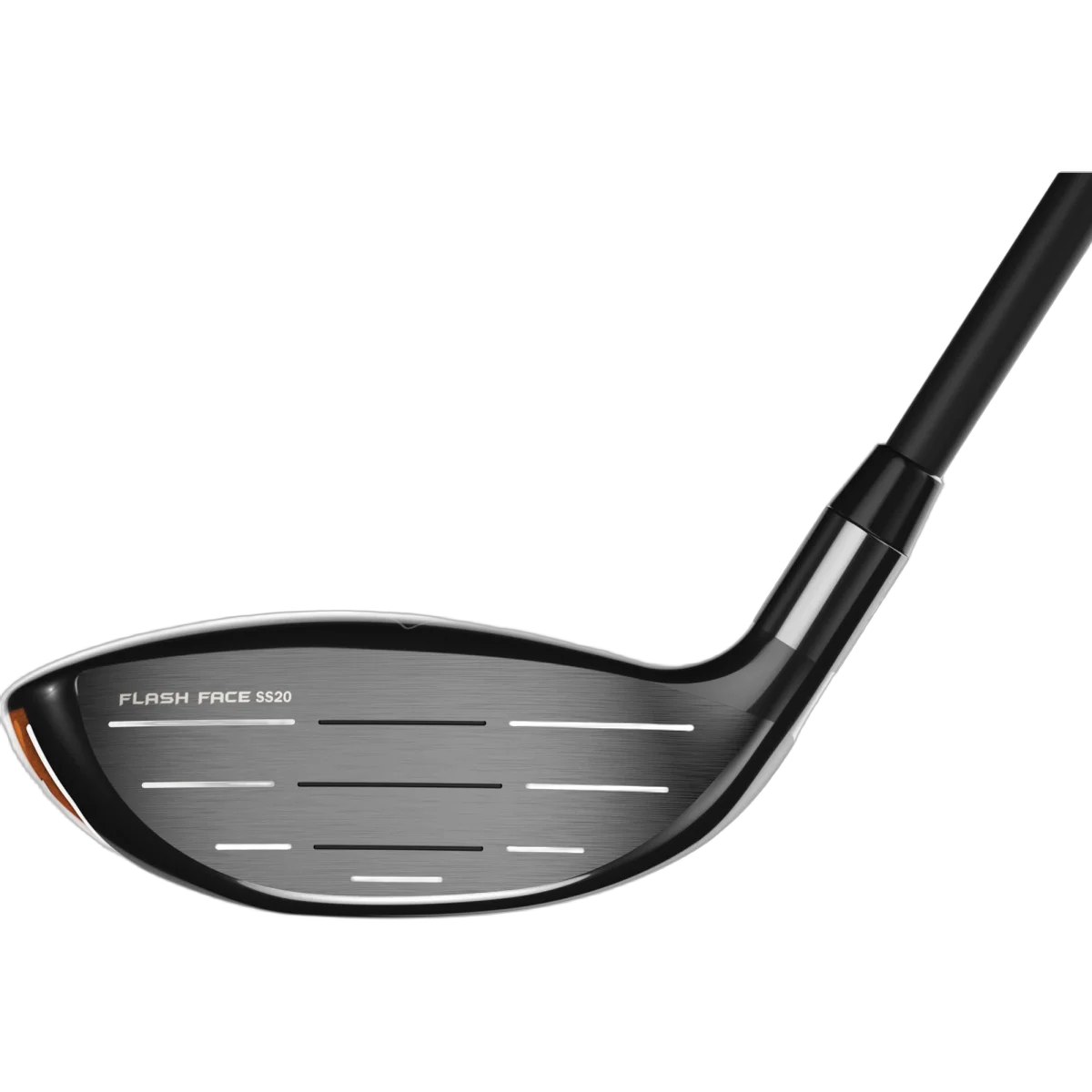
 Close-up of Flash Face SS20 clubface with score lines
Mishits are where the feel story gets more interesting. The AI-designed face does a commendable job of maintaining a decent sensation even on off-center contact. Thin strikes toward the bottom of the face still feel reasonably solid, though you will notice a slightly higher-pitched, tinny quality that tells you the contact was low. Heel and toe misses produce a subtle deadening of the feedback, but never anything harsh or jarring. For a fairway wood in this price range, the feel quality is genuinely impressive.
Performance
Ball Speed & Distance
The Flash Face SS20 is the engine behind the MAVRIK's performance, and it delivers. In my testing, the standard MAVRIK 3-wood produced carry distances in the 230 to 240 yard range with a moderate swing speed, which is competitive with fairway woods that cost significantly more. The AI-optimized face thickness pattern is designed to maintain ball speed across a wider area than a conventionally designed face, and in practice, that translates to more consistent distance -- even when contact is not perfect.
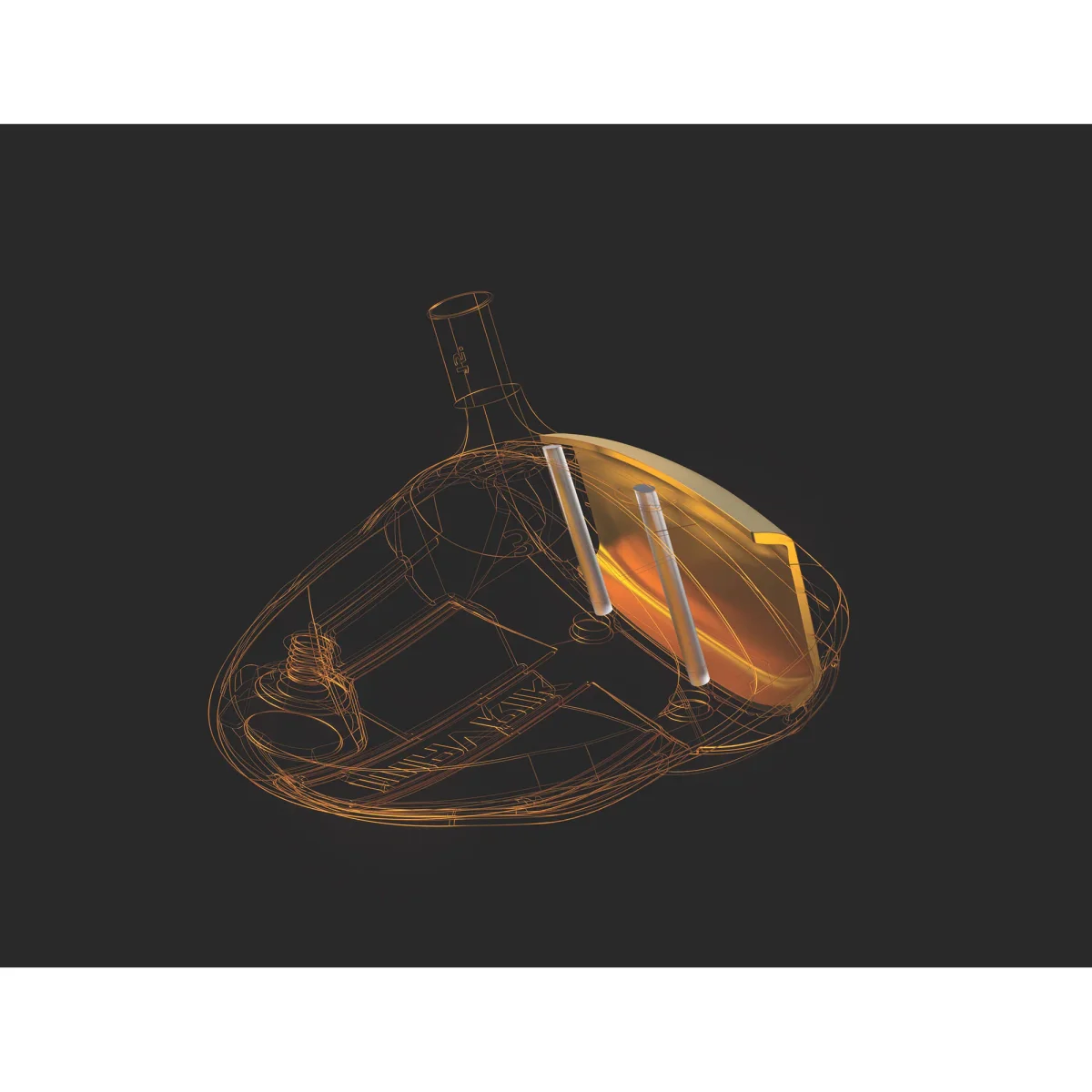
What impressed me most was the distance floor. On my worst swings, the MAVRIK still produced usable yardage. I was seeing roughly 10 yards more carry on my mishits compared to an older fairway wood I had been gaming, which over the course of a round adds up to meaningfully shorter approach shots and more birdie opportunities. The Jailbreak Technology -- two internal bars connecting the crown and sole -- stiffens the body at impact and directs more energy into the face, and you can feel that efficiency in the way the ball comes off.
Launch & Spin
The MAVRIK launches on a mid-to-high trajectory that most golfers will find easy to work with. The standard model is not a low-spin rocket -- that is what the Sub Zero variant is for -- but it produces a controlled, penetrating flight that carries well and comes down at enough of an angle to hold greens on approach shots.
For the 3-wood at 15 degrees, I saw launch angles in the 13 to 14 degree range with spin rates settling around 3,200 to 3,500 rpm with the stock Aven Blue 60 shaft. That is a solid combination for maximizing carry without sacrificing too much rollout. The 5-wood and 7-wood options launch progressively higher with a touch more spin, making them effective weapons for attacking par fives and long par fours where you need the ball to land softly.
Players with faster swing speeds who find the standard model launching too high may want to explore the Sub Zero variant or consider a stiffer aftermarket shaft to keep the flight from ballooning in windy conditions.
Dispersion & Shot Shape
Forgiveness is one of the MAVRIK's strongest attributes. The combination of the AI-designed face and the internal Jailbreak bars creates a fairway wood that is genuinely hard to hit crooked on a consistent basis. My dispersion patterns with the MAVRIK were tighter than I expected, particularly on heel-side misses where many fairway woods lose significant accuracy.
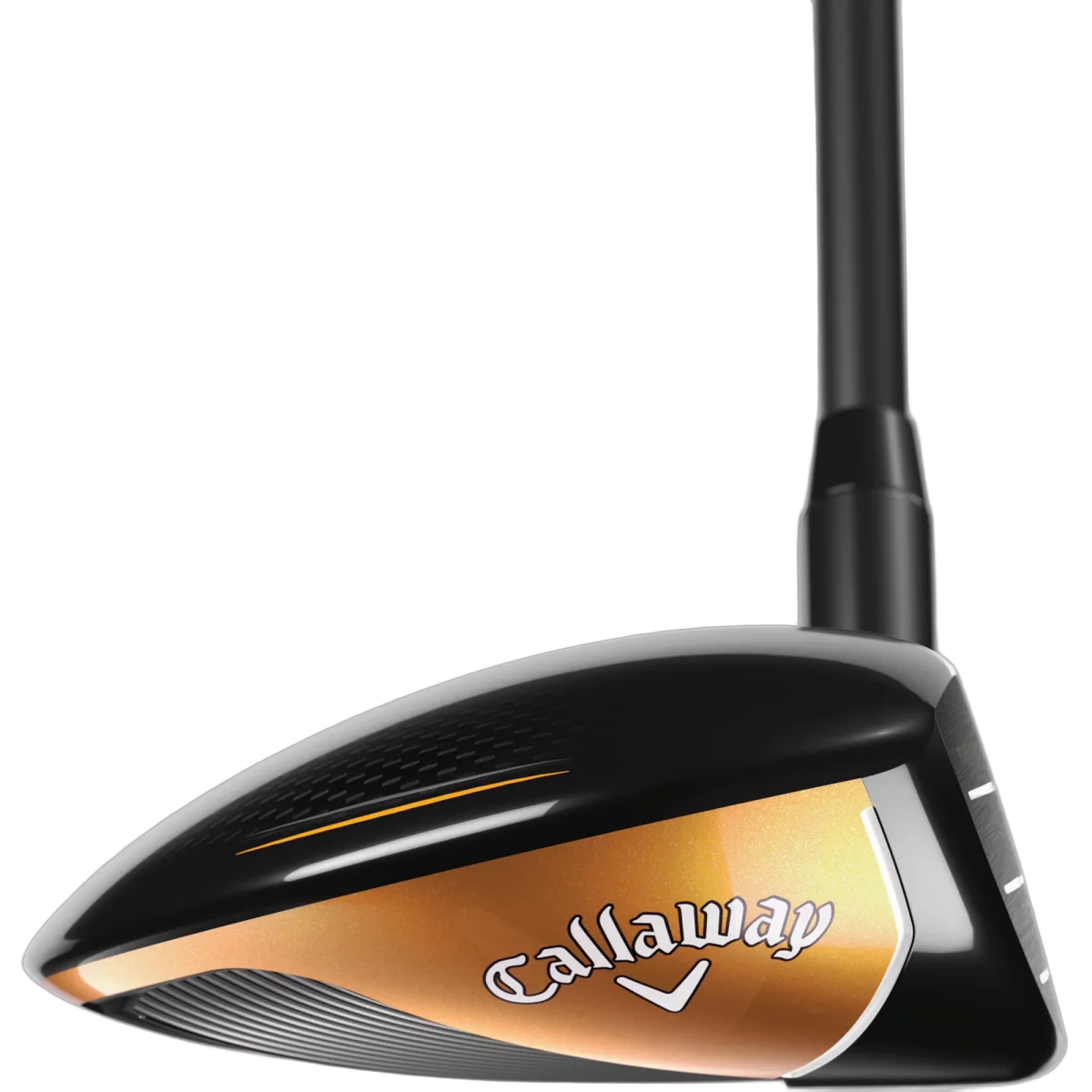
Sole view showing MAVRIK branding, weight ports, and loft markings
The MAVRIK does not offer adjustability -- there is no movable weight system or adjustable hosel on the standard model. What you get out of the box is what you play, which means getting fit for the right shaft and loft combination matters more here than with adjustable alternatives. That said, the stock configuration produces a slight draw bias that benefits the majority of recreational golfers who tend to leave the face open at impact.
Workability is limited, as you would expect from a fairway wood designed around forgiveness. I could move the ball 5 to 8 yards in either direction with deliberate swing changes, but the MAVRIK clearly prefers to hit a straight-to-slight-draw shot shape. For golfers who want to flight the ball both ways, this is a limitation. For everyone else, it is a feature.
Verdict
The Callaway MAVRIK fairway wood was ahead of its time when it launched, and the AI-designed face technology still produces results that compete with clubs released years after it. It delivers strong ball speed, consistent distance, and genuine forgiveness in a package that looks and feels like a premium club. The quality of the impact feel alone sets it apart from many budget-friendly alternatives.
Strengths: impressive ball speed and distance consistency across the face, forgiving on mishits with a high distance floor, satisfying feel and sound at impact, clean and confidence-inspiring appearance, and outstanding value at current market prices.
Weaknesses: no adjustability on the standard model limits tuning options, the slight draw bias will not suit players who prefer a fade, and the stock shaft may not optimize launch conditions for all swing speeds. The mixed sentiment I have encountered around this club typically comes down to shaft fit rather than head performance -- golfers who get the right shaft pairing tend to love this club, while those playing it off the rack sometimes struggle with launch or spin.
The MAVRIK fairway wood is best suited for mid-to-high handicap golfers who want reliable distance and forgiveness from the fairway and off the tee without spending flagship prices. It is also an excellent option for beginners building their first serious set who want a fairway wood they can grow into. At current used market prices -- often well under $130 -- it is one of the better values in the fairway wood category.