Callaway Apex UW Utility Wood
Callaway — Callaway Apex UW Fairway Wood · By Lauryl · Jan 5, 2026
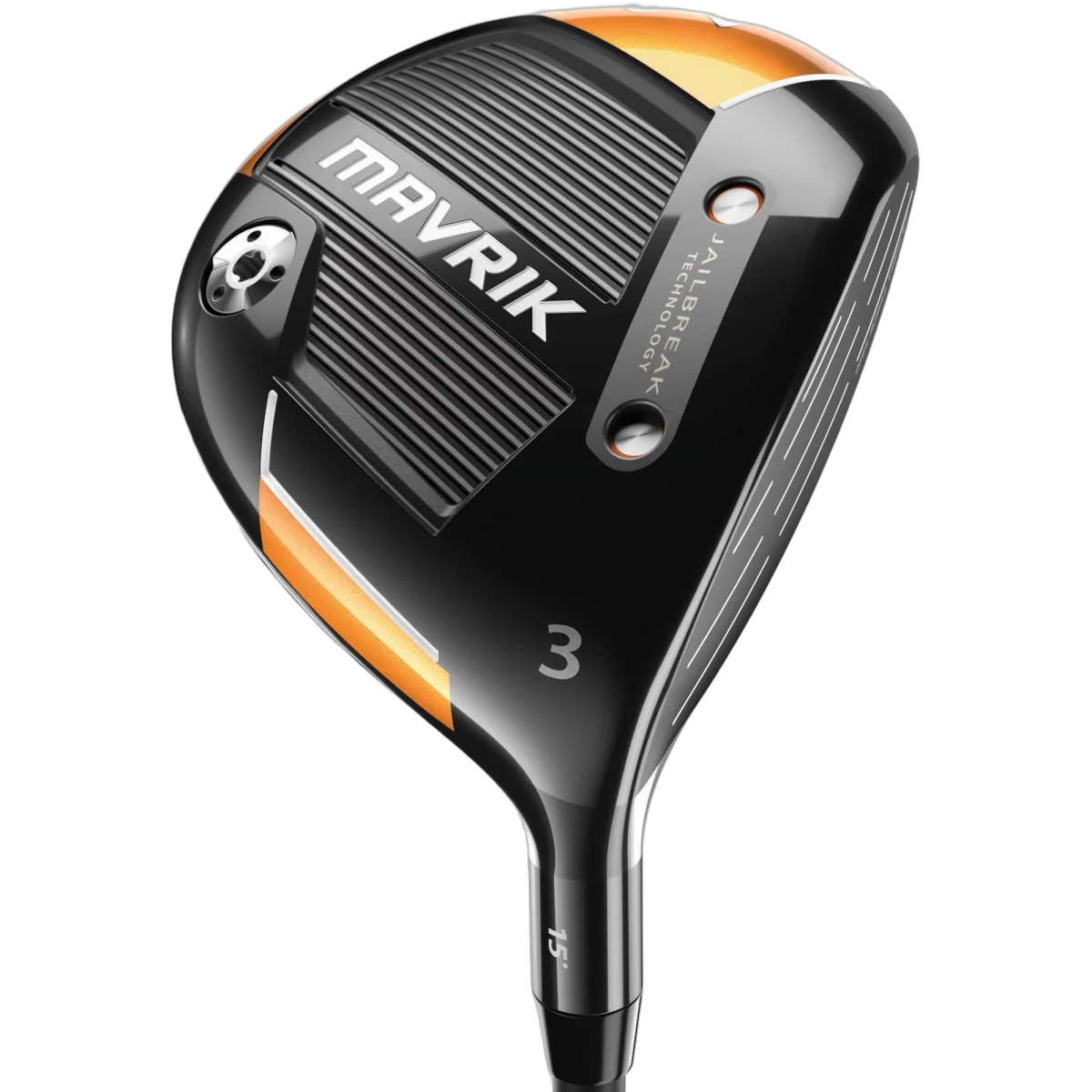
A mini fairway wood that bridges the gap between hybrids and woods -- and does it with surprising authority off any lie.
The Big Picture
The utility wood category has always occupied an awkward middle ground in golf. Too small to be a proper fairway wood, too big to be a hybrid -- or so the thinking goes. Callaway's Apex UW challenges that perception head-on, and the 2026 version refines the formula with meaningful technology upgrades that make an already compelling club even better.
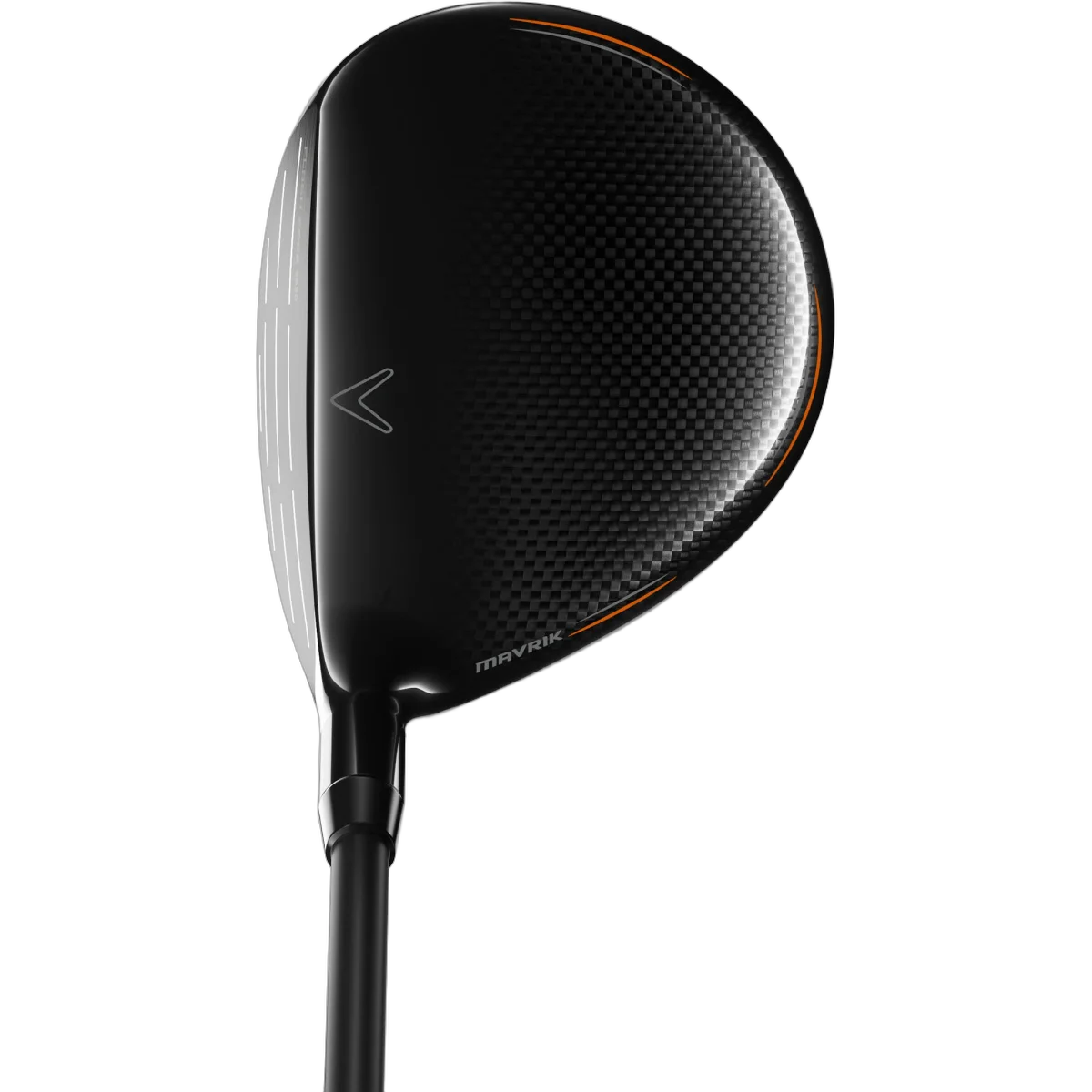
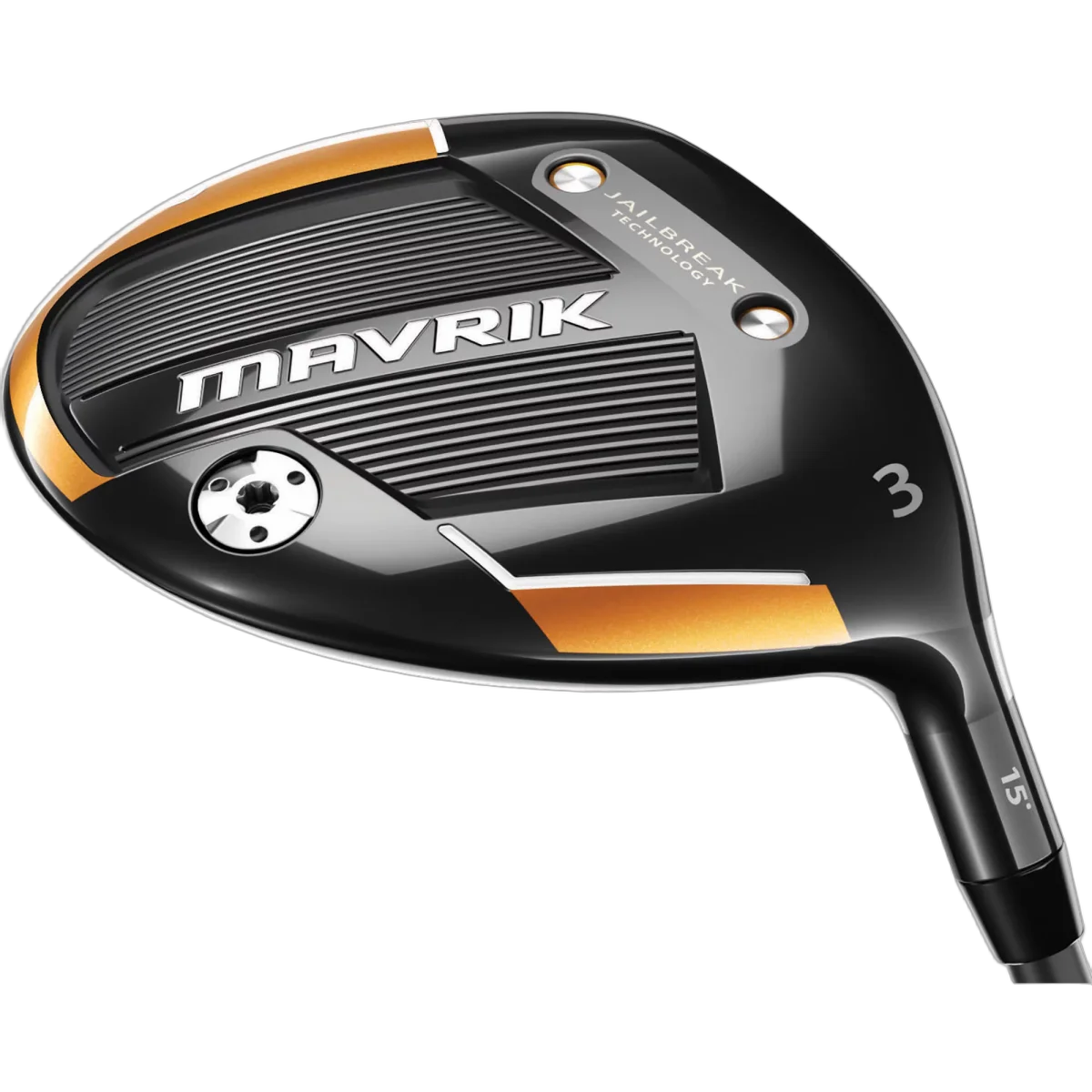
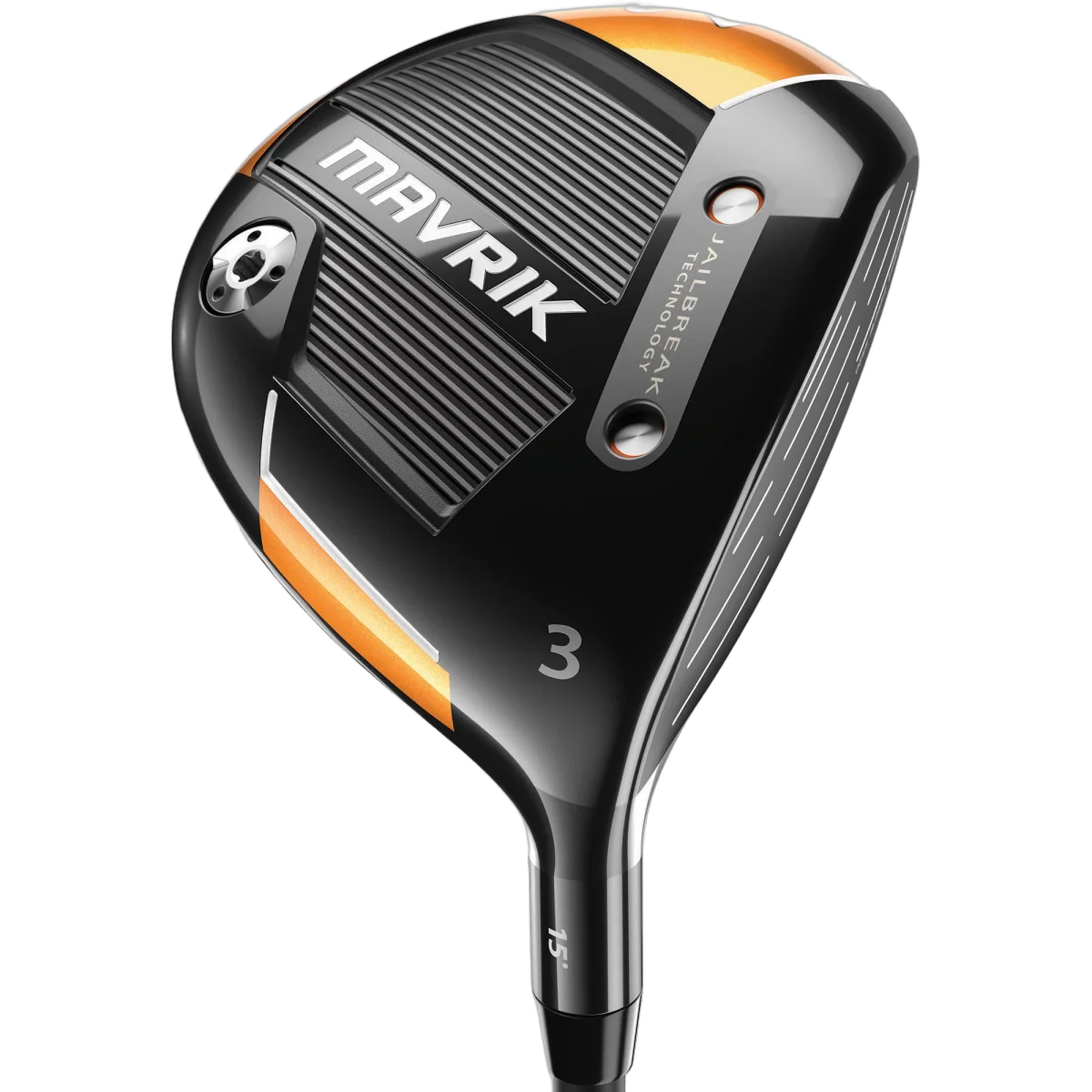
Crown view showing carbon composite with Callaway Mavrik branding
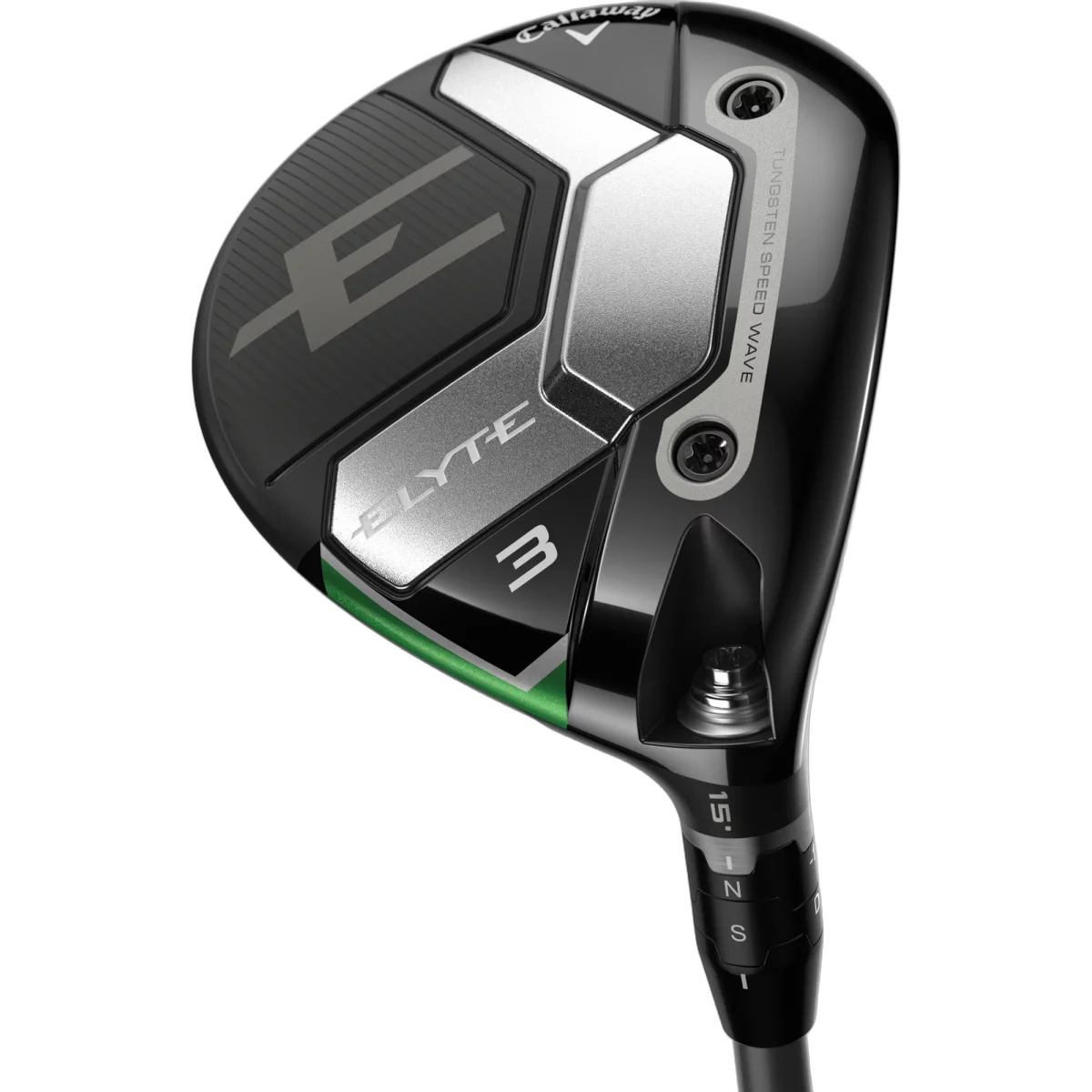
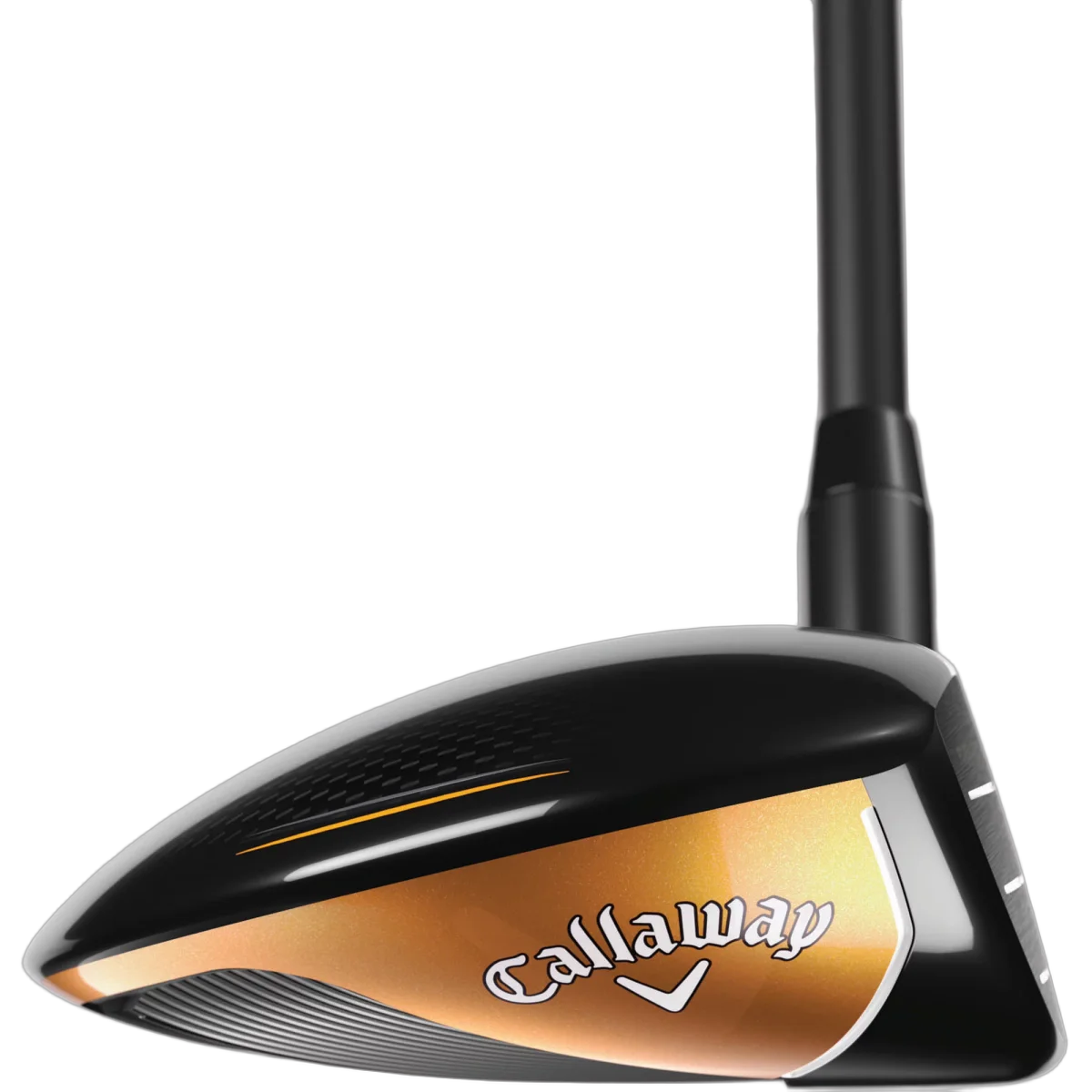
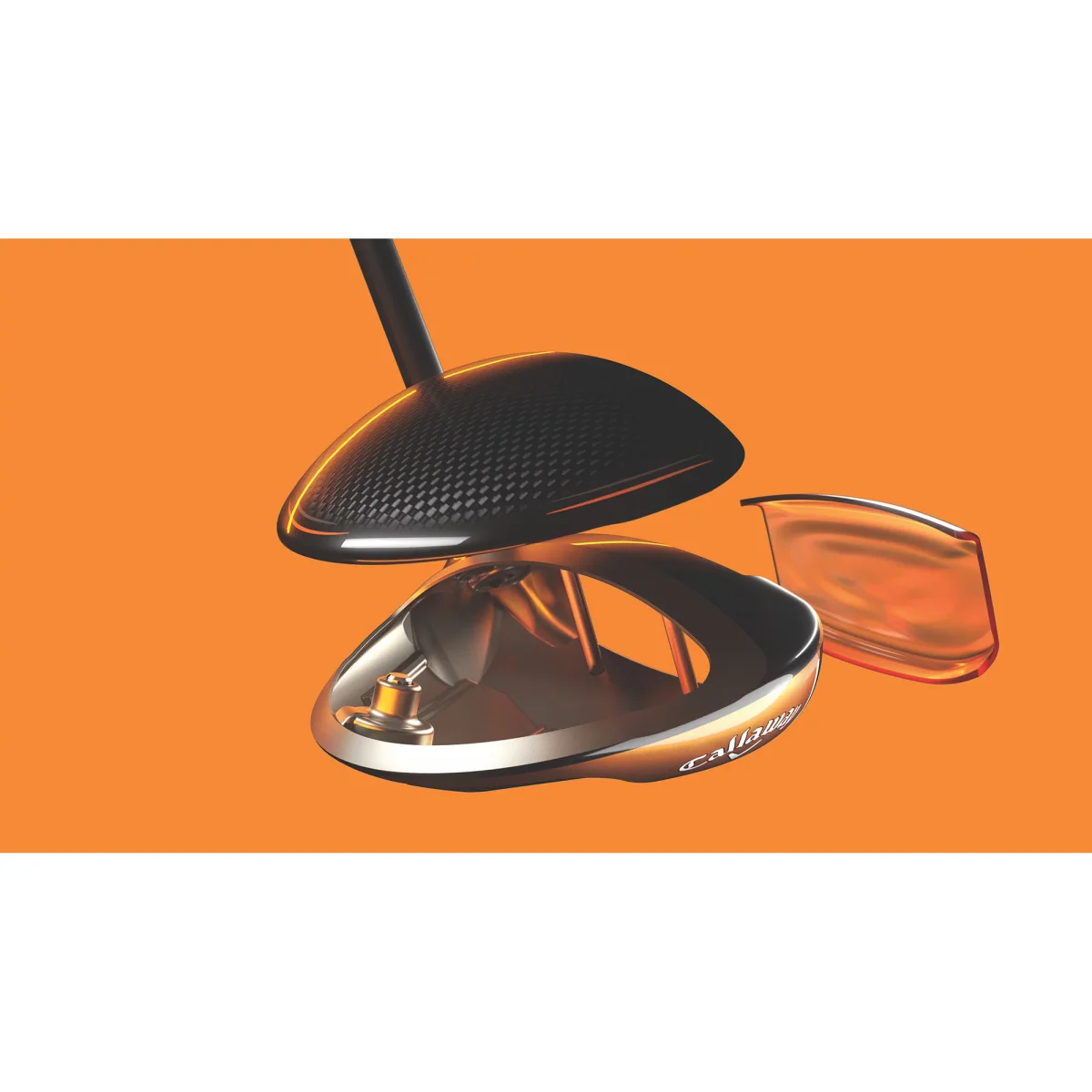
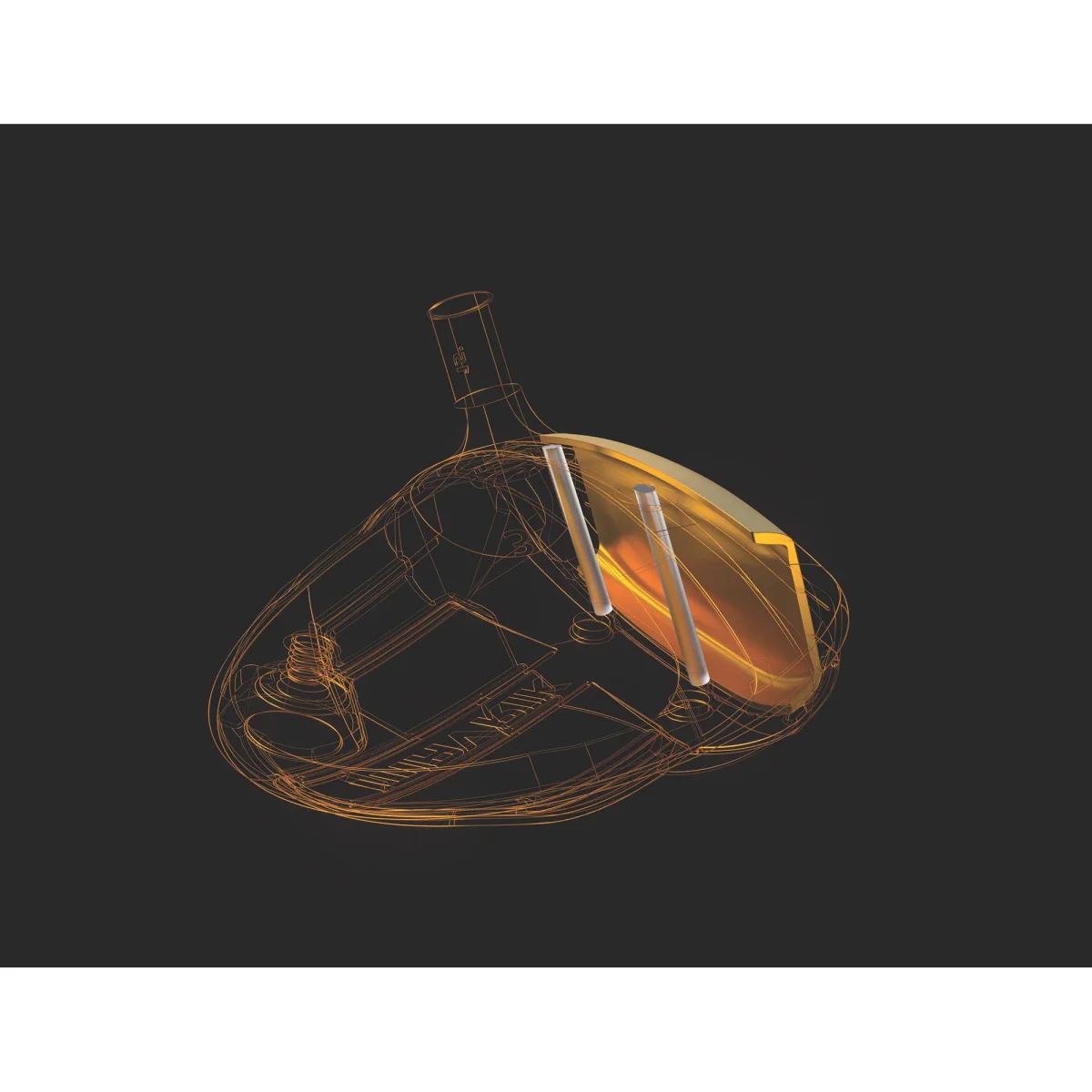
The Apex UW is built around three core technologies. The Triaxial Carbon Crown replaces the steel crown from the previous generation, stripping significant weight from the top of the clubhead and redistributing it where it matters. That freed-up mass feeds into the Tungsten Speed Wave -- a 41-gram wave-shaped tungsten weight positioned low and forward in the sole to keep the center of gravity down and promote higher launch with faster ball speeds, particularly on strikes below center. And the Step Sole design, borrowed from Callaway's Elyte fairway woods, reduces turf interaction so the club glides through varied lies without snagging or digging.
Available in 17, 19, 21, and 23 degree lofts, the Apex UW targets serious golfers who want something more controllable than a standard fairway wood but longer and more versatile than a traditional hybrid. The 17-degree model I tested sits at 42.25 inches with a D3 swingweight, paired with a Mitsubishi shaft in 70-gram stiff flex with a mid kickpoint and low torque profile. It is a club built for players who know what they want out of their long game.
At Address
The Apex UW has a clean, purposeful look that inspires confidence. The head sits somewhere between a compact fairway wood and a large hybrid -- what the community aptly calls a "mini wood." The gloss black carbon crown is completely free of graphics or branding, which I appreciate. It sits extremely square behind the ball with no tendency to look open or closed, and the overall profile is slim enough to feel precise without being intimidating.
The shaping of the 2026 model actually reverts closer to the original 2021 Apex UW rather than the 2024 version, and the result is a head that looks more traditional and refined. There is nothing flashy here, and that is the point. It is a players' look with a quiet confidence that says it can handle whatever you ask of it.
Sound & Feel
This is where the Apex UW genuinely surprised me. A flushed strike feels almost impossibly light -- the ball explodes off the face on a towering trajectory, yet the sensation through the hands is remarkably soft and effortless. It is a unique feeling that takes a few swings to calibrate. You see the ball launching on a rocket and think you must have absolutely crushed it, but the feedback at impact is so muted and clean that it barely registers.
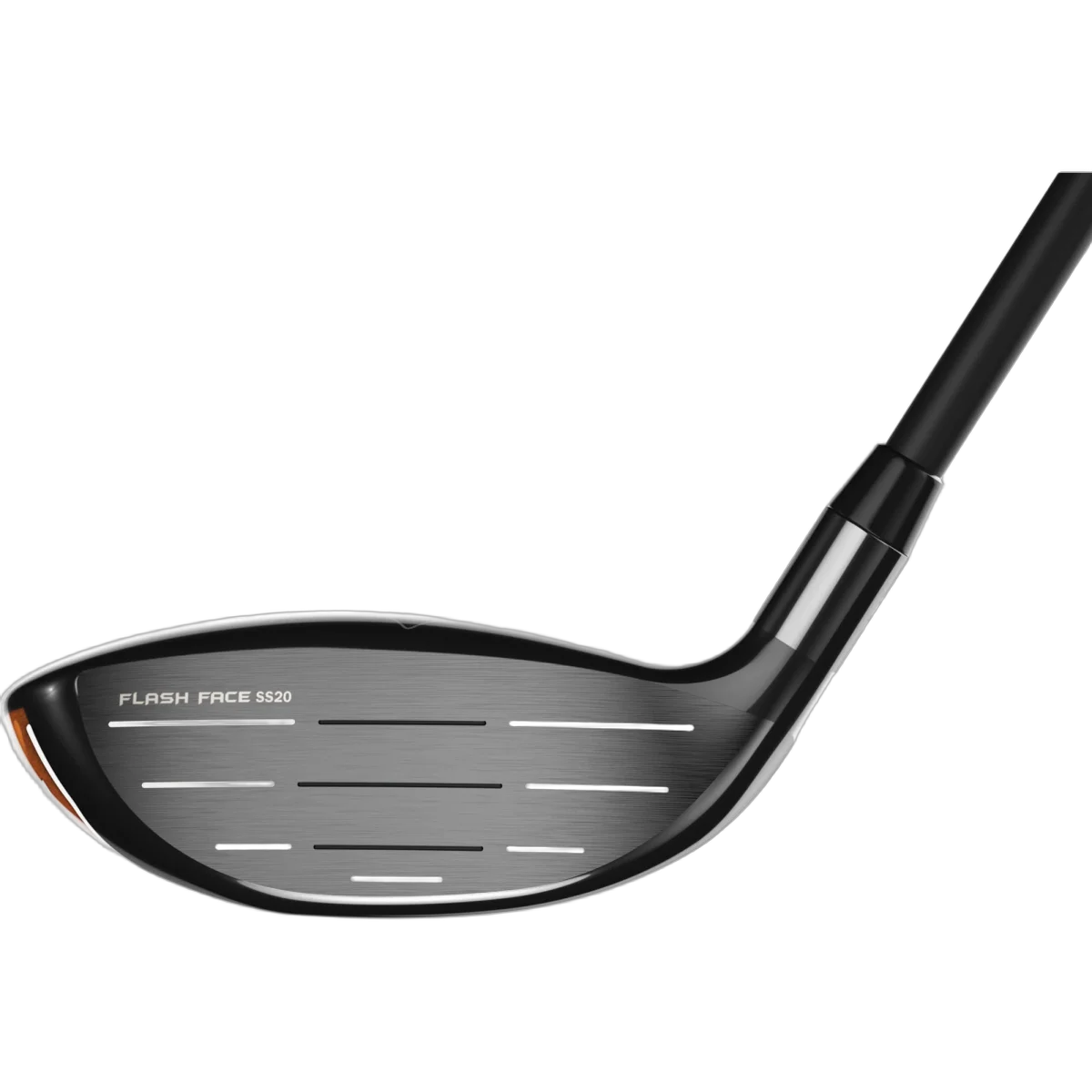
Close-up of Flash Face SS20 clubface with groove detail
The sound is a light metallic "tink" on center strikes -- typical of a modern fairway wood but perhaps a touch quieter due to the carbon crown construction. Move away from the sweet spot and the acoustic character shifts toward something a bit deeper and more hollow, which provides useful auditory feedback on strike quality. Mishits still feel solid thanks to the perimeter weighting from the carbon crown mass savings, but you can tell the difference. That is a good thing in a players' club -- you want to know where you caught it.
Performance
Ball Speed & Distance
The Tungsten Speed Wave earns its name. With 41 grams of tungsten positioned low and forward, the Apex UW generates ball speeds that feel outsized relative to the compact head. The forward CG placement is particularly effective at preserving velocity on strikes below center, which is where most golfers tend to miss with fairway-style clubs.
In practice, the 17-degree model was a consistent 205-210 yard club when working a draw, and capable of reaching 240 yards off the tee or off the deck when I caught one clean with a more aggressive swing. Those numbers put it squarely in the gap between a typical 5-wood and a strong hybrid -- exactly where a utility wood should live.
What sets the Apex UW apart from a standard fairway wood at similar lofts is the consistency. The combination of the forward tungsten weighting and the high-MOI design from the carbon crown means that good swings and slightly off swings produce much closer results than they would with a traditional fairway wood. The distance gap between a flush strike and a moderate mishit was noticeably tighter than I am used to seeing.
Launch & Spin
The Apex UW launches in the mid-teens with spin hovering around or just under 3,000 rpm -- a profile that produces a penetrating, boring flight that carries well without ballooning. This is critical for a club that many golfers will use as a tee-to-fairway weapon on tighter holes, and it is one area where the utility wood design has a clear advantage over higher-spinning hybrids.
The Mitsubishi stock shaft complements this launch profile well. The mid kickpoint and low torque combination keeps the flight stable and predictable, and the 70-gram weight class provides enough heft to feel controlled without being heavy. The flight does not balloon -- it climbs to its apex and holds its line with impressive consistency. For golfers who struggle with hybrids that launch too high and spin too much, the Apex UW offers a more controlled alternative.
One caveat worth noting: this is not a club that stops on a dime. The penetrating ball flight and moderate spin rate mean the ball will release on landing, particularly on firmer greens. Hitting into par 3s or tight pin locations, expect some rollout. That is the trade-off for the distance and trajectory control this club provides.
Dispersion & Shot Shape
The Apex UW produces a neutral, non-draw-biased flight out of the box, which is a departure from many hybrids and fairway woods that tend to build in draw bias for forgiveness. Callaway claims 17% tighter downrange dispersion compared to the Apex Pro hybrid, and my experience supports that -- the club goes where you aim it with minimal side-to-side deviation on well-struck shots.
Sole view with Callaway script logo and orange accent coloring
Shot shaping is genuinely accessible with this club. The compact head and lower spin profile make it responsive to face angle and path changes without being twitchy. I could work a controlled draw or a gentle fade with relatively minor setup adjustments, which is something that larger fairway woods simply cannot match. Off the tee, off the fairway, or from a reasonable lie in the rough, the Apex UW performs with the kind of versatility that earns a permanent spot in the bag.
The forgiveness is real but not limitless. This is not a game-improvement hybrid designed to save your worst swings. It rewards decent contact with exceptional results and penalizes poor contact less than you would expect, but it still demands a reasonable level of ball-striking to get the most out of it.
Verdict
The Callaway Apex UW is one of those clubs that makes you rethink your bag setup. It occupies a space that most golfers do not know they need filled -- longer and more penetrating than a hybrid, more controllable and versatile than a fairway wood, and capable of performing off the tee, off the deck, or out of the rough with equal confidence. The 2026 upgrades are substantive: the Triaxial Carbon Crown and Tungsten Speed Wave represent genuine engineering improvements over the previous generation, not just cosmetic changes.
Strengths: exceptional versatility across different lies and conditions, penetrating ball flight that holds its line in wind, tight dispersion with neutral shot bias, responsive enough for shot shaping, outstanding feel on center strikes, and a clean players' aesthetic that inspires confidence.
Weaknesses: the penetrating flight limits stopping power on approach shots, right-hand only availability restricts the audience, and the club demands competent ball-striking to fully exploit -- higher handicappers looking for maximum forgiveness should look elsewhere. The mixed sentiment around this club often comes down to fit: if your game needs what the Apex UW offers, it is exceptional; if you need more help getting the ball in the air or stopping it on greens, a traditional hybrid may serve you better.
The Apex UW is best suited for low-to-mid handicap players who want a reliable long-game weapon that can replace a hard-to-hit long iron or fill the distance gap between their highest-lofted fairway wood and their longest hybrid. It is a unicorn club for the right golfer.